How Long It Takes To Grow Onions From Planting To Harvest In Utah
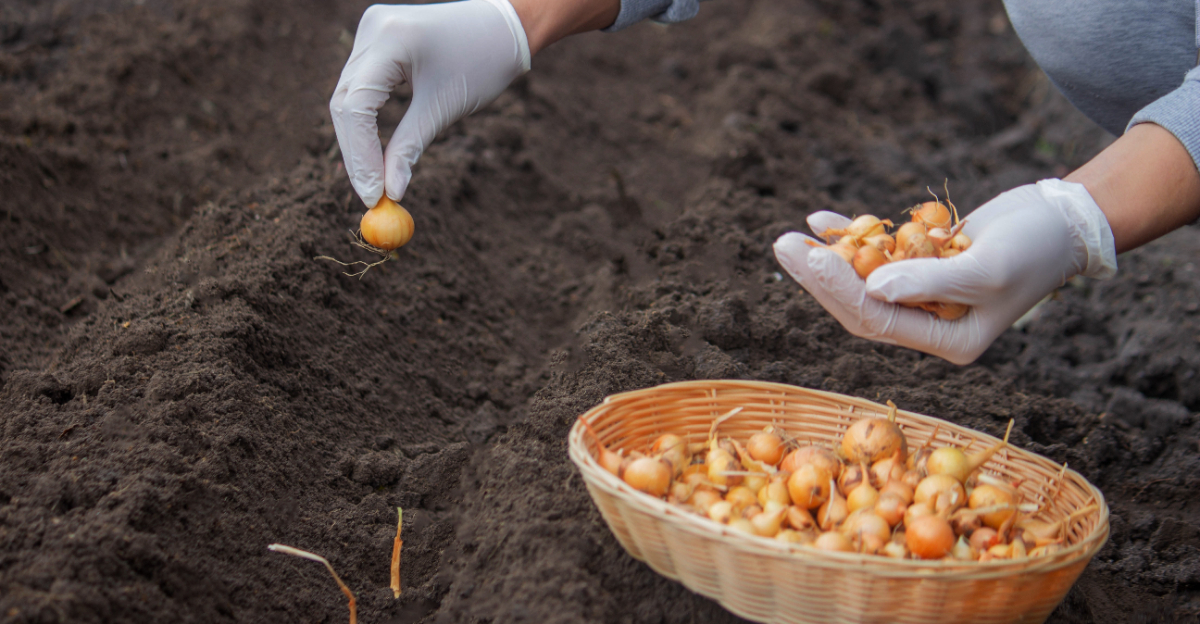
Utah’s high desert doesn’t play nice. Blazing sun, cold nights, soil that drains fast. Get the timing right, though, and onions turn into softball-sized bulbs, sweet enough to eat raw.
Get it wrong, and you’re left with glorified scallions.
So how long does it actually take? Weeks, not days. The answer depends on elevation, planting method, and patience during those slow early stages.
Plant late along the Wasatch Front, and summer heat stalls your onions before they bulb up. Plant smart, and you’re harvesting by midsummer with plenty to cure and store.
Here’s everything you need. Set to harvest. So you know exactly when to plant, when to wait, and when the ground says dig now.
Most Utah Onions Take Four To Five Months To Mature
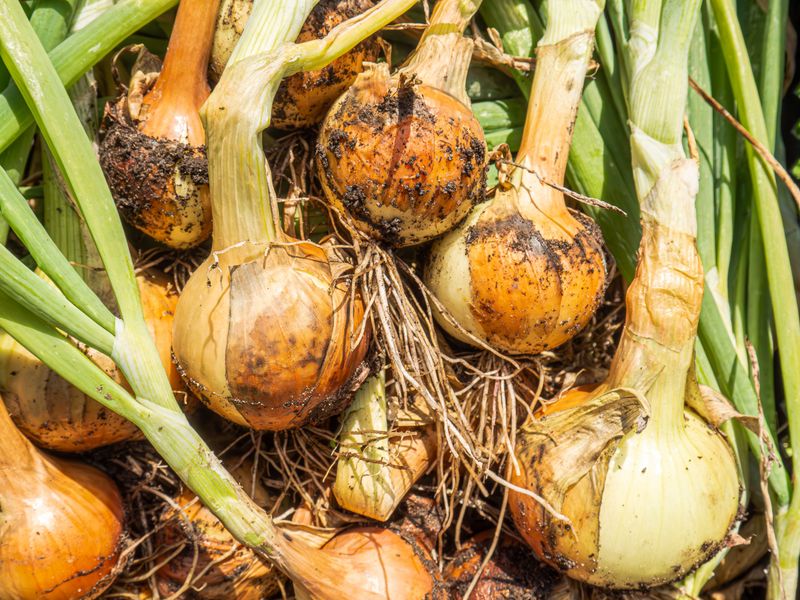
Four to five months sounds like a long wait, but it flies by faster than you expect. Growing onions in Utah on this timeline is standard practice, and most varieties stick right to it.
Short-day onions struggle in Utah because the state sits in a northern latitude zone. Long-day varieties thrive here, needing 14 to 16 hours of daylight to trigger proper bulb growth.
Popular Utah-friendly picks include Walla Walla and Yellow Sweet Spanish, both long-day types, along with Candy, an intermediate-day variety that still performs well at Utah’s latitude.
Starting from seed stretches the timeline even further, sometimes pushing past five months total. Sets and transplants shave weeks off the front end, giving you a head start without sacrificing yield.
Soil temperature matters more than most gardeners realize at the beginning. Onions prefer soil above 50 degrees Fahrenheit, so planting too early in cold ground slows germination and stunts early growth.
Altitude also plays a role across the Beehive State. Higher-elevation gardens in places like Cedar City or Logan may run a week or two behind lower valleys like St. George or Provo.
Tracking your planting date on a simple calendar prevents a lot of guesswork. Mark the expected harvest window right away so you can plan meals, canning sessions, and storage space in advance.
Patience is genuinely the secret ingredient here. Give your onions the full timeline and they will reward you with firm, flavorful bulbs worth every single day of waiting.
Seeds, Sets, And Transplants Each Start On A Different Timeline
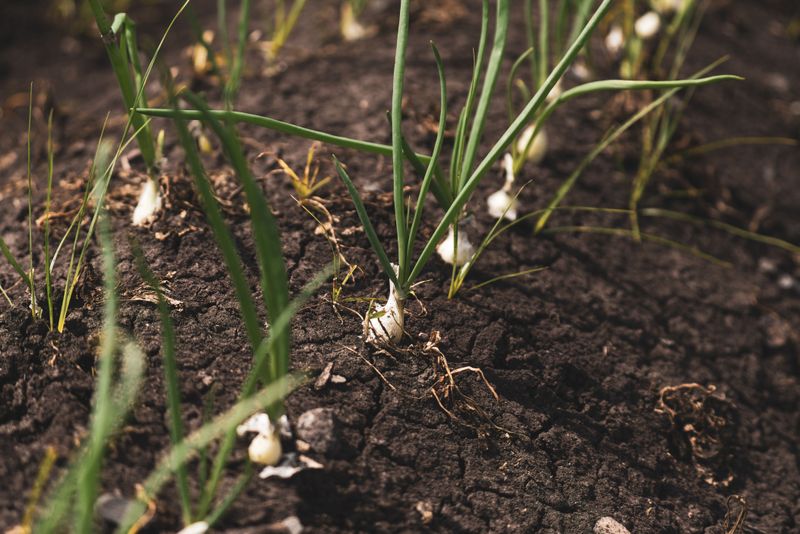
Not all onion starts are created equal, and your choice changes everything about timing. Seeds, sets, and transplants each bring their own schedule to the garden bed.
Starting from seed is the longest path, requiring an extra eight to ten weeks indoors before outdoor planting. You would typically start seeds in January or early February to hit a March or April transplant window.
That indoor head start adds up fast when you count the full calendar. Seed-grown onions can take five to six months from first germination to final harvest in a Utah garden.
Sets are the small, dried bulbs sold in garden centers each spring. They go straight into the ground without any indoor prep, cutting the front-end wait down to just a few weeks.
Your Utah Garden Changes Every Week. Your Plan Should Too.
Gardening in Utah changes quickly throughout the season. Every Friday you’ll receive a simple weekly plan showing exactly what to plant, prune, fertilize, harvest, and protect so you never miss the right timing.
Sets are convenient, but they carry a slightly higher risk of bolting in warm weather. Choosing smaller sets, about the size of a marble, reduces that risk and produces better bulbs.
Transplants hit the sweet spot between seeds and sets for most home growers. Nursery-grown starts are already six to eight weeks old when you buy them, trimming the total grow time to roughly 90 to 110 days.
Buying transplants from a local Utah nursery also means the plants are already adapted to regional conditions. That local advantage translates directly into stronger, faster establishment after planting.
Whichever method fits your schedule, knowing the timeline upfront prevents surprises. Choose your starting point wisely and the rest of the season practically plans itself.
Early Spring Planting Sets Up A Late Summer Harvest
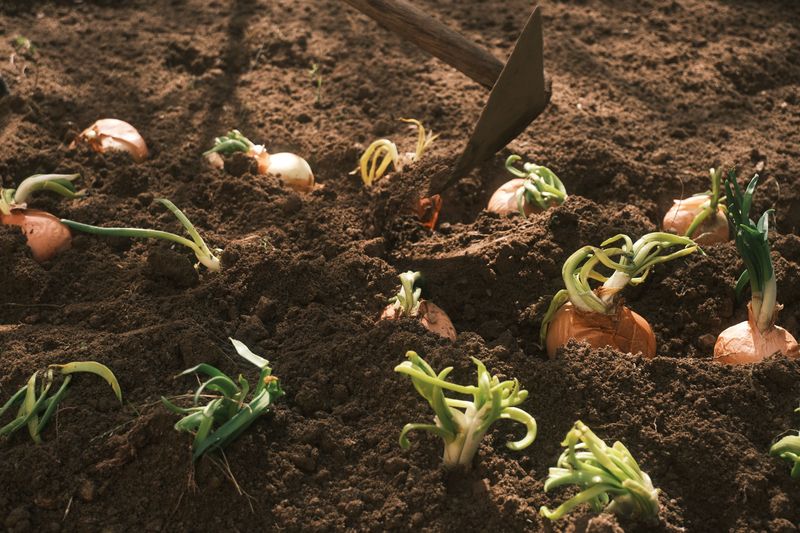
There is something almost magical about pushing onion sets into cold spring soil while mountains still wear snow. Early spring planting is the move that makes a late summer harvest possible in Utah.
Most Utah gardeners aim to get onions in the ground between mid-March and mid-April. Soil temperature should be at least 50 degrees Fahrenheit, but onion tops can handle a light frost without damage.
The Wasatch Front, including Salt Lake City and Ogden, typically sees plantable conditions by late March. Southern Utah valleys like St. George can often start two to three weeks earlier thanks to warmer baseline temperatures.
Planting in early spring takes advantage of increasing daylight hours through April, May, and June. Those lengthening days are exactly what long-day onion varieties need to shift from top growth into bulb development.
Raised beds warm up faster than in-ground plots, which is a genuine advantage in Utah’s cool spring mornings. A simple row cover or cold frame can push your planting date even earlier by trapping ground warmth overnight.
Spacing onions about four to six inches apart in rows gives each bulb room to swell without crowding neighbors. Tight spacing produces smaller bulbs, so resist the urge to cram extra plants into limited space.
Consistent watering during the first four to six weeks after planting builds the root system that feeds bulb growth later. Skipping this early moisture sets the whole season back by weeks.
Plant early, water consistently, and late summer will bring a harvest worth bragging about at the farmers market.
Warm Weather And Long Days Trigger Bulb Formation
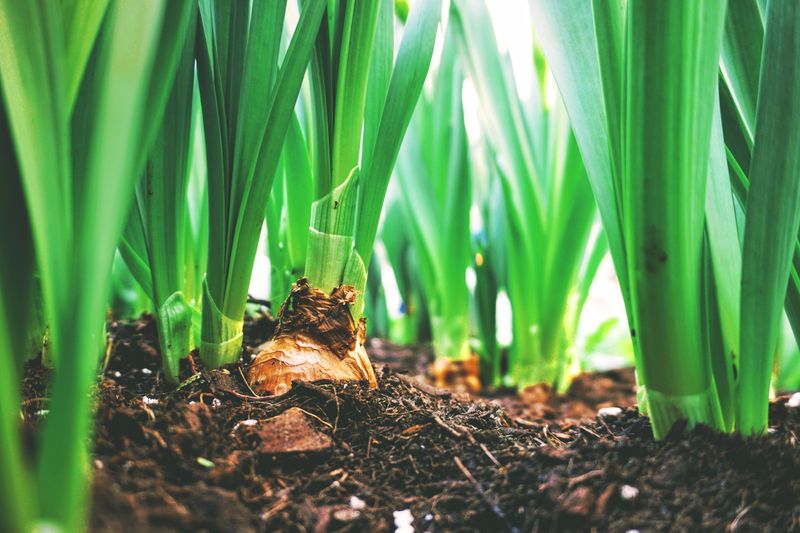
Midsummer in Utah feels intense, but your onions are absolutely loving it. Warm soil and 14-plus hours of daylight flip a biological switch that starts building the bulb below ground.
This shift typically happens in June and July across most of Utah. You will notice the green tops thickening at the base as the plant redirects energy downward into the forming bulb.
Long-day onion varieties are specifically bred to respond to this light trigger. Without enough daylight hours, the plant just keeps producing leafy tops and never develops a proper bulb at all.
Soil temperature between 55 and 75 degrees Fahrenheit encourages the fastest, most even bulb development. Temperatures above 85 degrees can stress the plant and slow bulb expansion during the critical growth phase.
Watering becomes especially important once bulb formation begins in earnest. Inconsistent moisture during this stage causes splitting, cracking, and uneven bulb shapes that make storage more difficult.
Drip irrigation works beautifully for onions because it delivers steady moisture directly to the root zone. Overhead watering can promote fungal issues on the foliage during Utah’s warm, dry summers.
Pulling back on nitrogen fertilizer once bulbs begin forming is a move experienced growers swear by. Too much nitrogen at this stage pushes leafy growth instead of letting the plant put energy into the bulb.
Trust the process during this phase, because the bulbs are doing serious work underground even when you cannot see it happening yet.
Yellowing, Falling Tops Signal It’s Almost Time To Pull
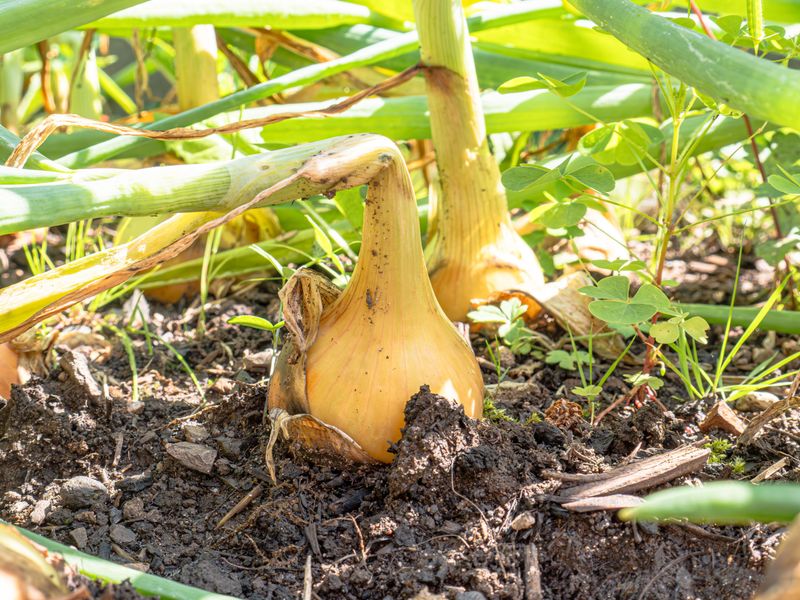
When half your onion tops flop over and turn yellow, do not panic. That dramatic collapse is actually the best news your garden has delivered all season.
This natural toppling usually happens in August or early September for spring-planted Utah onions. The plant is telling you it has finished its job and the bulb is as big as it is going to get.
Waiting for about half to two-thirds of the tops to fall before pulling is the standard rule of thumb. Pulling too early means smaller bulbs with thinner skins that will not store as well through winter.
Some growers gently push over any remaining upright tops by hand once most have fallen naturally. This tricks the plant into finishing the curing process faster while still attached to the bulb underground.
Stop watering your onions about two weeks before you plan to harvest. Dry soil makes pulling easier and helps the outer skin begin tightening up before the bulbs even leave the ground.
Loose, sandy soil makes harvest almost effortless, but Utah clay soil benefits from a garden fork loosened nearby before pulling. Yanking onions straight up from hard clay can snap the neck and damage the bulb.
Check a few bulbs by pulling them and pressing the neck area with your thumb. A firm, dry neck means the bulb is ready, while a soft or wet neck signals a few more days of drying are needed.
That flopped-over top is your garden waving a harvest flag, and you absolutely should not ignore it.
Curing After Harvest Adds A Few More Weeks Before Storage
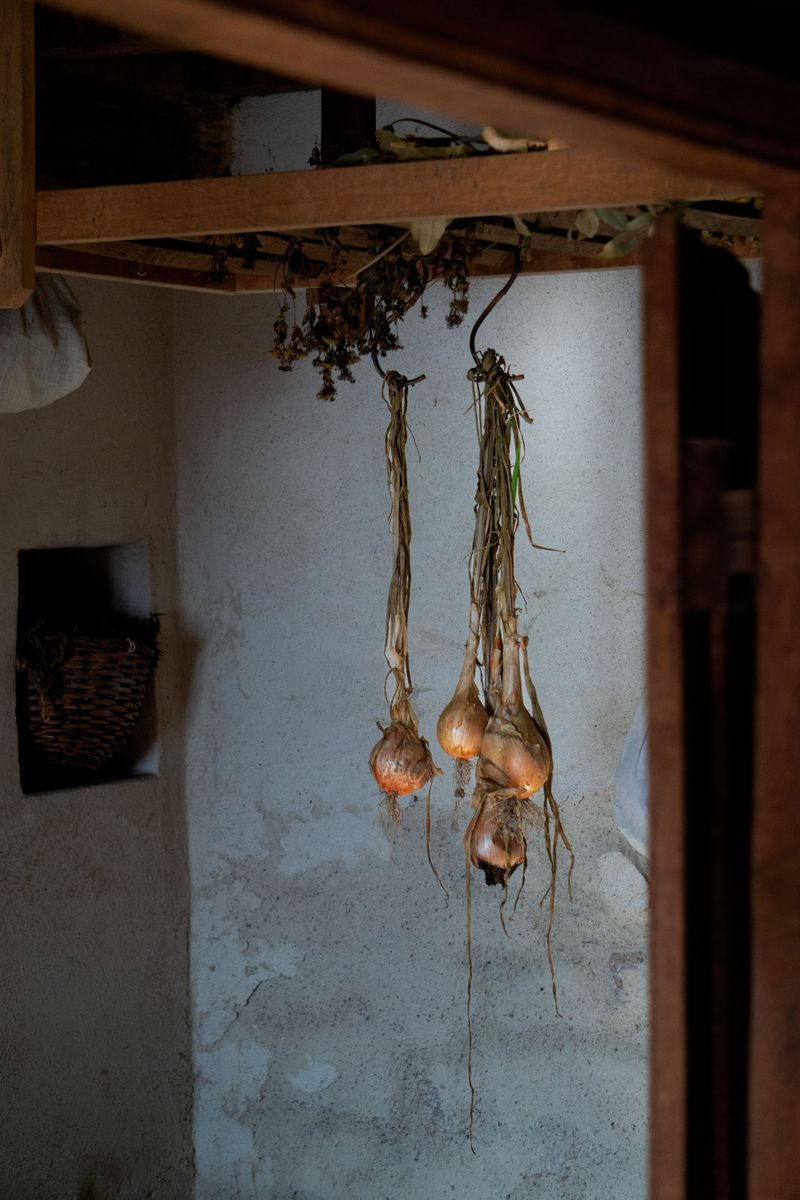
Pulling onions from the ground feels like the finish line, but there is one final stage that determines how long they last. Curing is the process that transforms a freshly dug onion into one that stores for months.
Curing simply means letting the onion dry out slowly in a warm, airy spot for two to four weeks. During this time the outer skin tightens, the neck seals shut, and the bulb becomes shelf-stable.
Utah’s dry late-summer air is actually perfect for outdoor curing on a screen or slatted rack. Lay onions in a single layer with good airflow on all sides, avoiding any stacking.
Shade is essential during curing because direct sun can cause sunscald on the outer skin. A covered porch, a shaded barn wall, or even a garage with good cross-ventilation works perfectly for this stage.
Temperatures between 75 and 95 degrees Fahrenheit speed up the curing process without damaging the bulb. Nights that dip below 40 degrees can slow things down, so bring trays inside if an early cold snap arrives.
After two to four weeks, clip the dried tops to about one inch above the bulb. Trim the roots close to the base and brush off any loose soil before moving onions to long-term storage.
Store cured onions in a cool, dark spot with good ventilation, ideally between 32 and 40 degrees Fahrenheit. Properly cured onions grown in Utah can last six to eight months under the right conditions.
The curing step is what separates a garden snack from a winter pantry staple, and it is absolutely worth the wait.