What Vermont Homeowners Should Do To Their Trees In Early August For Better Fall Color
Your maple trees are hiding from you right now. Nothing about your color settles yet. August decides everything before your autumn arrives. Every choice you make this week rewrites their fall script.
Vermont summers end quietly, then your color shifts without warning. Stress, sunlight, and soil chemistry negotiate your canopy’s outcome.
Water your maples too little and leaves brown before they glow. Feed the wrong nutrients and your crimson turns to mustard.
Prune and you quiet branches that could gleam red. Chlorophyll in your leaves is breaking down right now.
Anthocyanins are forming, or failing to, based on your next move. Act now, like homeowners across Vermont, and watch streets glimmer by October.
Those who wait watch neighbors outshine them. Timing here matters far more than effort ever will.
Precision always beats guesswork every single time. What you do this week decides whether your trees whisper or shine this autumn.
1. Water Deeply During Dry Stretches
Drought stress significantly dulls fall color. When your trees are thirsty in August, they skip the bold reds and turn a dull, uniform brown by October.
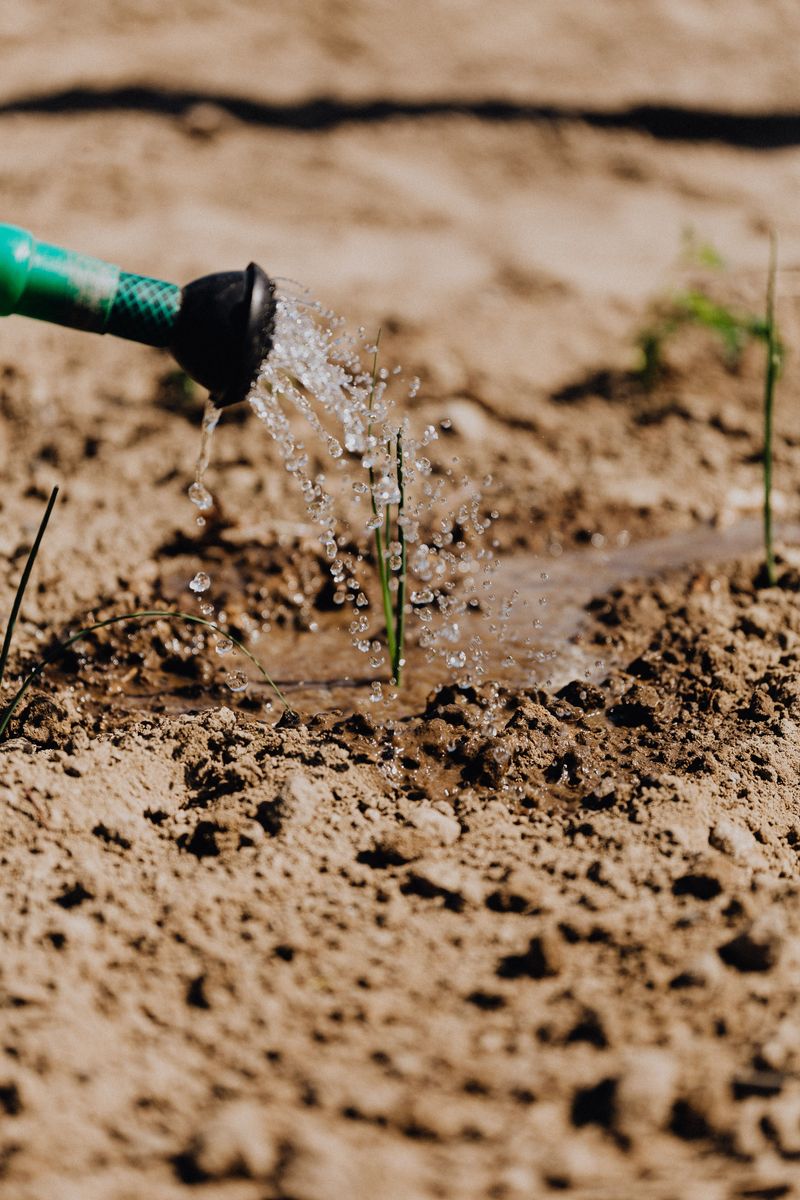
Vermont homeowners should check soil moisture at least six inches down. Stick your finger or a screwdriver into the ground near the drip line. If it comes out dry, your tree needs a long, slow drink.
Deep watering generally means letting water soak in slowly for roughly 30 to 45 minutes, depending on soil type and hose flow. A slow trickle from a hose laid near the roots works better than a quick splash from a sprinkler.
Sugar maples are especially sensitive to dry spells in late summer. Their pigment production depends on consistent moisture moving through the roots right now.
As a general guideline, water every seven to ten days if rain has been scarce, adjusting for soil and weather conditions. Morning watering is best because it gives roots time to absorb before afternoon heat kicks in.
Skipping this step is one of the most common mistakes homeowners make. Trees that struggle in August often disappoint in October, no matter how perfect the weather gets.
A well-hydrated tree stores more sugars in its leaves. Those stored sugars are exactly what create the brilliant reds and oranges Vermont is famous for.
One deep watering session per week can meaningfully improve your fall display. Start now, and your trees will reward you with a show worth photographing.
2. Avoid Heavy Pruning This Late
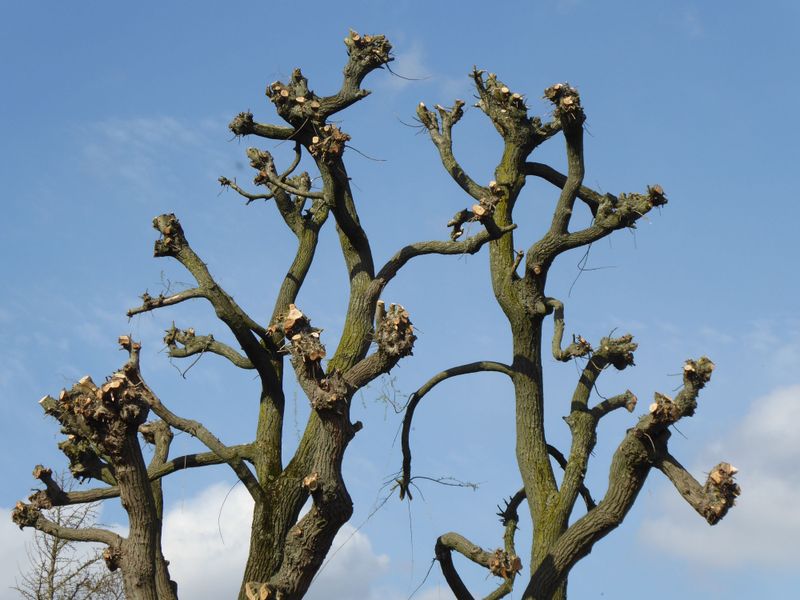
Hold off on major pruning tools for now, and let your trees rest for a few more weeks. Heavy pruning in early August sends a confusing signal to your trees.
They interpret large cuts as damage and rush energy toward healing wounds instead of building fall pigments.
That energy redirection costs you color. A tree spending resources on wound repair in August has less fuel left for the anthocyanin production that drives red and purple hues.
Vermont homeowners often prune in summer because the canopy is full and problem branches are easy to spot. The logic makes sense, but the timing works against your autumn goals.
Light cleanup is fine. Removing a damaged branch or two will not cause any problems. The issue is major structural cuts that remove large portions of the crown.
Save significant pruning for late October through early March. During dormancy, cuts heal faster and the tree does not waste energy responding during active growth.
If a branch is genuinely dangerous, remove it. Safety always comes first, and one branch will not ruin your whole fall color display.
Think of your tree like a performer resting before a big show. Stress it out backstage and it will not deliver its best performance when the curtain rises in late September.
Patience pays off here. Wait six more weeks, and your trees will thank you with a color display that makes the whole neighborhood stop and stare.
3. Skip Nitrogen To Prevent Delayed Color
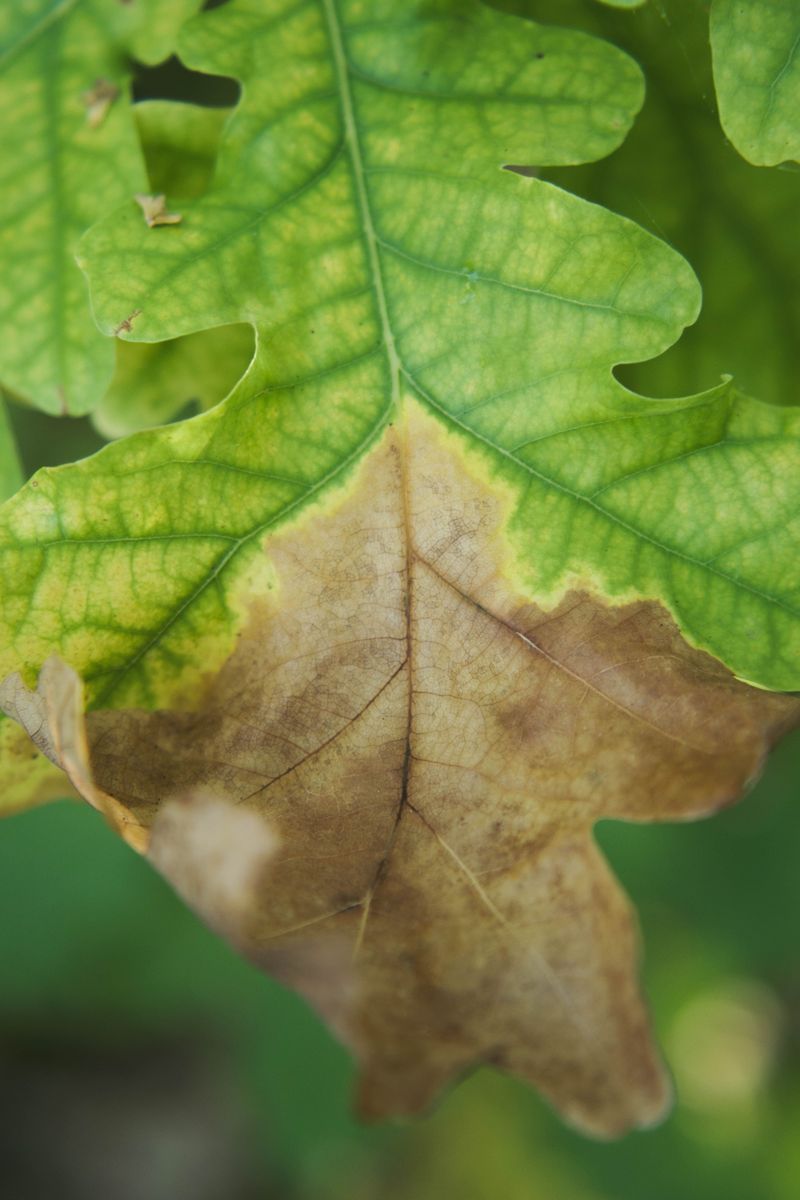
Nitrogen fuels lush, leafy green growth, which sounds great until you realize green leaves and fall color are opposites.
Applying nitrogen fertilizer in August tells your tree to keep growing new green foliage. That message directly delays the shutdown process that triggers color change.
Fall color happens when trees stop producing chlorophyll. Nitrogen keeps chlorophyll production humming, which means your leaves stay green longer than they should.
Vermont homeowners who fertilized heavily in spring might be tempted to add another round in August. Skip it. Your trees have enough fuel to finish the season strong.
If you feel the urge to feed your trees, wait until late October or November. A dormant-season application feeds roots without triggering unwanted late-season growth.
Phosphorus and potassium are different. Those nutrients support root health and stress resistance without pushing green growth. A low-nitrogen formula applied carefully in early fall can actually help.
Lawn fertilizer is a sneaky culprit here. If you spread a nitrogen-heavy lawn product near your trees, the roots pick it up too. Buffer your tree zones carefully this time of year.
The goal in August is to let your tree begin its natural wind-down. Any input that fights that process works against the brilliant display you want in October.
Less really is more in late summer. Hold off on the fertilizer bag, and let nature take the wheel toward peak color.
4. Mulch The Base To Retain Moisture
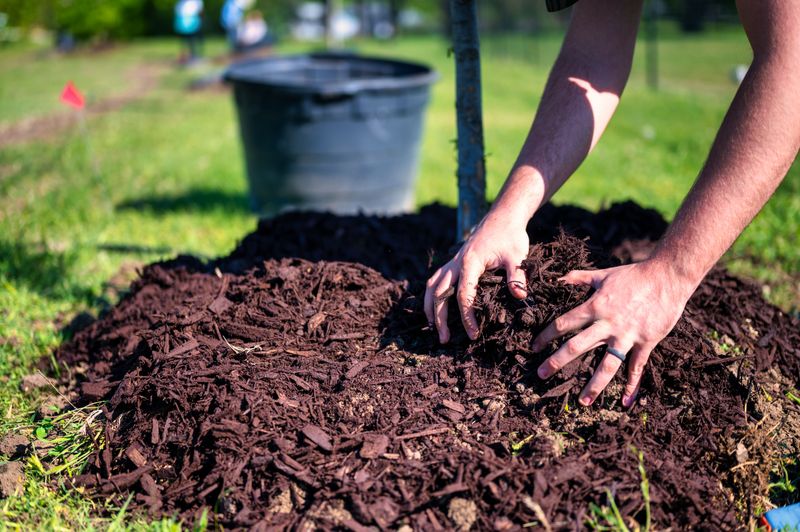
Bare soil around your tree base is a missed opportunity. Mulch is one of the cheapest, most effective things you can do for fall color right now.
A three-inch layer of wood chips or shredded bark does several important jobs at once. It holds soil moisture, regulates temperature, and slowly feeds the tree as it breaks down.
Vermont summers can swing between soaking rain and harsh dry spells within the same week. Mulch acts as a buffer, smoothing out those swings so roots stay consistently happy.
Consistent root conditions in August translate directly to more reliable pigment production in September and October. Stressed roots mean stressed leaves, and stressed leaves mean weak color.
Spread mulch in a ring extending at least three feet from the trunk. The wider the ring, the better, since feeder roots extend far beyond what most people expect.
Keep the mulch layer loose and even. Packed-down mulch can actually repel water instead of holding it, which defeats the whole purpose of laying it down.
Avoid using fresh wood chips from diseased trees. Composted or aged wood chips are safer and break down into beneficial organic matter your tree can actually use.
One afternoon of mulching now can protect your tree through August heat and into the color transition weeks ahead.
Think of it as tucking your tree in for a productive rest. Getting the mulch right now can help support a healthier tree and better fall color.
5. Check Leaves For Pest Stress
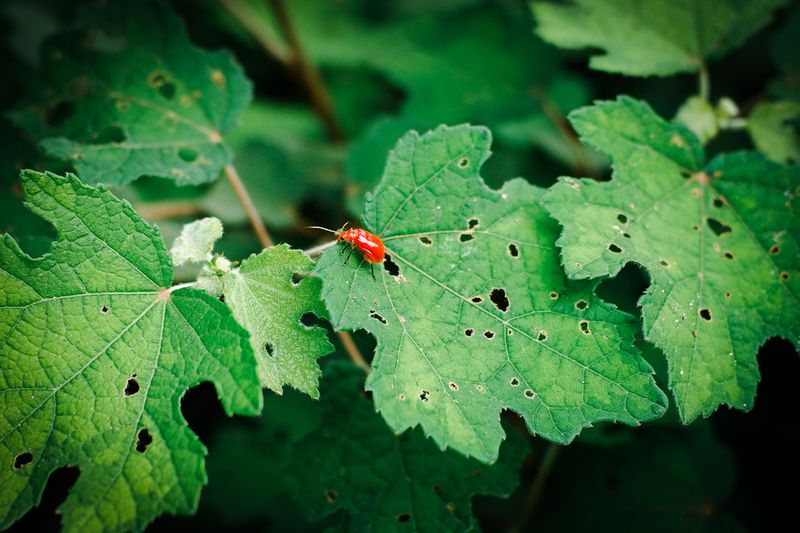
Tiny bugs can significantly diminish a tree’s fall color display. August is prime time for pest populations to peak, and your leaves are the first to show the damage.
Flip a few leaves over and look closely. Spider mites, aphids, and scale insects love the undersides of leaves and can go unnoticed until the damage is already done.
Pest-stressed leaves often drop early or turn brown before they ever get a chance to shift into red or orange. Early detection gives you a fighting chance to intervene.
Vermont homeowners should walk their property in early August with fresh eyes. Look for stippled, curled, or sticky leaves, which are classic signs that something is feeding on your foliage.
Leaf miners are another common problem in the region. These insects tunnel inside leaves and leave pale, winding trails that weaken the leaf before color season even begins.
For mild infestations, a strong spray of water from a garden hose can knock pests off leaves. Repeat every few days for two weeks to break the population cycle.
Heavier infestations may need an insecticidal soap or horticultural oil spray. Both are relatively gentle and effective when applied early in the morning before temperatures climb.
Catching pest problems now gives your tree enough time to recover before the color transition begins. A healthy, undamaged leaf is the only kind that produces brilliant autumn hues.
Your eyes are your best tool this month. A quick weekly check could save your entire fall display from a slow, invisible takeover.
6. Pull Mulch Off The Trunk
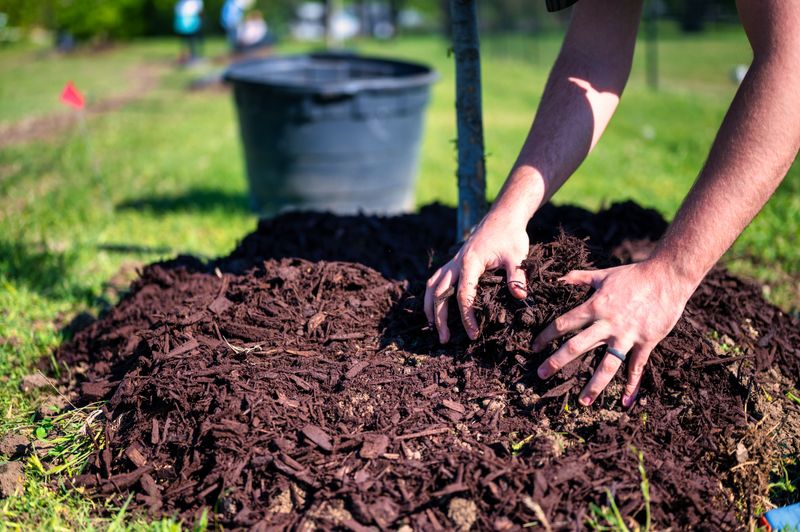
Mulch volcanoes are a common and damaging mistake for Vermont trees. A mulch volcano is when chips are piled high against the trunk, sometimes a foot deep.
That buried bark stays wet, soft, and vulnerable. Moisture against the trunk creates perfect conditions for fungal rot and insect damage to take hold just below the surface.
Pull mulch back at least four to six inches from the base of the trunk. You want to see the root flare, that slightly widened zone where trunk meets ground.
If the root flare is buried, your tree is already under stress. Gently remove excess mulch and soil until that natural flare is visible and exposed to open air.
Bark needs to breathe. Keeping it dry and exposed prevents the kind of slow rot that can weaken a tree from the inside out over several growing seasons.
Vermont homeowners often add mulch year after year without removing old layers. That buildup compounds the problem. Rake out old material before adding anything fresh this August.
The goal is a donut shape, not a volcano shape. Mulch should surround the tree in a wide, flat ring with a clear gap around the actual trunk.
Correcting mulch placement is a ten-minute job with big long-term payoffs. A tree with healthy bark and roots is far better equipped to produce vivid fall color.
Getting the mulch right now sets your tree up for a stronger autumn and a healthier growing season next spring.
7. Watch For Early Leaf Drop
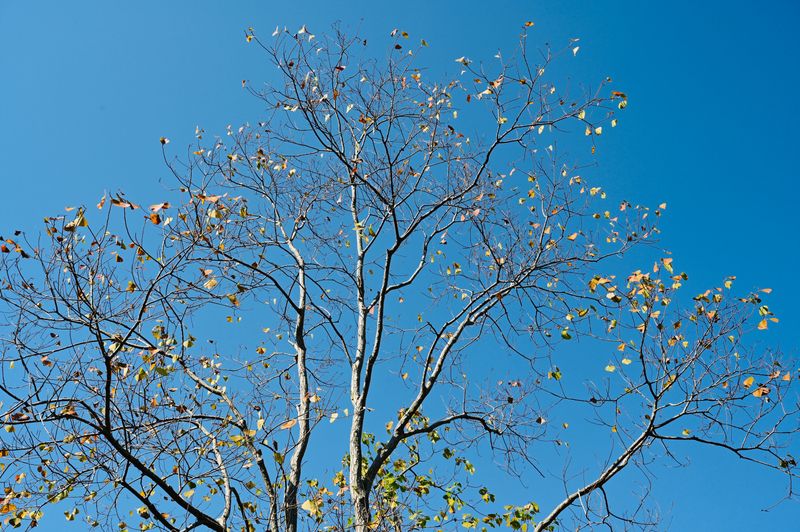
Finding leaves on the ground in August should raise a flag. A few scattered leaves are normal, but a heavy early drop is your tree signaling a problem.
Early leaf drop usually points to one of a few culprits: drought stress, fungal disease, pest damage, or compacted soil cutting off root oxygen. Each cause needs a different fix.
Look at which leaves are falling. If it is mostly the older inner leaves, that can be natural self-thinning. If outer or upper canopy leaves are dropping, something is wrong.
Vermont homeowners should also check for tar spot, a common fungal disease that creates black blotches on maple leaves. Infected leaves drop early and skip the color phase entirely.
Tar spot is mostly cosmetic and will not harm a healthy tree. Raking and bagging fallen leaves prevents the spores from overwintering and reinfecting next spring.
If you notice sudden heavy leaf drop paired with wilting or branch decline, call an arborist. Some causes, like Verticillium wilt, need professional assessment and a longer-term management plan.
Documenting what you see is smart. Take a few phone photos of the affected areas and the fallen leaves. That record helps an arborist diagnose the problem faster.
A tree that loses its leaves in August has fewer weeks to produce the pigments that drive fall color. Catching the problem early gives you the best shot at salvaging the season.
Stay curious and observant this month. Your tree is always communicating, and August is when the most important signals start arriving.
8. Keep Soil Moist For New Trees
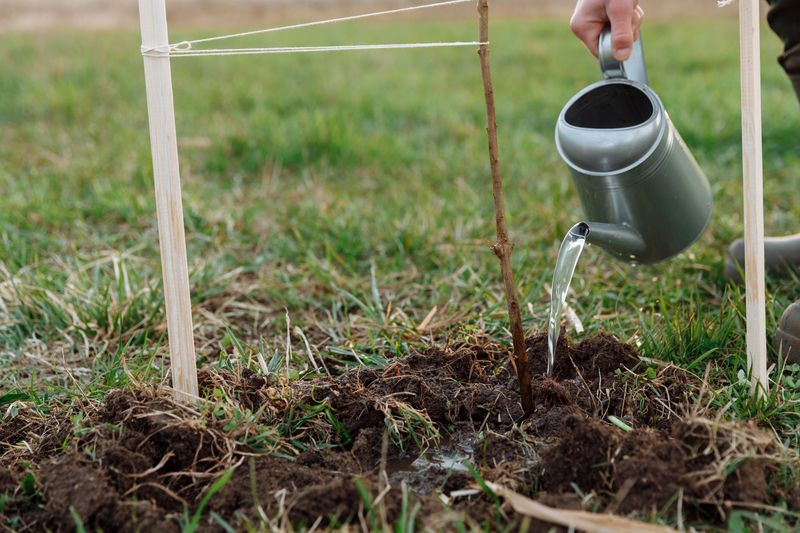
Young trees are the most vulnerable players in this whole fall color game. A sapling planted within the last two years has a root system that barely reaches beyond its original root ball.
Those shallow roots have no buffer against dry August soil. What Vermont homeowners need for better fall color starts with keeping new trees consistently moist through the end of summer.
Check new trees every two to three days in August. Push a finger two inches into the soil near the base. If it feels dry, water slowly and deeply right away.
A five-gallon bucket with a small hole in the bottom makes a great slow-drip waterer. Fill it and let it drain over an hour near the root zone.
Young trees that dry out in August often respond by dropping leaves entirely. Some survive but spend all their energy on root recovery instead of pigment production.
Mulching around new trees is especially critical. A wide, three-inch ring of wood chips can cut moisture loss dramatically on hot August afternoons in Vermont.
Avoid overhead sprinkler watering for young trees. It wets the foliage without reaching deep enough to feed the root zone where moisture actually matters most.
New trees typically need roughly ten gallons of water per week in dry conditions, though this varies with tree size and soil drainage. Spread that over two or three sessions rather than dumping it all at once for best absorption.
Every new tree you protect this August is more likely to thrive for years to come. Give them the care they need now, and they will pay you back in color for seasons ahead.