What Virginia Bermuda Needs In October Before It Goes Dormant
Those cool mornings and crunchy leaves are back, and so is that classic pumpkin spice smell drifting through Virginia yards everywhere. Your lawn is soaking it up too, even if it still looks perfectly green and oblivious.
Here is the part nobody tells you: right under your feet, your grass is basically prepping a survival kit for winter. It is storing up energy like a squirrel hoarding acorns, except instead of nuts, it is stockpiling sugar in its roots.
The next few weeks matter more than you’d think. A handful of simple moves now can mean a thick, green carpet of a lawn come spring, instead of a patchy mess that makes you question every choice you made last fall.
So pour some cider, grab a jacket, and let’s get your Bermuda ready for its nap. The to-do list is shorter than you’d expect.
1. Feed It Nitrogen Early, Then Switch To Potassium

Think of potassium as a warm winter coat for your grass. It helps Bermuda handle cold snaps and frost much better.
Here’s the part most homeowners get backward. Nitrogen in early fall actually helps Bermuda, giving it fuel to build carbohydrate reserves and stronger roots before winter sets in.
Virginia Tech research even shows a September nitrogen application, around one pound per 1,000 square feet, followed by smaller doses every four to six weeks, leads to a healthier lawn that bounces back better in spring.
The shift happens as October rolls in. This is when you want to taper off nitrogen and let potassium take the lead instead, since pushing new leafy growth too close to frost can leave the plant more vulnerable to cold damage.
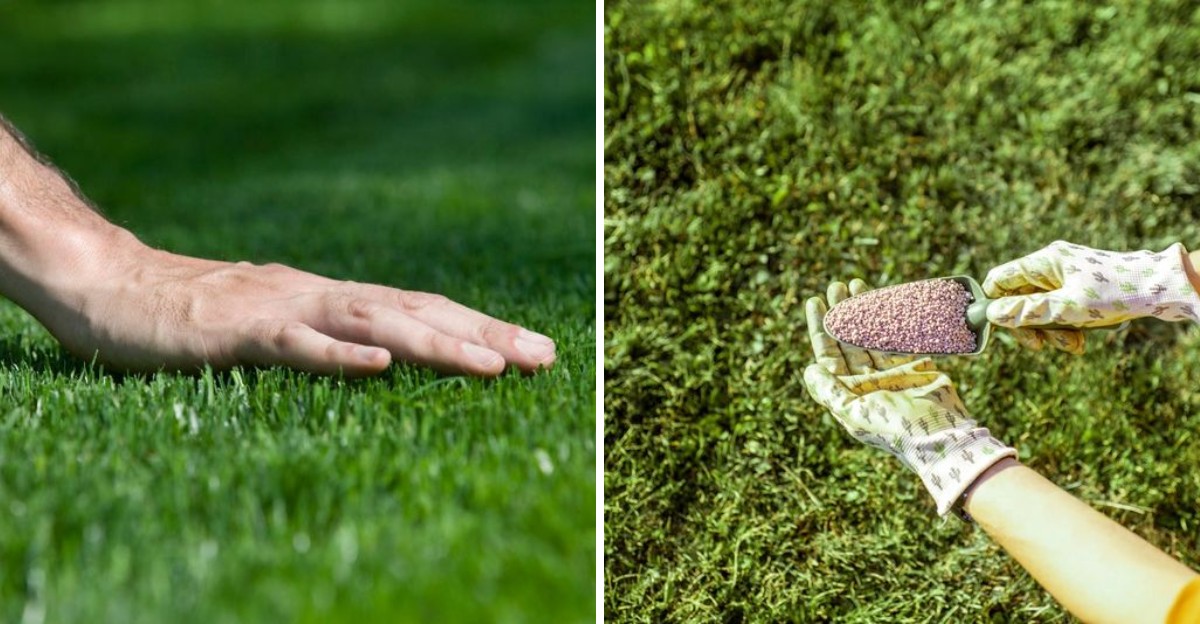
Look for a fertilizer with a big last number on the bag, like 0-0-60 or 5-10-30. That last number stands for potassium, and it is the star of the show once the calendar flips to October.
Potassium strengthens cell walls and helps roots store sugars for winter. Those stored sugars become the fuel your lawn uses to green up in spring.
Aim to apply your potassium-heavy feeding early in the month, while the grass is still green and growing a little. Water it in lightly so the granules reach the soil.
A soil test can tell you exactly how much your yard needs. Virginia Tech Extension offers low cost kits, and they are worth every penny.
Fun fact: potassium is the same nutrient that makes bananas famous. Your lawn just prefers it in granule form.
If your soil test comes back showing potassium levels are already sufficient, skip the extra application, since too much can leach away and waste both money and product.
2. Raise The Mower A Notch
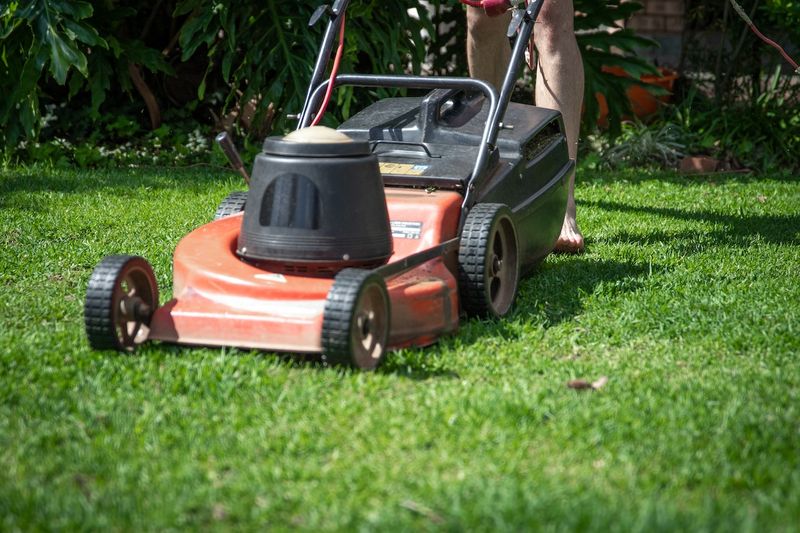
Your grass blades are basically tiny solar panels working overtime before winter hits. The more surface area they have, the more energy they can soak up and store.
During summer, many people cut Bermuda short, around one inch. In October, try raising your mower by about half an inch.
Your Virginia Garden Changes Every Week. Your Plan Should Too.
Gardening in Virginia changes quickly throughout the season. Every Friday you’ll receive a simple weekly plan showing exactly what to plant, prune, fertilize, harvest, and protect so you never miss the right timing.
Slightly taller blades soak up extra sunlight on shorter Virginia fall days. That extra energy turns into food stored in the roots and runners.
Taller grass also shields the crowns, the growing points near the soil. Those crowns are what bring your lawn back to life next spring.
Keep mowing as long as the grass keeps growing. Once growth slows to a crawl, you can park the mower for the season.
Make sure your blade is sharp before those last few cuts. A dull blade tears the tips, leaving brown, ragged edges that invite disease.
Here is a handy rule to remember. Never remove more than one third of the blade height in a single mowing.
Following that habit keeps your grass calm and less stressed. A relaxed lawn handles the cold far better than a scalped one.
A sharp blade also means a cleaner cut overall, so your lawn looks tidier right up until the day you finally put the mower away for the season.
3. Water Smart As Days Cool Down
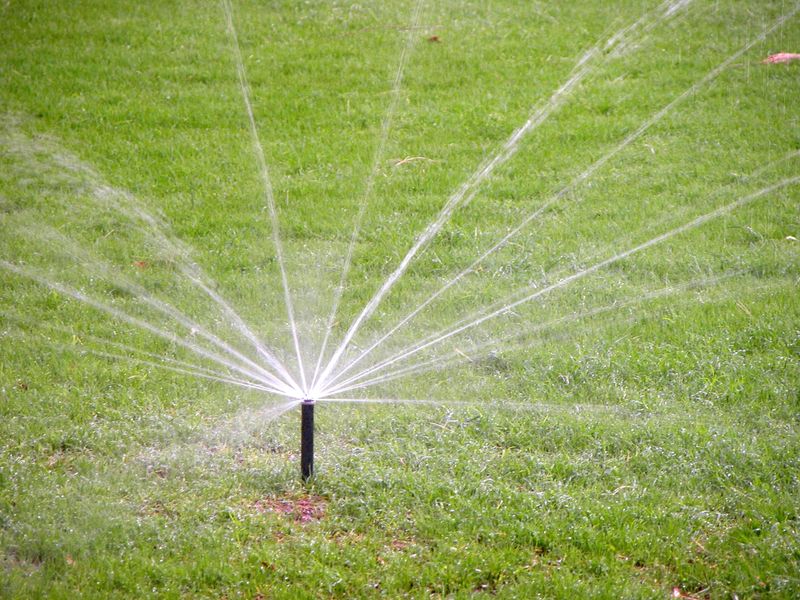
Ever notice how your sprinkler seems less needed once the air turns crisp? You are right, and your lawn agrees.
Bermuda grass drinks much less water in October than it did in July. Cooler temperatures mean less moisture escapes from the soil.
Still, a dry fall can stress the roots before winter. If you go about ten days without rain, give your lawn a deep drink.
Aim for about half an inch to one inch of water each time. Deep, less frequent watering encourages roots to grow downward.
Water early in the morning, ideally before 9 a.m. Wet grass at night can invite fungus, especially as nights grow longer and cooler.
A simple tuna can makes a great rain gauge. Set it on the lawn, run the sprinkler, and time how long it takes to fill.
Across much of Virginia, fall rain often handles most of the work. Your job is simply to watch the weather and fill in the gaps.
Going into dormancy with moist soil helps protect the roots. Dry soil in winter can leave your lawn weaker come spring.
4. Stop Winter Weeds Before They Sprout
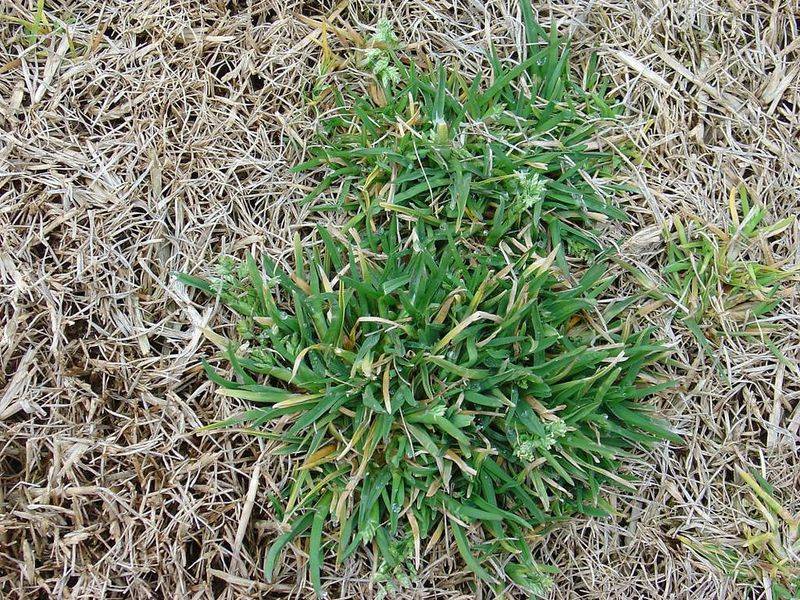
Sneaky little invaders are planning their move right now. Weeds like poa annua and henbit sprout in fall and hide all winter.
When Bermuda turns tan and sleepy, those green weeds suddenly stand out. They steal space and nutrients your grass will want in spring.
A pre-emergent herbicide creates a barrier in the top layer of soil. It stops weed seeds from growing before you ever see them.
Timing matters a lot here, more than people realize. Annual bluegrass starts germinating in early September across most of Virginia, which means your pre-emergent needs to go down before that happens, not after.
Aim for mid to late August in most of the state, with gardeners in the mountains leaning toward the earlier end and those along the coast able to wait a touch longer.
Products with prodiamine or dithiopyr are popular choices for warm season lawns. Read the label carefully and follow the rates listed.
Water the product in within a day or two to activate it. Without water, the barrier may not form properly.
One small warning is worth sharing. Skip pre-emergent if you plan to overseed with ryegrass, because it will block those seeds too.
Staying ahead of weeds now saves you hours of pulling later. Your spring self will thank you for this quick fall chore.
Mark your calendar a few weeks earlier than you think you need to, since missing this window by even a week or two can mean fighting weeds all winter instead of preventing them.
5. Rake Up Leaves Before They Smother
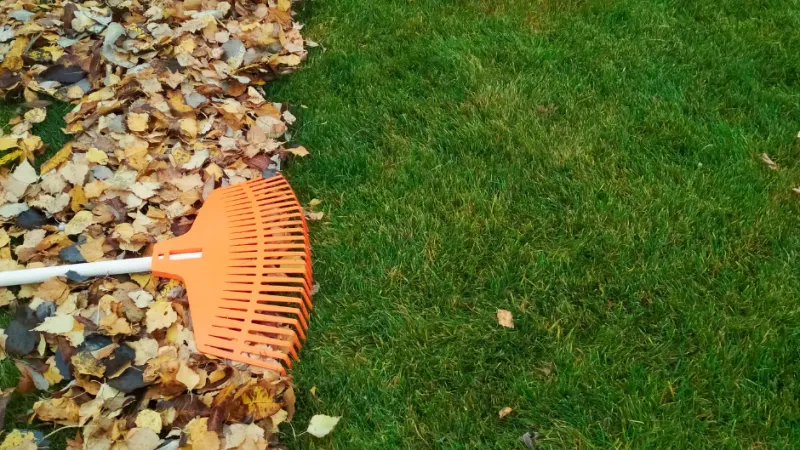
Crunchy leaves are fun to jump in, but your lawn sees them differently. To grass, a thick blanket of leaves feels like a heavy, dark tarp.
Bermuda loves sunlight more than almost anything. Matted leaves block that light right when the grass is storing energy.
Wet leaves also trap moisture against the soil. That damp, shady spot becomes a cozy home for fungus and mold.
Try to clear leaves at least once a week during peak fall. Virginia oaks and maples can drop a surprising amount in just a few days.
You do not need a rake every time. Running a mulching mower over light layers chops leaves into tiny bits that feed the soil.
Those small leaf pieces break down quickly and add organic matter. It is like giving your lawn a free snack.
For heavy piles, bag them or move them to a compost bin. Your garden beds will love that rich compost next year.
Kids can make a game out of it too. A little teamwork turns yard work into a fall family tradition.
6. Check Your Soil pH And Lime If Needed
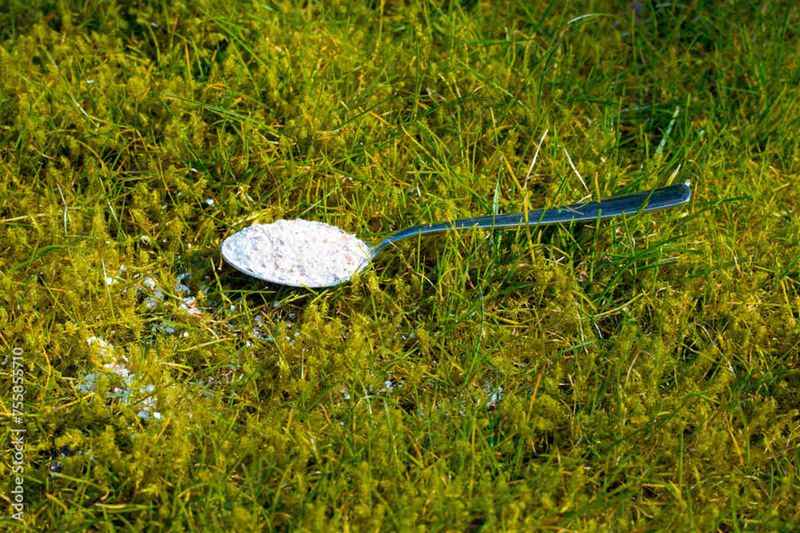
Here is a fact that surprises many people. Much of the soil in Virginia leans acidic, thanks to clay and lots of rain.
Bermuda grass grows best in soil with a pH between 6.0 and 7.0. When soil gets too sour, the grass struggles to absorb nutrients.
You could spread all the fertilizer in the world and still see weak results. Acidic soil locks those nutrients away.
October is a great time to test and fix this problem. Lime takes several months to work, so applying it now gets it ready for spring.
Pick up a soil test kit from your local extension office. Mail in a sample, and you will receive clear advice on how much lime to use.
Pelletized lime is easy to spread with a regular lawn spreader. It is less dusty than powder and gentler on your lungs.
Winter rain and freezing soil help work the lime deeper. By spring, your grass can finally use the food you give it.
Think of lime as tuning a guitar. Once the soil is balanced, everything else plays in harmony.
7. Watch For Large Patch And Fall Fungus
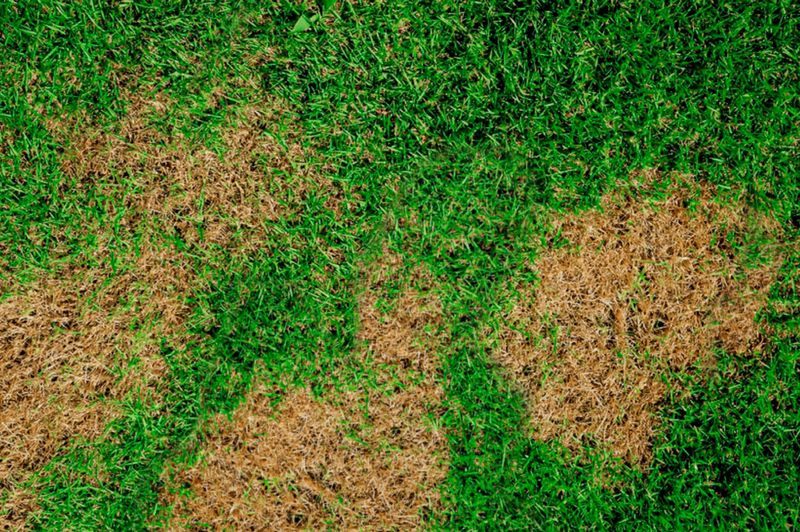
Strange brown patches showing up overnight can feel like a mystery novel. For Bermuda specifically, the usual suspect is a cool-weather fungal disease sometimes known by the initials SDS.
This disease loves cool, damp weather, which makes fall its favorite season to settle in, even though you usually won’t see the full damage until the grass wakes back up in spring. That delayed reveal is exactly why fall treatment matters so much.
Here’s the catch that makes this one different from other lawn problems. Fall is the only window where chemical control actually works, since treating in spring after symptoms appear does nothing to help.
The good news is that you can still watch for early warning signs. Walk your lawn every week and look for thinning patches or uneven color, especially in spots with a history of trouble.
If patches have shown up in past years, a fungicide may help going forward. Apply it in early to mid fall, before the turf goes fully dormant.
Products with azoxystrobin or propiconazole are common options. Your local garden center in Virginia can suggest which works best for your area.
Zoysiagrass owners should watch for a related disease called large patch instead, since that one tends to be the bigger concern for that grass type.
Addressing this risk in October, even though the payoff stays invisible until spring, gives your Bermuda the best shot at a clean comeback instead of a patchy one.
8. Decide On Overseeding With Ryegrass

Some folks love the golden look of a sleeping lawn. Others want green grass all year and choose to overseed.
Overseeding means spreading perennial ryegrass over your Bermuda in fall. The ryegrass sprouts fast and stays green through the cold months.
It sounds like a dream, but it comes with trade-offs. Ryegrass competes with Bermuda in spring and can slow its green-up.
If you go for it, plant in early to mid October. Soil should be cooling, but still warm enough for quick germination.
Mow your Bermuda low first, then rake lightly to open up the surface. Spread seed at the rate listed on the bag and keep the soil moist.
Remember to skip pre-emergent if you overseed. Otherwise, your new seed will not stand a chance.
Many Virginia sports fields use this trick to stay green for fall games. It works at home too with a little extra effort.
Perennial ryegrass is worth the slightly higher seed cost over annual ryegrass too, since it mows easier and gives you a smoother, more even look all winter long.
Not sure which path to choose? Letting Bermuda rest naturally is easier, cheaper, and perfectly healthy for your yard.