A Forgotten Herb That Helps Keep Gnats Off Your Tennessee Porch
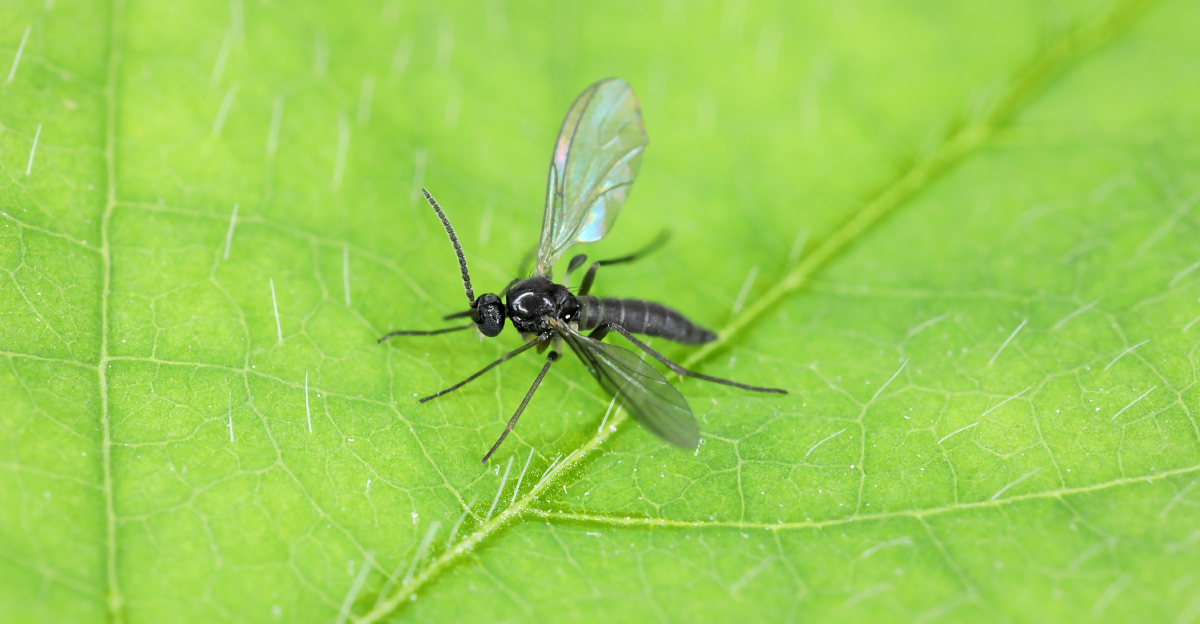
Gnats have a way of turning a peaceful porch evening into a nightly negotiation you keep losing. You light a candle, you swat, you retreat indoors within twenty minutes, and the cycle repeats the next night.
Across the South, there’s a quiet fix that’s been hiding in plain sight for decades, tucked into grandmothers’ garden beds and mostly forgotten by modern gardeners chasing sprays and plug-in devices.
It doesn’t buzz, it doesn’t need batteries, and it costs less than a single can of bug spray. This small, citrus-scented herb has a scent gnats find unbearable, yet it smells bright and fresh to everyone else on the porch.
Growing it takes almost no effort, and it thrives in tight spaces just as easily as sprawling ones. Stick around, and you’ll walk away with a pot, a plan, and a porch you can actually sit on again. Your porch is about to become yours again.
One Old Fashioned Herb Quietly Does The Job
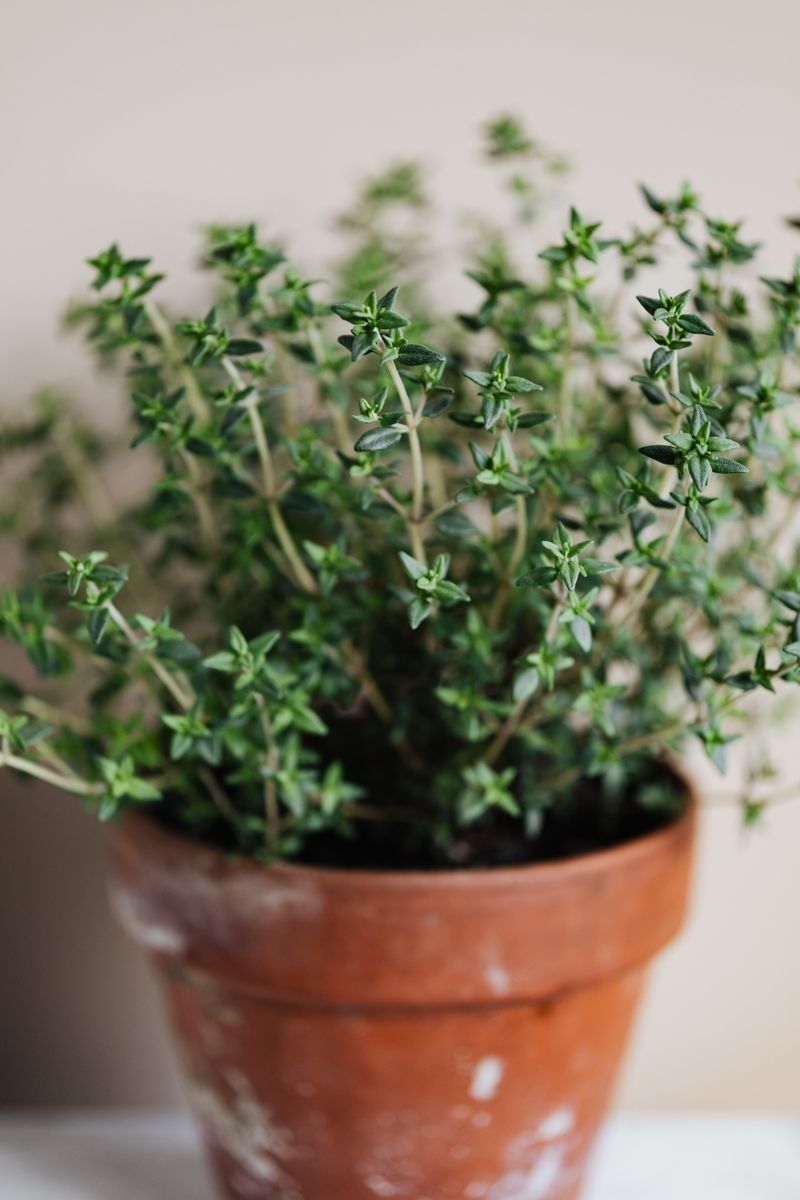
Your grandmother probably grew it without even knowing why it worked. Lemon thyme has long been a fixture in Southern herb gardens, passed down from one generation of gardeners to the next.
This plant is a hybrid between common thyme and a lemon-scented variety. It produces a sharp, citrusy aroma that bugs find overwhelming and unpleasant.
Gnats rely heavily on scent to locate food and breeding spots. When lemon thyme fills the air around your porch, it scrambles those signals almost entirely.
The plant itself looks modest and unassuming. Small green leaves, sometimes edged in gold or cream, grow in low, spreading mounds that stay neat without much trimming.
Forgotten Tennessee plant that helps keep gnats off your porch, lemon thyme was once as common as sweet tea on a summer afternoon. Somewhere along the way, chemical sprays took over, and this herb got left behind.
Thankfully, more homeowners are rediscovering its value. Farmers markets across East Tennessee often carry it during the spring growing season.
You can rub a few leaves between your fingers to release an instant burst of citrus. That smell alone is enough to make most gnats change direction fast.
The plant does not shout for attention, but it quietly handles business every single evening. Once you add it to your porch setup, you may wonder how you survived without it for so long.
The Citrus Compound Behind The Repellent Effect
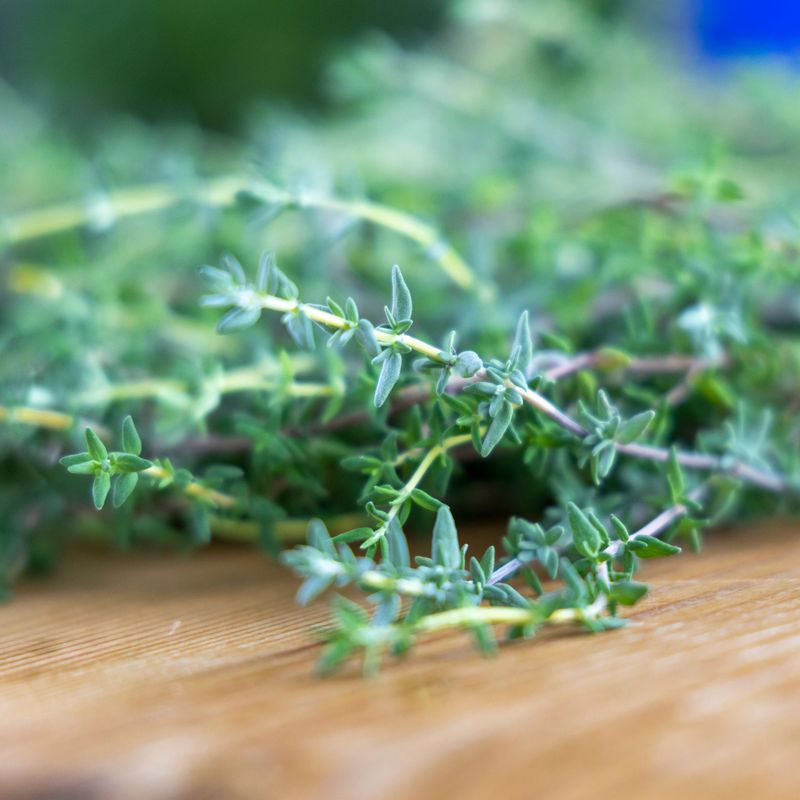
The science here is closely related, even if it’s not a perfect match. Lemon thyme contains high concentrations of citral, a natural compound found in lemon peel and lemongrass.
Citral is known to interfere with the olfactory receptors many flying insects use to navigate. Research from Iowa State University found that crushed lemon thyme leaves, rubbed on the skin, repelled mosquitoes with roughly 62 percent of the effectiveness of DEET.
Gnats haven’t been studied directly, but the same scent-blocking principle is widely believed to apply.
Gnats are attracted to carbon dioxide, moisture, and organic decay. Your porch checks most of those boxes on a humid Tennessee evening.
Your Tennessee Garden Changes Every Week. Your Plan Should Too.
Gardening in Tennessee changes quickly throughout the season. Every Friday you’ll receive a simple weekly plan showing exactly what to plant, prune, fertilize, harvest, and protect so you never miss the right timing.
Many gardeners find that lemon thyme creates a kind of scent barrier, disrupting the gnat search pattern before they even reach the seating area. Think of it as a citrusy buffer zone around your porch.
The plant tends to release more aroma on hot, humid evenings. That means it actually works harder on the hottest, buggiest nights of the year.
Brushing against the leaves or placing a small fan nearby boosts the scent output even further. A gentle breeze from a box fan pointed at the plant can spread the aroma across a wide area.
Lemon thyme works best when placed close to where people sit. Proximity matters more than quantity when you are just starting out.
A Low Maintenance Plant Built For Tennessee Summers
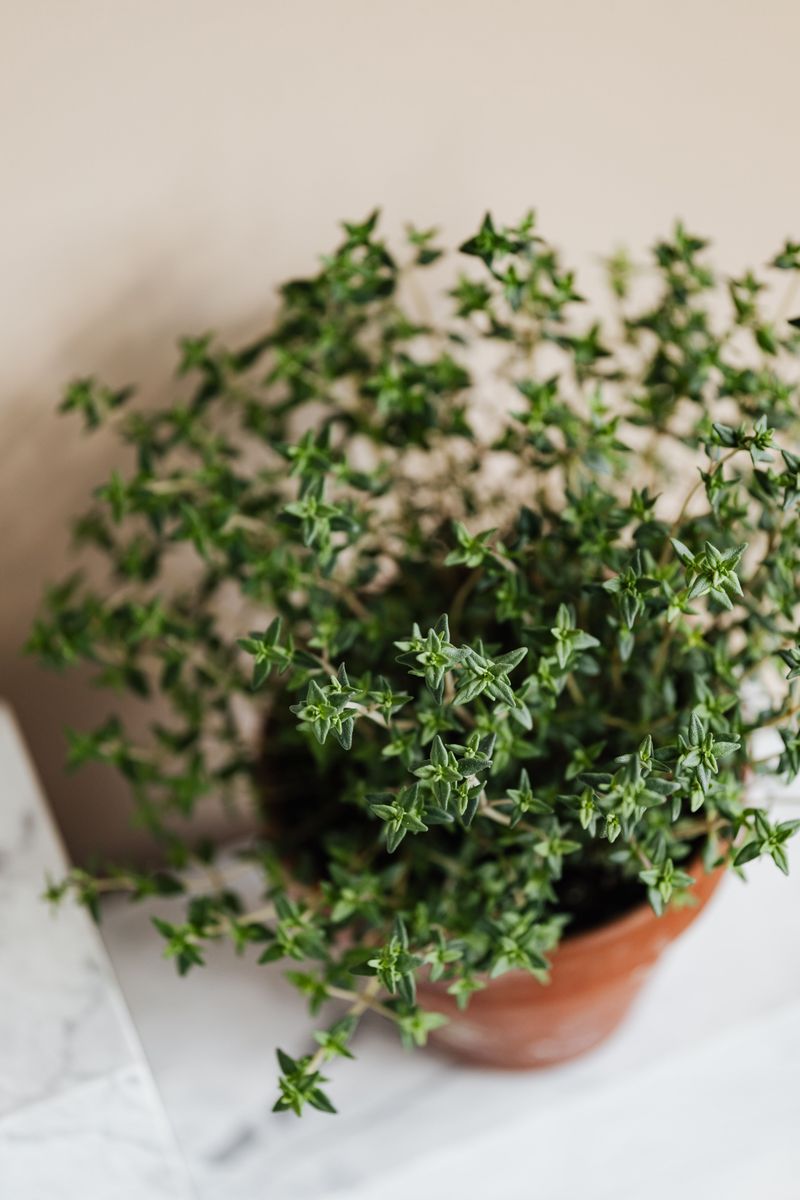
Tennessee summers are brutal, and most delicate herbs tap out by July. Lemon thyme, on the other hand, practically thrives when the heat cranks up.
This herb is native to the Mediterranean region, where dry heat and rocky soil are the norm. That background makes it perfectly suited for humid Southern summers.
It tolerates full sun without wilting, handles drought better than most garden plants, and bounces back fast after a hard rain. Few herbs can claim all three of those traits.
A forgotten herb that helps keep gnats off your porch should also be one you can actually keep alive. Lemon thyme checks that box with room to spare.
You do not need to fertilize it every week or fuss over it constantly. A basic potting mix and six hours of sunlight will keep it happy through September.
The plant stays compact, rarely growing taller than twelve inches. That makes it easy to tuck beside a chair, hang in a basket, or line along a porch railing.
Even when temperatures drop in October, lemon thyme often stays green and fragrant. Some varieties survive mild winters without any protection at all.
Gardeners who have tried and failed with basil or mint tend to fall hard for this herb. It rewards neglect with resilience, which is exactly what a busy homeowner needs most.
Growing Lemon Thyme In Pots Near Your Seating Area
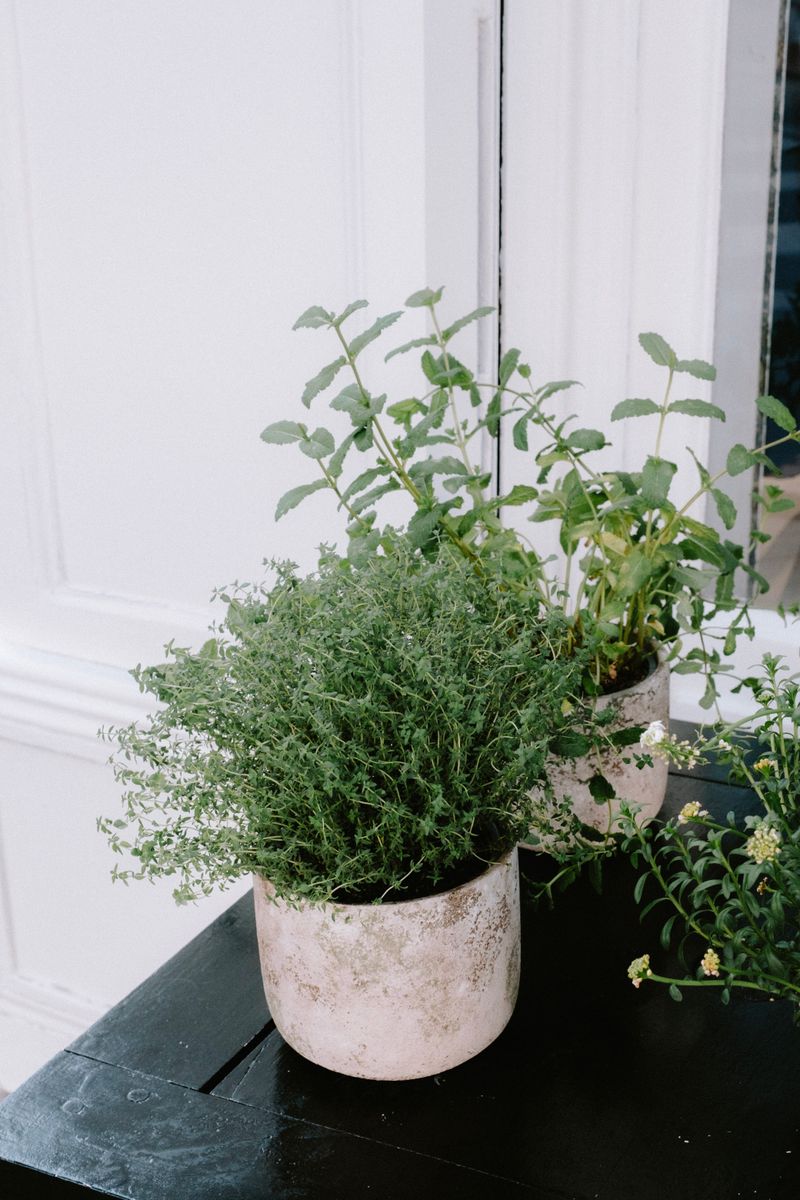
Container growing is the easiest way to get started with this herb. A six-inch terracotta pot with drainage holes is all you need to kick things off.
Pick up a starter plant from a local nursery rather than starting from seed. Seeds take weeks to sprout, and you want results before gnat season peaks.
Place the pot within arm’s reach of your favorite chair. The closer the plant is to where you sit, the stronger the protective scent bubble around you will be.
Grouping two or three pots together creates a denser scent zone. Gnats hate walking into that kind of aromatic wall, so they tend to drift elsewhere.
Avoid placing pots in spots where water collects after rain. Standing water near your pots can actually attract the same gnats you are trying to push away.
Lemon thyme grows well alongside other repellent herbs like lavender and rosemary. A mixed container garden can double your gnat-fighting power while looking great on the porch.
Pinch back the tips every few weeks to encourage bushy, full growth. More leaves mean more surface area releasing that citrus scent into the evening air.
Growing lemon thyme in pots near your seating area also gives you flexibility. You can move the plants around as needed when guests arrive or when the wind shifts direction.
Soil And Watering Habits That Keep Gnats From Returning
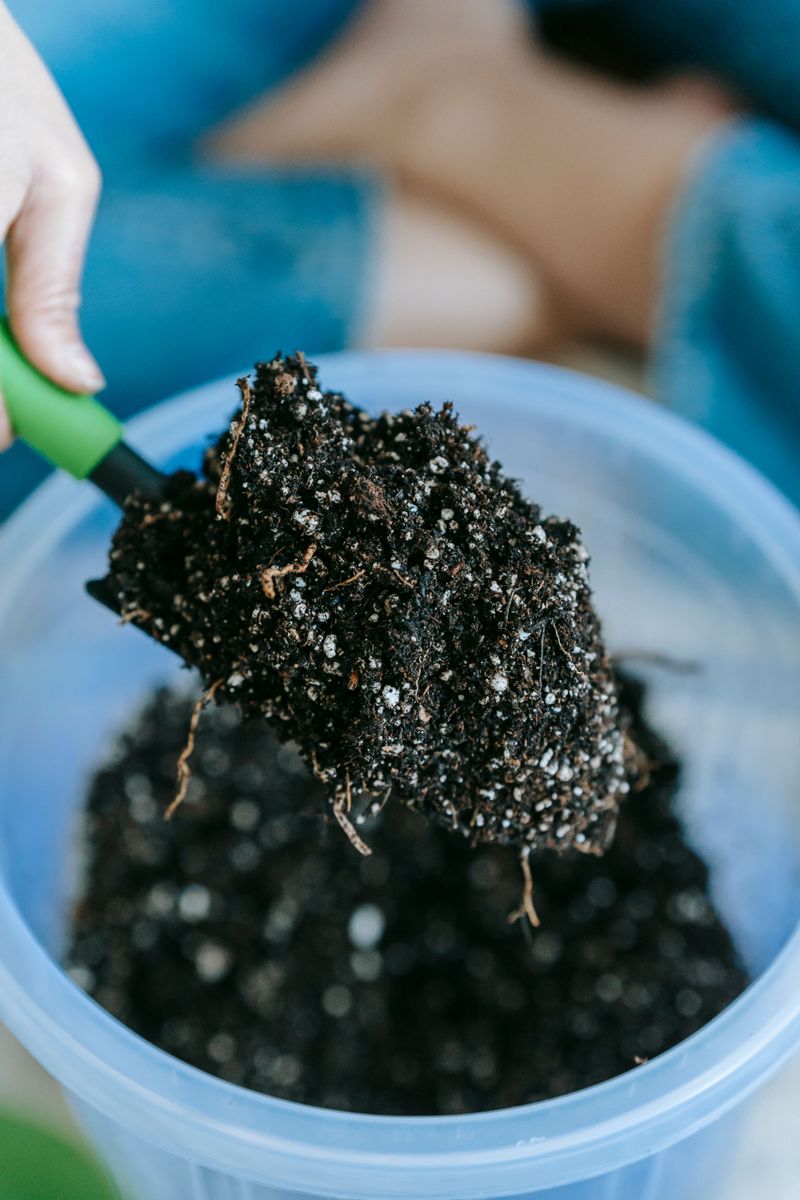
Soggy soil is a gnat magnet, plain and simple. Fungus gnats in particular lay their eggs in wet, organic-rich potting mix and can multiply fast.
The fix is straightforward: use a well-draining soil mix with added perlite or coarse sand. This keeps the root zone airy and inhospitable to egg-laying pests.
Water lemon thyme only when the top inch of soil feels dry to the touch. Stick your finger in and check before you reach for the watering can.
Overwatering is the number one mistake new growers make with this herb. It leads to root rot and, ironically, creates the exact conditions that invite more gnats to the porch.
A pot with at least one large drainage hole is non-negotiable. Water should flow freely out the bottom soon after watering.
Skip the decorative saucers that hold water underneath the pot. Those little pools of standing liquid are basically a gnat nursery waiting to happen.
In peak summer heat, you may need to water every two to three days. In cooler months, once a week is usually more than enough to keep the plant healthy.
Good soil and watering habits that keep gnats from returning are just as important as the plant itself. A healthy lemon thyme in dry, fast-draining soil produces more aromatic oil than a stressed, waterlogged one ever could.
The Real Limits Of This Plant Against Gnats
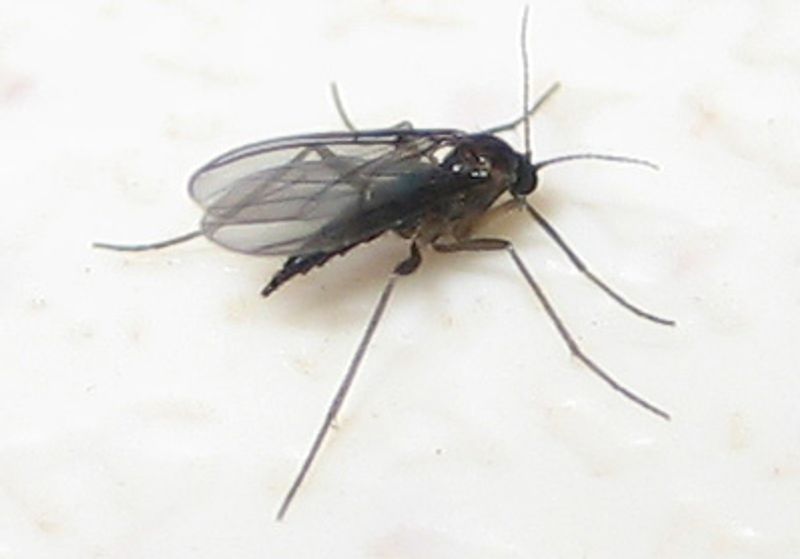
Lemon thyme is powerful, but it is not magic. Setting realistic expectations will help you get the most out of this herb without feeling let down.
On a calm evening with light gnat activity, a couple of pots can make a noticeable difference within the first few days. Many users report fewer gnats hovering around their faces and drinks almost immediately.
During a heavy infestation or after a long rain, the plant works best as part of a broader strategy. Pair it with yellow sticky traps and proper drainage to cover all your bases.
The plant does not eliminate gnats entirely from your yard. It creates a scent-based buffer zone that encourages them to feed and breed somewhere else instead.
Lemon thyme also has no effect on gnats that are already inside your home. For indoor gnat problems, you will need a separate approach targeting soil and drains.
The herb works best when it is actively growing and producing fresh oil. A dried-out or root-bound plant loses much of its repellent strength over time.
Replace or repot your plants every season to maintain peak performance. A fresh, vigorous plant always outperforms an old, stressed one sitting in the same tired soil.
A forgotten herb that helps keep gnats off your porch is worth every bit of effort, as long as you pair it with smart habits and reasonable expectations.