What Wisconsin Gardeners Should Do With Storm-Damaged Plants Before Summer Heat Peaks
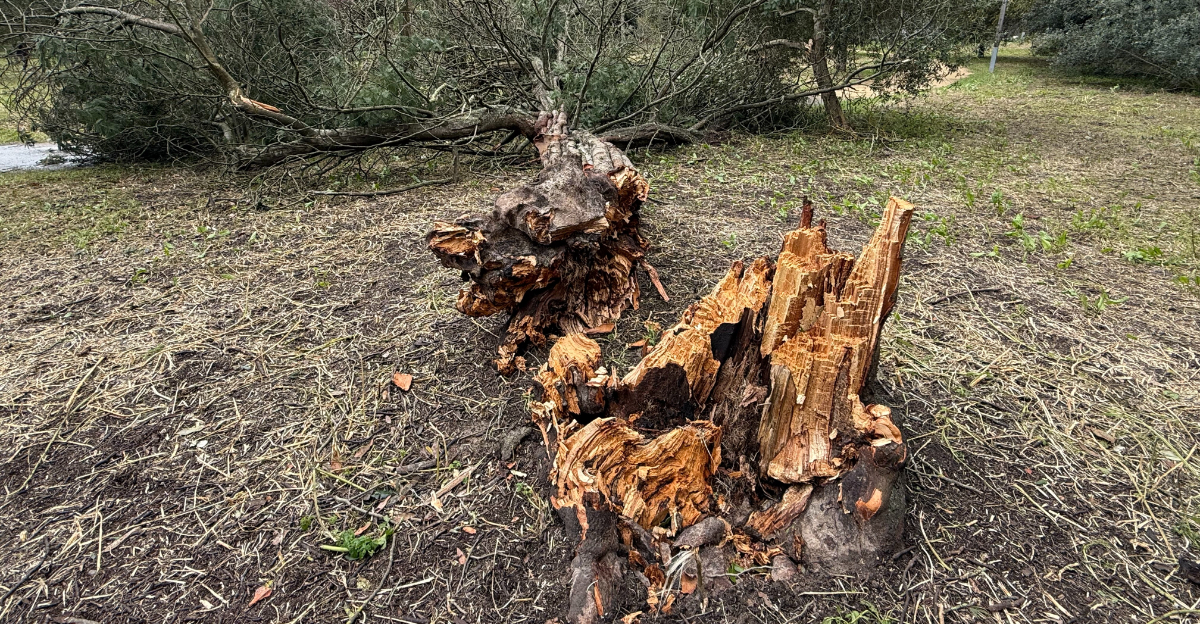
Summer storms in Wisconsin don’t announce themselves politely. One afternoon the garden looks fine, and by evening there are snapped stems, toppled plants, and beds that look like something heavy sat on them.
The instinct is to get out there and start fixing things right away, but that impulse can actually make things worse. Storm-damaged plants are already under stress, and the wrong kind of attention at the wrong time pushes them further in the wrong direction.
There is a short window between the storm clearing and the heat returning, and what happens in that window shapes how the whole garden holds up for the rest of summer. Wisconsin gardeners who know how to work within it come out ahead.
Those who don’t often spend the rest of the season wondering why certain plants never quite recovered. A little patience and the right sequence of steps go a long way right now.
Storm Damage Calls For A Closer Look Before You Do Anything Else
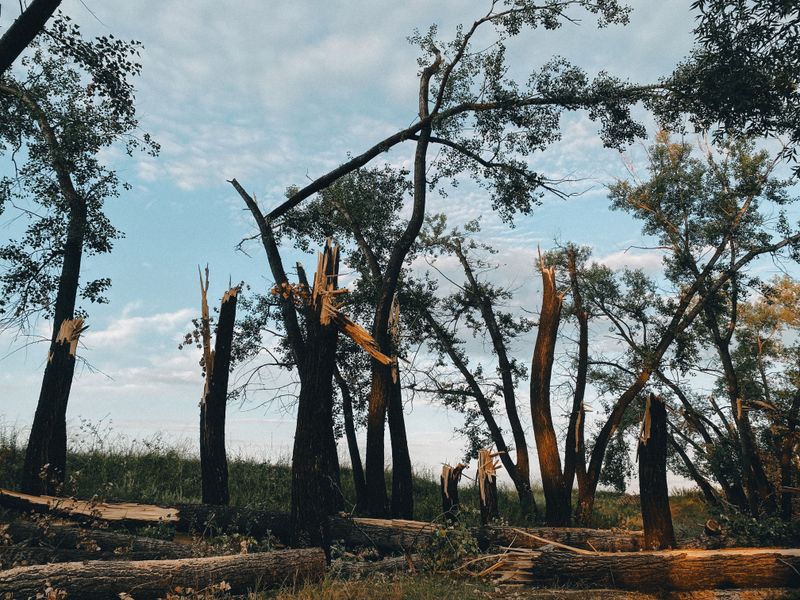
Your first job after a storm is observation, not action.
Storm-damaged plants can look worse than they actually are right after heavy rain or wind. Mud, flattened leaves, and drooping stems create a dramatic picture that often improves within 24 hours on its own.
Before you cut anything, give your garden a full walkthrough. Look at each plant individually and note what is snapped, what is bent, and what is simply weighed down by wet soil or debris.
Snapped stems with clean breaks are different from stems that are cracked but still connected. A connected herbaceous stem can sometimes recover if supported and left undisturbed for a few days.
Check the root zone too. If a plant has shifted or tilted in the ground, gently press the soil back around the base. Roots that lose contact with soil can dry out more quickly once summer heat sets in.
Photograph the damage before touching anything. Those images help you track recovery progress over the next two weeks.
This initial assessment is the most important step for storm-damaged plants in any Wisconsin garden. Rushing past it leads to unnecessary cuts and lost recovery potential.
Take your time here. A calm, thorough look now saves you from regret later when a plant you thought was gone starts pushing out fresh growth.
Broken Branches And Bent Stems Are Not Always A Lost Cause
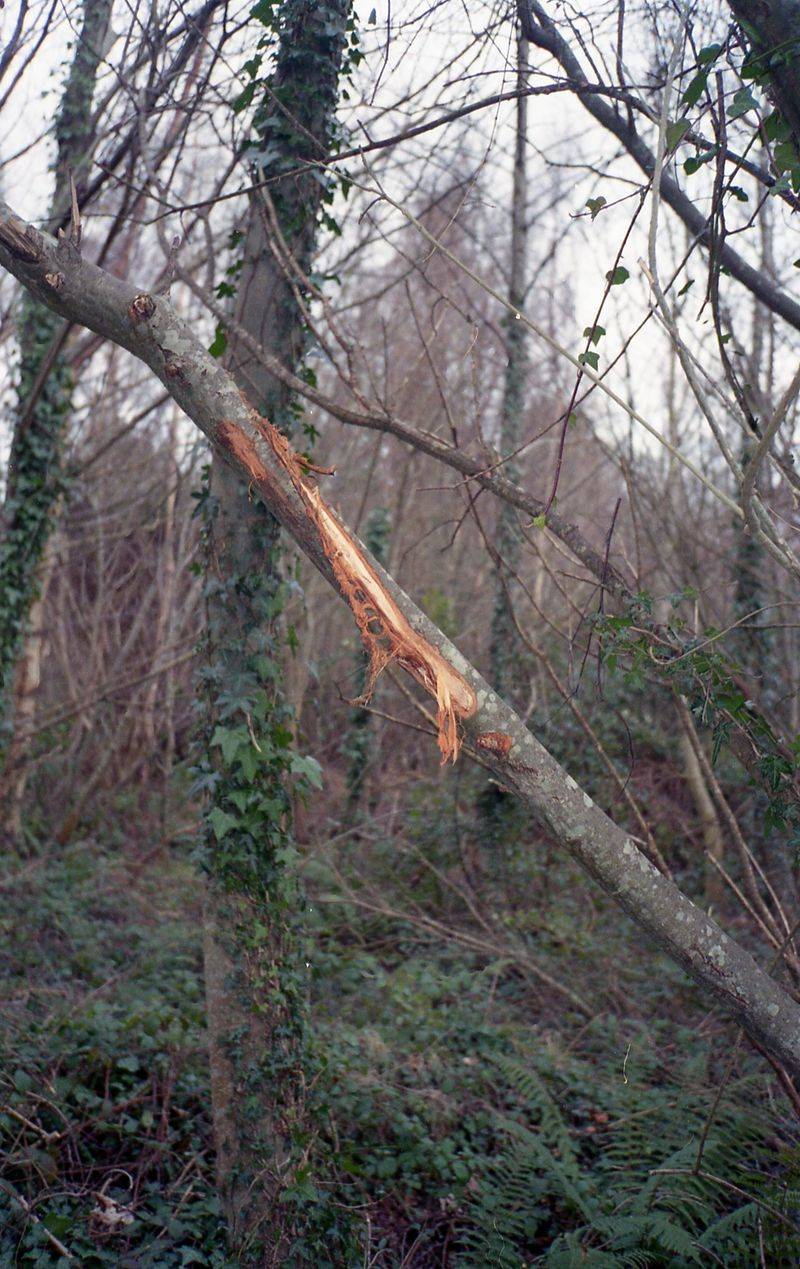
A cracked branch is not automatically a goner. Many plants surprise you with their ability to rebound from physical damage.
For woody shrubs and small trees, a partially broken branch is unlikely to reattach on its own. The better move is a clean pruning cut just outside the branch collar to help the plant seal the wound efficiently.
Herbaceous plants like hostas, coneflowers, and black-eyed Susans are especially resilient. A bent stem that still has green, flexible tissue can recover fully if it gets proper support and consistent moisture.
Avoid pruning a damaged stem the same day as the storm. Give the plant 48 hours to show you what it can do on its own before making any cuts.
Your Wisconsin Garden Changes Every Week. Your Plan Should Too.
Gardening in Wisconsin changes quickly throughout the season. Every Friday you’ll receive a simple weekly plan showing exactly what to plant, prune, fertilize, harvest, and protect so you never miss the right timing.
When you do need to prune, cut just above a healthy leaf node. This encourages new growth from a strong point rather than leaving a stub that may rot or attract pests.
Clean your pruning tools before each cut. Dirty blades spread disease from one plant to another, which is the last thing a stressed garden needs heading into peak summer heat.
Storm-damaged plants that receive targeted care right after a storm can show significant recovery before the season peaks. The key is acting with precision, not panic.
A little patience here goes a long way. Give each plant a fair chance before writing it off completely.
Waterlogged Soil Can Be Just As Harmful As The Storm Itself
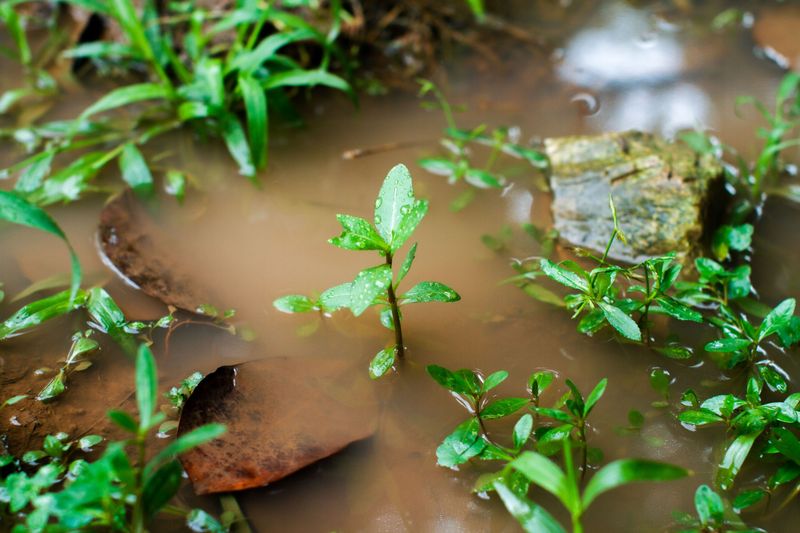
Soggy ground is sneaky. It looks harmless but can suffocate roots within hours of a heavy downpour.
When soil stays waterlogged for too long, oxygen levels in the root zone can drop significantly. Plants start to show stress signs like yellowing leaves and wilting even when the ground is soaking wet.
Do not dig or till waterlogged soil right after a storm. Working wet soil compacts it further and destroys the structure that roots need to breathe and spread.
Instead, gently poke a few holes around the base of stressed plants using a garden fork or a wooden dowel. This creates tiny air channels without disturbing the roots too much.
If you have raised beds, check whether the drainage layer beneath the soil is still functioning. A clogged drainage point can keep soil saturated longer than open ground, which adds stress to an already compromised root system.
Mulch that has clumped together after heavy rain can also block surface drainage. Pull it back from the base of each plant and fluff it up so water can move through more freely.
Storm-damaged plants dealing with both physical injury and root oxygen loss face a double challenge heading into hot weather. Address the soil first, then focus on the above-ground damage.
Healthy soil structure is your garden’s foundation. Fix it now and your plants will have a real shot at bouncing back before summer heat peaks.
Timing Your Cleanup Around The Forecast Makes A Real Difference
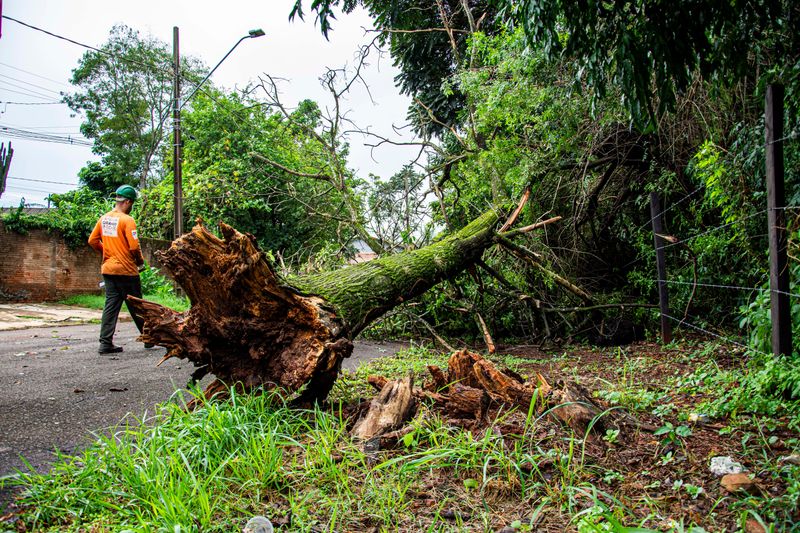
Grabbing your tools the morning after a storm feels productive. But checking the forecast first is actually the smarter move.
If another round of rain is coming within 48 hours, hold off on major cleanup. Fresh pruning cuts left open during wet weather are prime entry points for fungal infections and bacterial rot.
On the flip side, if a heat wave is rolling in right behind the storm, it is worth moving through cleanup more promptly. Plants with open wounds or damaged root systems are far more vulnerable to heat stress than healthy ones.
Aim to do your main cleanup on a mild, overcast day with no rain in the forecast for at least two days after. That window gives cuts time to callous over before moisture or extreme heat creates new problems.
Morning is the best time to work in the garden after a storm. Temperatures are lower, plants are more hydrated, and you can see damage clearly before the afternoon sun shifts the shadows.
Avoid working around storm-damaged plants during the hottest part of the day. Handling stressed plants in peak heat adds unnecessary pressure to an already compromised root system.
Smart timing is one of the most overlooked tools in storm recovery for Wisconsin gardens. Your calendar and your weather app are just as useful as your pruning shears right now.
Plan your cleanup like a project, not a chore. That shift in mindset produces better results every single time.
Some Plants Bounce Back Faster With A Little Targeted Support
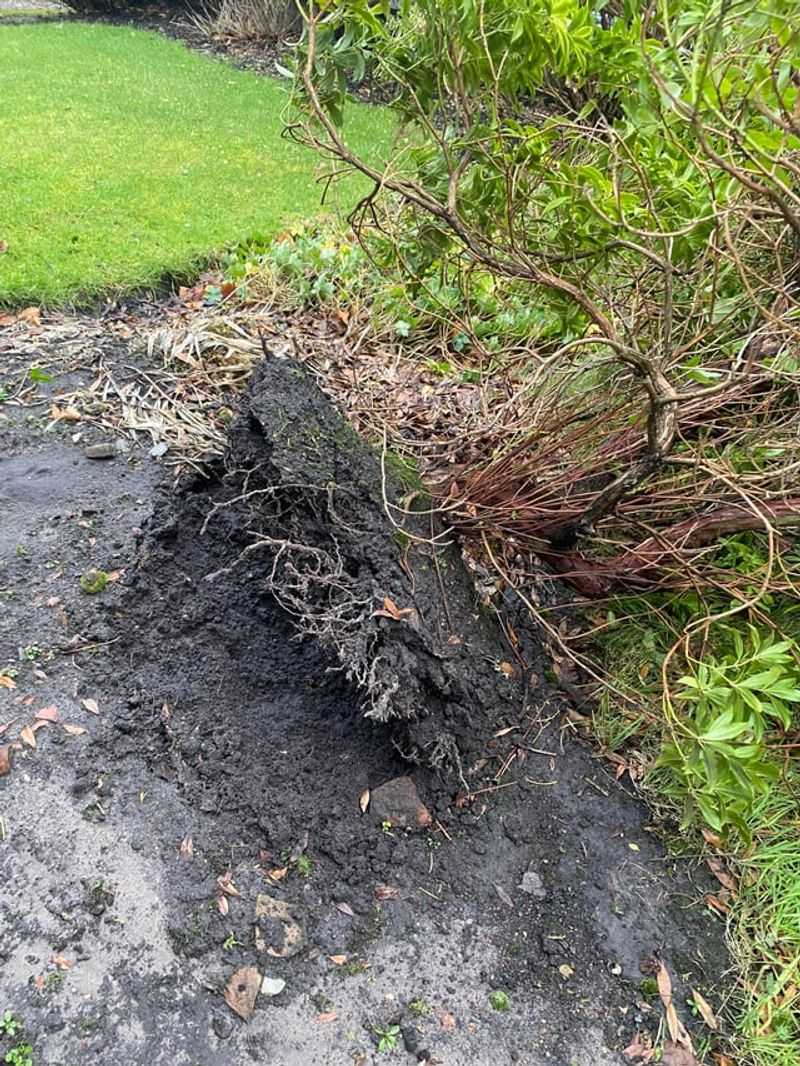
Not every plant needs the same kind of help after a storm. Knowing which ones benefit from extra support can save time and energy.
Tall perennials like delphiniums, dahlias, and tomatoes are the most likely to need staking after wind damage. Their height makes them top-heavy, and a loosened root ball left unstaked will shift further with each passing day.
Use soft garden twine or fabric plant ties when staking. Wire or string that bites into a stem creates wounds that open the plant to infection right when it needs to stay clean and strong.
Newly planted trees and shrubs are especially vulnerable after storms. Check their stakes and ties to make sure the anchor system is still secure and not cutting into the bark.
Hold off on fertilizing until plants show clear signs of stable new growth, which is often several weeks after a storm. Do not fertilize immediately after damage, since stressed roots cannot absorb nutrients efficiently.
Watering deeply but infrequently encourages roots to reach downward rather than staying shallow. Deep roots are more stable and better equipped to handle both excess moisture and summer drought.
Storm-damaged plants that receive this kind of targeted care tend to recover faster and show less long-term setback. The effort you put in now pays off in a stronger, more resilient garden by August.
Support the right plants in the right way. Your garden will reward that precision with growth you can actually see.
What To Skip Until Temperatures Cool Down Again
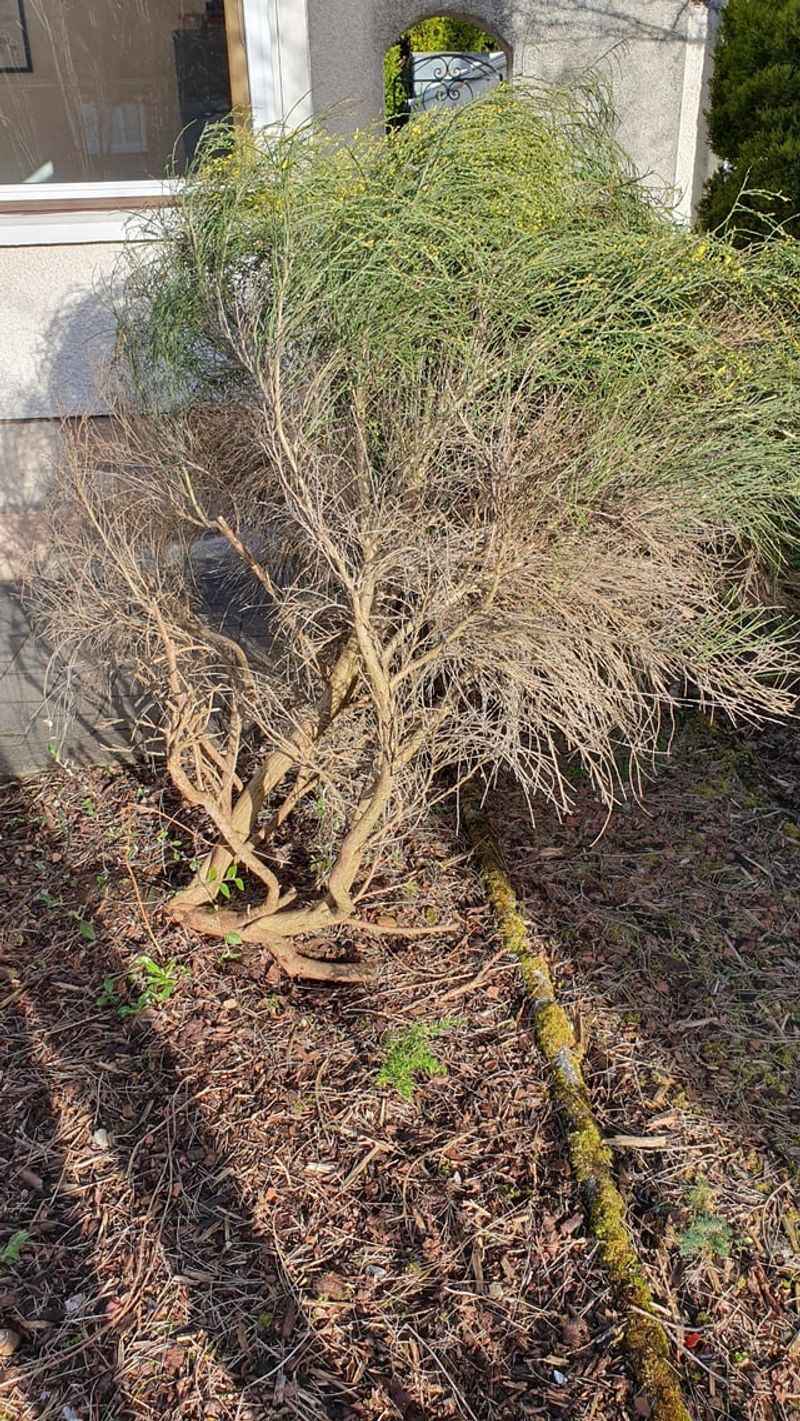
Sometimes the best thing you can do for storm-damaged plants is nothing at all. Knowing what to hold off on is just as valuable as knowing what to do.
Skip heavy fertilizing right after a storm. Pushing new growth during a heat wave forces plants to spend energy they do not have, and that trade-off often leads to more damage than the storm caused.
Avoid repotting or transplanting anything that was hit hard by wind or rain. Moving a stressed plant disrupts the root system at the exact moment it needs stability most.
Hold off on applying chemical pesticides or fungicides while plants are still visibly stressed. Torn or bruised leaf tissue absorbs sprays differently, and products that are normally safe can cause additional damage during recovery.
Do not cover storm-damaged plants with plastic tarps during hot weather. Tarps trap heat and moisture, creating conditions that promote mold and rot rather than recovery.
Skip aggressive pruning of large shrubs or fruit trees until late summer or early fall. Major cuts made during peak heat stress the vascular system of the plant at its most vulnerable point.
Resist the urge to overwater out of concern. Checking soil moisture with your finger two inches down gives you a more accurate read than a visual check of the surface.
Caring for storm-damaged plants means knowing your limits too. Let the season shift a little before you make the big moves, and your garden will come through stronger for it.