What You Need To Know About Composting Bioplastics In Vermont Backyards
Have you ever tossed a bioplastic fork into your compost pile? You probably felt good about it, like you’d solved something. Vermont gardeners fall into this pattern constantly, trusting labels blindly.
Your fork is likely still sitting there, unchanged, months later. Nothing about your plastic fork was ever going to disappear quickly. Heat, moisture, and active microbes decide what actually breaks down, not intentions.
Backyard piles rarely reach the industrial temperatures your bioplastics require. Certified compostable almost never means compostable in your backyard bin.
That Vermont soil of yours deserves better than false labels and hope. Different materials, corn starch, PLA, and PHA, behave completely differently in your bin.
Some demand industrial heat your backyard pile will never generate. Others need diverse microbial communities your backyard compost simply does not have.
Assuming costs you time, soil, and your garden’s potential. Everything changes once you understand what your fork actually needs.
Most Bioplastics Cannot Be Composted In A Backyard Bin
That shiny “compostable” label on your takeout container is telling the truth, but not the whole truth. Composting bioplastics at home is far more complicated than most packaging suggests.
Bioplastics are made from plant-based materials like cornstarch, sugarcane, or cassava. They sound natural, but they are engineered to hold together under real-world conditions.
Most certified compostable plastics carry an ASTM D6400 certification. That standard was designed for industrial composting facilities, not your backyard pile.
Home compost bins rarely hit the temperatures or moisture levels that break down these materials. A backyard pile typically reaches modest temperatures on a warm day, often well below industrial levels.
Industrial facilities are engineered to sustain much higher temperatures over extended periods. That gap makes an enormous difference in how fast materials actually break down.
Leaving bioplastics in your home bin can contaminate the finished compost. Plastic fragments can end up in your garden soil without you even noticing.
Some manufacturers are working on home-compostable versions of their products. These carry a different certification, often labeled with an “OK Compost Home” logo from TUV Austria.
Checking for that specific label before tossing anything into your bin is a smart habit. Without it, assume the item needs something stronger than your backyard setup can provide.
Your compost pile works hard enough breaking down banana peels and coffee grounds. Asking it to tackle engineered bioplastics is simply asking too much.
Why Backyard Compost Doesn’t Reach The Heat Industrial Facilities Do
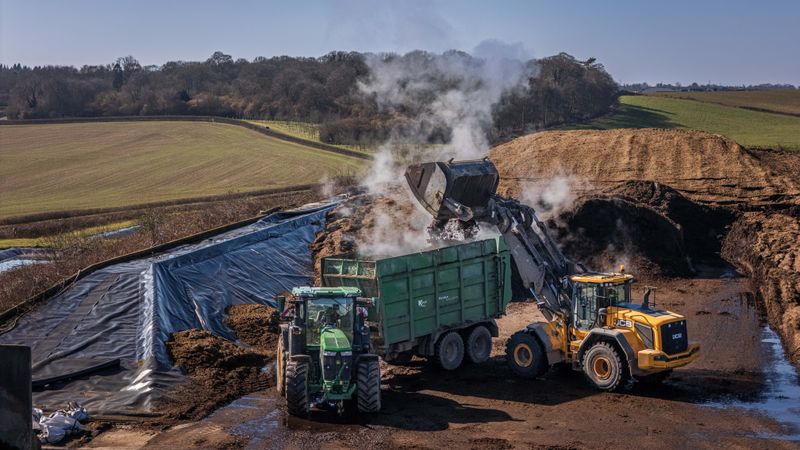
Imagine your compost pile as a campfire and an industrial facility as a blast furnace. Both involve heat, but they operate in completely different leagues.
Industrial composting facilities are engineered environments. Workers manage airflow, moisture, and carbon-to-nitrogen ratios with precision equipment around the clock.
Backyard piles depend on what you add, how often you turn them, and whatever the weather decides to do. Vermont winters can drop a pile’s core temperature dramatically.
Certified compostable plastics generally need sustained high heat, often cited around 140 degrees Fahrenheit, for an extended period of consecutive days. That level of heat triggers the chemical breakdown of plant-based polymers.
A well-managed home pile might reach a notably warmer core zone during summer, though rarely at industrial levels. But sustaining that temperature consistently is nearly impossible without professional equipment.
Moisture control is another major factor that separates the two systems. Industrial sites carefully monitor humidity levels to keep microbial activity at peak performance.
Home bins lose moisture through evaporation or get waterlogged after heavy rain. Either extreme slows the microbial communities that do the actual decomposing work.
Oxygen distribution also plays a critical role in breaking down tough materials. Industrial windrow systems use mechanical turners to keep oxygen flowing evenly throughout the pile.
Turning your backyard bin by hand every week helps, but it simply cannot match automated systems. The science behind industrial composting is notably effective, and now you know why your bin cannot replicate it.
How To Tell Compostable Plastic From Regular Plastic
Standing in front of a trash bin holding a plastic cup can be more confusing than it should be. Sorting compostable plastic from regular plastic takes a sharp eye and a little know-how.
Start by looking at the bottom of any plastic item. Regular plastics carry a resin code inside a triangle, usually numbered one through seven.
Bioplastics often carry a seven inside that triangle since they do not fit standard petroleum-based categories. However, not all number sevens are bioplastic, so the number alone is not enough.
Look for certification logos printed somewhere on the packaging. The most common ones in the United States are the BPI logo and the seedling logo from European Bioplastics.
The “OK Compost Home” logo from TUV Austria is the one that actually matters for backyard composting. Without that mark, assume the item needs industrial processing.
Texture can also offer clues, though it is not foolproof. Some bioplastics feel slightly more rigid or waxy compared to regular flexible plastics.
PLA, which stands for polylactic acid, is one of the most common bioplastics used in cups and utensils. It looks almost identical to regular clear plastic, which causes frequent confusion at recycling centers.
When in doubt, check the brand’s website or call your local waste hauler. Guessing wrong can contaminate an entire batch of otherwise good compost or recyclables.
Knowledge is your most reliable sorting tool here, and a quick label check can make a real difference.
What Happens When Bioplastics End Up In Home Compost
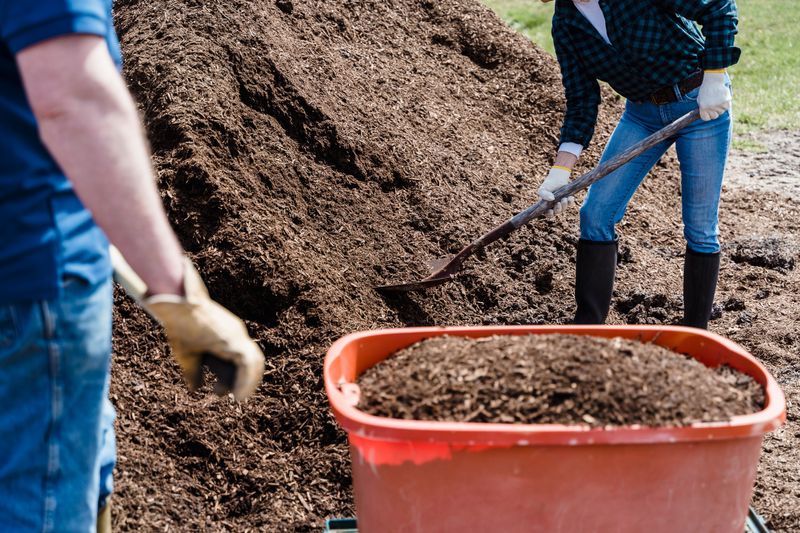
Picture pulling a shovelful of finished compost from your bin and finding a fork still perfectly intact after eight months. That is what happens when bioplastics meet a home compost environment unprepared for them.
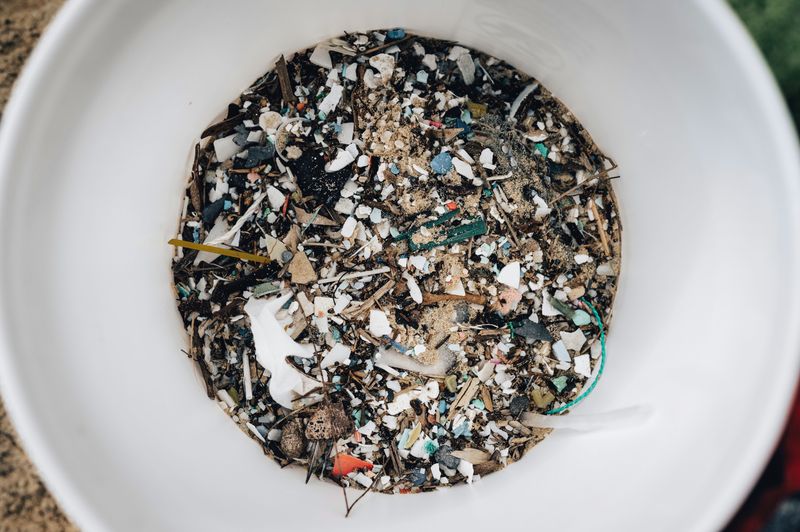
Without industrial-level heat, bioplastics do not fully break down into organic matter. They fragment into smaller and smaller pieces instead of disappearing completely.
Those tiny fragments are called microplastics once they reach a certain size. Microplastics in garden soil are a growing concern among environmental researchers and home gardeners alike.
Plants can absorb microplastic particles through their root systems in some cases. Studies are still ongoing, but early findings suggest this is not something gardeners want happening in their raised beds.
Unbroken bioplastics can also disrupt the structure of finished compost. Chunks of plastic-like material affect how air and water move through the soil when you apply that compost.
Earthworms and beneficial soil organisms can accidentally ingest plastic fragments. This disrupts the underground ecosystem that makes your garden thrive season after season.
Finished compost with plastic contamination is also less appealing and less effective as a soil amendment. You work hard to build good compost, and foreign debris undermines that effort significantly.
Some gardeners screen their finished compost to catch larger fragments before applying it. That step adds extra work to a process that should already be finished.
Keeping bioplastics out of your home bin protects the quality of your compost and the health of your garden soil for years ahead.
Vermont’s Composting Rules And Options For Bioplastic Waste
Vermont made composting history in 2020 when it became the first state to ban food scraps from landfills. That bold move pushed residents and businesses to think harder about organic waste management.
The Universal Recycling Law, known as Act 148, created a statewide system for food scrap diversion. It is an impressive policy, but it does not automatically solve the bioplastic puzzle.
Most curbside food scrap programs in the state do not accept bioplastics alongside food waste. Contamination from non-compostable items is a serious operational problem for municipal processors.
Casella Waste Systems and other regional haulers have specific guidelines about what goes in food scrap bins. Checking with your local hauler before tossing in any packaging is always the right first move.
Some transfer stations and drop-off sites around the state accept certified compostable serviceware separately. These materials get sent to industrial composting facilities that can actually process them correctly.
The Vermont Composting Library, now curated by the Composting Association of Vermont, offers educational materials originally developed by the former Highfields Center for Composting in Hardwick.
Organizations like theirs help residents navigate confusing waste streams. Vermont’s Agency of Natural Resources maintains updated guidance on acceptable materials for various composting programs.
Their website is a practical starting point for any confused resident trying to do the right thing. Bioplastic rules vary significantly from town to town across the state.
Calling your local solid waste district directly gives you the most accurate and current information for your specific area.
Better Ways To Dispose Of Bioplastics Responsibly
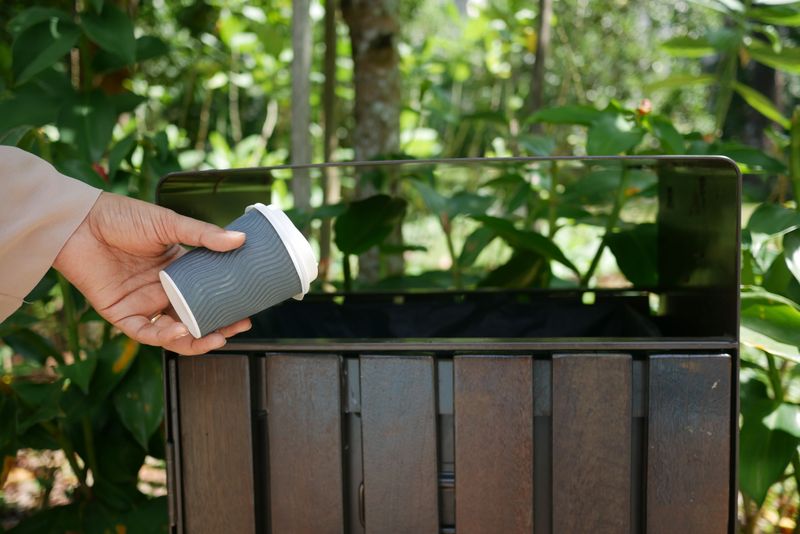
Feeling stuck between the trash can and the compost bin is frustrating, but there are real solutions worth knowing about. Composting bioplastics responsibly starts with understanding your actual local options.
First, reduce how many bioplastic items enter your home in the first place. Choosing reusable containers, metal straws, and glass storage removes the disposal question entirely.
When bioplastic packaging does come home with you, save it for a proper drop-off location. Some natural food stores and low-waste shops in the state accept certified compostable packaging for proper processing.
TerraCycle offers mail-in programs for certain types of hard-to-recycle materials, including some bioplastics. Their website lets you search by material type to find the right program for your specific item.
If your town or city has a drop-off composting site, ask specifically whether they accept BPI-certified compostable serviceware.
Some facilities do, and that is exactly where those materials belong. Connecting with local low-waste community groups on social media can surface options you might not find through official channels.
Other residents often share tips about collection events or specialty drop-offs happening nearby.
Avoiding single-use bioplastics at events and restaurants is also a meaningful way to advocate for change. Asking venues to switch to truly reusable options signals demand for better alternatives.
Staying informed about evolving programs in your area keeps you ahead of the curve. Responsible disposal of composting bioplastics in Vermont backyards and beyond starts with one educated choice at a time.