What Your Ohio Boxwoods Need In November To Stay Green Through Winter
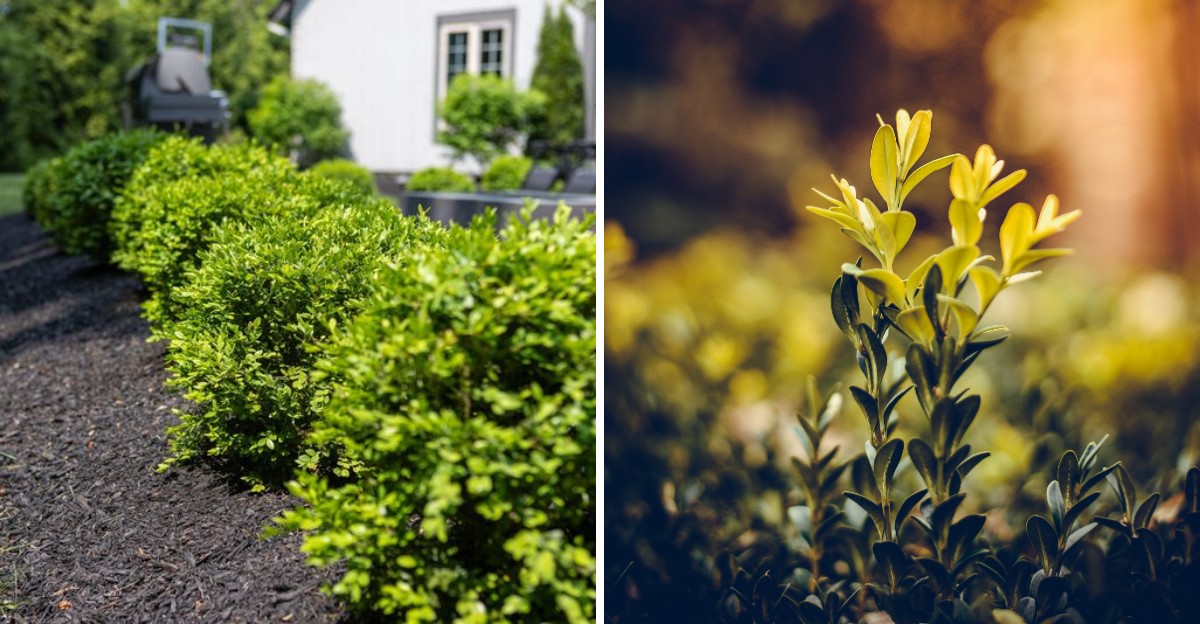
Boxwoods turn bronze, orange, or an odd shade of tan every winter, and plenty of Ohio gardeners blame the cold. Cold takes less of the blame than you’d think.
The real trouble builds this month, before the first heavy freeze ever arrives. Wind, sun, and thirsty roots team up behind your back, and the damage stays hidden until the leaves change color in February.
By then, nothing you do will fix it.
November is the last easy chance to set things right. A few small chores handle most of the risk, and they take less time than raking one corner of the yard.
Some of those chores look backwards at first glance, which explains why so many people skip them.
Walk out to your hedge with a plan before the ground gets hard.
1. Give Boxwoods A Deep Drink Before The Ground Freezes
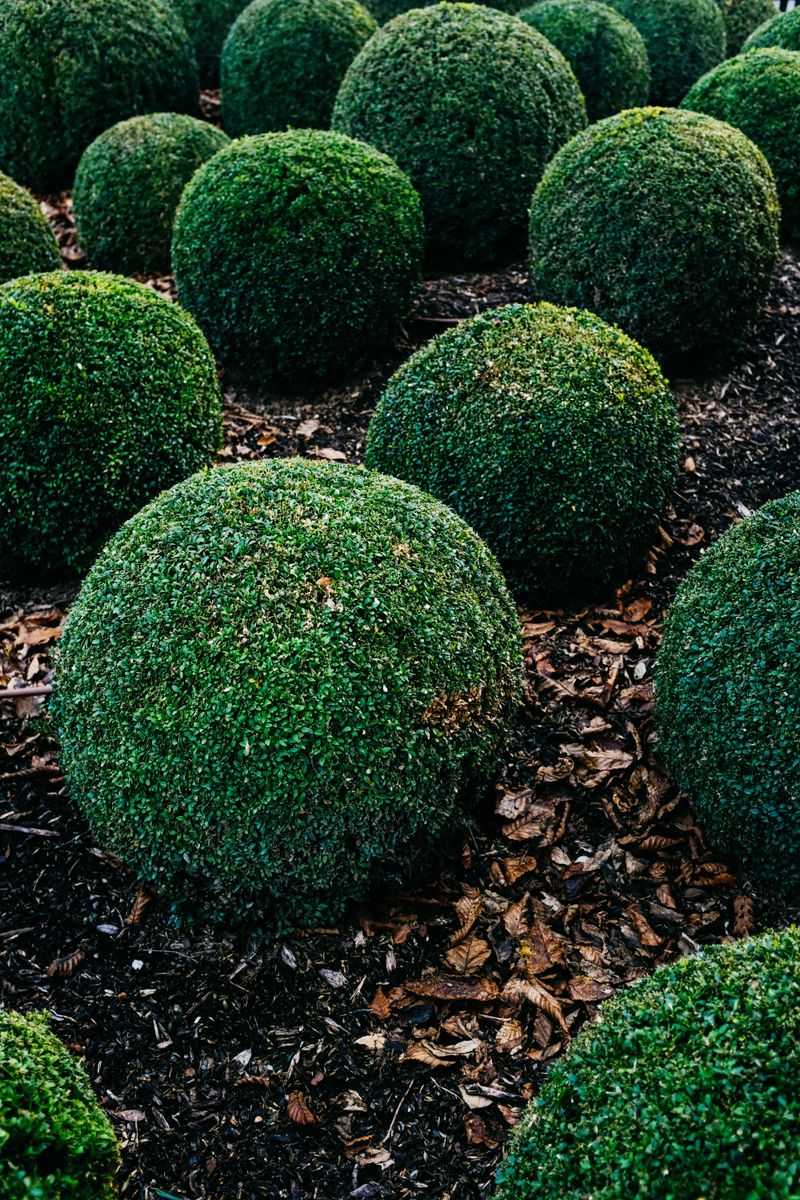
Picture a marathon runner heading out without a water bottle. Your boxwoods face the same risk when winter arrives and their roots start out thirsty.
Once the soil freezes, roots cannot pull up water. Meanwhile, cold winds and bright sun keep pulling moisture out of the leaves.
That mismatch is a big reason Ohio boxwoods turn bronze or yellow by spring.
The fix is simple. Give each shrub a slow, deep soaking in early November, and keep it up until the ground freezes solid.
Aim for about an inch of water each week if rain is scarce. A soaker hose or a gently trickling garden hose works well, since water has time to sink in rather than run off.
Timing matters too. Water on a day when the air is above 40 degrees, and do it around midday.
That way the moisture soaks into the soil before nighttime temperatures dip.
Pay extra attention to shrubs tucked against your house or under the eaves. Rain often misses these spots, so the soil there can stay dry even after a stormy week.
Not sure if the ground is dry? Push a finger a couple of inches into the soil.
If it feels dusty or crumbly, your boxwoods are ready for a drink.
2. Top Up The Mulch To 2 To 3 Inches
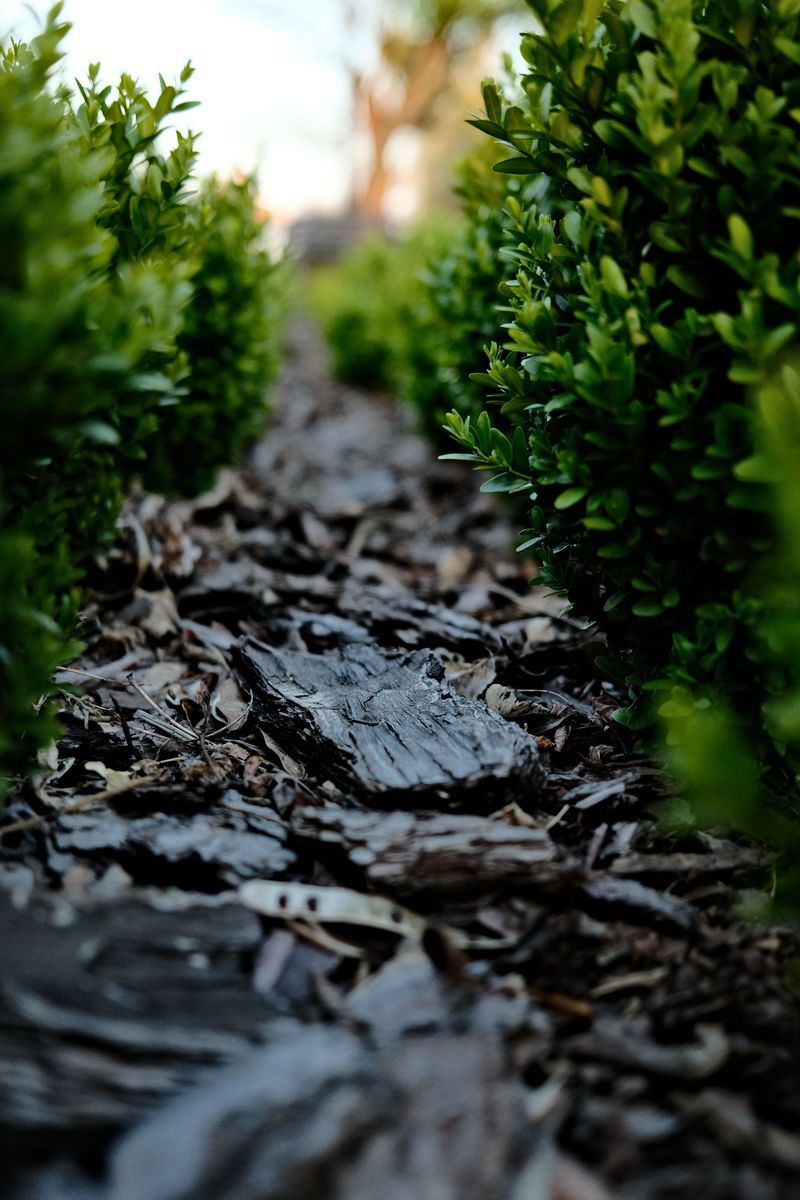
Think of mulch as a cozy winter blanket for your shrub’s toes. Boxwoods have shallow roots that sit close to the surface, so they feel temperature swings more than many plants.
A fresh layer of organic mulch helps in several ways. It holds moisture in the soil, keeps roots a bit warmer, and slows down the freeze and thaw cycles that stress plants.
Most experts suggest a layer about 2 to 3 inches deep. Some go up to 4 inches, but thicker is not better here.
Too much mulch can keep soil soggy and make it harder for air to reach the roots.
Good choices include shredded hardwood, pine bark, or chopped leaves. Shredded leaves from your own yard are free and break down into rich soil over time.
Before adding more, check what is already there. Old mulch packs down and breaks apart over the summer, so you may only need to add an inch or so.
Your Ohio Garden Changes Every Week. Your Plan Should Too.
Gardening in Ohio changes quickly throughout the season. Every Friday you’ll receive a simple weekly plan showing exactly what to plant, prune, fertilize, harvest, and protect so you never miss the right timing.
Spread the mulch out wide, ideally to the edge of the branches. That outer zone, called the drip line, is where many feeder roots grow.
Bonus perk: a neat mulch layer also blocks weeds. Come spring, you will spend less time on your knees pulling out sneaky sprouts.
3. Keep Mulch Pulled Back From The Stems
Ever seen a shrub sitting in a tall cone of mulch, like a little volcano? It looks tidy, but it causes real trouble for the plant underneath.
Gardeners even have a name for it: volcano mulching. When mulch piles against the stems, it traps moisture right where the bark meets the soil.
That damp bark can soften and rot over time. Even worse, the warm, hidden pocket becomes a perfect winter hotel for voles and mice.
These little critters may chew on the bark while staying out of sight.
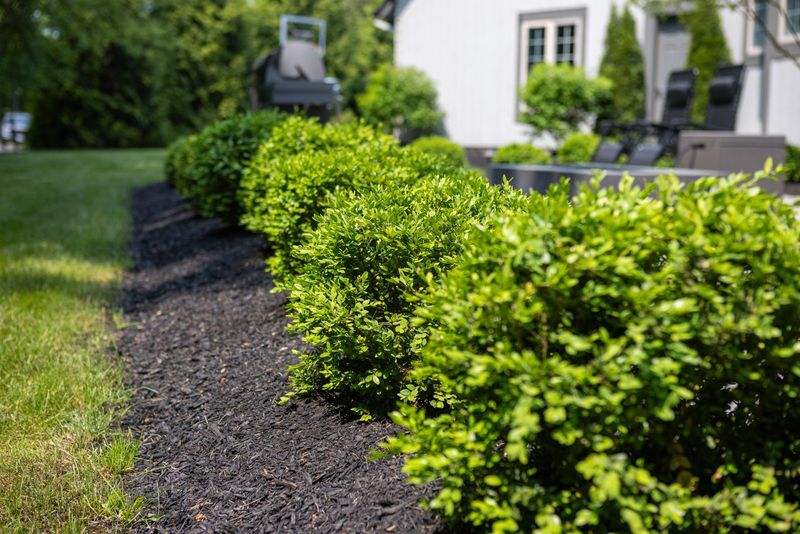
The solution takes just a minute or two. Use your hands or a small rake to pull mulch back so there is a gap of about 2 to 3 inches around the base.
Some sources say a gap of up to 6 inches is fine, especially for larger shrubs. The goal is simple: let the stems breathe and stay dry.
Picture a donut rather than a mountain. The mulch forms a wide ring, and the center around the trunk stays open.
While you are down there, take a quick peek at the lower stems. Look for cracked bark, chew marks, or mushy spots.
Catching these early gives you time to figure out what is going on before the snow hides everything.
4. Shield Windy, Sunny Spots With A Burlap Screen
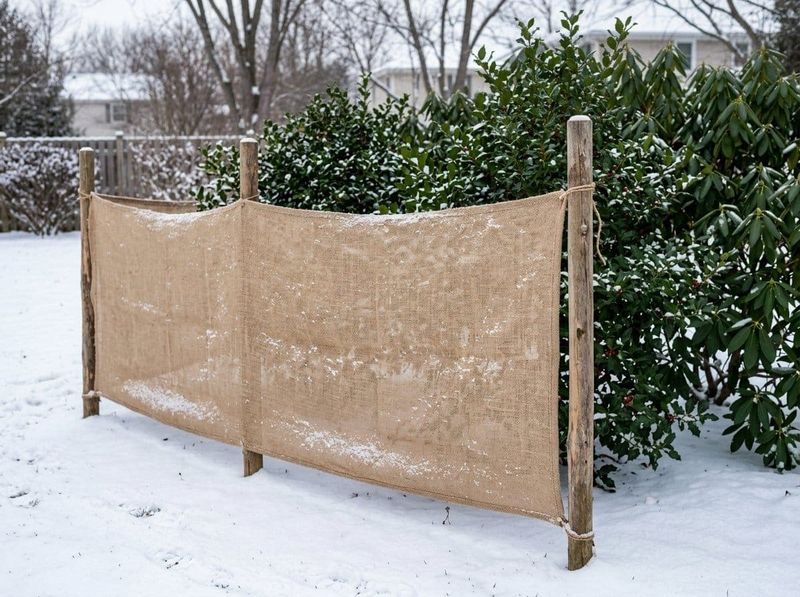
Ohio wind in January can feel like it is trying to steal your hat and your patience. Your boxwoods feel it too, and that cold blast pulls moisture right out of their leaves.
Add bright winter sun bouncing off snow, and you get a nasty mix called winter burn. Leaves on the exposed side turn reddish brown, often on the tips and outer edges first.
A burlap screen works like a windbreaker for your shrub. It slows the wind and blocks some harsh sun while still letting air move through.
The easiest setup uses three or four wooden stakes pounded into the ground before it freezes. Wrap burlap around the stakes to form a tent, and leave the top open.
Keep the fabric a few inches away from the leaves. Burlap pressed tightly against foliage can trap moisture and rub the branches.
Focus on shrubs facing the northwest, since most winter winds in Ohio blow from that direction. Spots near driveways and sidewalks also benefit, because the screen can block salty spray.
Skip plastic sheets, though. Plastic traps heat on sunny days and can cook the leaves inside.
When planting new boxwoods later, pick a sheltered spot on the east side of a fence or building. Nature then does some of this work for you.
5. Hold Off On Pruning Until Spring
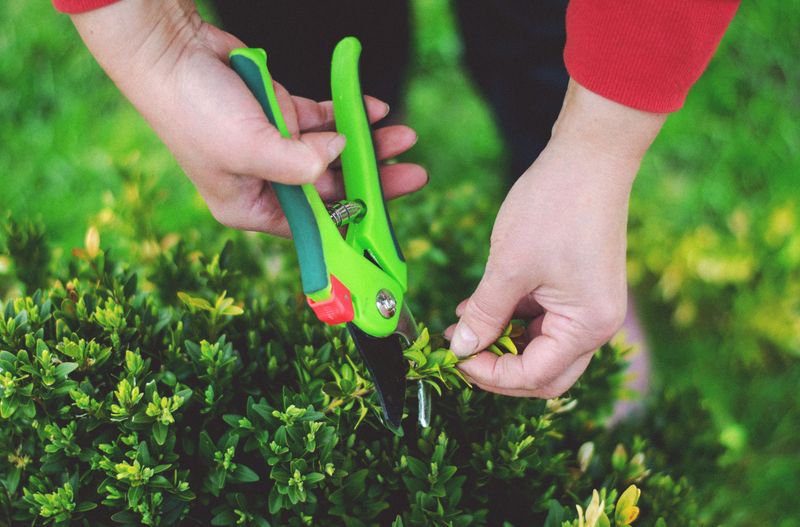
Put down the shears and back away slowly. That slightly shaggy boxwood may bug you, but November is not the time to tidy it up.
Here is why. Pruning sends a wake-up signal to the plant, telling it to push out fresh growth.
New shoots that pop up in late fall are soft and tender. They do not have enough time to toughen up before the first hard freeze, so they get zapped by the cold.
Those damaged tips can then turn brown and look awful by spring.
In Ohio, most experts agree the best pruning window is late winter to early spring. Think late February through mid-March, before new growth starts.
Big pruning jobs should wrap up by mid-August or early September at the latest. After that, let the shrub settle in and prepare for its long winter rest.
What if a branch gets damaged during a storm? Leave it alone for now, unless it is hanging dangerously.
In spring, you can clearly see which parts recovered and which need trimming.
One small exception exists. Snipping a few sprigs for holiday wreaths or centerpieces is usually fine, as long as you keep it light.
Just spread your cuts around so no single spot looks bare.
6. Skip The Fertilizer This Late In The Year
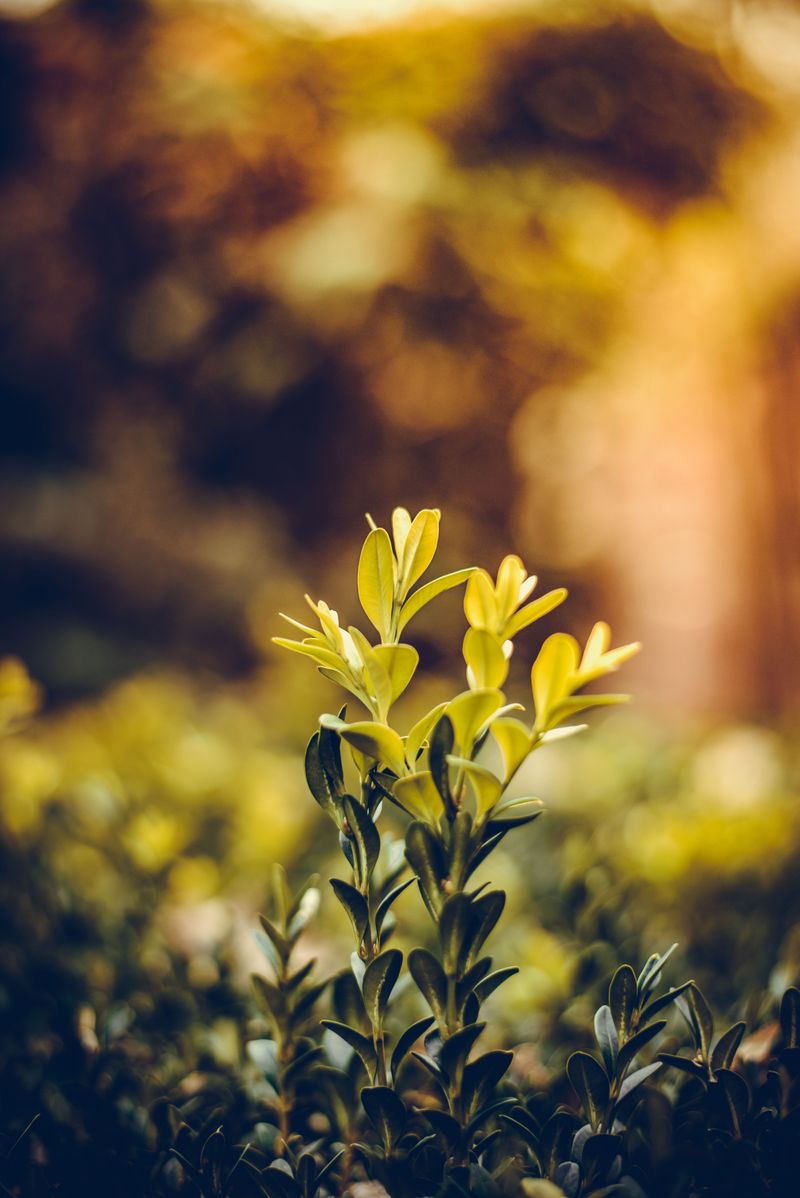
Feeding your shrubs seems like a kind thing to do before winter. Surprisingly, it can backfire badly this late in the season.
Most fertilizers, especially those high in nitrogen, push plants to grow. That growth burst is great in spring, but terrible in November.
Fresh leaves and stems need weeks to harden off before freezing weather hits. Without that time, the new growth stays soft and gets damaged by the cold.
Your boxwood then wastes energy on growth that will not survive.
So tuck that bag of fertilizer onto a shelf until spring. Your shrubs are slowing down for the season, and that is exactly what they should be doing.
You might read that late fall feeding helps root growth. Some gardeners do use special slow-release products for that purpose.
If you go that route, be careful. Spread it around the drip line on top of the mulch, and keep it off the leaves and stems.
For most Ohio home gardens, though, waiting is the easier and safer choice. A light feeding in early spring, as new growth begins, gives boxwoods the boost they need at the right moment.
Not sure your shrubs need fertilizer at all? A simple soil test from your county extension office can tell you.
7. Antidesiccant Sprays May Offer Some Extra Protection
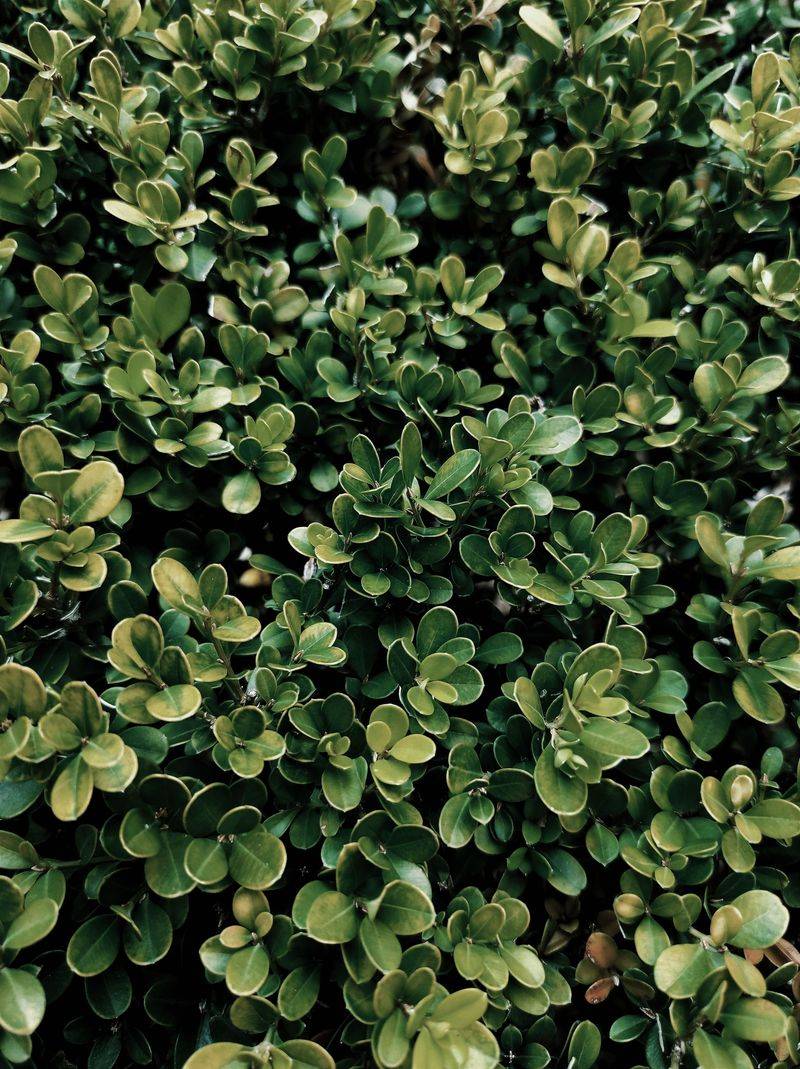
Did you know you can give your shrubs a kind of lip balm? Antidesiccant sprays coat the leaves with a thin, waxy film that helps lock in moisture.
You may also see them sold as anti-transpirants or anti-drying sprays. They all aim to do the same job: slow down water loss when dry winter winds blow.
Results can vary, so think of these sprays as a helpful extra rather than a magic fix. Deep watering and good mulch still do most of the heavy lifting.
Timing makes a big difference. Spray when temperatures stay above 40 degrees, usually in mid to late November in Ohio.
Check the forecast before you start. The product needs dry weather to set properly, so pick a day with no rain expected for at least a day.
Cover both the tops and undersides of the leaves for the best coverage. A pump sprayer or the bottle the product comes in usually works fine for small hedges.
Read the label carefully, too. Some brands suggest a second coat in late winter, especially during long stretches of harsh wind.
These sprays are most useful on shrubs in exposed, sunny spots. Boxwoods tucked in sheltered corners may not need the extra help.
8. Tie Upright Shrubs Loosely Before Heavy Snow
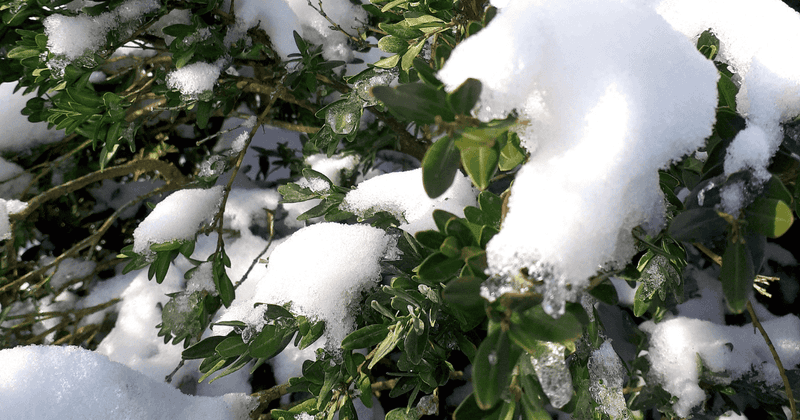
A single wet snowfall can weigh far more than you might expect. For tall, upright boxwoods, that heavy load can split the shrub open like a book.
Varieties with a narrow, columnar shape are most at risk. Their many stems tend to spread apart under weight, and sometimes they snap.
A little twine goes a long way here. Gently wrapping the shrub helps hold the stems together so snow slides off instead of piling up.
Use soft material like jute twine, cotton cord, or strips of old fabric. Avoid wire or thin fishing line, since these can cut into the bark.
Start by tying the twine to a sturdy stem near the base. Then spiral it upward around the shrub, like wrapping a candy cane stripe, and tie it off near the top.
Keep the wrap snug enough to support the branches but loose enough for air to flow. You should be able to slip your hand between the twine and the foliage.
Round or low boxwoods usually do not need this step. Their shape already handles snow fairly well.
Set a reminder on your phone to remove the ties in early spring. Twine left on too long can rub bark and slow new growth.
9. Gently Brush Off Snow After Storms
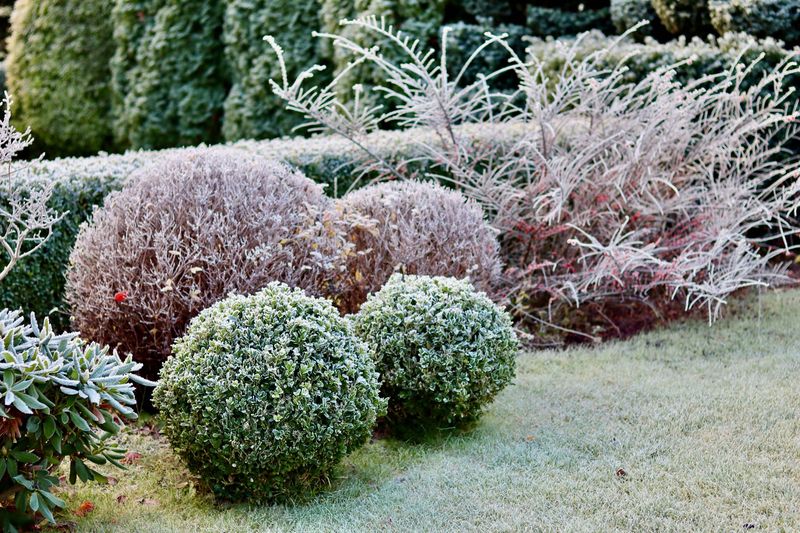
After a big snowstorm, your boxwoods might look like giant frosted cupcakes. Cute, yes, but all that weight can bend and break branches.
Grab a broom and head out once the snow stops falling. Fresh, fluffy snow is much easier to remove than snow that has packed down or frozen.
Use gentle upward strokes, lifting the snow off rather than pushing down. Pressing from the top adds even more stress to branches that are already struggling.
Resist the urge to shake the shrub hard. Cold branches turn brittle, and a strong shake can snap them.
Ice is a different story. If branches are coated in ice, let it melt on its own, since chipping or knocking it off often does more harm than good.
Watch where your shovel and snowblower send the snow, too. Tossing heavy piles onto shrub beds can crush plants, and road snow often carries salt that burns leaves.
Here is a fun fact for winter afternoons: a light, fluffy snow layer can actually insulate plants. So there is no need to sweep off every flake, just the heavy loads that make branches sag.
Give it a few minutes after each storm. By spring, your boxwoods will thank you with full, green shapes.