What Your Ohio Oak Trees Need Right Now To Stay Healthy All Year
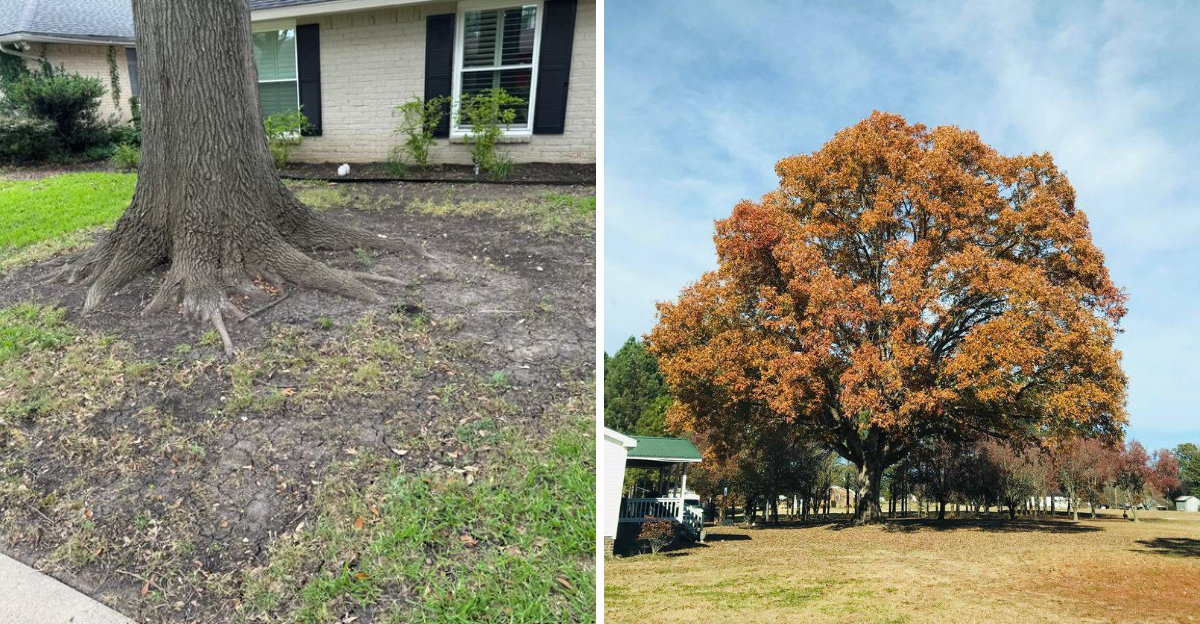
Your Ohio oak can look completely fine from the driveway while quietly dealing with problems that show up months later.
Large branches, thick leaves, and a strong trunk create the impression of a tree that can handle anything, but even mature oaks respond to what happens around their roots and canopy.
The choices you make now influence how well the tree handles winter, spring growth, and the stress that comes with another summer. Many homeowners focus on what they can see above ground and miss the areas where the tree actually gets support.
Soil conditions, moisture, mulch placement, and the space around the trunk all play a role long before a warning sign appears. Oak care is less about reacting to a problem and more about avoiding the small mistakes that slowly weaken a valuable tree.
The work you do now may seem minor, but your oak will carry the results through every season ahead.
1. Check The Soil Before You Reach For The Hose
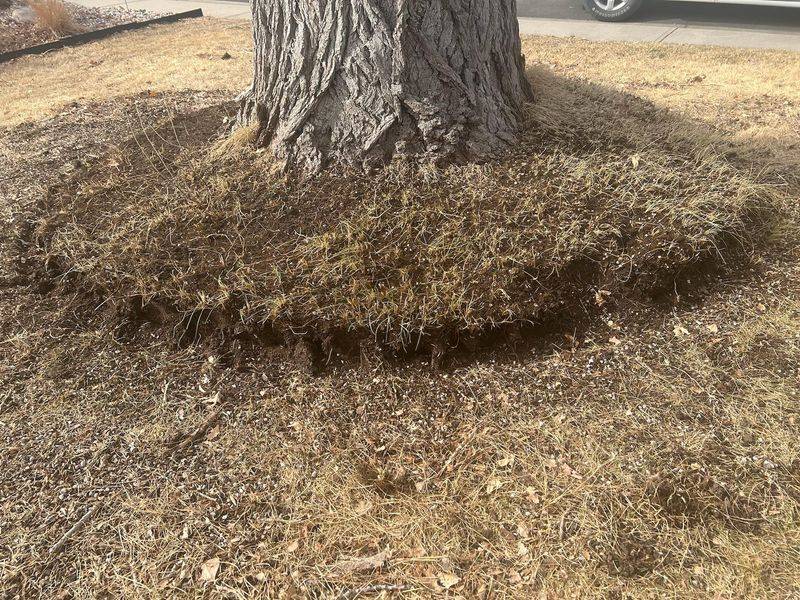
Grabbing the hose on a hot afternoon feels like the right thing to do, but the soil beneath your oak may tell a different story. Soil moisture can vary widely depending on recent rainfall, drainage patterns, and how the land around the tree sits.
Before adding any water, check the soil several inches down by pressing a screwdriver or finger into the ground near the drip line.
Ohio State University Extension notes that both drought stress and saturated soil can harm trees. Roots sitting in waterlogged ground struggle to absorb oxygen, which weakens the tree just as much as dryness can.
Heavy clay soils common across much of the state hold moisture longer than sandy soils, so visual surface dryness can be misleading.
Established mature oaks generally have deeper, more extensive root systems than younger trees. A few dry days at the surface may not signal a crisis for a tree that has been in the ground for decades.
Newly planted oaks, however, have not yet spread their roots far and need closer attention during dry stretches.
Automatic irrigation based on the calendar alone is not a reliable guide. Local rainfall totals, soil texture, and tree age all shape what a specific oak actually needs.
Diagnosis before irrigation is the most useful habit a homeowner can build this time of year.
2. Deep Water Young Oaks During Dry Spells
A recently planted oak facing its first or second summer has a tough job ahead. Its root system is still small and concentrated close to the trunk, which means it depends heavily on the moisture available in a limited area of soil.
During a genuine dry spell, that limited zone can dry out faster than the surrounding landscape suggests.
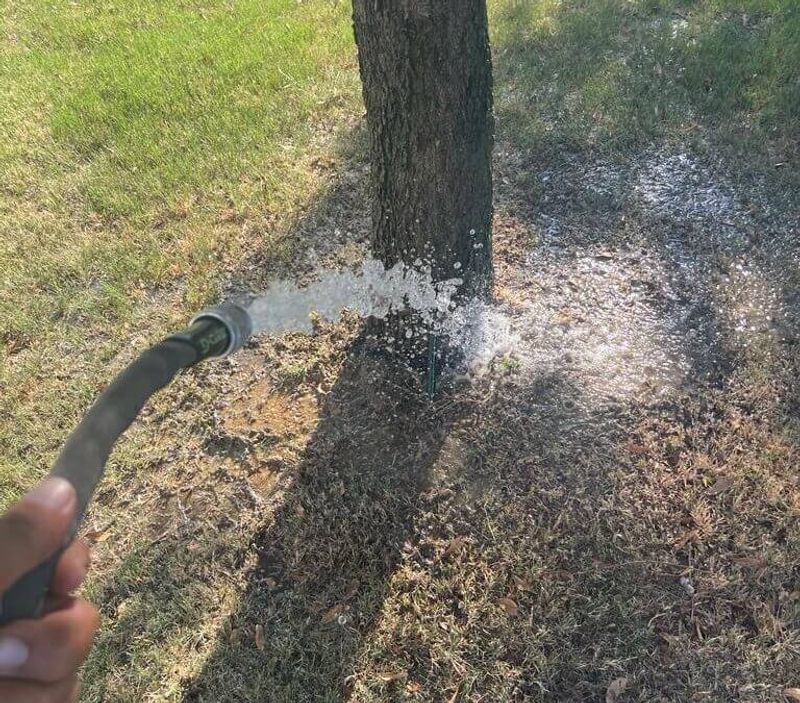
Deep, slow watering helps moisture reach the root zone rather than just wetting the top inch or two of soil. Shallow surface watering can encourage roots to stay near the top, which makes a young tree more vulnerable during future dry periods.
Applying water slowly at the base over a longer period gives it time to move downward where roots can actually use it.
Your Ohio Garden Changes Every Week. Your Plan Should Too.
Gardening in Ohio changes quickly throughout the season. Every Friday you’ll receive a simple weekly plan showing exactly what to plant, prune, fertilize, harvest, and protect so you never miss the right timing.
Rainfall should always be considered before running the hose. A meaningful rain event earlier in the week may mean the soil still has adequate moisture even if the surface feels dry.
Extension guidance from Ohio State encourages checking actual soil conditions rather than following a fixed weekly schedule.
Avoid keeping the root zone constantly wet. Consistent saturation around young roots can cause just as many problems as drought.
The goal is steady, adequate moisture during genuinely dry conditions, not constant irrigation. Young trees need attentive monitoring, but they do not need to be soaked every few days regardless of what the sky has already provided.
3. Keep Mulch Flat And Away From The Trunk
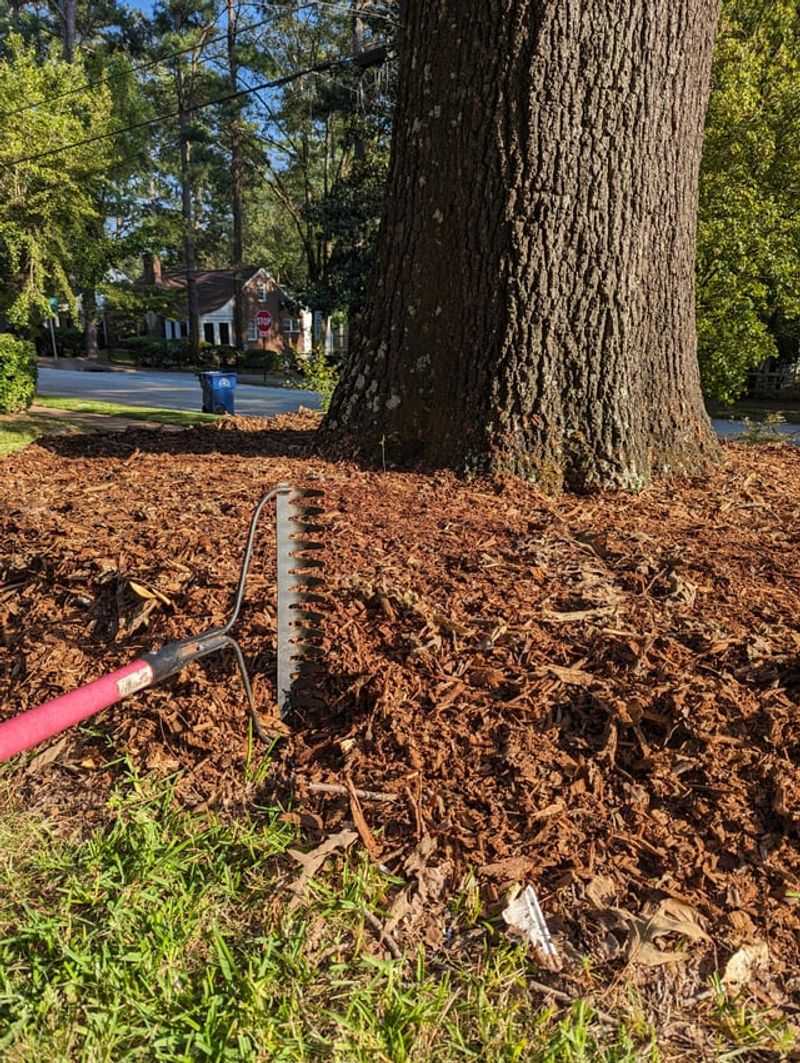
Picture the mulch ring around your oak from the side. A healthy mulch bed should look like a wide, flat donut, not a cone or a mound piled up against the bark.
That distinction matters more than most homeowners realize, and getting it wrong can quietly stress a tree over several seasons.
Ohio State University Extension recommends applying mulch to a depth of about two to three inches around trees. Mulch placed at that depth helps moderate soil temperature, conserve moisture, and reduce competition from grass and weeds.
All of those benefits support root health, especially during the temperature swings of late summer and early fall.
Mulch piled against the trunk, sometimes called a mulch volcano, creates a different set of problems. Bark kept constantly moist by heaped mulch can soften and break down over time, creating conditions that may invite disease and certain insects.
The root flare, the point where the trunk widens at the base, should always remain visible and exposed to air.
If your existing mulch ring has settled or been disturbed, late summer is a reasonable time to refresh it. Pull any mulch back from direct contact with the bark first.
Spread it outward toward the drip line if possible, since that is where feeder roots are most active. A wide, flat ring done correctly provides real benefit without adding unnecessary stress to the tree.
4. Put The Pruners Away During Oak Wilt Season
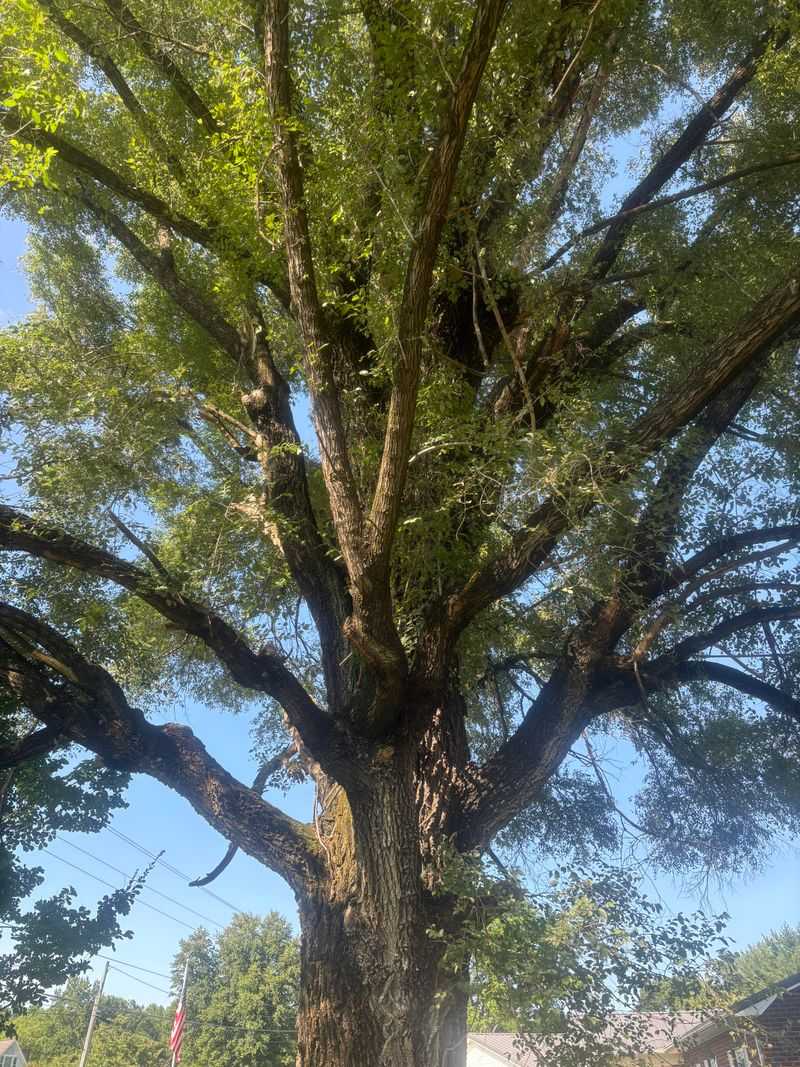
Spotting a branch that looks out of place can make it tempting to grab the pruning saw before fall arrives. Holding off is often the smarter choice, especially in Ohio where oak wilt risk is a genuine concern during the warmer months of the year.
Oak wilt is a serious fungal disease that spreads through root connections between nearby trees and through sap-feeding beetles that are attracted to fresh wounds.
Ohio State University Extension has historically recommended avoiding pruning oaks during the higher-risk period, as a conservative precaution.
That period runs roughly from mid-April through October 1. Verifying current guidance from Ohio State before acting is always worthwhile, since recommendations can be updated.
Not every pruning cut leads to oak wilt, and not every declining oak has the disease. The concern is that fresh wounds during the active beetle season can provide an entry point that would not exist during dormancy.
Routine shaping, thinning, or cosmetic cuts can wait until late fall or winter when that risk drops significantly.
Hazardous or storm-damaged limbs are a different matter. A broken branch that poses a safety risk should not be left in place simply because of seasonal timing.
For large or dangerous work, a qualified and certified arborist is the right call. Attempting to remove heavy limbs without proper training and equipment puts both the tree and the person at risk.
5. Protect The Root Zone From Heavy Traffic
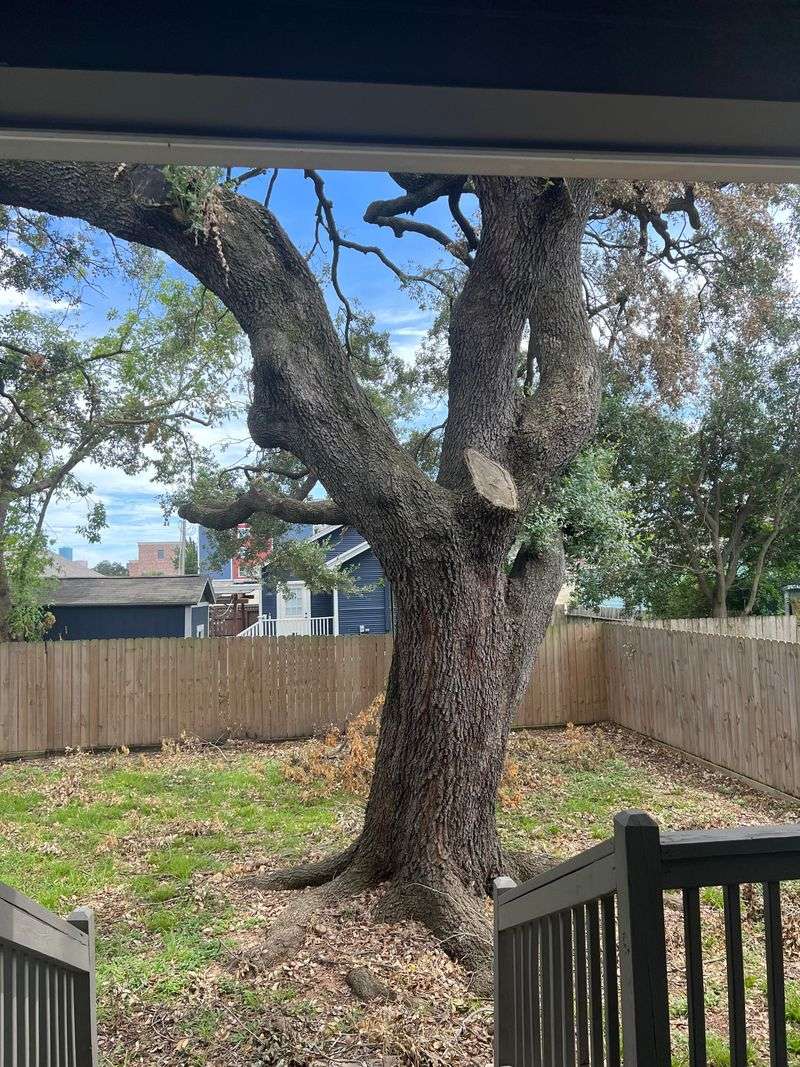
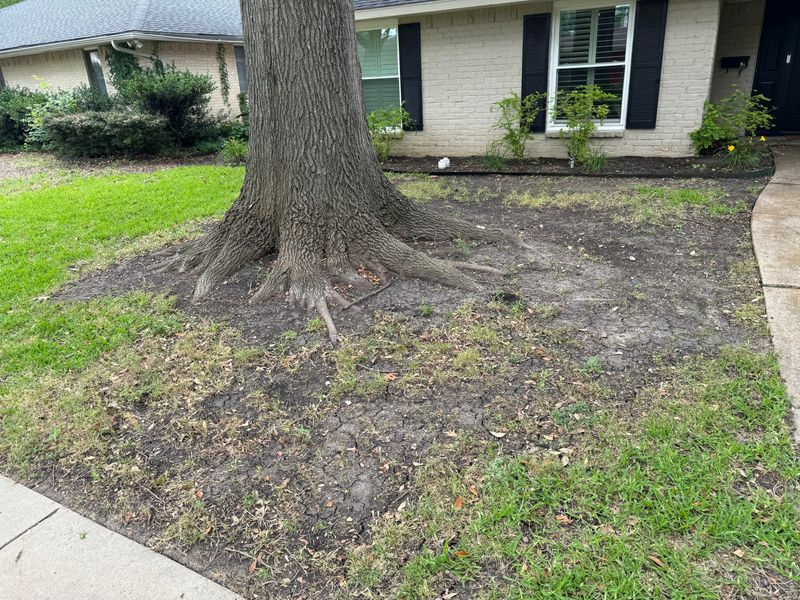
Beneath a frequently used patch of lawn under a big oak, the soil tells a story that the tree cannot. Repeated foot traffic, parked vehicles, construction equipment, and soil piling compress the ground over time.
That compression reduces the pore space that roots depend on for both oxygen and water movement.
Many of an oak’s most important feeder roots grow surprisingly close to the surface, often in the top twelve inches of soil. They also extend well beyond the trunk, sometimes reaching far past the edge of the canopy.
Soil compaction in any part of that zone can limit root function even when the trunk and upper canopy still look healthy.
Visible tree health can be misleading. A mature oak may continue looking fine for a season or two after root-zone damage begins.
Symptoms of underground stress, like thinning canopy, reduced leaf size, or branch withering, often appear long after the original cause. By then, reversing the damage is difficult.
Keeping vehicles, heavy equipment, and consistent foot traffic out of the area beneath and around a mature oak is one of the most protective things a homeowner can do. Simple barriers, temporary fencing, or redirected pathways can make a real difference.
Avoid deep cultivation or digging near established roots as well, since that causes direct physical damage to root tissue. Protecting the ground around your oak protects the tree itself.
6. Watch Browning Leaves Before Blaming Disease
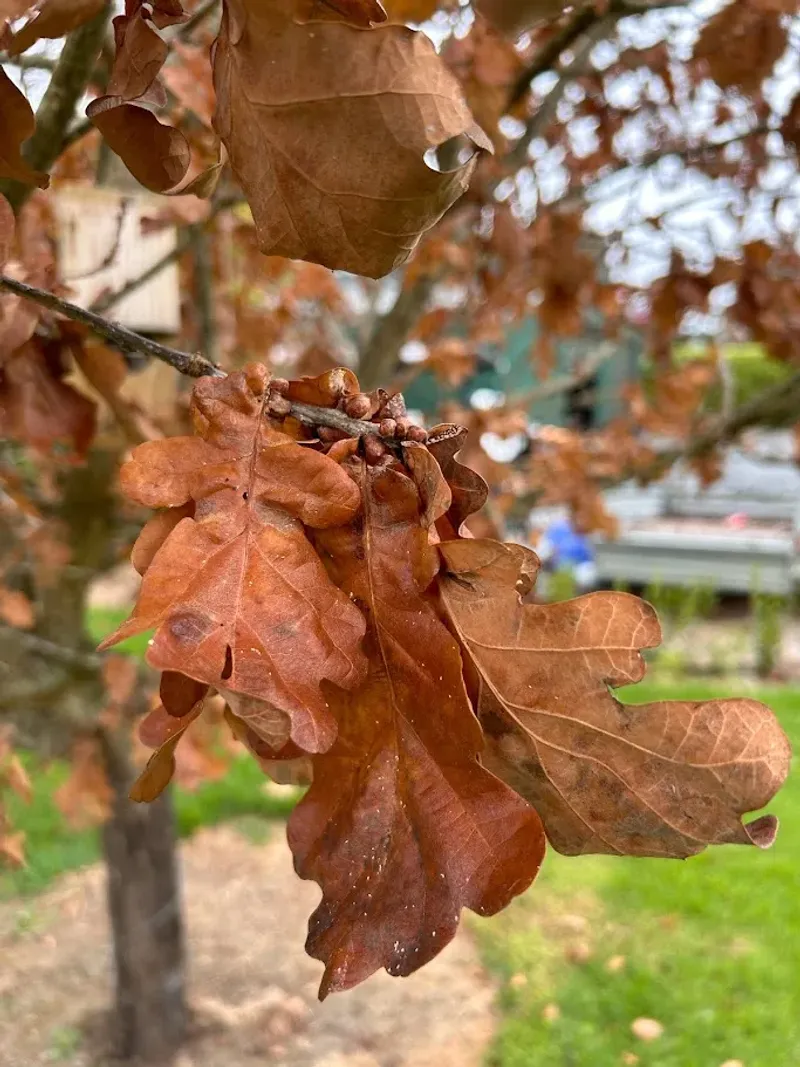
Spotting brown leaves high in an oak’s canopy in late summer can send a homeowner straight to worst-case scenarios. Before reaching any conclusions, slow down and look more carefully at what the browning actually looks like and where it is showing up.
Brown, scorched, or wilting leaves in late summer can come from a range of causes. Drought stress, excessive soil moisture, root injury, certain insects, anthracnose, and other fungal issues can all produce symptoms that look similar at a glance.
Ohio State University Extension materials note that accurate diagnosis depends on more than leaf color alone.
Pattern matters a great deal. Browning that starts at leaf margins and spreads inward often points to moisture stress or scorch.
Browning that moves from the top of the canopy downward, or that progresses rapidly across a whole branch, can raise different concerns. Oak wilt, for example, cannot be reliably diagnosed from foliage appearance alone.
Laboratory testing or a professional assessment is needed when that disease is genuinely suspected.
Not every brown leaf signals a serious problem. Oaks naturally shed some leaves through summer.
Late-season stress from heat or uneven rainfall can cause cosmetic browning without threatening the tree’s overall condition. Timing, species, the pattern of symptoms, and surrounding site conditions all factor into an accurate read.
Observing carefully before treating is the most useful thing a homeowner can do when something looks off.
7. Skip The Late-Summer Fertilizer Push
A tree that looks tired in August can make fertilizer feel like an obvious solution. Pale leaves, slow growth, or a canopy that seems thinner than usual can all look like signs of hunger.
But those same symptoms can also come from root problems, moisture stress, soil compaction, or disease, none of which fertilizer will address.
Ohio State University Extension guidance on tree fertilization emphasizes that fertilizer should not be applied as a general response to tree stress.
Adding nutrients to a tree that is already struggling with root damage or waterlogged soil can push new growth that the tree does not have the resources to support.
Late summer is a particularly poor time to stimulate that kind of growth.
A soil test is the most reliable way to know whether a genuine nutrient deficiency exists. Without that information, applying fertilizer is mostly guesswork.
If a test does reveal a deficiency, follow the specific recommendations that come with the results. That is far more useful than applying a general-purpose product based on a hunch.
Suspected nutrient problems that persist after moisture and site issues have been ruled out are worth discussing with a certified arborist or a local Extension office. Professionals can evaluate the full picture, including soil conditions, root health, and site history.
Fertilizer applied at the right time for the right reason can help a tree. Applied at the wrong time, it adds stress rather than relieving it.
8. Give Stressed Trees Time To Prepare For Fall
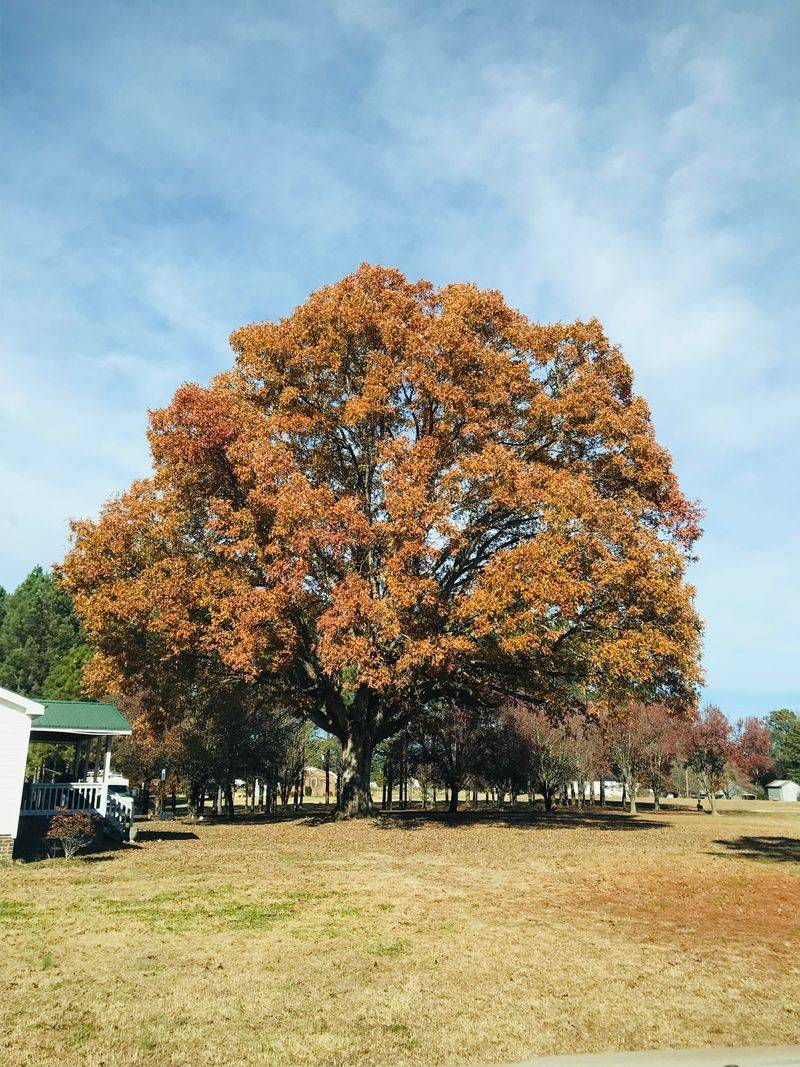
Late summer is not the season to push an oak into action. As days shorten and temperatures begin their slow shift, trees are already making internal adjustments that prepare them for dormancy.
Forcing new growth through aggressive pruning or late fertilization works against that natural process rather than supporting it.
A tree that has had a hard season, whether from drought, heavy rain, compaction, or canopy stress, needs steady, low-intervention support right now.
Appropriate soil moisture when conditions genuinely call for it and a properly placed mulch ring are practical things a homeowner can offer.
A protected root zone is another practical thing to offer at this point in the year.
Leaf color changes and a slowdown in visible growth are not signs that something has gone wrong. Oaks naturally reduce their activity as the growing season winds down.
Watching that process with patience rather than alarm is part of good late-season tree care. Fallen leaves from a healthy tree do not need to be immediately cleared unless a specific disease management situation calls for it.
Healthy oak care at this point in the season is often about avoiding extra stress rather than doing more. Checking before watering, keeping mulch off the bark, protecting the ground underfoot, and leaving the pruners in the garage are all forms of real care.
A tree allowed to finish the season on its own terms is better positioned to handle whatever the next year brings.