8 Holiday Plants That Are Toxic To Ohio Pets
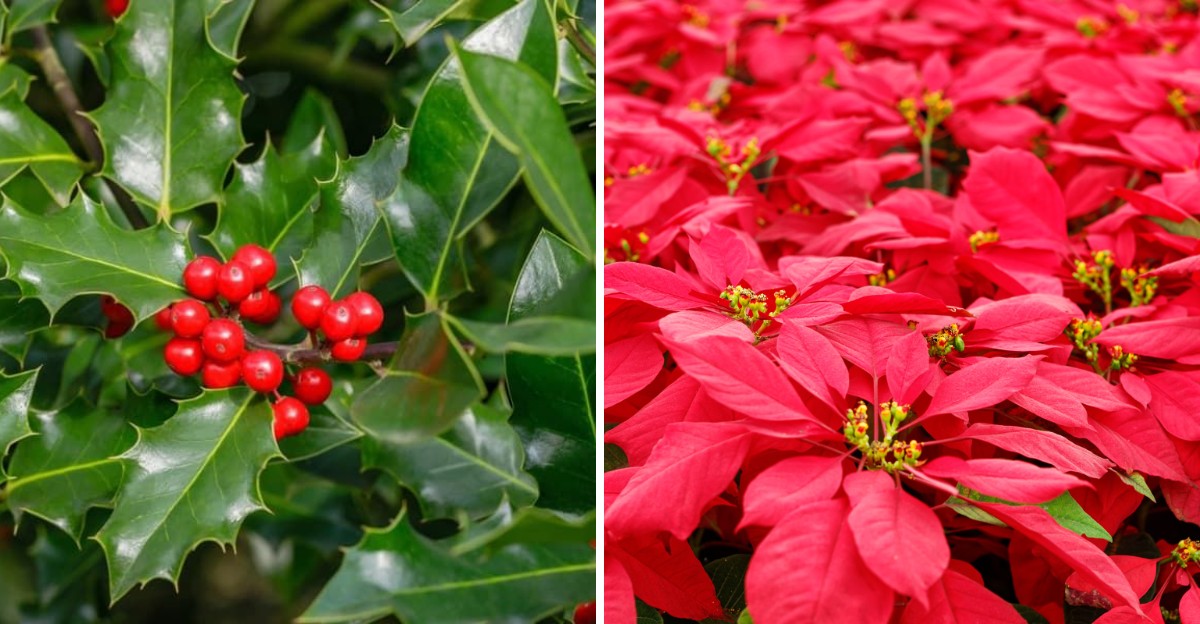
The red leaves on the most famous holiday plant are not petals at all, but colorful leaves called bracts. Even stranger, that cheerful plant has a scary reputation with pets that turns out to be mostly overblown.
Meanwhile, several quieter holiday favorites carry stronger toxins that can upset a curious dog or cat quite badly. Some of the prettiest ones are sold right beside the checkout lanes in Ohio grocery stores every December.
I’m a big fan of filling my windowsills with blooms once the gray winter skies settle over the yard. My cat, however, treats every new pot like a salad bar delivered just for her entertainment.
Ohio pet owners spend long indoor months with their animals, so knowing which plants deserve caution really matters.
Which of your festive favorites might be quietly tempting your furry roommate from across the room?
1. Poinsettia
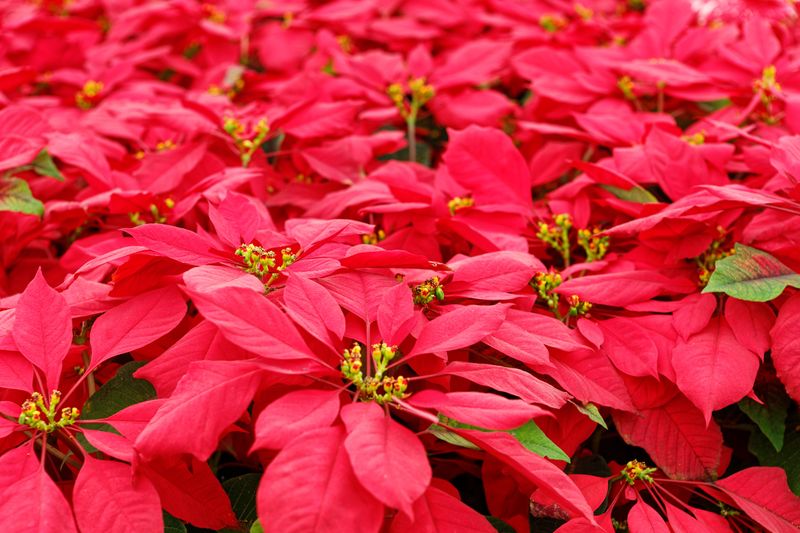
Poinsettias earned a terrifying reputation decades ago, but the real story is far calmer than most people expect. Pet poison experts rate this plant as only mildly toxic to both cats and dogs today.
The trouble lives inside the milky white sap that oozes out when a leaf or stem gets snapped. That sap contains compounds called diterpenoid esters, which irritate the mouth and stomach of a nibbling pet.
Most pets who chew a leaf end up drooling a bit or vomiting once, then bounce back quickly. Diarrhea can happen too, though it shows up less often than the drooling and upset stomach do.
Here’s something worth knowing about the sap, because it can bother skin and eyes as well as tummies. A curious cat might rub sap into its eyes, leading to redness and some uncomfortable swelling afterward.
I still keep a poinsettia every winter, but mine sits on a high shelf away from paws. A plant stand behind the couch or a hanging basket works nicely if your cat loves climbing furniture.
Water yours when the soil surface feels dry, and keep it away from cold drafts near doors. Poinsettias come from Mexico, so they sulk when temperatures drop below roughly fifty degrees Fahrenheit indoors.
If your pet chews one anyway, rinse its mouth gently with water and watch for ongoing vomiting. Call your veterinarian or a pet poison hotline if symptoms linger, since every animal reacts a little differently.
2. Holly
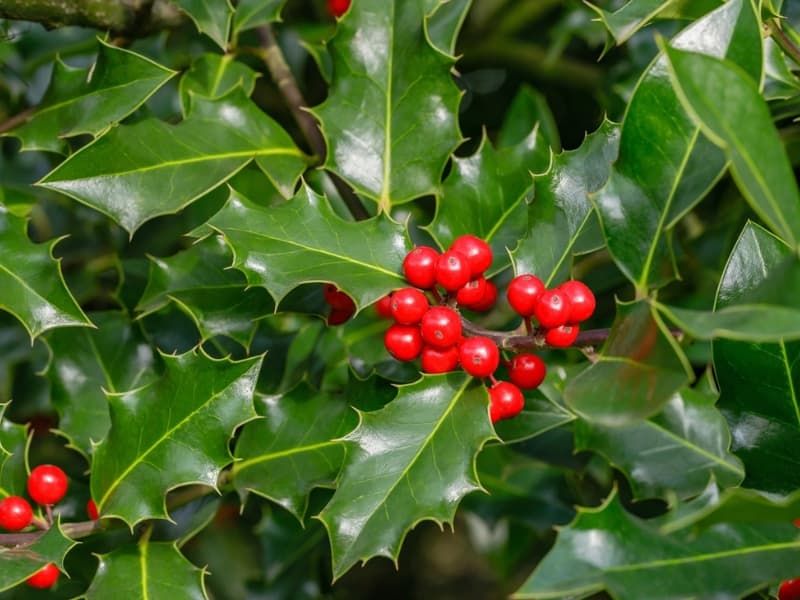
Those glossy red berries look like tiny ornaments, and dogs seem to find them irresistible during winter walks. Holly belongs to the Ilex group, and American holly, Ilex opaca, grows wild in parts of southern Ohio.
Both the spiny leaves and bright berries contain saponins, natural compounds that irritate the digestive system of pets. Toxicity is considered fairly low, yet a dog that gobbles several berries can feel quite miserable.
Vomiting and diarrhea are the usual signs, and some pets seem depressed or unusually quiet for a while. Stomach pain can follow berry snacking, so watch for a hunched posture or reluctance to lie down.
The prickly leaves often discourage big bites, which I find oddly comforting when my terrier goes exploring outside. Fallen berries are a different matter, since they roll across patios and look a lot like treats.
I can see why gardeners love holly, because it adds rich winter color when everything else looks bare. Rake up dropped berries under shrubs near paths, and trim low branches your dog can easily reach.
Indoor holly sprigs on mantels and wreaths shed berries too, so check the floor after decorating sessions. Artificial holly gives the same cheerful look without the cleanup or worry about a curious nibbler.
Planting tip for spring: holly likes moist, slightly acidic, well-drained soil with sun or partial shade. Remember that most hollies need a male plant nearby before the female shrubs produce those famous berries.
3. Mistletoe
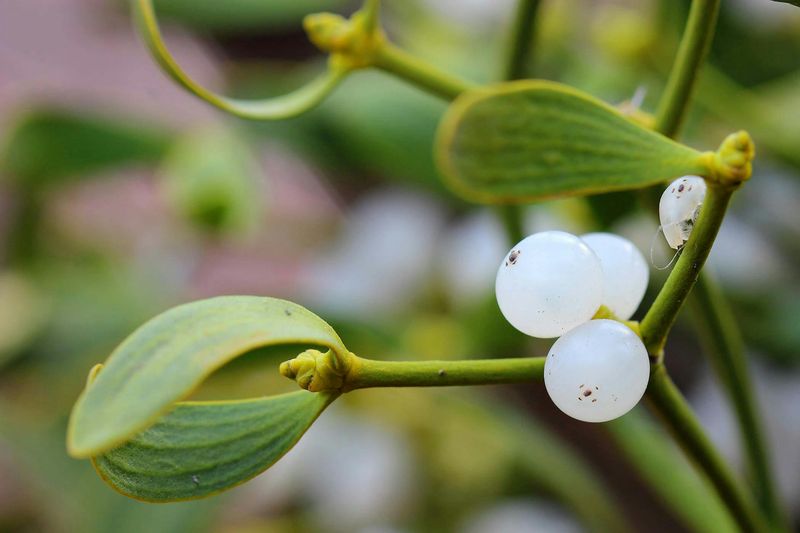
Kissing traditions aside, mistletoe is a parasite that taps into tree branches to steal water and minerals. The sprigs sold for holiday doorways in stores are usually American mistletoe, often listed as Phoradendron flavescens.
Every part of the plant carries lectins and phoratoxins, which can upset a pet’s stomach fairly quickly. American mistletoe tends to be milder than European types, and serious trouble usually requires a large snack.
Vomiting and diarrhea are the most common signs after a dog or cat chews on the leaves. Larger amounts may cause weakness, slowed heart rate, low blood pressure, or strange behavior that looks confused.
I’m always surprised by how often those little white berries drop onto the floor without anyone noticing. Cats batting at a hanging sprig can knock loose berries, then chase them like tiny rolling toys.
Hang mistletoe high in a doorway where pets cannot jump, and avoid placing it on low tables. Many shoppers choose plastic mistletoe, which keeps the romantic tradition alive without any toxic berries involved.
If you buy a real sprig, slip it inside a small mesh bag to catch berries as they fall. Toss it in an outdoor trash bin after the holidays, rather than a kitchen can pets might raid.
Breathing trouble or sudden weakness after mistletoe exposure calls for an immediate trip to the emergency veterinarian. Bring a piece of the plant along, because it helps the vet confirm exactly what your pet ate.
4. Amaryllis
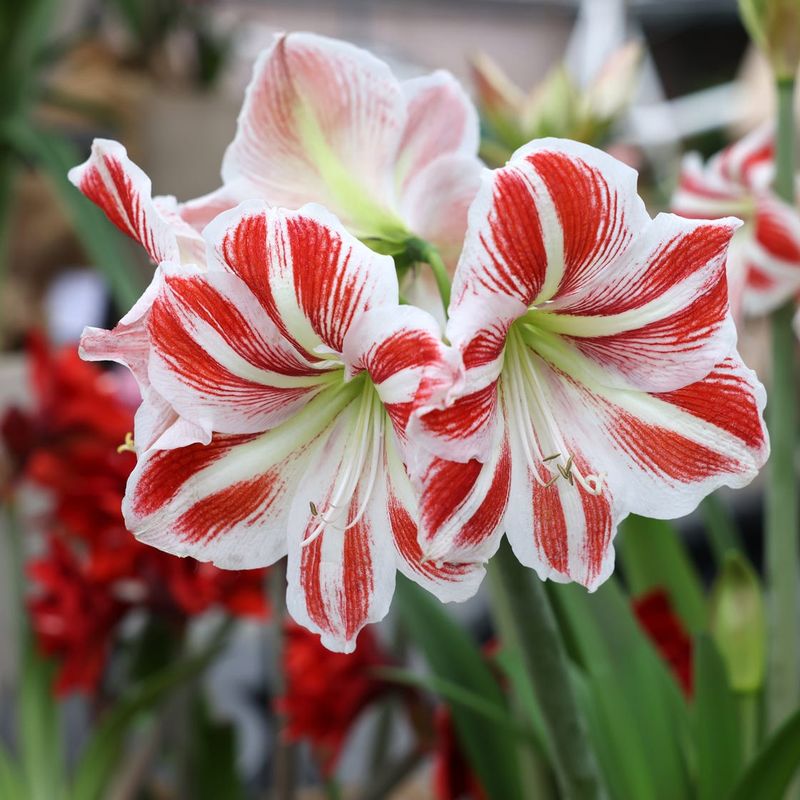
A single amaryllis bulb can push up a stalk taller than your forearm, crowned with trumpet blooms. Those dramatic flowers make wonderful gifts, yet the bulb beneath them hides the plant’s strongest toxins.
Store-bought amaryllis, usually sold as Hippeastrum hybrids, contains lycorine and related alkaloids, plus tiny irritating oxalate crystals. Every part carries these compounds, but the papery bulb holds the highest concentration by far, experts say.
Pets who chew it may drool heavily and vomit, and diarrhea can become severe in some cases. Tremors, low blood pressure, or breathing problems can appear after large amounts, especially when a bulb gets eaten.
Here’s what caught my attention: amaryllis is not a true lily, despite sometimes being called one. It does not cause the kidney failure in cats that Lilium lilies are known for, thankfully.
Dogs love digging, so a bulb waiting on the counter before planting looks a lot like a chew toy. Store unplanted bulbs in a closed cabinet, and pot them up somewhere your pup cannot reach.
Plant the bulb with its top third poking above the soil, using a heavy pot that resists tipping. Bright indirect light and sparing water until growth starts will usually bring blooms within six to eight weeks.
Watching that bud swell open is one of my favorite winter rituals, though it happens behind a gate. A tall plant stand in a pet-free room lets you enjoy the show without the worry.
5. Cyclamen
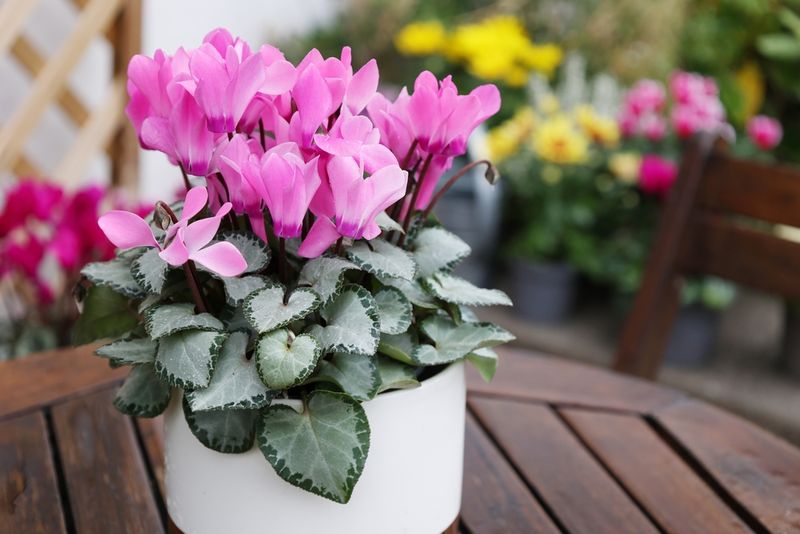
Cyclamen flowers sweep backward like tiny butterflies taking flight, which explains why some gardeners call them shooting stars. Another old name, sowbread, comes from pigs happily rooting up the round tubers in European woodlands.
Those same tubers are the most dangerous part for pets, because they hold the most terpenoid saponins. Leaves and flowers contain the compounds too, just in lower amounts that usually cause milder stomach upset.
A pet that nibbles foliage often drools and vomits, sometimes quite intensely, with diarrhea following soon after. Eating a large piece of tuber can trigger heart rhythm problems or seizures, which need emergency veterinary care.
You might be surprised by how often cyclamen shows up in florist shops right alongside holiday greenery. Its marbled heart-shaped leaves look lovely on a windowsill, which unfortunately is a favorite cat lounging spot.
I keep mine in a cool bedroom where the door stays shut, and the plant seems happier there. Cyclamen prefers cool temperatures around fifty to sixty-five degrees, so warm living rooms can make it droop.
Water from the bottom by setting the pot in a saucer, letting the soil soak for twenty minutes. Pouring water directly onto the tuber can cause rot, which is the most common reason these plants struggle.
Dogs that dig in potted plants pose the biggest risk, since they can unearth the tuber in seconds. A layer of decorative stones over the soil surface makes digging much harder for curious paws.
6. Hellebore
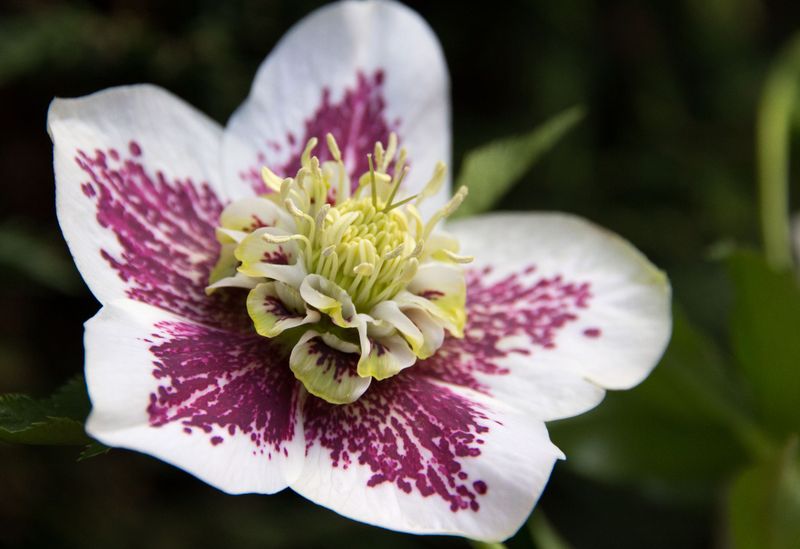
Hellebores bloom when snow still covers the ground, earning the cheerful nickname Christmas rose for Helleborus niger. Lenten rose hybrids follow later in late winter, and plenty of Ohio gardeners grow both in shady beds.
Every part of the plant is toxic to pets, from the leathery leaves down to the thick roots. Hellebores contain cardiac glycosides called bufadienolides, plus saponins and quite a few other compounds that irritate the gut.
Pets who chew hellebore may drool, show belly pain, and act depressed or sluggish for hours. Severe cases can bring slow heart rate, weakness, or seizures, though such reactions are fairly uncommon.
What I find interesting is that the plant protects itself pretty well with an extremely bitter taste. Most dogs spit out the first bite, which helps keep large, dangerous swallows from happening very often.
Puppies and determined chewers still deserve close watching, especially since hellebore leaves stay green through much of winter. Gloves are smart for you too, because the sap can irritate sensitive skin while you trim old foliage.
Plant hellebores in rich, well-drained soil under deciduous trees, where they get winter sun and summer shade. They handle cold well across Ohio’s USDA zones five and six, making them dependable perennials for shady corners.
Fence off hellebore beds from dog runs, or tuck them in front gardens your pup rarely visits. Cut tattered old leaves in late winter so the fresh blooms stand out, and dispose of trimmings promptly.
7. Paperwhite Narcissus
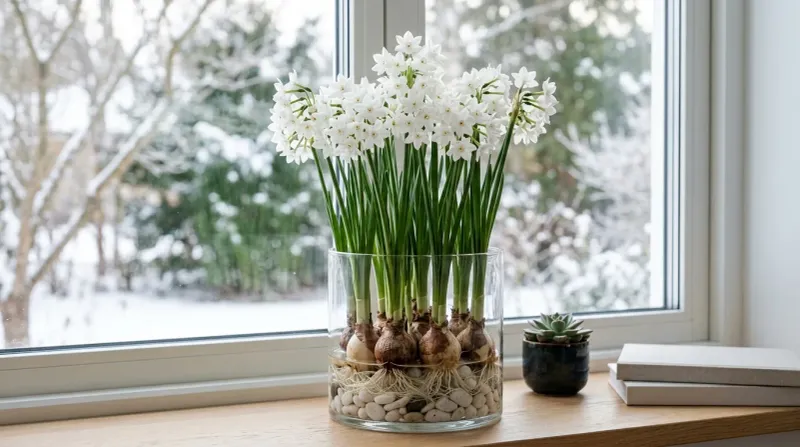
Paperwhites fill a room with a sweet, musky scent that some folks adore and others find overpowering. These indoor bulbs, Narcissus papyraceus, bloom in about four to six weeks with nothing more than pebbles and water.
That easy growing method creates a sneaky hazard, because the water in the vase can upset pets too. Bulbs hold the highest concentration of lycorine and related alkaloids, while sharp calcium oxalate crystals irritate the mouth.
Pets who chew paperwhites often vomit and drool, and some develop diarrhea along with obvious belly pain. Eating a whole bulb can cause tremors, low blood pressure, or heart rhythm problems that need urgent care.
Don’t be surprised if your cat treats that shallow bowl of water like a brand-new drinking fountain. Covering the pebbles with a mesh screen or choosing a tall glass vase helps block thirsty tongues.
I’d suggest growing paperwhites on a high bookshelf, though tall stems sometimes flop over as they stretch. Tie the stalks loosely with twine or a ribbon, and they will stay upright through the blooming weeks.
Store unplanted bulbs in a paper bag inside a closed cupboard, because dogs may mistake them for onions. Most gardeners toss forced paperwhite bulbs afterward, since they rarely rebloom well indoors and handle hard freezes poorly.
Pour old vase water down the sink instead of leaving it out where pets wander at night. A quick rinse of the container afterward removes leftover residue before you store it for next winter.
8. Kalanchoe
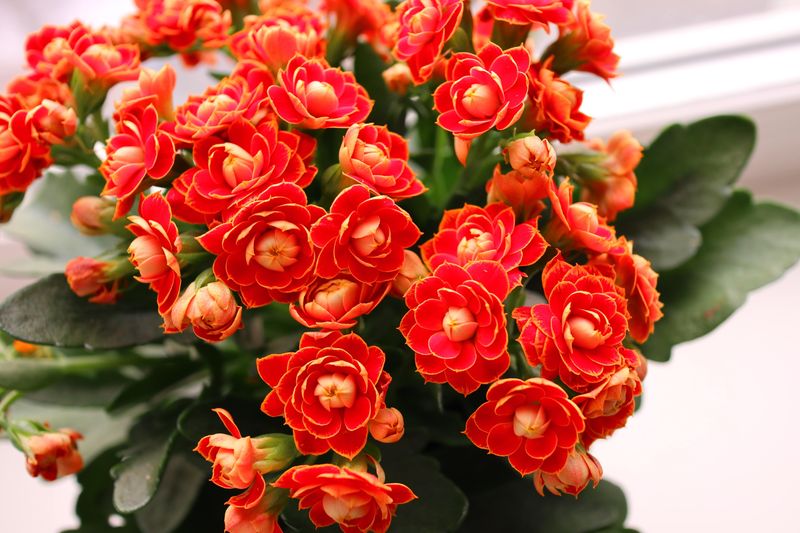
Kalanchoe looks like the friendliest succulent in the store, with clusters of tiny flowers in sunset shades. Underneath that sweet appearance, though, it carries bufadienolides, which are heart-affecting compounds similar to those in foxglove.
Every part of the plant is toxic to dogs and cats, but the flowers pack the highest concentration. Kalanchoe often blooms in winter, so holiday plants arrive at their most potent stage right on your table.
Pets who nibble usually vomit or develop diarrhea, and the upset can be stubborn and persistent. Heavy ingestion can lead to abnormal heart rhythms and weakness, so call a vet right away if this happens.
I could be wrong, but I suspect cats love kalanchoe because its fleshy leaves feel satisfying to chew. Many pet owners have no idea this cheerful succulent belongs on the caution list until something goes wrong.
Kalanchoe thrives in bright light, so a sunny window is ideal, as long as pets cannot reach it. Try a hanging planter or a wall shelf, since cats find sunny windowsills almost impossible to resist.
Water only when the soil dries out, because soggy roots cause rot faster than anything else in succulents. Snip faded flower clusters promptly, which keeps the plant tidy and removes the most toxic parts from reach.
Ohio winters keep us indoors with our animals for months, so pet-safe swaps like Christmas cactus deserve consideration. Christmas cactus is listed as nontoxic by the ASPCA, and it still brings bright blooms to dark December days.