When And How To Set Up Bird Feeders In New Jersey This Season
Right now, a junco from Quebec is scouting your block for a winter address. You have weeks, not months, to win that search.
New Jersey sits under the Atlantic Flyway, a packed migration route. Cape May funnels enormous crowds of hawks and warblers south each autumn.
Meanwhile, white-throated sparrows and dark-eyed juncos push down from Canada to stay. Each species wants different food, cover, and water before frost arrives.
Black oil sunflower seed attracts the widest variety. Winterberry holly feeds robins long after your garden fades.
Leave coneflower seed heads standing, and goldfinches will pick them clean. Dirty feeders, though, can quietly spread salmonella between your weekly refills.
Set up your New Jersey feeders in September, unless bears roam nearby. Birds that find you early return daily until spring.
Start Feeding In Early September, Away From Bear Country
Picture a rose-breasted grosbeak flying all night from Maine to Cape May. By sunrise, that little traveler is low on fuel and looking for a quick snack.
Early September is a smart time to hang your first feeders in New Jersey, outside bear country. In bear areas, wait until December, as explained below. Fall migration is picking up, and many birds stop here to refuel along the Atlantic Flyway.
Setting up now also gives local birds time to find your yard before the weather turns. Chickadees, titmice, and nuthatches scout for reliable food spots in early fall.
Once they discover you, many will visit regularly through the winter. It’s like opening a restaurant before the holiday rush.
Start small with one tube feeder and one platform feeder. You can add more options later once you see who shows up.
Keep a notebook by the window and jot down each new visitor. Many kids enjoy this part, and it turns snack time into a backyard science project.
Hummingbird feeders should stay up through September, too. Ruby-throated hummingbirds are still passing through, and many linger in South Jersey until early October.
Keep nectar fresh until about two weeks after you see the last one. A late straggler might thank you with a quick buzz past your nose.
Patience matters, because birds may take a week or two to trust a new feeder. Stay consistent, and your yard will soon feel like a busy airport terminal.
Stock Up Before The First Fall Frost
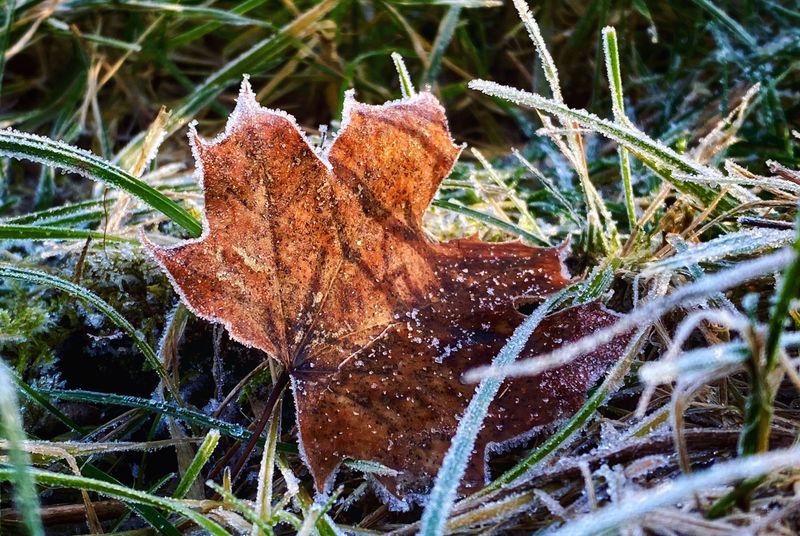
The first frost tends to sneak in like an uninvited cousin. In most of New Jersey, that chilly guest arrives sometime in October.
Northern counties like Sussex and Warren often see frost by early October. Coastal towns and South Jersey usually stay milder until late October or even November.
Once frost hits, wild food starts to disappear fast. Insects dwindle, flowers go to seed, and berries get picked clean by hungry flocks of robins.
Your feeders become much more valuable at this point in the season. Birds need extra calories to build fat for the cold nights ahead.
Buy your seed in bulk during late September, when many stores run fall sales. A large bag of black oil sunflower seed can last a small yard for weeks.
Your New Jersey Garden Changes Every Week. Your Plan Should Too.
Gardening in New Jersey changes quickly throughout the season. Every Friday you’ll receive a simple weekly plan showing exactly what to plant, prune, fertilize, harvest, and protect so you never miss the right timing.
Store it in a metal trash can with a tight lid in your garage. Plastic bins might look fine, but mice can chew right through them.
October is also when dark-eyed juncos return from the north. People often call them snowbirds, since their arrival hints that winter is on the way.
Scatter a little white millet on the ground or on a low tray for them. Juncos prefer to hop around and feed near the dirt, like tiny gray chickens.
White-throated sparrows join them around the same time, sometimes whistling their sweet song even in fall. Being ready before frost means you catch more of these new arrivals.
Keep Feeders Full Through The Winter Cold
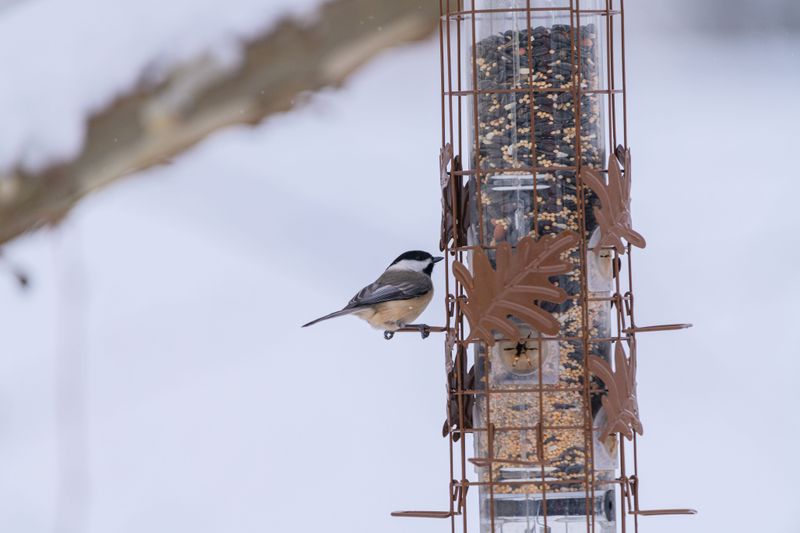
Did you know a chickadee can lose about ten percent of its body weight on one frigid night? That little puffball burns energy just to stay warm until morning.
From December through February, your feeders can be a valuable extra food source for local birds. Snow and ice cover seeds on the ground and lock berries inside frozen branches.
Try to refill feeders every day or two when the weather gets harsh. Birds learn your schedule quickly and plan their morning rounds around it.
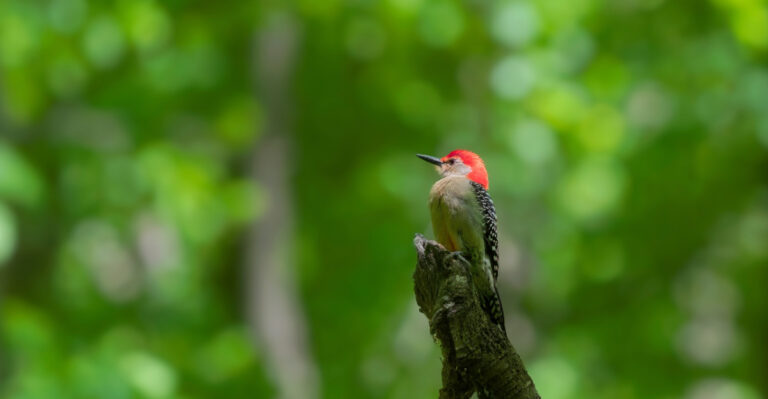
Add suet cakes during the coldest months for a high-fat energy boost. Woodpeckers, like the downy and red-bellied, will cling to a suet cage for ages.
Water can matter just as much as food in winter. A heated birdbath keeps drinking water open when every puddle in the neighborhood turns to ice.
After a snowstorm, brush the snow off platform feeders and trays first thing. Then sprinkle some seed on a cleared patch of ground for the ground feeders.
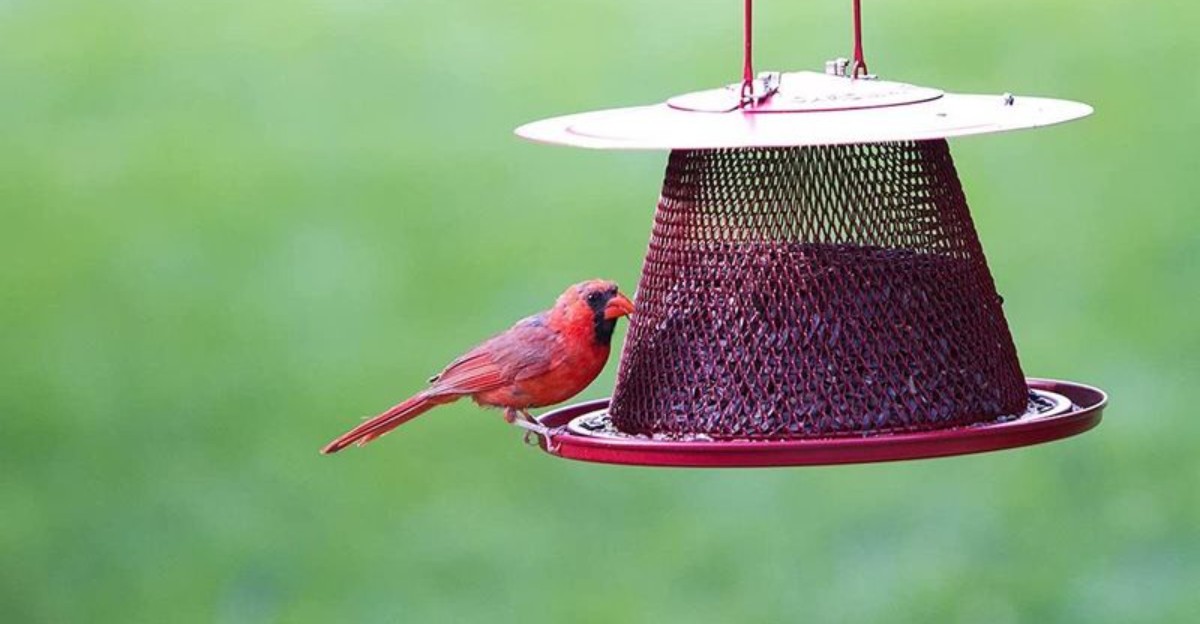
Cardinals, blue jays, and song sparrows look striking against a snowy backdrop. Keep a camera handy, since winter gives you the best photo chances all year.
The Great Backyard Bird Count happens every February, and anyone can join. Counting birds at your own feeder helps scientists track how populations are changing.
Skip bread and crackers, even if birds seem eager to eat them. Those snacks fill birds up without giving them the fuel they need.
Take Feeders Down In Spring When Bears Wake Up
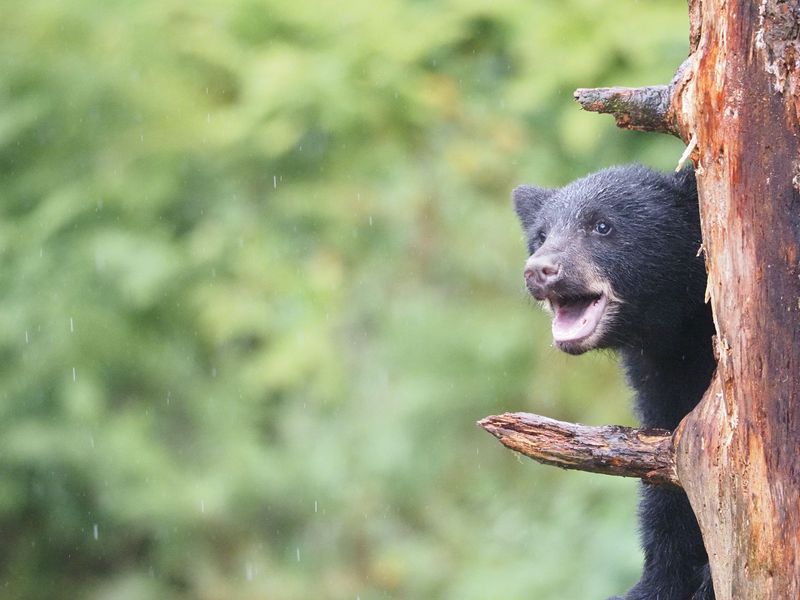
Many new bird lovers in New Jersey overlook this. Black bears have been sighted in all 21 counties, and they adore birdseed.
A feeder full of sunflower seeds is an easy, high-calorie meal for a bear. Once a bear finds that treat, it may return night after night.
NJ Fish and Wildlife offers clear advice for bear country. Bear-area residents are urged to skip feeding, or feed only from December 1 to April 1.
Feed in daylight only, hang feeders 10 feet high, and bring them in at night. Feeding bears is illegal in New Jersey, with fines up to $1,000.
Those dates match when most bears rest in their dens. Bears in northern counties like Sussex, Morris, and Passaic are especially active in fall.
So if you live in bear country, September is for planning rather than hanging. Pick your spots, buy your supplies, and set a reminder for early December.
In South Jersey or busy suburbs with few bear sightings, fall feeding is usually fine. Still, bring feeders in nightly if a bear visits your block.
Spring cleanup matters once April arrives and bears roam again. Take feeders down, rake up spilled seed, and store everything in a locked shed.
Birds have plenty to eat in spring: insects, buds, and seeds. You can keep them happy with a birdbath and native plants instead.
Think of it as a handoff from your kitchen to nature’s. The bears stay wild, your neighbors stay calm, and your trash cans stay upright.
Choose A Spot Safe From Window Strikes And Cats
Few backyard sounds are as unwelcome as a bird hitting a window. Window collisions affect hundreds of millions of birds each year, but smart placement helps a lot. Put feeders either within three feet of glass or more than thirty feet away.
Close feeders keep birds from building up speed if they get spooked. Far feeders give them plenty of room to turn before reaching the house.
Decals spaced about two inches apart, or window screens, add even more protection for glass doors and big picture windows. Birds see the patterns and steer clear instead of mistaking reflections for sky.
Next, think about cover, since birds like a quick escape route from hawks. A spot about ten feet from shrubs or small trees works nicely.
Too close to bushes, though, and a cat can approach unseen. Outdoor cats are a major threat to songbirds across New Jersey neighborhoods.
Outside bear country, hang feeders about five feet off the ground for the best balance. Birds can reach them easily, while cats and squirrels have a harder time jumping up.
Choose a spot you can see from your favorite chair or kitchen table. The point is enjoying the show while you sip your coffee.
Easy access matters for refills, too, especially when January snow piles up. A feeder near a path saves you from trudging through knee-deep drifts.
Finally, avoid spots above patios or cars, since seed hulls and droppings will pile up. A lawn edge or garden bed handles the mess much better.
Fill Feeders With The Right Seeds For Local Birds
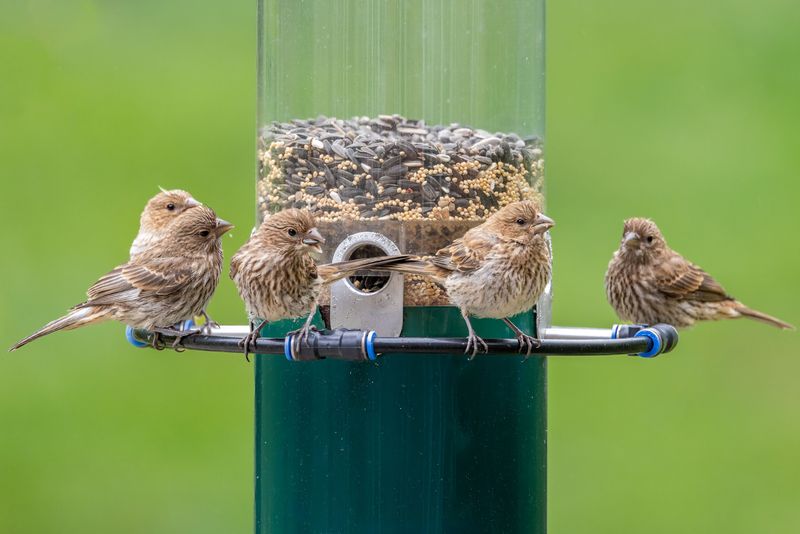
If birds could vote on a favorite food, black oil sunflower seed would likely top the list. Its thin shell and rich oil make it a crowd pleaser.
Cardinals, chickadees, titmice, finches, and nuthatches all gobble it up happily. For a beginner, one bag of it covers most backyard visitors in New Jersey.
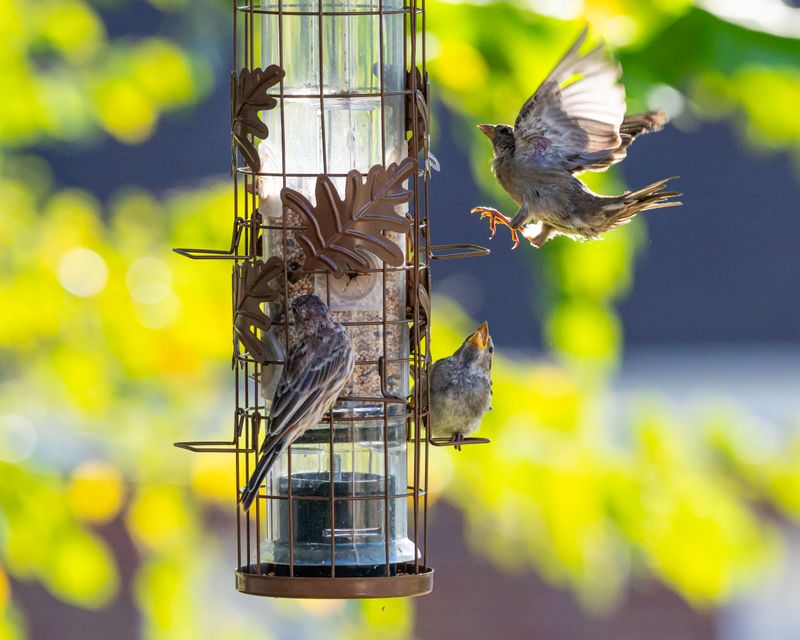
Nyjer seed is a tiny black seed that goldfinches especially favor. Use a special finch feeder with small holes, or the seed will spill everywhere.
Safflower seed is a clever choice if grackles or squirrels are a problem. Cardinals love it, while grackles usually skip it and some squirrels ignore it.
White proso millet works well scattered on the ground or on a low tray. Juncos, sparrows, and mourning doves happily peck at it all winter.
Skip cheap mixes loaded with red milo, wheat, or dried filler seeds. Most birds toss those aside, leaving a messy pile under the feeder.
Peanuts, either shelled or in the shell, attract blue jays and woodpeckers. Watching a jay stuff several peanuts into its throat pouch is entertaining.
Suet is another winter must-have, packed with fat for chilly days. Buy no-melt suet if you plan to offer it before the weather cools.
Mix and match foods in different feeders to invite an even wider guest list. The more variety you offer, the more colorful your yard will look.
Buy fresh seed and check it for mold, clumps, or bugs before filling. Old seed loses its oil and its appeal, so birds may skip it.
Add A Baffle To Finally Outsmart The Squirrels
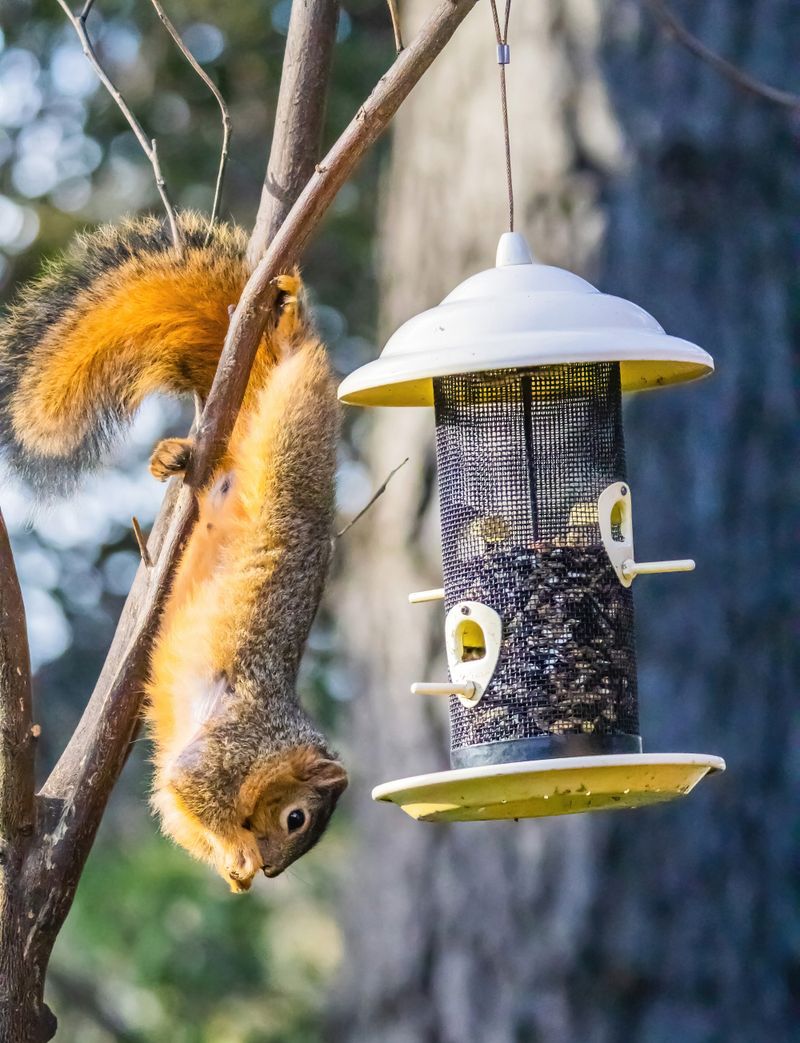
Squirrels are basically furry acrobats with a black belt in seed theft. Anyone who has watched one dangle upside down from a feeder knows the struggle.
A baffle is a dome or tube that blocks critters from climbing up to the food. It is one of the smartest and cheapest upgrades you can make.
For pole-mounted feeders, attach a cone or stovepipe baffle about four feet off the ground. Squirrels hit the barrier and slide right back down, looking pretty confused.
Hanging feeders need a wide dome baffle placed above them. Pick one at least fifteen inches across so squirrels cannot reach around it.
Placement is the other half of the trick. Keep the pole about ten feet from trees, fences, and roofs, since squirrels can leap surprisingly far.
Tray catchers under feeders help, too, by catching dropped seed before it hits the ground. Less spilled seed means fewer rats, mice, and nighttime visitors poking around.
Bears are a different story, since no baffle will stop a determined bear. In bear country, the state recommends a free-hanging wire that keeps feeders at least 10 feet off the ground.
Bringing feeders inside each evening is the safest move if bears are nearby. Report any bear that seems too comfortable around homes to NJ Fish and Wildlife at 1-877-WARN-DEP.
Some folks put out a separate corn cob just for squirrels. That peace offering can keep them away from your pricey seed.
Clean Feeders Every Two Weeks To Keep Birds Healthy
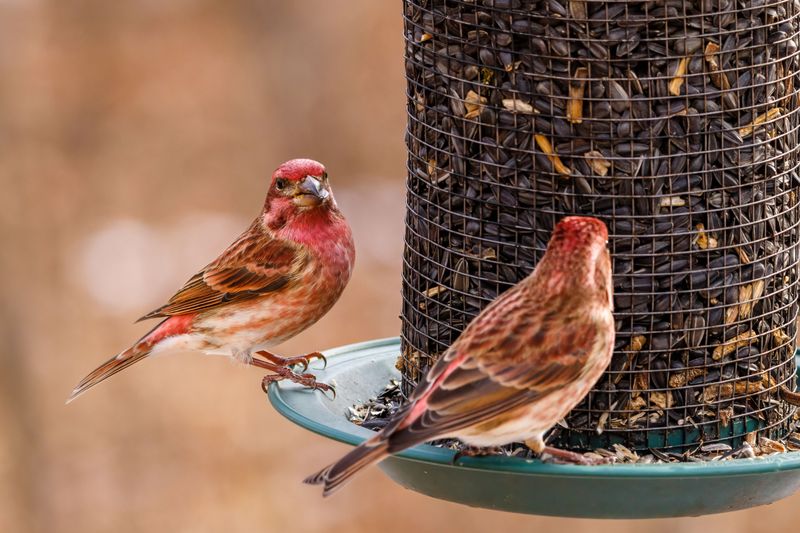
Nobody wants to eat off a dirty plate, and birds are no different. Moldy seed and grimy feeders can spread illness through a whole flock quickly.
Diseases like salmonella and a finch eye infection pass easily at crowded feeders. A simple cleaning routine protects the birds that stop by your yard.
Aim to scrub feeders about every two weeks during fall and winter. In warm or rainy weather, cleaning once a week works even better.
Mix one part bleach with nine parts water in a bucket. Soak the feeders for about ten minutes, then scrub with a bottle brush.
Rinse everything well and let it dry in the sun before refilling. Wet feeders grow mold fast, and damp seed turns clumpy and sour.
Hummingbird feeders need extra attention while they are still up in September. Change the nectar every two or three days when temperatures stay warm.
Rake up old hulls and spilled seed under your feeders every few weeks. That pile can attract rodents and hide mold you cannot see.
Watch for sick birds that look puffed up, sluggish, or have crusty eyes. If you spot one, take feeders down for one to two weeks and clean everything.
Pop on some music, grab rubber gloves, and make cleaning day a ritual. Your feathered guests will reward you with bright songs and busy mornings.
Clean feeders also last longer and look nicer in your yard. A little elbow grease now saves money on replacements next season.