When Michigan’s First Frost Actually Arrives By Region (Upper Peninsula Vs. Lower Peninsula)
The tomatoes are still blushing on the vine, and the air smells like wet leaves and damp earth. Somewhere in Michigan, a gardener is squinting at the sky like it forgot to send a warning.
September mornings here play tricks on you. One day you wear shorts, and the next day your breath hangs in the air like a tiny cloud. The weird part is that your cousin two hundred miles away might be dealing with a very different fall.
Michigan is split into two peninsulas, and each one keeps its own schedule. That schedule can save your peppers, your basil, and your pride. Guessing wrong means a sad walk outside with a coffee mug and a long face.
So grab a sweater and maybe a flashlight for those chilly evening garden checks. Your zucchini has been growing for months, and frankly, it deserves a heads-up before the cold crashes the party.
Late August Up North To Late October Down South
Picture two gardeners on the same September night, one near Marquette and one near Detroit. The first might find frost on her windshield while the second still picks ripe tomatoes.
In the western and central Upper Peninsula, the first frost often shows up between late August and mid-September. Inland towns like Iron River and Crystal Falls usually see it earliest.
The Keweenaw shoreline and spots right along Lake Superior tend to hold out a bit longer. Many of those areas see frost in late September instead.
Crossing the Mackinac Bridge changes the story. The northern Lower Peninsula, around Gaylord and Grayling, often gets frost in early to mid-September because its high, sandy ground cools off fast.
Mid-Michigan towns like Mount Pleasant and Saginaw usually see frost from late September into early October. That gives gardeners there a few extra weeks of harvest time.
Down in southern Michigan, places such as Kalamazoo, Lansing, and Ann Arbor typically get their first frost in early to mid-October. Detroit and lakeshore cities like Holland or St. Joseph often wait until mid to late October.
That means the gap between the earliest and latest spots can stretch almost two months. That is a wide spread for a single state.
So if a friend up north texts you a picture of frosty lettuce, do not panic. Check your own region first, then decide if tonight is the night to cover things.
Great Lakes Warmth Behind The Big Gap
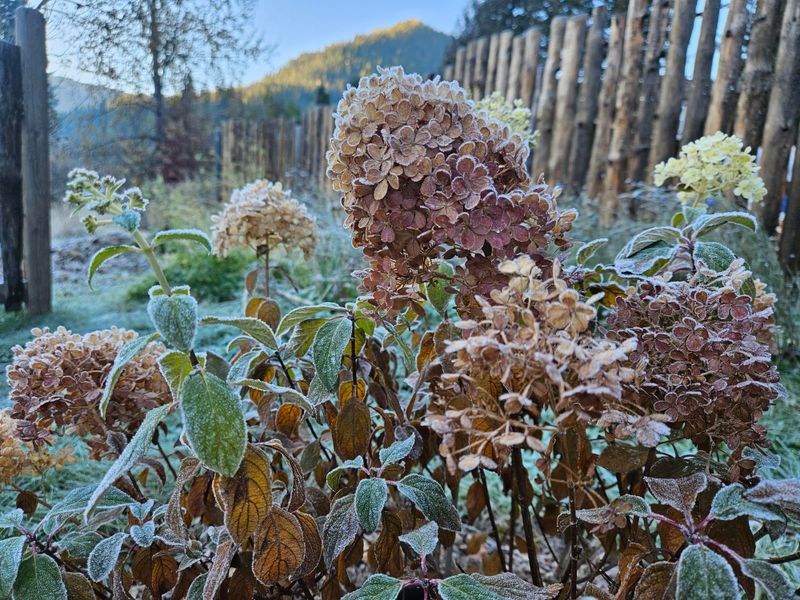
Here is a fun fact to share at dinner. The Great Lakes act like giant hot water bottles wrapped around Michigan every fall.
Water heats up slowly over the summer, but it also cools down slowly. By September, the lakes still hold plenty of stored warmth from July and August.
When cold air slides across that warm water, it picks up heat before reaching land. Towns near the shore get a cozy buffer on chilly nights.
That is why fruit farms line the western side of the Lower Peninsula. Cherry and apple growers near Traverse City count on Lake Michigan to delay frost and protect their trees.
Your Michigan Garden Changes Every Week. Your Plan Should Too.
Gardening in Michigan changes quickly throughout the season. Every Friday you’ll receive a simple weekly plan showing exactly what to plant, prune, fertilize, harvest, and protect so you never miss the right timing.
Move inland, and that protection fades quickly. Land away from the lakes loses heat fast after sunset, especially on clear, calm nights with no clouds.
Height matters too. The high plateau in the northern Lower Peninsula sits well above the lakes, so cold air settles there first.
Low valleys and swampy spots can also become frost pockets. Cold air is heavy, so it slides downhill and pools in dips like syrup in a bowl.
The Upper Peninsula simply sits farther north, with shorter days and weaker sunshine by late summer. Add its inland forests and bogs, and early frost becomes easy to understand.
So your frost date depends on latitude, lake distance, and even the shape of your backyard. Two neighbors on opposite sides of a hill can see different lows on the same night.
The Calendar Date Trap
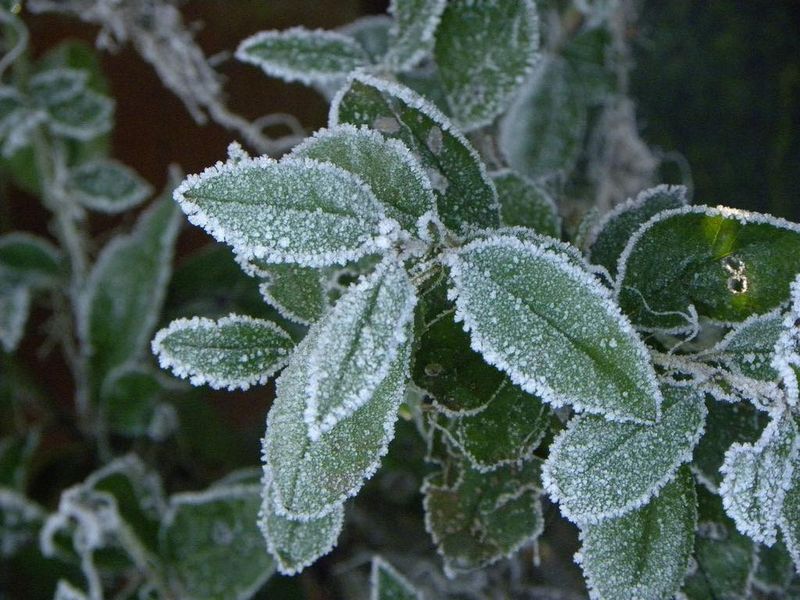
Oops, that one stings. Plenty of Michigan gardeners circle an average frost date on the calendar and then relax until that day arrives.
The trouble is that an average date is only a middle point. In some years, frost arrives a week or two earlier than the number suggests.
Weather experts often talk about odds instead of exact days. An average first frost date usually means there is about a fifty percent chance frost has already happened by then.
That is a close split. Would you trust your whole pepper crop to that?
Another sneaky mistake is trusting the forecast for the nearest big city. Downtown areas hold extra heat from pavement and buildings, so rural gardens can frost when the city stays safe.
A forecast low of 36 degrees can still bring frost to your plants. Thermometers sit about five feet off the ground, while cold air hugs the soil where lettuce and squash live.
Clear skies with no wind are the biggest warning sign. Clouds act like a blanket, but a starry night lets heat float straight up and away.
A better habit is to start watching the weather closely two to three weeks before your average date. A cheap outdoor thermometer placed near your garden bed gives a more local reading than a phone app.
Old Bedsheets Over Tender Garden Beds
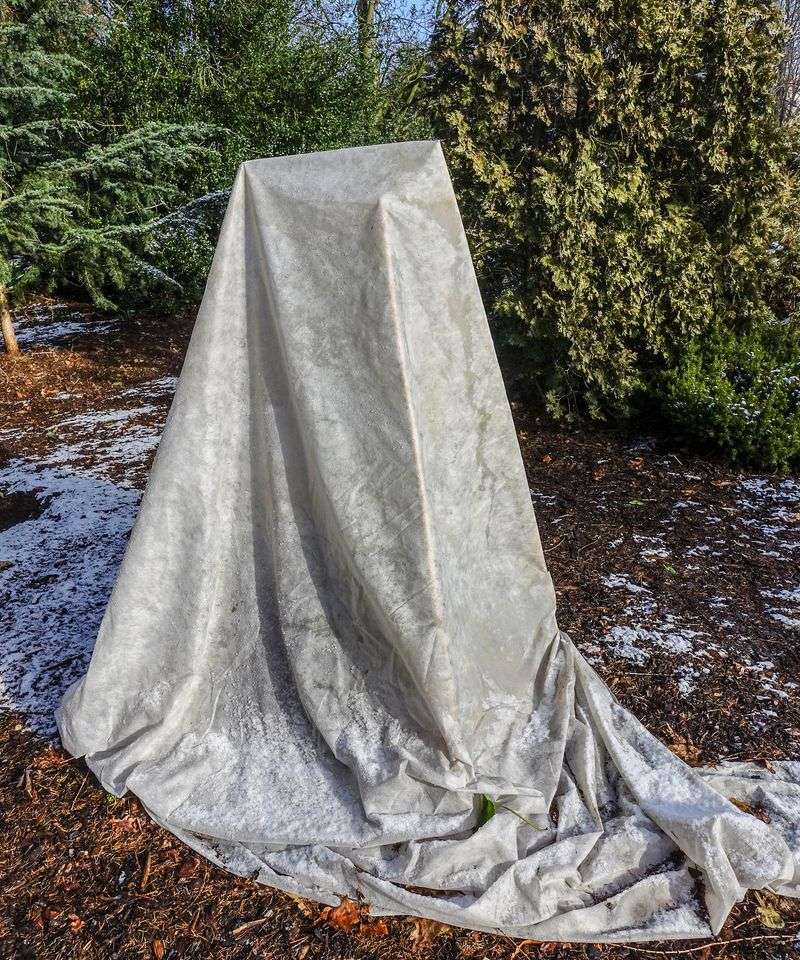
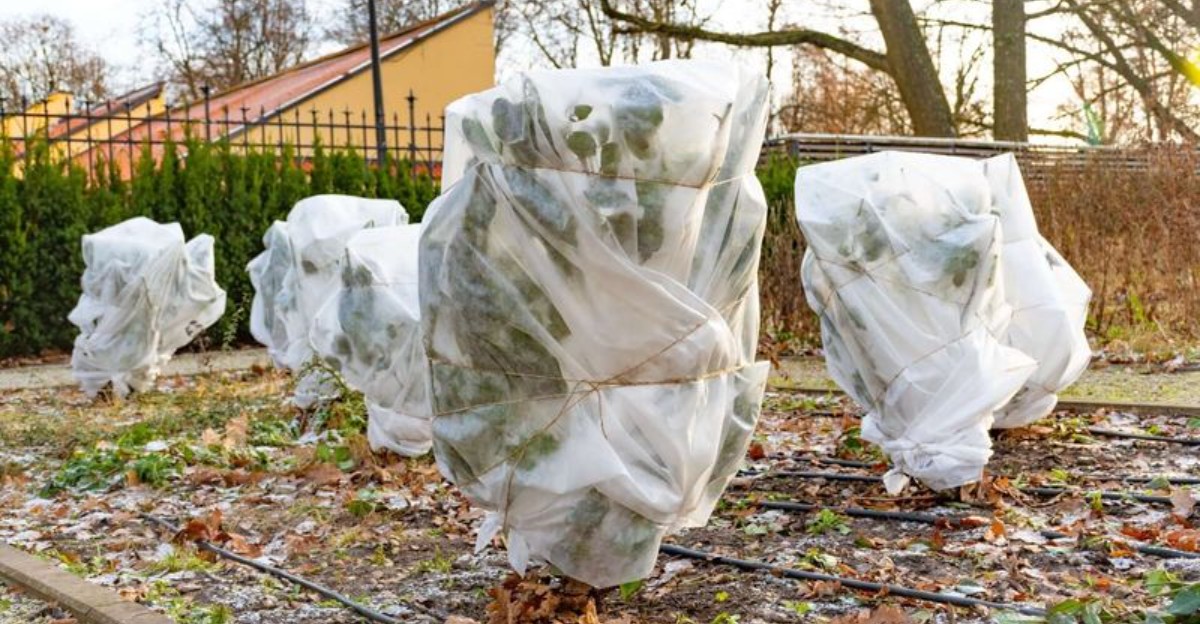
Grandma had the right idea when she dragged old bedsheets outside at dusk. That simple trick still works on frosty Michigan nights.
Covers trap the warmth rising from the soil and hold it around your plants. Even a few degrees of protection can mean the difference between crisp leaves and happy ones.
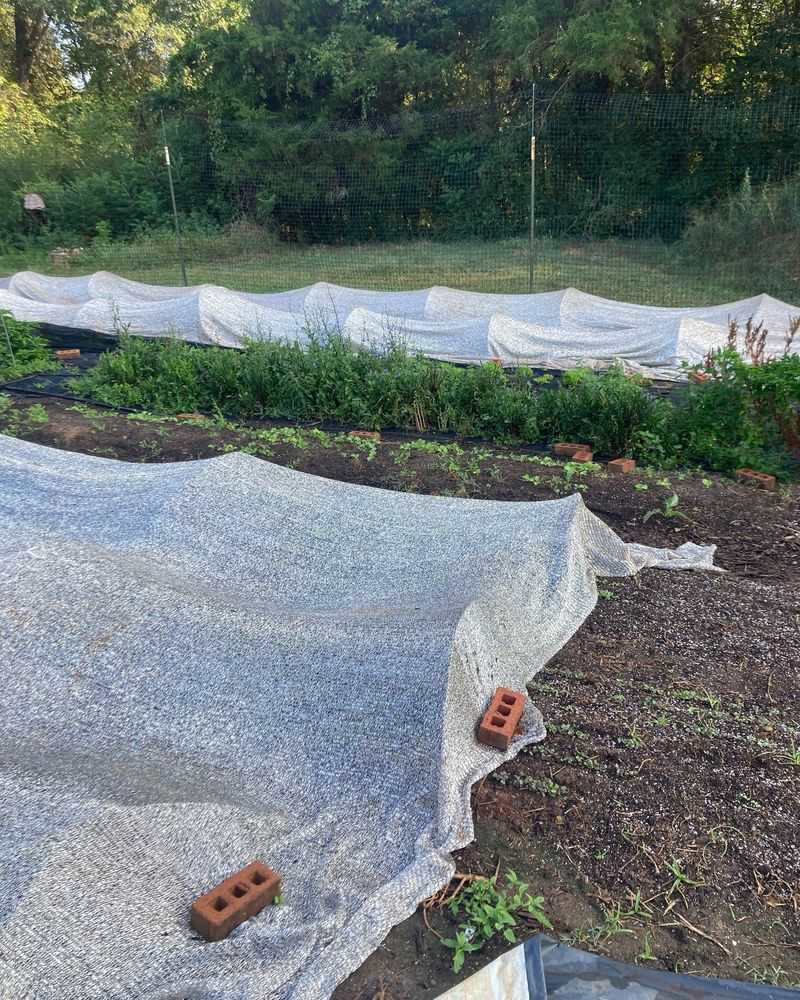
Sheets, blankets, and store-bought frost cloth all do the job well. Try to let the fabric reach the ground so warm air cannot sneak out the sides.
Skip plastic when it touches leaves directly. Plastic passes cold right through, which can damage the very spots it is touching.
Timing makes a big difference too. Put covers on in the late afternoon while the ground is still warm, then remove them the next morning once temperatures climb.
Watering your garden during the day before a frost can help as well. Moist soil holds heat better than dry soil and releases it slowly overnight.
For potted plants, the easiest rescue is a quick trip indoors. A garage, porch, or shed keeps herbs and flowers safe until the chill passes.
Up in the Upper Peninsula, gardeners might repeat this routine several times in September. Southern Michigan folks often need it later, but one warm spell afterward can give plants weeks of extra growing time.
A Surprise Bonus Of Sweeter Fall Harvests
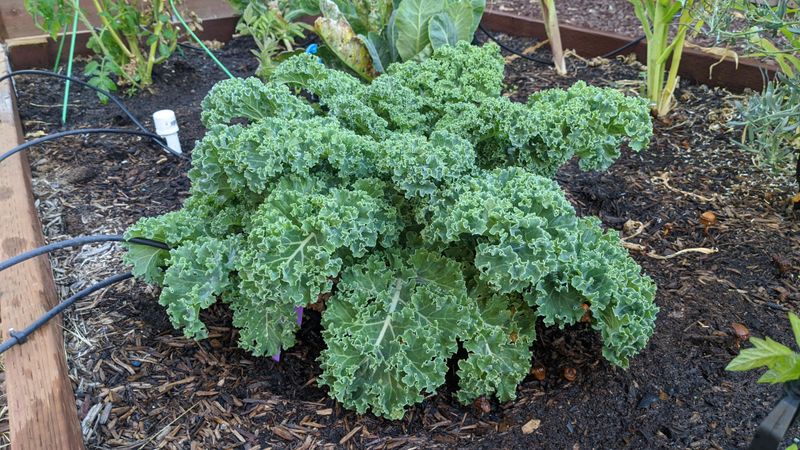
Believe it or not, a little frost can be good news. Some vegetables actually taste better after a chilly Michigan night.
Kale, Brussels sprouts, carrots, parsnips, and cabbage all turn sweeter after a light frost. The cold tells these plants to change some starch into sugar.
That sugar works like a natural antifreeze inside the plant cells. You get the delicious side effect of crunchier, sweeter bites.
Many farmers in the Upper Peninsula love this trick. Their short summers are tough, but their fall carrots can taste noticeably sweeter.
Not every plant enjoys the cold, of course. Tomatoes, peppers, basil, beans, squash, and cucumbers often turn mushy and dark after a frosty night.
So the first frost acts like a sorting machine in your garden. Tender summer crops finish up, while tough cool-season crops keep going strong.
Across southern Michigan, gardeners can often harvest kale and carrots well into November. Some even pull parsnips in early spring after leaving them in the ground all winter.
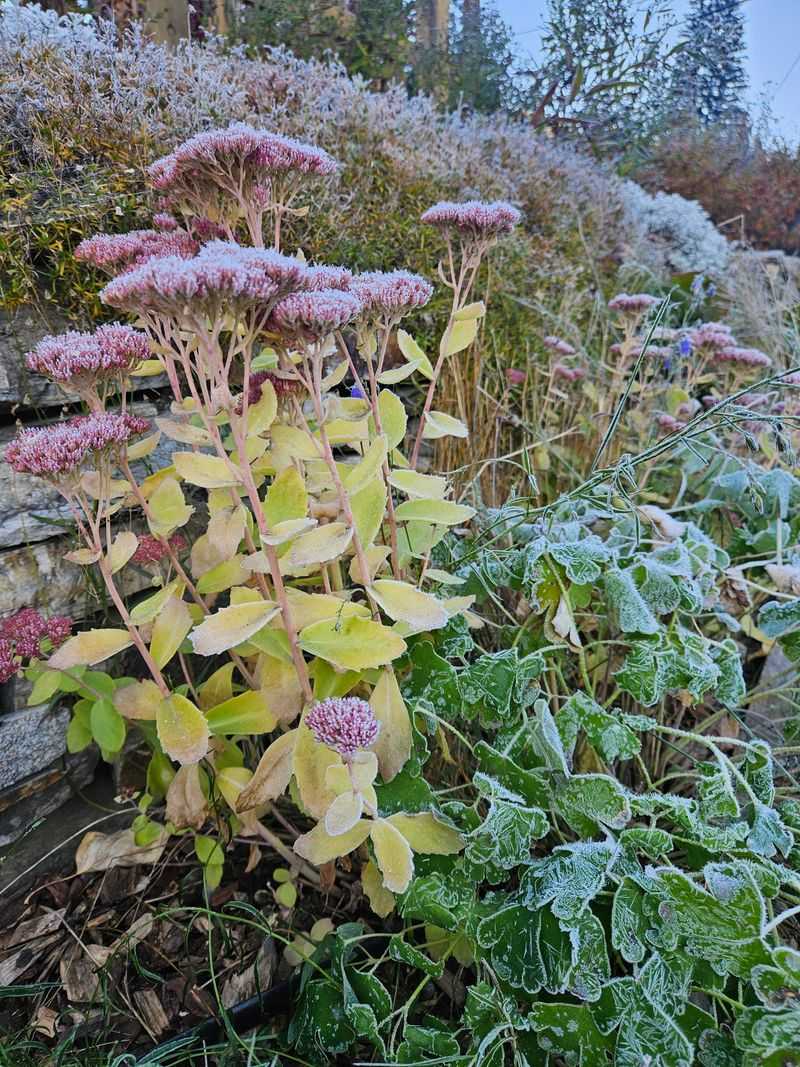
Frost also brings beauty. Those sparkly lawns and bright red maples are part of what makes a Michigan autumn so special.
Instead of dreading that first cold morning, think of it as a flavor upgrade. Pick your tender crops first, then let the hardy ones soak up the chill.
A Frost-Ready Garden Plan For Next Year
Smart gardening starts long before September. A little planning in spring can make next fall much less stressful.
First, look up your area’s average frost date using your zip code. Then count backward to see how many growing days you really have.
Seed packets list days to maturity, usually somewhere between 50 and 100 days. Upper Peninsula gardeners should choose faster varieties, like early tomatoes or quick-growing bush beans.
Planting location matters a lot too. Beds near a south-facing wall or on a gentle slope stay warmer than low spots where cold air collects.
Raised beds warm up quickly and drain well. They also make it easier to drape covers or add small hoops for frost cloth.
Plan a second round of cool-season crops for late summer. Lettuce, spinach, radishes, and kale planted in August can keep producing long after the first frost.
Keeping a simple garden journal helps more than you might think. Write down the date of each frost, which plants survived, and where the coldest spots were.
After a few years, you will know your yard better than a regional weather map does. That personal record is often more useful than regional averages.
Finally, keep your frost supplies in one easy place. A bin with sheets, clips, and a thermometer turns a surprise cold night into a quick five-minute job.