When to Mow Fall-Seeded Grass for the First Time in Ohio (Before Winter Hits)
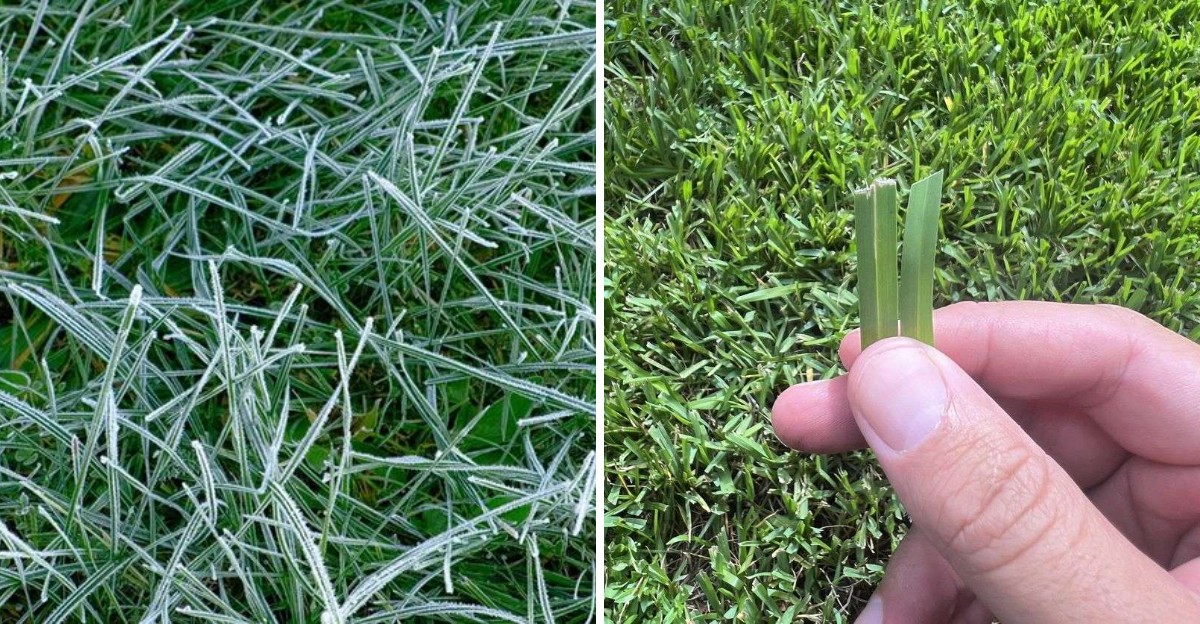
Even a single grass seedling can grow hundreds of root hairs, yet each one is thinner than a strand of your own hair. That tiny network decides whether a new lawn makes it through a snowy Ohio winter.
I love how fast fresh seed jumps up in cool fall weather. Tall fescue and ryegrass often sprout in about a week, while bluegrass takes its sweet time, sometimes close to three weeks.
You probably feel the itch to tidy things up once those green blades start leaning and looking shaggy. I get it, because I have stood over my own patchy seedbed with the mower key in my hand more than once.
The catch is that one early cut can help a young lawn, and one badly timed cut can set it back for months.
Knowing when those new blades are ready for their first trim can make a big difference in how well your lawn establishes before winter.
1. Those Shaggy New Grass Blades Are Sending You a Signal
Grass does not read calendars, and honestly, that makes my job easier. Instead of counting days, you can let the blades themselves tell you when the first mow should happen.
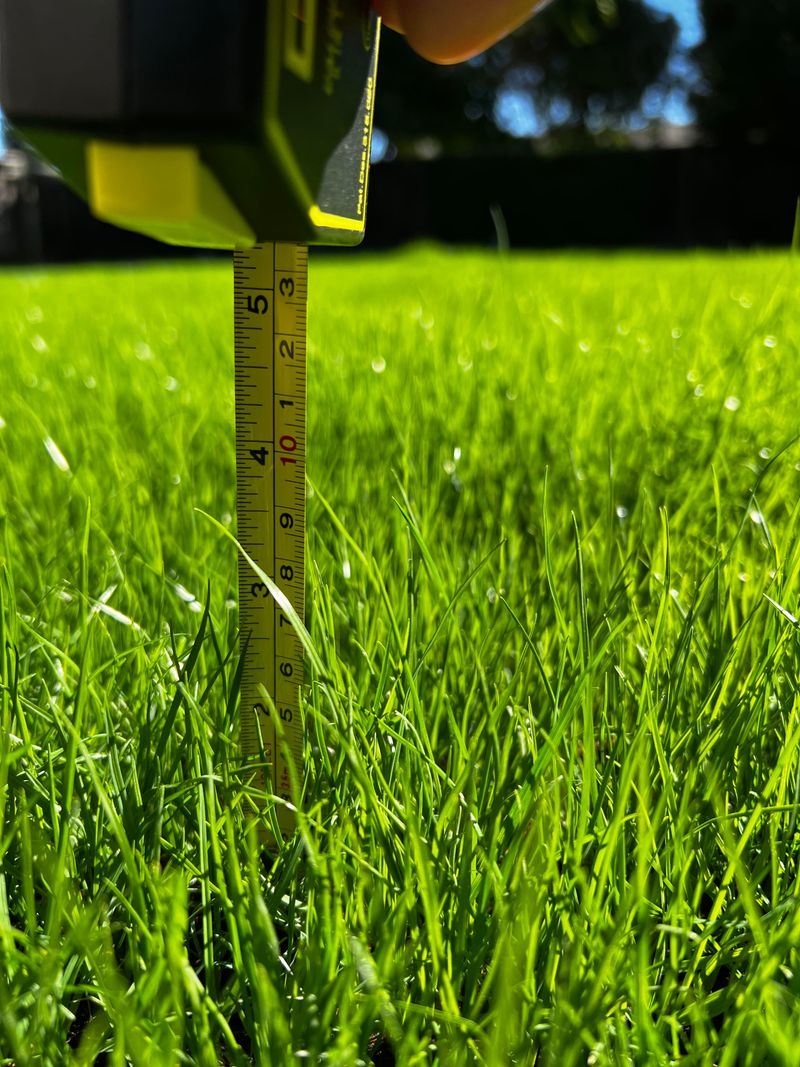
Most turf experts, including lawn specialists at Ohio State University, suggest waiting until new grass reaches about 3 to 4 inches tall. In good fall weather, that often happens four to six weeks after seeding.
A cold spell or a dry stretch can stretch that timeline out.
Height is only half the story. The seedlings also need to be anchored well in the soil.
A simple test helps here. Grab a few blades gently and give a light tug.
If they slide out of the ground, the roots need more time.
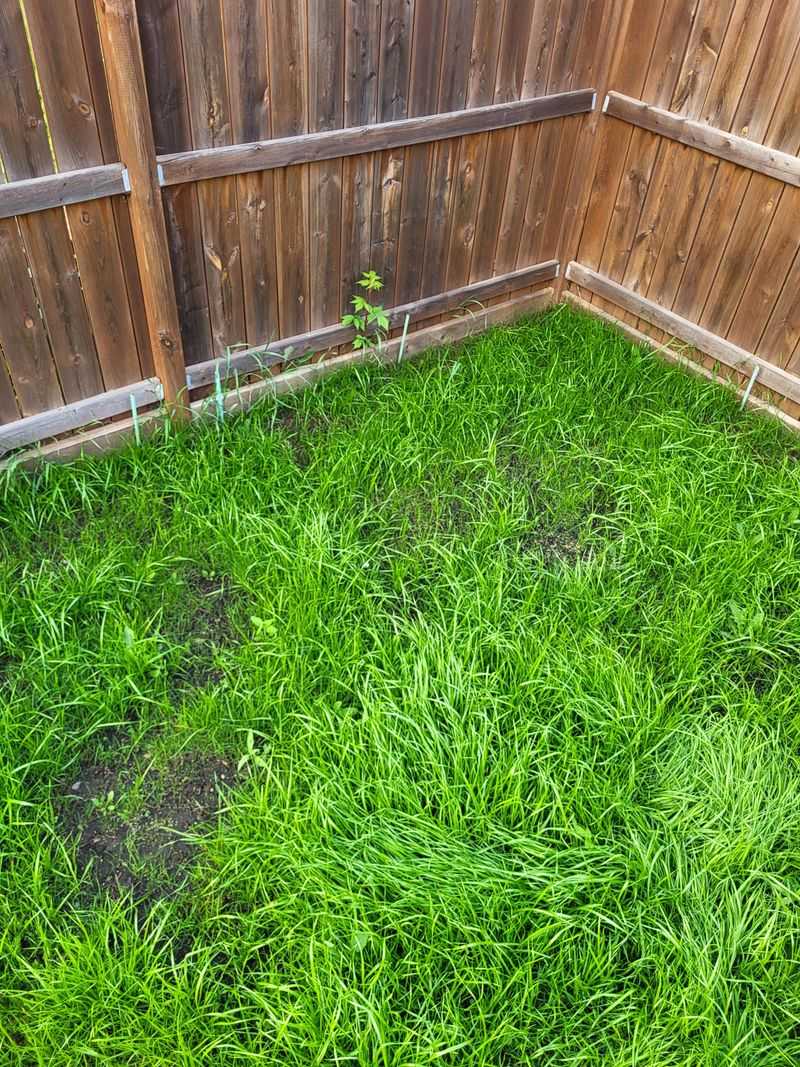
Density matters too. A thin, patchy area may hit 4 inches in spots while other parts are barely green.
Mowing then can stress the weak spots and stir up loose seed.
I like to walk the whole seeded area before deciding. Look for an even carpet, firm roots, and blades that are starting to flop over.
When all three show up together, your new lawn is basically raising its hand for a trim.
2. Trim Only the Top Third of Those Young Grass Blades
One simple number guides almost every smart mowing decision. Take off no more than one-third of the blade height in a single pass.
Leaf blades are little solar panels. They catch sunlight and turn it into the energy that feeds roots.
Young grass has small energy reserves, so removing too much leaf at once leaves it hungry right when it needs to build roots for winter.
The math is easy. If you want a finished height of about 3 inches, mow when the grass reaches around 4 to 4.5 inches.
You will snip off roughly an inch and leave plenty of green behind.
Say the grass got away from you and now stands at 6 inches. Resist the urge to chop it all down in one go.
Cut it to 4 inches first, wait a few days, and then bring it down to 3 inches.
Personally, I think of this rule as a haircut, not a buzz cut. Your lawn will look a little neater after each pass, and the roots underneath will keep growing steadily.
That steady root growth before the ground freezes is the whole point of fall seeding in the first place.
3. Raise the Mower Deck High for That First Pass Over Seedlings
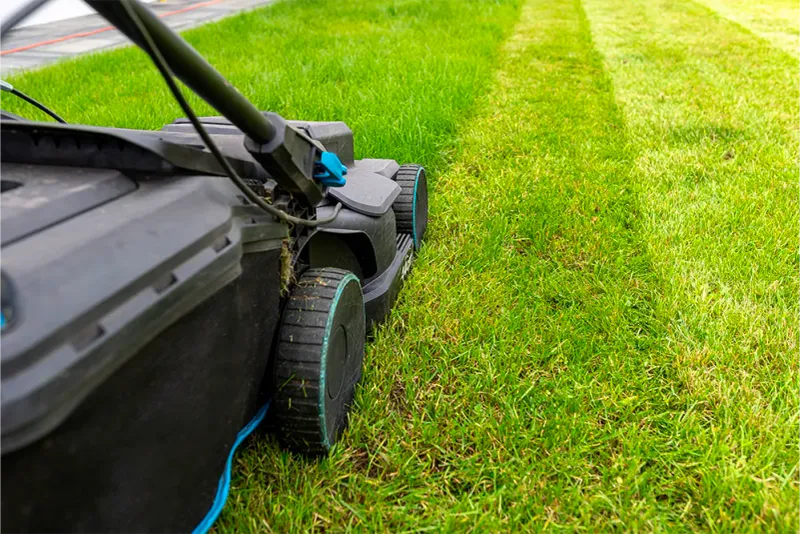
My first fall lawn taught me a lesson the hard way. I left the mower on its usual summer setting, and a section of tender seedlings got scalped down to bare soil.
Setting the deck at its highest notch, often around 3 to 3.5 inches, gives new grass a cushion. More leaf stays behind to make food, and the crowns near the soil surface stay protected.
Mower choice matters too. A lightweight push mower is gentler than a heavy riding mower on soft, freshly seeded ground.
Heavy wheels can rut the soil and press seedlings flat.
Try to avoid sharp turns on the new area. Spinning wheels can twist young plants right out of the ground.
Wide, gentle loops work much better.
Bagging clippings on the first cut is optional. Short clippings usually break down fine.
If there are heavy clumps, though, rake or bag them so they do not smother the little blades underneath.
You can lower the deck gradually later in the season if needed. For now, high and gentle is the way to go.
Your seedlings will thank you with thicker growth.
4. Dull Mower Blades Shred Tender Grass Tips
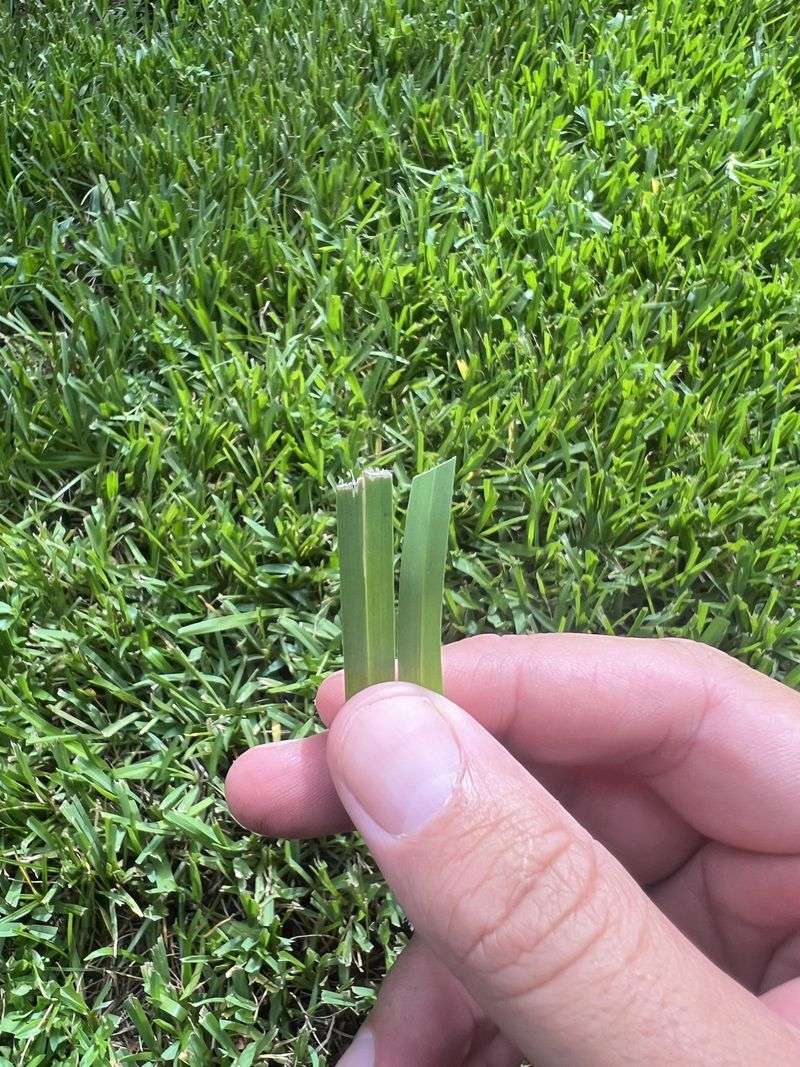
Ragged, brown-tipped grass a few days after mowing is a classic clue. The culprit is often a dull blade rather than the grass itself.
A sharp blade slices cleanly through each leaf. A dull one rips and tears, leaving frayed edges that turn tan or white.
Those wounds lose moisture faster and give disease an easier way in.
Young seedlings feel this damage more than mature turf. Their roots are shallow, so a dull blade can even yank whole plants out of loose soil.
That is the opposite of what you want before winter.
Sharpening before the first cut is a smart habit. Many gardeners do it at home with a file or bench grinder, after disconnecting the spark plug or removing the battery for safety.
Local hardware stores and small engine shops often sharpen blades for a modest fee too.
Fun fact for the curious. Many turf pros suggest sharpening blades several times during a mowing season, not just once a year.
Check balance after sharpening as well. A wobbly blade vibrates, wears the mower, and cuts unevenly.
Spend ten minutes on this job, and your new lawn gets a clean, healthy trim.
5. Soggy Soil and Mowers Make a Messy Pair on New Lawns
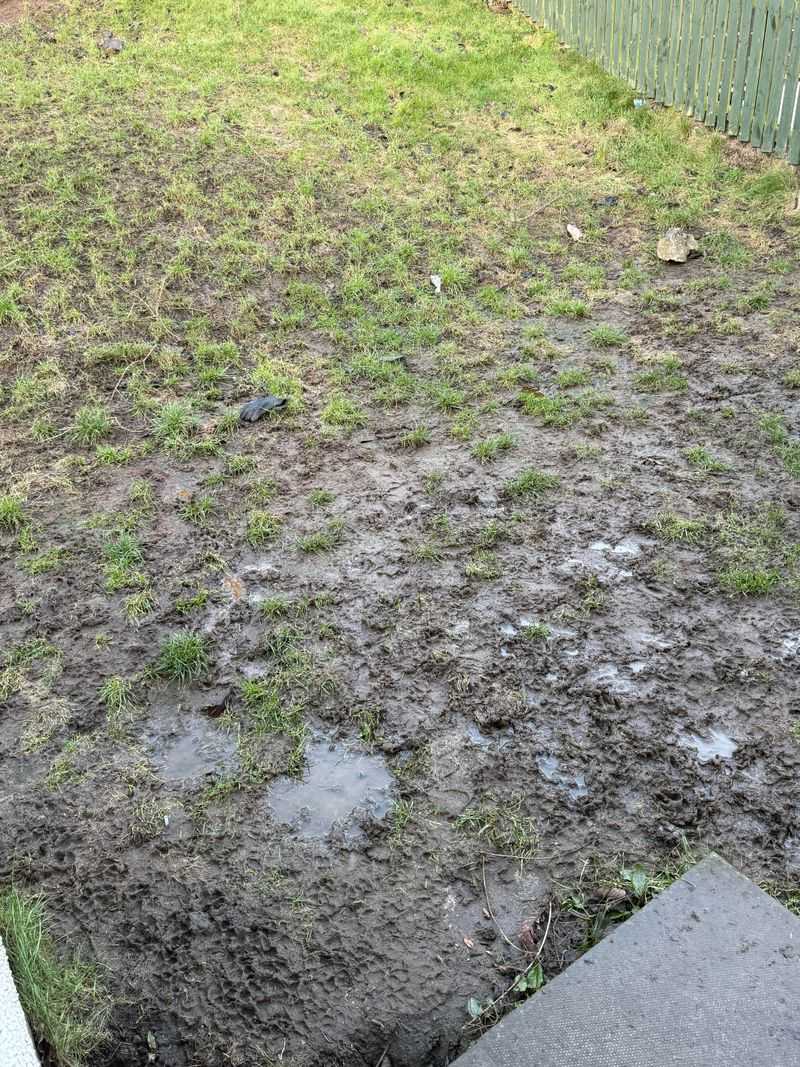
Fall rain is a gift for new seed, but it can turn your first mow into a muddy disaster. Timing the cut around the weather matters as much as the grass height.
Wet soil is soft and easy to compress. Mower wheels and your own footsteps can leave ruts and pack the ground tight.
Compacted soil makes it harder for young roots to spread and for water and air to reach them.
Wet grass also cuts poorly. Blades bend instead of slicing, and clippings clump into soggy mats on top of seedlings.
A good rule is to wait until the surface feels firm and the grass is dry. Midday or early afternoon often works best in fall, after morning dew burns off.
You can do a quick boot test. Step on the seeded area.
If your shoe sinks or leaves a deep print, give it another day or two.
After mowing, try to limit foot traffic from kids and pets for a few days. Young grass needs time to recover.
I usually put up a couple of garden stakes and string as a friendly reminder.
6. Keep Mowing New Turf Until Frost Slows the Growth in Ohio
Cool-season grasses like tall fescue, Kentucky bluegrass, and perennial ryegrass keep growing well into late fall. In much of Ohio, that growth often continues into November.
So keep mowing as long as the grass keeps growing. Stick with the one-third rule each time.
Many lawn care sources suggest a slightly shorter final cut, around 2.5 inches, for established lawns. Shorter grass is less likely to mat down under snow, which helps reduce snow mold.
For brand-new seedlings, though, avoid dropping the height quickly. Keeping them around 3 inches is often the safer choice.
Regional timing varies across the state. Southern counties near the Ohio River often stay green a little longer, while northern areas near Lake Erie can cool off sooner.
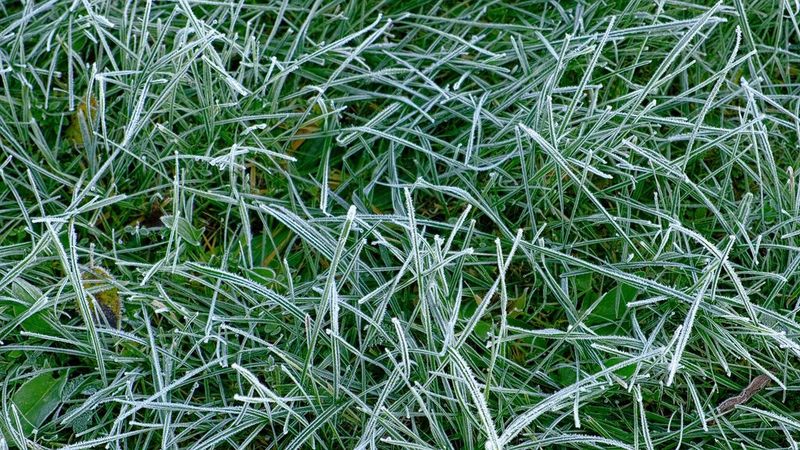
Avoid mowing frosted grass. Frozen blades crack when stepped on or cut, leaving brown footprints and tracks.
Wait until the frost melts later in the day.
Fallen leaves deserve attention too. A thick layer can block sunlight from new grass.
A light mowing pass can shred them, but heavy piles are better raked off so seedlings keep getting light.
7. Short Seedlings Can Skip the Mower Until Spring
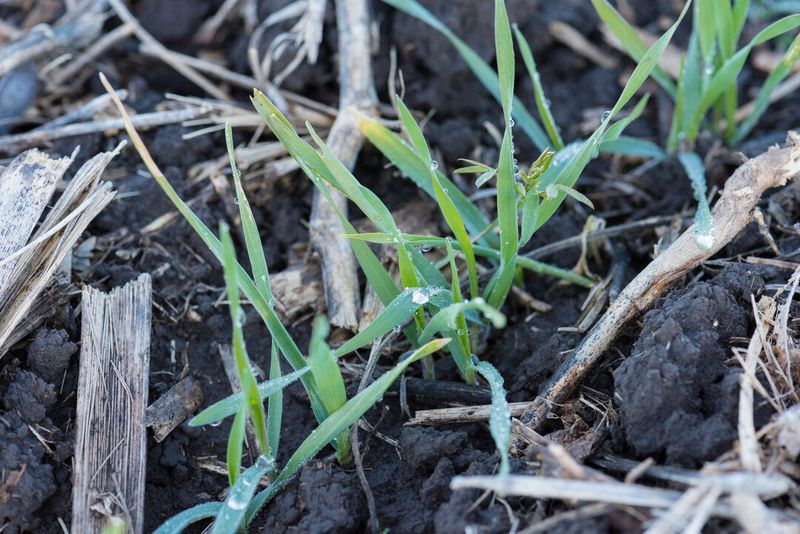
Sometimes the weather wins the race. Late seeding or an early cold snap can stall growth before seedlings ever reach mowing height.
That is perfectly fine. If your new grass is only an inch or two tall when temperatures drop, you can simply skip the first mow this year.
Cool-season seedlings that sprouted well usually handle winter dormancy and pick up again in spring.
Leaving them alone helps in a few ways. You avoid compacting cold, wet soil, and the grass keeps all its leaf area for whatever growth remains.
Plan your spring follow-up now. Mow when the grass reaches about 3 to 4 inches and the soil is firm.
Hold off on crabgrass preventers in spring if you seeded late, since many of them stop new grass seed from sprouting too. Check product labels, as a few are safe for new seedings.
Thin spots can get a quick overseeding in early spring, though fall remains the best seeding window in Ohio.
My takeaway is simple. Watch the grass, not the calendar, and let patience do some of the work.
A careful first cut, whenever it comes, sets up a thicker lawn next year.