8 California Garden Plants That Can Handle Occasional Winter Flooding
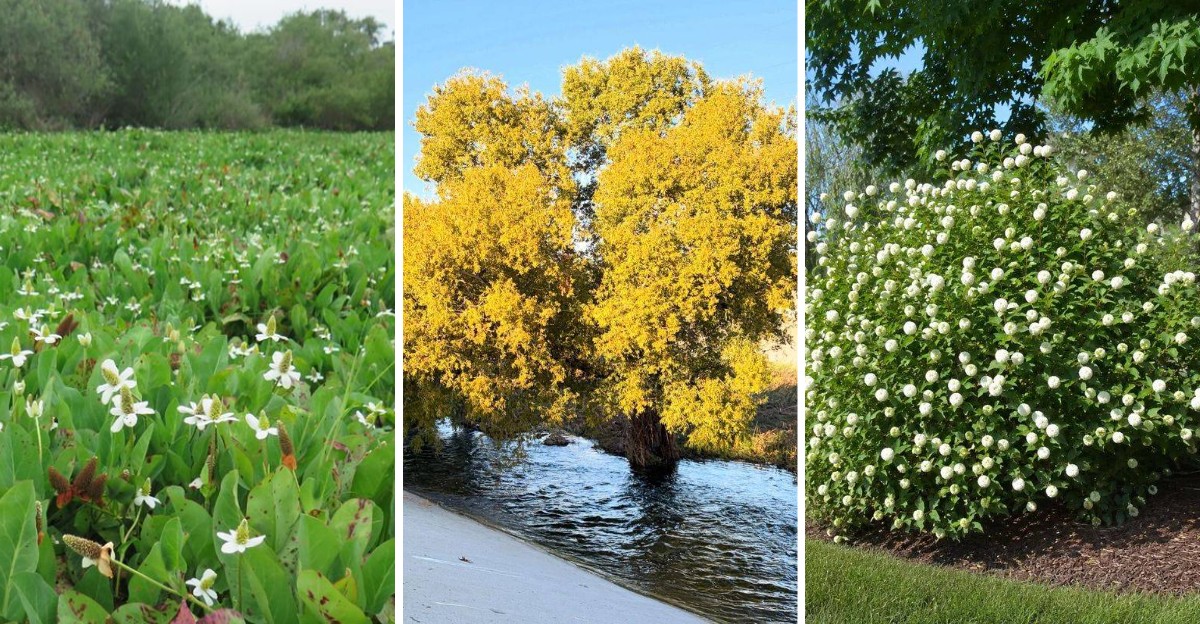
Every few winters, the Yolo Bypass near Sacramento fills with floodwater and becomes a shallow lake about forty miles long. Native plants along its edges sit underwater for days, then calmly push out fresh leaves once spring arrives.
California gardens get their own smaller version of that drama when atmospheric rivers roll in from the Pacific. Low corners turn soggy, clay soil holds water like a bathtub, and many favorite plants quietly sulk.
I have to admit that I lost a lavender to one soggy January, and I still miss it. You might notice that plants from dry hillsides struggle most, since their roots need air as much as water.
What surprises me most is that plenty of California natives evolved right beside creeks and seasonal marshes. So which tough, good-looking plants actually welcome a winter soaking instead of rotting away in your low spots?
1. Western Azalea
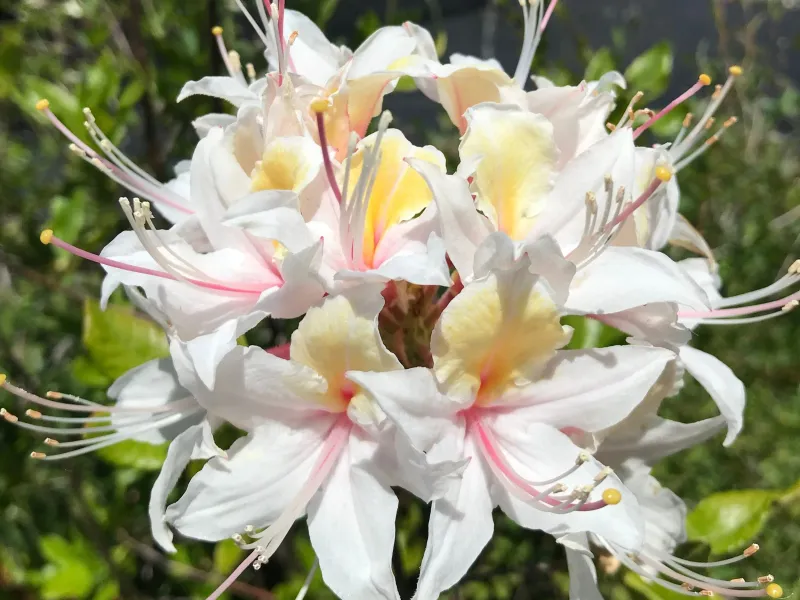
Walk past a blooming western azalea in late spring and your nose finds it before your eyes do. The sweet, spicy scent drifts surprisingly far, especially on warm evenings near a shady creek bank.
In the wild, Rhododendron occidentale grows naturally along streams and seeps where the soil stays wet for months. Personally, I think that makes it one of the classiest choices for a soggy, partly shaded corner.
Most plants reach about six to ten feet tall, with an open, airy shape and bright green leaves. Flowers range from white to soft pink, and each one carries a cheerful yellow or orange blotch.
You need acidic soil rich in organic matter, so skip lime and add plenty of leaf mold instead. Moving water suits it better than stagnant ponds, since roots appreciate a little oxygen along with moisture.
Coastal gardens can give it more sun, while hot inland yards should offer filtered afternoon shade for best results. Summer watering matters too, because this shrub comes from places that stay damp well into the dry season.
Pruning is rarely needed, though you can tidy crossing branches in winter while the shrub rests. Some leaves turn warm yellow or orange in fall, adding a small bonus before the bare season.
One caution deserves attention, because all parts of this azalea are toxic to people and pets if eaten. Plant it where curious dogs rarely dig, then enjoy the hummingbirds and butterflies that visit its blossoms.
2. California Gray Rush
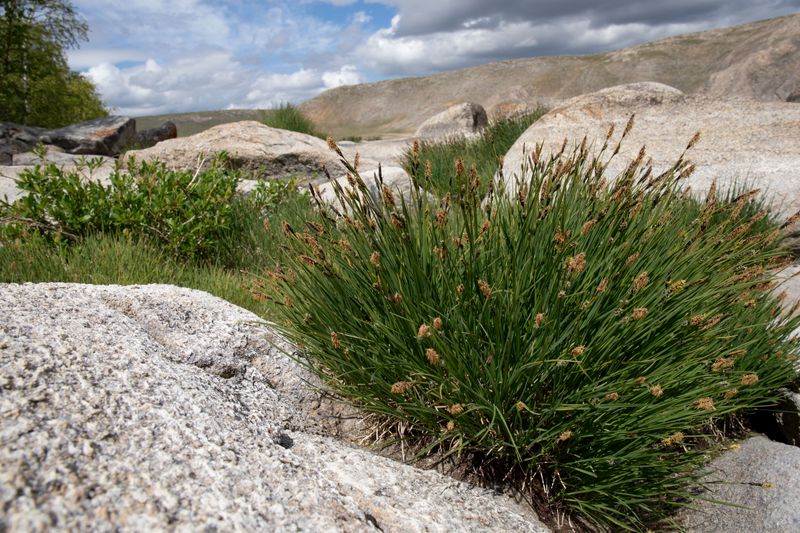
Those blue-gray stems look like a fistful of knitting needles poking straight out of the mud. I love how a single clump adds crisp, vertical lines to a soggy bed that otherwise looks flat.
Juncus patens forms tidy evergreen tufts about one to two feet tall and roughly as wide. It handles winter puddles and heavy clay well, yet it also copes with surprisingly dry summers once established.
That flexible personality makes it a favorite for rain gardens, swales, and the bottoms of drainage ditches. You can tuck it right where roof runoff splashes down, then let the rush soak up the overflow.
Small brown flower clusters pop out from the sides of the stems in spring and early summer. They look modest, but birds and insects find shelter among the dense stems throughout the year.
Full sun keeps the color brightest, though light shade works fine in hotter inland valleys and foothills. A few varieties, like Elk Blue, offer an even stronger silvery tone for bold contrast.
After a few years, older stems can turn brown and make the clump look a bit scruffy. Cut the whole plant down to a few inches in late winter, and fresh growth fills in quickly.
You might notice its roots grip the soil firmly, which helps reduce erosion along slopes and pond edges. Personally, I plant several clumps together in a loose drift, since odd numbers look more natural.
3. Arroyo Willow
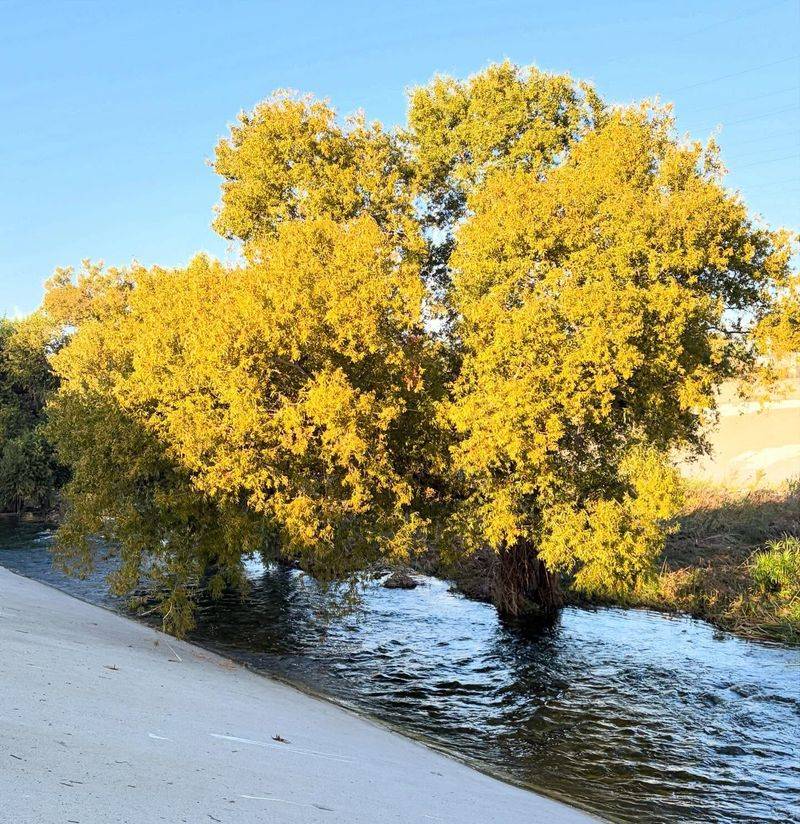
Stick a freshly cut arroyo willow branch into wet ground in winter, and it often grows roots by spring. Restoration crews plant bare stakes this way along creeks, which tells you how tough this native really is.
Salix lasiolepis grows quickly into a multi-stemmed shrub or small tree, often fifteen to thirty feet tall. Its narrow leaves are dark green on top and pale underneath, so they flash silver in a breeze.
Fuzzy catkins appear on bare branches in late winter or early spring, usually before leaves fully open. Native bees grab that early pollen eagerly, and I can’t imagine a more welcome sight after weeks of rain.
Swollen creek banks and seasonally flooded bottomlands are its natural home, so standing water rarely bothers it. Heavy clay and sandy soil both work, as long as roots reach moisture during the long dry months.
Butterfly fans will enjoy this one, since it hosts caterpillars of Lorquin’s admiral and western tiger swallowtail. Songbirds hunt insects among the branches, and the dense stems give them safe cover for nesting.
You need room for this willow, because its roots spread aggressively and seek out water lines. Keep it well away from sewer pipes and house foundations to avoid costly headaches down the road.
Winter pruning keeps it shrubby, and cutting older stems near the ground encourages fresh, flexible shoots. Native peoples long used those shoots in basketry, so a single plant carries plenty of history too.
4. Red Osier Dogwood
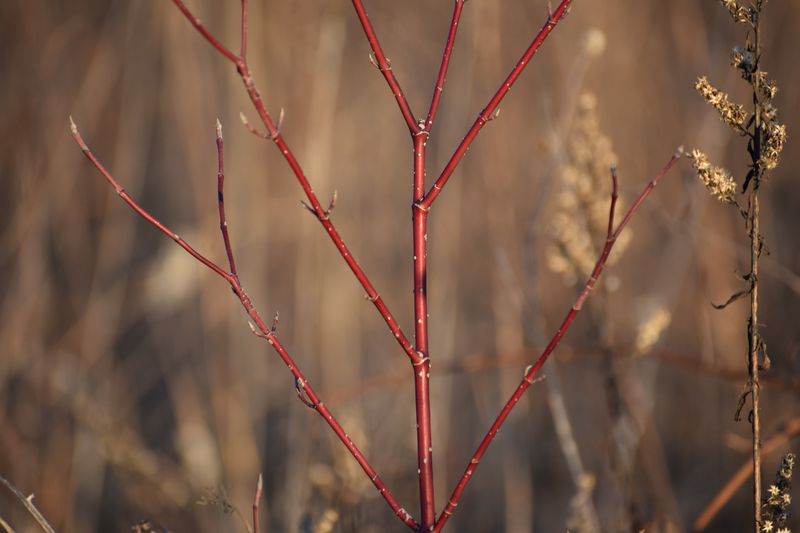
Bare red stems glowing against gray winter skies make red osier dogwood one of my favorite rainy-season shrubs. Those bright stems show up best after leaves drop, just when most gardens feel their dullest and grayest.
Cornus sericea grows naturally along streams and wet meadows, including many northern and mountain areas of the state. It tolerates saturated soil and seasonal flooding well, which makes it a strong pick for rain gardens.
Expect a spreading, multi-stemmed shrub about six to twelve feet tall, often wider as it suckers outward. Those suckers help it form thickets, so give it space or trim runners that wander too far.
Flat clusters of creamy flowers open in late spring, then turn into small white berries by late summer. Many songbirds gobble those berries, and I love watching them strip a branch in a single afternoon.
You need to prune for color, since young stems glow red while older ones fade to dull brown. Each late winter, cut about one third of the oldest stems near the ground to encourage bright new growth.
Full sun gives the strongest stem color, but hot inland gardens should provide some afternoon shade. This shrub prefers cooler conditions and steady moisture, so desert and hot valley yards rarely suit it well.
Leaves often turn reddish purple in fall, adding a second show before the stems take center stage. Personally, I pair it with evergreen sedges, because the low green carpet makes those red stems pop.
5. Yerba Mansa
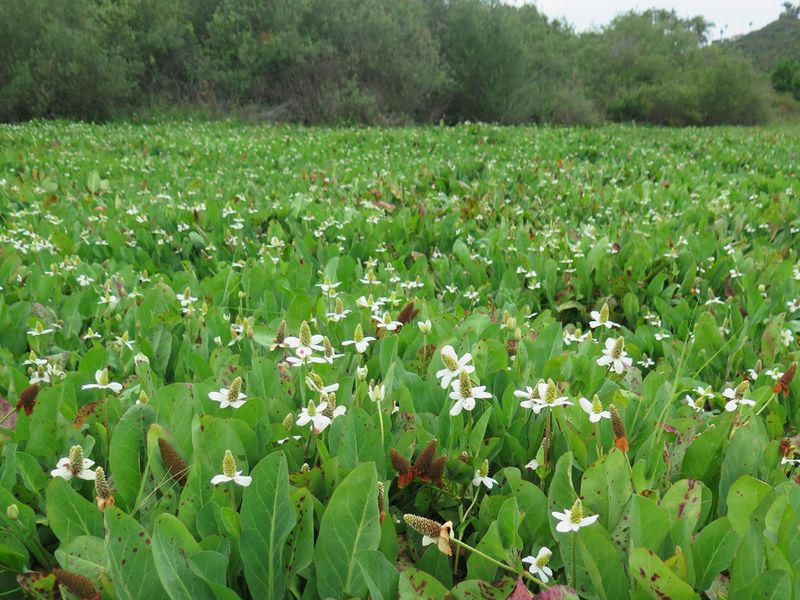
Rub a yerba mansa leaf between your fingers, and a spicy, eucalyptus-like scent fills the air around you. I can’t resist doing it every time I pass, which probably confuses the neighbors watching from their porch.
Anemopsis californica grows naturally in wet meadows, springs, and marshy spots, often where soil turns salty or alkaline. That toughness matters for gardeners, because many plants struggle in those salty, poorly drained conditions after heavy rain.
White, cone-shaped flower spikes rise above the leaves in spring and early summer, looking like tiny anemones. Each bloom is a cluster of small flowers ringed by white bracts that often develop reddish spots with age.
Low leaves spread outward by runners, forming a dense mat that can cover a damp patch fairly quickly. You might notice the foliage turning rusty red in fall before the plant rests through the colder months.
Winter flooding rarely bothers it, since the dormant roots sit tucked underground waiting for longer, warmer days. Once growth resumes, keep the soil moist, because yerba mansa dislikes drying out during hot summer weather.
Full sun brings the most flowers, though partial shade works fine in hotter inland gardens and valleys. Trim away tattered leaves in late winter, then let the fresh green growth take over again.
Native peoples used yerba mansa as a medicinal plant for generations, and it remains respected in herbal traditions. It also looks lovely spilling over the edge of a pond or filling a low ditch.
6. California Meadow Sedge
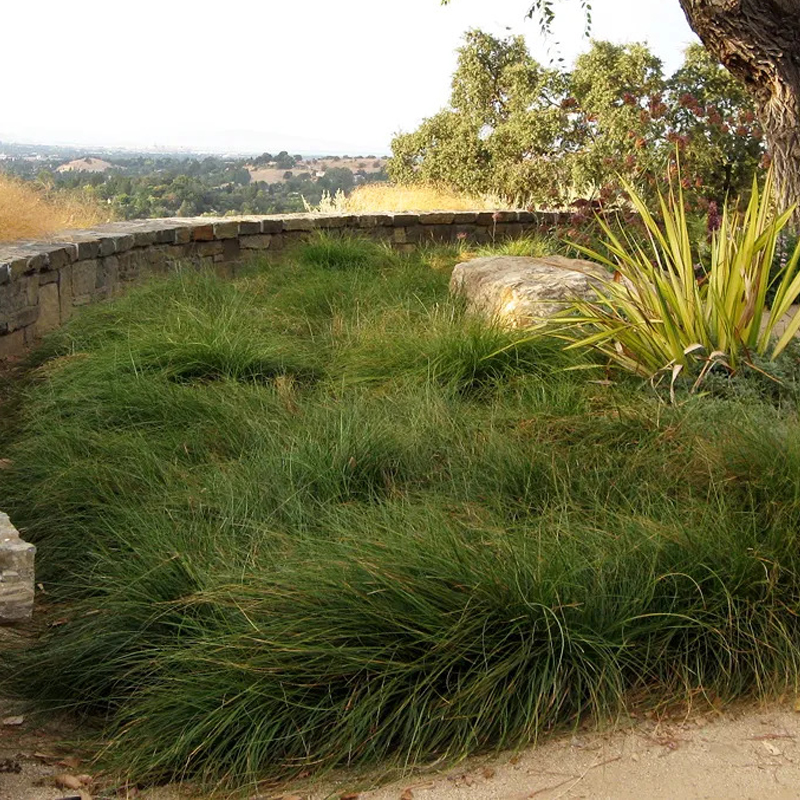
Ankle-high, soft, and evergreen, this sedge feels a lot like lawn under bare feet, minus the constant mowing. Personally, I think it makes the friendliest grass substitute for a yard with a soggy low spot.
Carex pansa naturally grows near the coast, often in sandy flats and dunes that stay damp in winter. In gardens, it handles seasonal wetness and heavy clay, then shrugs through dry summers once roots settle in.
Plants usually stay six to twelve inches tall, spreading by underground rhizomes into a dense, even carpet. You can leave it shaggy for a meadow look or mow it a few times a year.
Slender tan flower spikes appear in spring, but they stay subtle and rarely steal attention from the foliage. The leaves can bronze slightly after cold snaps, then green up again when temperatures climb in early spring.
Plant plugs about a foot apart in fall or winter, when rain helps them establish without much effort. Weeds will try sneaking in at first, so hand pull them until the sedge knits together.
Sun or part shade both work, though inland gardens benefit from occasional deep summer watering to stay green. It uses far less water than typical turf, which makes your summer water bill a lot friendlier.
Light foot traffic is fine, so it works nicely around stepping stones and along garden paths. I love how it softens hard edges and still looks tidy after a long stretch of rain.
7. Clustered Field Sedge
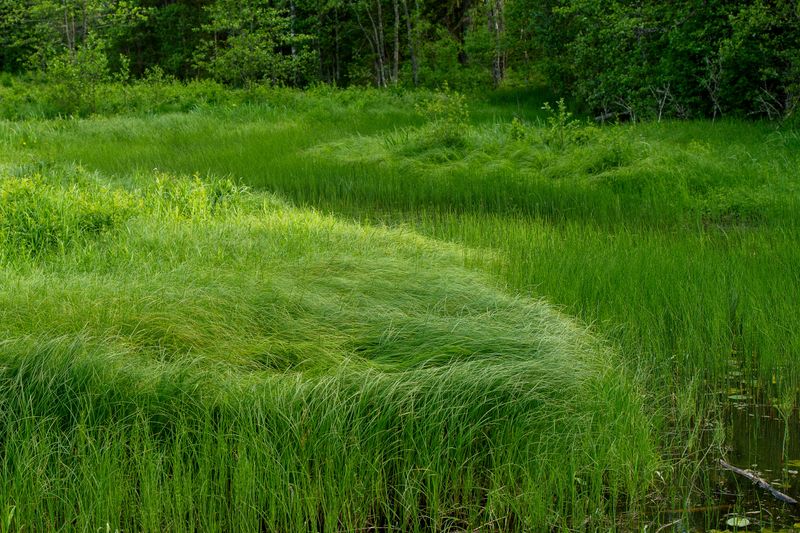
Salty marsh edges and soggy alkaline meadows both host this sedge, which says plenty about its tough personality. I have to admit it surprised me by staying green right through a week of standing puddles.
Carex praegracilis grows across much of western North America, often in wet meadows that flood each winter. It handles heavy clay, alkaline soil, and even mild salt, so tricky ground rarely slows it down.
Fine, grassy blades usually reach about one foot tall, though unmowed stands can flop over in soft waves. Underground rhizomes spread quickly, filling bare patches and crowding out many weeds within a season or two.
That speed is a blessing in a wide swale, but it can wander into nearby beds. You need edging or a path between it and slower plants, or it may push them aside.
Mowing every few weeks creates a soft green lawn, while occasional trims give a looser meadow look. It handles moderate foot traffic, so kids and dogs can play on it without much damage.
Inland gardens without summer water may see it turn tan and go dormant for a few hot months. Regular irrigation keeps it green, yet it still needs noticeably less water than a traditional turf lawn.
Small brown flower spikes appear in spring, quietly adding texture without stealing attention from the lush green foliage. Personally, I think it earns a spot anywhere roof runoff turns the lawn into a shallow winter pond.
8. Buttonbush
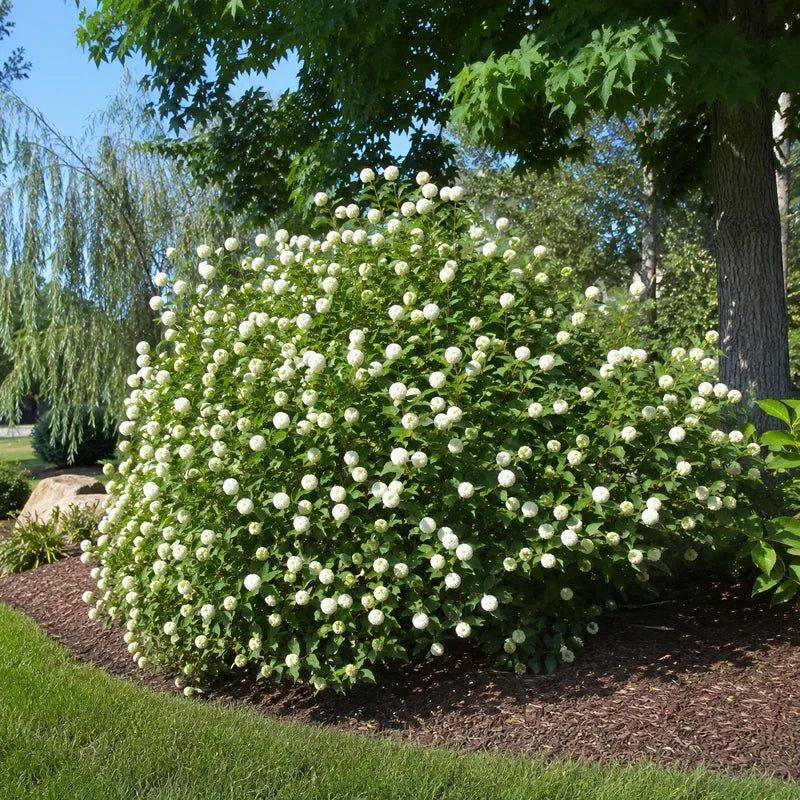
Spiky white flower balls covering buttonbush in summer look like tiny pincushions dangling from every branch. Bees and butterflies crowd those blooms on warm afternoons, and the sweet fragrance drifts across the yard.
Cephalanthus occidentalis grows naturally along Central Valley rivers and sloughs, where floodwaters can linger for weeks each winter. Few garden shrubs tolerate standing water this well, so it fits ponds and soggy lows beautifully.
Most plants reach six to twelve feet tall, forming a rounded, open shrub with glossy green leaves. Leaves drop in fall, then return in spring once the soil warms and floodwaters slowly recede.
You might notice the round flower heads ripen into knobby brown seed balls that hang on through autumn. Ducks and other waterbirds eat those seeds, so this shrub feeds wildlife long after flowers fade.
Full sun produces the most blooms, though partial shade works where summer heat feels especially intense. Moisture matters more than soil type, and it grows happily in heavy clay that stays wet.
Buttonbush leaves contain compounds that are toxic if eaten, so keep grazing animals and pets away. Prune in late winter, removing weak or crossing stems to keep the shrub tidy and productive.
Personally, I love tucking it beside a pond, where its summer flowers reflect on still water. It finishes this soggy lineup with sweet summer blooms, proving wet ground can still look wonderful.