When To Plant Snapdragons In Arizona For Tall Cool-Season Color That Lasts Into Spring
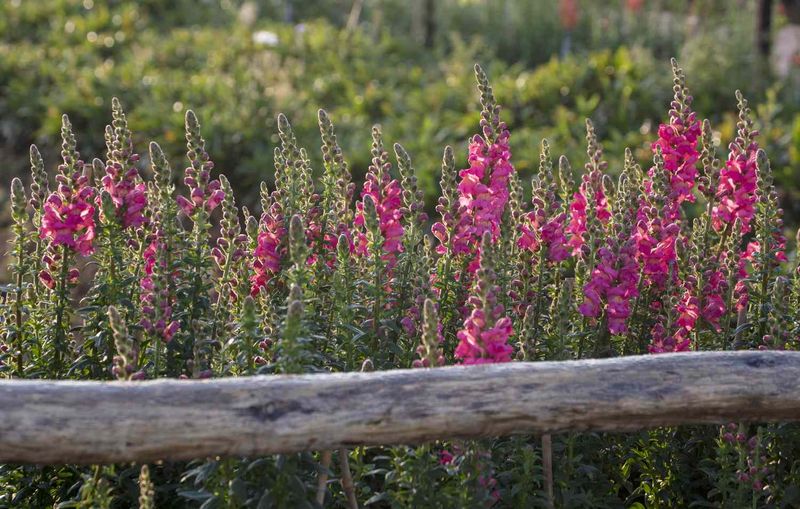
Snapdragons are one of the best-kept secrets in Phoenix and Tucson fall gardens, delivering upright flower spikes in rich colors right when summer annuals give out. Plant them at the right time and they can carry color from autumn all the way into spring, long after the heat-lovers have faded.
For low-and intermediate-desert Arizona gardeners, knowing when and how to get them in the ground makes all the difference between a short show and a season-long display.
Arizona’s Fall Window Favors October Planting
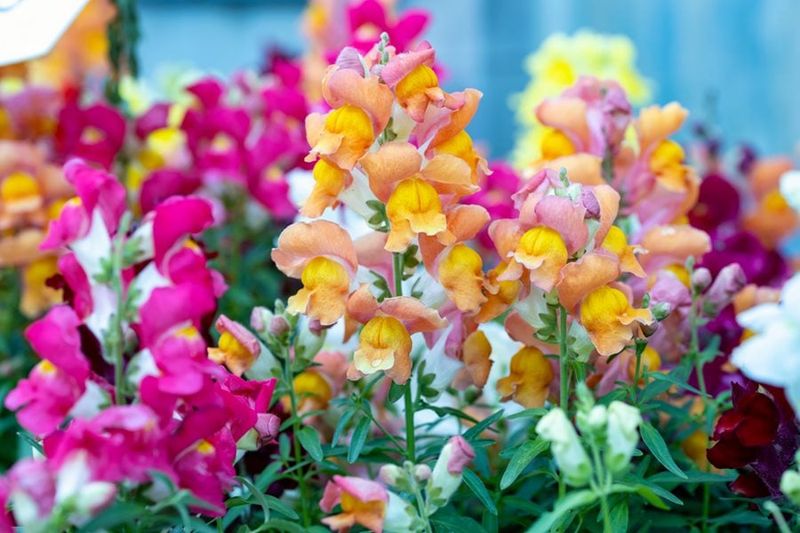
October is the practical sweet spot for planting snapdragons in Phoenix, Tucson, and comparable low- and intermediate-desert Arizona locations. Gardeners who wait for the brutal summer heat to break and then act in early-to-mid fall give their plants the best chance to root in before the coldest nights arrive.
That said, the right planting month is not exactly the same across all of Arizona’s desert communities.
In Arizona’s Tucson area, University of Arizona Cooperative Extension guidance for Pima County supports sowing or transplanting snapdragons in September and identifies October as a good time to plant cool-season annual flowers, including snapdragons, for spring bloom. December guidance from the same source still lists snapdragons among cold-hardy flowers that can be planted later in the season, which means the window stays open longer than many gardeners assume.
For Phoenix-area gardeners in Arizona’s low desert, September can still run quite warm, making October a more reliable starting point. Think of late September through November as a useful planning range, with October as the target, rather than a single hard deadline.
This synthesis reflects guidance from multiple Arizona Extension monthly calendars rather than one statewide prescription, so your specific microclimate, elevation, and current weather should help you fine-tune the date.
Match the Calendar to Arizona’s Desert Elevation
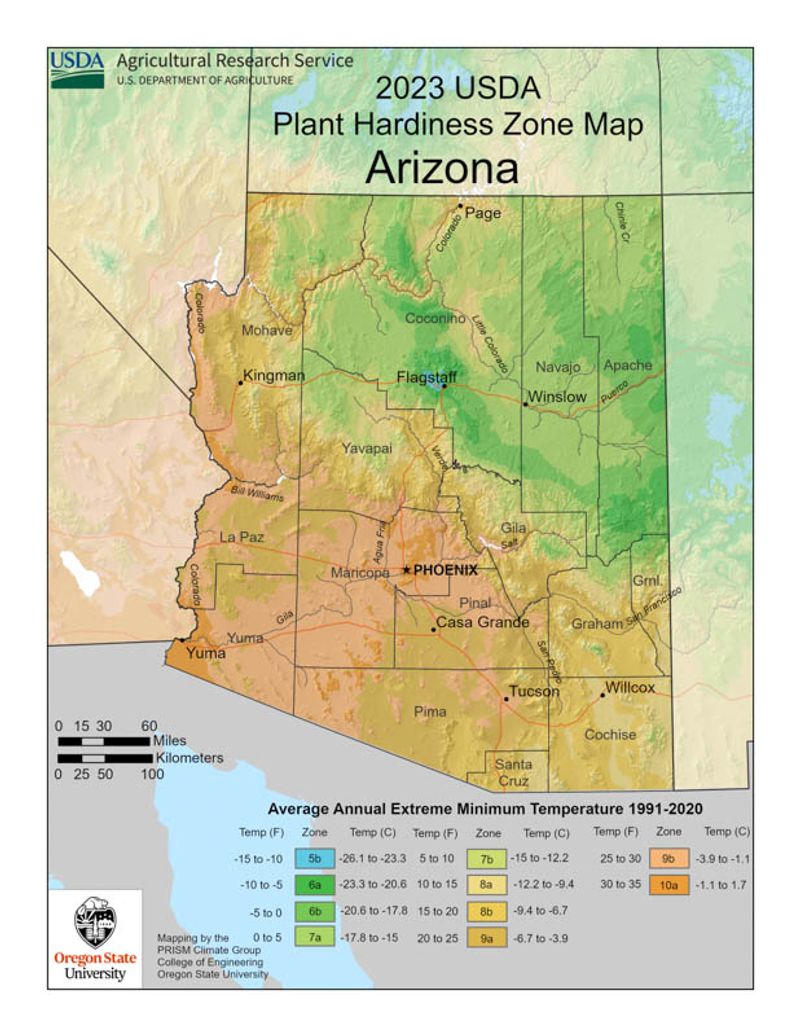
Arizona is not one climate, and snapdragon timing that works in Phoenix will not automatically work in Flagstaff or Prescott. Understanding where your Arizona garden sits on the elevation scale is the first step toward choosing the right planting month.
University of Arizona climate zone guidance places Phoenix Metro in a low-desert setting, comparable to Sunset Zone 13, and Tucson in an intermediate-desert setting, comparable to Zone 12. Both support cool-season gardening from fall into late spring, which is exactly the window snapdragons need.
Temperatures cool enough for root establishment arrive a bit earlier in Tucson than in Phoenix, which is why September planting appears in Tucson-area Arizona Extension guidance while Phoenix gardeners generally benefit from waiting until October.
High-elevation Arizona communities, including Flagstaff, Prescott, mountain towns in the White Mountains, and higher-elevation parts of southeastern Arizona, operate on a completely different schedule. Frost arrives earlier, summers are shorter, and the cool-season growing window does not match the low-desert fall-planting model at all.
Gardeners in those Arizona locations need separate timing advice based on local frost dates and growing-season length. The guidance throughout this article applies specifically to Phoenix, Tucson, and comparable desert elevations, not to Arizona as a whole.
Your Arizona Garden Changes Every Week. Your Plan Should Too.
Gardening in Arizona changes quickly throughout the season. Every Friday you’ll receive a simple weekly plan showing exactly what to plant, prune, fertilize, harvest, and protect so you never miss the right timing.
Choose Tall Cultivars for Upright Arizona Color
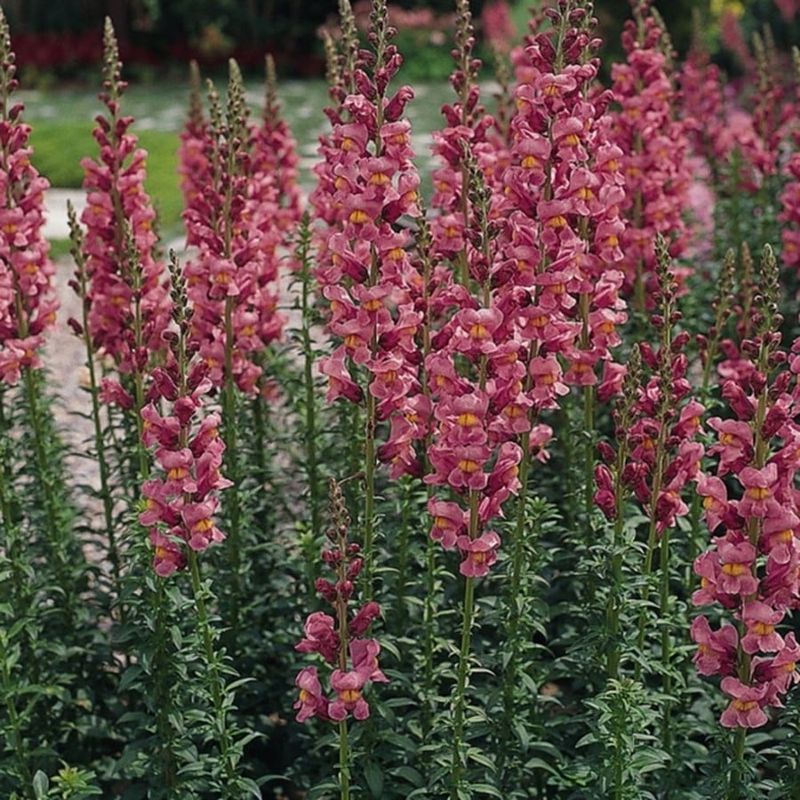
Not every snapdragon will give you the tall, vertical color spikes that make this flower so eye-catching in an Arizona border or container. The species Antirrhinum majus covers a wide range of plant sizes, and compact bedding types can top out at just 8 to 12 inches, which reads more as a ground-level filler than a bold vertical accent.
According to University of Arizona Extension’s guide to frost-resistant annuals, snapdragon varieties range from approximately 8 to 36 inches tall, a range wide enough that two plants sold under the same common name can look very different in your Arizona garden. Intermediate types generally reach around 18 to 24 inches, while tall cultivars push toward 24 to 36 inches.
When the goal is vertical color, the nursery label is your most reliable guide, so look for words like “tall,” “rocket,” “liberty,” or “animation” on the tag.
Tall snapdragon cultivars in Arizona can develop heavy flower spikes that become top-heavy, especially in wind. Plan for support early rather than trying to stake a leaning plant after the fact.
Short bamboo stakes or a simple ring support placed at planting time work well and stay nearly invisible once the foliage fills in. Checking the label for mature height before you buy saves a lot of rearranging later in the Arizona season.
Prepare an Arizona Site With Sun and Drainage
Snapdragons want full sun, and in Phoenix and Tucson that means at least six hours of direct light per day during the cool season. More sun generally means more flowers and stronger stems, so an open south- or east-facing bed tends to outperform a shaded corner in an Arizona yard.
Arizona microclimates can complicate the sun recommendation, though. A bed beside a west- or south-facing stucco wall can collect reflected heat that pushes temperatures well above what the open garden registers.
During Arizona’s mild winter days, that extra warmth may not be a problem, but during warm stretches in October or late February it can stress plants that would otherwise be comfortable. University of Arizona guidance on choosing the right plants emphasizes that exposure, reflected heat, wind, and soil type all affect performance even within the same Arizona climate zone, so a site that looks sunny on paper may behave differently in practice.
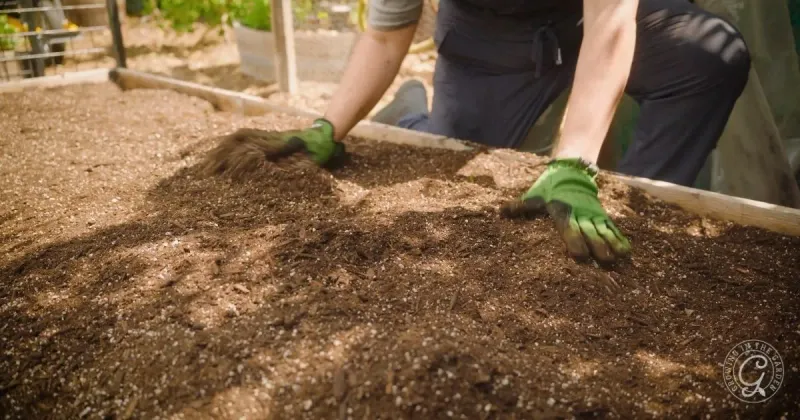
Drainage is the other non-negotiable in Arizona. Compacted soil, clay-heavy layers, alkaline conditions, and caliche hardpan can all trap water around roots, leading to rot even when irrigation seems moderate.
If water puddles in your Arizona planting area for more than an hour after watering, consider breaking up the soil and working in compost, or skip the ground bed entirely and use a container or raised bed with a quality mix that drains freely. Getting drainage right before planting is far easier than trying to fix it after snapdragons are in the ground.
Plant and Water Snapdragons During Arizona’s Cool Season
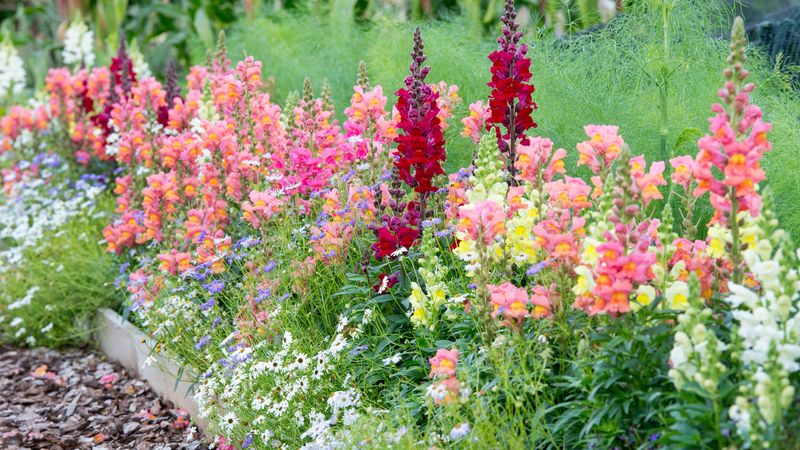
Nursery-grown snapdragon starts are the most practical choice for Arizona fall gardens. They go from pot to color much faster than seed, and the timing window in Phoenix and Tucson is short enough that a slow seed start can cost you several weeks of the best growing weather.
When planting in Arizona, space starts according to the cultivar label, since tall types need more room for air movement than compact bedding varieties. Set each plant at the same depth it sat in its nursery container, firm the soil gently around the roots, and water thoroughly right after planting.
For the first two to three weeks in Arizona’s still-warm fall soil, consistent moisture is critical. Snapdragons prefer even moisture and are not zero-irrigation plants, so skipping waterings during establishment can set back root development significantly.
As Arizona temperatures drop through November and December, you can scale back irrigation frequency rather than following a fixed schedule. Cooler soil holds moisture longer, and overwatering in cold weather creates the same root problems as poor drainage.
If you prefer growing from seed, snapdragon seed is very fine. Penn State Extension advises lightly pressing fine snapdragon seed into the soil surface or barely covering it rather than burying it, since deep planting can prevent germination.
In Arizona’s fall garden, starts remain the faster and more predictable path to color.
Extend Cool-Season Color Into an Arizona Spring
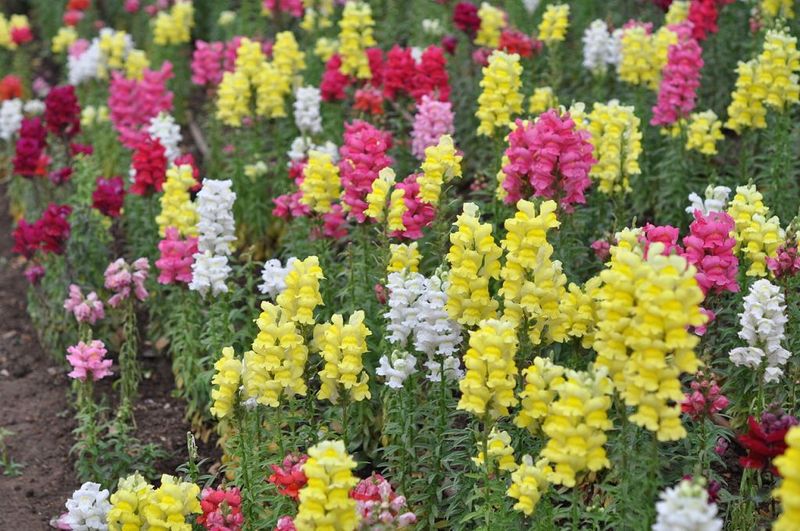
One of the real rewards of planting snapdragons in Arizona’s fall window is watching them carry color well past the holiday season and into the brighter days of February and March. A University of Arizona plant list records snapdragons as blooming from fall through spring in low-desert Arizona conditions, which matches what many Phoenix and Tucson gardeners observe in a well-managed bed.
Deadheading spent flower spikes is the single most useful step for keeping Arizona snapdragons producing. When a spike finishes blooming, cut it back to a side shoot or leaf node rather than leaving the spent stalk in place.
Missouri Botanical Garden’s snapdragon profile notes that removing spent flower spikes encourages continued bloom, and in Arizona’s extended cool season that can mean several additional weeks of color. Good air circulation around plants and avoiding overhead irrigation also help keep foliage dry, which reduces the risk of fungal problems during Arizona’s cooler, occasionally humid winter nights.
Spring performance in Arizona depends on how long the cool season holds. In a mild year, Tucson-area snapdragons can look strong well into April.
In Phoenix, the heat often returns more abruptly, and plants may begin to decline by late March or early April. Expect a seasonal display that may extend into spring rather than a plant that carries through Arizona’s prolonged summer heat, because once temperatures climb and stay high, snapdragons are not built to survive.
Manage Frost, Heat, Support, and Disease
Arizona’s low desert can surprise gardeners with freezing nights, particularly in January and February. Snapdragons handle cool temperatures better than most summer annuals, but that does not make them frost-proof.
When a hard freeze is forecast for your Phoenix or Tucson area, drape frost cloth over plants the evening before and remove it once temperatures rise the next morning. The University of Arizona Cooperative Extension October gardening guide for Pima County advises Arizona gardeners to keep frost cloth ready and protect sensitive plants when freezes are predicted, and snapdragons fall into that category despite their cool-season reputation.
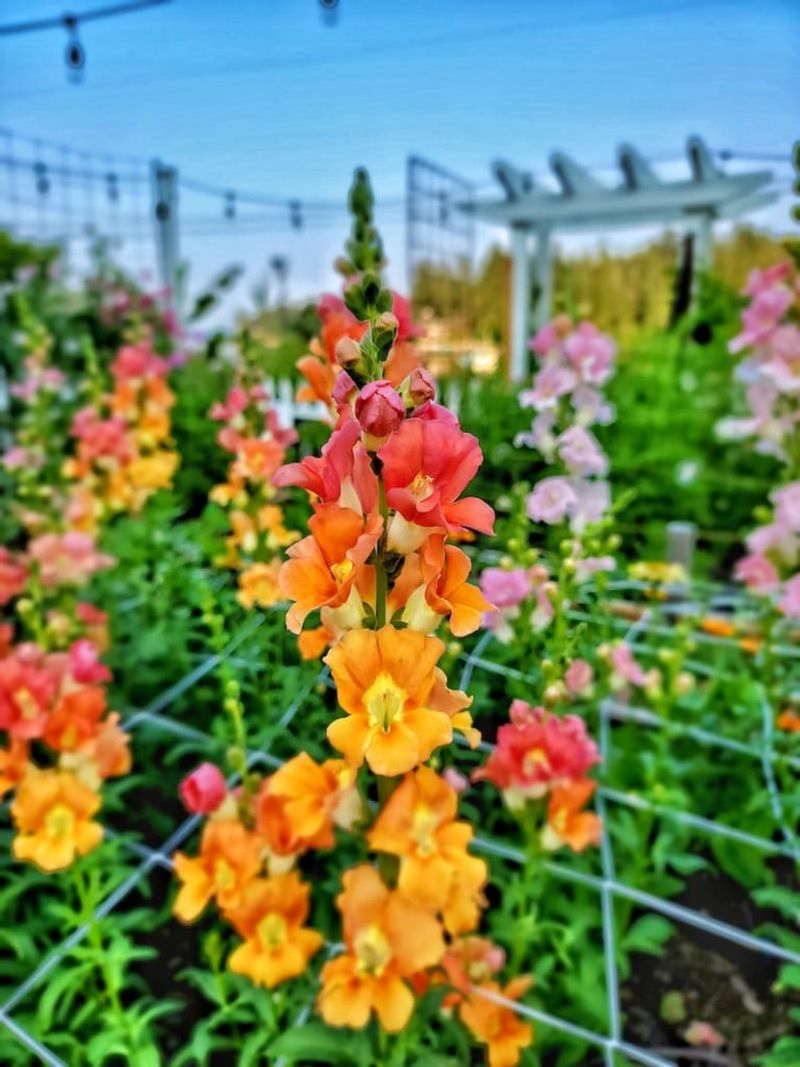
Tall cultivars in Arizona wind can lean or topple once flower spikes fill out. Place stakes at planting time rather than waiting for stems to bend, and tie loosely so the plant can move slightly without snapping.
Good air circulation around plants matters throughout the Arizona cool season because crowded stems trap moisture and create conditions where fungal diseases can take hold.
Aphids, rust, fungal leaf spots, downy mildew, wilt, and root rots are the main problems to watch for in Arizona snapdragon beds. Avoid overhead irrigation, remove badly diseased plants promptly, and resist the urge to reach for a pesticide at the first sign of trouble.
Many minor pest issues resolve on their own or with a targeted rinse of aphid colonies. Snapdragons are ornamental cool-season plants that earn their place in an Arizona garden through seasonal color, not through drought tolerance, pest deterrence, or summer durability.
Treat them as the temporary but rewarding performers they are, and you will get the most from your Arizona fall planting.