When To Plant Sweet Peas In California For Spring Blooms
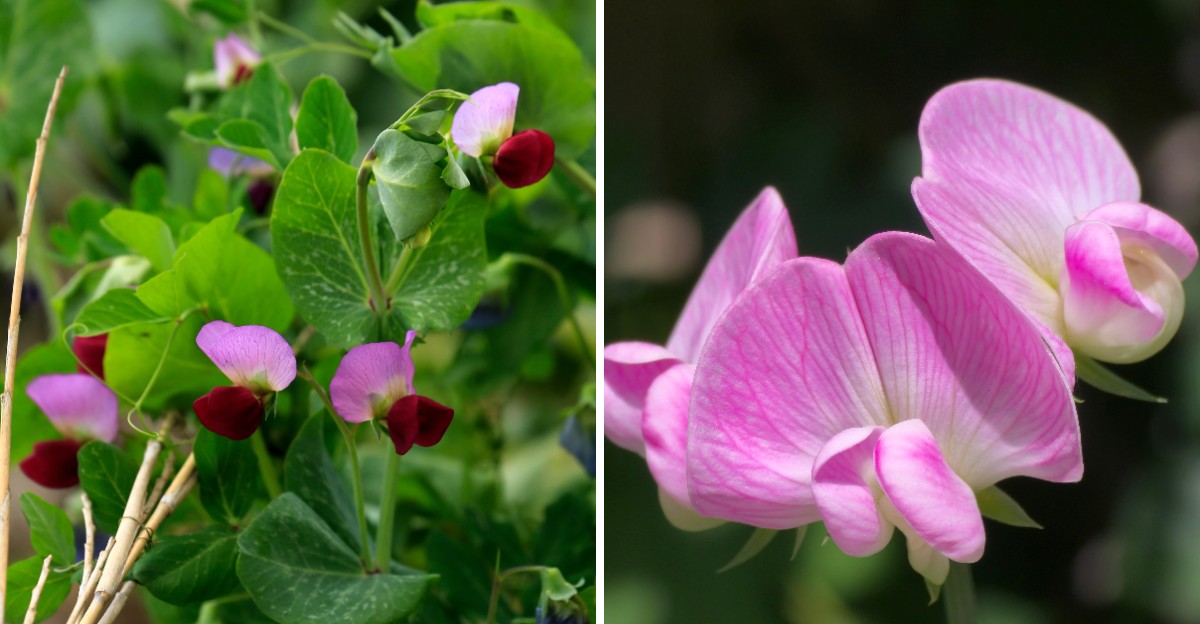
Some of the sweetest-smelling spring flowers in California go into the ground while leftover pumpkins slump on front porches. Those tiny, rock-hard seeds get tucked in this month and keep their secret until spring.
What cracks me up is how lazy the vines look all winter. They barely budge above ground while a deep, sturdy network forms underground.
Then March arrives, and those curly tendrils latch onto whatever stands still. Last spring, that included my rake handle.
Honestly, sowing April flowers while holiday lights go up down the street feels a little backward. Our cool, gentle California winters are what make it work. Plant too late, and an early warm spell can cut the show short.
My seed packet spent October in the junk drawer, wedged between rubber bands and three mystery keys. Luckily, November still counts. Is yours ready to make its move before the calendar flips?
Spring Sweet Pea Flowers Actually Start With A Fall Calendar Page
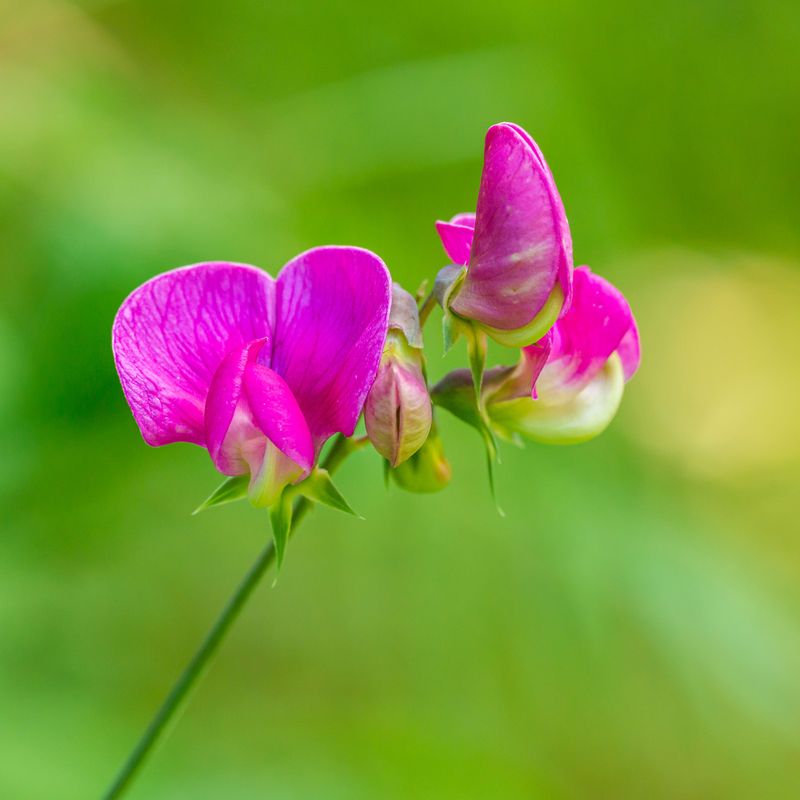
Most folks think of spring flowers and picture planting in spring. Sweet peas flip that idea around in a fun way.
These cool-season annuals love chilly nights and mild days. Across most of the state, the sweet spot for sowing is October through November. That timing lets the seeds sprout while soil still holds a little warmth from summer.
What happens next is the secret. All winter long, the young plants focus on growing deep, sturdy roots instead of flowers. You might glance at them in January and think nothing much is going on.
Underground, though, they are building a strong engine. When spring days stretch longer, that root system powers a flood of fragrant blooms.
Plants sown in spring skip this winter workout. They often flower for a shorter time and produce fewer stems before warm weather shuts them down.
I like to circle a day in mid-October on my calendar as a reminder. It feels odd to plant flowers while pumpkins sit on porches, but the payoff in April feels like magic.
Give your seeds that long, cool head start, and they will thank you with armloads of color right when your garden needs a lift.
Southern California Gardeners Get A Longer Sweet Pea Sowing Window
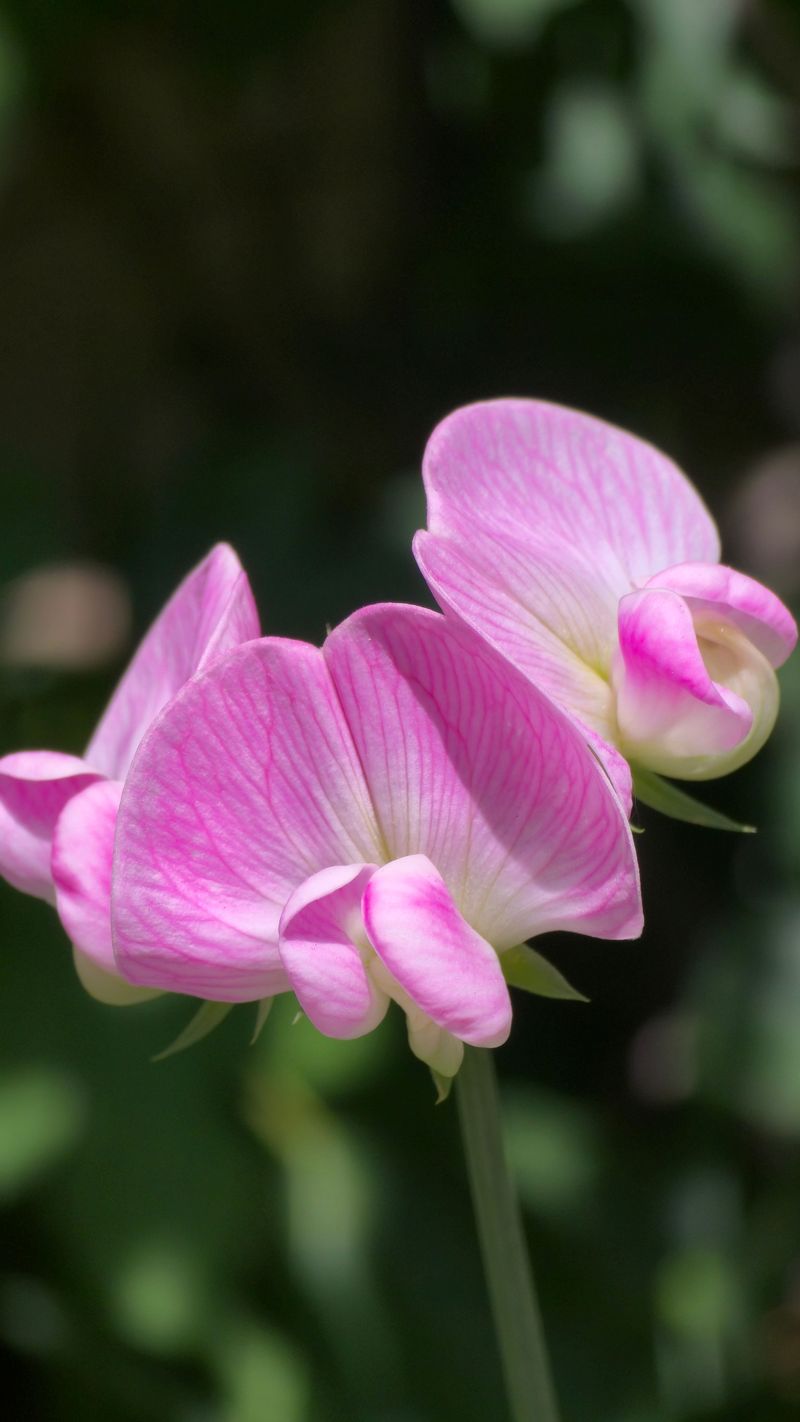
Lucky you, if you garden anywhere from San Diego to Los Angeles. Coastal and inland Southern California gardens can sow sweet peas from October through November, and many people succeed into December or even January.
Frost is rare in much of this region, so seedlings rarely face a hard freeze. That extra flexibility helps if a busy autumn got away from you.
Still, earlier usually wins. Plants that go in by November tend to bloom longer because they have more cool weeks to grow before heat arrives.
Inland valleys warm up faster in spring than beach towns. If you live in Riverside or the San Fernando Valley, aim for the earlier part of the window. Your flowers need time to open before late-spring temperatures climb.
Gardeners near the ocean get a fun bonus. Foggy, cool springs along the coast can stretch the bloom season, sometimes into early summer.
A simple rule works well here. Plant as early as you can in the fall, then keep sowing small batches every few weeks through December if you want a steady supply.
Staggered planting gives you a backup plan if snails or a heat spell hit one group hard.
Northern California Sweet Peas Like An Earlier Start
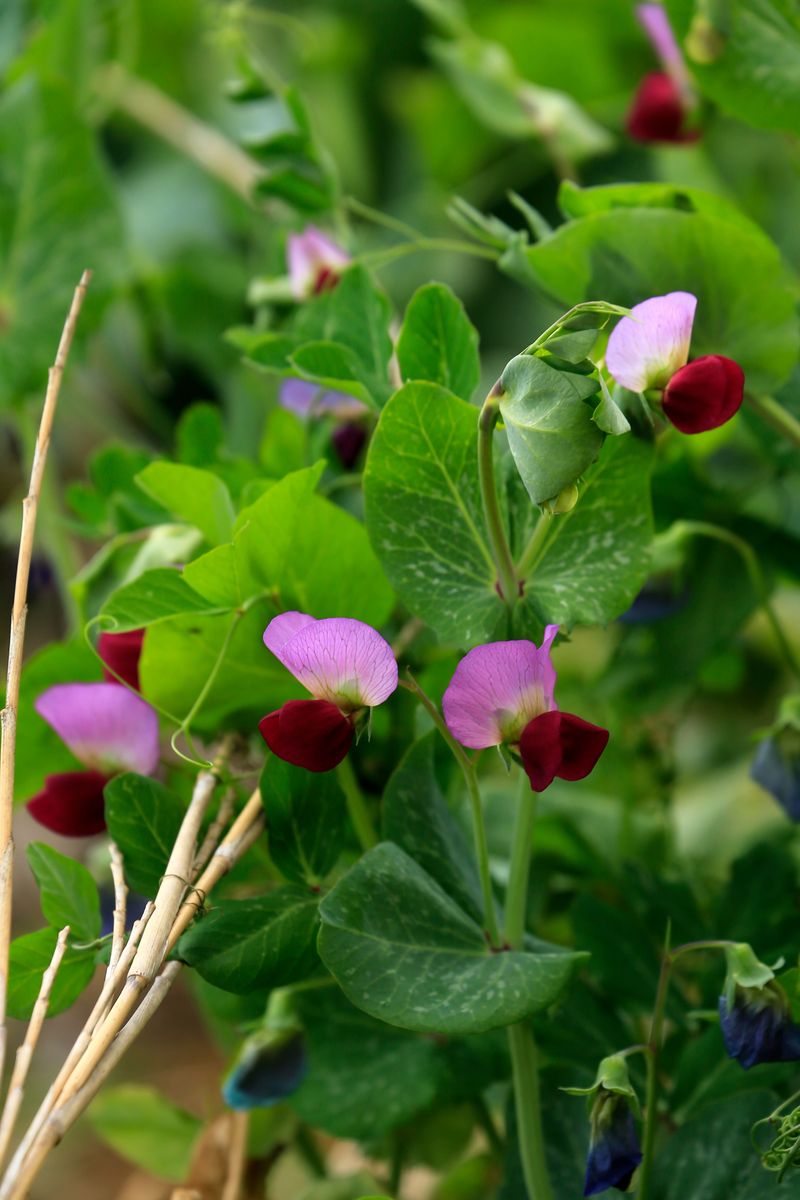
Up north, the rhythm shifts just a bit. In the Bay Area, Sacramento Valley, and other mild-winter spots, October and November remain the go-to months for sowing sweet peas.
Some areas push even earlier. Gardeners in Sonoma County report good results direct seeding as early as August or September. Those plants get established before the rainy season really kicks in.
Winter here can bring more frost than down south, especially in valleys. Young sweet peas handle light frost fairly well, but seedlings that already have a few inches of growth tend to cope better.
Heavy rain is the bigger worry for many northern gardens. Soggy soil can rot seeds before they ever sprout. Raised beds or mounded rows help water drain away quickly.
Colder mountain and high-desert areas play by different rules. Places with harsh winters usually do better sowing in late winter or early spring once the ground can be worked.
Check your local frost dates through your county’s UC Master Gardener program. Those volunteers know your microclimate far better than any national seed packet.
A little local knowledge goes a long way toward a trellis full of ruffled blooms.
Tough Sweet Pea Seed Coats Sprout Faster With A Little Help
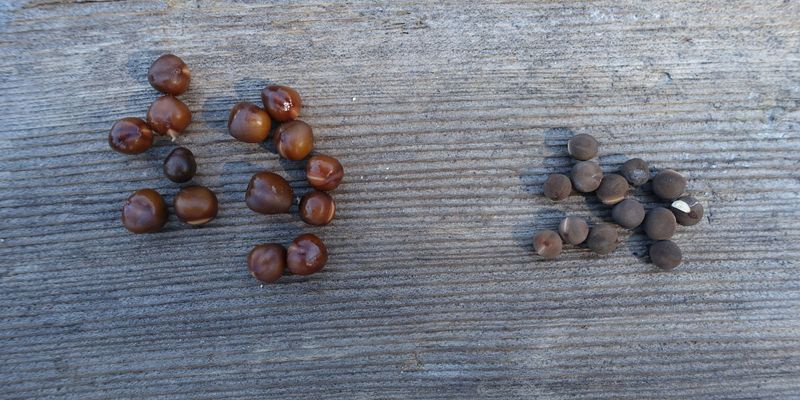
Ever notice how sweet pea seeds look like tiny, hard marbles? That tough outer coat protects the seed but can slow down sprouting.
You can speed things up with an easy trick. Soak the seeds in room-temperature water overnight before planting. Many will swell up and look plump by morning.
Another option is nicking. Use a nail file or small clippers to gently scratch through a tiny spot of the seed coat, away from the little eye where the sprout emerges. Water slips in faster, and germination often follows within a week or two.
Do not soak seeds for days, though. Too long in water can cause them to rot.
Plant the seeds about one inch deep and two to three inches apart. Firm the soil lightly and water well.
Keep the bed moist but not soggy while you wait. Cool fall soil helps sweet peas sprout, so you rarely need heat mats or fancy gear.
Fun fact: sweet peas were first described in the late 1600s by a Sicilian monk named Francisco Cupani. He mailed seeds to England, and gardeners have been fussing over them ever since.
Climbing Sweet Pea Vines Need Sun, Rich Soil, And A Trellis Early
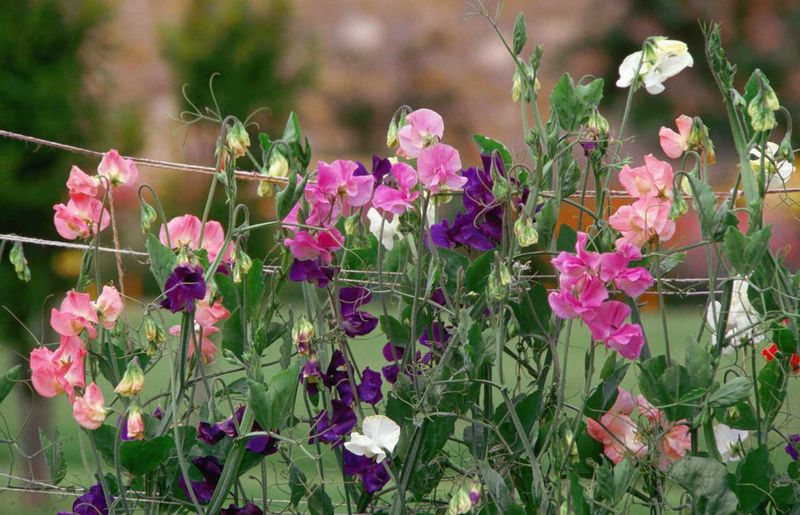
Sunshine matters a lot with these climbers. Pick a spot that gets at least six hours of direct sun each day for the strongest stems and most flowers.
Soil comes next. Sweet peas prefer rich, well-draining ground mixed with compost or well-rotted manure. They also like a slightly alkaline pH, so very acidic soil may need adjusting.
Now for the fun part. Many varieties grow five to seven feet tall, and they need something to grab. Their curly tendrils wrap around netting, string, or thin wire with surprising strength.
Put your support in place before or right at planting time. Adding a trellis later can disturb roots and tangle young vines.
I have used everything from garden netting to old chain-link fences. Even a teepee of bamboo poles with twine wrapped around it works great.
Watering should stay steady. Keep the soil evenly moist, but avoid puddles that invite rot. A layer of mulch helps hold moisture as spring warms up.
Once the seedlings reach four to six inches tall, pinch off the growing tip. That small snip encourages side shoots, giving you a bushier plant and more stems for bouquets.
Missed Fall Planting Late Winter Sweet Peas Can Still Bloom
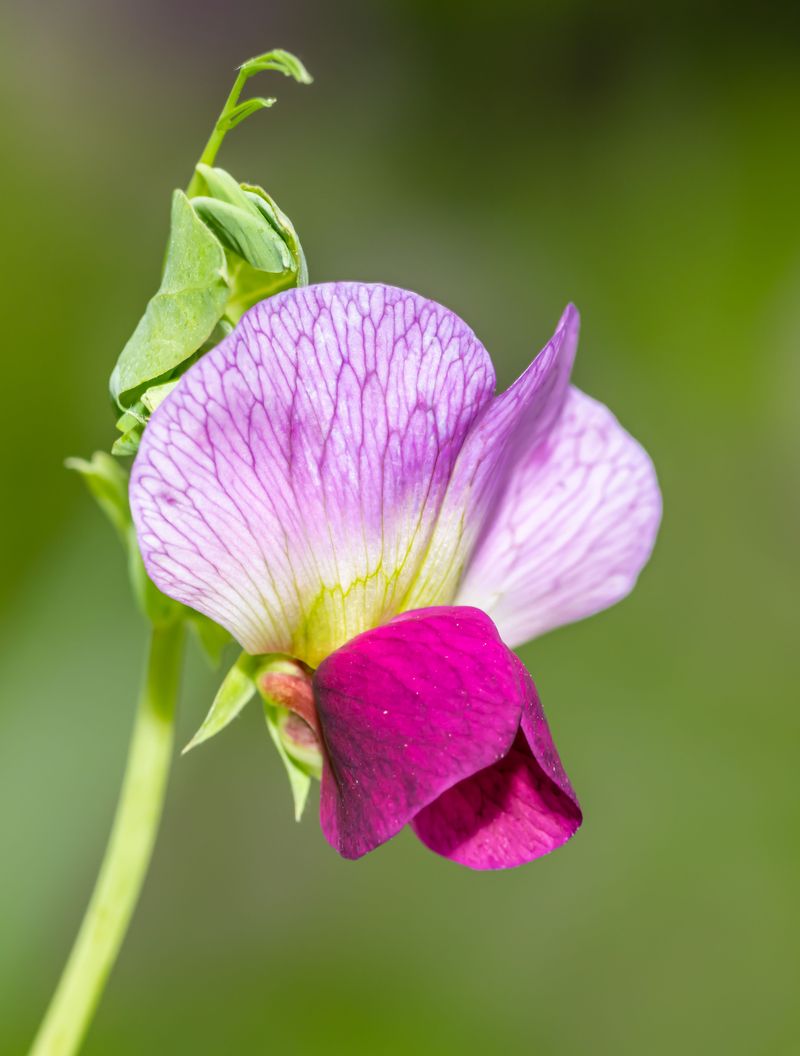
Life gets busy, and sometimes October slips right past. Take heart, because you still have options.
Sweet pea seeds can go into the ground in late winter, around mid-January or February, and even in early spring in cooler areas. Plenty of gardeners grab a packet in February and still enjoy flowers.
Expect a smaller show, though. Late plantings usually bloom for a shorter stretch and produce fewer flowers, since warm weather arrives before the plants hit full speed.
A few tricks help you make the most of a late start. Choose the coolest sunny spot you have, maybe one with afternoon shade from a fence or tree.
Look for early-flowering or heat-tolerant types. Older grandiflora varieties tend to handle warmth better than many modern types, and they carry a strong, old-fashioned perfume.
Mulch the soil to keep roots cooler as temperatures rise. Water consistently, since dry stress pushes the plants to quit early.
Coastal gardeners have the easiest time with late sowing. That cool marine air keeps spring mild, giving late plants a fair chance to catch up.
Treat it as a bonus round, and plan your fall sowing date for next year.
Picking Sweet Pea Bouquets Often Keeps New Flowers Coming
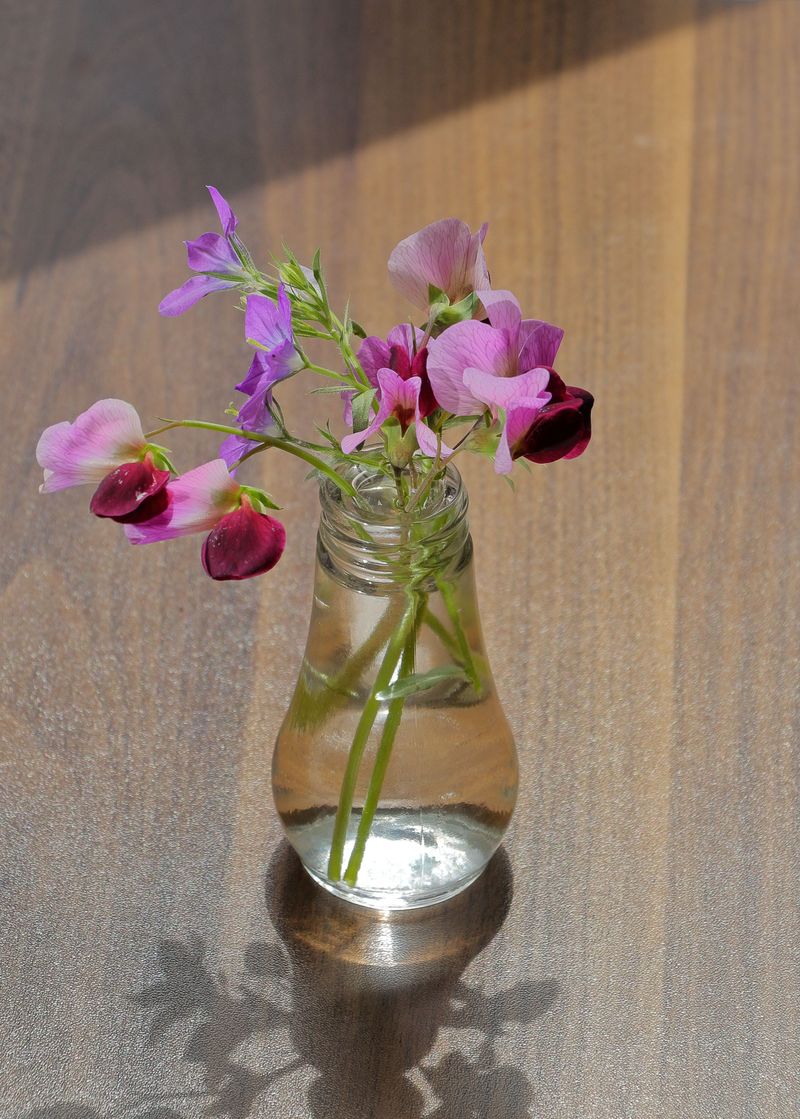
Here is my favorite garden chore of the whole year. Cutting sweet peas actually makes the plant produce more flowers.
Once a bloom fades, the vine starts making seed pods. When that happens, the plant often slows down flowering because its job feels done. Regular picking stops that process and keeps buds coming.
Try to harvest every few days during peak season. Snip stems in the cool morning when flowers are freshest, and pop them straight into water.
Your kitchen will smell wonderful. Spencer types offer large, ruffled petals and lovely scent, while grandiflora types often pack the strongest perfume of all.
Check vines for pods you missed and pinch them off. A few minutes of tidying adds weeks to the season.
One safety reminder matters here. Sweet pea seeds and pods are toxic and are not the same as edible garden peas. Keep them away from kids and pets, and label your beds if you grow both kinds.
Share the extras with neighbors. Few gifts feel as cheerful as a jar of fragrant blooms left on a doorstep, and you will have plenty to spare.
Snails And Aphids Love Young Sweet Pea Seedlings Too
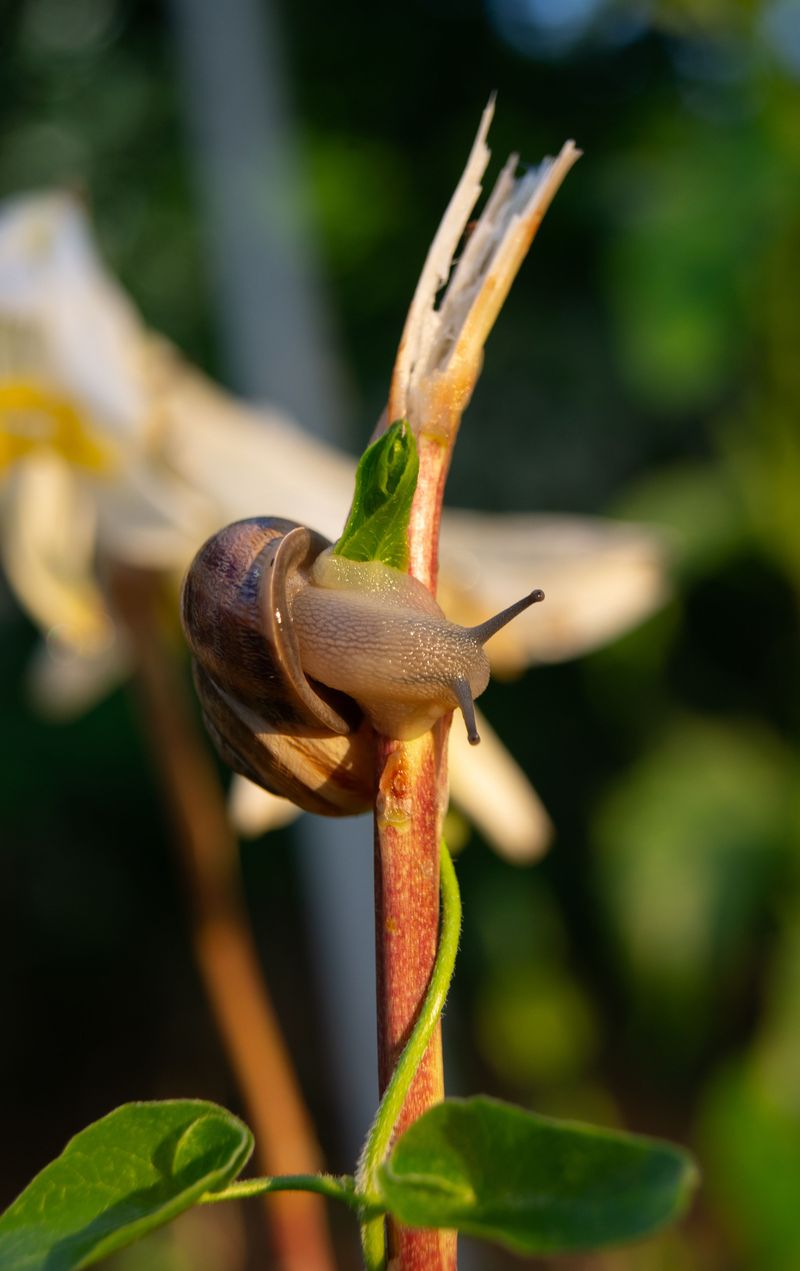
Winter rain brings out a hungry crowd. Snails and slugs adore tender sweet pea sprouts and can chew a row down overnight.
Head out with a flashlight after dark and hand-pick them. It sounds odd, but it works well. Iron phosphate baits are another lower-toxicity choice that many gardeners trust.
Aphids show up as spring warms. Look for clusters of tiny green or black bugs on new tips. A strong spray of water knocks many off, and ladybugs often move in to help.
Caterpillars and thrips can also nibble leaves and flowers. Check plants every few days so small problems stay small.
Powdery mildew may appear late in the season as days heat up. Good air flow and watering at the soil level, rather than over the leaves, reduce the risk.
Once summer heat settles in, your vines will fade naturally. Pull them, toss healthy plants in the compost, and jot down what worked.
Then mark next October on your calendar. That simple note is the best takeaway of all, because a fall sowing date sets up your most fragrant spring yet in California.