Why Ohio Viburnum Is One Of The Most Underplanted Shrubs In The State
Walk through most Ohio neighborhoods and you will see the same shrubs repeated yard after yard. Burning bush, knockout roses, endless rows of arborvitae.
They are fine. They do a job.
But they have crowded out a shrub that outperforms most of them in almost every category and somehow still ends up overlooked at the nursery. Viburnum has a strong case for being the most useful shrub gardeners are not planting nearly enough of.
Native species, four season interest, wildlife value, adaptability to Ohio’s unpredictable climate. It checks boxes that most popular shrubs do not even come close to.
The reasons it gets passed over say more about marketing and familiarity than they do about the plant itself. Viburnum does not have a flashy reputation.
It just quietly does everything right season after season while showier shrubs get all the attention. That reputation is overdue for a correction.
1. Most Gardeners Walk Right Past Native Viburnum
A shrub can lose the popularity contest before it ever leaves the nursery bench. When shoppers walk past rows of plants, they tend to reach for whatever is blooming brightest or showing the most dramatic foliage.
Arrowwood viburnum, known botanically as Viburnum dentatum, rarely wins that first impression. Its nursery pot usually shows tidy green leaves and not much else, which makes it easy to skip.
What most shoppers miss is that this shrub is built for the long game. Once it settles into a yard, it begins to show real landscape value that flashier plants simply cannot match over time.
It fills space with reliable structure, handles a range of soil types, and supports local wildlife in ways that ornamental imports often do not.
Native plants like arrowwood viburnum evolved alongside the insects, birds, and soil conditions of this region. That means they tend to establish more naturally and need less intervention once they are rooted in.
The problem is not that this shrub lacks merit. The problem is that most gardeners never slow down long enough at the nursery to give it a fair chance.
2. Arrowwood Viburnum Gets Overshadowed By Flashier Shrubs
Walk into almost any Ohio garden center in this state during spring, and the front tables are packed with familiar shrubs. You will see knockout roses, weigela dripping in pink blooms, and butterfly bushes with long purple spikes.
Those plants are designed to sell on sight. They have big color, big blooms, and a look that says “take me home today.” Arrowwood viburnum does not compete on those terms.
What Viburnum dentatum offers instead is a different kind of value. Its white flower clusters in late spring are modest but real.
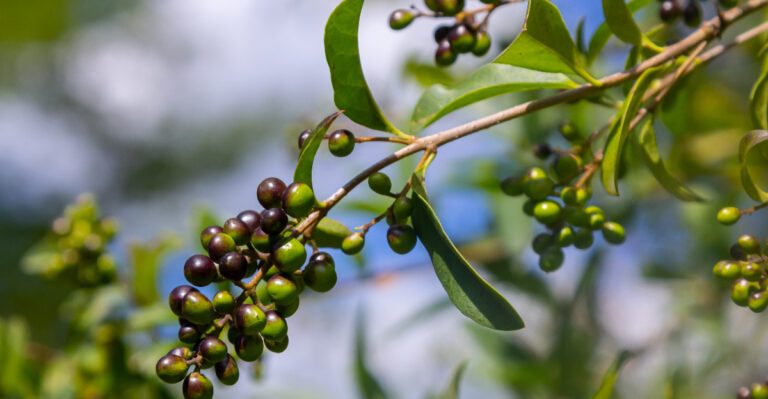
Its foliage stays clean and green through summer. When cross-pollination occurs, it can produce dark blue-black fruit that birds find useful.
And in autumn, the leaves shift into warm reds and purples that hold up well against other fall plantings.
The contrast here is between short-term showiness and long-term contribution. Trendy shrubs with variegated leaves or oversized blooms can look tired or sparse after a few years.
Your Ohio Garden Changes Every Week. Your Plan Should Too.
Gardening in Ohio changes quickly throughout the season. Every Friday you’ll receive a simple weekly plan showing exactly what to plant, prune, fertilize, harvest, and protect so you never miss the right timing.
Arrowwood viburnum tends to build presence over time. It fills a shrub border with structure that holds the landscape together across seasons, which is something that a single flashy specimen rarely manages on its own.
3. Its Quiet Spring Flowers Deserve More Attention
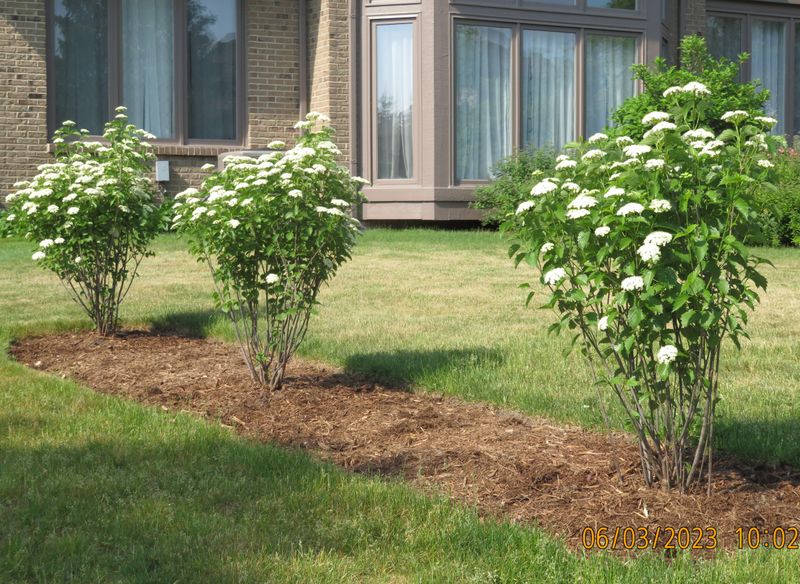
Late spring in a home landscape brings a lot of competition for attention. Peonies are opening, roses are budding, and alliums are sending up their purple globes.
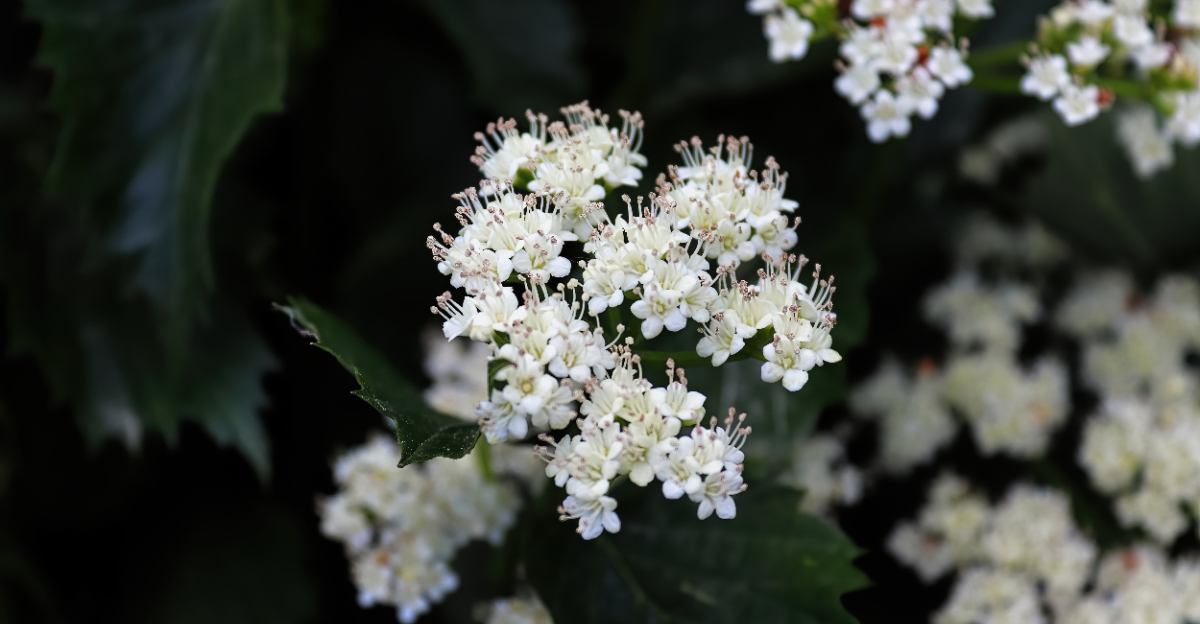
In the middle of all that, arrowwood viburnum puts on a bloom that is easy to underestimate. The flowers arrive as flat-topped clusters of small white blooms, called cymes, spread across the tips of the branches.
They are not dramatic in the way a magnolia is dramatic. They do not carry a heavy fragrance that stops you at the gate.
But they do something important: they attract a wide range of native bees, beetles, and other pollinators that need accessible, open flower structures.
Research from sources like the Lady Bird Johnson Wildflower Center highlights viburnum species as solid pollinator plants.
Native plant advocates point to them for this exact reason too.
The bloom period also comes at a useful time in the gardening calendar, bridging the gap between early spring bulbs and the peak of summer color. For a shrub border that needs to carry interest across the full season, that timing matters.
A plant that contributes reliably in late May or early June without demanding constant care is worth planting more often than it currently gets.
4. The Best Wildlife Shrub Is Hiding In Plain Sight
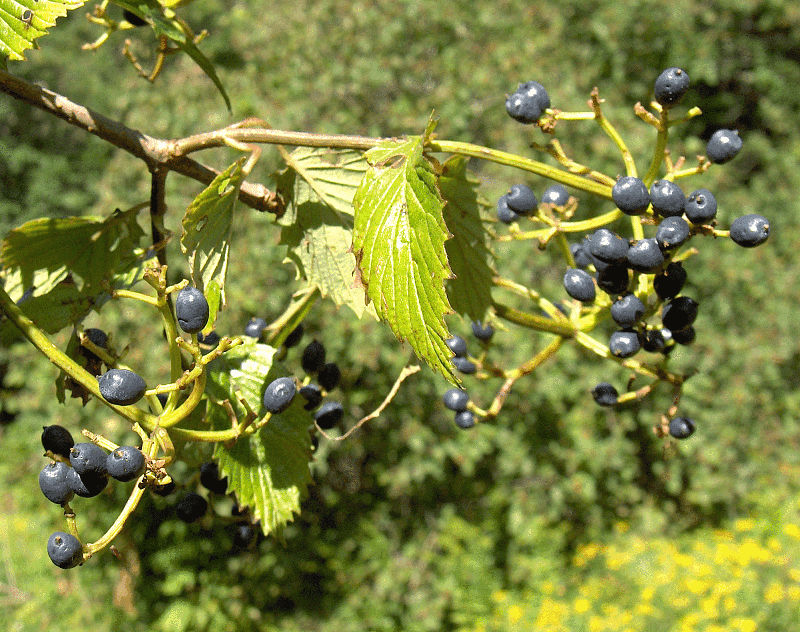
Spending money on a bird feeder is easy. Planting a shrub that actually feeds birds, supports insects, and builds habitat over time takes a little more thought, but the payoff is much greater.
Arrowwood viburnum is one of the most wildlife-friendly native shrubs available to home gardeners in this state, and most people have never put one in the ground.
The fruit that develops on this shrub in late summer and fall is a dark blue-black drupe. Many bird species find it appealing, including thrushes, cedar waxwings, and robins.
However, it is worth being honest here: fruiting is often better when two or more compatible plants are growing nearby. Cross-pollination from another Viburnum dentatum selection improves fruit set.
A single plant in isolation may produce less fruit than expected.
Beyond the fruit, the dense branching habit of arrowwood viburnum provides nesting cover and protective shelter for birds and small wildlife. The flowers support native bees and other beneficial insects earlier in the season.
Taken together, this shrub contributes to a yard’s ecological function in multiple ways at once. That kind of layered wildlife value is rare in a single plant, and it is one of the strongest reasons to plant more of it.
5. Nurseries Do Not Always Put It Front And Center
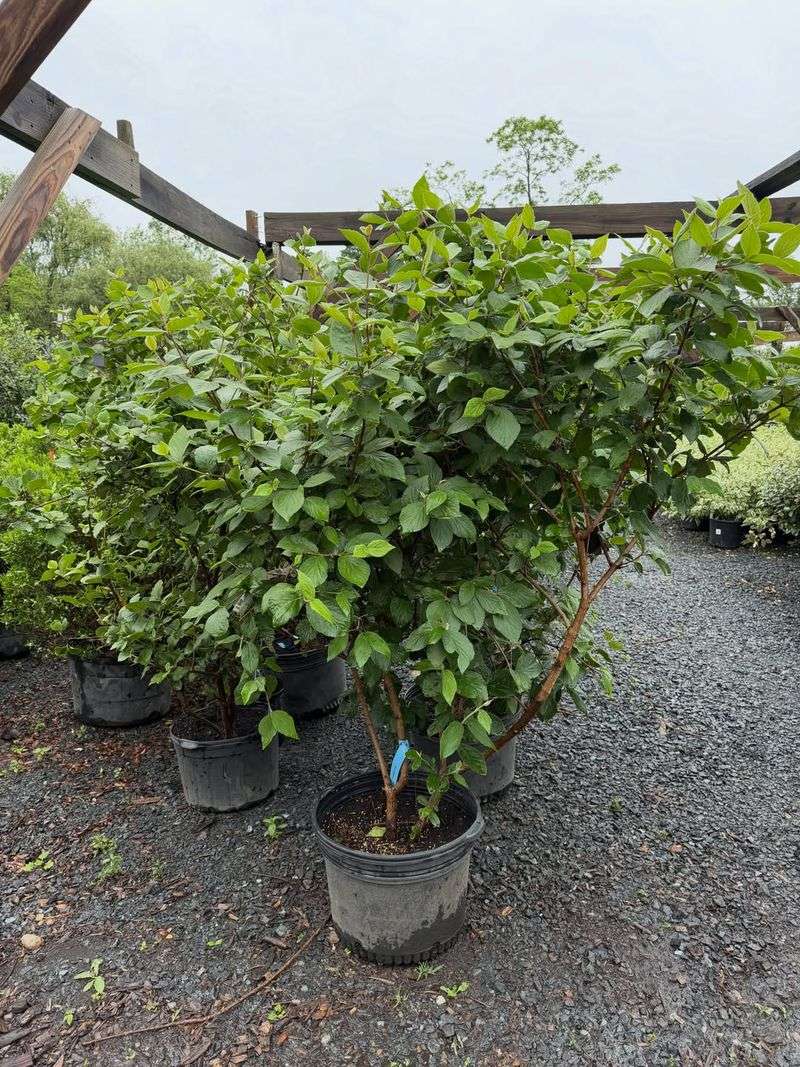
Retail space at a nursery is competitive. The plants that get the prime spots near the entrance are usually the ones with the most visual appeal or the strongest sales history.
Native shrubs like arrowwood viburnum often end up in a side section, tucked behind the ornamental grasses or near the back of the shade plant area. If you are not specifically looking for it, you might never find it.
That placement problem is not a reflection of the plant’s quality. It reflects how nursery buying works.
Shoppers tend to buy what they see first, so retailers stock what sells, and the cycle continues.
Breaking that cycle starts with the shopper asking a direct question at the counter: do you carry arrowwood viburnum or any native viburnum selections?
Specialty native plant nurseries, conservation district sales, master gardener plant sales, and online native plant retailers often carry stronger selections of Viburnum dentatum. Some include named cultivars with specific size or color traits.
OSU Extension and the Ohio Native Plant Society are good starting points for finding reputable local sources. A little extra searching almost always turns up a good plant at a fair price, and the effort is worth it.
6. Gardeners Often Miss Its Four Season Value
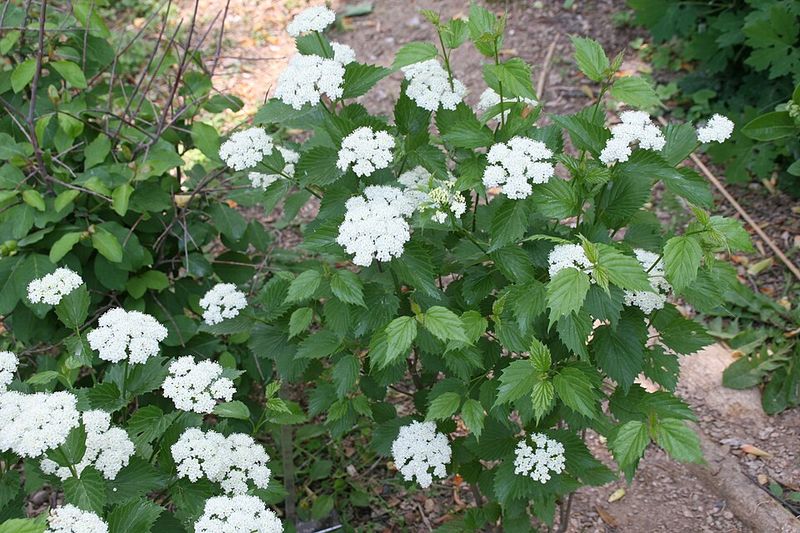
Most shrubs earn their place in a yard during one season and coast through the rest. Forsythia blooms hard in March and then blends into the background for nine months.
Hydrangeas peak in summer and look bare all winter. Arrowwood viburnum does not deliver one loud seasonal moment, but it offers something across the full calendar year that adds up to consistent landscape value.
Spring brings the white flower clusters that support pollinators. Summer provides a clean, full canopy of dark green toothed leaves that give borders structure and help screen neighboring properties.
When conditions and cross-pollination are right, late summer and fall bring clusters of dark fruit that attract birds as they move through the region. Then the leaves shift into red, orange, and burgundy tones that hold well into autumn.
Even in winter, the multi-stemmed branching habit of a mature arrowwood viburnum adds visible structure to an otherwise flat landscape. The stems are upright and layered in a way that reads as organized without looking stiff.
Gardeners who think in terms of year-round landscape performance, rather than peak-season spectacle, tend to appreciate this shrub the most. Its value is cumulative and quiet, which is exactly what a well-designed yard needs as its backbone.
7. Its Size Scares Off Small Yard Owners Too Soon
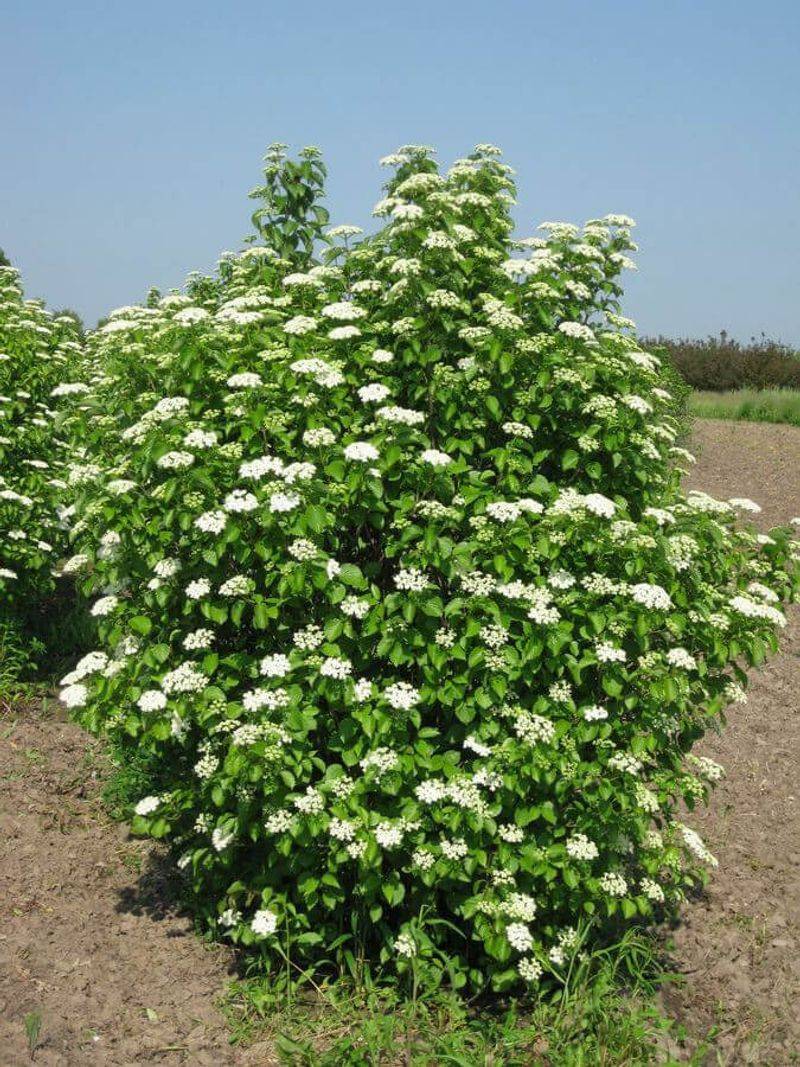
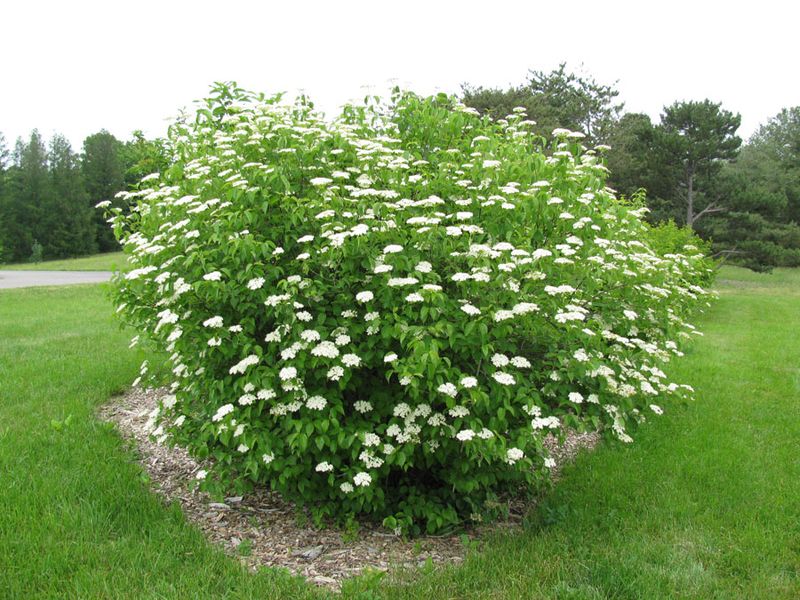
Reading the mature size on a plant tag can stop a sale faster than a high price. Arrowwood viburnum typically reaches six to ten feet tall and nearly as wide at maturity, depending on the selection.
For someone with a small front yard or a tight foundation bed, that number can feel like a dealbreaker before the plant ever gets a fair evaluation.
The honest answer is that this shrub is not the right fit for every spot. Cramming a ten-foot viburnum under a window or in a narrow strip between a sidewalk and a wall is not good planning.
But that does not mean small yard owners have no options. Shrub borders along a back fence, woodland edges, property line plantings, and wider foundation beds along a garage wall can all accommodate arrowwood viburnum well.
That can be true even on a modest-sized lot.
Named cultivars like Autumn Jazz and Blue Muffin offer more compact habits than straight species plants. That gives gardeners with limited space a more manageable option.
Always check the mature size of the specific selection before planting, not just the general species range. Good placement planning upfront prevents the need to prune aggressively later, and it lets the shrub develop its natural form, which is where its real character shows.
8. Native Viburnum Works Harder Than It Looks
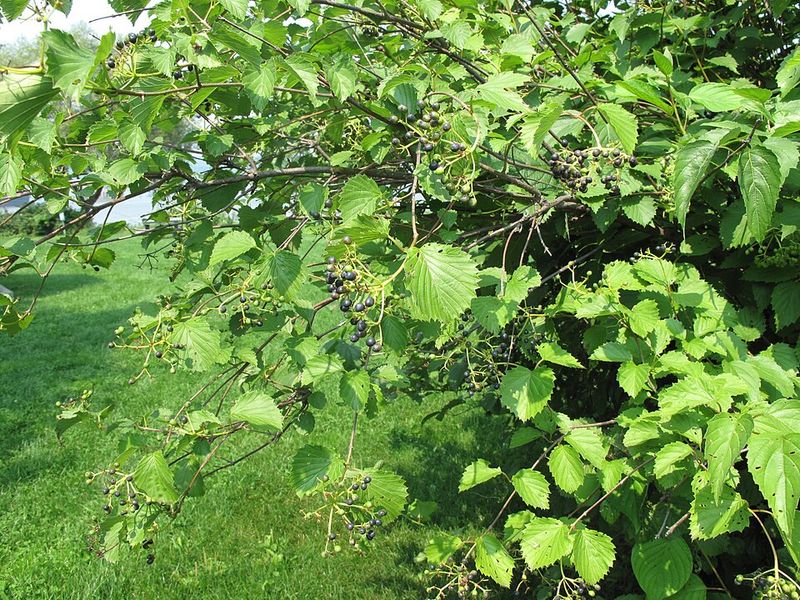
Modest-looking plants sometimes carry the most weight in a landscape. Arrowwood viburnum is exactly that kind of shrub.
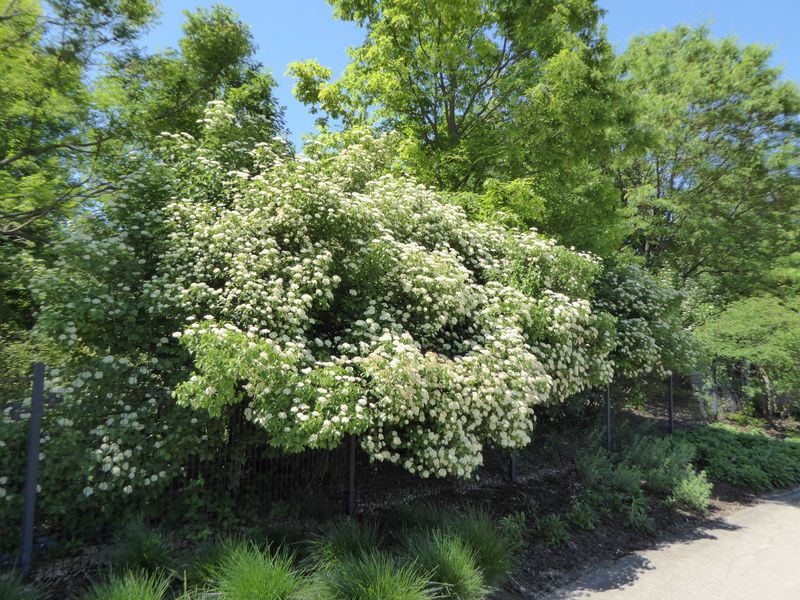
From a distance, it reads as a solid, well-behaved green mass. Up close, across the seasons, it is doing several things at once that most single-species ornamentals simply cannot match.
It supports pollinators during bloom. It provides structure and screening through summer.
It offers fruit for birds when pollination conditions are favorable. It brings fall color without the aggressive spreading habit that makes some colorful shrubs a headache to manage.
And it does all of this as a plant that evolved in this region. That means it is generally well-suited to local soils, rainfall patterns, and seasonal conditions without needing constant intervention.
Planting more arrowwood viburnum in home landscapes across this state is one of the simplest ways to build better yards. Those yards can be more functional, more ecologically connected, and more interesting across the full year.
It is not a perfect plant for every situation, and it rewards thoughtful placement over impulse buying.
But for gardeners who want a shrub that earns its space honestly and keeps contributing year after year, Viburnum dentatum is one of the most underused tools available.
It just needs someone to actually plant it.