Where Cutworms Damage Michigan Fall Seedlings First After A Late-Summer Planting
Cutworms tend to target the most vulnerable part of a young plant, making freshly seeded Michigan fall gardens especially at risk after late summer planting.
These pests usually attack right at the soil line, chewing through tender stems and causing seedlings to topple over seemingly overnight.
Damage often shows up first in the weakest, most crowded areas of a bed where seedlings compete for space. Cutworms are most active during the evening and nighttime hours, making them easy to miss during a quick daytime check.
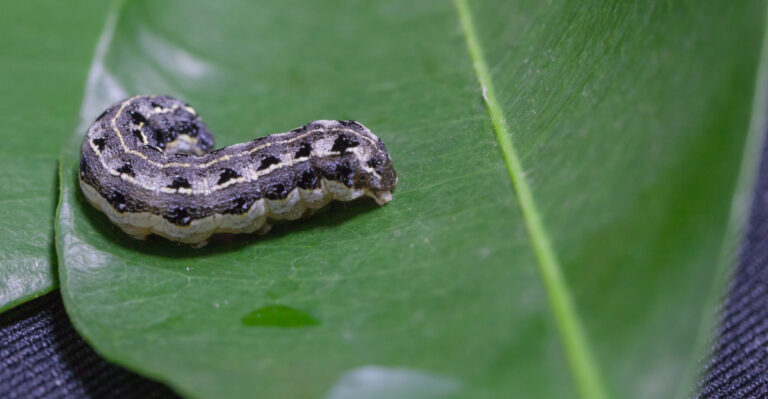
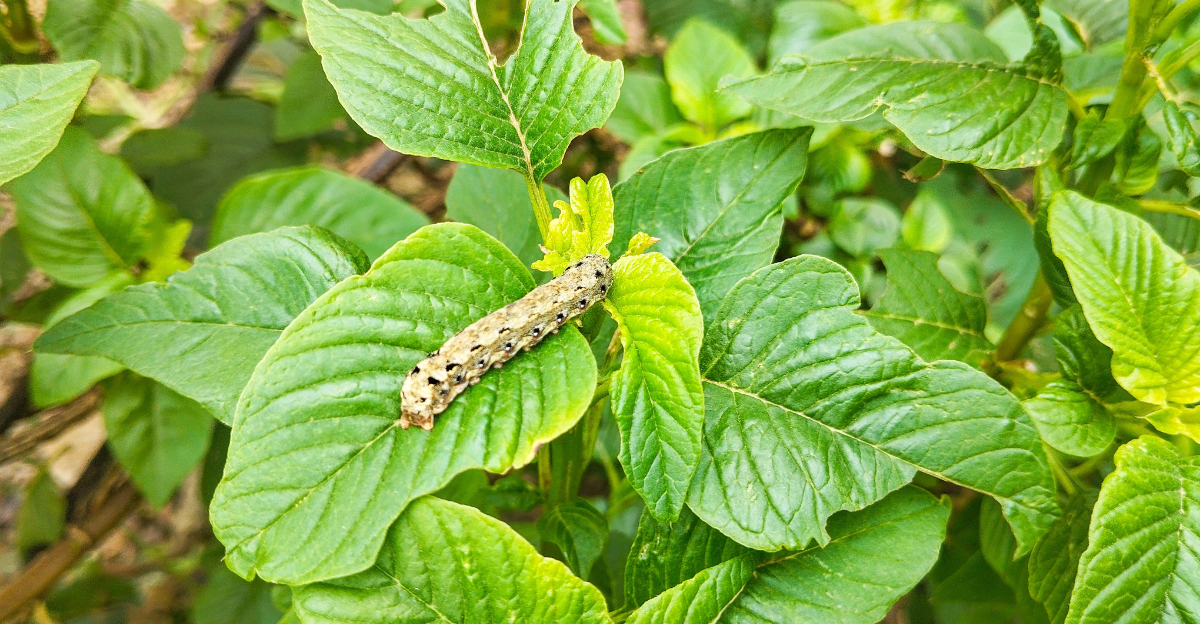
Placing a simple collar made from cardboard or foil around each stem can block their access effectively. Checking soil near damaged seedlings often reveals curled, gray caterpillars hiding just below the surface.
Clearing garden debris before planting reduces hiding spots for cutworms to settle into. A little prevention now protects your fall seedlings during their most fragile stage.
1. At The Stem Where It Meets The Soil
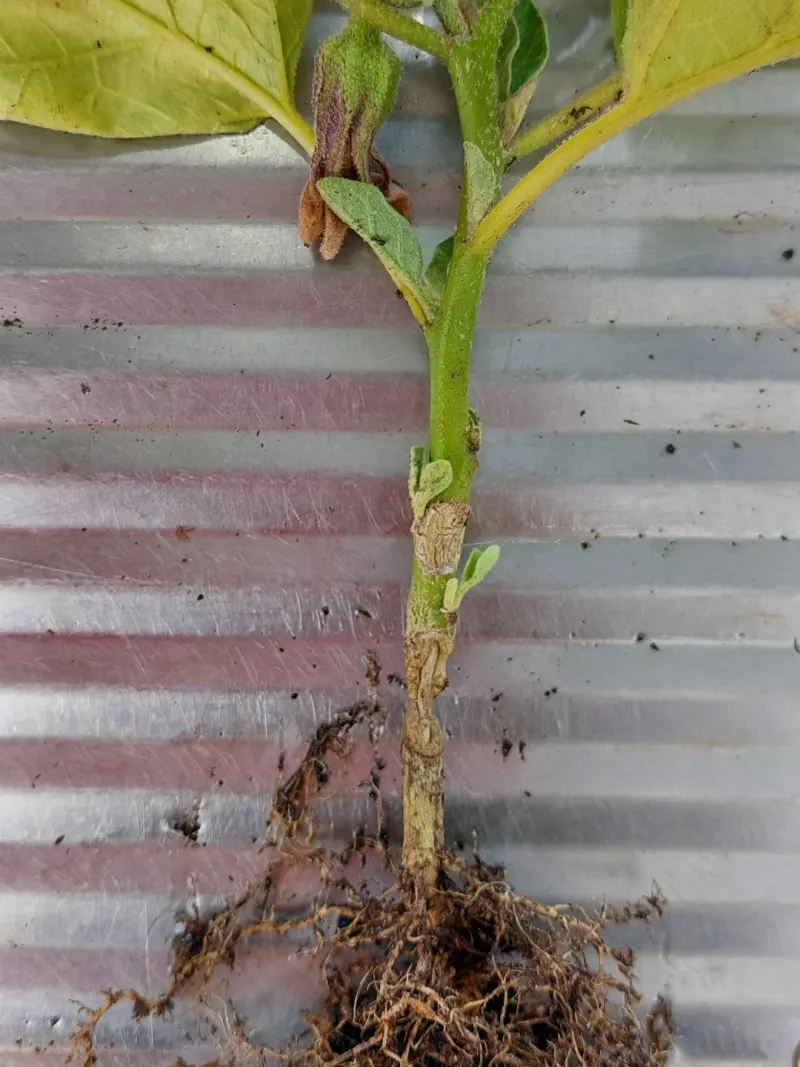
Picture stepping out to your garden on a crisp Michigan morning and finding a healthy-looking seedling just lying there, completely separated from its roots.
That telltale sign points straight to the most common cutworm feeding spot: the thin zone where a tender stem meets the soil surface.
Cutworms are moth larvae that feed mostly at night, and they target this exact location because the stem tissue there is soft, moist, and easy to chew through.
The damage often looks clean, almost like someone snipped the seedling with small scissors. Lettuce, cabbage, kale, broccoli, and beans are especially vulnerable because their stems stay soft and narrow during the first week or two after germination.
A single larva can work through several seedlings in one night before curling back into the soil by morning.
Checking your rows every single morning during those first growth stages makes a huge difference. Walk the bed slowly and look for stems that lean, wilt, or have completely toppled.
If you spot a freshly clipped stem, gently dig into the surrounding soil within a few inches because the larva often rests just beneath the surface nearby. Catching it early stops further damage before it spreads down the row.
Physical barriers like small cardboard collars pressed an inch into the soil around each seedling can protect that vulnerable stem zone and buy your plants time to grow thicker and stronger.
2. Just Beneath The Soil Surface
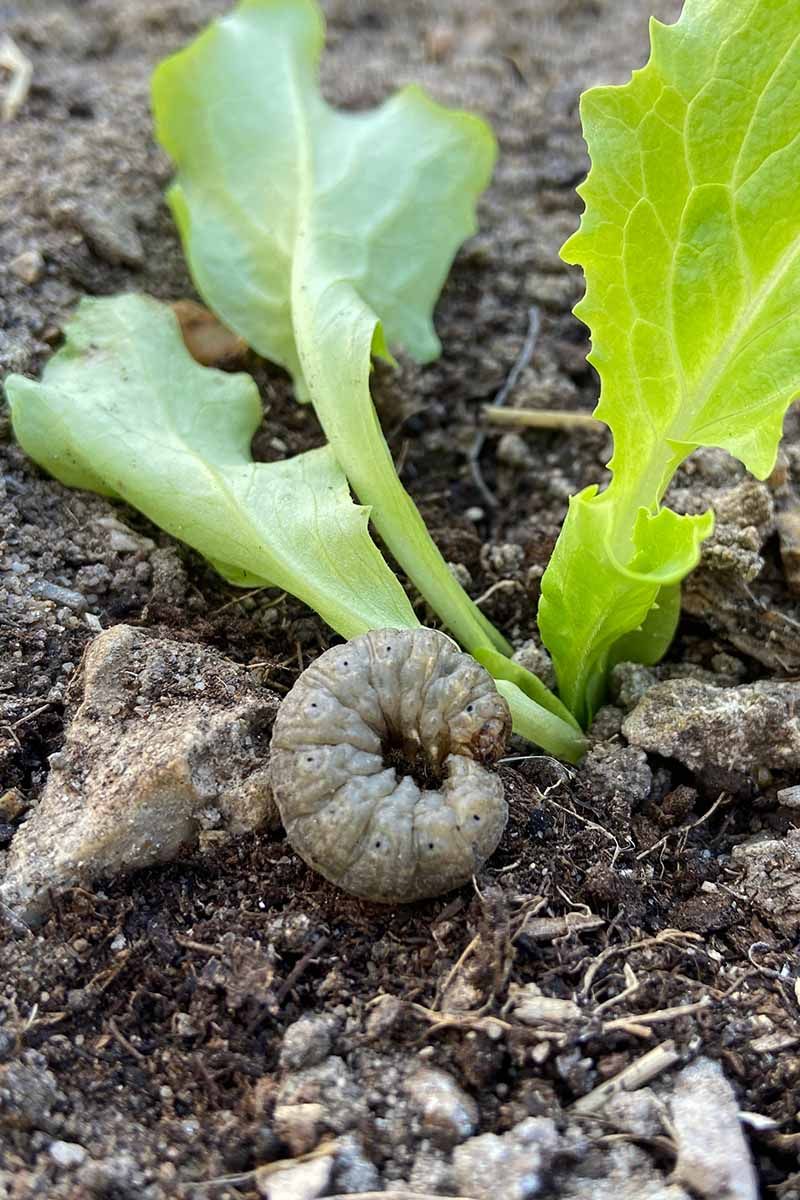
Not every cutworm feeds above the ground where you can easily spot the problem. Some species work just below the soil surface, chewing through the lower stem or root crown before any obvious above-ground sign appears.
The confusing part is that the leaves can look perfectly fine at first glance, yet the plant has already lost its anchor and will soon wilt or pull loose with almost no resistance.
Michigan gardeners sometimes assume drought stress or transplant shock caused a seedling to suddenly collapse, but a quick check beneath the surface tells the real story. Gently press your finger into the soil right beside the base of a struggling plant.
Your Michigan Garden Changes Every Week. Your Plan Should Too.
Gardening in Michigan changes quickly throughout the season. Every Friday you’ll receive a simple weekly plan showing exactly what to plant, prune, fertilize, harvest, and protect so you never miss the right timing.
If the stem feels loose or breaks away easily, something has been feeding below ground. Look for a plump, smooth-skinned larva curled into a tight C shape, which is the classic resting posture cutworms take when they get disturbed.
Subsurface feeding tends to happen more often in heavier, moister soils where larvae can move freely just under the surface without drying out.
Garden beds with good organic matter and consistent moisture, which are exactly the conditions most Michigan fall gardeners aim for, can also attract more of this underground activity.
Probing the top inch or two of soil around any suspicious seedling is a smart daily habit during the first two weeks after planting.
Finding the larva before it moves to the next plant is the most direct way to stop the damage from spreading further through your fall bed.
3. Along Rows Of Newly Emerged Seedlings
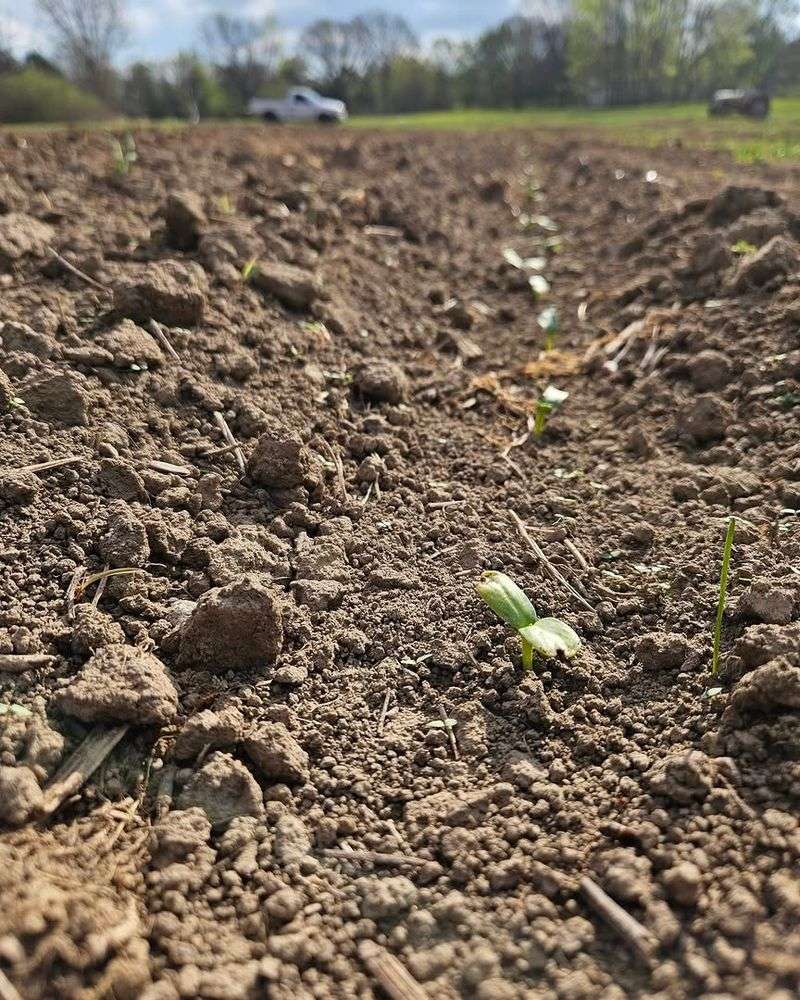
Freshly emerged rows carry a quiet excitement for any gardener, but those tiny seedlings are also at their most exposed.
Right after germination, stems are at their narrowest and most tender, making them far easier for a cutworm to work through compared to a plant that has been growing for several weeks.
A single larva moving along a row can leave behind a trail of clipped or missing plants that follows the planting line almost perfectly. Spotting a pattern of damage is actually one of the most useful clues you have.
Random missing plants scattered across the bed might point to other causes, but a sequence of two, three, or four clipped seedlings in a straight line strongly suggests a cutworm moved from one plant to the next during a single night.
The larva does not always travel far, but it can cover enough ground to damage several seedlings before returning to the soil before sunrise.
When you find that kind of row damage, mark the last affected plant with a small stake or flag and then look carefully at the healthy seedlings within the next foot or two.
The cutworm may have paused nearby and could still be resting in the soil close to the next target.
Scouting at dusk or just after dark with a small flashlight gives you the best chance of actually spotting the larva on the soil surface before it feeds again.
Catching it at that point protects the remaining seedlings and keeps your fall row intact through the critical early weeks of growth.
4. Around Newly Set Fall Transplants
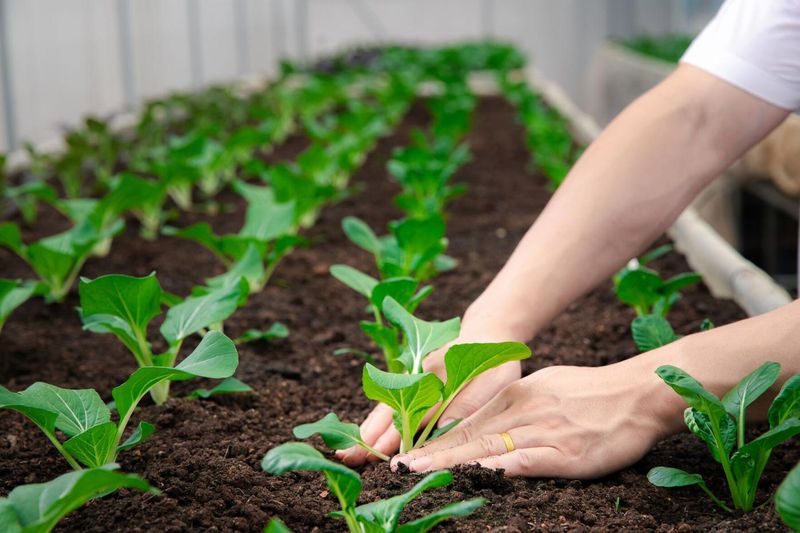
Transplants go through a stressful adjustment period right after they move from a greenhouse or tray into open garden soil. During those first several days, the stems stay soft and the root system has not yet fully anchored the plant.
That combination makes newly set cabbage, broccoli, cauliflower, and kale especially tempting targets for cutworms already active in the soil from earlier summer feeding cycles.
Michigan gardeners who set fall transplants in August and early September are working right during the window when late-season cutworm larvae are still feeding actively.
A transplant that looks healthy at planting can be clipped at the base overnight, leaving behind a frustrating gap in your carefully planned fall bed.
Checking the base of each transplant every morning during the first week is one of the simplest habits that pays off quickly.
One of the most reliable physical protections is a collar placed around the stem at planting time. Cut a strip of cardboard, a section of a plastic cup, or a short length of stiff paper into a ring about three inches tall.
Press it about an inch into the soil so it surrounds the stem without touching it tightly. This barrier makes it much harder for a cutworm to reach the stem from the side.
As the transplant grows and the stem thickens and toughens over the following two to three weeks, the collar becomes less critical.
But during those vulnerable early days after transplanting, that simple ring of material can be the difference between a thriving fall plant and a missing one.
5. Near Weedy Garden Edges
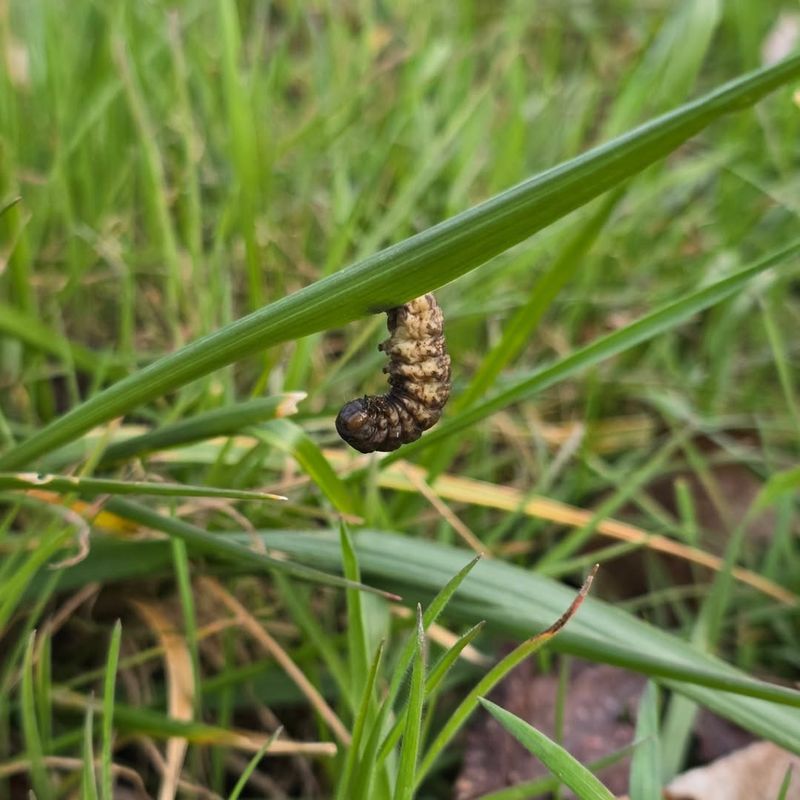
Garden edges are easy to overlook when you are focused on the rows inside the bed, but those weedy borders deserve serious attention during fall planting season.
Cutworm moths lay eggs on grass, chickweed, mustard relatives, and other low-growing plants that commonly line the edges of Michigan vegetable gardens.
The larvae hatch, feed on that vegetation, and then shift their attention toward softer, more tender targets as those weeds start to dry out or decline in late summer.
That movement from weedy border to freshly planted vegetable row is a predictable pattern, and it explains why damage often appears first along the outer edges of a bed rather than in the center.
Seedlings planted closest to an unmowed grass strip or a dense clump of chickweed tend to show cutworm activity before plants deeper in the garden do.
Recognizing that pattern helps you know exactly where to focus your early morning scouting.
Keeping the immediate area around your fall planting reasonably clear of weeds and tall grass reduces the number of larvae that might migrate inward. A mowed or cultivated border strip of even a foot or two can make a noticeable difference.
Just be careful about deep or aggressive cultivation right next to young vegetable rows, because that can disturb the shallow roots of your seedlings.
Light surface weeding and hand-pulling near the planting edge is usually enough to reduce weed cover without stressing the vegetables.
Consistent edge maintenance throughout late summer and fall is one of the quietest and most effective ways to reduce cutworm pressure before it reaches your crops.
6. Beneath Mulch And Plant Debris
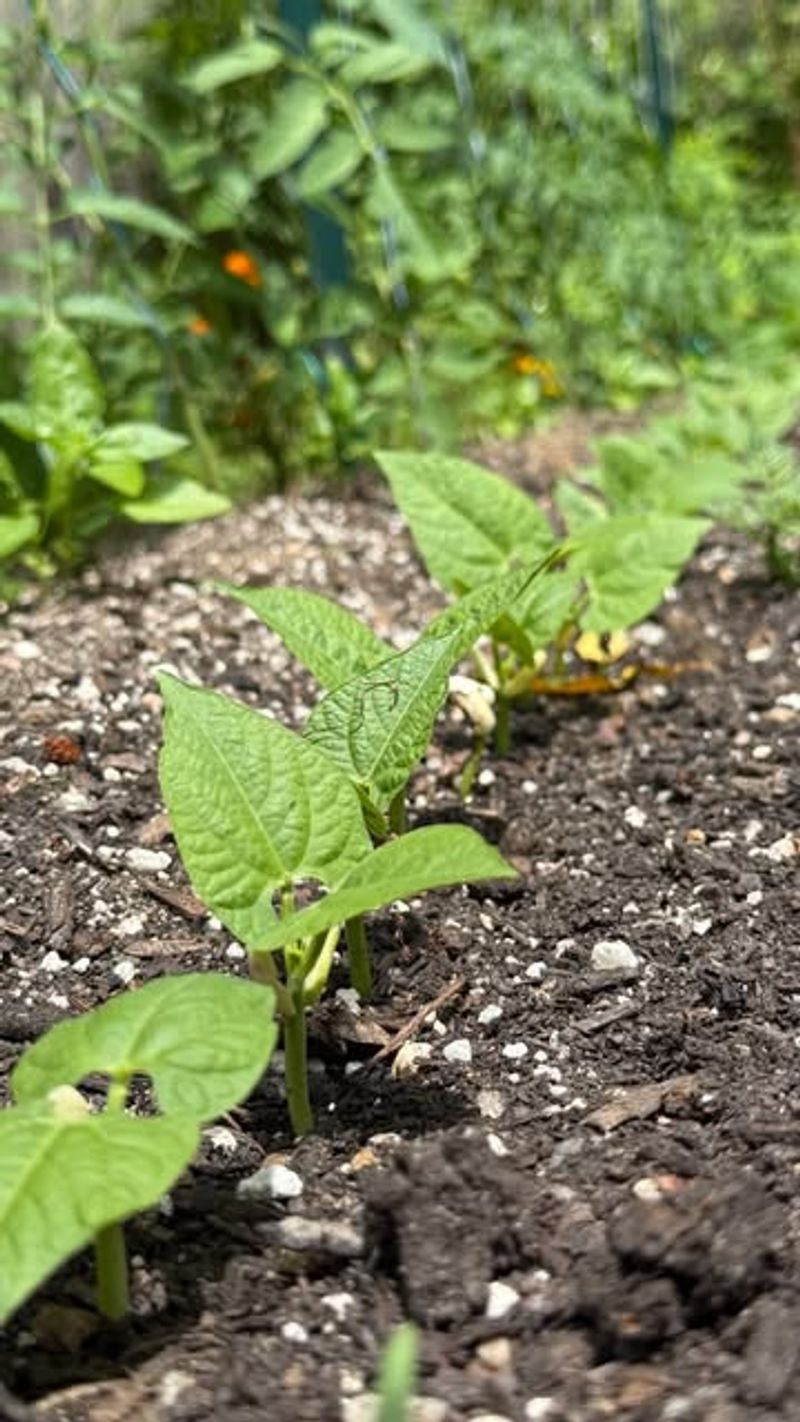
Mulch does a fantastic job of holding moisture, moderating soil temperature, and keeping weeds down, which is exactly why so many Michigan gardeners use it heavily in fall beds.
The problem is that thick layers of organic material, old crop residue, boards, or dense plant debris also create the kind of dark, cool, sheltered environment that cutworms love for daytime hiding.
A larva can rest comfortably under a mat of straw or old leaves all day and then emerge after dark to feed on nearby seedlings.
Checking beneath loose debris close to any clipped or wilting seedlings often turns up the culprit resting just a short distance away. Lift the material carefully and look for a plump, smooth larva curled in a C shape against the soil.
Gardens that went through a full summer growing season tend to accumulate more debris, and that buildup can harbor more larvae heading into fall planting time.
Temporarily pulling back heavy mulch from directly around very young seedlings in areas where you have already spotted cutworm activity is a reasonable short-term step.
Once seedlings grow past the most vulnerable stage and stems toughen up, you can replace the mulch without as much concern.
The goal is not to eliminate mulch entirely, because it genuinely helps fall crops through temperature swings. Instead, think about keeping a small clear zone right at the stem base and reducing the thickest layers closest to the plant until it gains some size and strength.
Staying aware of what lives beneath the surface layer keeps your scouting accurate and your seedlings better protected.
7. On Lower Leaves And Growing Points
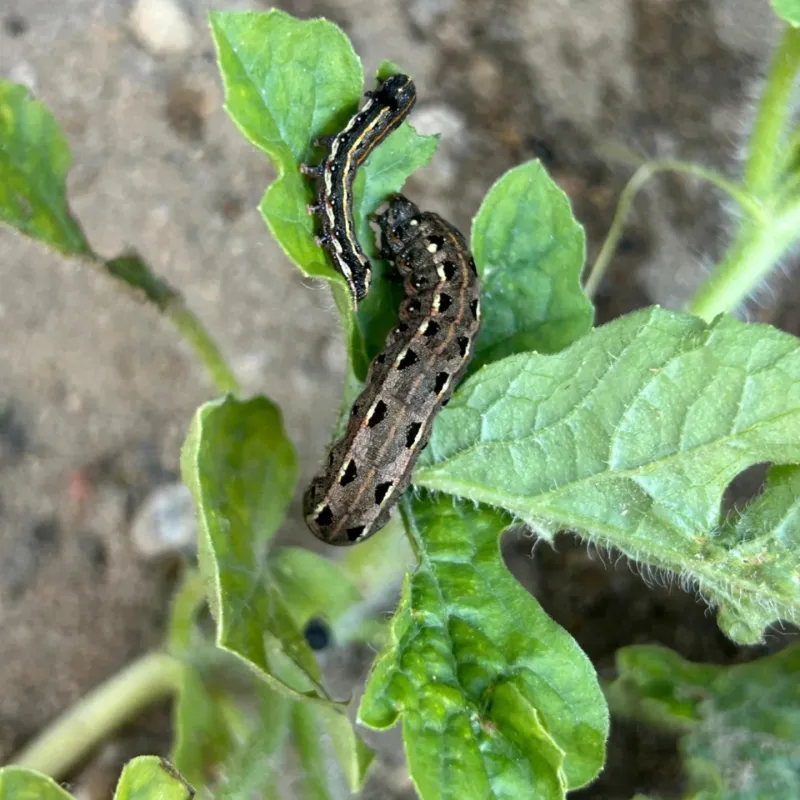
Most people picture cutworms working strictly at ground level, but not every species stays down there.
Climbing cutworms are a real thing, and they move upward along the stem to feed on lower leaves, tender growing points, and young plant tissue before any stem clipping happens below.
If you see irregular holes in the lower leaves of your fall seedlings or notice that the central growing point looks ragged or missing, a climbing cutworm could be responsible.
The tricky part is that this kind of foliage damage looks similar to what slugs, flea beetles, and small caterpillars leave behind.
Flea beetle feeding tends to create tiny round holes scattered across the leaf surface, while slug feeding often shows a slimier, more irregular pattern.
Cutworm feeding on leaves usually appears as larger, chewed-out sections or notches along the leaf edge, sometimes removing whole portions of a lower leaf overnight.
Going out after dark with a small flashlight is genuinely one of the best ways to sort out which pest is actually feeding on your plants.
Cutworms are most active in the first few hours after sunset, so checking between 9 and 11 at night often reveals them on the plant or on the soil surface nearby.
Compare what you find with common Michigan garden pests before deciding on any response, because accurate identification saves time and effort.
Protecting the growing point is especially important because a seedling that loses its central growing tip early on will struggle to recover and may not produce a usable fall crop at all.
8. In Damp Sheltered Areas Near Field Edges
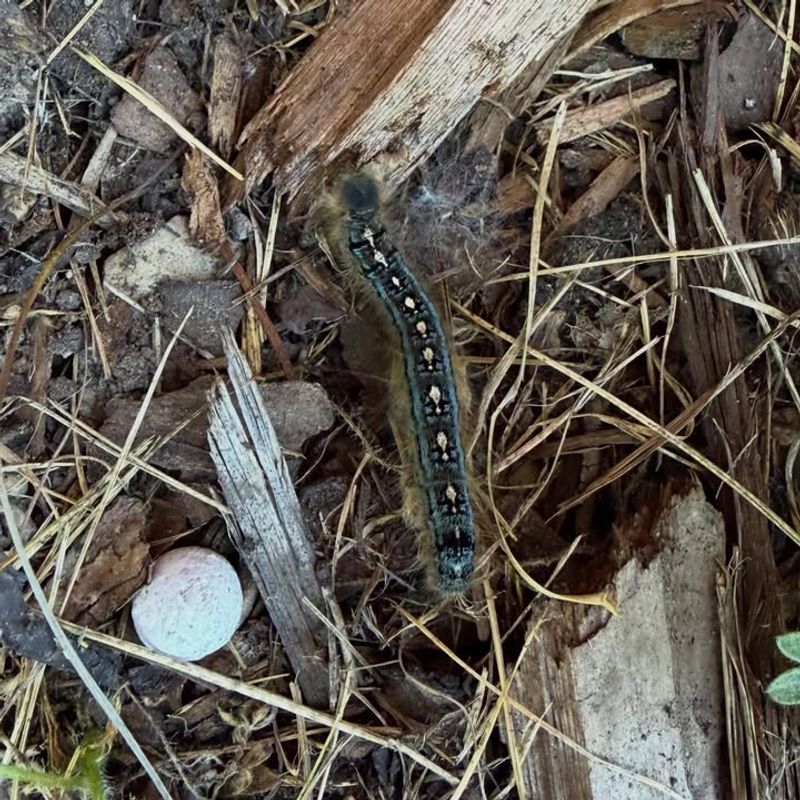
Some corners of a Michigan garden just feel different from the rest: lower spots that stay moist longer, areas bordering a weedy field edge, sections near a drainage ditch, or beds tucked against a dense row of tall vegetation.
Those damp, sheltered zones are prime real estate for late-season cutworm larvae because the soil stays loose and cool, cover is plentiful, and tender fall seedlings are often planted nearby. Damage concentrated in one corner or along one side of a bed is a useful clue.
When several seedlings in a sheltered, low-lying area show signs of clipping while the rest of the garden looks fine, the surrounding environment is likely contributing to higher larva activity there.
Organic soils with high moisture-holding capacity are especially common in Michigan gardens near wetlands or field edges, and those conditions support more cutworm activity through the fall season.
Searching within a few feet of any clipped seedling is always worth the effort because the larva rarely travels far before settling back into the soil.
Early morning scouting, right around sunrise, catches larvae that have not yet retreated fully underground.
Checking after dark with a flashlight is equally effective and sometimes even more productive.
Before responding to any damage, take a moment to confirm you are actually dealing with a cutworm rather than another pest, since accurate identification shapes the best course of action.
As your fall seedlings grow taller and their stems thicken and harden over the following weeks, their vulnerability decreases naturally, and your garden gains steady ground against further cutworm pressure.