Why August Is The Most Dangerous Month For Florida Gardens And What To Do Right Now
July gets the reputation in Florida gardening circles. The heat peaks, the complaints start, and everyone braces for the worst month of the growing season.
August arrives quietly and proceeds to do more damage than July ever managed. The shift is subtle at first.
Heat that was already serious holds longer into the night. Soil that was stressed through July has less reserve left.
Plants that made it through the first half of summer start showing what that effort actually cost them. August in Florida is where gardens that were barely holding on stop holding on entirely.
It is also where a few targeted decisions made right now determine which plants make it to September and which ones do not get the chance. The window for acting is not wide.
August does not ease into its worst stretch. It arrives at full intensity and stays there until the calendar finally forces a change.
1. Heat And Humidity Push Plants Past Their Limits
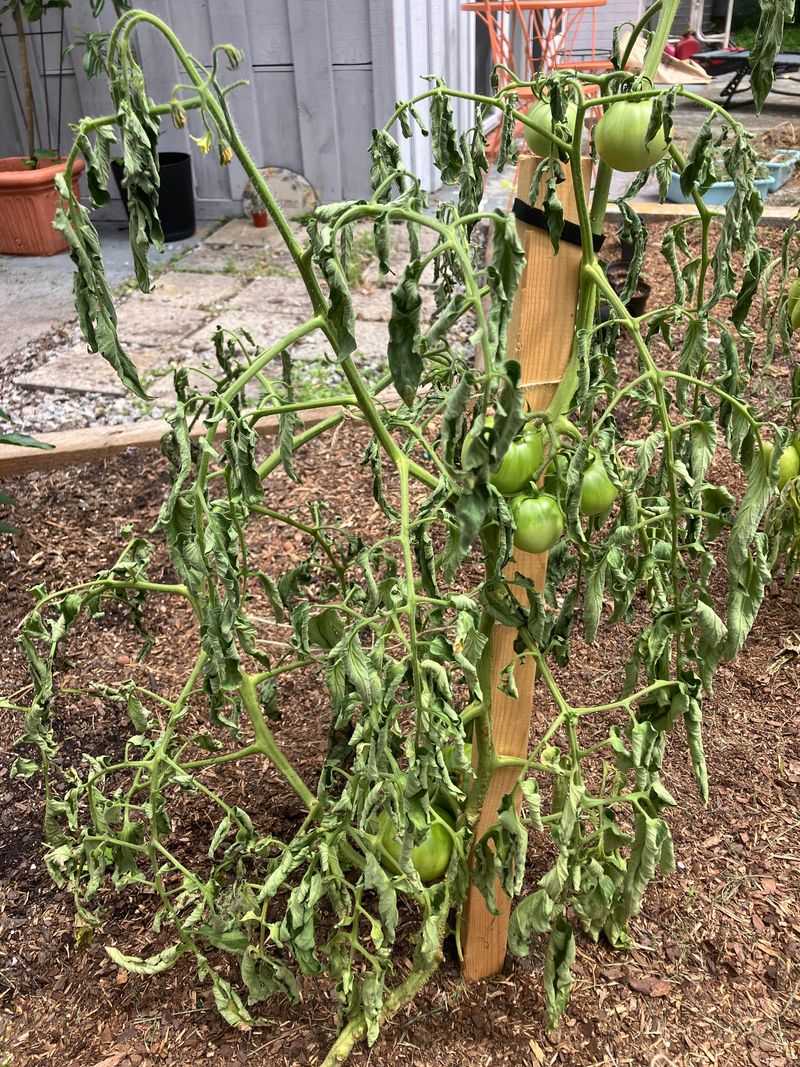
Wilting leaves at noon do not always mean a plant is thirsty. High nighttime temperatures are one of the biggest hidden problems in August, because plants need cooler nights to recover from daytime heat stress.
When temperatures stay above 75 degrees Fahrenheit overnight, many vegetables and herbs cannot reset properly.
Hot soil adds another layer of stress. Raised beds, dark containers, and paved areas can absorb and hold heat well into the evening.
Shallow roots in containers are especially vulnerable because the entire root zone can overheat quickly. Reflected heat from walls, fences, and driveways makes conditions even tougher for plants nearby.
Wilting does not automatically call for fertilizer or hard pruning. Pushing weak growth during peak heat usually makes stress worse, not better.
A stressed plant needs stable conditions, not a dramatic change in care.
Watering early in the morning, when the soil has cooled slightly overnight, gives roots the best chance to absorb moisture before midday heat arrives. A fresh layer of mulch, two to three inches deep, helps insulate soil and slow moisture loss.
Temporary shade cloth rated around 30 to 40 percent can protect vulnerable seedlings or containers. It shields them during the hottest afternoon hours without trapping excessive heat.
Small adjustments made now can help plants hold on until conditions improve in late September and October.
2. Wet Leaves Turn Small Problems Into Disease Fast
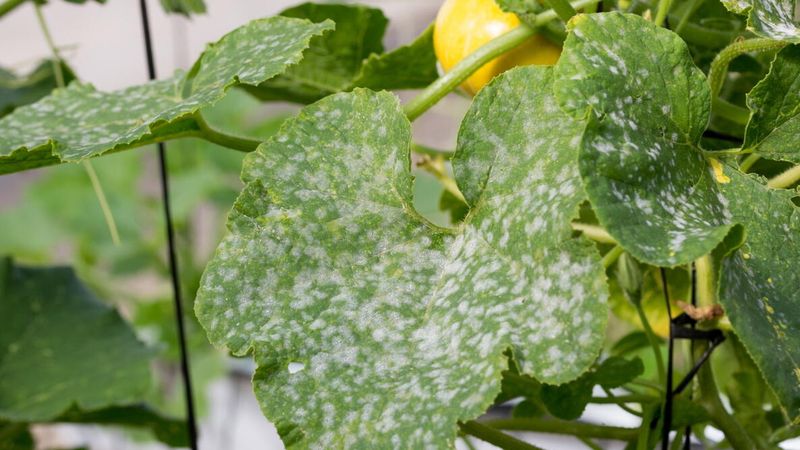
A quick afternoon storm seems harmless enough, but water sitting on leaves overnight is an open invitation for fungal problems.
Humid air, crowded plant spacing, and frequent rain create conditions where leaf spots, mildew-like symptoms, and other disease issues can spread surprisingly fast.
Once one leaf shows signs of infection, nearby leaves in a poorly ventilated bed can follow within days.
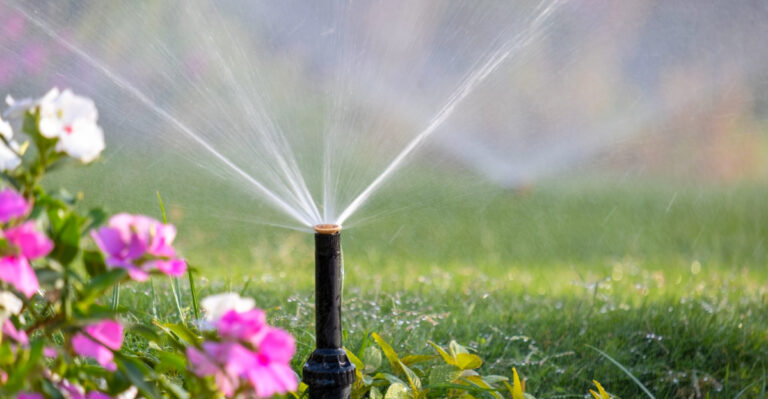
Overhead watering makes this worse. When irrigation sprinklers wet foliage late in the day, leaves may stay damp for hours.
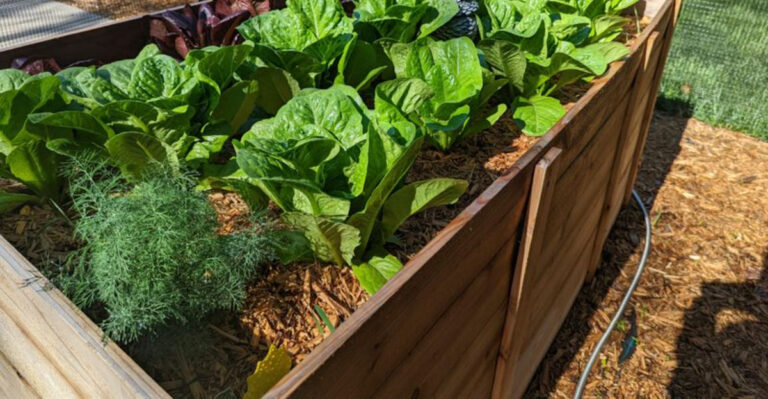
Watering at the soil level, using drip lines or a handheld hose directed at the base of the plant, keeps foliage drier and reduces disease pressure significantly. Soaker hoses are a practical option for raised beds and vegetable rows.
Your Florida Garden Changes Every Week. Your Plan Should Too.
Gardening in Florida changes quickly throughout the season. Every Friday you’ll receive a simple weekly plan showing exactly what to plant, prune, fertilize, harvest, and protect so you never miss the right timing.
Crowded beds trap moisture between leaves and reduce the airflow that helps foliage dry out between rains. Light, careful pruning of interior branches on healthy plants can open up airflow without stressing the plant.
Removing fallen or infected leaves from the soil surface also helps limit the spread of problems to healthy tissue.
Resist the urge to apply a fungicide without first identifying what you are dealing with. Your local UF/IFAS extension office can help with identification and recommend the right response.
Treating the wrong problem with the wrong product wastes money and can harm beneficial insects living in your garden.
3. Pests Find Stressed Plants First
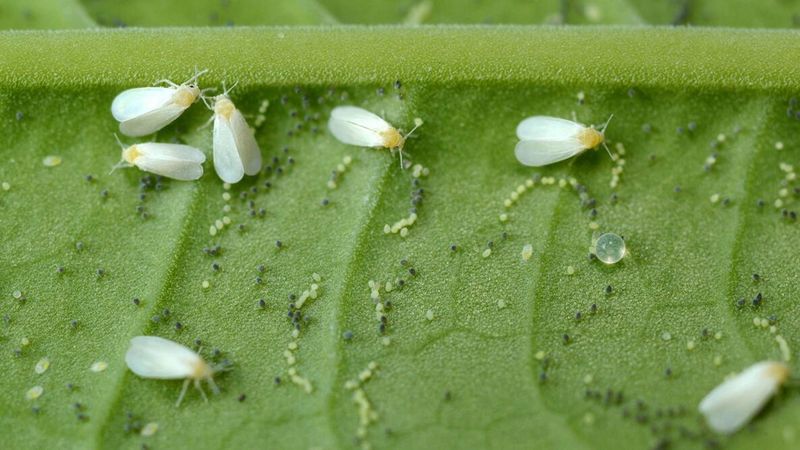
Healthy plants have natural defenses. Stressed ones do not.
When heat, waterlogged soil, or disease has already weakened a plant, pest insects and mites can move in quickly. They can cause damage that would otherwise take much longer to develop.
August conditions create a cycle where stress opens the door for pests, and pest damage adds more stress on top.
Checking plants regularly is the most useful tool you have. Look at the undersides of leaves, along stems, and near the soil line where some pests hide during the day.
New growth is often the first target. Tiny holes, sticky residue, distorted leaves, or fine webbing are all signs worth investigating before damage spreads further.
Correct identification matters more than quick treatment. Broad pesticide applications can harm beneficial insects, including natural predators that help control pest populations on their own.
Many beneficial insects are active in Florida gardens during August, and losing them can make future pest pressure worse.
The UF/IFAS Featured Creatures database and your county extension office are excellent starting points for identification. They can also help you find out whether treatment is actually needed.
Some pest populations stay low enough that plants recover without intervention. Acting with information rather than alarm protects your garden, your pollinators, and your soil health over the long run.
4. Overwatering Does More Damage Than Gardeners Expect
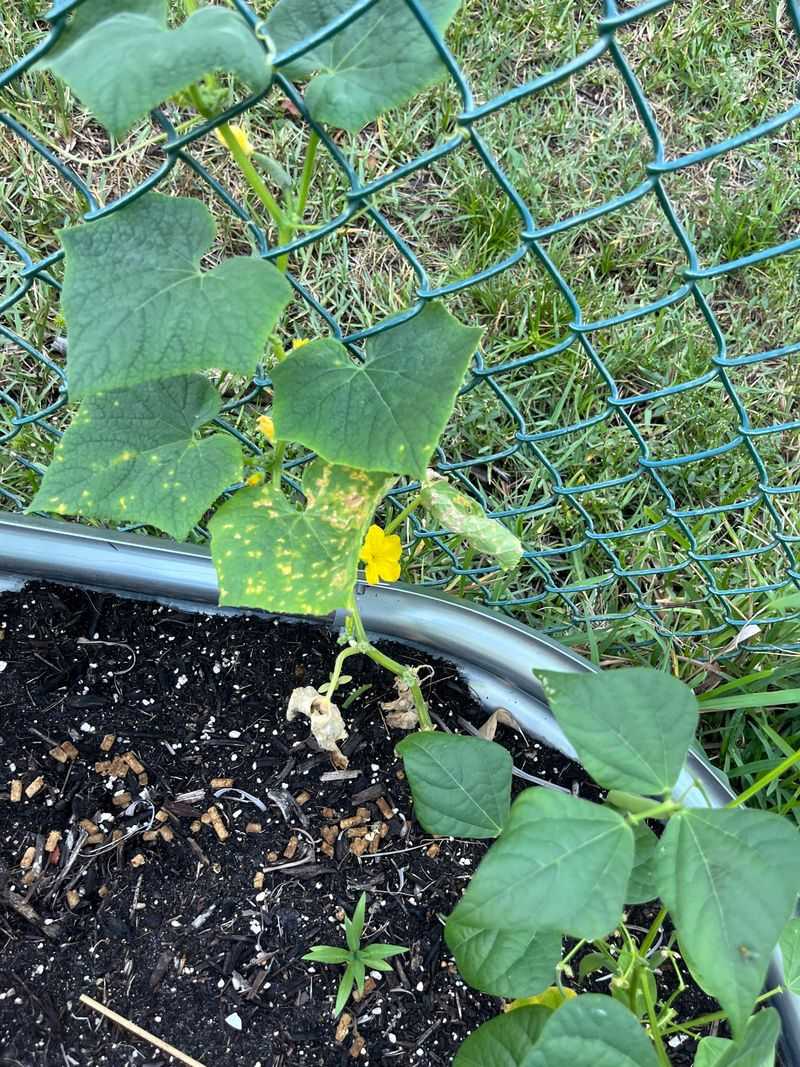
Soggy soil is one of the quietest problems in an August garden. Many Florida gardeners see drooping or yellowing leaves and assume the plant needs more water, when the real problem is that the roots are already sitting in too much of it.
Waterlogged soil pushes out oxygen, and roots need oxygen just as much as they need moisture.
Automatic irrigation systems are a common source of overwatering during rainy season. A schedule set for dry spring conditions can deliver far too much water once summer storms arrive daily.
Adjusting or pausing your irrigation controller after significant rain is one of the simplest and most impactful things you can do for your garden right now.
Dry-looking mulch on the surface can be misleading. The soil two inches below may still be quite wet from yesterday’s storm.
Pushing a finger or a wooden dowel into the soil before watering gives you a much more accurate reading than looking at the surface alone. Containers are especially tricky because they can appear dry on top while holding excess moisture at the bottom.
Make sure containers have working drainage holes and are not sitting in saucers full of standing water. Raised beds with compacted or clay-heavy soil may also need attention to improve drainage before fall crops go in.
Root stress from overwatering can look almost identical to drought stress, so checking moisture first saves plants from unnecessary and harmful overcorrection.
5. Fertilizer Can Backfire Before Heavy Rain
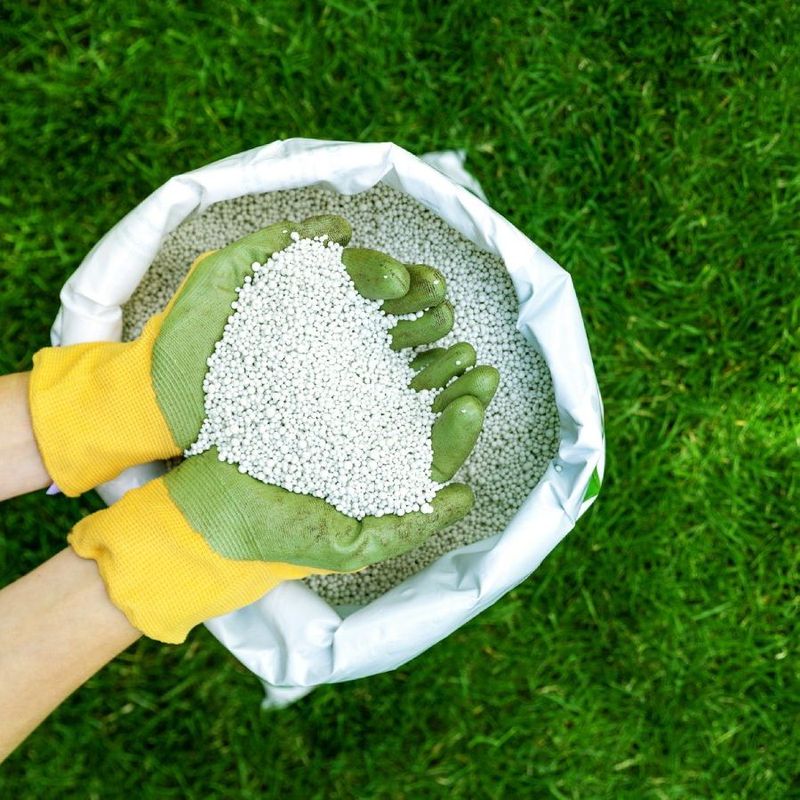
Reaching for fertilizer when plants look pale or slow is a natural instinct, but timing matters enormously in August.
Applying fertilizer right before a heavy rainstorm sends nutrients washing out of the soil and into local waterways before roots ever get the chance to absorb them.
Many Florida counties have fertilizer blackout ordinances that restrict applications during rainy season for exactly this reason.
Check your local ordinances before applying anything. Many communities in central and coastal areas prohibit nitrogen and phosphorus fertilizer applications during summer months, typically from June through September.
Violating these rules can result in fines, and the runoff itself contributes to algae blooms in local lakes, rivers, and coastal waters.
Yellowing leaves in August do not automatically signal a nutrient deficiency. Water stress, root damage from overwatering, poor drainage, pest feeding, or disease can all produce similar symptoms.
Fertilizing a plant that is already stressed from one of these causes often pushes weak, soft growth that pests and disease target even more aggressively.
If you have reason to believe a specific deficiency exists, get a soil test from your county extension office. It can give you accurate information before you spend money on products that may not help.
Slow-release fertilizers are far safer than quick-release options during unpredictable rainy-season conditions. Apply them at the right time and rate, and follow label directions carefully.
6. Weeds Explode When Beds Are Left Open
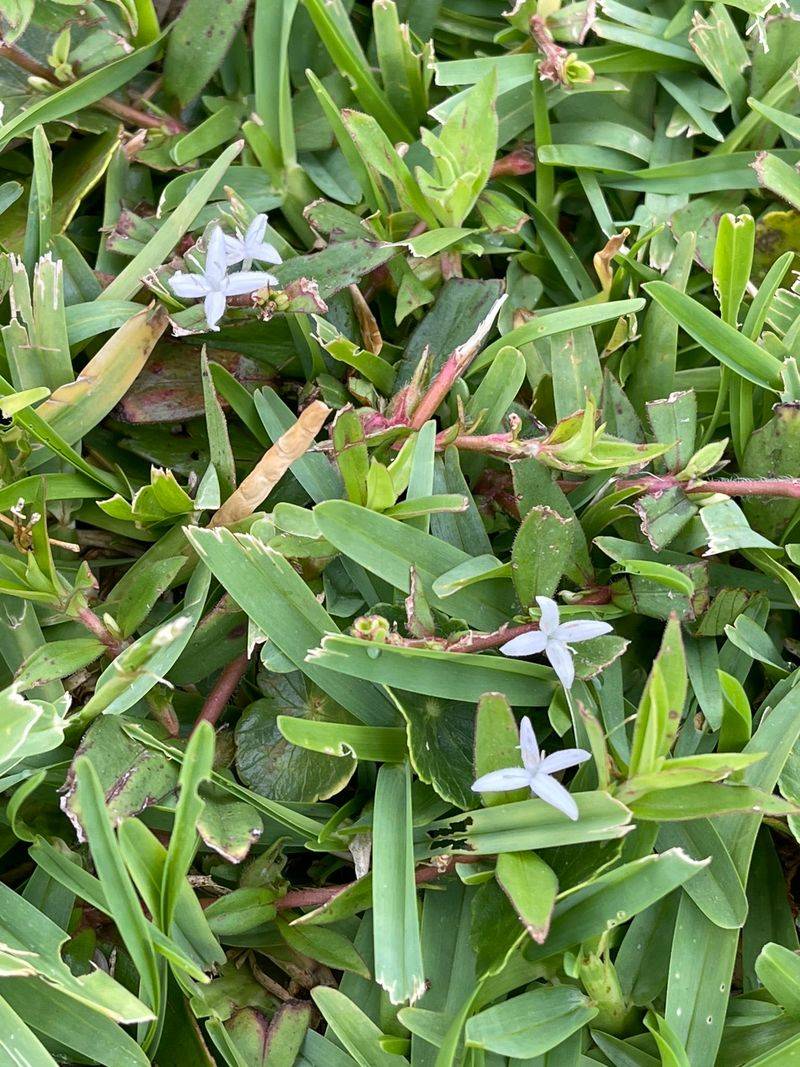
Warm rain, open soil, and a few days of inattention are all weeds need to take over a bed in August. Weed seeds that have been waiting in the soil all season germinate quickly when conditions align.
Summer heat pushes their growth fast enough to outrun a busy Florida gardener in just one week. Once roots deepen and seed heads form, the problem compounds itself.
Pulling weeds when they are small and shallow-rooted is far easier than wrestling with established ones later. A quick walk through your beds every few days, removing weeds before they flower, keeps populations manageable without requiring a major effort.
Focus especially on open patches near vegetable rows and along bed edges where seeds tend to land and sprout first.
Refreshing mulch is one of the most effective weed-control strategies available. A consistent two-to-three-inch layer of organic mulch blocks light from reaching weed seeds in the soil below.
Avoid piling mulch directly against plant stems, which can trap moisture and invite disease or pest problems at the base of the plant.
Homemade weed treatments like vinegar or salt solutions can harm soil health and nearby plants, so skip those entirely. Keeping bed edges clean and maintaining good mulch coverage is safer and more sustainable.
It also helps conserve soil moisture and regulate soil temperature during the hottest weeks of the year.
7. Fall Crops Need Protection Before They Start
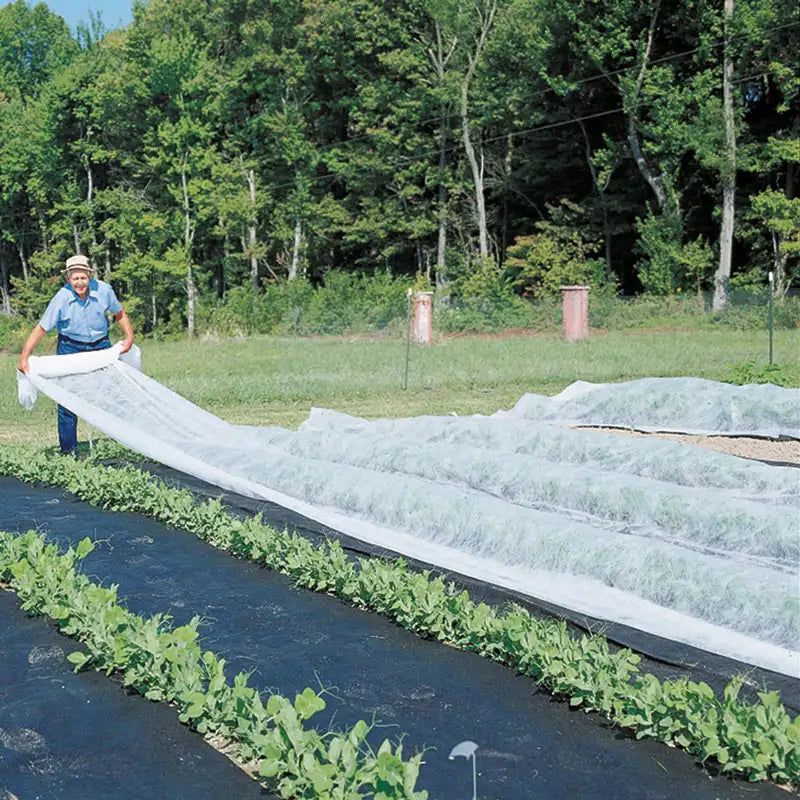
Late summer feels like the wrong time to think about fall vegetables. But in warm-weather growing zones, the window for starting cool-season crops opens earlier than most people expect.
August is a transition month, and getting the timing right requires regional awareness rather than a one-size-fits-all approach. Planting too early into peak heat can stress or set back seedlings before they ever have a chance to establish.
The UF/IFAS vegetable gardening guides include planting calendars organized by region, covering northern, central, and southern growing zones across the state.
These calendars reflect local climate patterns and give realistic planting windows for crops like broccoli, collards, kale, beans, and squash.
Using these guides takes the guesswork out of timing and reduces the risk of planting into conditions that are simply too harsh for tender starts.
Seedlings started in August need extra attention. Harsh sun, irregular rain, and active pest pressure can overwhelm young plants quickly.
Shade cloth rated at 30 to 40 percent can protect seedlings during the hottest hours without blocking the light they need for healthy development.
Monitoring soil moisture carefully is critical at this stage, because small containers and seedling trays dry out faster than garden beds. Waiting a week or two when conditions are extreme is often smarter than pushing forward.
That can prevent losing a tray of carefully tended starts to a sudden heat spike or pest surge.
8. Smart August Care Starts Before Panic Sets In
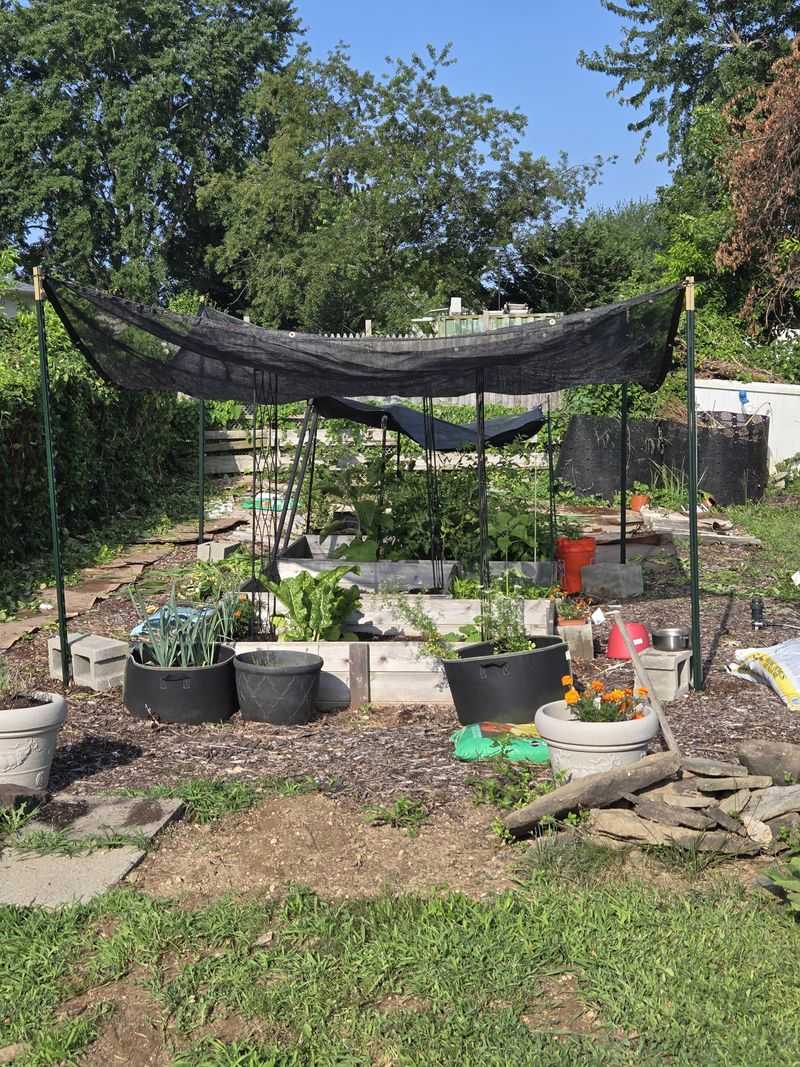
The biggest mistake August gardeners make is reacting too fast. A wilted plant triggers extra watering.
A yellow leaf triggers fertilizer. A pest sighting triggers a broad pesticide spray.
Each of these reactions, applied without checking the actual cause first, can create a second problem on top of the original one. Observation is the most valuable tool in a summer garden.
Start each garden visit by checking soil moisture before turning on the hose. Look at leaves, stems, and soil before reaching for any product.
Notice whether problems are isolated to one plant or spreading across a bed. Check whether new growth looks healthy or distorted, and whether drainage is working after recent rain.
Small, consistent actions outperform dramatic interventions every time. Refreshing mulch, pulling small weeds, and adjusting irrigation after a storm all help.
So do improving airflow with light pruning on healthy plants and monitoring pests early. Together, these steps protect plants without adding stress.
Delaying fertilizer when storms are in the forecast is one smart choice. So is avoiding transplanting during peak afternoon heat.
Planning fall crops around local conditions also reflects the patience August rewards. The gardens that come through late summer in the best shape are usually tended with restraint and care.
They are not the ones given the most products or the most aggressive fixes during the hardest weeks.