Can Grass Seed Grow On Top Of Michigan Soil? Here’s What You Need To Know
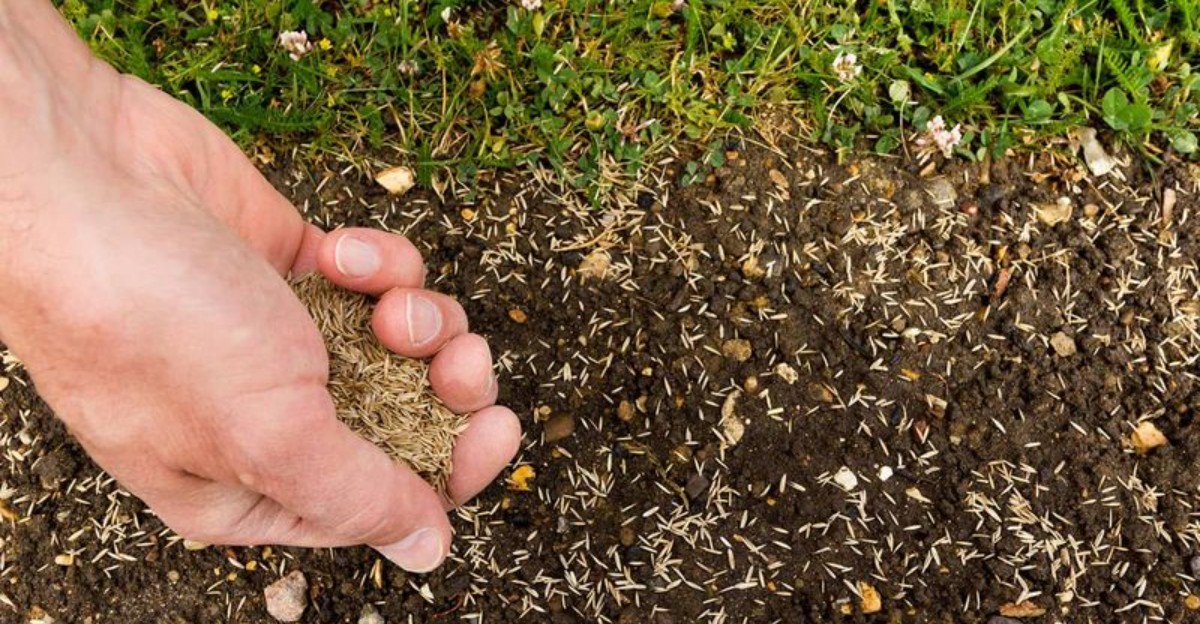
Scattering grass seed directly onto the surface of existing Michigan soil is a common shortcut, but whether it actually works depends on several important factors.
Seed-to-soil contact plays a critical role in germination, since seeds left sitting fully exposed on top of hard or compacted ground often dry out before they ever have a chance to sprout.
Without at least some light raking or topdressing to nestle seeds into the surface, germination rates can drop significantly compared to properly prepared soil.
Timing and consistent moisture also become even more important when seed is applied this way, since there’s less soil buffer to protect against sudden dry spells.
Knowing these limitations upfront can help Michigan homeowners decide whether surface seeding is a shortcut worth taking or a step better done properly.
1. Grass Seed Needs Contact With The Soil
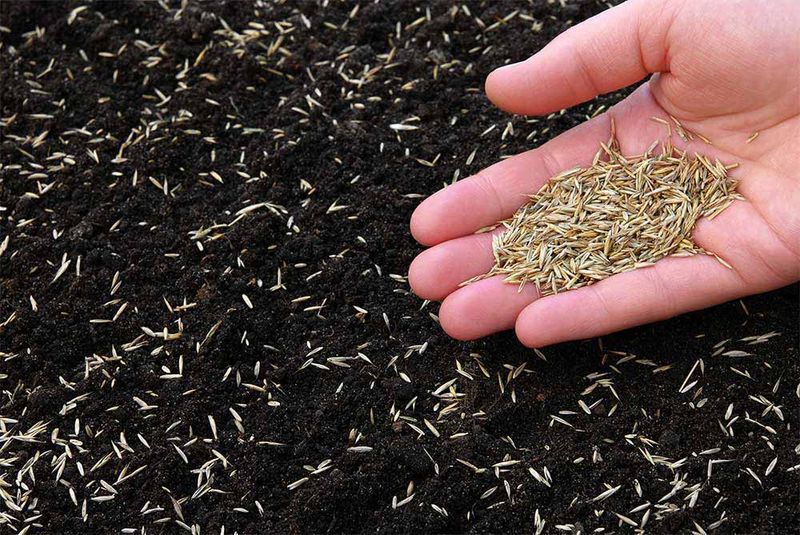
Picture a seed lying loose on hard ground. It looks planted, but it’s barely holding on. Without touching the soil, that little seed can’t soak up the moisture it needs to wake up and grow.
Grass seed relies on steady contact with the soil surface to pull in water and start pushing out roots. When seed just rests on top, wind blows it around, birds snack on it, and the sun dries it out before anything happens.
Michigan soil can be clay-heavy in some spots and sandy in others, so the seed reacts differently depending on where you live.
On packed clay, seed often sits high and struggles because it can’t settle into the surface. On loose sandy ground, it may drift too deep or wash away.
The fix is simple. Press the seed gently into the soil so each one hugs the ground. You can walk over the area, use a lawn roller, or pat it down with the back of a rake.
Good contact means the seed stays put, drinks up moisture evenly, and sends roots straight down. That connection is the foundation of every healthy lawn.
Skipping this step is the most common reason new grass comes in thin and spotty. A few minutes of pressing seed into place saves you from reseeding later.
Think of it like planting a tiny anchor. Once the seed grips the soil, everything else falls into place much faster and stronger.
2. Lightly Rake Before Overseeding
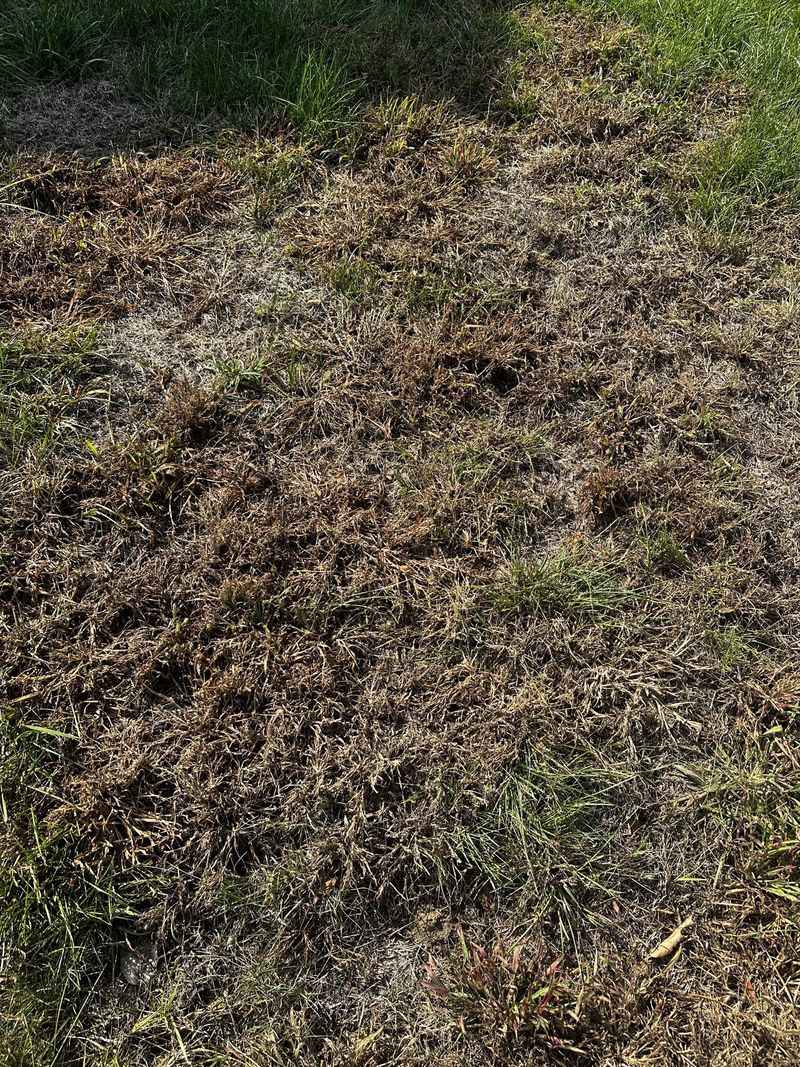
A smooth, crusty lawn surface is tough for seed to grab onto. Loosening it up first changes everything. You don’t need heavy machines or deep digging, just a gentle scratch across the top.
Raking the surface breaks up the hard crust and creates tiny grooves and pockets. Seeds tumble into these little dips and settle right where they need to be, touching the soil instead of bouncing away.
For Michigan lawns, this trick works great when you’re overseeding thin areas in fall. Grab a metal rake and drag it back and forth over the bare or patchy spots. You only want to disturb the top quarter inch or so.
Deep tilling isn’t necessary and can actually stir up buried weed seeds. A light raking keeps things simple while still giving your new grass a cozy home.
Your Michigan Garden Changes Every Week. Your Plan Should Too.
Gardening in Michigan changes quickly throughout the season. Every Friday you’ll receive a simple weekly plan showing exactly what to plant, prune, fertilize, harvest, and protect so you never miss the right timing.
After you scratch the surface, spread your seed evenly by hand or with a spreader. Then rake once more, very gently, to nudge seed into the loosened soil.
This tiny bit of effort boosts your germination rate in a big way. More seeds settle in, more sprouts pop up, and your lawn fills in thicker.
Bare patches especially benefit because the loosened ground holds moisture longer than packed dirt. That steady dampness helps seeds sprout quickly.
Roughing up the surface takes only a few minutes but pays off with a fuller, greener yard. It’s one of the easiest ways to help seed succeed.
3. Do Not Bury Grass Seed Too Deep
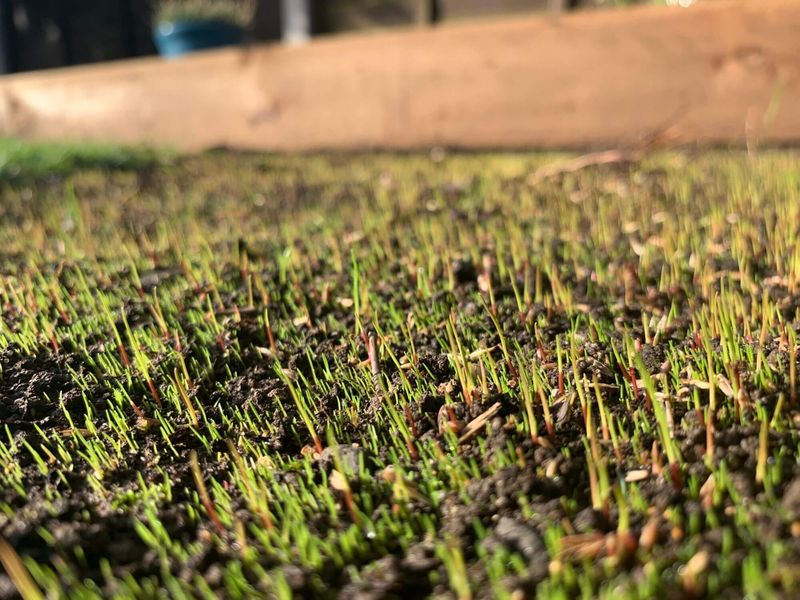
More depth does not mean more growth. Burying seed too far below the surface actually stops it from ever showing up. Many people think deeper is safer, but the opposite is true.
Grass seed needs oxygen and moisture to germinate. If buried too deeply, seedlings may not have enough stored energy to reach the surface.
The sweet spot for grass seed is right near the surface, usually no more than a quarter inch deep. Some seeds do best with just a light dusting of soil over them, barely covered at all.
In Michigan, common cool-season grasses like Kentucky bluegrass and fescue follow this same rule. Their seeds are small and simply can’t push through a thick layer of dirt.
If you rake seed in, keep it gentle. You want the seed nestled in, not shoveled under. A heavy hand with soil or compost buries the seed too far.
An easy way to check is by looking after you spread. You should still spot some seeds peeking through the surface here and there. That tells you the depth is about right.
Watering carefully also matters, since blasting the ground with a hose can wash soil over the seed and bury it accidentally. Use a soft, misting spray instead.
Keeping seed shallow lets sunlight and air do their job. Get the depth right and you’ll see sprouts poke up faster than you expect.
4. Keep The Seed Moist After Planting
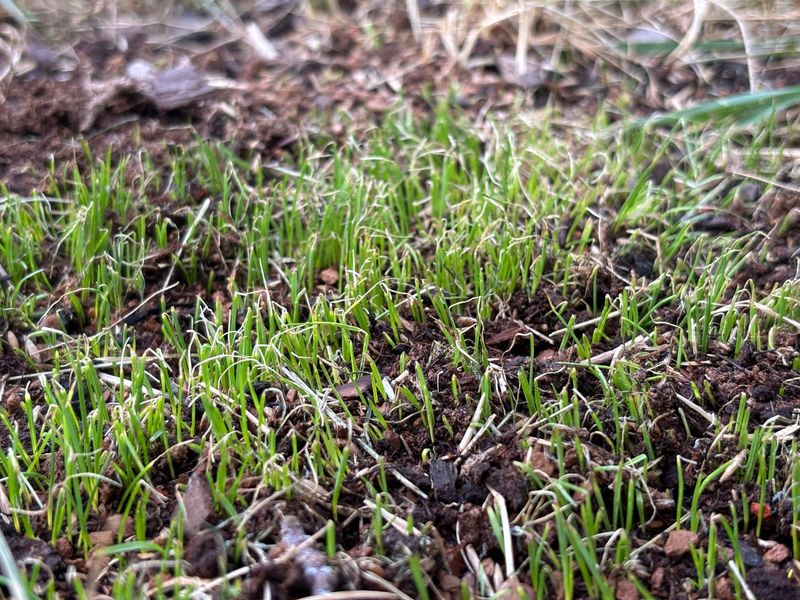
Water is the magic that wakes a sleeping seed. Once you plant, keeping the ground damp becomes your most important job. Let it dry out, and your hard work fades fast.
Newly planted seeds need steady moisture to sprout and settle their first roots. If the seedbed dries even once during germination, many seeds stop growing and won’t recover.
The trick is light, frequent watering rather than heavy soaking. Mist the area a couple of times a day so the top layer stays moist but never turns into a muddy pool.
Michigan weather can swing from sunny to breezy in a single afternoon, which dries soil quickly. Keep an eye on your lawn and water more often on warm, windy days.
Morning and early evening are the best times to water. The cooler air keeps moisture around longer, giving seeds a steady drink without wasting water to fast evaporation.
Once seedlings are established and growing well, gradually transition to deeper, less frequent watering to encourage stronger roots.
Uneven watering is a top reason lawns come in patchy. Dry corners sprout nothing while damp spots fill in, leaving you with a spotty, streaky yard.
A simple oscillating sprinkler on a timer takes the guesswork out. Consistent moisture during those first few weeks is what turns scattered seed into a thick, healthy carpet of grass.
5. Choose The Right Fall Timing
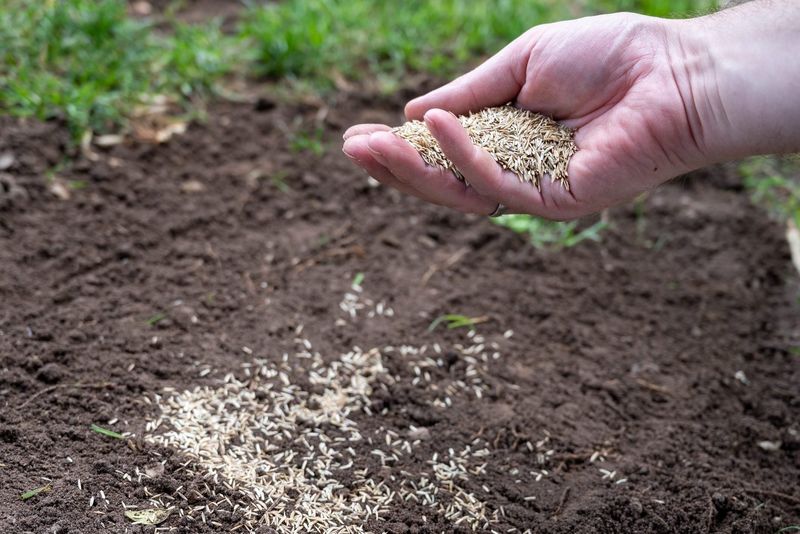
Timing can make or break your lawn dreams. Plant at the wrong moment and even perfect seed struggles. In Michigan, late summer into early fall is the golden window.
Cool-season grasses love this stretch of the year. The soil still holds summer warmth, which helps seeds sprout quickly, while the cooler air keeps tender seedlings from getting stressed.
During these weeks, you also face fewer weeds fighting for space. Crabgrass and other summer troublemakers slow down, giving your new grass room to grow without competition.
Aim for roughly mid August through late September across most of Michigan. This gives young grass enough time to build roots before the first hard frost arrives.
Spring seeding can work too, but it comes with challenges. Warm weather rushes in, weeds wake up hungry, and summer heat can stress grass before it’s ready.
Fall rains also lend a helping hand by keeping the soil naturally moist. That means less watering work for you and steadier growth for your seed.
Pay attention to soil temperature more than the calendar. Grass seed germinates best when soil sits around 50 to 65 degrees, which fall usually delivers.
Seeding a bit early in fall gives grass extra weeks to settle before cold sets in. Roots that grow now will bounce back green and strong next spring.
Nail the timing and everything else gets easier. A fall start often means the thickest, healthiest lawn with the least effort on your part.
6. Add A Thin Soil Layer If Needed
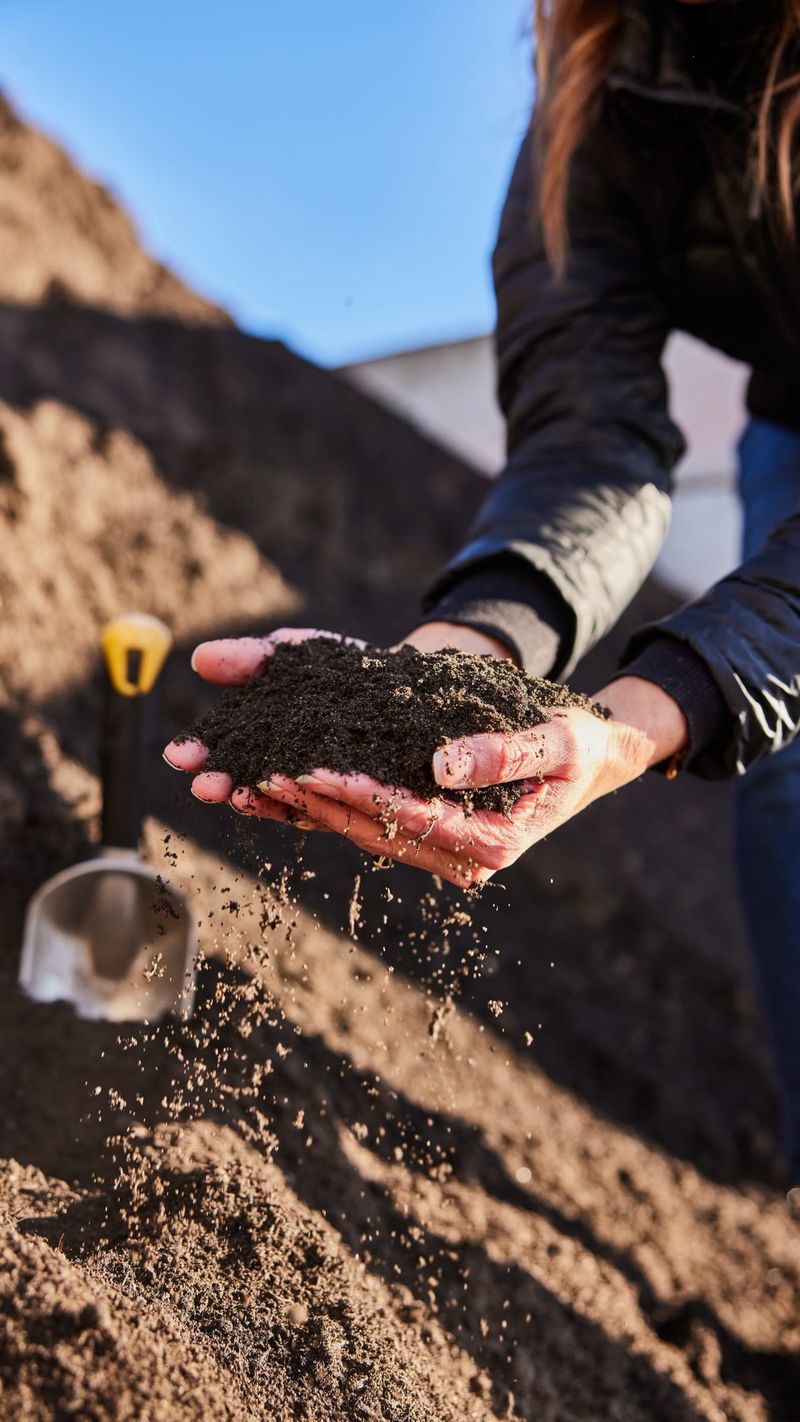
Sometimes bare spots need a little boost. A thin layer of quality soil or compost can give seed the cozy bed it craves. Just remember, thin is the key word here.
On rough or rocky patches, a light spread of topsoil or finished compost fills tiny gaps and helps seed make solid contact. That better contact leads to faster, stronger sprouting.
Compost adds a bonus by feeding the soil with nutrients. It holds moisture well too, which keeps your seedbed damp during those important first weeks of growth.
Keep the layer no thicker than a quarter inch. Piling on too much smothers seed, blocks light, and can trap water where you don’t want it.
If you’re overseeding around existing grass, be extra careful. Dumping soil over healthy blades can bury them and cause thin, patchy areas instead of a fuller lawn.
Michigan yards with heavy clay benefit from a little compost mixed into bare spots. It loosens the ground slightly and improves how well water moves through.
Watch out for drainage problems though. Adding thick layers in low areas can cause water to pool, which drowns seed instead of helping it.
Spread the soil evenly with the back of a rake so the surface stays smooth and level. Bumpy patches lead to uneven watering and spotty growth.
A gentle top layer is like tucking your seed into bed. Done right, it gives bare spots the head start they need to catch up with the rest of your lawn.
7. Protect New Seed From Erosion
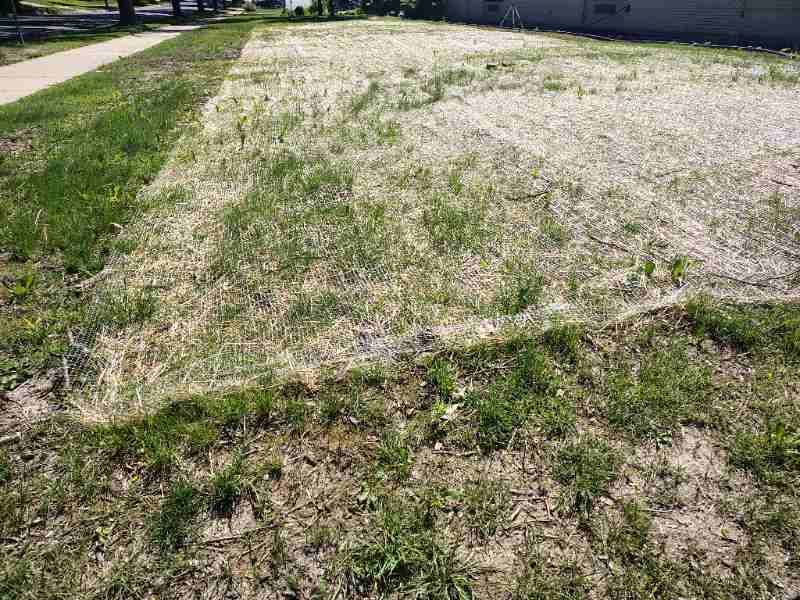
All your careful work can wash away in one big storm. Loose seed is easy to move, and heavy rain or wind can scatter it far from where you planted. A little protection keeps everything in place.
When seed sits on the surface, rushing water carries it downhill and piles it in one corner. Wind lifts and tosses it too, leaving some areas bare and others crowded.
A thin layer of straw mulch works wonders on open ground. It shields seed from wind and rain while still letting light and air reach the surface below.
Spread the straw lightly so you can still see soil peeking through. Too much mulch blocks sprouts and traps dampness that can harm young grass.
On slopes and hills, erosion hits hardest. In these spots, an erosion control blanket or netting holds seed steady even during a strong Michigan downpour.
Foot traffic causes trouble too. Kids, pets, and shortcuts across the yard press seed unevenly and scatter it, so rope off new areas until grass takes hold.
Watering gently matters here as well. A soft mist keeps seed in place, while a strong blast from the hose can carve little channels and float seed away.
Check your lawn after each rainstorm. If you spot seed collecting in low areas, gently rake it back out and add fresh mulch if needed.
Guarding your seed for a few weeks means it stays exactly where you want it, growing into an even, full lawn.
8. Fix The Reason Grass Failed Before Reseeding
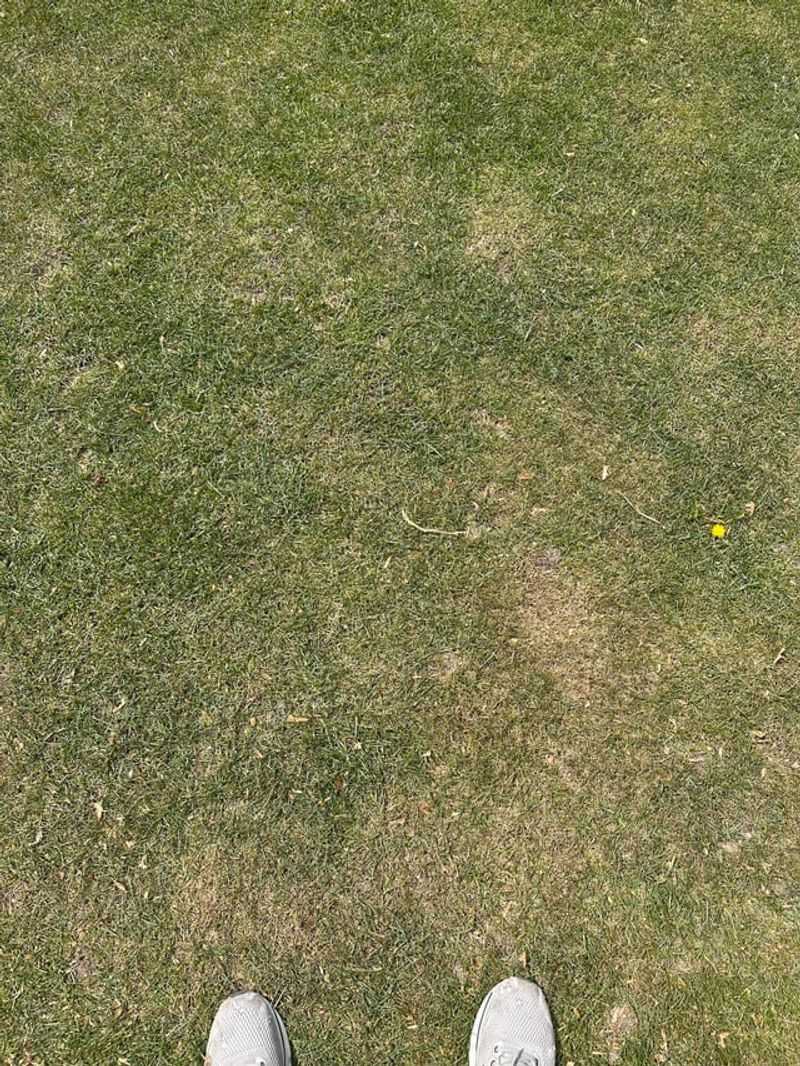
Reseeding a trouble spot without fixing the cause is like repainting a leaky wall. The new grass will struggle for the same reasons the old grass did. Play detective first.
Compacted soil is a common culprit. When ground is packed hard, roots can’t spread and water can’t soak in. Aerating the area loosens things so new seed has room to grow.
Poor drainage causes problems too. If water pools after rain, seed sits in soggy ground and rots. Improving grading or adding organic matter helps water move along.
Shade is another sneaky reason lawns thin out. Grass under thick trees rarely gets enough sun, so choosing a shade-tolerant seed blend makes a real difference.
How you mow matters more than people think. Cutting grass too short weakens it, so raise your mower blade and never trim more than a third of the height at once.
Soil fertility plays a big role in Michigan yards. A simple soil test tells you what nutrients are missing so you can add the right amendments before seeding.
Sometimes the trouble is pests or disease lurking in the soil. Clearing these up first gives your fresh seed a clean, healthy place to begin.
Take a walk around the spot and ask why the old grass gave out. Was it foot traffic, dryness, or too much shade?
Solving the root problem first saves money and time. Once conditions improve, your new seed sprouts easily and grows into the thick lawn you’ve been picturing all along.