Where To Mulch First In Your Tennessee Garden Before Summer Heat Arrives
Tennessee gardeners know the trick this state pulls every year. April lingers cool and forgiving, tricking you into thinking you have time.
Then June arrives like a switch flipped overnight, and the ground that once felt soft turns stubborn, dry, and unforgiving. Your tomatoes wilt by noon. Your hose becomes a full-time job.
This is the exact moment mulch stops being a nice-to-have and becomes your garden’s lifeline. Laying it down before the heat truly settles in gives roots a fighting chance.
It locks moisture where plants can actually use it, and keeps weeds from quickly spreading and competing with your plants. Skip this step, and you’ll spend July struggling to keep plants adequately watered.
Time the mulch well, and Tennessee summers become something your garden actually thrives through.
Miss the window, and it barely limps through instead. Timing here isn’t optional. It’s everything.
1. Around Tomato And Pepper Beds To Lock In Moisture
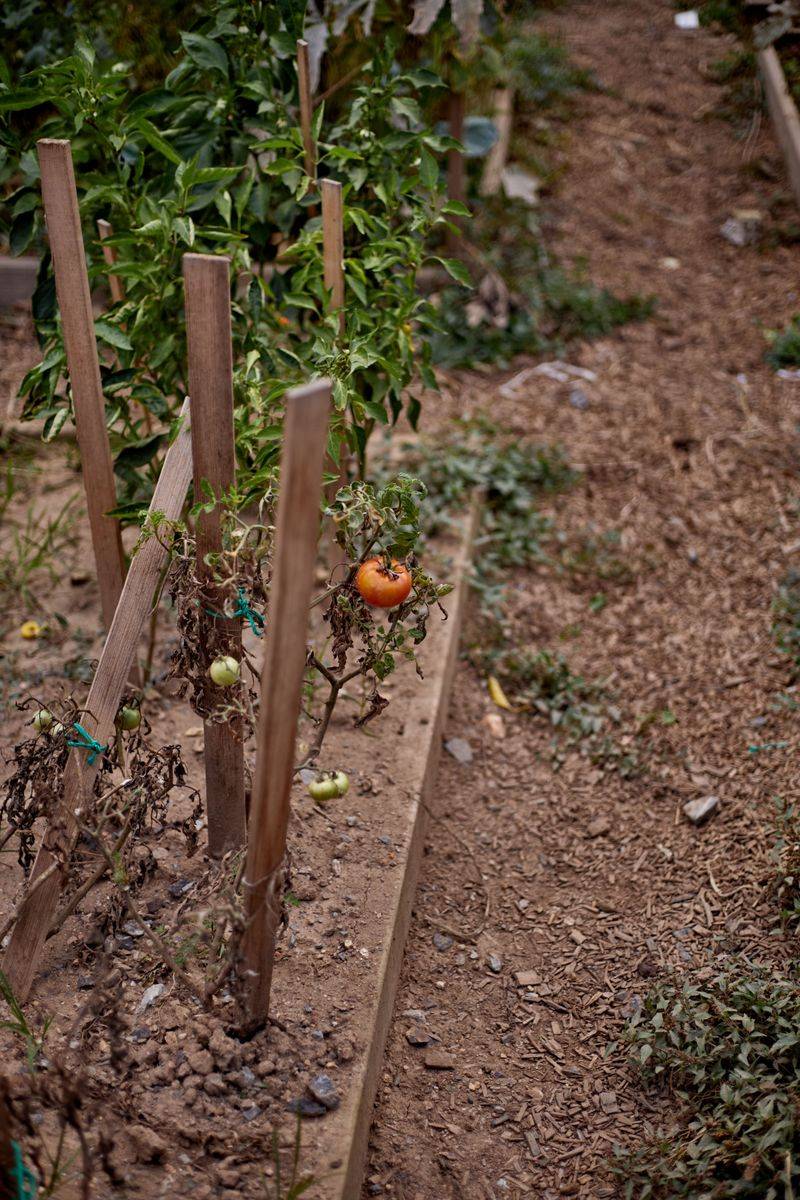
Tomatoes and peppers rank among the thirstiest plants in any Tennessee garden, and Tennessee summers can be harsh. Without mulch, bare soil can lose moisture within hours of watering, leaving roots scrambling once the afternoon sun peaks.
Lay down two to three inches of straw or shredded leaves around each plant, working outward from the base. Keep the mulch a few inches away from the stem, since piling it too close traps moisture against the plant and invites rot.
Mulched tomato beds stay noticeably cooler and hold water far longer than exposed dirt. That means less time hauling the hose, fewer droopy plants in the morning, and harvests that match the effort you put in.
Consistent soil moisture also heads off blossom end rot, that frustrating black patch that shows up right when a tomato looks perfect. Peppers respond the same way, producing more fruit when their roots stay shielded from heat stress.
Picture mulch as insulation for everything happening underground. It blocks the intense afternoon sun that rolls through the mid-South all July, giving roots a break they’d never get otherwise.
Straw remains the go-to for vegetable beds, though wood chips hold up well too. Steer clear of fresh grass clippings, since they compact into a soggy mat that chokes off soil airflow.
Mulching your tomato and pepper beds is one of the smartest early moves in any Tennessee garden plan before the real heat sets in. Start here, and the momentum carries through the rest of your growing season.
2. Beneath Young Fruit Trees Out To The Drip Line
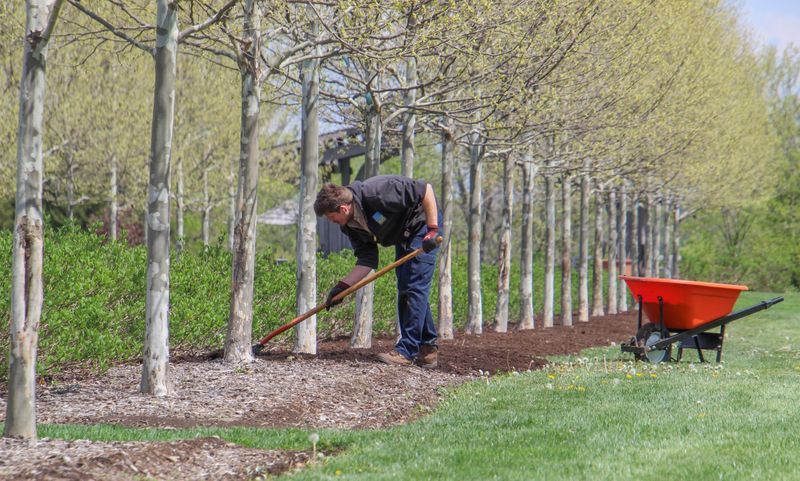
Young fruit trees are vulnerable in ways most gardeners underestimate. Their roots stay shallow and spread wide during those early years, making them prime targets for heat stress the moment temperatures spike.
Mulching out to the drip line creates a protective zone that keeps soil temperature stable. The drip line marks the outer edge of the tree’s canopy, right where the feeder roots do their real work pulling in water and nutrients.
Your Tennessee Garden Changes Every Week. Your Plan Should Too.
Gardening in Tennessee changes quickly throughout the season. Every Friday you’ll receive a simple weekly plan showing exactly what to plant, prune, fertilize, harvest, and protect so you never miss the right timing.
Use wood chips or shredded bark for best results under fruit trees. Apply a three to four inch layer, and keep it pulled back at least six inches from the trunk to avoid trapping moisture against the bark.
Peach trees, apple trees, and pear trees all respond well to this treatment. Mulched trees consistently grow faster and produce more fruit than unmulched ones planted in identical conditions, since their roots never face the same swings in temperature and moisture.
Bare soil around young trees also creates ideal conditions for weeds that compete for the same nutrients your tree needs. A solid ring of mulch shuts most of them down before they ever take hold.
Fruit tree mulching pays off especially during dry spells, which Tennessee delivers reliably through July and August. Roots stay active and hydrated even when rain disappears for weeks at a stretch.
Grab a bag of arborist chips from a local tree service and spread them generously around each trunk. Mulching beneath your young trees now is one investment that keeps paying out in bigger harvests for years to come.
3. Along Foundation Plantings Facing Full Afternoon Sun
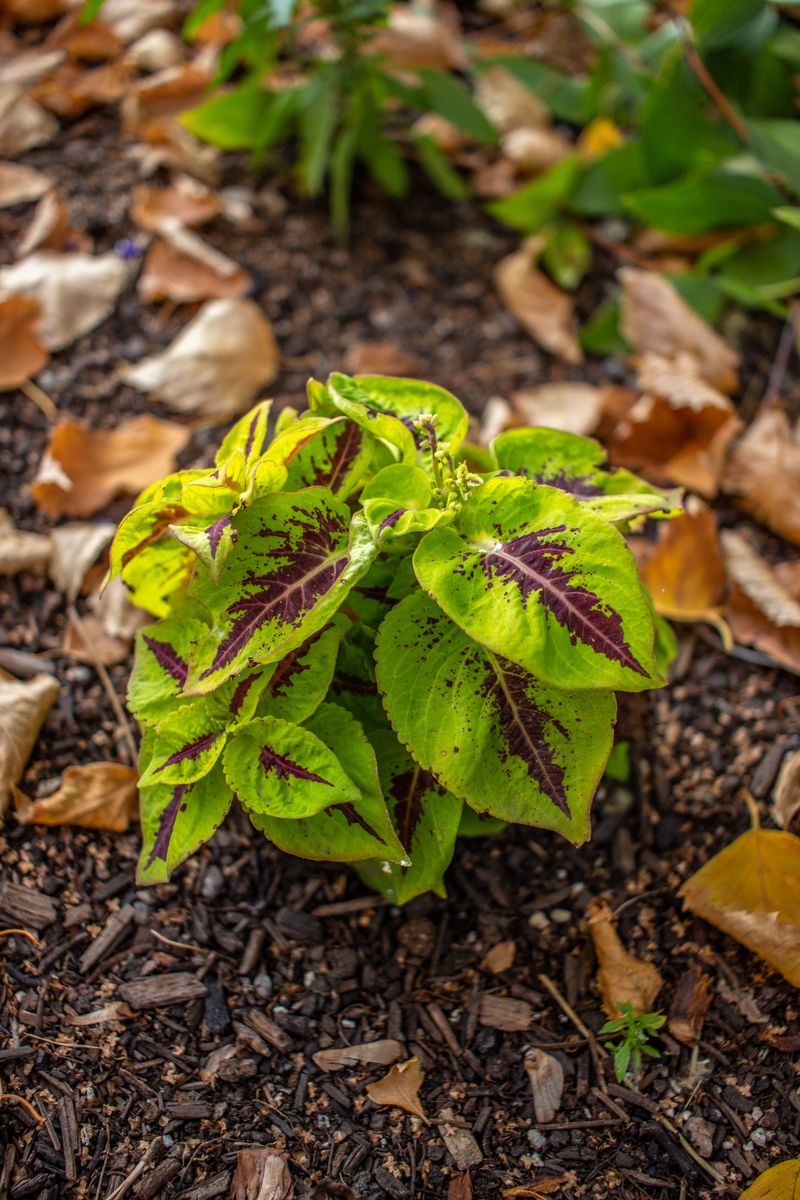
South and west-facing foundation beds take the worst of Tennessee’s afternoon punishment. Reflected heat from brick walls combined with direct sun can heat roots quickly, sometimes within a single scorching afternoon.
Shrubs planted along foundations need mulch more than almost anything else in the yard. Without it, soil temperatures near the surface can climb dramatically higher than in mulched or shaded areas.
Spread two to three inches of dark hardwood mulch along these beds before June arrives. Dark mulch absorbs heat during the day and releases it slowly at night, buffering the wild temperature swings that stress roots and slow growth.
Boxwoods, hollies, and ornamental grasses show up constantly in Tennessee foundation plantings, and all of them perform better once their roots are insulated from extreme heat.
Pull old mulch back before adding fresh layers. Stacked mulch can turn hydrophobic over time, actually repelling water instead of holding it where roots need it most.
Foundation beds also dry out faster since roof overhangs block rainfall from reaching them at all. Mulch compensates by slowing evaporation and preserving whatever moisture does get through.
Giving these beds priority before summer heat arrives keeps your curb appeal strong all season long. Plants struggling in July are usually the ones left unprotected back in May.
4. Under Blueberry Bushes With Pine Bark Or Needles
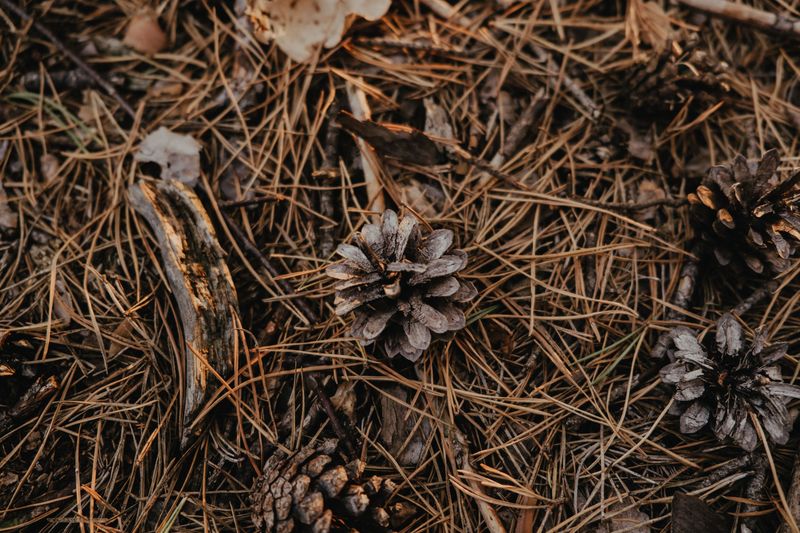
Blueberries are picky about their soil, and that pickiness extends to what you put on top of it. Pine bark mulch and pine needles are the top choices for blueberry beds.
These materials break down slowly and may contribute slightly to soil acidity over time, though the effect is gradual.
Blueberries need a soil pH between 4.5 and 5.5, so testing your soil is the most reliable way to confirm you’re in that range.
Apply a three to four inch layer of pine bark nuggets around each bush. Extend it out to match the spread of the branches for maximum root coverage.
Blueberry roots are extremely shallow, often sitting just two to four inches below the surface. Hot, dry soil can stress them severely in just a few days without protection.
Pine needles are a fantastic free resource if you have pine trees nearby. Rake them up and pile them around your bushes for a natural, effective mulch layer.
Hardwood bark mulch can slightly raise soil pH over time, so it’s generally better avoided around blueberries if you’re aiming to keep the soil acidic. Keeping the chemistry right is just as important as keeping the roots cool.
Mulching under blueberry bushes is one of the most targeted moves you can make in your Tennessee garden before summer heat arrives. Get the mulch right, and you’ll be eating berries all summer long.
5. Between Raised Bed Rows To Cut Down Weeding
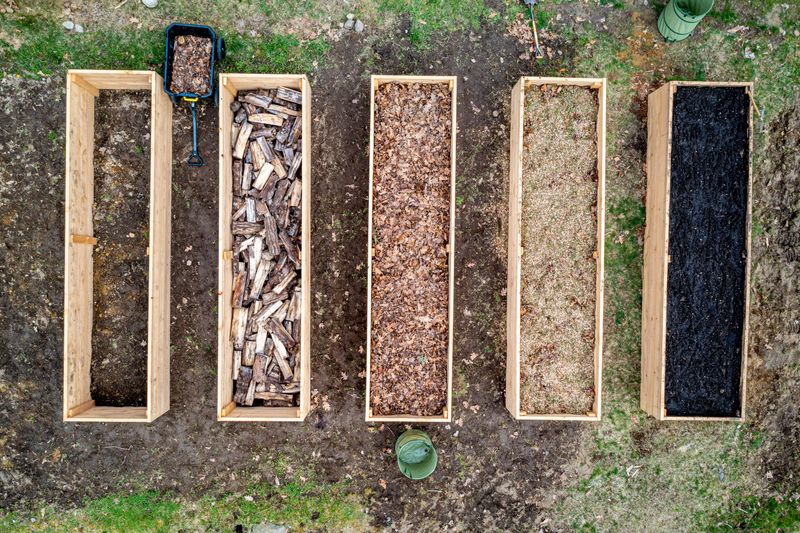
Weeds between raised bed rows are a sneaky time drain that most gardeners underestimate. They pop up fast, compete for nutrients meant for your vegetables, and make watering far less effective.
Filling those pathways with straw or wood chips cuts weed germination dramatically. Fewer weeds mean less time on your knees pulling them out and more time actually enjoying your garden.
A two to three inch layer between rows is usually enough to do the job. Straw is lightweight, easy to spread, and breaks down over time to add organic matter back into the soil.
Mulched pathways also stay softer underfoot, which makes harvesting far more comfortable. Nobody wants to kneel on hard, cracked ground while picking beans on a hot Tennessee afternoon.
Wood chips offer a longer-lasting option that suppresses weeds for an entire season without much upkeep. They also absorb rainfall and release it slowly, which ends up benefiting nearby plant roots too.
One underrated bonus is reduced soil compaction. Walking on bare soil repeatedly packs it down over time, making it harder for roots to push through and access water.
Mulching between raised bed rows before summer heat arrives means your whole growing season runs smoother from here on out. Less weeding, better soil structure, and more time to actually enjoy everything you planted in the first place.
6. Surrounding Newly Planted Perennials And Shrubs
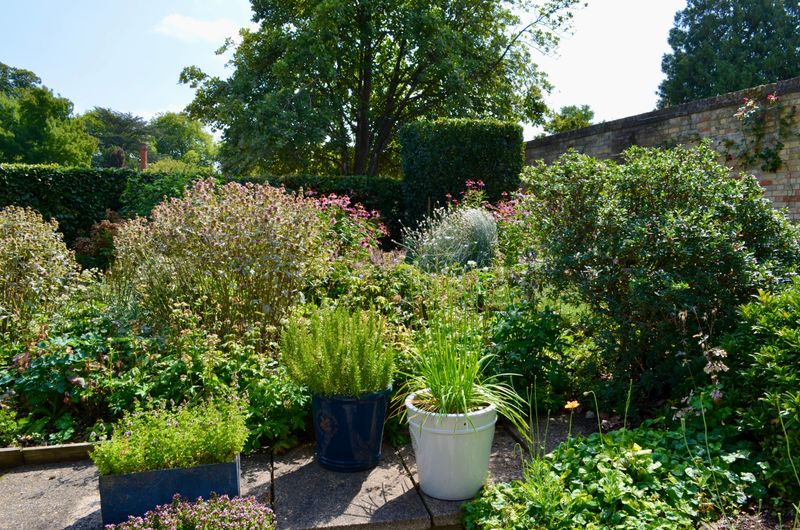
New plants are at their most fragile during that first summer after planting. Their root systems haven’t had time to spread deep enough to find water on their own yet.
Mulching around newly planted perennials and shrubs gives them a fighting chance once the heat rolls in. It acts like a moisture savings account, releasing water slowly back into the soil as things dry out.
Shredded hardwood bark works especially well in mixed perennial and shrub beds. It stays put during heavy rain, doesn’t float away or wash out, and gradually breaks down into rich organic matter.
Spread two to three inches around each plant, leaving a small gap near the stem base. Piling mulch directly against stems traps moisture and can invite fungal problems down the line.
Coneflowers, black-eyed Susans, and native salvias are popular Tennessee perennials that establish noticeably faster with mulch support. Shrubs like spirea and viburnum benefit from this same early protection.
Watering frequency drops significantly once mulch is in place. That saves time, saves money, and saves the mental energy of wondering whether your new plants made it through another very hot afternoon.
Surrounding newly planted perennials and shrubs with mulch now is one of the most compassionate things you can do for a fresh garden. Give them a soft landing before the real heat arrives.
7. Over Shallow-Rooted Azaleas And Hydrangeas
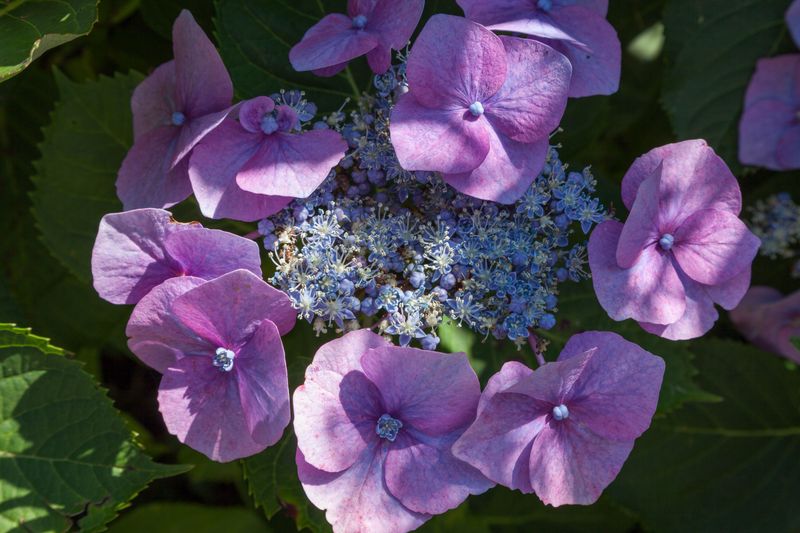
Azaleas and hydrangeas are two of the most beloved plants in Tennessee gardens, and both share a critical weakness. Their roots stay close to the surface, making them heat-sensitive.
Shallow roots mean these plants feel every temperature spike in the soil. A few hot, dry days without mulch can cause wilting, leaf scorch, and reduced blooming.
Shredded leaves or pine bark are both excellent mulch options for these shade lovers. Either material keeps the root zone cool and moist without smothering delicate surface roots.
Apply mulch in a wide circle rather than a tight ring around the base. The goal is to cover as much of the root zone as possible, not just the area near the trunk.
Hydrangeas in particular are notorious for wilting dramatically on hot afternoons. Mulching helps them hold their blooms longer and bounce back faster after a warm day.
Azaleas that are mulched consistently also tend to produce more vibrant flowers the following spring. The protection you give roots in summer pays off in bloom quality the next season.
Covering shallow-rooted azaleas and hydrangeas before summer heat arrives in your Tennessee garden is one of the kindest things you can do. These plants will thank you with color all season long.
8. Throughout Vegetable Garden Pathways To Reduce Compaction
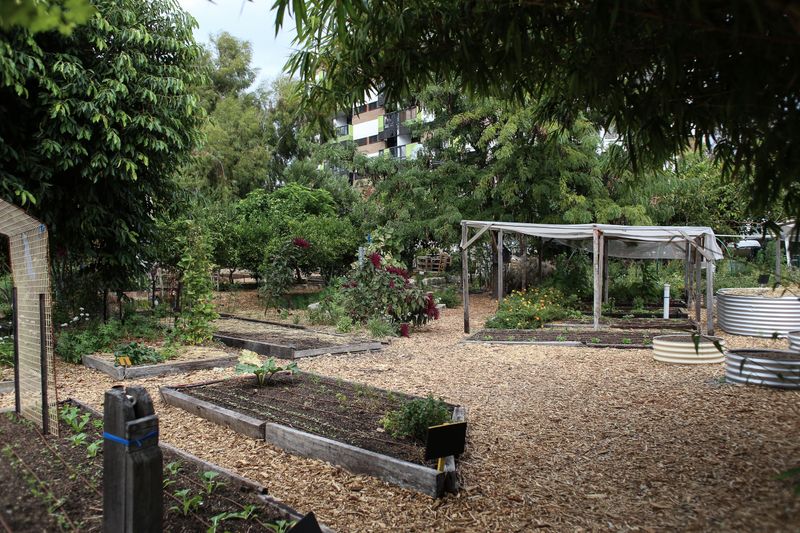
Every time you walk through your garden, you’re pressing soil particles closer together. Over time, that compacted soil becomes dense, poorly drained, and increasingly hard for roots to penetrate.
Covering vegetable garden pathways with mulch creates a cushioned surface that absorbs foot traffic before it ever reaches the ground. Your weight gets distributed across the mulch layer instead of pressing directly onto the soil underneath.
Straw remains the most popular pathway mulch because it’s cheap, soft underfoot, and easy to refresh mid-season when it starts thinning out. A four to six inch layer handles heavy foot traffic without breaking down too quickly.
Wood chips offer another solid option for gardeners who want something that lasts longer. They stay firm underfoot and don’t blow around the way straw sometimes does during summer storms.
Mulched pathways also keep mud from getting tracked into planted rows after a hard rain. Clean pathways make harvesting faster and considerably more enjoyable, especially right after a summer downpour.
As the mulch breaks down toward season’s end, it adds organic matter exactly where you need it most. Till it into the pathway soil each fall to improve structure heading into the following year.
Mulching throughout vegetable garden pathways is a practical finishing touch that rounds out a well-prepared Tennessee garden before summer heat arrives. Every step you take on soft mulch is one your soil quietly thanks you for.