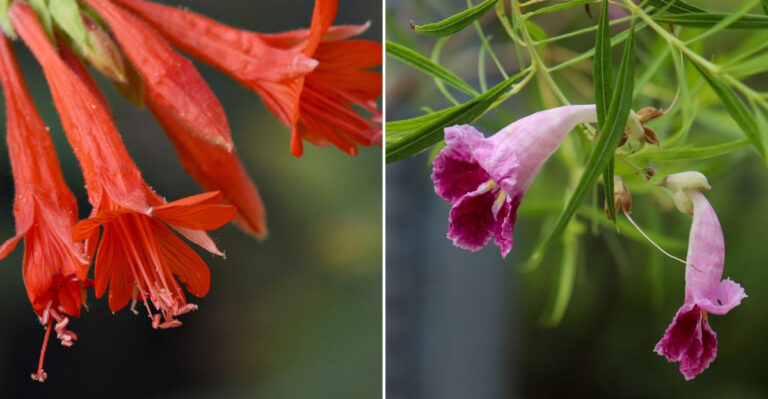
Which California Perennials Actually Benefit From A September Feeding
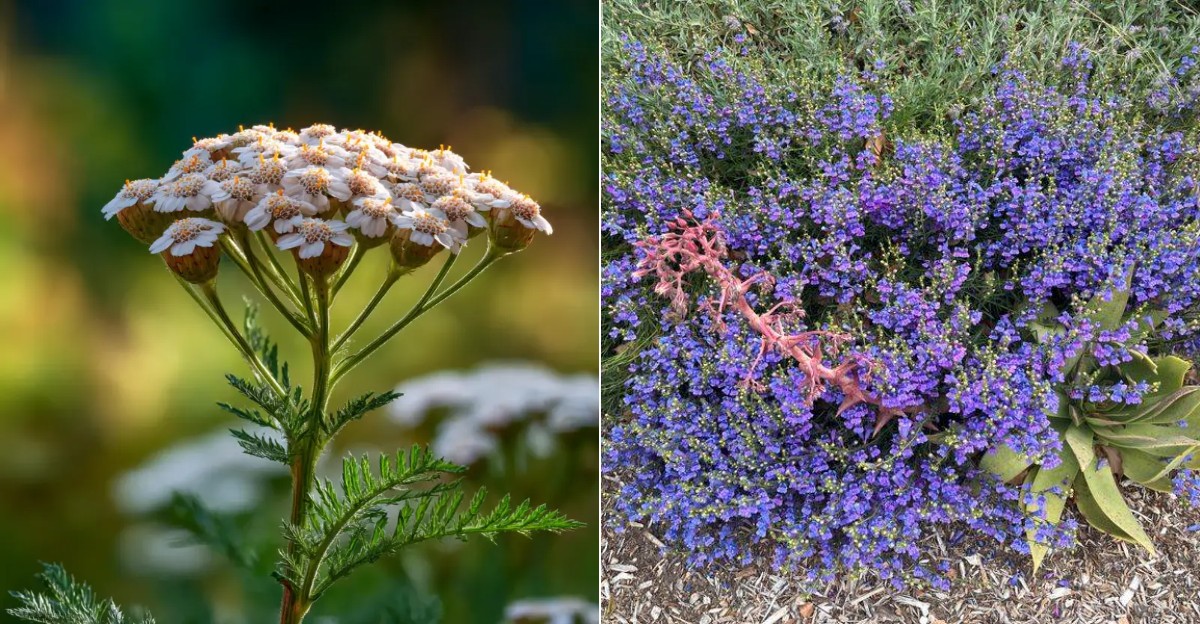
September can feel like a quiet time in the garden, but many California perennials are still preparing for what comes next.
A little attention now can influence how plants handle the changing seasons and how they return when the next growing cycle begins.
The tricky part is knowing which plants actually need a feeding and which ones may not benefit from extra nutrients.
Adding fertilizer at the wrong time can do more harm than good, especially when plants are shifting their focus.
You do not need to feed every perennial just because fall is approaching. The right choices depend on the plant, its growing conditions, and what you want it to do in the months ahead.
Knowing which perennials respond well to a September boost can help you make better use of your garden routine.
1. California Fuchsia Can Use A Light Boost
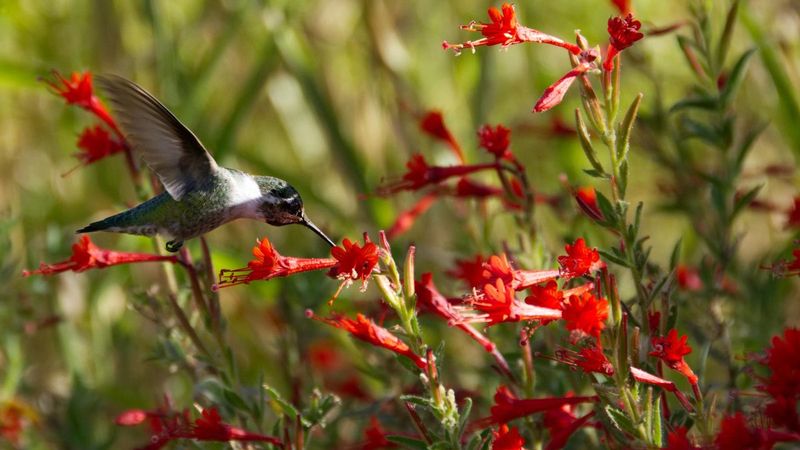
Bright orange-red blooms make California fuchsia a favorite for late-season color. This tough native keeps flowering when many other plants slow down. That extra blooming energy is exactly why a light September feeding can help.
A gentle boost gives the plant support during its busy flowering time. You do not need much. A small amount of low-nitrogen fertilizer or a thin layer of compost works well.
Too much food can push soft growth that struggles in cooler weather.
Water the plant lightly after feeding so nutrients reach the roots. California fuchsia is drought tough, but a little moisture helps it use the food. Avoid soaking the soil, since these plants dislike soggy roots.
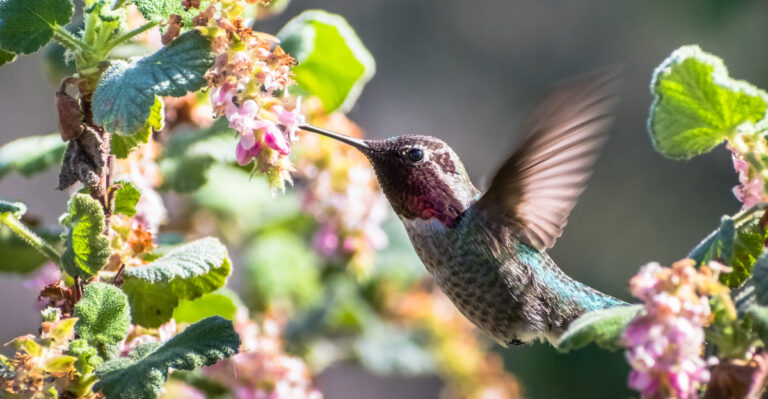
Hummingbirds adore the tube-shaped flowers, so a healthy plant keeps them visiting your yard. A light feeding can mean more blooms and more winged visitors. That makes the small effort worth it.
Keep the fertilizer away from the base of the stems to prevent burning. Spread it around the outer root zone instead. This simple step protects the plant while still giving it fuel.
By fall’s end, your fuchsia should look full and colorful. A modest September snack helps it finish the season strong without causing weak, floppy stems that cold weather can damage.
2. Penstemon Benefits Before Its Growth Cycle Ends
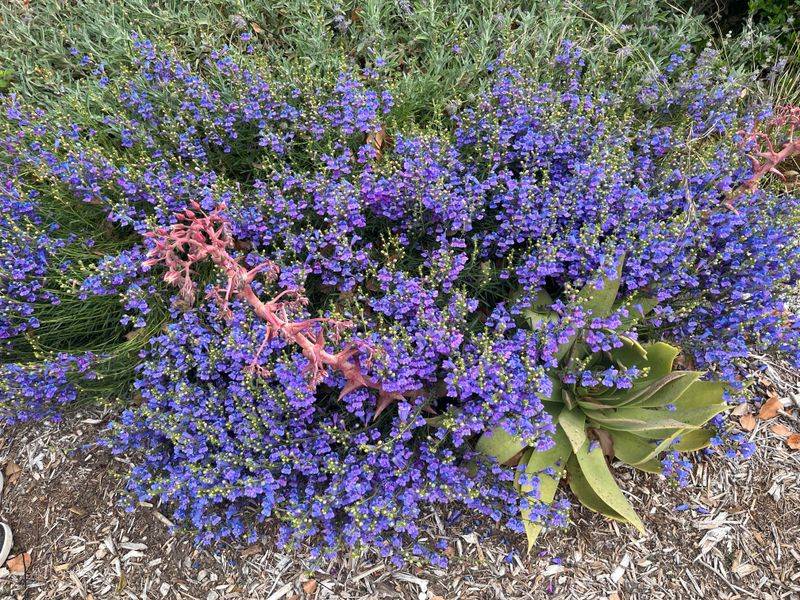
Tall spikes of tubular flowers make penstemon a standout in many California gardens. As summer winds down, this plant begins preparing for its rest period. A careful September feeding can support that transition.
The goal here is not to force fast growth. Instead, you want to help the roots store energy for next spring. A light, balanced fertilizer or compost does the job nicely.
Feed sparingly, since penstemon dislikes rich, heavy soil. Native varieties especially prefer lean conditions. Overfeeding can lead to leggy plants and fewer flowers down the road.
Good drainage matters just as much as food. Make sure water moves through the soil quickly. Soggy roots can cause problems that no fertilizer can fix.
After feeding, remove any spent flower stalks to keep the plant tidy. This helps the plant focus energy on its roots. It also makes your garden look neat as the season changes.
Your California Garden Changes Every Week. Your Plan Should Too.
Gardening in California changes quickly throughout the season. Every Friday you’ll receive a simple weekly plan showing exactly what to plant, prune, fertilize, harvest, and protect so you never miss the right timing.
Bees and hummingbirds love penstemon, so a strong plant supports local pollinators. A small fall boost helps ensure a lively return next year.
Think of September as a quiet handoff from one season to the next. A gentle feeding now gives penstemon what it needs to finish gracefully and bounce back with fresh blooms.
3. Yarrow Usually Needs Very Little Fertilizer
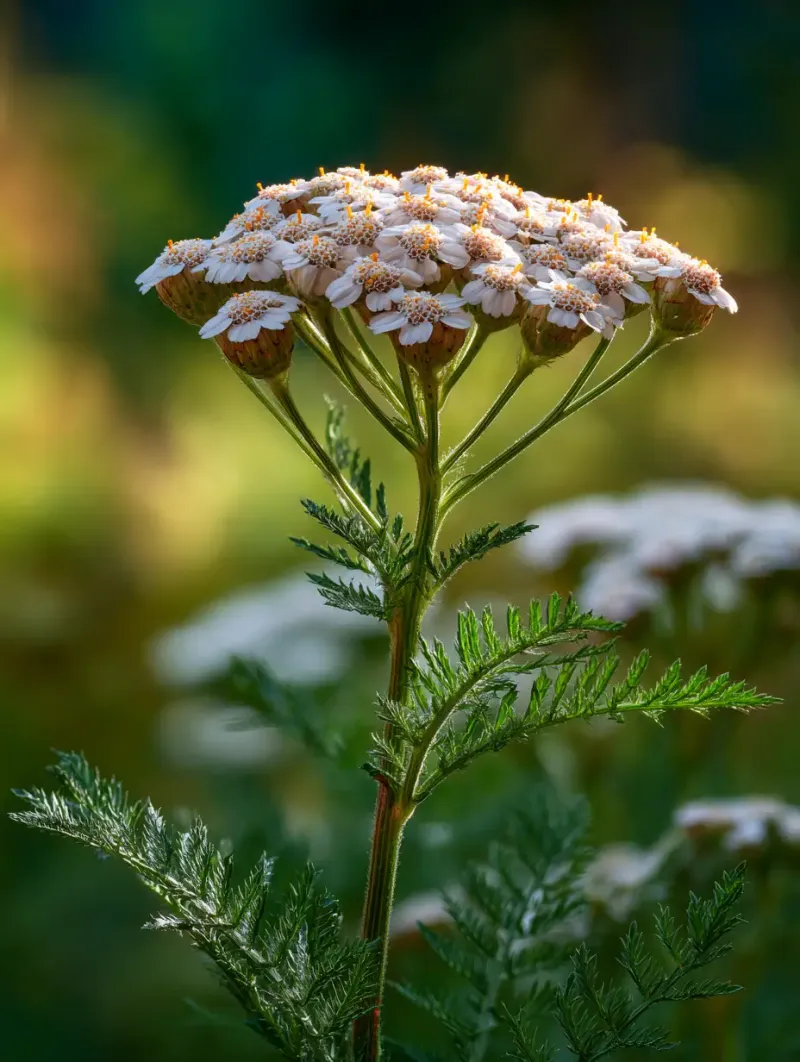
Feathery leaves and flat flower clusters give yarrow a wild, meadow-like charm. This plant thrives on neglect, which surprises many new gardeners. When it comes to September feeding, less is truly better.
Yarrow grows happily in poor, dry soil. Rich food can actually harm it by causing weak, floppy stems. Those stems often fall over and look messy.
If your yarrow seems healthy, skip the fertilizer entirely. A thin layer of compost is more than enough for most plants. Save the extra effort for perennials that actually crave it.
Should your soil be very poor, a tiny sprinkle of balanced fertilizer is fine. Keep the amount small and water lightly afterward. The plant will do the rest on its own.
One reason gardeners love yarrow is how tough it is. It handles heat, drought, and rocky ground without complaint. Feeding it heavily works against that natural strength.
Butterflies and beneficial insects flock to the blooms, so a low-maintenance approach still supports wildlife. You get beauty and helpers without much work.
By trusting yarrow to fend for itself, you save time and money. In September, the smartest move is often to leave this hardy plant alone and let its easygoing nature shine.
4. Salvia Performs Better With Limited Feeding
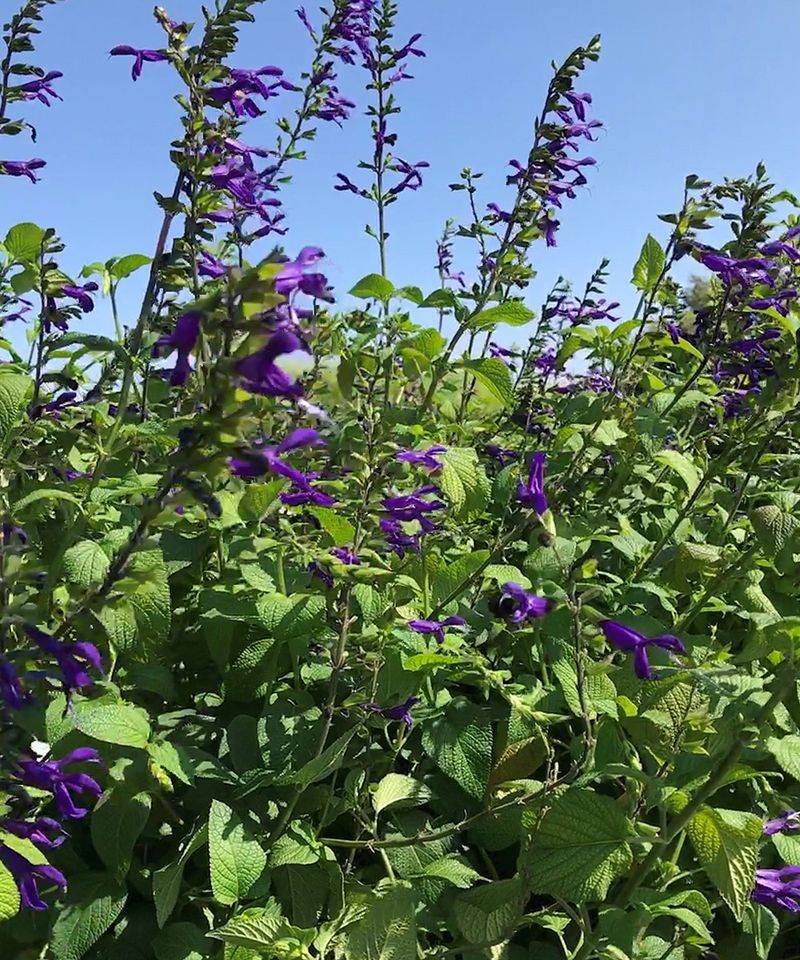
Rich purple and blue spikes make salvia a magnet for hummingbirds and bees. This popular perennial brings long-lasting color to California yards. In fall, though, it prefers a light touch when it comes to food.
Salvia does best with lean soil and modest care. Heavy fertilizer can create lots of leaves but fewer flowers. That trade-off disappoints gardeners hoping for more blooms.
A small amount of balanced feed in September is usually plenty. If your plant already looks strong, you can skip feeding altogether. Compost alone often does the trick.
Watering matters here too. Salvia likes well-drained soil and does not enjoy staying wet. Give it a light drink after feeding, then let the soil dry between waterings.
Trimming spent flower stalks encourages tidy growth. It also helps the plant save energy for its roots. A quick cleanup keeps salvia looking fresh into fall.
Because salvia is fairly drought tough, it rewards a hands-off style of care. Overdoing anything, including food, tends to backfire. Simple beats fancy every time.
By feeding lightly and watering wisely, you help salvia stay compact and full of blooms. A little restraint in September pays off with a healthier, more colorful plant that pollinators can enjoy for weeks.
5. Coneflowers Do Not Need Heavy Fall Fertilizer
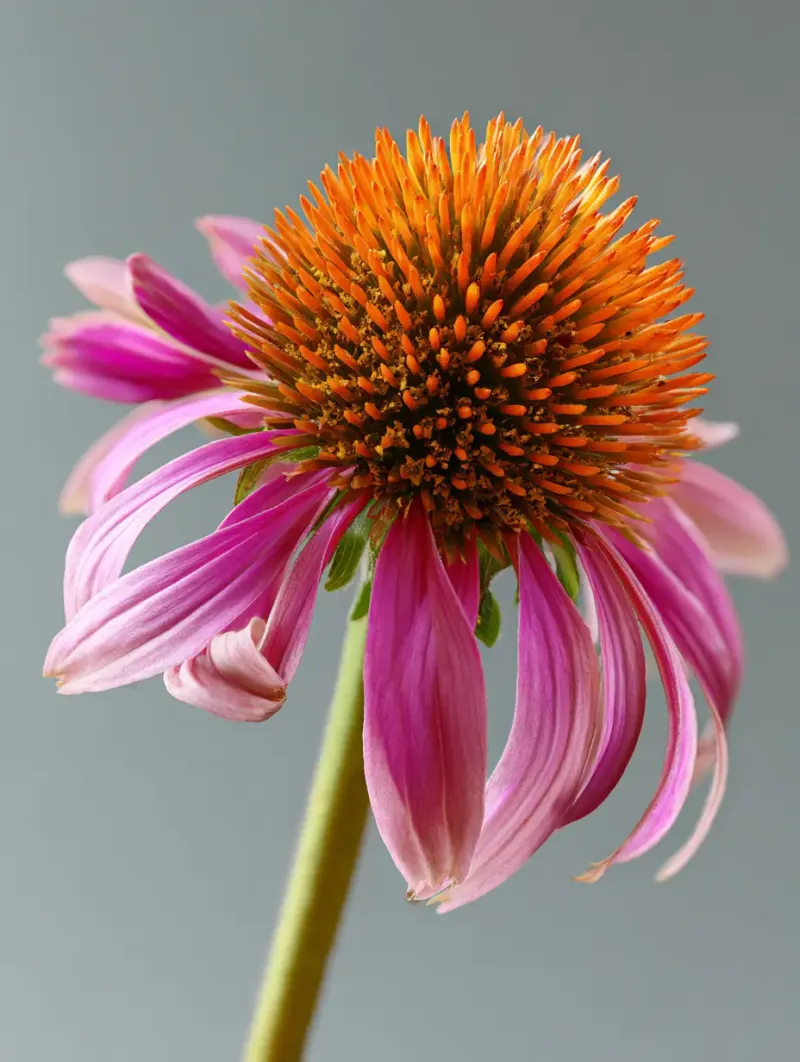
With their daisy-like petals and raised centers, coneflowers add cheerful color to any garden. Also known as echinacea, they are tough and dependable. When September arrives, they ask for very little extra food.
Coneflowers store energy in their roots as fall approaches. Heavy fertilizer can push new growth that soft cold weather may damage. That new growth wastes the plant’s energy.
A thin layer of compost is the best fall treat for these plants. It feeds the soil slowly and gently. There is no need for strong chemical fertilizers now.
If you leave the flower heads standing, birds like finches will feast on the seeds. That means less cleanup for you and more wildlife to enjoy. It is a win for everyone.
Good drainage keeps coneflowers healthy through the cooler months. Avoid soggy soil, which can cause root problems. Water lightly and let the ground dry out between drinks.
These plants are known for shrugging off heat and drought. That toughness means they rarely need pampering. Fall is a great time to simply let them be.
By skipping heavy feeding, you help coneflowers rest properly. Come spring, they return with strong stems and bright blooms, ready to draw in bees, butterflies, and admiring neighbors alike.
6. Black-Eyed Susans Can Handle Light Feeding
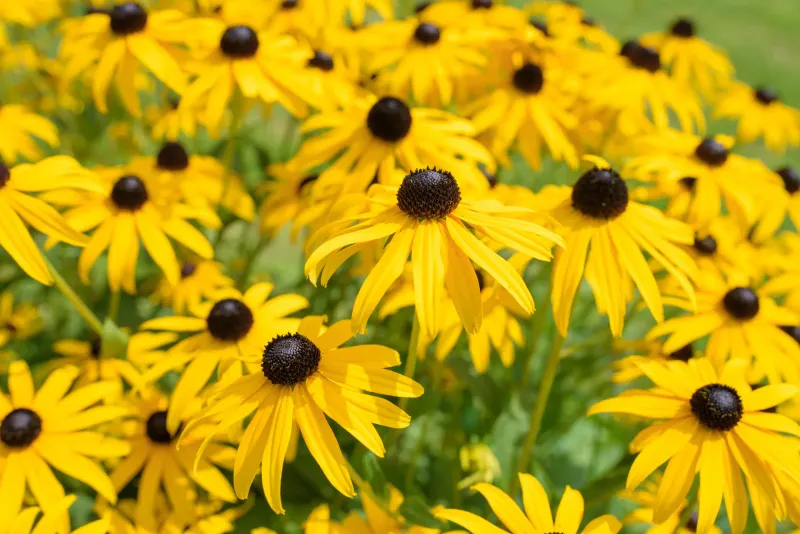
Golden petals surrounding a dark center make black-eyed Susans instantly recognizable. These cheerful bloomers keep gardens glowing into fall. Unlike some picky plants, they can accept a light September feeding.
A modest boost helps these flowers finish their blooming season strong. Use a balanced fertilizer in small amounts or a scoop of compost. Avoid piling on too much at once.
Heavy feeding is still a mistake here. It can create tall, weak stems that flop over. A gentle approach keeps the plants sturdy and upright.
Water the soil lightly after feeding so nutrients soak in. These plants handle dry spells well, but a small drink helps them use the food. Do not let the ground stay soggy.
Leaving some seed heads in place feeds hungry birds later in the season. Goldfinches especially enjoy the seeds. That adds life and movement to your yard.
Black-eyed Susans spread easily and fill empty spaces with color. A light fall feeding supports that steady, reliable growth. It also encourages more blooms while the weather stays mild.
Because they are so forgiving, these flowers are perfect for beginners. A little food goes a long way. With just a small effort in September, you can keep these sunny perennials thriving well into the cooler months.
7. Autumn-Blooming Perennials May Need Support
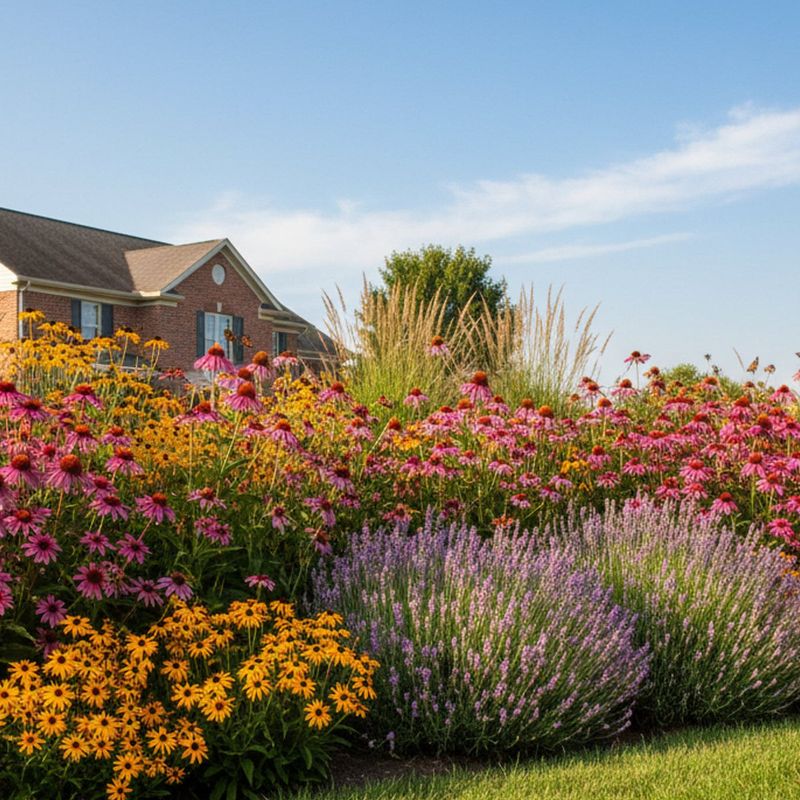
Some perennials save their best show for autumn, filling gardens with fresh color when summer fades. Plants like asters and fall mums fall into this group. Because they bloom now, a September feeding truly helps them.
These late bloomers use lots of energy to produce flowers. A light, balanced fertilizer gives them fuel during their busy season. Compost also works well as a gentle source of nutrients.
Feed them a bit more generously than dormant plants, but still avoid going overboard. Too much food can cause floppy stems and burned roots. Balance is the key word here.
Regular watering supports strong fall blooms. Keep the soil evenly moist, not soaked. Consistent care helps these plants shine when others are winding down.
Removing faded flowers, or deadheading, keeps new blooms coming. It also tidies up your garden. This simple habit stretches the flowering season even longer.
Pollinators appreciate these late-season flowers when other food sources shrink. Bees and butterflies rely on the extra nectar. Feeding your plants helps support them too.
By giving autumn bloomers the support they crave, you enjoy a garden full of color long after summer ends. A thoughtful September feeding rewards you with vibrant flowers, happy pollinators, and a yard that feels alive and welcoming.