Why Fall Beats Spring For Planting Natives In California
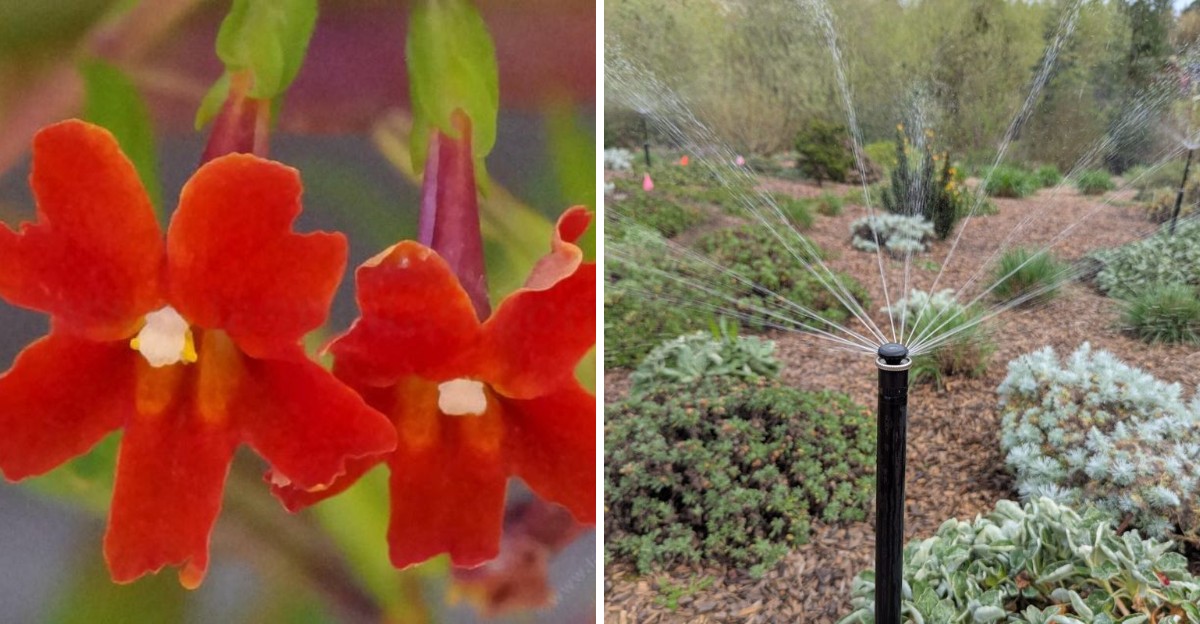
California gardens follow a rhythm that runs almost opposite to much of the country. While gardeners elsewhere wait for spring, a different window opens here as summer fades.
Native plants seem to know this instinctively. Their entire life cycle revolves around a climate with long dry stretches and a short, generous wet season.
Choosing the right moment to plant can mean the difference between a shrub that thrives for decades and one that struggles through its first summer.
The timing isn’t magic, and a few honest caveats apply, especially before the first storms arrive.
Still, the calendar quietly favors one season, and the reasons start a few inches underground, long before the first raindrop falls.
Fall Rain Replaces Hose Watering
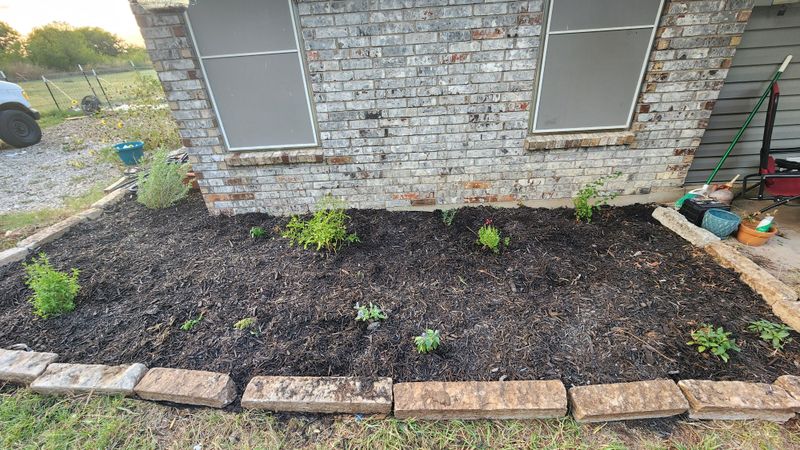
A December storm rolling in off the Pacific delivers a gift to every new planting. Each drop that soaks into the garden lands right at the roots without a single sprinkler running.
California has what scientists call a Mediterranean climate. Most rain falls from late fall through early spring, while summers usually stay bone dry.
UC ANR points out that planting natives in fall lines up with this natural pattern. Winter storms then handle much of the watering work.
Rainwater also does things a hose can’t match. A slow, soaking storm wets the soil deeply and evenly across the whole yard.
It also flushes salts down and away from roots. That benefit matters in areas with hard, mineral-heavy tap water.
Rain isn’t reliable every single week, though. Some winters bring big storms, while others bring long dry spells in January or February.
A finger or trowel pushed into the soil gives a quick read on moisture. When the top few inches stay dry for a week or two between storms, young plants appreciate a drink.
A rain gauge makes a cheap, handy tool for this job. Knowing roughly how much fell makes the choice between watering and relaxing much easier.
Most winter weeks lean toward relaxing. Cloudy, cool skies mean less moisture escapes into the air, so each storm stretches further.
The water bill enjoys a nice break, too.
Mild Soil Lets Roots Settle In
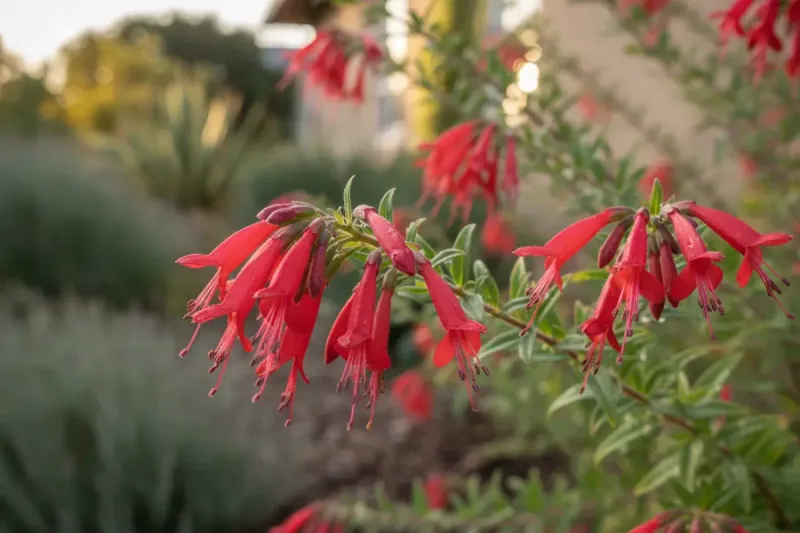
A planting hole dug in late October often reveals surprisingly warm soil. Summer heat stays stored underground even after the air starts to cool, and roots love that cozy combination.
Root growth depends heavily on soil temperature. In fall, soil across much of California stays warm enough for roots to keep growing, often well into winter in coastal and valley areas.
Cooler air above slows leaf growth at the same time. The plant then spends its energy underground instead of pushing out tender shoots.
Spring flips that balance. Air warms quickly, and plants rush to make leaves and flowers while roots play catch-up.
A plant with lots of leaves and a small root ball resembles a car with a big engine and a tiny gas tank. Fall planting helps avoid that mismatch.
Moist, mild soil is also easier to work. After the first rains, clay softens, so digging takes less muscle, and loosened soil around the hole lets new roots spread sideways.
Your California Garden Changes Every Week. Your Plan Should Too.
Gardening in California changes quickly throughout the season. Every Friday you’ll receive a simple weekly plan showing exactly what to plant, prune, fertilize, harvest, and protect so you never miss the right timing.
Heavy compost or rich fertilizer in the hole is best skipped. Many natives prefer plain native soil and can grow weak or floppy with too much food.
A two- to three-inch layer of wood chip mulch helps hold gentle warmth and moisture. Keeping mulch a few inches from the stem helps prevent rot.
With those basics in place, a new plant settles in like a guest who finally found the comfy chair.
Cooler Air Eases Transplant Stress
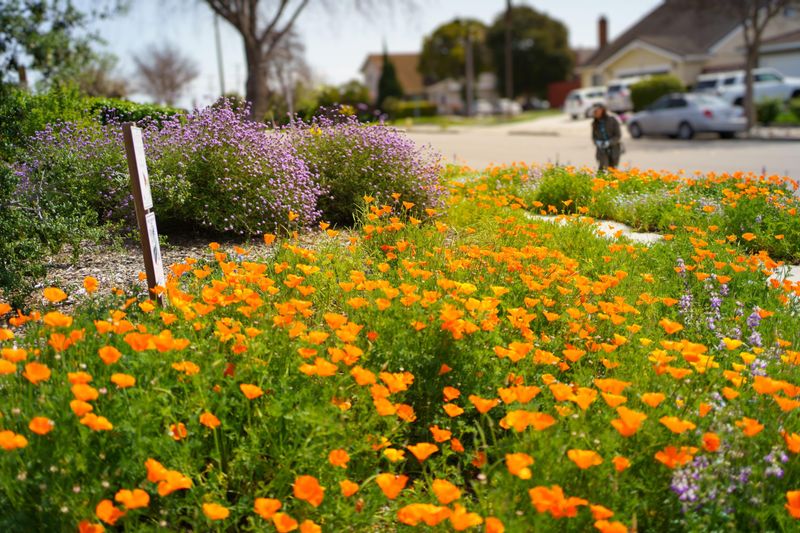
Moving is hard on everyone, and plants are no exception. A native shrub slipped from a nursery pot loses some tiny roots and suddenly has to find water in brand new soil.
Hot, dry air makes that adjustment much tougher. Leaves constantly lose water through small openings called stomata.
On a 95-degree afternoon, a plant can lose water faster than its disturbed roots can replace it. Wilting, crispy leaf edges, and weeks of sulking often follow.
Fall changes the equation. Shorter days and cooler temperatures slow that water loss considerably.
Cooler weather also brings fewer scorching surprises. A sudden heat wave in May or June can badly stress a freshly planted sage or manzanita within a day or two.
Fall still brings occasional hot spells, especially during Santa Ana or Diablo winds. They simply grow less common as the season moves along.
Wind forecasts deserve a glance, and new plants benefit from extra water before a hot, dry blow. Smart timing stacks the odds even further.
Planting on a cloudy day or in late afternoon gives a calm night for recovery. A thorough soak of the nursery pot beforehand, plus another watering right after planting, helps roots settle.
Frost brings a different concern in mountain areas and cold inland valleys. Planting earlier in fall, or waiting until late winter, gives tender plants a safer start.
Local nurseries can share the usual first frost date.
Roots Get A Head Start Before Summer
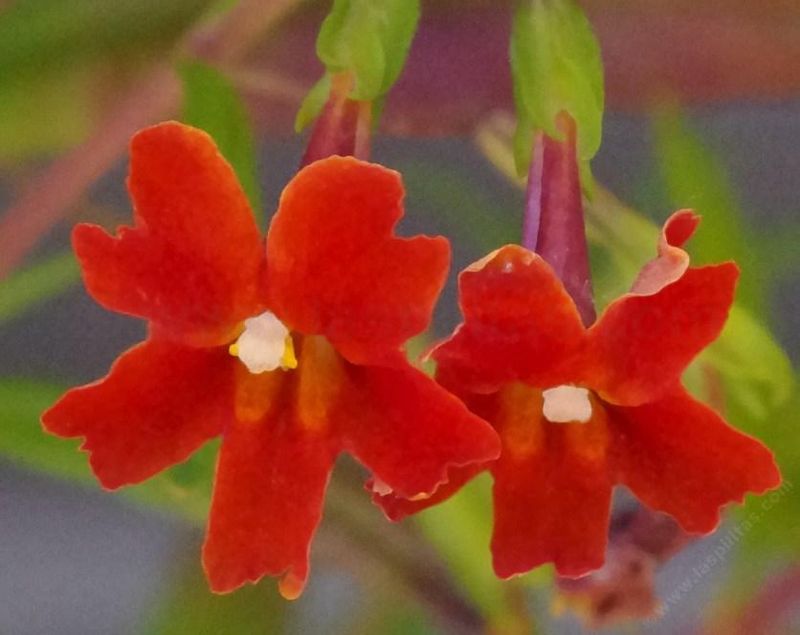
By July, a native planted the previous November has had roughly seven or eight months to dig in. Its roots may have spread well beyond the original nursery root ball.
Those roots reach into deeper, cooler soil where moisture lingers. That depth holds the secret behind drought toughness.
Many California natives evolved to send roots far down, sometimes several feet. Those long roots tap water well after the surface dries out.
A root system like that takes a full season of steady growth to build.
A marathon runner who trains all winter shows up on race day ready, while one who starts a week early faces a rough morning.
Summer serves as the race, and fall-planted natives have done their training. Their roots already sit down where the soil stays cool, while spring transplants are still warming up.
Deep, infrequent watering encourages deeper roots. A long, slow soak pushes water down into the soil, and roots follow it.
Light, frequent sprinkles keep roots lazy and shallow. They stay near the surface, right where summer heat hits hardest.
Most natives still need a year or two before they’re fully established, according to UC ANR guidance. During that first summer, occasional deep watering may still be necessary.
Even so, a plant with a fall head start usually handles heat far better than one that went in the ground in April.
Spring Plantings Face A Dry Summer Quickly
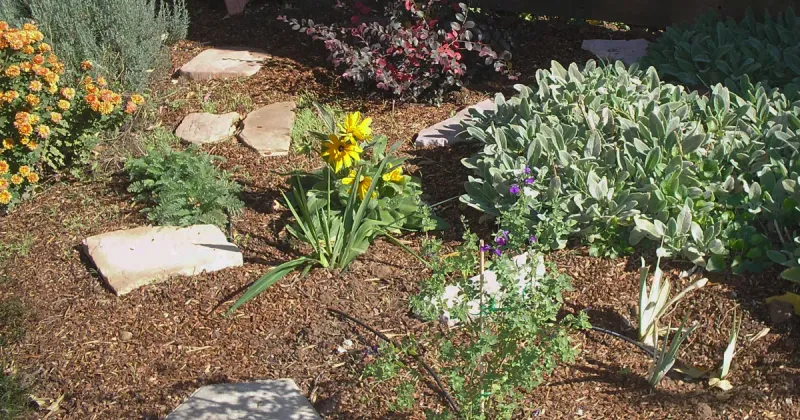
A garden center in April is hard to resist. Ceanothus blooms blue, poppies glow orange, and every plant looks ready to come home.
The catch arrives a few weeks after planting. In much of California, rain tapers off in April and often stops completely by May.
A spring-planted native might get only a handful of storms before the long dry season begins. Its roots still sit mostly inside the shape of the old nursery pot when the first heat wave hits.
Those small roots can’t reach deep moisture yet. The gardener then has to step in with regular watering all summer, sometimes two or three times a week during hot spells.
A few missed sessions during a vacation can send the plant into a quick decline. Another problem adds to the challenge.
Many natives, like manzanita, flannel bush, and some sages, dislike summer water once settled. Warm, wet soil invites root rot fungi.
Spring plantings leave gardeners in a tricky spot. Young roots need enough water to keep going, yet sensitive species struggle when soil stays soggy in heat.
Finding that balance takes close attention. Spring planting can still work, especially in foggy coastal areas or for a few tough, water-tolerant species, with more hands-on care.
A must-have plant spotted in spring doesn’t have to wait in the store. Kept in its pot in light shade with regular watering, it can head into the ground once fall arrives.
Natives Start Growing As Rains Return
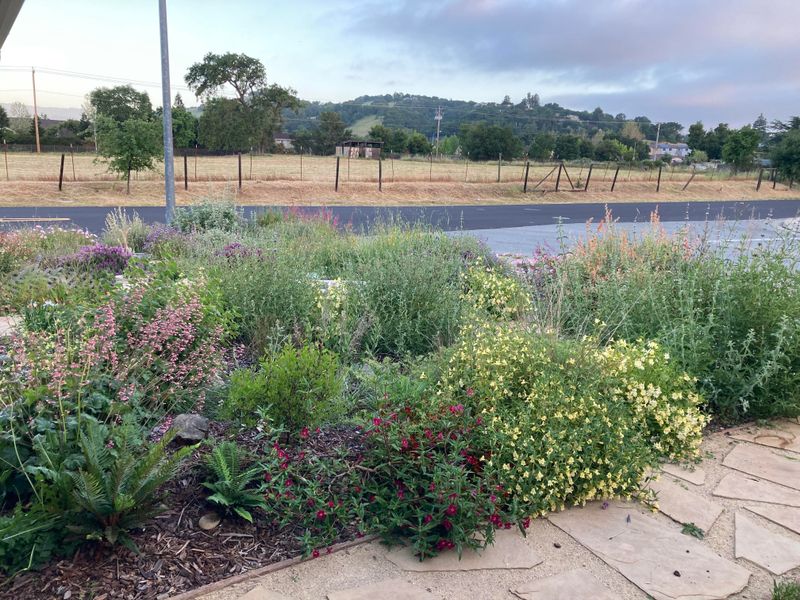
A California hillside a week or two after the first good storm puts on a quiet show. Brown slopes start showing a faint green fuzz, and shrubs that looked half asleep all summer push out fresh leaves.
Many California natives follow a different calendar than plants from wetter places. They often slow down or go semi-dormant in summer heat to save water.
Cool weather and rain bring them back to life. Growth picks up quickly once the soil softens.
California buckwheat, sagebrush, and many bunchgrasses respond fast to that first soaking. Fall planting puts new plants in sync with that natural wake-up call.
Instead of fighting the season, they ride it. New plants grow alongside wild ones in nearby canyons, following the same rhythm.
Some natives, such as California fuchsia and certain sages, look scraggly in late summer. That appearance reflects normal behavior rather than trouble.
Gardeners new to natives sometimes overwater these sleepy plants, hoping to perk them up. A light trim and some patience usually work far better.
Wildflower seeds follow the same pattern. Poppies, lupines, and clarkias sown in fall sprout with winter rains and bloom in spring, needing little beyond a scratch of the soil and good ground contact.
Shrubs and perennials planted at the same time let the whole garden grow up together. Everything settles into the routine side by side, ready to shine once spring arrives.
Early Watering Is Still Needed
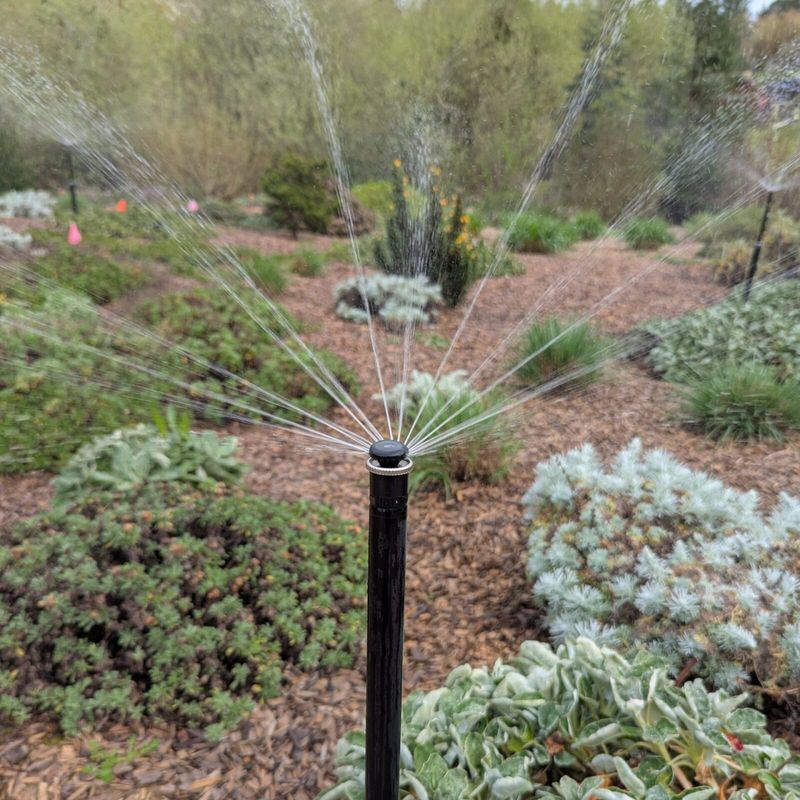
Fall planting is smart, though it doesn’t mean planting and walking away. September and October often rank among the hottest, driest months of the year in California.
Until the rains begin, new natives depend entirely on the gardener. A deep watering right after planting should soak both the root ball and the surrounding soil.
Checks every few days help from there. Nursery root balls dry out faster than the ground around them.
A simple routine makes this easy. A finger or wooden chopstick pushed a few inches into the root ball reveals whether a slow drink is needed.
A small ring of soil, called a basin, around the plant helps water soak in rather than run away. That little rim makes every watering count.
Once winter storms arrive, watering can usually ease off. Dry spells still happen, so long stretches without rain deserve a quick check.
Through the first spring and summer, many natives need a deep watering every week or two. Soil, heat, and species all shape the exact schedule.
Rainfall timing also varies by region. Northern California often sees storms by October, while Southern California may wait until November or later.
Some gardeners in hot inland areas plant from late October through December for that reason.
Local native plant nurseries know each microclimate and common soil types well, and a quick conversation can save a lot of guesswork.