Which fall-planted native best supports Oregon bees preparing for winter?
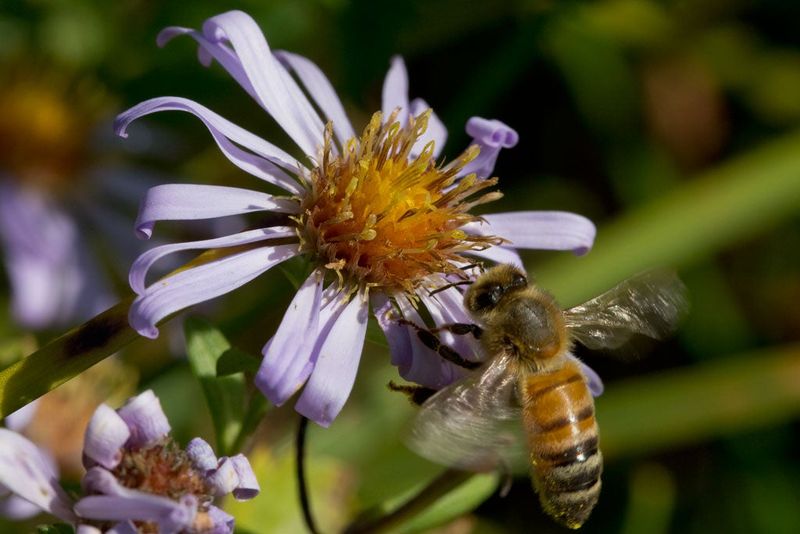
Fall is the quietest season in most Oregon gardens, but for bees it can be one of the most important. While many plants have already finished blooming, a handful of late-flowering natives are still putting out nectar and pollen for bees scrambling to prepare before cold weather sets in.
Planting the right native this fall gives your garden a genuine role in that effort, and the good news is that one plant does the job especially well for gardeners west of the Cascades.
Choose Douglas’ aster for late-season bee support
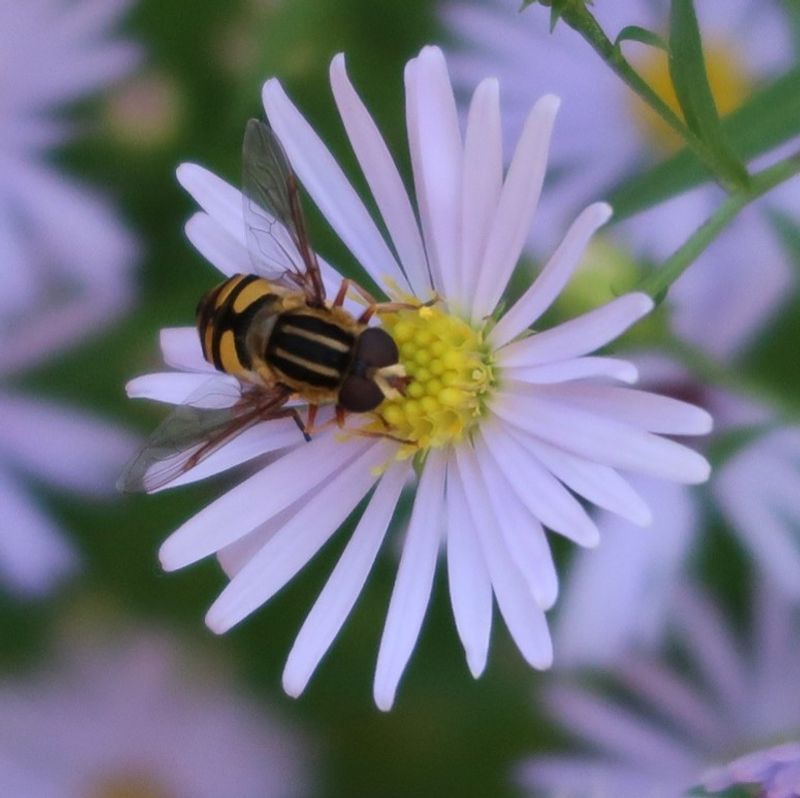
For maritime western Oregon beds, Douglas’ aster, known botanically as Symphyotrichum subspicatum, earns the single-pick recommendation for late-season bee support. It is a perennial native that can be planted in fall, fits neatly into the window when Oregon soils are still workable, and blooms at exactly the time of year when most other garden plants have already quit.
That timing alone sets it apart from a crowded field of well-meaning native suggestions.
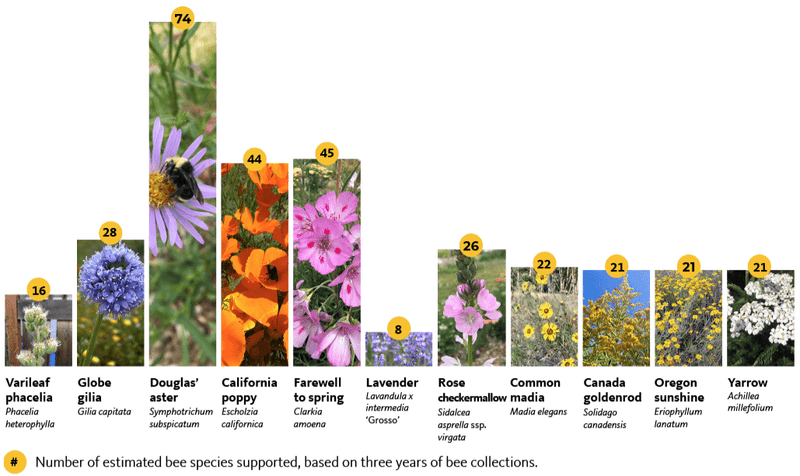
The case for choosing it gets stronger when you look at how many bee species actually use it. Oregon Extension’s native plant evaluations found that Douglas’ aster supported more bee species than any other native plant tested in their Oregon field plots, with an estimated community of about 74 bee species and six species showing particularly strong associations with the plant.
Those numbers come from field conditions, not a greenhouse, which makes them meaningful for home gardeners in the Willamette Valley and similar west-side climates.
Keep the recommendation in its proper lane, though. Douglas’ aster is a strong late-season anchor, not a complete bee garden by itself.
It does not bloom reliably through midwinter, it does not replace a succession of early- and mid-season flowers, and a single planting will not solve every pollinator challenge your yard presents. Think of it as the best single piece you can add right now, for the season that matters most when you’re planting in fall.
Understand what “preparing for winter” means
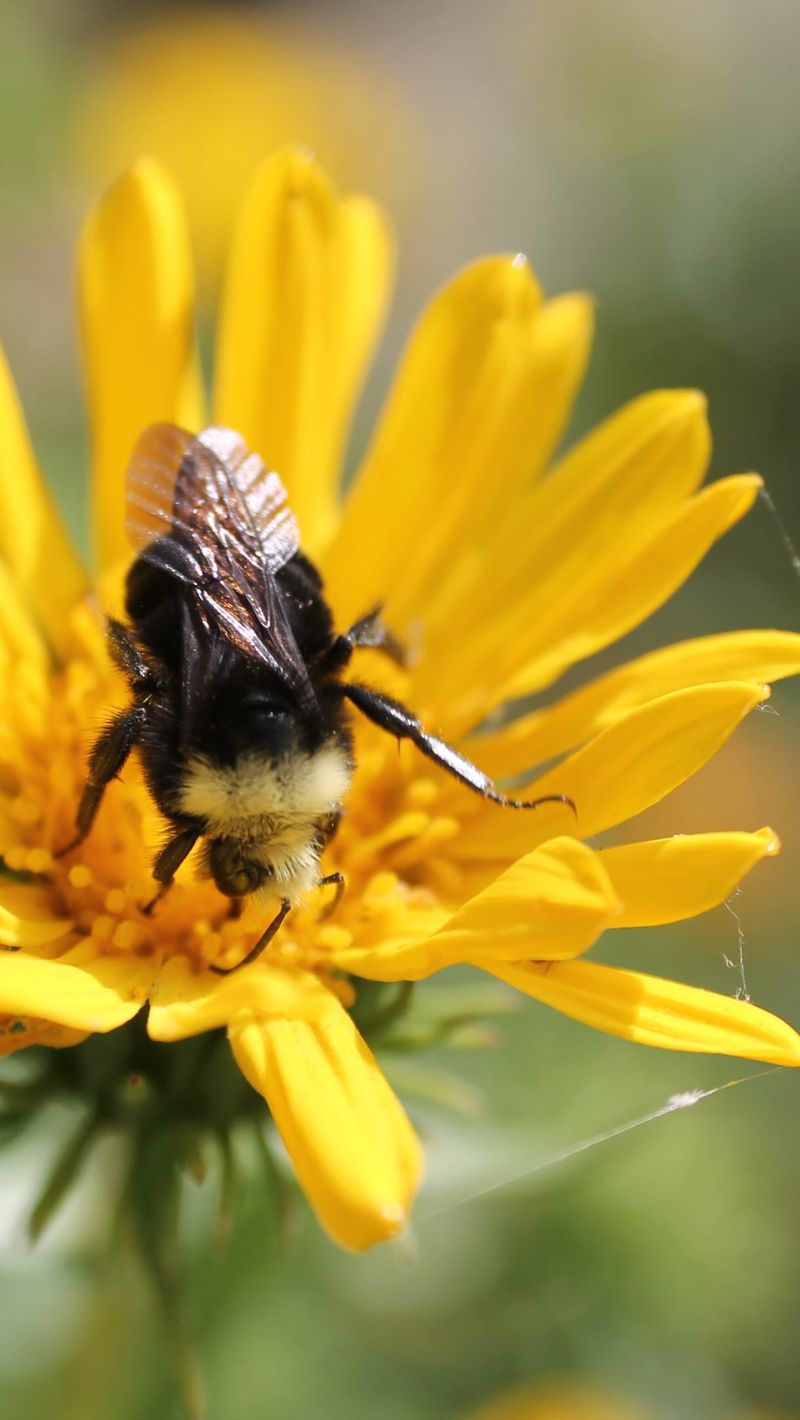
Here is something worth getting straight before you plant anything: most native bees do not spend winter huddled inside a nest waiting for food deliveries. Many solitary bee species overwinter as dormant larvae, pupae, or adults sealed inside their nests, and those bees are not out foraging at all.
Late-season flowers cannot reach them once they have gone dormant, because they simply are not eating. So the phrase “feeding overwintering bees” is a bit misleading, and it is worth replacing with something more accurate.
What late flowers actually do is support bees that are still active in fall, before dormancy begins. That includes various solitary species still flying on warm October days, but the clearest audience is newly mated bumble-bee queens.
Xerces Society guidance on bumble-bee overwintering explains that after mating, queens forage heavily on remaining flowers to build fat reserves before finding a protected site, often underground, to wait out winter. A patch of Douglas’ aster in bloom during that window gives them something real to work with.
Your Oregon Garden Changes Every Week. Your Plan Should Too.
Gardening in Oregon changes quickly throughout the season. Every Friday you’ll receive a simple weekly plan showing exactly what to plant, prune, fertilize, harvest, and protect so you never miss the right timing.
The distinction matters practically. You are not stocking a pantry for sleeping bees.
You are providing fuel for active bees, especially bumble-bee queens, during the weeks when they most need to accumulate energy.
Use its late bloom to fill an Oregon garden gap
Most garden beds in western Oregon go quiet well before fall is finished. By late August, the summer perennials are winding down, and by September a lot of beds are offering bees very little.
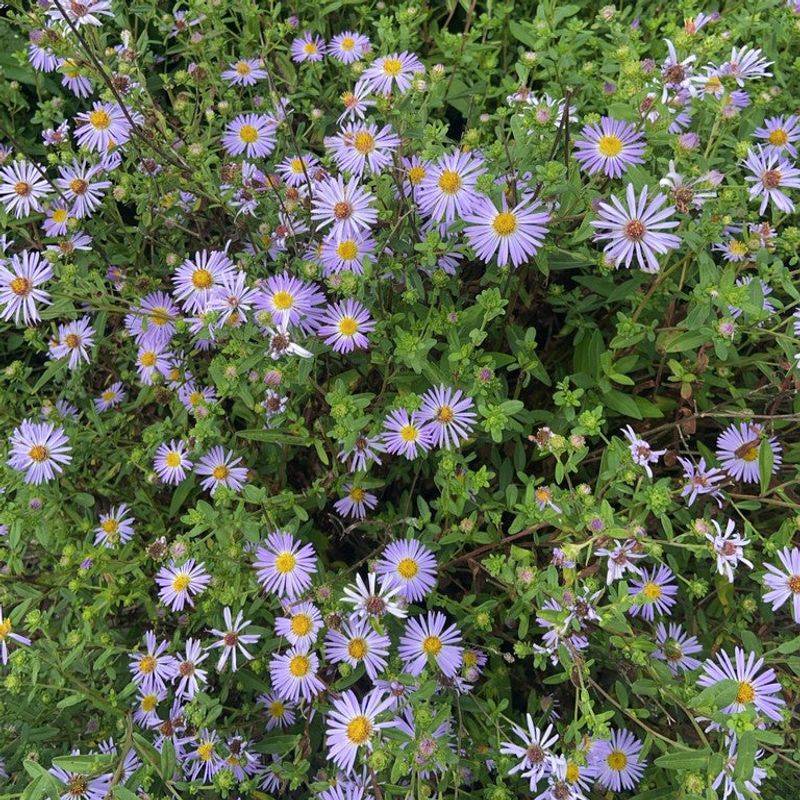
Douglas’ aster blooms strongest from July through September, which overlaps with that thinning-out period and extends it. On mild years, scattered flowers can continue into November, adding a few more weeks of late-season forage when almost nothing else is open.
The Oregon native plant evaluation data identifies Douglas’ aster as an important late-summer and fall forage source, and that is exactly where its value lies for bees. The nectar and pollen it provides during the July-to-September window arrive when bee populations are still active and food sources are genuinely getting sparse.
A planting that bridges that gap does real work.
What Douglas’ aster is not, and should not be sold as, is a dependable midwinter bloomer. If your goal is flowers during December or January mild spells, you would look instead at Oregon grape, witch hazel, or winter-blooming heaths and heathers.
OSU Extension’s guide to fall and winter bloom covers those options well. Douglas’ aster fills a different and equally important slot: the late-summer-to-fall stretch when the garden is fading but bees are still very much on the wing.
Plant it while western Oregon soil is workable
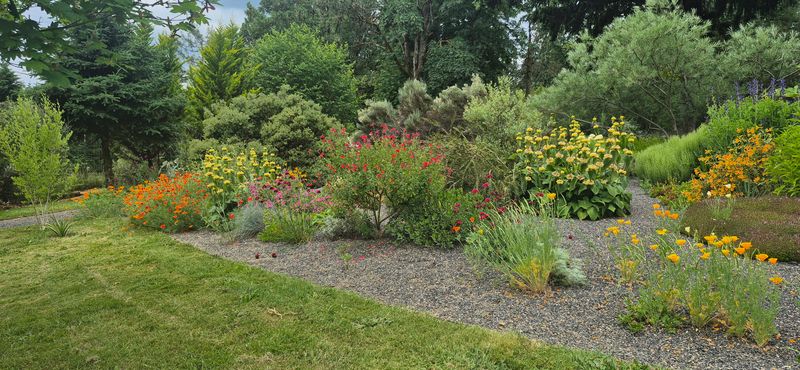
One of the practical advantages Douglas’ aster has over spring-planted natives is that fall planting in maritime western Oregon actually works well. From roughly mid-September through mid-November, soil temperatures stay warm enough for root development even as air temperatures cool.
The autumn rains that arrive during that same window reduce how much supplemental watering you need to do, which makes the whole process a bit more forgiving for busy gardeners.
OSU Extension’s fall planting guidance confirms that perennials planted in fall can use the cooler months to establish roots without the stress of summer heat, setting them up for stronger growth the following spring. For Douglas’ aster, that means a plant put in the ground in October may flower in its first year under good conditions, though that is not guaranteed for every transplant.
A new planting needs time to settle before it reaches its full forage potential.
Water thoroughly right after planting, making sure moisture reaches the full root zone. After that, plan to water about once a week until consistent fall rains take over the job.
Even then, keep an eye on dry spells during establishment and water as needed, because native plants still need help during their first season regardless of how well they eventually handle Oregon summers. One important note: this fall planting window applies to maritime western Oregon and Willamette Valley-type conditions.
Give this vigorous native room to spread
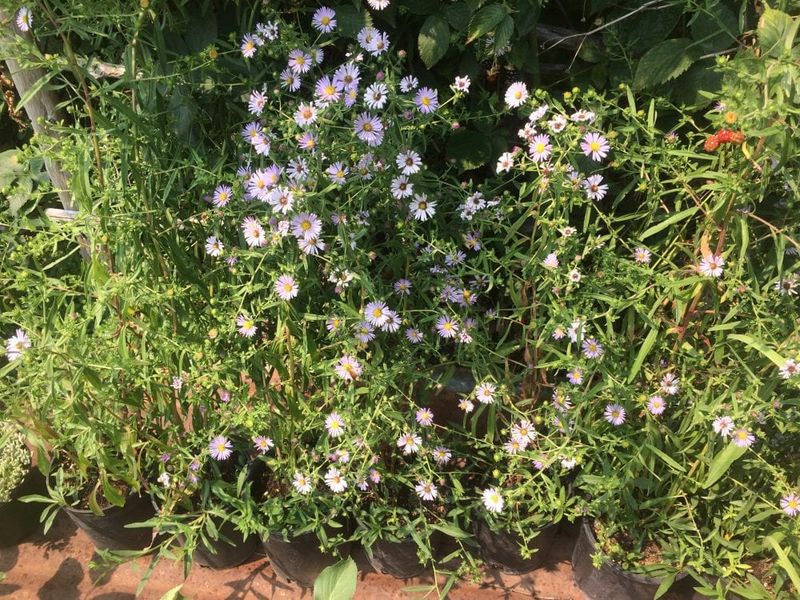
Before you choose a spot, know what you are committing to. Douglas’ aster is a willing grower.
It typically reaches 1 to 4 feet in height depending on site conditions, and it spreads through underground rhizomes that can quietly push the plant well beyond its original footprint. It also self-seeds, which means a single plant can become several in a season or two if left completely unchecked.
That vigorous nature is part of what makes it so effective as a bee plant, but it calls for a realistic site selection conversation before you dig the first hole.
The good news is that it adapts to a wide range of conditions. OSU Extension’s native plant picks guide notes that Douglas’ aster tolerates full sun to partial shade and performs across varied soil types including heavy clay, sandy soil, and sites prone to occasional flooding.
If you have a challenging corner of the yard, this plant may actually appreciate it. Give it a spot where spreading into adjacent space will not cause problems, or plan from the start to manage its edges.
Maintenance after establishment is modest but not zero. The Oregon evaluation data recommends deadheading or removing developing flower heads if limiting self-seeding matters in your garden.
Digging and dividing rhizomes at the plant’s edges once a year keeps it from swallowing a bed it was not meant to dominate. Think of it less as a plant you set and forget, and more like a generous neighbor you occasionally remind where the property line is.
Leave stems and soil for nesting bees
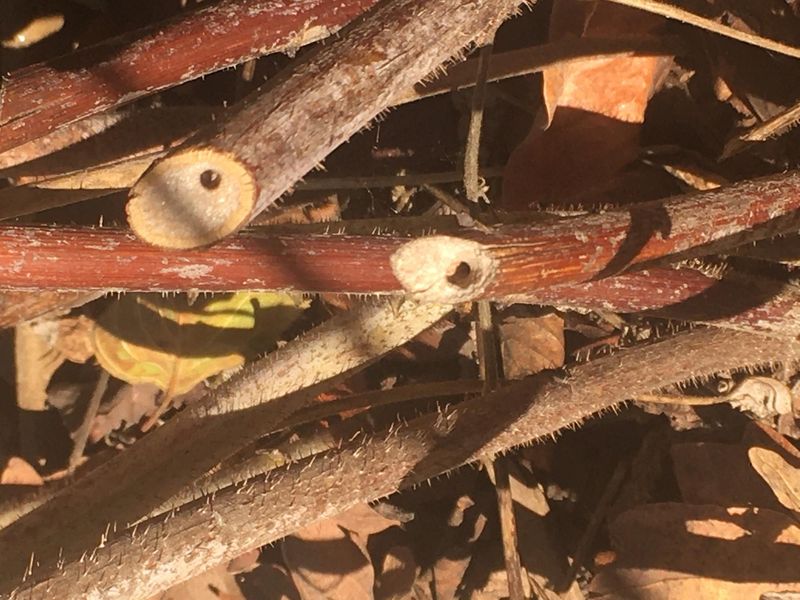
Fall cleanup is one of those garden tasks that feels productive but can quietly remove habitat that bees depend on. When Douglas’ aster finishes blooming and the season winds down, resist the urge to cut every stem to the ground.
Some native bees, including small mason bees and others in the region, use thick or pithy stems as nesting and overwintering sites. Leaving those stems standing through winter gives them somewhere to go.
OSU Extension’s stem habitat guide recommends leaving roughly 8 to 10 inches of thick or pithy stems where practical. That is not a huge ask, and it does not require leaving the entire bed looking untouched.
Cut back what you want to tidy, but preserve a section of stems with some substance to them. The bees using those stems are not visible to you, which makes the practice easy to skip, but the habitat is genuinely useful.
Flowers alone do not make a complete bee habitat, and the ground beneath your plants matters too. OSU Extension’s pollinator landscape guide explains that many Pacific Northwest native bees nest in bare soil, tunneling underground to lay eggs.
Covering every inch of your bed with thick mulch can block their access. Leave a small area of exposed, undisturbed soil somewhere in or near the planting.
A patch the size of a dinner plate is a reasonable start.
The distinction between useful habitat and genuine garden problems still applies. OSU Extension’s fall and winter bee garden guide is clear that diseased plant material, fallen fruit, and debris likely to harbor pests should still come out.
Leaving stems for bees and leaving a mess for slugs are not the same thing, and your judgment about what stays and what goes remains the right tool for that call.
Build the rest of the bee habitat around it
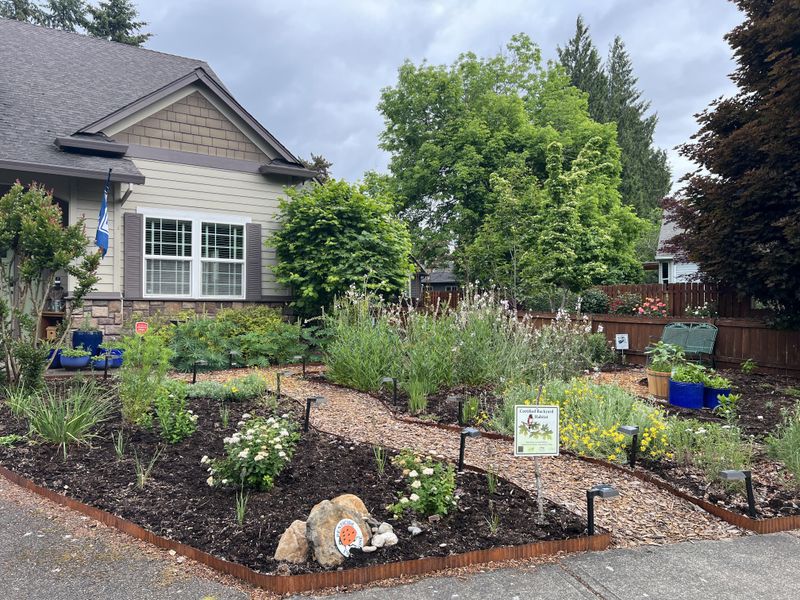
A single well-placed Douglas’ aster is a genuine contribution to bee health in your yard, but bees need more than one plant and one season. They are active from late winter through fall depending on the species, and a garden that only blooms in August and September leaves a long hungry stretch on either side.
The aster works best when it anchors the late end of a planting that also includes something for early spring and something for midsummer.
OSU Extension’s year-round bee garden guide recommends thinking in terms of floral succession: early bloomers for the first bees of the year, mid-season plants to carry through summer, and late-season anchors like Douglas’ aster to close out the foraging calendar. You do not need to replant everything at once.
Adding one good plant per season over a couple of years builds a bed that supports bees across most of their active period without requiring a complete garden overhaul.
Pesticide choices matter at least as much as plant choices. OSU Extension’s pollinator landscape guidance notes that bees can encounter pesticides through direct contact, contaminated nectar or pollen, drift, and runoff – not just from sprays applied directly to them.
Avoiding unnecessary insecticide use, especially on or near blooming plants and during active foraging hours, is one of the most practical things a home gardener can do. One thriving aster patch surrounded by pesticide-treated soil is a less useful habitat than a modest planting in a yard where chemical inputs are kept to a minimum.
Match the recommendation to the climate
Douglas’ aster earns the recommendation for maritime western Oregon and Willamette Valley-type conditions, where the fall planting window is real, the soils are forgiving, and the plant’s late bloom aligns with active bee season. If your garden fits that description, fall is a fine time to put one in the ground, water it through establishment, and start planning where to leave some stems standing.
Gardeners in central or eastern Oregon, at higher elevations, or in colder mountain locations should check local suitability before following west-side advice. OSU Extension’s regional guidance is clear that planting windows and plant performance vary significantly across Oregon’s climates, and a fall planting that works in Corvallis may not be appropriate in Bend or Ashland.
If your actual goal is flowers during mild winter days rather than late-fall forage, Douglas’ aster is not the right answer. OSU Extension’s winter bee garden guide points to Oregon grape, winter-blooming heaths, and witch hazel for that purpose.
Plant Douglas’ aster because it closes the late-season gap with reliable bloom and broad bee appeal – that is the job it does best, and for west-side Oregon gardeners, that job is worth doing.