Which Florida Herbs Actually Survive An October Full Of Storms?
October in the Sunshine State can feel like a mood swing in the sky. One hour smells like warm basil, and the next sounds like a drum solo on your roof.
Wind bends the porch rail, rain fills every saucer, and your herb pots look a little nervous. You might wonder which leafy friends will still be standing when the clouds roll away.
Some garden favorites sulk after one soggy week. Others shrug off the gusts and keep pushing out fragrant new growth like nothing happened.
The good news is that a few tough herbs seem built for this wild season. Grab a cup of coffee, and meet the green survivors worth planting before the next storm.
1. Rosemary Stands Tall Through Florida Gusts
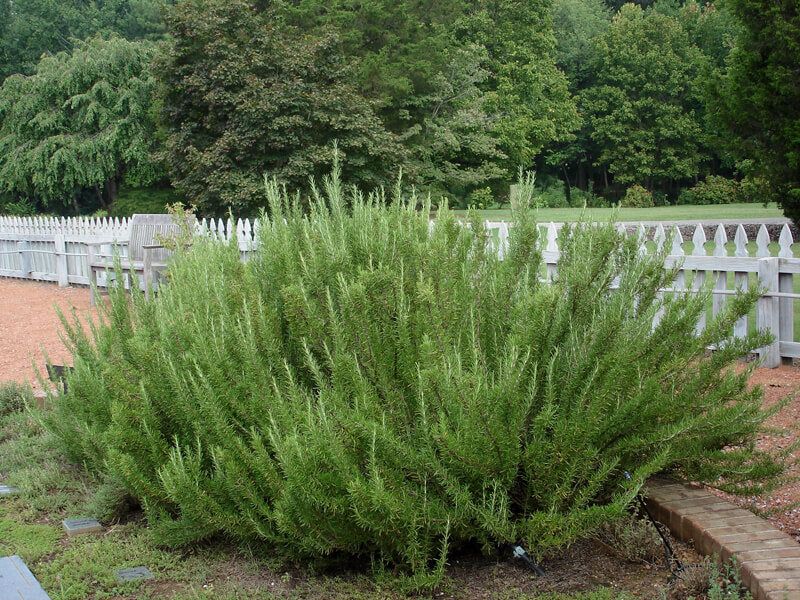
Tough as an old fishing boot, rosemary laughs at wind that flattens softer plants. Its woody stems and needle-like leaves give gusts very little to grab onto.
Gardeners across Florida love it because it handles salty breezes near the coast too. The trick is drainage, since rosemary hates sitting in wet soil for days.
Plant it in a raised bed or a clay pot filled with sandy, gritty mix.
Before a big storm, give the plant a light trim to lower its height. A shorter bush catches less wind and bounces back faster.
Save those clippings, because fresh rosemary makes roasted potatoes taste amazing.
After heavy rain, check the base of the plant. If the soil stays soggy, tip the pot on its side for a few hours or move it under a porch roof.
Yellowing lower leaves often mean the roots are too wet.
Here is a fun bit of history. Ancient Greek students wore rosemary wreaths while studying because they believed it helped memory.
You might not ace a test from it, but your kitchen will smell wonderful.
Pick a variety like Tuscan Blue or Arp for strong, upright growth. Space plants about two feet apart so air can move between them.
Good airflow helps leaves dry quickly once the sun returns, which keeps fungus from moving in.
2. Cuban Oregano Shrugs Off Downpours
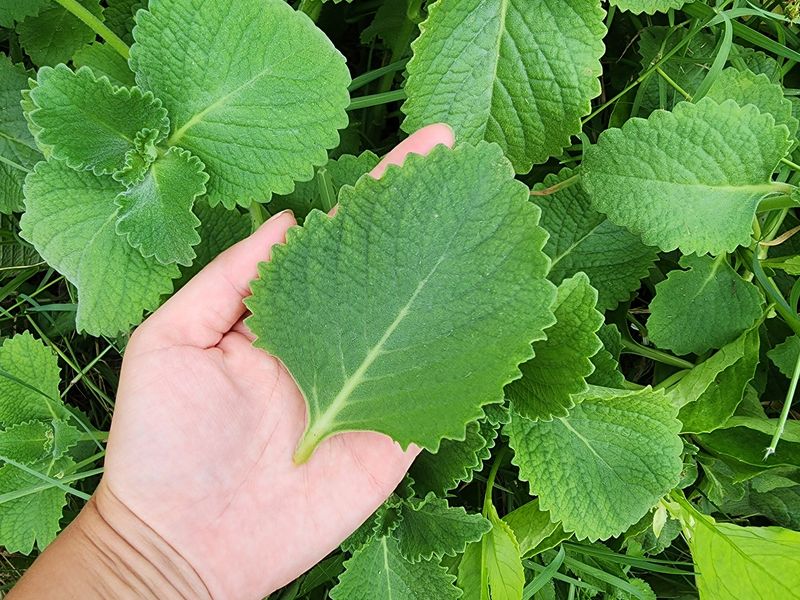
Ever brushed past a plant and smelled pizza? Cuban oregano does that, and it also happens to be one of the toughest herbs you can grow.
Its thick, fuzzy leaves store water like a tiny cactus. That means it can handle a dry spell, yet it also tolerates rainy weeks better than many herbs.
Folks in South Florida often see it spilling from pots on breezy balconies.
Strong wind might snap off a branch or two. Do not toss those pieces.
Stick them right into moist soil, and they usually root within a couple of weeks, giving you free new plants.
Give it bright light but a little afternoon shade if possible. Too much harsh sun can scorch the leaves, while deep shade makes the stems floppy.
A spot near a fence or wall offers balance plus some shelter from storms.
The flavor is bold, so a little goes a long way. Chop a leaf into black beans, soups, or marinades for a punch of earthy taste.
Your Florida Garden Changes Every Week. Your Plan Should Too.
Gardening in Florida changes quickly throughout the season. Every Friday you’ll receive a simple weekly plan showing exactly what to plant, prune, fertilize, harvest, and protect so you never miss the right timing.
Some families also crush the leaves into a soothing tea for scratchy throats.
Watch for mushy stems after long stretches of rain. Trim any soft parts with clean scissors and let the soil dry out a bit.
With sandy soil and a light hand on watering, this plant stays happy year after year.
3. Lemongrass Bends But Holds In Storms
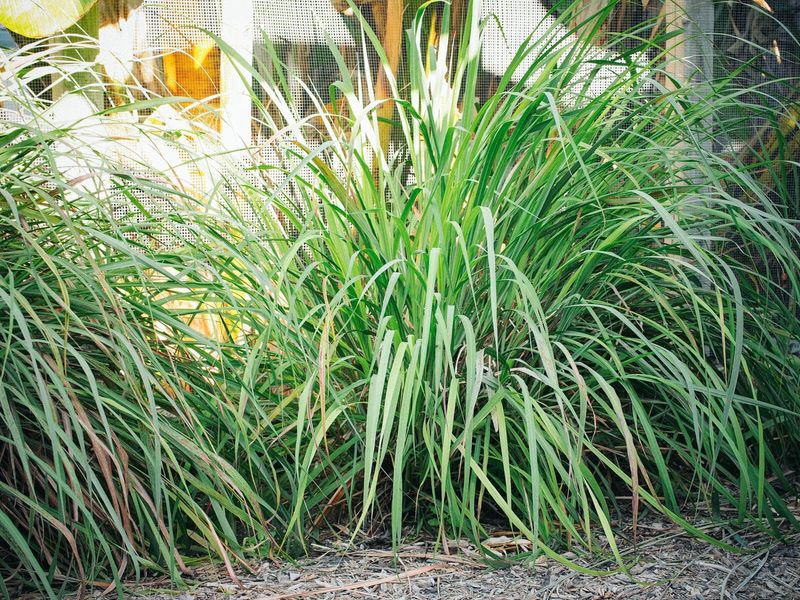
Think of lemongrass as the dancer of the herb garden. When the wind howls, its long blades bend and sway instead of snapping.
That flexible style makes it a star during stormy Florida weeks. The plant grows in big clumps with deep roots that grip the ground tightly.
Once established, even tropical rains rarely knock it loose.
Lemongrass loves heat, sun, and plenty of moisture, so October rain is like a treat. Just make sure water drains away eventually.
A bed with compost mixed into sandy soil works nicely.
After a storm, you might see torn or brown blades. Snip them near the base to tidy things up and let fresh shoots push through.
Wear gloves, because the leaf edges can be surprisingly sharp.
Here is a kitchen tip. Cut a stalk near the ground, peel off the tough outer layer, and smash the pale inner part.
Toss it into soups, curries, or iced tea for a bright lemony flavor.
Many people also say the citrus scent helps keep mosquitoes away from patios. Science on that is mixed, but it certainly smells nicer than bug spray.
Plant a clump near your back door and enjoy the fragrance every time you step outside after the rain.
4. Florida Gardens Love Hardy Thai Basil
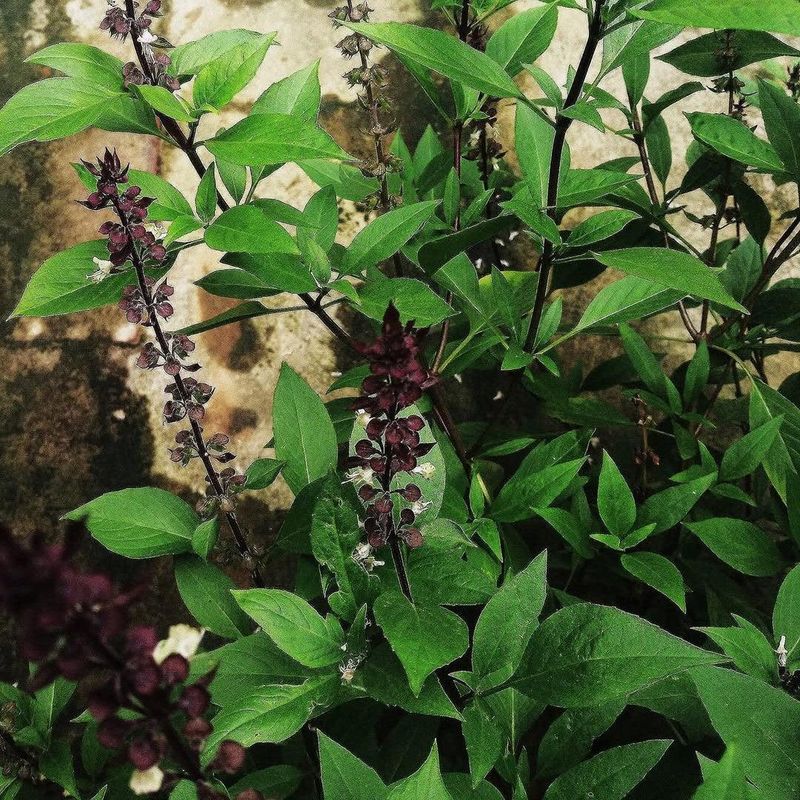
Sweet basil can turn moody and spotty in wet weather. Thai basil, its spicy cousin, handles the drama with far more grace.
The purple stems are thicker and sturdier, so they hold up better in gusty winds. Leaves are also a bit tougher, which helps them resist the fungus that loves humid Florida long after regular basil gives up.
Plant it where it gets at least six hours of sun. Morning sun is extra helpful, because it dries the dew and rain off the leaves early in the day.
Wet leaves sitting for hours invite trouble.
Pinch off the flower spikes when you see them. The purple blooms are pretty, and bees adore them, but pinching keeps the plant bushy and full of tasty leaves.
You can leave a few flowers for the pollinators if you like.
The flavor is a little like licorice mixed with pepper. It shines in stir fries, noodle bowls, and fresh spring rolls.
Toss a handful in at the very end of cooking so the taste stays bright.
Before a big storm, harvest generously. Bundle the stems in a glass of water on your counter like a bouquet.
They stay fresh for days, and the plant outside regrows quickly.
5. Porches Shine With Tough Mexican Tarragon

French tarragon tends to sulk in steamy heat. Gardeners who want that sweet anise flavor have a secret weapon called Mexican tarragon.
Also known as Mexican mint marigold, it thrives where its French cousin struggles. Florida humidity barely bothers it.
Better yet, October is when it bursts into cheerful little golden flowers.
Those blooms feel like a reward after a gray, rainy week. The stems can flop during heavy wind, so a small stake or a tomato cage helps.
Some gardeners just let it lean and sprawl, which looks charming in a cottage style bed.
Give it full sun and soil that drains well. It tolerates some dryness once settled, so avoid extra watering during rainy spells.
Let nature handle the job for a while.
In the kitchen, use the leaves anywhere you would use regular tarragon. They taste great in chicken salad, egg dishes, and simple vinaigrettes.
The flowers are edible too, so sprinkle a few on a salad for a sunny pop of color.
For history enthusiasts, Tagetes lucida has documented use among pre-Columbian cultures in Mexico, where it is believed to have played a role in various cultural and ceremonial contexts. Some historical accounts also suggest it was used as a flavoring in certain traditional preparations, though the specific details of those uses vary across sources and should be explored through credible ethnobotanical research for a fuller picture.
Either way, you are growing a plant with deep cultural roots, and it handles storms better than many modern varieties.
6. Garlic Chives Bounce Back In Rain
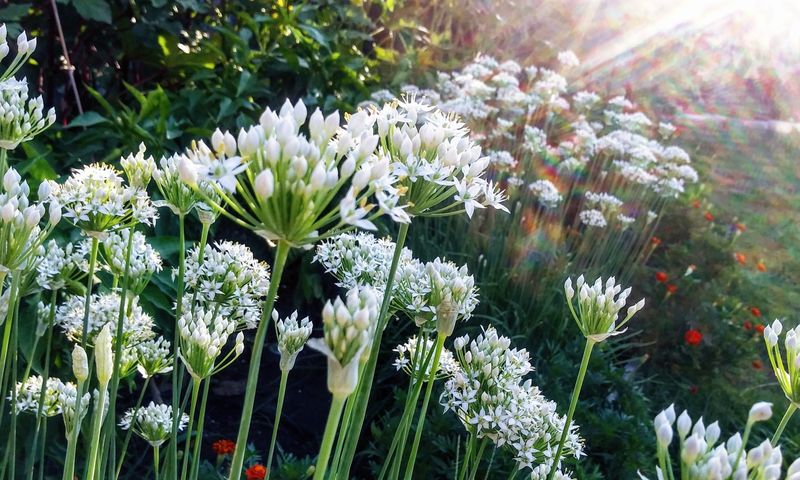
Some herbs act like divas, but garlic chives are more like that friend who shows up rain or shine. They are low, grassy, and nearly fuss free.
Because they grow close to the ground, strong wind mostly passes right over them. Their flat leaves dry quickly after storms.
Plenty of Florida gardeners treat them as a reliable edge plant along walkways.
In late summer and fall, white star-shaped flowers pop up on tall stems. Butterflies and bees visit often, which is nice for the rest of your garden.
Snip the blooms before they drop seeds if you want to avoid chives sprouting everywhere.
Harvesting is simple. Grab a handful of leaves and cut about two inches above the soil.
They regrow fast, often in just a couple of weeks.
The taste is a gentle mix of garlic and onion. Chop them into scrambled eggs, dumplings, or baked potatoes for a mild kick.
Kids often enjoy them because the flavor is not too strong.
Every couple of years, dig up the clump and split it into smaller sections. Replant the pieces or share them with neighbors.
Dividing keeps the plants vigorous and gives you a great excuse to chat over the fence after the storm season calms down.
7. Culantro Steps In For Cilantro
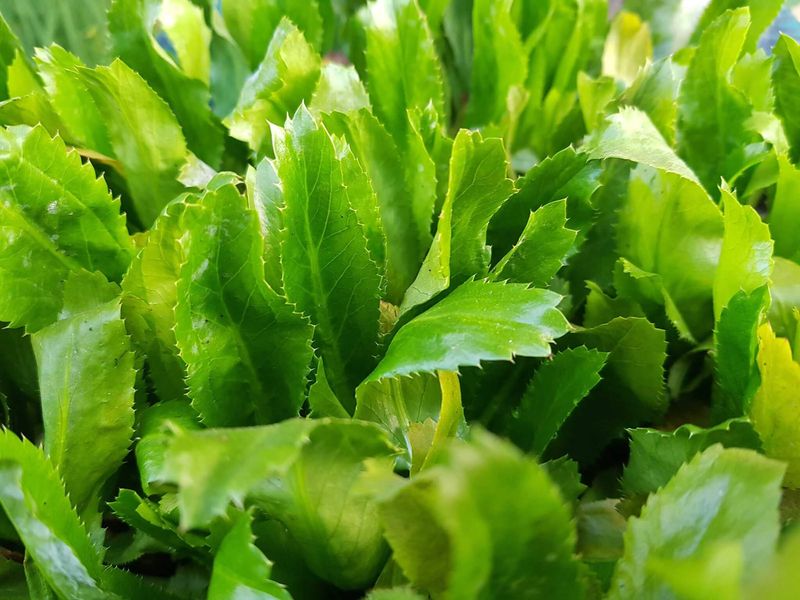
Cilantro fans in warm climates know the heartbreak. It bolts and fades as soon as the heat arrives, but culantro does not mind steamy weather one bit.
Culantro has long, saw-toothed leaves with a flavor much like cilantro, only stronger. It is a favorite in Caribbean and Latin American cooking.
Many home cooks in Central and South Florida grow it right outside the kitchen door.
Unlike many herbs, culantro actually prefers some shade and moist soil. That makes rainy October weather surprisingly pleasant for it.
Low leaves hug the ground in a rosette, so wind rarely does much damage.
Plant it under taller plants or on the shady side of your house. Too much sun makes it flower quickly and turn bitter.
Pinch off any flower stalks to keep the leaves coming.
Because the taste is so bold, you only need a leaf or two for a whole pot of beans. It holds its flavor during cooking far better than cilantro.
Blend it into sofrito, salsa, or a green sauce for grilled fish.
A quick tip on harvesting. Pick outer leaves first and leave the center growing.
The plant keeps making new leaves, giving you a steady supply all season while other herbs take a break.
8. Florida Patios Welcome Sturdy Mint In Pots
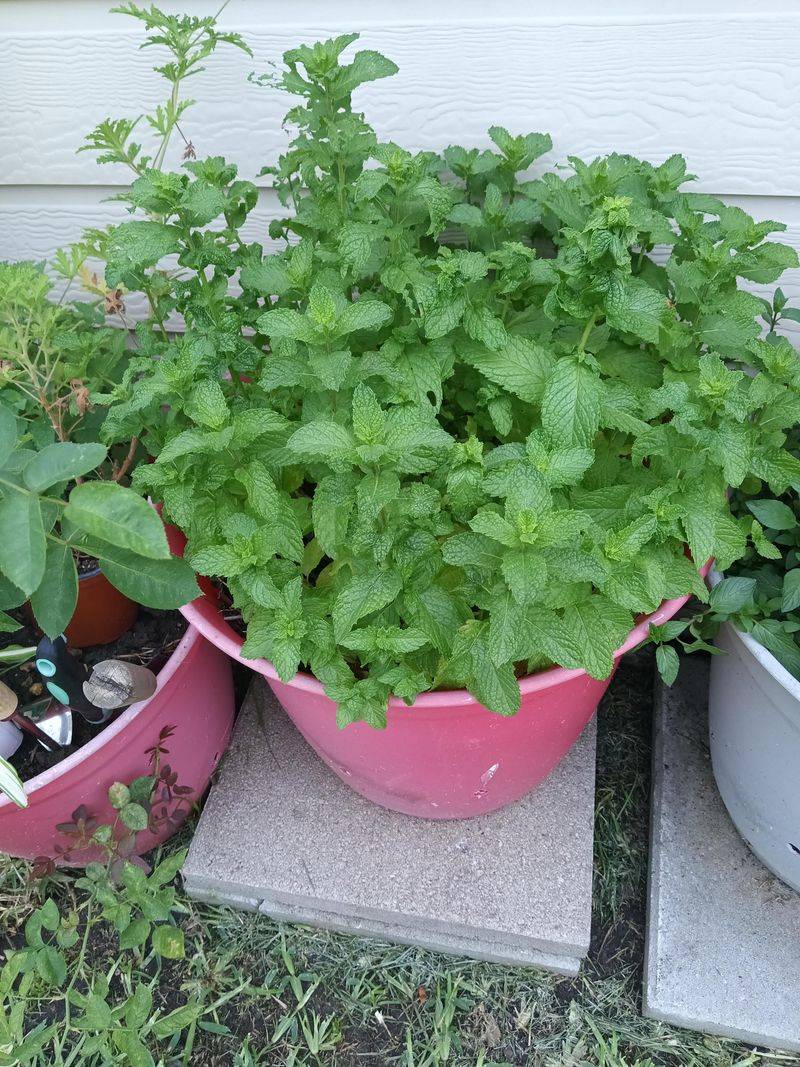
Mint has a reputation as the bulldozer of the herb world. Give it an inch, and it will happily take the whole yard.
That energy is exactly why it handles wild weather so well. Its spreading roots recover fast, even after heavy wind tears up the top.
A wet October often makes mint look greener than ever.
Grow it in a container to keep it under control. A heavy pot also stays put during gusts and can be moved under cover if a big storm heads your way.
Pick a container with drainage holes so the roots can breathe.
Mint enjoys partial shade in hot climates. Too much midday sun can crisp the edges of the leaves.
An east-facing patio with morning light is a sweet spot.
After a storm, trim back battered stems by about half. Fresh, tender growth usually appears within days.
Use the clippings for a pitcher of mint water or a cool lemonade.
There are hundreds of mint varieties, each with its own twist on the classic flavor. Chocolate mint, pineapple mint, and apple mint are popular options worth exploring.
Spearmint is a commonly recommended starting point for beginners in humid climates and tends to be widely available at local nurseries, though checking with your local UF/IFAS extension office for currently recommended varieties suited to your specific Florida region is always a smart move.
9. Florida Coastal Gardens Trust Resilient Thyme
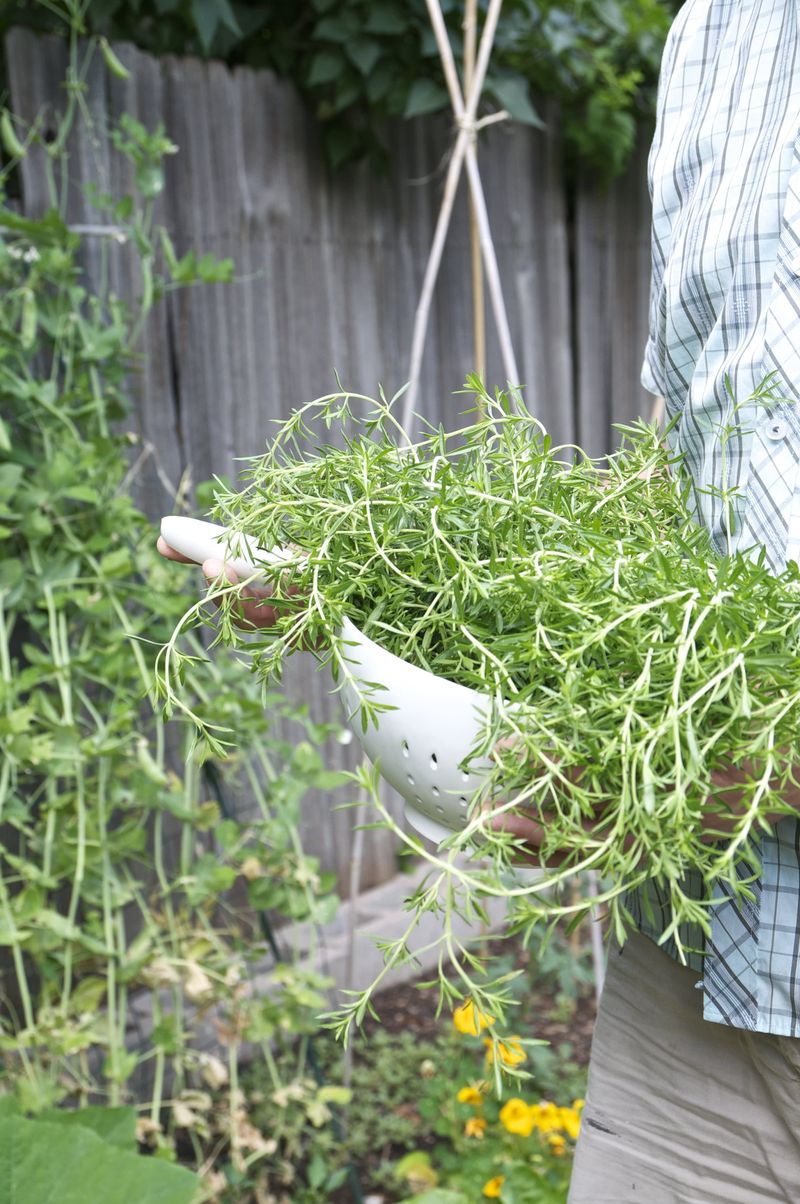
Small but mighty might be the best way to describe thyme. Its tiny leaves and low growth make it a smart pick for breezy spots.
Strong wind barely touches a plant that hugs the ground. Thyme also handles salty air near the beach better than many herbs.
Coastal gardeners often tuck it between stepping stones or along sandy borders.
Its biggest weakness is wet feet. Heavy rain plus poor drainage can rot the roots fast.
Add gravel or coarse sand to your soil, and choose a slightly raised spot.
Creeping thyme and lemon thyme tend to do well in humid weather. Lemon thyme brings a citrus twist that tastes great on fish and roasted veggies.
Brush your hand over the leaves, and the whole area fills with a fresh scent.
Once storms pass, look for gray or mushy patches in the center. Cut those sections out and let the healthy edges fill back in.
A quick haircut after blooming also keeps the plant tidy.
Thyme has a long and well-documented history in human culture, appearing in ancient Greek and Roman writings and valued for both culinary and symbolic purposes across many civilizations. Various historical accounts attribute different meanings and uses to it across cultures, though some of the more colorful stories that circulate in gardening books fall more into the category of popular folklore than firmly verified history.
What is certain is that thyme has earned its place in kitchens and gardens for thousands of years, and its toughness in stormy weather makes it just as relevant on your porch today.