The Lime Treatment Virginia Fescue Lawns Need Before Ground Freezes
Your lawn might look fine on top while the soil underneath turns sour. Many Virginia yards sit on acidic clay that slowly keeps tall fescue from getting the nutrients it needs.
A simple bag of lime can fix that, but timing matters more than most homeowners realize. Lime works slowly, often taking months to change your soil.
Spreading it in fall gives it the whole winter to get to work before spring growth kicks in. Wait until the ground freezes, and the lime is more likely to wash away than soak in.
Crisp October air and a spreader humming across cool green grass might be the secret to a thicker lawn next year. A few smart choices make that effort pay off.
A Soil Test Comes First
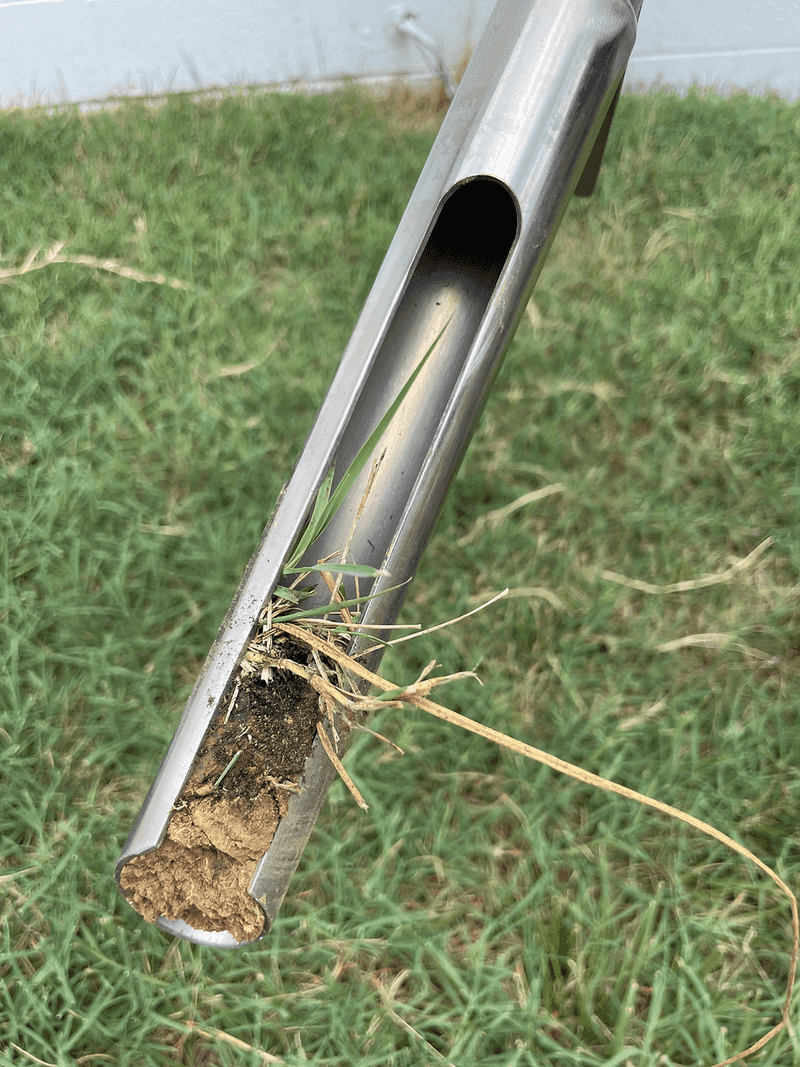
Guessing about lime is a bit like taking medicine without knowing what’s wrong. A soil test gives you the real story hiding under your grass.
Most Virginia lawns grow on clay or loam that leans acidic over time. Rain, fertilizer, and grass clippings all nudge the pH lower each year.
Luckily, testing is cheap and pretty easy to do. Virginia Tech runs a Soil Testing Lab that analyzes home samples for a small fee.
Your local extension office usually offers free sample boxes and instruction forms. Pick one up, or order supplies online before fall chores pile up.
Grab a clean trowel or soil probe and a plastic bucket. Take about ten to fifteen small cores from different spots across the lawn.
Dig each core about three to four inches deep. Mix them together, remove grass and roots, and let the soil air dry.
Fill the sample box and mail it to the lab. Results usually arrive within a week or two, depending on the season.
Your report shows the current pH, nutrient levels, and exact lime recommendations. It lists pounds per 1,000 square feet, which takes the guesswork out of buying.
Skipping the test can cost you money and grass health. Too much lime can push soil too far the other way.
Fun fact: one bag of lime might be plenty for one yard and useless for another. Only a test can tell which yard is yours.
Slightly Acidic Soil Suits Tall Fescue Best
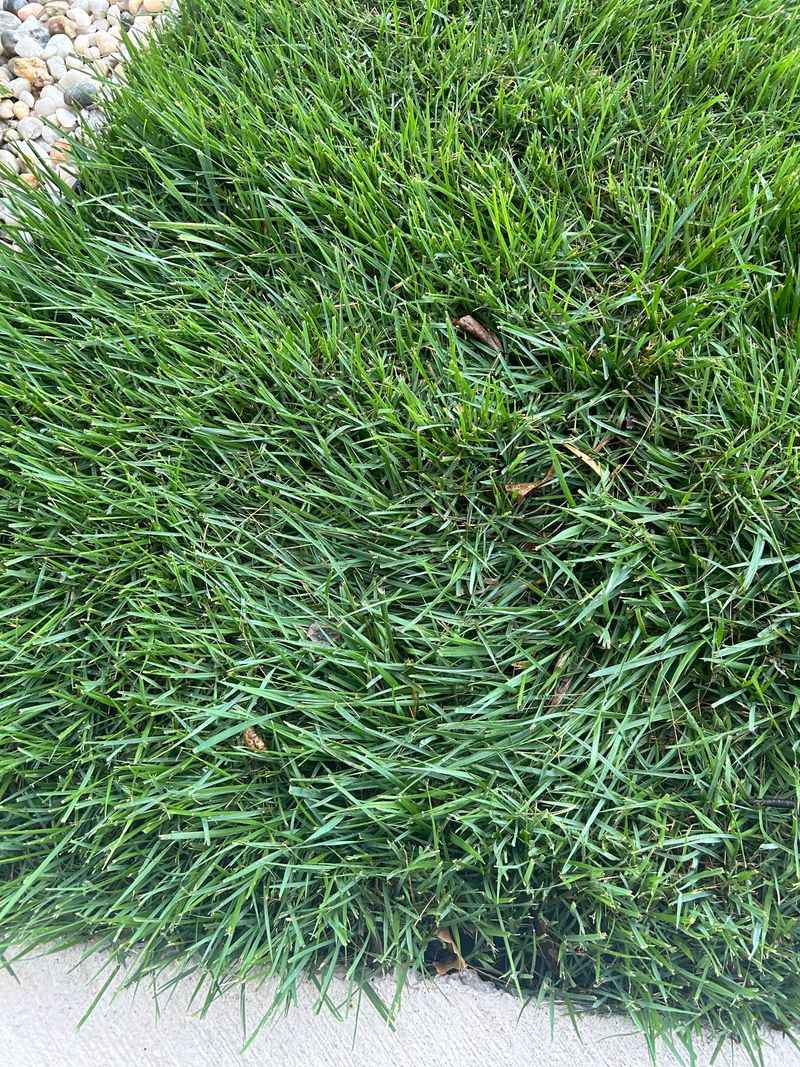
Tall fescue is a little picky about its soil, much like Goldilocks with her porridge. It wants conditions that are not too sour and not too sweet.
The happy zone for fescue sits between a pH of 6.0 and 7.0. Many experts say 6.3 to 6.8 is the real sweet spot.
So what happens when soil drops too low? Important nutrients like nitrogen, phosphorus, and potassium get harder for roots to grab.
You might feed your lawn plenty of fertilizer and still see weak results. The food is there, but the grass simply cannot reach it well.
Soil that climbs too high causes trouble as well. Iron and manganese get locked up, and blades can turn pale or yellow.
Both problems show up in similar ways across a yard. Watch for thin patches, slow growth, and a dull color that fertilizer won’t fix.
Your Virginia Garden Changes Every Week. Your Plan Should Too.
Gardening in Virginia changes quickly throughout the season. Every Friday you’ll receive a simple weekly plan showing exactly what to plant, prune, fertilize, harvest, and protect so you never miss the right timing.
Moss is another clue worth noticing. It often moves in where soil is acidic and grass struggles to fill in.
Across much of the state, the natural soil pH falls around 5.0 to 5.5. That is well below where fescue does its best work.
Bringing pH back into range unlocks the nutrients already sitting in your soil. Your fertilizer dollars stretch further, and the lawn grows thicker.
Think of lime as tuning a radio to the right station. Once the signal is clear, everything else in your lawn care plan sounds better.
Fall Gives Lime Time To Work Before Spring
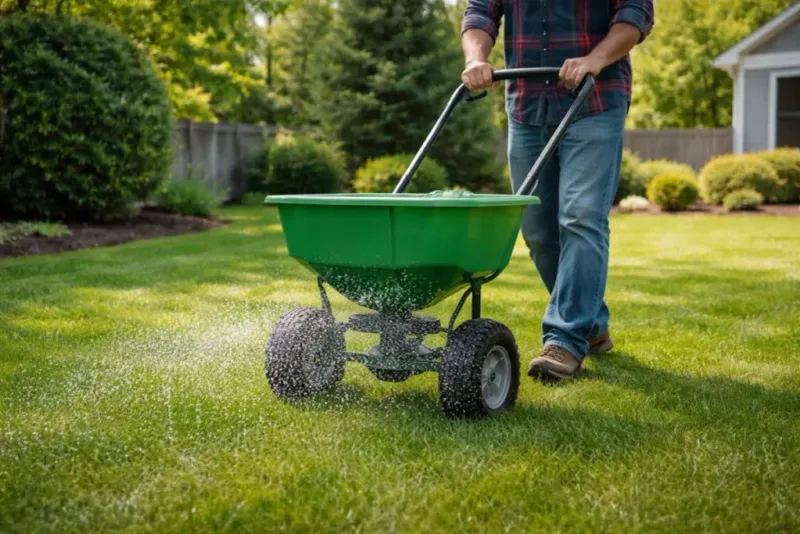
Patience is the hidden ingredient in every bag of lime. Unlike fertilizer, lime does not show results in a week or two.
It works slowly, reacting with soil particles over several months. That gradual pace is exactly why fall is such a smart time to apply it.
Spreading lime in October or November gives it a long runway. By the time spring arrives, your soil pH has had months to shift.
Winter weather helps more than you might expect. Freeze and thaw cycles open tiny cracks that let lime sink deeper into the ground.
Steady rain and melting frost add moisture as well. Water carries lime particles down toward the root zone where grass needs them.
Fall is also prime season for fescue care. Many folks already aerate, overseed, and fertilize during these cool, comfortable weeks.
Pairing lime with core aeration can give it an extra boost. Those open holes let lime slip below the surface faster.
Spring liming still works, but the timing feels a bit rushed. Grass starts growing before the soil has fully adjusted.
Picture your lawn waking up in March with balanced soil ready to feed it. That head start shows up as quicker green-up and stronger roots.
Mark your calendar for mid to late fall. A cool, dry weekend before Thanksgiving is often a perfect window for the job.
Pelletized Lime Spreads Easier
Anyone who has spread powdered lime on a breezy day knows the struggle. You end up with chalky dust on your shoes, clothes, and even eyebrows.
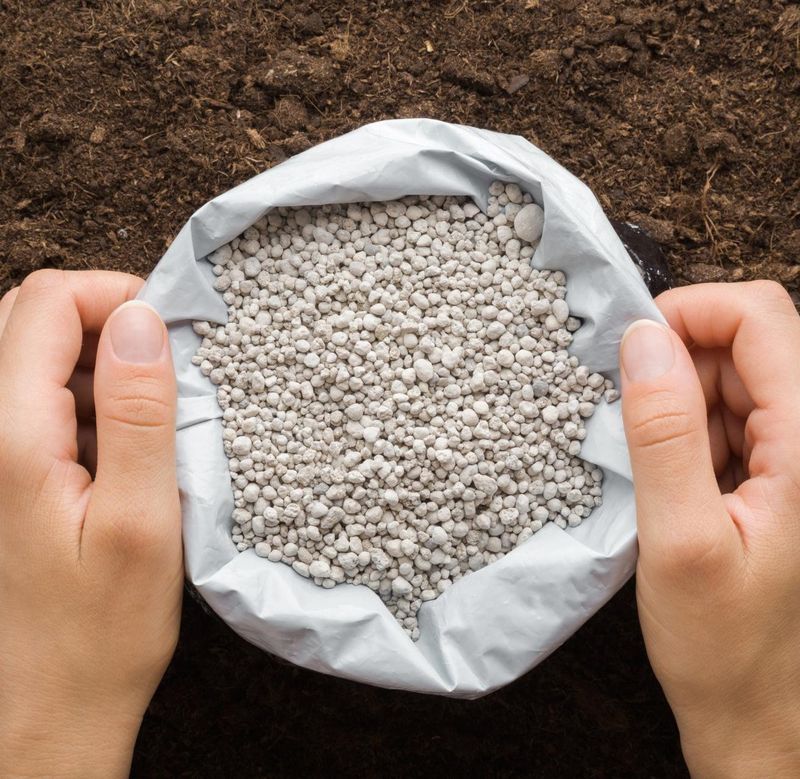
Pelletized lime solves most of that mess. It is simply ground limestone pressed into small, round granules about the size of fertilizer.
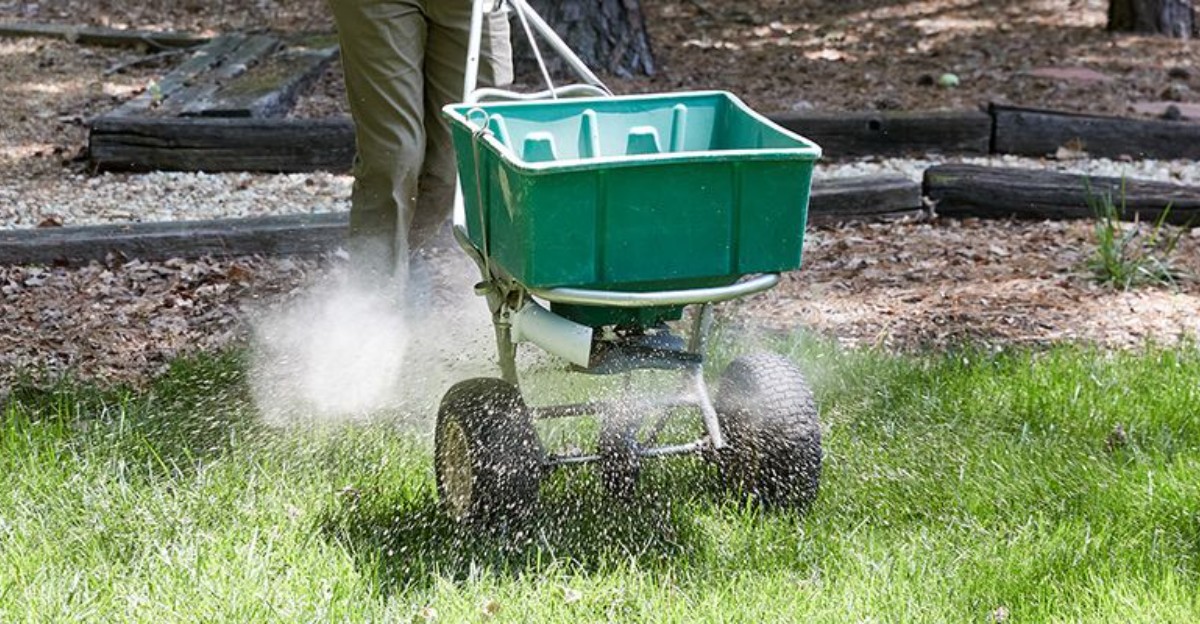
Those pellets flow smoothly through a regular lawn spreader. You can use the same broadcast or drop spreader already sitting in your garage.
Less dust means less waste blowing into flower beds or onto the driveway. More of what you paid for actually lands on the lawn.
Uniform granule size is another big perk. Each pass drops a fairly even amount, which helps your soil pH change evenly across the yard.
Once the pellets get wet, they break apart into fine powder again. That powder starts reacting with the soil just like regular ground limestone.
Pelletized lime usually costs a little more per bag. Many homeowners find the cleaner, faster job worth the extra few dollars.
Bags are easy to find at garden centers and hardware stores each fall. Look for labels listing calcium carbonate content and spreader settings.
Here’s a quick tip from experienced lawn folks. Store leftover bags off the garage floor to keep moisture from turning pellets mushy.
For a typical suburban yard, pelletized lime turns a dusty chore into a tidy afternoon project.
Dolomitic Lime Adds Magnesium Too
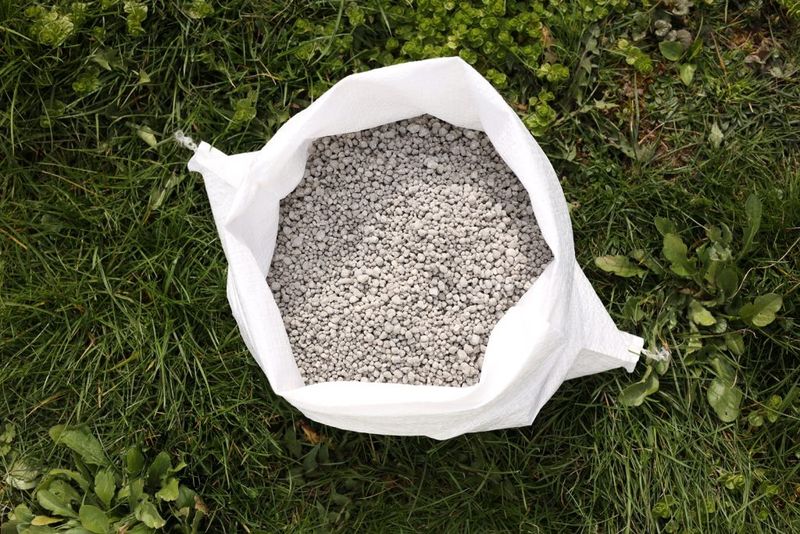
Some products do one job well, and some sneak in a bonus. Dolomitic lime falls into that second group.
Regular calcitic lime is mostly calcium carbonate. Dolomitic lime contains calcium carbonate plus magnesium carbonate, so it raises pH and feeds magnesium.
Why should you care about magnesium? It sits right in the center of every chlorophyll molecule, the green pigment that powers photosynthesis.
Without enough magnesium, grass can look washed out or yellowish. Blades struggle to make food from sunlight, and growth slows down.
Low magnesium shows up often in acidic or sandy soils. Parts of eastern Virginia with lighter soils can run short on it.
Your soil test report will flag magnesium levels clearly. If magnesium reads low, dolomitic lime is usually the better pick.
Dolomitic lime is a common choice for Virginia lawns. It’s especially useful wherever soil tests show magnesium running low.
On the flip side, avoid piling on magnesium you do not need. Soil already high in magnesium may do better with calcitic lime instead.
Fun fact: dolomite rock gets its name from a French geologist named Déodat de Dolomieu. The famous Dolomite Mountains in Italy share that name too.
Reading the bag label takes only a minute. Matching the right lime to your test results keeps your fescue rich and deeply green.
Split Heavy Doses Into Separate Applications
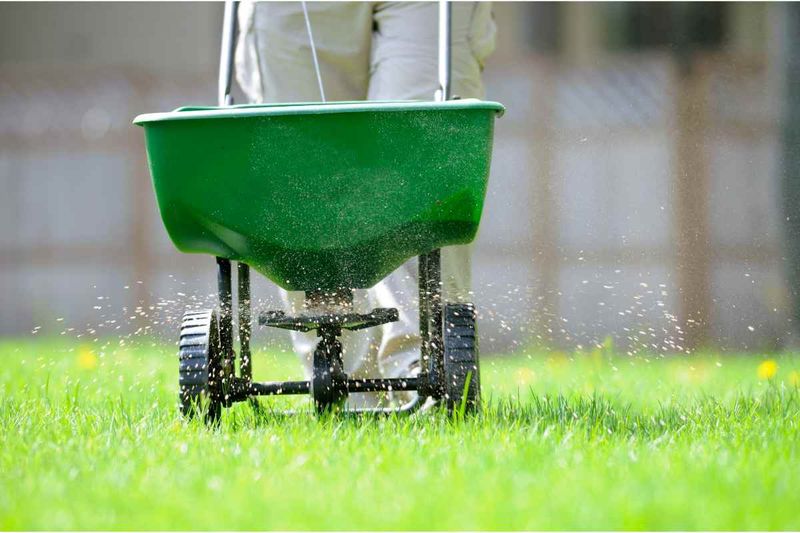
Sometimes a soil test comes back with a big number. Your report might call for 100 pounds of lime per 1,000 square feet or more.
Dumping all of it at once is tempting. Still, more is not better when it comes to an established lawn.
Virginia Cooperative Extension suggests splitting applications when you need over 50 pounds per 1,000 square feet. Smaller doses are gentler on both grass and soil.
Heavy single loads can leave a white crust sitting on top of the turf. That residue blocks sunlight and looks messy for weeks.
Large amounts can also shock the surface soil. A sudden pH swing in the top layer may throw nutrient balance off temporarily.
A smarter plan spaces the treatments out. Apply half now, then the rest one to six months later.
For example, spread 50 pounds in October and 50 pounds in early spring. Each round gets time to react and settle into the soil.
Keep notes on dates and amounts in a phone app or notebook. Good records make it easy to track progress and avoid accidental doubling.
Very acidic soil may need several rounds over a year or two. Slow and steady progress still beats a rushed fix that causes new trouble.
Think of it like eating a big meal in smaller bites. Your lawn digests the change better, and the results last longer.
Spread In Two Directions For Even Coverage
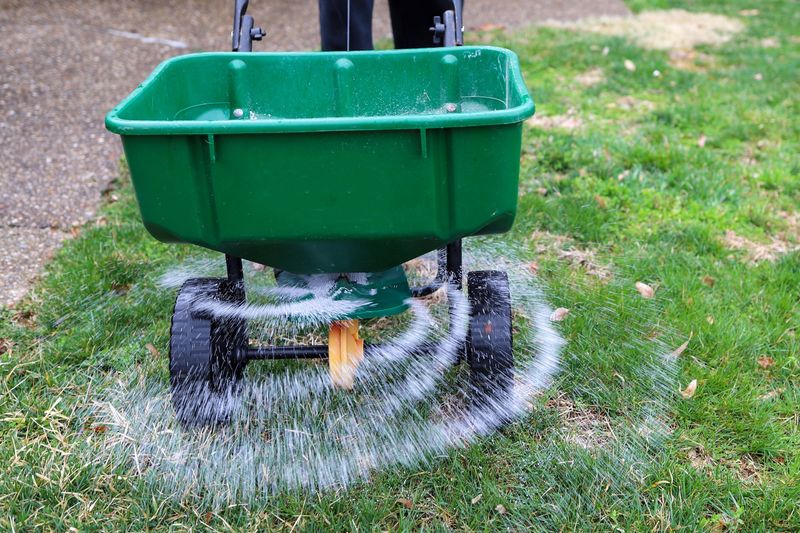
Ever notice green and yellow stripes on a neighbor’s yard? Uneven spreading often causes that striped, patchy look.
A simple crisscross method fixes the problem. Split your total lime amount into two equal halves before you start.
Walk the first half in straight rows, say north to south. Overlap each pass slightly so no thin gaps appear between wheel tracks.
Next, spread the second half in rows running east to west. Those perpendicular passes fill any spots the first round missed.
Set your spreader to about half the label rate for each direction. Check the bag for recommended settings matched to popular spreader brands.
Broadcast or rotary spreaders cover big lawns quickly. They toss granules in a wide fan and save plenty of walking.
Drop spreaders work better for small yards and tight edges. They release lime straight down, keeping it out of beds and off sidewalks.
Start by circling the lawn’s border first. That outline gives you room to turn around without dumping extra lime at row ends.
Close the hopper whenever you stop or turn. Leaving it open while standing still creates heavy piles in one spot.
Sweep any stray granules off driveways and walkways afterward. Your finished lawn will look more even and grow more evenly, too.
Water It In Lightly
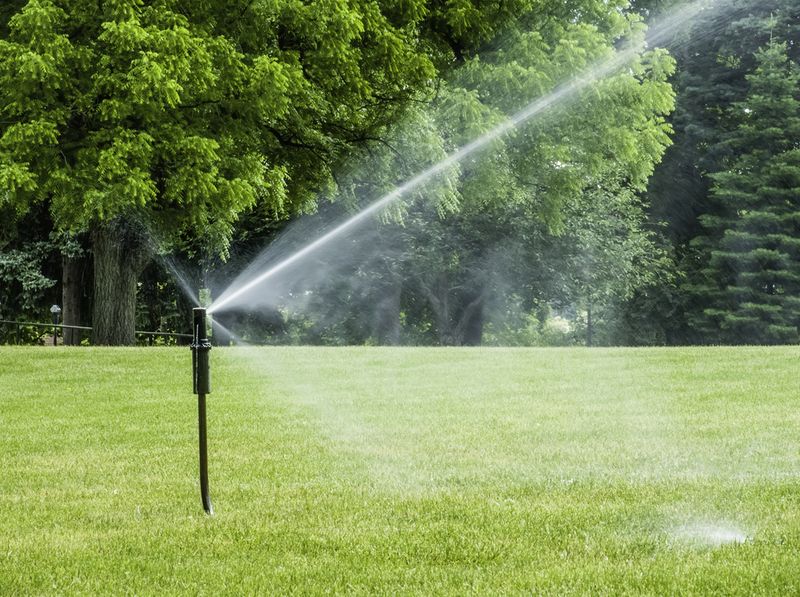
Lime sitting on grass blades is not doing much good yet. It needs a little water to start its journey into the soil.
A light watering right after spreading helps a lot. Moisture softens pellets and washes particles off leaves and down to the ground.
Aim for roughly 20 to 30 minutes with a sprinkler. You want damp soil, not puddles or soggy spots.
Too much water can cause runoff, especially on sloped yards. Lime that flows into the street or storm drain helps nobody.
Watering also clears away that chalky film on the blades. Your lawn looks cleaner, and pets or kids walk through less residue.
Got rain in the forecast? A gentle shower within a day can handle the job for you.
Falls often bring soft, steady rains that work perfectly. Check the weather app before choosing your spreading day.
Heavy thunderstorms are a different story. Pounding rain can wash fresh lime off hillsides before it settles in.
Morning watering tends to work best. Grass dries during the day, which lowers the chance of disease on cool nights.
Here’s a handy trick for gauging moisture. Push a screwdriver into the soil; it should slide in easily about two inches deep.
Skip Frozen Ground
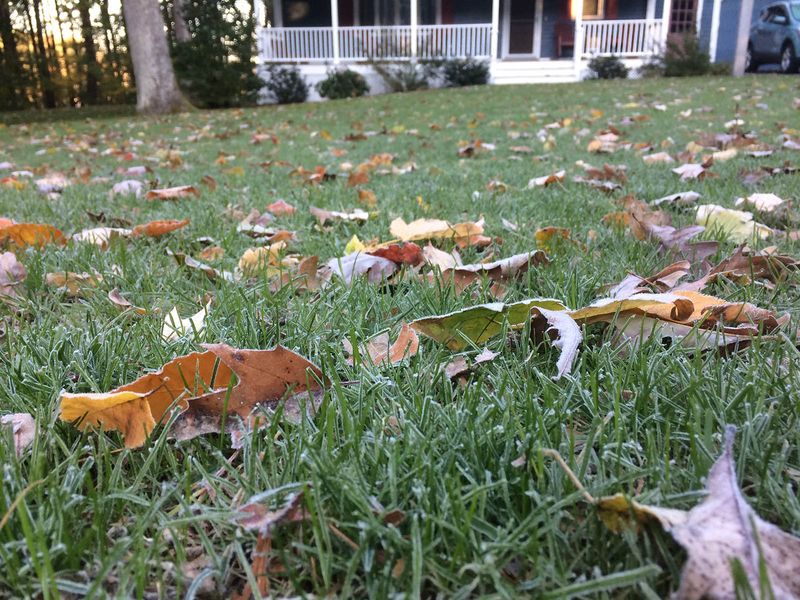
Frosty mornings have a way of sneaking up on busy homeowners. Suddenly the lawn crunches underfoot, and that lime bag is still in the garage.
Spreading on frozen ground is a gamble most experts advise against. Ice and hard soil keep lime from soaking in where it belongs.
Runoff is the biggest worry. When frozen soil can’t absorb water, melting snow or rain carries lime downhill and away.
Cold soil also slows the chemical reaction lime depends on. Granules may simply sit on the surface for weeks without doing much.
Lime left on top can spread unevenly as it shifts around. Some sources even link surface buildup to more snow mold in certain areas.
A few experts note small exceptions for flat, open ground. Even then, results are usually weaker than a fall application on thawed soil.
Across the state, first hard freezes often arrive from late October into December. Mountain areas freeze earlier than the coast, so plan around your region.
Watch your local forecast closely as fall moves along. Aim to finish liming a couple of weeks before steady freezing weather sets in.
Missed your window this year? Wait for a thaw in late winter or early spring when soil softens again.
Holding off feels frustrating, yet it saves money and product. Your lawn will thank you for the better timing.
Retest Every Few Years
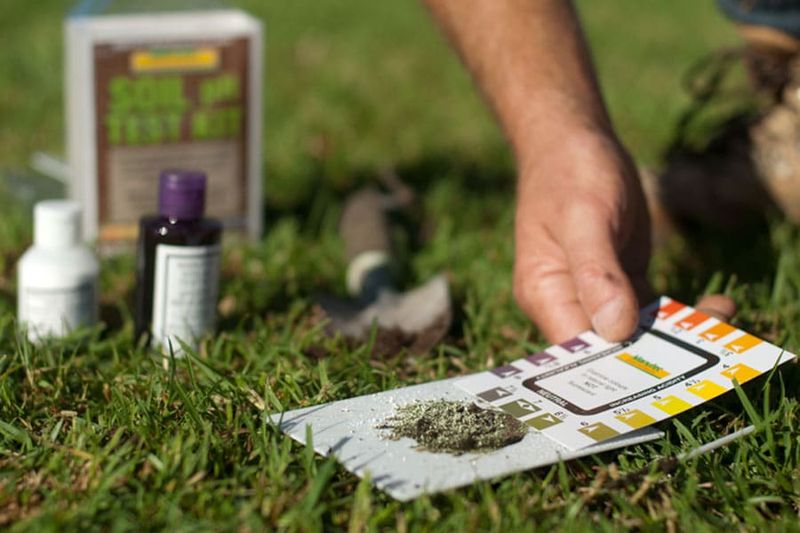
Liming once and forgetting about it sounds nice. Soil chemistry keeps changing, though, so a little follow-up goes a long way.
Plan a quick check about four to six months after your first treatment. That early test shows whether the lime is moving pH in the right direction.
Once your soil lands in the ideal range, relax a bit. Retesting every one to three years usually keeps things on track.
Extension experts generally suggest testing every three or four years for most lawns. Sandy or heavily fertilized lawns may need checks more often.
Regular tests protect you from over-liming. Soil that drifts too alkaline can lock up iron and leave grass looking pale.
Keep each report in a folder or snap a photo for your phone. Comparing numbers year to year reveals helpful trends.
You might notice pH dropping slowly after heavy rain seasons. Spotting that early means smaller, cheaper lime treatments later.
Fall makes an easy routine for testing. Collect samples in September, and results arrive in time for your autumn lime work.
Many homeowners tie soil testing to another yearly habit. Changing smoke detector batteries or cleaning gutters makes a handy reminder.
With steady checkups, your fescue stays thick, green, and well fed. A few minutes every few years keeps the whole lawn plan working smoothly.