Which Ice Melts Are Gentlest On Michigan Lawns, Garden Beds, And Pets
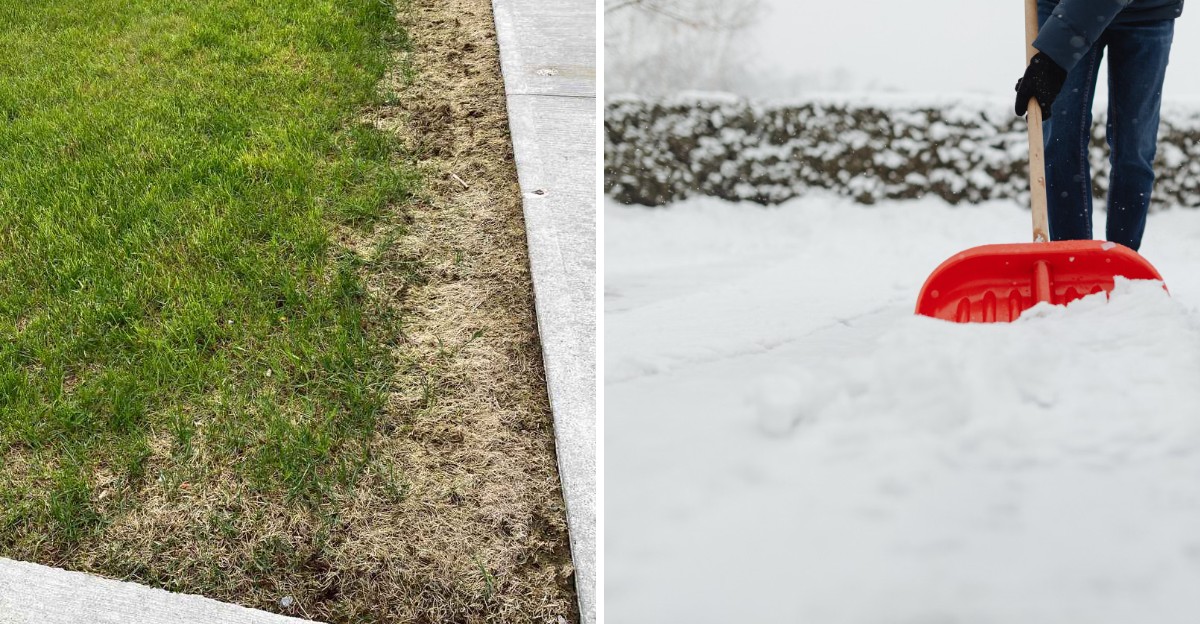
Every Michigan winter, the same thing happens. Salt goes down on the walkway, the snow melts, and come spring, a strip of brown grass appears along the edge. Plants near the driveway look weak, and the dog is licking its paws.
The label on the bag says the product is safe, but that word does not mean much. Different ice melts behave in very different ways, and some do far more harm than others.
A few work only at moderate temperatures, and others fail just when you need them most.
Price does not always tell you which is better. Reading the ingredients matters more than reading the front of the bag. Choose well, and you can keep your steps clear without damaging everything around them.
1. Rock Salt Is The Harshest Common Choice
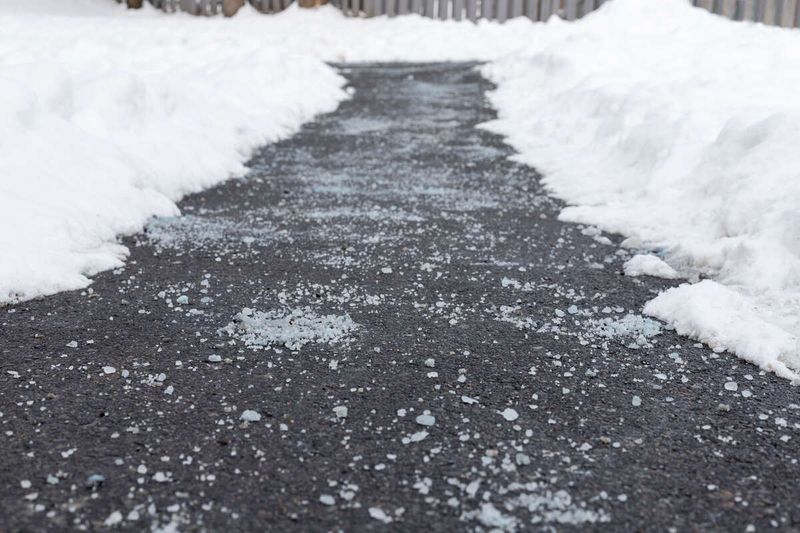
Walk down almost any Michigan street in January and you will hear it crunching under your boots. Rock salt, also called sodium chloride, is the most popular ice melt around. It is cheap, easy to find, and does a solid job when temperatures hover in the twenties.
Sadly, your plants pay the price. Sodium and chloride soak into the soil and build up over time, which harms tender roots. Salt also pulls water away from plant roots, so shrubs and grass struggle to drink even when the ground is moist.
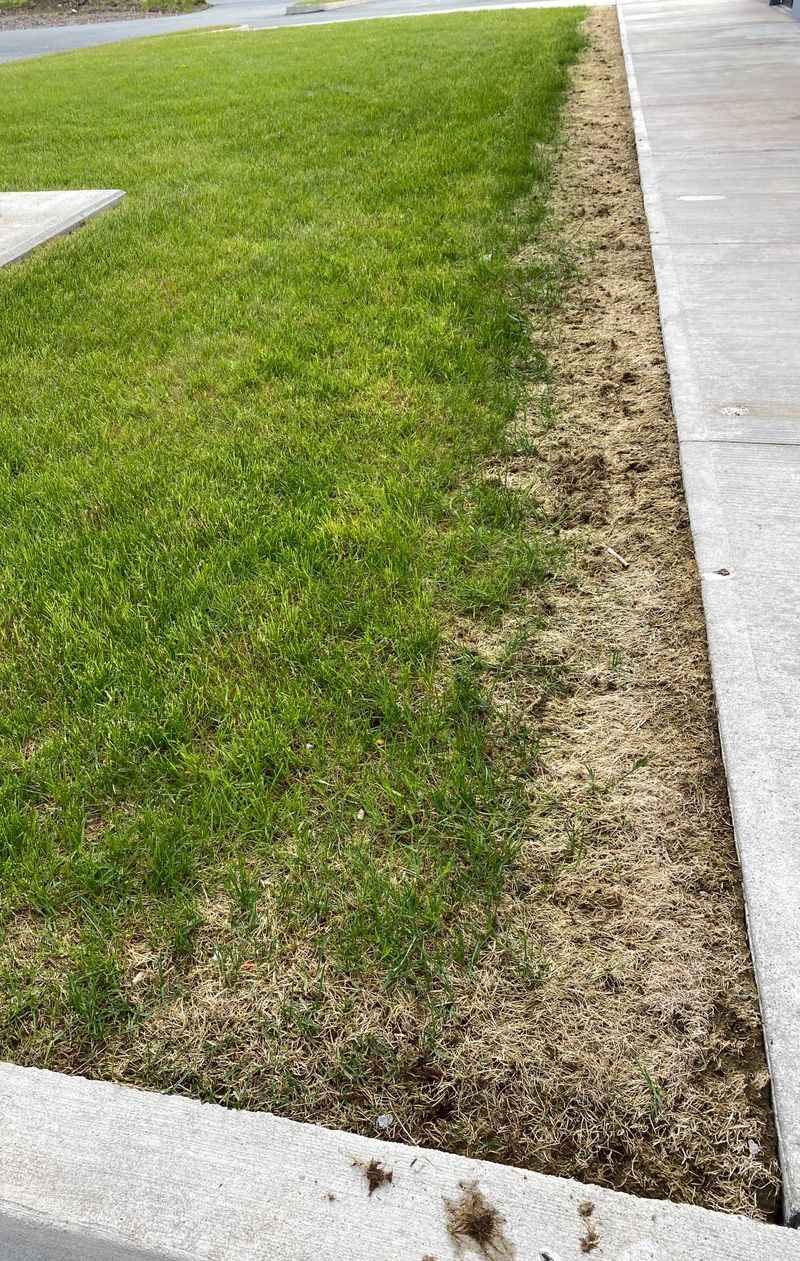
The damage often shows up in spring. You might spot brown needles on the side of an evergreen facing the driveway, or a bare, patchy strip of lawn right along the sidewalk. Shrubs near the street may leaf out weakly or look stunted for months.
Pets feel the sting too. The sharp crystals can crack and irritate paw pads, and dogs that lick their feet afterward may end up with an upset stomach.
Here is a sneaky problem many people miss. Rock salt loses much of its punch as temperatures drop toward the teens and below.
When the ice refuses to melt, folks tend to toss down handful after handful, and that extra salt multiplies the harm to soil and plants.
Michigan sees heavy salt use on walks, driveways, and roads every single winter. Road spray alone can coat roadside plants, so adding more from your own bag only piles on the stress.
Saving rock salt for spots far from beds and lawns, and using it lightly, helps your yard bounce back faster each spring.
2. Calcium Chloride Works In Deeper Cold But Should Be Used Sparingly
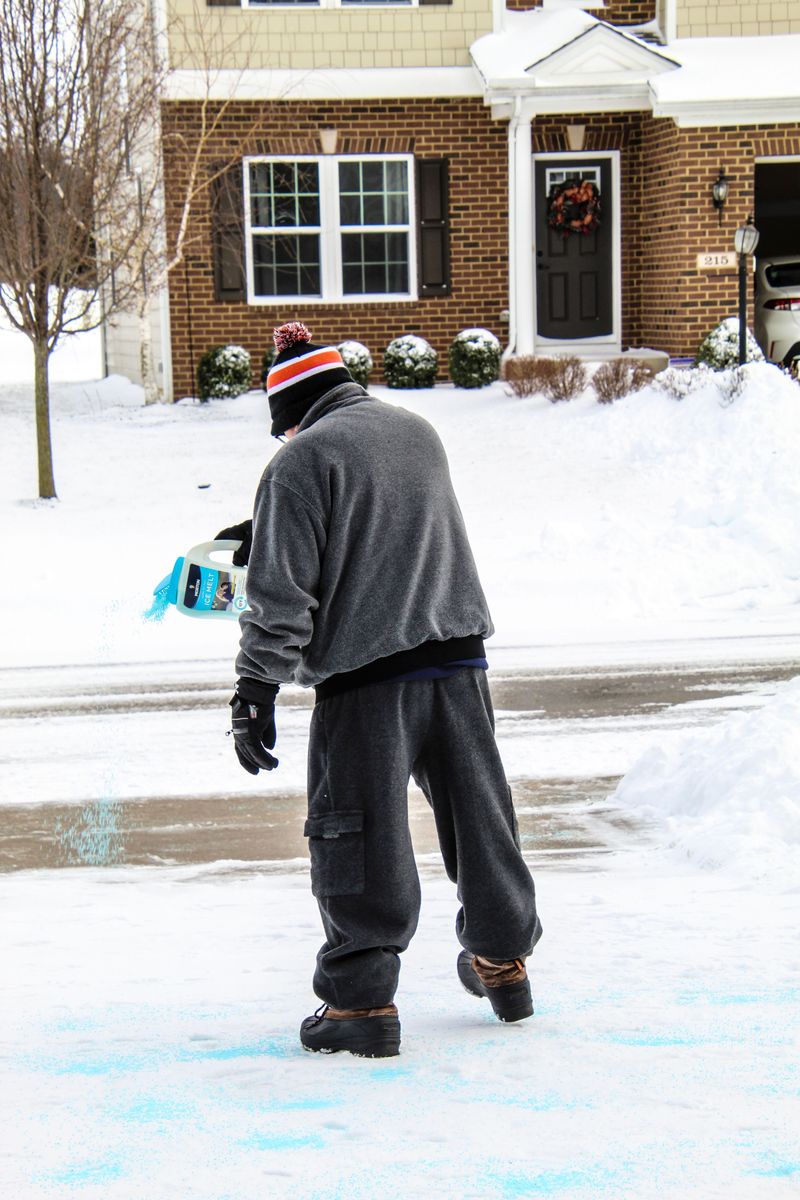
When the thermometer plunges below zero, calcium chloride keeps working long after rock salt gives up. It can melt ice at temperatures far colder than sodium chloride can handle.
For a Michigan homeowner facing a frozen driveway at dawn, that is a big deal. Speed is another perk.
The pellets pull moisture from the air and give off heat as they dissolve, which helps them bore through ice quickly. Because they work so well, you usually need less product to get the job done.
Still, calcium chloride is a salt. Too much of it can harm plant roots and change your soil, just like rock salt. That heat it releases can also bother pets, irritating paw pads and skin if a dog walks through a fresh patch.
Smart use makes all the difference. Spread a thin, even layer instead of dumping a pile in one spot, and aim only for the slick areas. A handheld spreader helps you control the amount.
Once the ice turns to slush, grab a broom. Sweeping up leftover pellets keeps them from washing into the lawn or getting tracked indoors.
Try to keep calcium chloride away from the edges of grass and garden beds whenever you can, since those borders take the most abuse.
Michigan nights can dip well below zero, especially in the northern Lower Peninsula and the Upper Peninsula.
On those bitter mornings, calcium chloride may be the tool that actually clears your steps. Treat it like a strong spice, though. A little goes a long way, and too much spoils the dish.
3. Magnesium Chloride Is Often Gentler
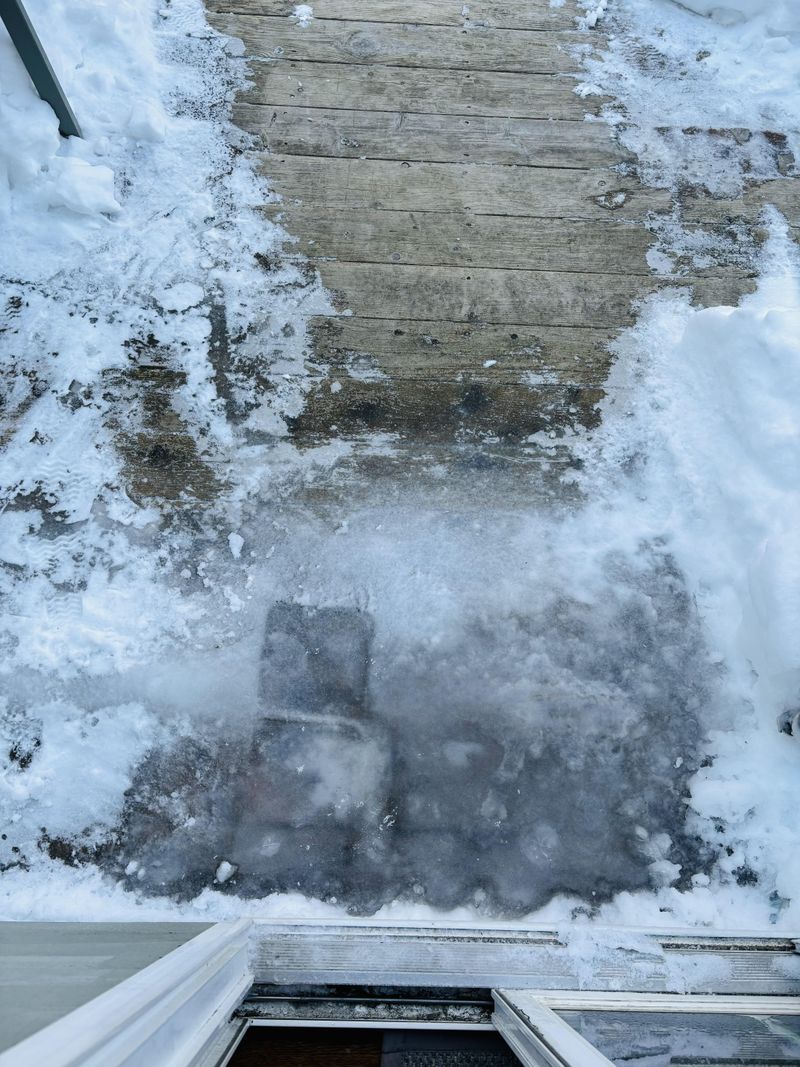
Think of magnesium chloride as the middle ground in the ice melt aisle. Many gardeners reach for it when they want something kinder than rock salt without giving up much melting power.
It often comes as flakes or small pellets and works in fairly cold weather. Why do people call it gentler?
Research and experience suggest it tends to cause less harm to plants and concrete than sodium chloride when used properly. It also melts ice at lower temperatures than rock salt, so you are not stuck scattering more and more.
Don’t let the friendly reputation fool you, though. Magnesium chloride is still a chloride salt. Heavy use can build up in soil, stress roots, and leave plants looking tired by spring.
The label is your best friend here. Follow the suggested rates instead of guessing, and remember that more product rarely means faster results.
Apply it only on icy patches, like the top step or a slick spot on the walk, rather than coating the whole driveway.
Where you put your shoveled snow matters just as much. Snow that has been treated carries dissolved salt with it. Piling it on top of garden beds or around shrubs basically delivers a salty drink to your plants when everything melts.
For Michigan homeowners, magnesium chloride offers a helpful balance. You get dependable traction during typical winter cold while easing up on your lawn, hostas, and boxwoods.
Pair it with good shoveling habits, and your front walk can stay safe without leaving a crusty, brown border behind each spring.
4. Calcium Magnesium Acetate Is Among The Gentlest
Vinegar and limestone might sound like ingredients for a science fair volcano. Surprisingly, they are the building blocks of one of the gentlest ice melts you can buy.
Calcium magnesium acetate, usually shortened to CMA, is made from limestone and acetic acid, the main part of vinegar.
Because it contains no chloride salts, CMA is much easier on your yard. It is far less harmful to plants, soil, concrete, and pets than the usual options. Highway agencies have even used it on sensitive bridges and near water supplies for that reason.
There are a couple of catches. CMA costs more than rock salt, sometimes a lot more. It also works best in milder cold, so on brutally frigid days it may struggle to keep up.
The trick is using it where it counts most. Save CMA for paths beside garden beds, around young trees, and along the routes your dog walks every day. Those are the places where gentleness pays off.
On the coldest mornings, give it some help. Shovel first to remove as much snow as possible, then scatter sand over icy spots for grip. CMA can follow up once temperatures climb a bit.
Plenty of Michigan gardeners have favorite plantings near the front walk, from heirloom peonies to a carefully pruned Japanese maple.
CMA lets you keep those areas safe for feet without risking your prized plants. It may cost a few extra dollars, but healthy spring blooms are well worth it.
5. Urea And Potassium Chloride Have Hidden Downsides
Some bags in the store practically promise to feed your lawn while they clear your walk. Urea and potassium chloride often get marketed as plant-friendly picks. Before you load up your cart, it helps to know what is really inside.
Urea is a nitrogen fertilizer. Yes, it can melt ice, but large amounts can burn plants instead of helping them.
Extra nitrogen also washes off driveways and into storm drains, where it can feed algae in lakes and streams. Potassium chloride is a different story with a similar twist.
In small amounts, it is less damaging to plants than rock salt. However, it performs poorly in cold weather, so people often pour on more to make it work, and that chloride can still build up in soil.
Labels can be clever, so read them closely. Words like fertilizer-based or natural do not automatically mean safe for your yard. Look at the actual ingredients and the recommended amount.
Whatever you choose, use it sparingly. A light hand protects your plants and the water downstream. Shoveling well before applying anything cuts the amount you need in half or more.
Michigan is surrounded by the Great Lakes and dotted with thousands of inland lakes and rivers. Runoff from yards, driveways, and roads all flows toward that water.
Choosing carefully and applying less helps keep local fishing spots, swimming beaches, and drinking water healthier, which is something every Michigander can feel good about.
6. Pet Safe Labels Don’t Guarantee Safety
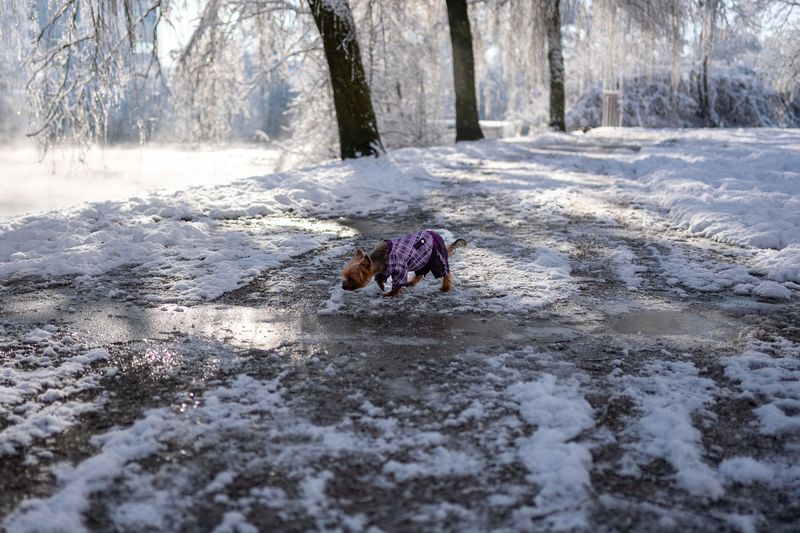
Your dog has no idea what is sprinkled on the sidewalk. Every winter walk, those paws press straight into whatever your neighbors spread down. That is why choosing ice melt with pets in mind deserves real thought.
Here is something many shoppers don’t realize. Terms like pet safe and pet friendly are not strictly regulated. A company can print them on a bag even if the product could still irritate paws or upset a stomach.
Even gentler products can cause trouble. Pets often lick their feet after a walk, swallowing whatever residue is stuck there. Large amounts of most ice melts can lead to vomiting, drooling, or other problems.
So skip the marketing and flip the bag over. Check the ingredient list, and pick options like CMA when you can. Fewer chlorides usually means less irritation.
A simple habit helps a ton. Keep a damp cloth or towel by the door and wipe your pet’s paws after every walk, getting between the toes. Some owners also use dog booties or a protective paw balm.
Storage counts too. Keep ice melt containers sealed tight and out of reach, since a curious pup can tear into a bag in seconds. If your pet eats a large amount, call your veterinarian right away.
Michigan dogs log a lot of winter miles on treated sidewalks and driveways. From Detroit neighborhoods to Traverse City trails, salt is everywhere from November to March. A few easy steps keep tails wagging and paws comfortable all season.
7. Using Less Matters More Than Any Product

The best ice melt might be the one you barely use. Even the gentlest product on the shelf can hurt plants when it gets dumped by the bucketful. Your habits matter more than the brand name on the bag.
Start with the shovel. Clearing snow early and often keeps it from getting packed down and turning into ice. Less ice means less melting product needed later.
Traction does not always require melting. Sand, non-clumping kitty litter, or grit can give your boots something to grab without adding salt to the soil. Keep a bucket by the door for quick touch-ups.
When you do need ice melt, think thin. Scatter a light layer only on icy spots instead of covering the whole walk. Granules should be spaced out, not touching in a heap.
After the ice melts, sweep up any extra pellets. You can even save them for the next storm. Also, keep salty snow off your garden beds by tossing it onto areas without plants.
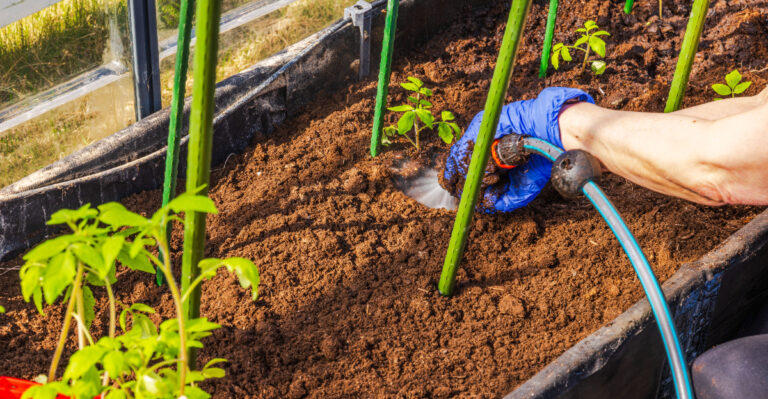
Spring offers a chance to undo winter’s harm. Once the ground thaws, water beds near walks and driveways deeply and slowly. That soaking helps flush built-up salt down and away from roots.
For Michigan gardeners, these small steps add up to big rewards. Lawns stay greener along the sidewalk, evergreens keep their rich color, and perennials pop up strong. A little planning each winter brings a much happier yard when the snow finally melts away.