The Worst Time To Water Your Garden In Michigan And 5 Smart Tips For Doing It Right
Watering a garden seems like one of the most straightforward tasks in the entire growing season until the plants start showing stress symptoms that more water consistently fails to fix.
The time of day water gets applied, the way it hits the soil, and how frequently it is delivered all influence whether plants in Michigan actually benefit from it or whether it contributes to the exact problems it was meant to prevent.
Fungal disease, shallow root development, and mid-afternoon wilt that persists despite wet soil are all connected to watering habits that feel responsible but work against the garden in practice.
Some specific adjustments change the outcome entirely, and most of them require less water rather than more.
1. Late Evening Is Usually The Worst Time
Most Michigan gardeners water whenever it feels convenient, and for a lot of people, that means evening. After a long day, heading outside with the hose feels relaxing and easy.
But late evening watering, especially when it soaks the leaves, can create problems that build up over time.
When foliage stays wet through the night, it creates the kind of damp, cool conditions that certain leaf problems absolutely love.
Moisture sitting on leaves for hours without sunlight or airflow to dry things out gives common garden issues a much better chance to take hold.
You might not notice anything right away, but over several weeks, the pattern can start showing up on your plants.
That said, evening watering is not always a complete disaster. If you water carefully at the soil level and keep the leaves dry, the risks drop significantly.
The real problem is overhead watering in the evening, when the whole plant gets soaked and nothing dries before sunrise.
Changing this one habit can make a noticeable difference in how healthy your garden looks. Try shifting your watering schedule to earlier in the day whenever possible.
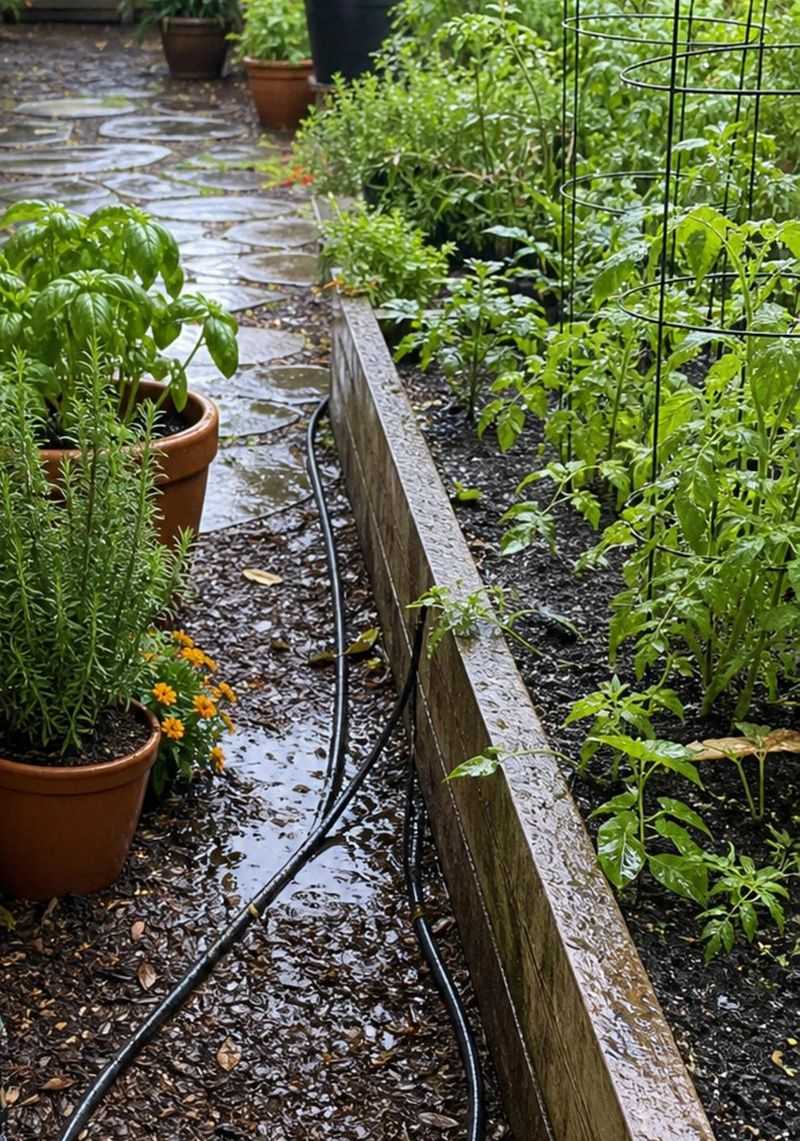
Your plants will have time to absorb moisture and dry off before temperatures drop at night. If evening is truly your only option, aim the water low, use a watering wand or soaker hose, and avoid sprinklers.
Being thoughtful about how you water matters just as much as when you water. Small adjustments add up to big results over a growing season in Michigan.
2. Midday Watering Wastes More Water
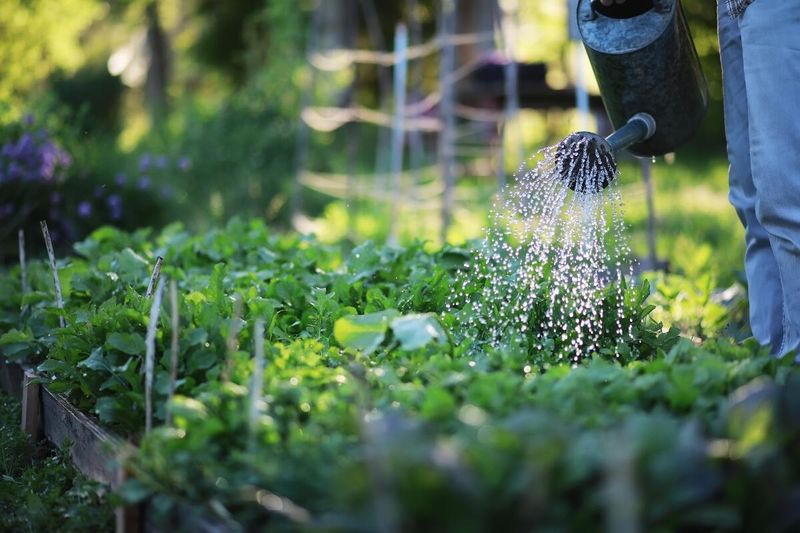
Watering your garden at noon on a hot summer day might seem like a kind gesture to your plants, but the math does not really work in your favor. A large portion of that water never even reaches the roots.
Instead, it evaporates quickly in the heat before it has a chance to soak into the soil where it is actually needed.
On a sunny, windy, and hot afternoon, evaporation rates climb fast. Water droplets that land on warm soil or hot leaves can disappear within minutes.
You end up using more water to get the same result you could have achieved with far less during the cooler morning hours. That is not just hard on your water bill, it is also hard on the environment.
Your Michigan Garden Changes Every Week. Your Plan Should Too.
Gardening in Michigan changes quickly throughout the season. Every Friday you’ll receive a simple weekly plan showing exactly what to plant, prune, fertilize, harvest, and protect so you never miss the right timing.
There is also a common myth that midday watering burns plant leaves because water droplets act like tiny magnifying glasses. Most Michigan gardeners say that effect is minimal in real garden conditions.
The bigger issue is simply the waste of water and the reduced effectiveness of your watering effort.
Midday watering does have one valid use, though. If a plant looks seriously wilted and stressed during a heat wave, giving it a quick drink can help it recover. Think of it as emergency care rather than a regular routine.
Save your main watering sessions for early morning whenever you can. Your garden will soak up more of what you give it, your water use will go down, and your plants will respond with stronger, healthier growth all season long.
3. Overhead Watering At The Wrong Time Creates More Risk
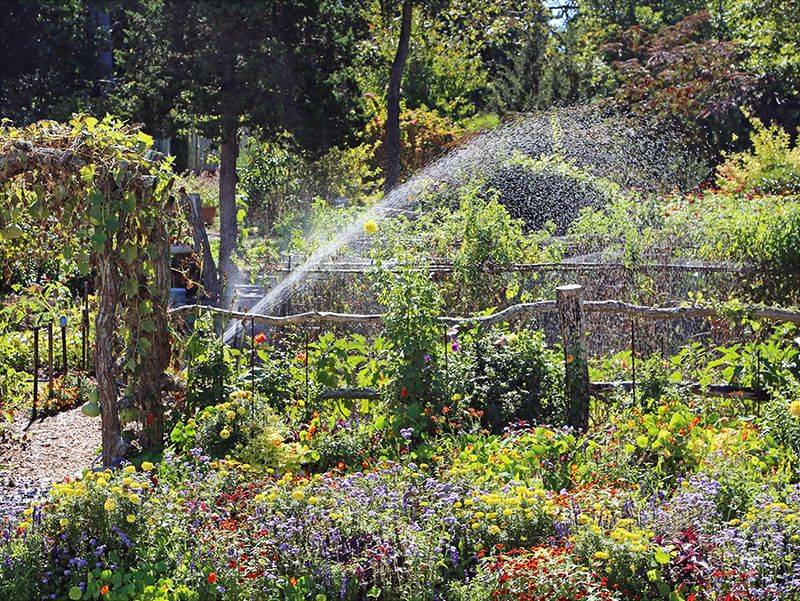
Not all watering methods carry the same risks, and the method you choose matters a lot depending on the time of day. Overhead watering, like using a sprinkler or spraying directly over the plant canopy, can drench leaves, stems, and flowers all at once.
When that happens late in the day, everything stays wet far too long. Wet foliage at night is one of the more common reasons gardeners start seeing spotting, yellowing, or other surface issues on their plants.
Soil also gets splashed during overhead watering, and that splashing can transfer things from the ground up onto lower leaves. Over time, this pattern can quietly stress even the most robust garden plants.
Soil level watering is a smarter approach in most situations. Drip lines, soaker hoses, and watering wands all deliver moisture directly to the root zone without soaking the whole plant.
Roots are where water does its most important work, so getting it there efficiently is always the goal.
Overhead watering is not always wrong. For seedlings that need gentle, even moisture or for rinsing off dust and pests, a soft spray over the top can be helpful.
The key is doing it early enough in the day that everything dries before evening arrives.
Think about your garden layout and which plants are most sensitive to wet foliage. Tomatoes, squash, and roses, for example, tend to do better with soil level watering.
Adjusting your method based on plant type and timing gives you a much stronger, more resilient garden overall.
4. Water Early In The Morning
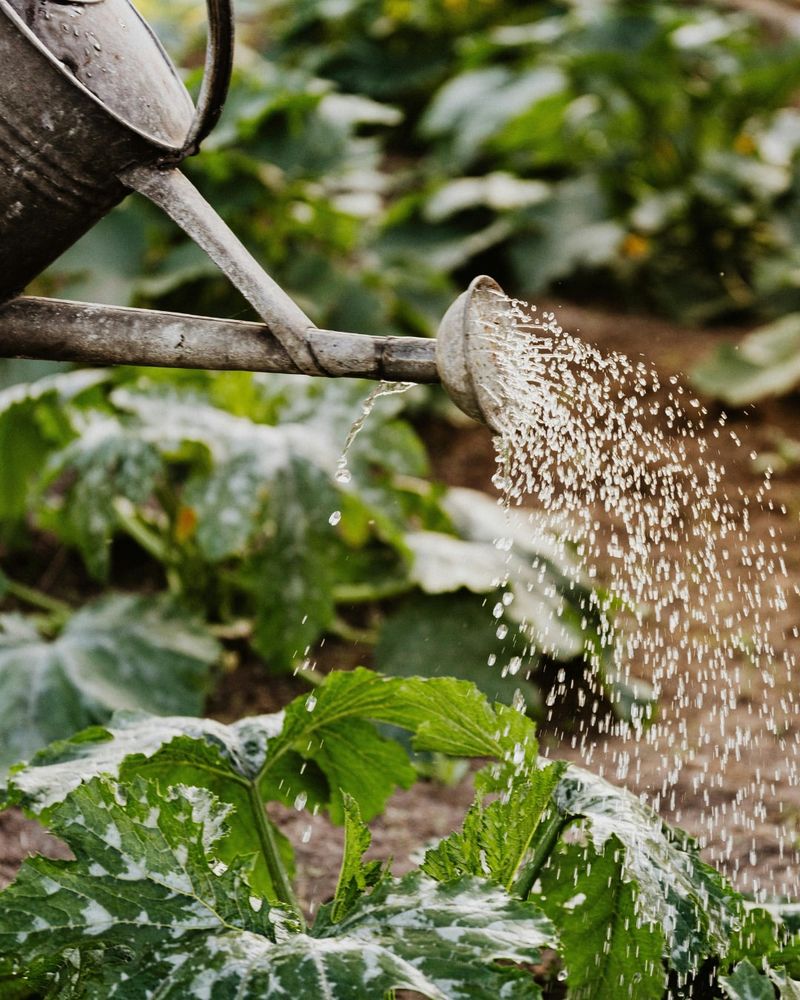
Ask any experienced gardener when the best time to water is in Michigan, and almost all of them will say the same thing: early morning wins every time. The science behind it is straightforward and makes perfect sense once you think it through.
Plants get the moisture they need right before the heat of the day arrives, setting them up for success from the very start.
The window between 5 and 9 in the morning is widely considered the sweet spot. Temperatures are still cool, wind is usually calm, and the sun is low enough that evaporation rates stay minimal.
Water soaks into the soil efficiently, reaching the root zone where it can actually be used rather than disappearing into the air.
There is another benefit that often gets overlooked. If the leaves do happen to get wet during morning watering, they have plenty of time to dry off as the sun rises and the day warms up.
That dramatically reduces the chance of moisture sitting on foliage for hours on end.
Morning watering also gives plants a head start when temperatures peak in the afternoon. A well-hydrated plant handles heat stress much better than one that is running low on moisture by midday.
You can almost see the difference in how confidently plants stand up during a hot afternoon after a solid morning drink.
Setting a simple routine makes morning watering easy to stick with. Even a quick 15 to 20 minutes before breakfast can make a real difference.
Over time, this one habit builds a healthier, more vibrant garden with noticeably stronger plants.
5. Water The Soil Instead Of The Leaves
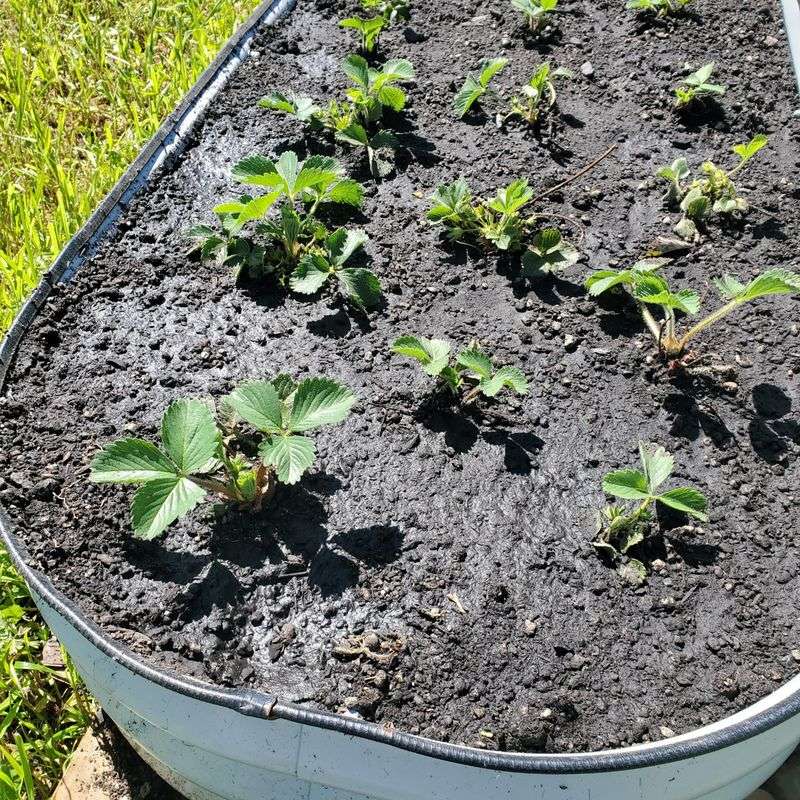
Roots do all the heavy lifting when it comes to absorbing water, yet a surprising number of gardeners aim their hose at the leaves out of habit or convenience.
Soaking the foliage might look satisfying, but plants cannot actually absorb meaningful amounts of water through their leaves.
The real action happens underground, where roots are constantly working to pull in moisture and nutrients.
Keeping leaves dry as much as possible is one of the simplest ways to reduce common garden problems. Wet foliage creates ideal conditions for surface issues that spread from plant to plant, especially in warm and humid weather.
Aiming water at the soil level is a small change with a surprisingly big payoff.
Drip irrigation systems are one of the most efficient tools for getting water exactly where it needs to go. Soaker hoses are another great option, slowly releasing moisture along their entire length right at ground level.
Both methods use less water overall and keep plant canopies much drier than overhead sprinklers.
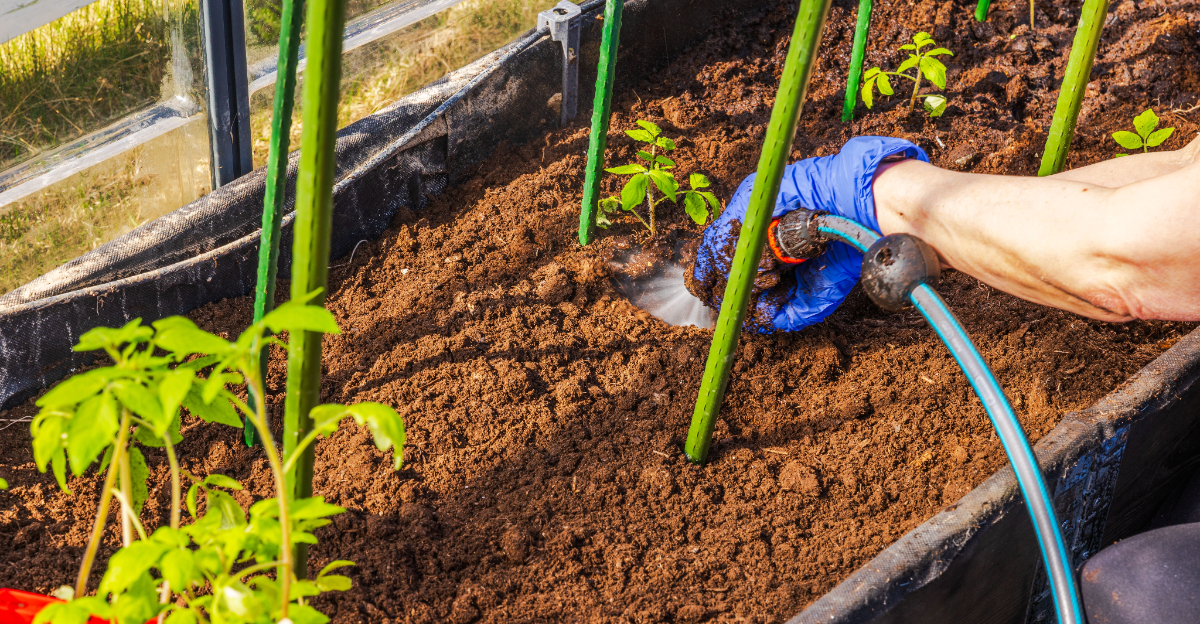
For hand watering, a watering wand with a gentle head lets you reach the base of plants without awkward bending or accidentally splashing leaves.
It gives you good control and makes it easy to water each plant individually with the right amount. Container plants, raised beds, and in-ground gardens all benefit from this approach.
Once you get into the habit of watering the soil rather than the plant itself, you will likely notice your garden looking cleaner, greener, and more vigorous with less effort and fewer surprises throughout the season.
6. Water Deeply Instead Of Lightly
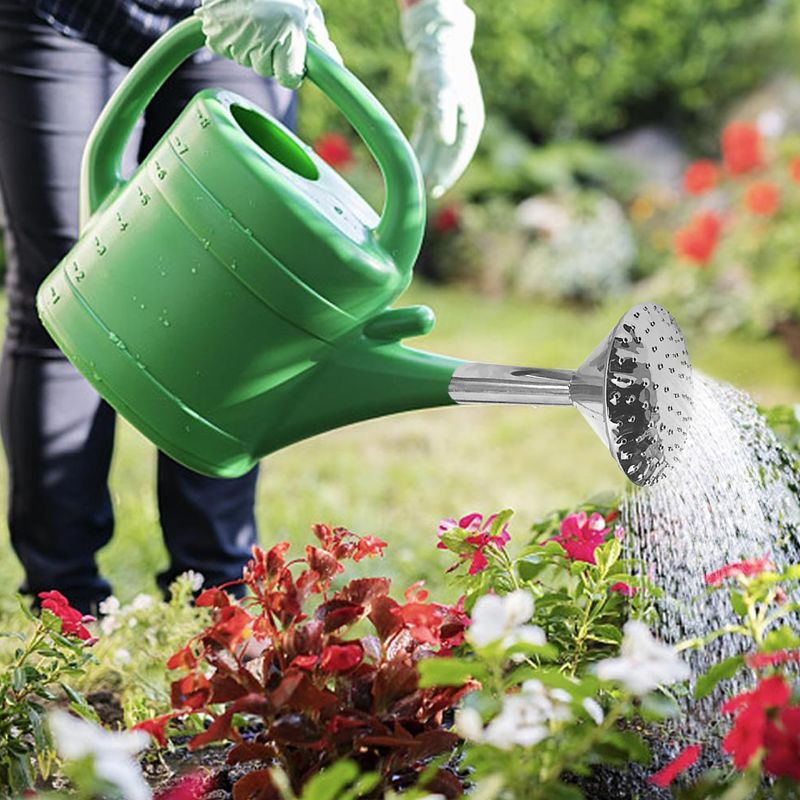
Quick, light watering every single day might feel like attentive garden care, but it often does more harm than good. When only the top inch or two of soil gets wet, roots have no reason to grow deeper.
They stay shallow, and shallow roots mean plants that struggle during dry spells and heat waves because they cannot tap into the cooler, more stable moisture deeper in the ground.
Deep watering encourages roots to follow the moisture downward, building a stronger and more resilient root system over time.
A plant with deep roots can handle a missed watering day or a stretch of hot weather far better than one with roots clustered near the surface. It is one of those foundational habits that pays off all season long.
The goal is to get water down into the root zone, which for most vegetables and flowers sits somewhere between six and twelve inches below the surface.
Watering slowly and steadily gives the soil time to absorb moisture rather than letting it run off the surface or pool around the base of the plant.
Checking soil moisture before you water is a smart move that takes about five seconds. Push a finger or a small trowel about two inches into the soil.
If it feels moist, the plants are fine and do not need water yet. If it feels dry at that depth, it is time to water.
This simple check stops overwatering before it starts. Overwatering is actually one of the most common gardening mistakes, and it can stress roots just as much as drought. Water when the garden needs it, not just because it is Tuesday.
7. Use Mulch To Make Water Last Longer
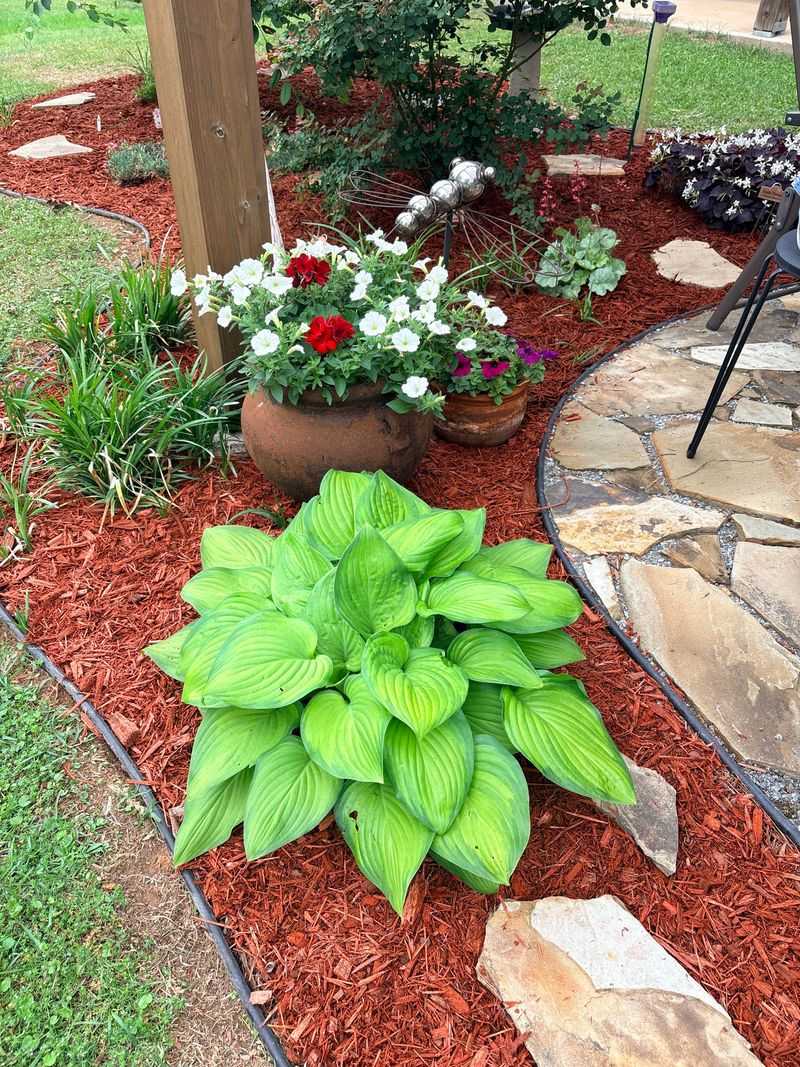
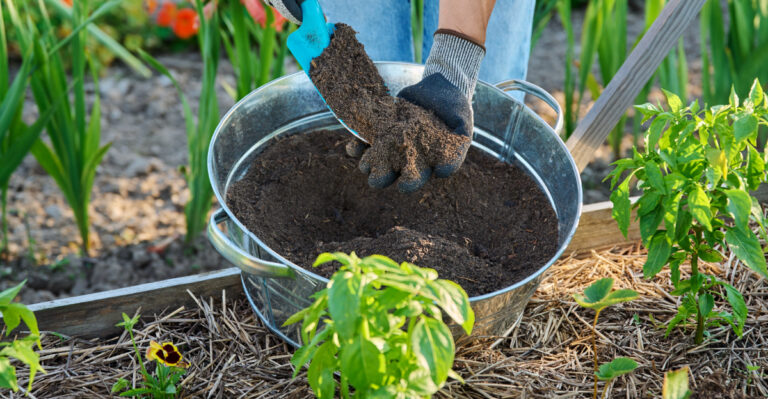
Mulch might be the most underrated tool in a gardener’s toolkit. A layer of organic material spread around the base of your plants works quietly in the background, doing several important jobs at once.
One of the biggest benefits is how dramatically it slows down water evaporation from the soil surface.
On a hot sunny day, bare soil can lose a significant amount of moisture to evaporation within just a few hours.
Cover that same soil with a few inches of straw, shredded leaves, compost, or pine straw, and the moisture stays in the ground much longer.
That means you can water less frequently while still keeping your plants consistently hydrated.
Mulch also helps regulate soil temperature, keeping it cooler during heat waves and reducing the stress that comes with rapid temperature swings.
Cooler soil holds moisture better and creates a more comfortable environment for root systems to thrive. It is a simple layer of material doing some genuinely impressive work.
Weed control is another bonus that comes with mulching. Fewer weeds mean less competition for the water and nutrients your garden plants actually need.
Every weed you prevent from growing is one less thing stealing resources from your vegetables, flowers, or shrubs.
One important thing to remember is to keep mulch pulled back a couple of inches from plant stems. Piling it directly against stems can trap moisture against the base and create conditions that weaken the plant over time.
A little breathing room around each stem goes a long way toward keeping everything healthy and thriving through the whole growing season.
8. Adjust Watering To Weather And Soil
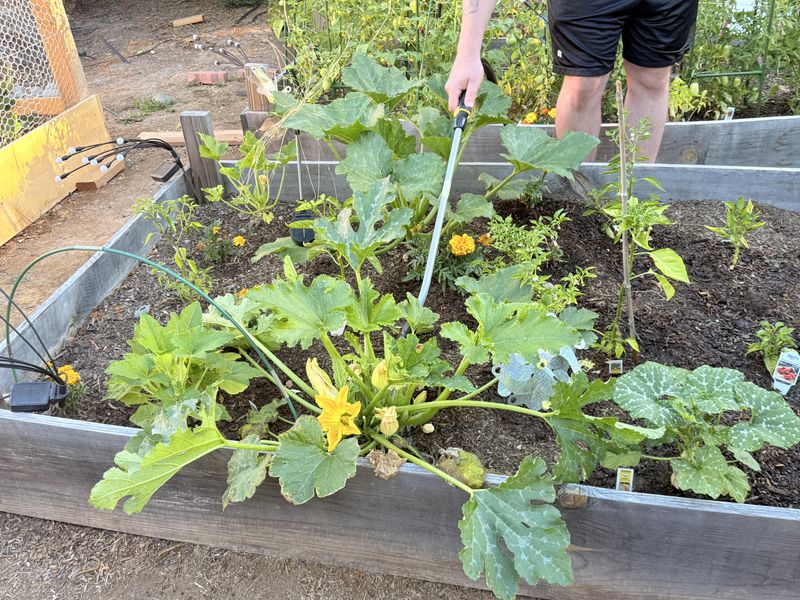
Watering on a fixed schedule, the same amount every Monday and Thursday no matter what, is one of the most common garden myths out there. Plants do not actually care what day of the week it is.
What they care about is whether the soil has enough moisture to support their growth right now, today, in the current conditions.
Soil type plays a huge role in how often watering is needed. Sandy soil drains fast and dries out quickly, sometimes needing water more frequently.
Clay soil holds moisture much longer but can also get waterlogged if you are not careful. Raised beds and containers dry out faster than in-ground gardens because they have less soil volume to draw from.
Weather changes everything too. A cool, cloudy week with some rain means your garden might not need any extra water at all.
A stretch of hot, dry, and windy days can pull moisture out of the soil surprisingly fast, meaning plants need water sooner than you might expect. Wind especially speeds up moisture loss from both soil and leaves.
Plant size and stage also matter. Young seedlings need more frequent, gentle watering to establish their roots.
Mature plants with deep root systems can usually go longer between waterings once they are well established in the ground.
The simplest and most reliable approach is to check the soil before reaching for the hose. Two inches down is all you need to check.
Dry at that depth means it is time to water. Moist at that depth means the garden is doing just fine on its own, and you can put the hose away for another day.