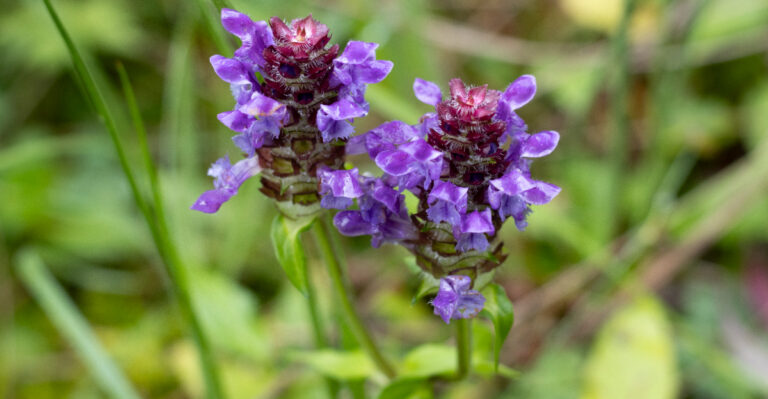
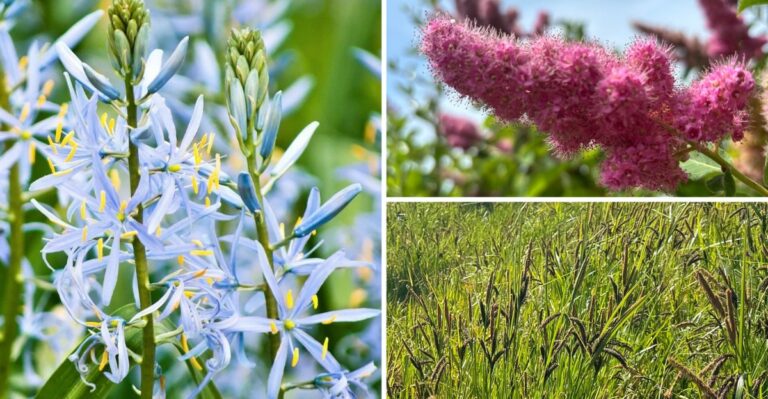
Which of these 5 rain-loving perennials would you plant along a soggy Oregon fence line? Pick one
If there’s one thing Oregon gives us plenty of, it’s rain, and that soggy strip along your fence line probably feels more like a puddle than a planting bed. Instead of fighting all that moisture, why not lean into it with plants that actually love wet feet?
These five perennials thrive in damp soil while feeding hummingbirds, butterflies, and birds along the way. Read through them, then tell us which one you’d tuck in first.
1. Cardinal Flower (Lobelia cardinalis)
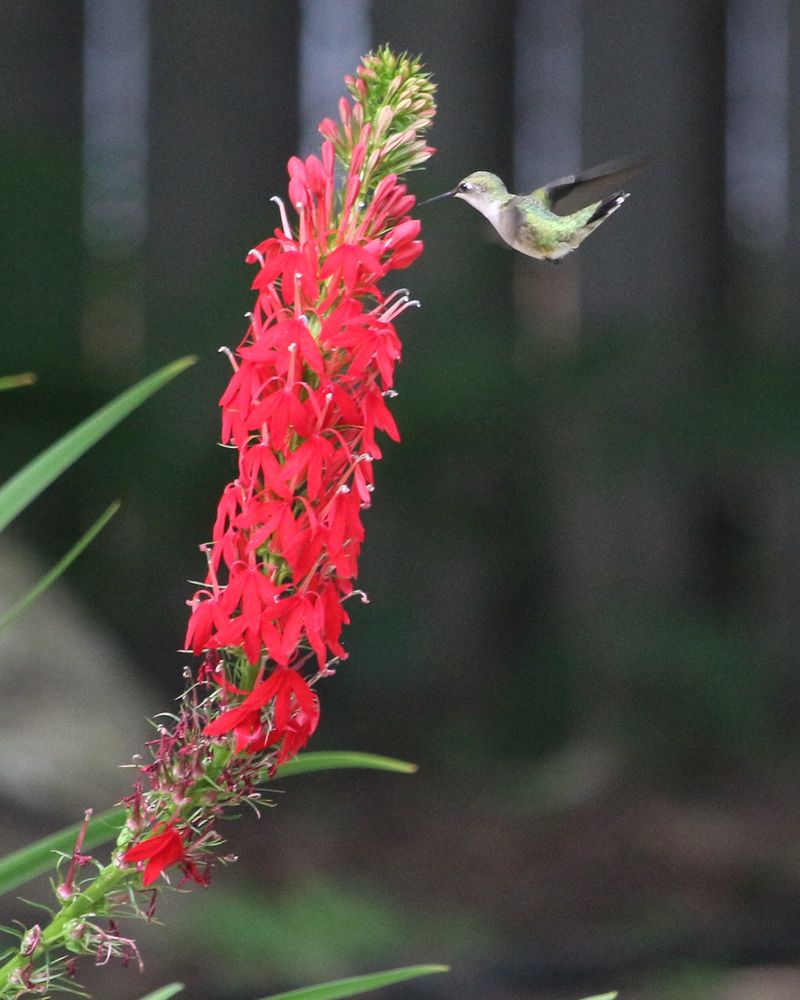
Picture a hummingbird zipping straight to your fence in the sleepy heat of August. That’s the kind of drama Cardinal Flower delivers, with fiery red tubular blooms stacked on spikes from July through September.
West of the Cascades, this native perennial is right at home in the mucky spots most plants sulk in. It reaches 2 to 4 feet tall and takes partial shade in stride, so a fence that catches afternoon shadow suits it perfectly.
Beyond hummingbirds, the flowers can draw butterflies and native bees, giving your soggy corner a little extra buzz. It naturally hangs out along stream banks and pond edges, which is basically what your damp fence line imitates.
Keep the soil consistently moist and this one rewards you with color exactly when the rest of the garden starts fading.
2. Astilbe (Astilbe spp.)
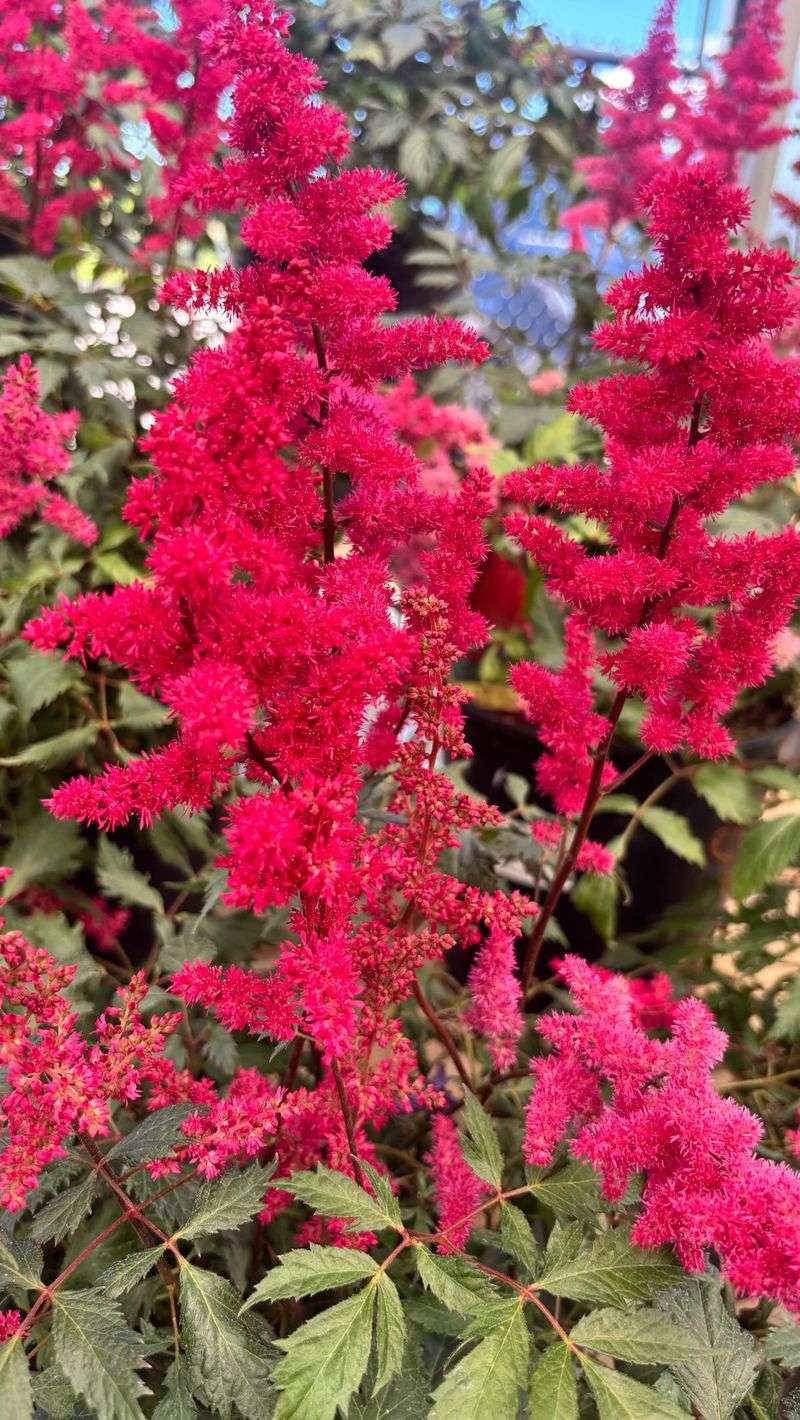
Soft, feathery, and almost cloud-like, Astilbe plumes bring a gentle romance to the shadier, wetter parts of a garden. Their spikes come in lavender, pink, red, and creamy white, floating above foliage that looks like tidy little ferns.
For a fence line that stays damp but rarely sees full sun, this is a forgiving pick. Astilbe genuinely prefers those consistently moist, low-light pockets that frustrate sun-lovers.
Butterflies tend to drift toward the plumes, and the bloom season stretches from late spring into late summer for months of interest. When the flowers finally fade, the dried plumes hold their shape and add quiet structure through Oregon’s gray winter.
If you want texture and softness rather than bold spikes, Astilbe is the one that whispers instead of shouts.
3. Japanese Iris (Iris ensata)
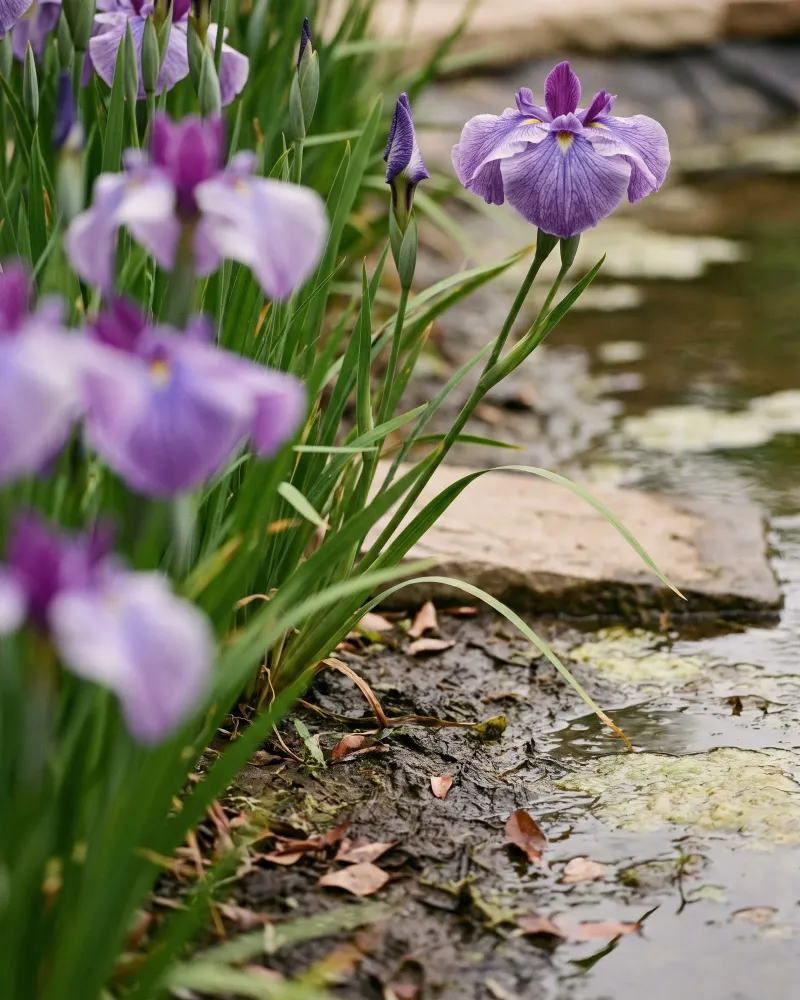
Some plants tolerate wet soil. Japanese Iris practically throws a party in it.
If your fence line collects standing water after a big rain, this dramatic beauty is worth a serious look. In early to mid-summer it unfurls huge, flat, exotic flowers, usually in blues and purples marked with yellow or white centers that look almost hand-painted.
It craves rich, acidic, moisture-holding soil and drinks deeply during its growing and blooming stretch, so boggy conditions near water features are ideal. Growing 3 to 4 feet tall with narrow, sword-shaped leaves, it adds real vertical punch to an otherwise ordinary boundary.
For the gardener who wants that jaw-dropping, look-at-me moment in early summer, this iris earns its spot along the wettest edge you’ve got.
4. Swamp Milkweed (Asclepias incarnata)
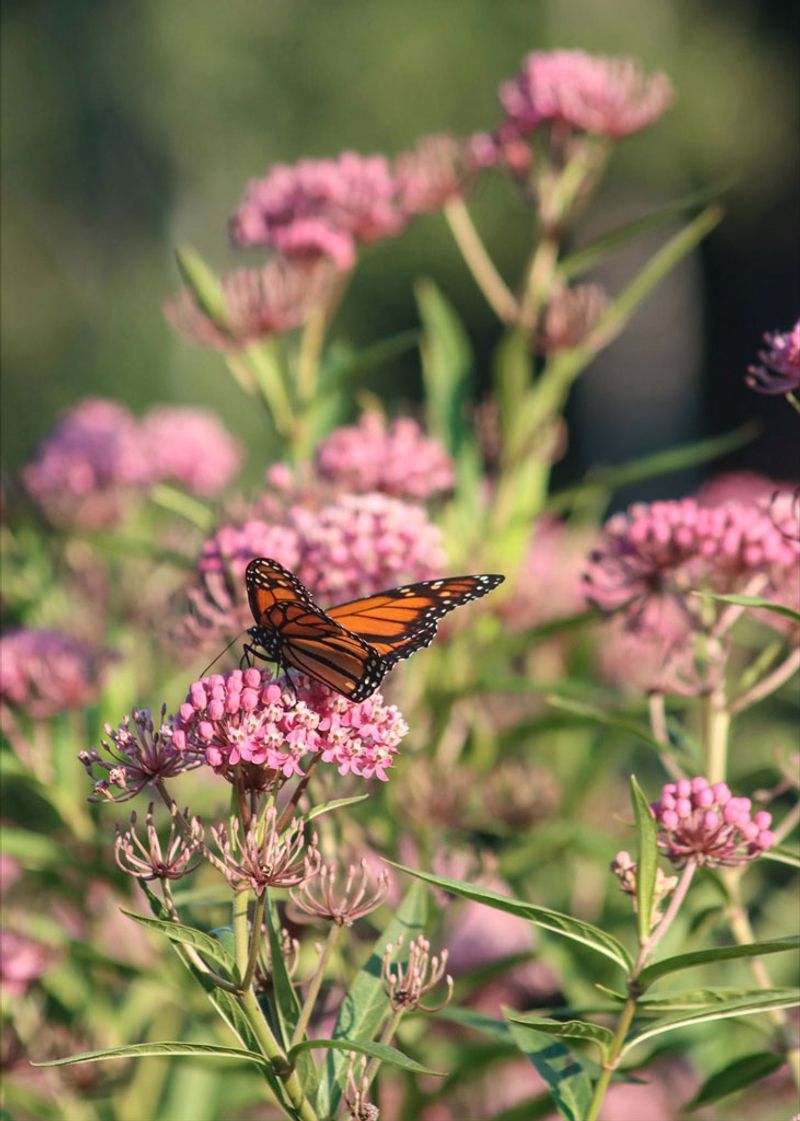
Your Honor, I’m innocent, the garden center simply insisted this one come home. And honestly, if you’re going to feed a plant-buying habit, feeding Monarch caterpillars at the same time is a pretty noble excuse.
Your Oregon Garden Changes Every Week. Your Plan Should Too.
Gardening in Oregon changes quickly throughout the season. Every Friday you’ll receive a simple weekly plan showing exactly what to plant, prune, fertilize, harvest, and protect so you never miss the right timing.
Swamp Milkweed is a host plant for Monarch larvae, and its fragrant pink to mauve flower clusters can attract a whole crew of pollinators, from butterflies and bees to the occasional hummingbird, from late June through September. For the gardener who wants to do right by wildlife, it checks a lot of boxes.
True to its name, it loves moist to wet soil and shrugs off saturated ground, making it a natural for rain gardens and naturally damp corners. It grows 2 to 5 feet tall, and after bloom the seeds feed birds while the dense clumps offer shelter for small critters.
Plant this one and your soggy fence line quietly becomes a habitat, not just a border.
5. Slough Sedge (Carex obnupta)
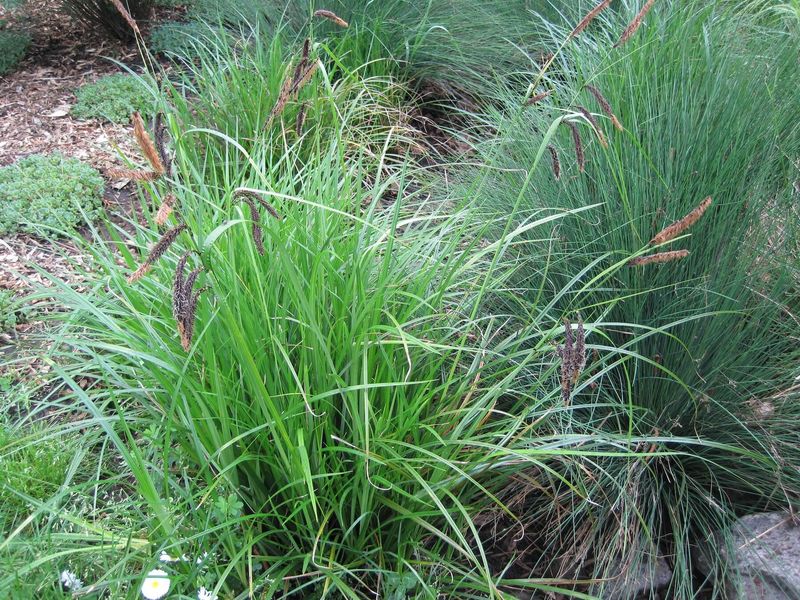
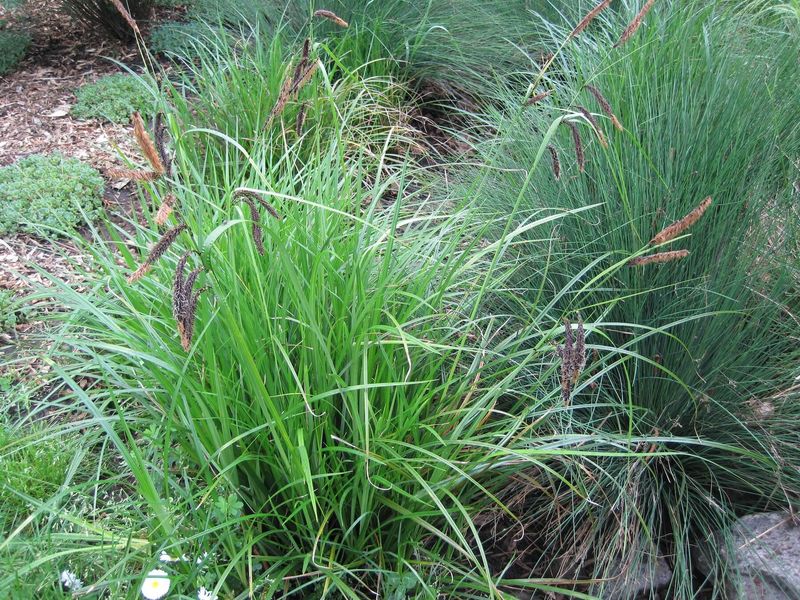
Not every hero in the garden needs flashy blooms. Slough Sedge is the dependable, evergreen workhorse that keeps your fence line looking alive even in the drizzly heart of an Oregon winter.
Native to the Pacific Northwest, it laughs off soggy soils and even tolerates standing winter water that would rot most plants. It forms dense clumps of arching dark green foliage, reaching 2 to 5 feet tall for year-round texture and structure.
The ecological payoff is quietly impressive too. Its seeds can feed many bird species, while the thick tufts provide cover, nesting spots, and bedding for birds and small mammals.
On top of that, sedge helps stabilize banks, curb erosion, and filter runoff in wet ground. If you want low fuss and high habitat value along that perpetually damp edge, this native quietly outlasts them all.