Why Agapanthus Is One Of The Best Plants North Carolina Gardeners Are Adding To Their Gardens
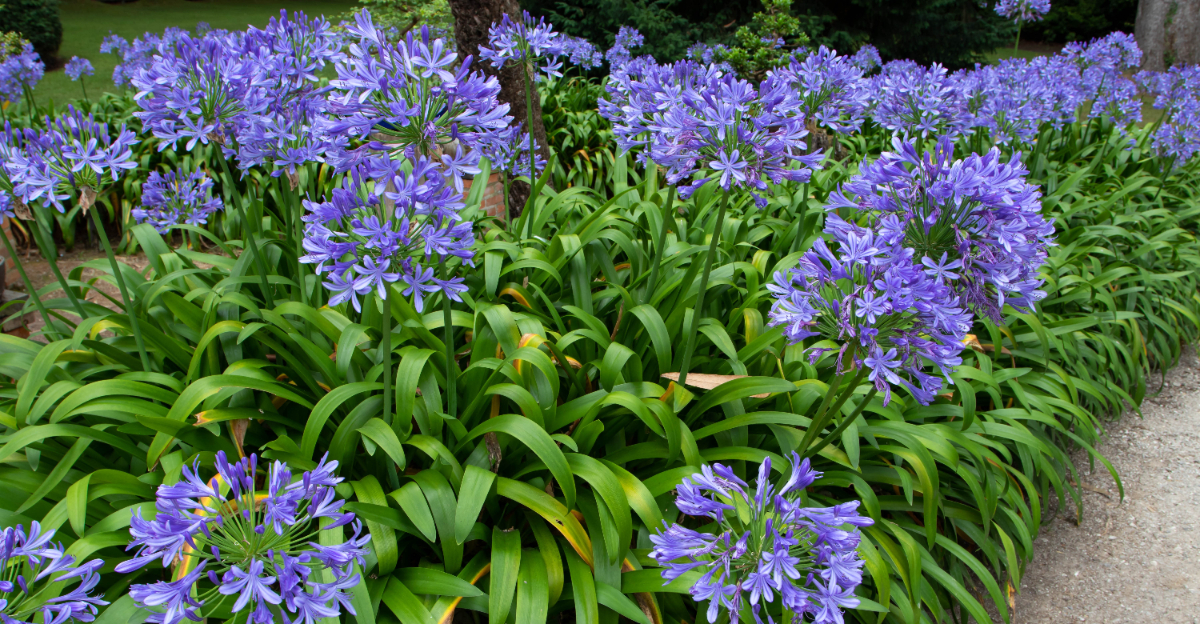
Agapanthus has been quietly earning a devoted following among North Carolina gardeners, and once you see a mature clump of it in full bloom, the appeal is immediately obvious.
Those tall stems topped with round clusters of blue or white flowers have a boldness that stands out in any garden setting, and the strap like foliage stays attractive even when the plant is not in bloom.
What makes agapanthus particularly well suited for North Carolina is how well it handles the conditions that give other plants trouble here.
Summer heat, humidity, and the kind of stretches between rain that stress out less resilient plants do not slow it down the way you might expect.
It is also more cold tolerant than its tropical appearance suggests, which matters in a state where winters vary considerably depending on what part you are gardening in.
Gardeners across the Piedmont, the coastal plain, and even parts of the foothills are finding that agapanthus delivers reliable, impressive results with far less effort than many other flowering perennials ask for.
1. Handles Heat And Humidity Well
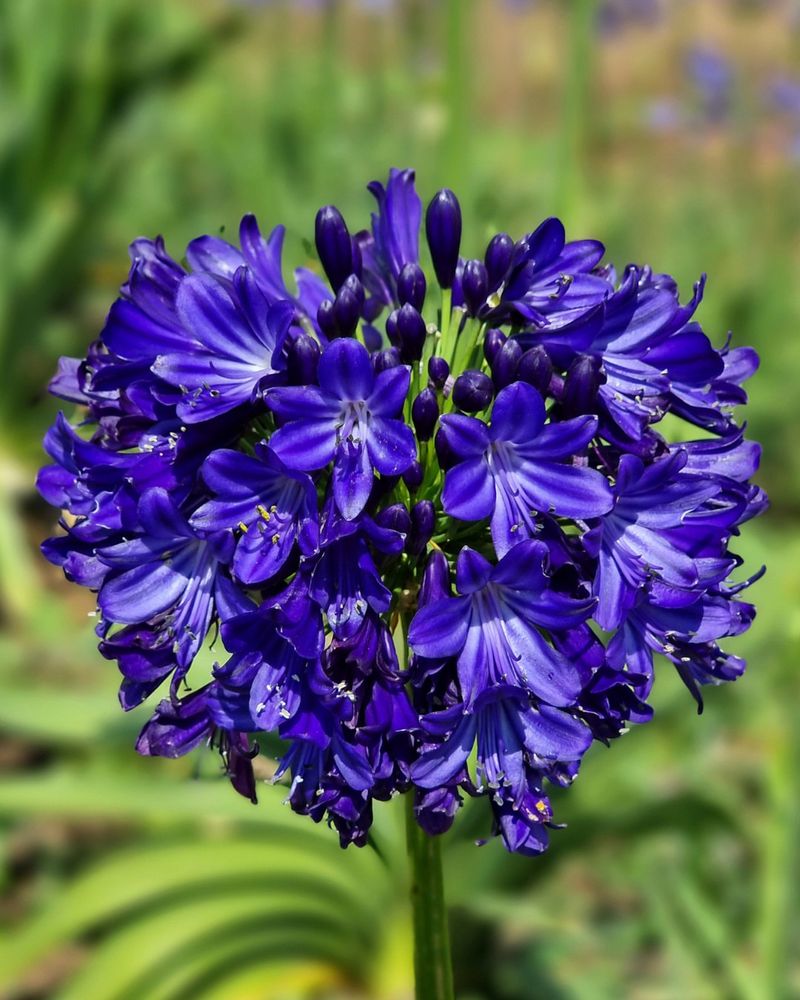
North Carolina summers are no joke. The heat rolls in hard, the humidity wraps around everything, and plenty of plants start to struggle before August even arrives.
Agapanthus, though, takes all of that in stride and keeps right on growing without missing a beat.
Unlike many flowering perennials that wilt or fade under intense summer stress, agapanthus is built for warm, humid conditions.
Its thick, fleshy roots store moisture and energy, giving the plant a solid foundation to draw from even when temperatures climb into the upper 90s.
Gardeners across the Piedmont and coastal plain regions of North Carolina have noticed how reliably it performs season after season.
Once established in your garden, this plant does not need you hovering over it during a heat wave. It holds its form, keeps its foliage looking clean and green, and continues pushing up flower stalks even when neighboring plants look exhausted.
That kind of toughness is rare in a plant this beautiful.
If you have struggled to find something that survives the long, steamy stretch between June and September in North Carolina, agapanthus deserves a serious spot on your planting list.
It thrives where others tap out, and that alone makes it worth every bit of garden space you give it.
2. Long Bloom Period In Summer
Most gardeners know that painful gap in the garden when spring flowers fade and fall color has not yet arrived. Summer can feel like a long, flowerless stretch if you have not planned carefully.
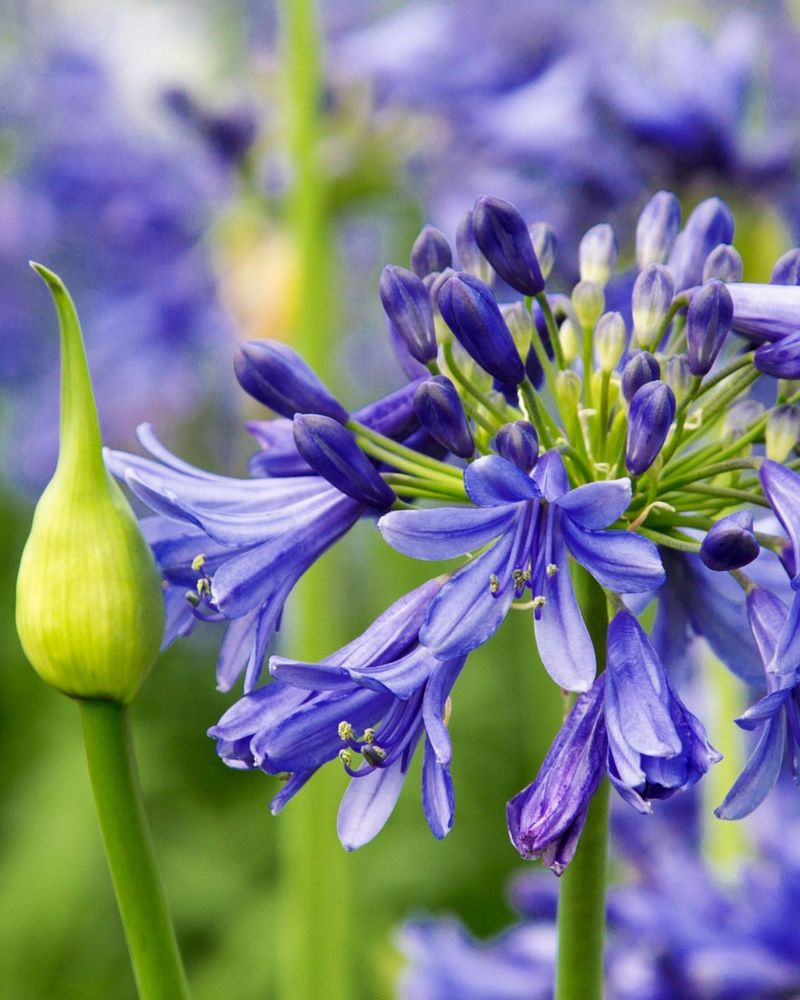
Agapanthus was practically made to fill that window. From mid to late summer, agapanthus sends up tall, elegant stems topped with globe-shaped clusters of blue or white flowers.
These blooms appear right when many spring-blooming plants have already finished their show, making agapanthus a true summer star in North Carolina gardens.
The flowers can reach heights of two to four feet, creating a bold vertical accent that draws the eye from across the yard.
Your North Carolina Garden Changes Every Week. Your Plan Should Too.
Gardening in North Carolina changes quickly throughout the season. Every Friday you’ll receive a simple weekly plan showing exactly what to plant, prune, fertilize, harvest, and protect so you never miss the right timing.
Each flower cluster holds dozens of individual trumpet-shaped blooms, and a single established clump can produce multiple stems at once.
The result is a generous, long-lasting display that keeps the garden looking vibrant through some of the hottest weeks of the year. Pollinators, especially bees and hummingbirds, love visiting these blooms too.
Gardeners in cities like Wilmington and Greensboro have found that agapanthus bridges that tricky gap in the seasonal garden calendar better than almost anything else.
If you want color when everything else seems to be taking a summer break, planting agapanthus is one of the smartest moves you can make for your North Carolina garden.
3. Works In Both Garden Beds And Containers
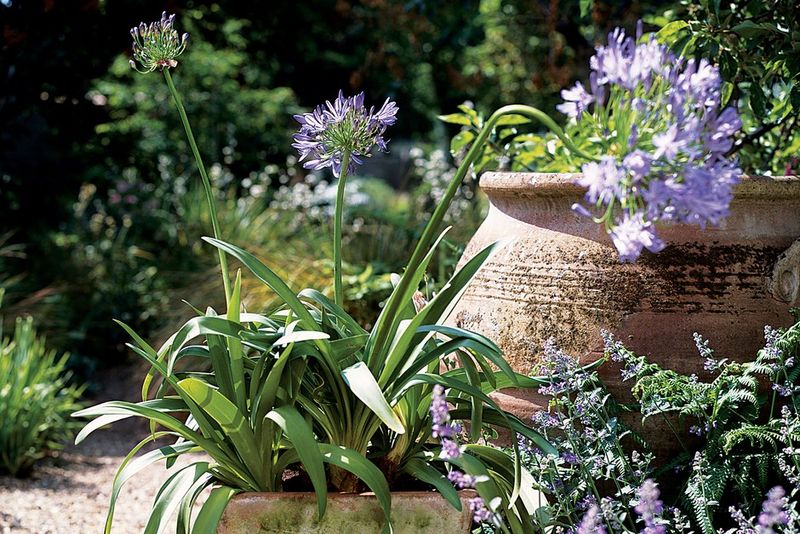
Flexibility is one of the most underrated qualities in a garden plant. When something grows beautifully both in the ground and in a pot, it opens up a whole new world of design possibilities for any outdoor space.
Agapanthus brings exactly that kind of versatility to North Carolina gardens.
In the warmer coastal and Piedmont areas of the state, agapanthus settles right into garden beds where it can spread and establish itself over several seasons.
In cooler mountain regions, growing it in containers is actually the smarter move because you can bring the pots into a sheltered space during winter, protecting the roots from hard freezes without much fuss.
Container-grown agapanthus looks stunning on front porches, patios, and deck corners. Choose a large pot with good drainage, use a quality potting mix, and place it somewhere that gets at least six hours of sunlight daily.
The plant will reward you with those signature tall flower stems rising dramatically above the pot’s edge all summer long.
Whether you are working with a sprawling backyard bed in New Bern or a small apartment balcony in Asheville, agapanthus adapts to your situation. Few plants offer this kind of design range while still looking this good.
That combination of beauty and adaptability is a big reason why North Carolina gardeners keep reaching for it every planting season.
4. Drought Tolerant Once Established
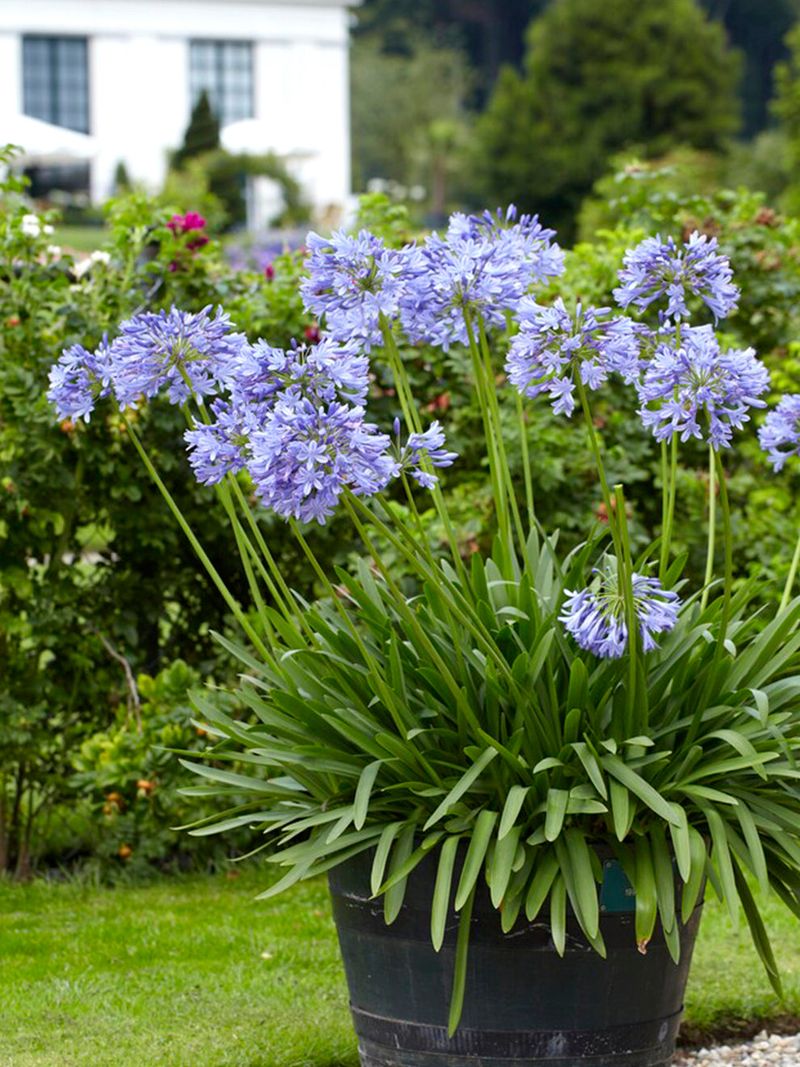
Summer rainfall in North Carolina can be unpredictable. One week brings heavy afternoon storms, and the next stretches on dry for two weeks straight.
Plants that cannot handle those swings become a constant worry, but agapanthus is refreshingly different once it settles into your garden.
After its first growing season, agapanthus develops a dense root system that allows it to handle short dry periods without showing signs of stress. Those thick, fleshy roots act like a built-in water reserve, pulling moisture through dry spells when lighter-rooted plants start to droop.
This makes it especially useful in parts of North Carolina where irrigation systems are not always available or practical.
That said, agapanthus is not a cactus. It performs at its very best when watered regularly, especially during the heat of summer when it is actively blooming.
Think of drought tolerance as a safety net rather than a reason to ignore watering altogether. A deep soak once or twice a week during dry stretches keeps it happy and blooming strong.
For busy homeowners in areas like the Sandhills or the Triad region, this built-in resilience is a genuine relief. You do not need to panic every time the forecast shows no rain for ten days.
Agapanthus holds its own and bounces back quickly once moisture returns, making it a dependable and stress-free choice for North Carolina gardens.
5. Low Maintenance Growth Habit
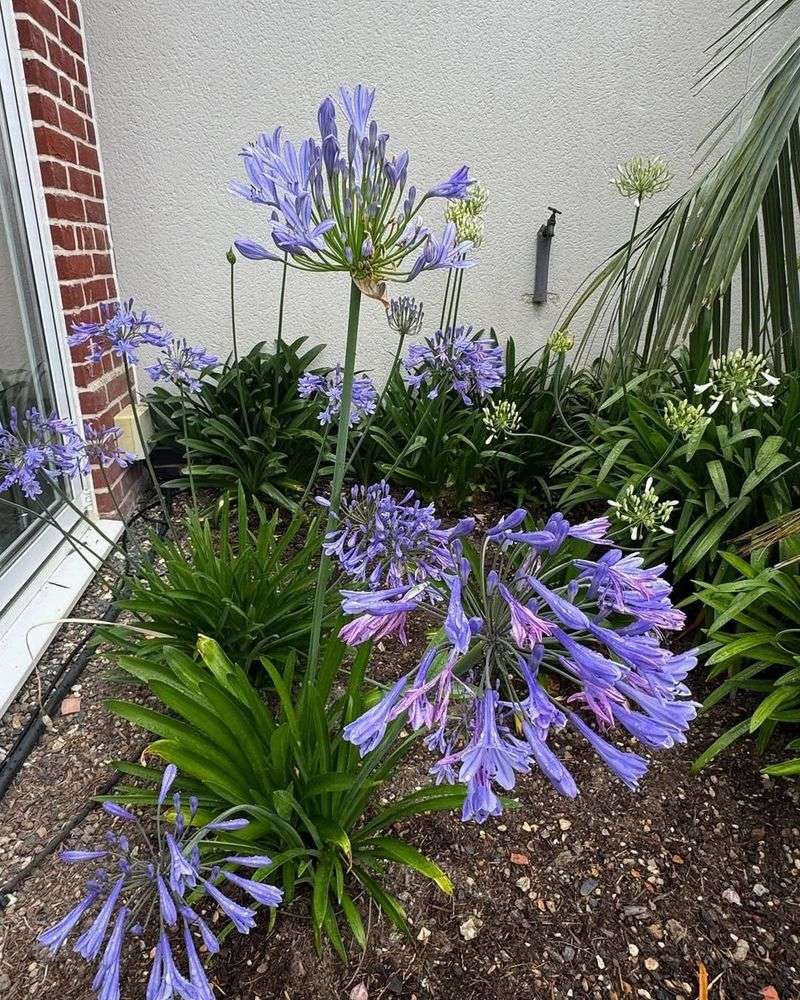
Some plants make you feel like a full-time gardener just to keep them alive. Constant pruning, fussy fertilizing schedules, and weekly pest checks can turn a hobby into a chore fast.
Agapanthus takes a completely different approach, and North Carolina gardeners genuinely appreciate it.
Under normal conditions, agapanthus does not need much from you at all. You do not have to prune it constantly or fuss over complicated feeding routines.
Removing spent flower stalks after blooming and cutting back old foliage in late winter is really about all the tidying it needs to stay in top shape through the seasons.
Every few years, when a clump starts to look crowded or bloom production slows down, you can divide it. Splitting the root clump into smaller sections and replanting them refreshes the plant and actually gives you free new plants for other spots in your garden.
It is a simple task that pays off with renewed blooming energy the following summer.
Basic fertilizing once or twice a year with a balanced slow-release fertilizer keeps growth steady and flowers coming back reliably. Beyond that, agapanthus is genuinely content to grow on its own terms.
For gardeners across North Carolina who want a beautiful, impactful plant without a demanding care routine, agapanthus hits that sweet spot perfectly.
It rewards your patience and minimal effort with bold, season-long beauty that looks anything but effortless.
6. Less Preferred By Deer
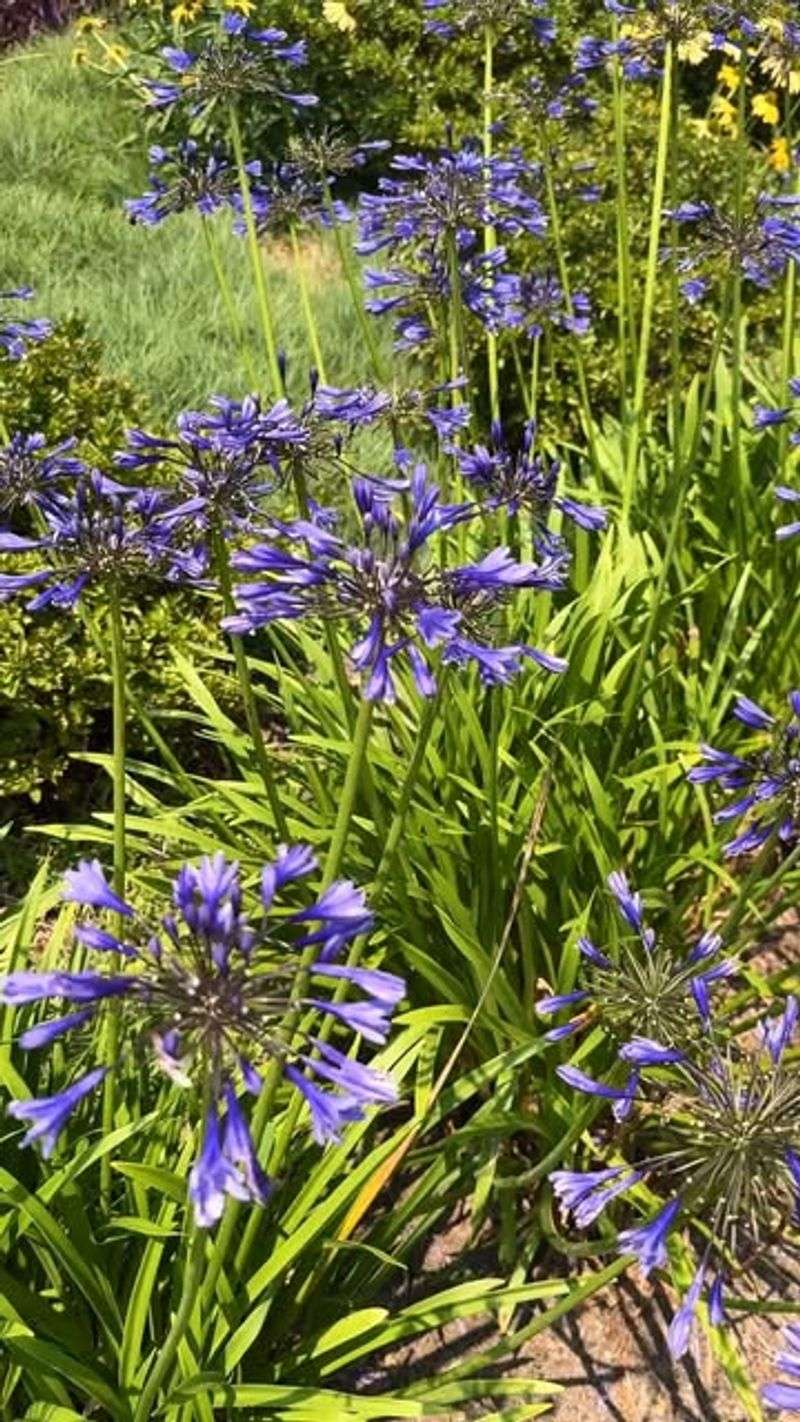
Anyone who has woken up to find their carefully tended garden beds stripped bare by deer overnight knows exactly how frustrating that experience is. In many parts of North Carolina, deer pressure is a real and ongoing challenge for home gardeners.
Finding plants that deer tend to pass over is a genuine win.
Agapanthus generally falls into the less-preferred category when it comes to deer browsing. While no plant is completely deer-proof, agapanthus is typically skipped in favor of tastier options nearby.
Its strap-like leaves and the properties of its sap make it much less appealing to browsing deer compared to hostas, daylilies, or many other popular ornamentals.
This matters a lot in suburban and rural areas of North Carolina where deer populations are high, particularly in the Piedmont foothills and mountain edge communities.
Planting agapanthus in prominent spots around your yard means you are less likely to lose your showiest summer blooms to overnight visitors.
That peace of mind is worth a lot when you have invested time and energy into your garden.
Pairing agapanthus with other deer-resistant plants creates a more durable garden design overall. It is still a smart idea to monitor your plants and use protective measures during seasons when deer pressure spikes, but agapanthus gives you a solid head start.
North Carolina gardeners dealing with deer will find this plant a refreshing and reliable option worth adding to their landscape plan.