These California Plants Should Not Be Fertilized During July Heat
Not every tired-looking plant in your California garden is hungry. That is probably the most useful thing you can hear in July, and also the easiest thing to forget when you are standing there staring at droopy leaves and wondering what to do.
The instinct to fertilize is strong, especially when something looks off, but for a surprising number of California garden plants, adding fertilizer in peak summer heat is not the fix.
It can actually make things considerably worse.
Some plants are built for lean soil and dry summers and genuinely do not want the extra attention. Others look stressed because of heat, poor drainage, or dry potting mix, not because they are hungry.
July gardening is often more about reading what your plants are actually telling you than doing more. Sometimes the best move is a patient one.
1. Established Natives Prefer Lean Soil
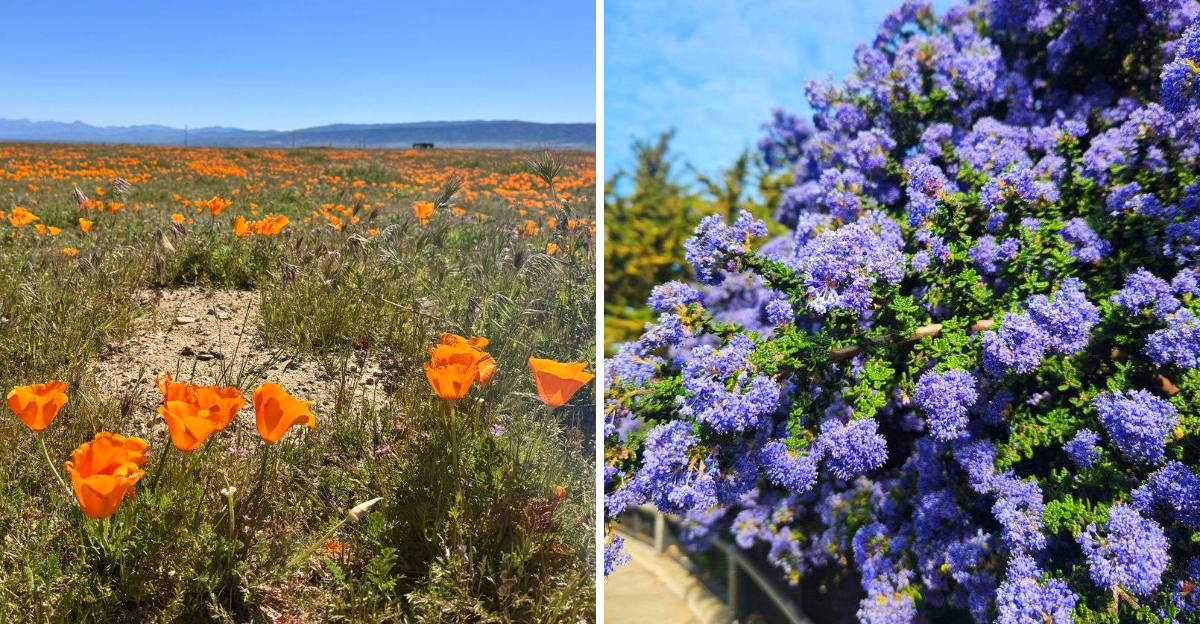
Established California native plants are usually much happier when gardeners stop trying to feed them like roses, citrus, or summer vegetables.
Many natives evolved in soils that are naturally lean, and once their roots settle in, they often get what they need from the ground already around them.
In July, when California gardens are hot and dry, fertilizer can push soft new growth at the exact time the plant may be trying to slow down and conserve energy.
That new growth can be more tender, more demanding, and more likely to struggle when heat waves roll through.
A better July routine is to check soil moisture, maintain mulch without piling it against stems, and watch the plant’s overall condition. If an established native looks quiet in summer, that may simply be part of its seasonal rhythm.
Save the feeding urge for plants that truly need it, and avoid treating every slow-looking native as hungry. In many California yards, restraint is the kinder move.
Lean soil, thoughtful watering, and good drainage often support established natives better than a midsummer fertilizer boost. This is especially true for native shrubs that are already rooted into the surrounding soil and no longer need nursery-style care.
If you are unsure, a soil test or local extension advice is a better starting point than adding fertilizer during peak heat.
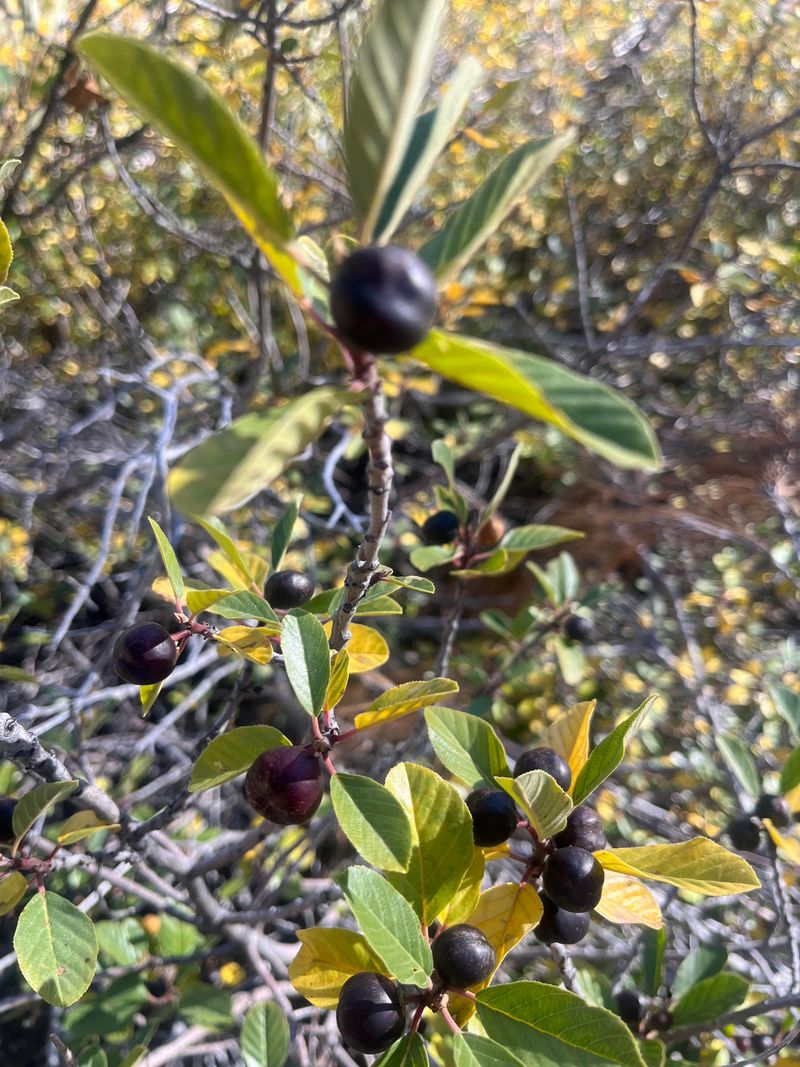
2. Manzanitas Need Little Feeding
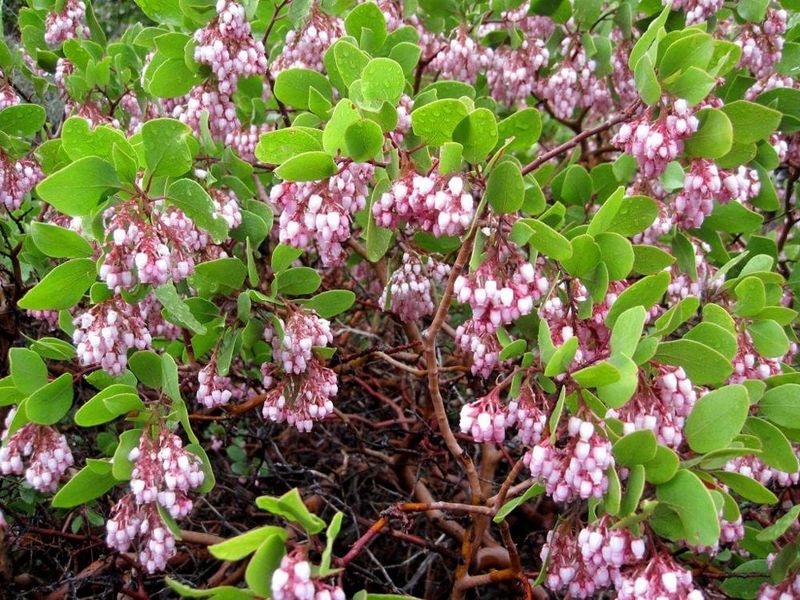
Manzanitas are a classic example of California plants that can get into trouble when gardeners love them a little too much. These shrubs are adapted to low-nutrient soils, sharp drainage, and dry-season restraint once established.
In July heat, adding fertilizer can encourage growth the plant is not asking for, especially if it is already dealing with warm soil, reflected heat, or dry air.
Many manzanitas grow slowly by nature, so a quiet summer appearance should not be mistaken for a fertilizer problem.
If the leaves look dull or the plant seems less vigorous, start with the basics before reaching for plant food. Check drainage, look for irrigation changes, and make sure mulch is not touching the trunk or crown.
Manzanitas often respond poorly to overwatering, rich amendments, and heavy-handed care. In a California garden, they tend to look their best when planted in the right place and then left mostly alone.
Your California Garden Changes Every Week. Your Plan Should Too.
Gardening in California changes quickly throughout the season. Every Friday you’ll receive a simple weekly plan showing exactly what to plant, prune, fertilize, harvest, and protect so you never miss the right timing.
July is a good time to observe, not push. Give them space, keep the root area from staying soggy, and let their natural summer pace do its work.
A manzanita planted in heavy soil or watered too often may struggle even if it receives fertilizer. The better fix is usually site correction, careful watering, or choosing a manzanita suited to that part of California.
3. Ceanothus Dislikes Summer Fertilizer
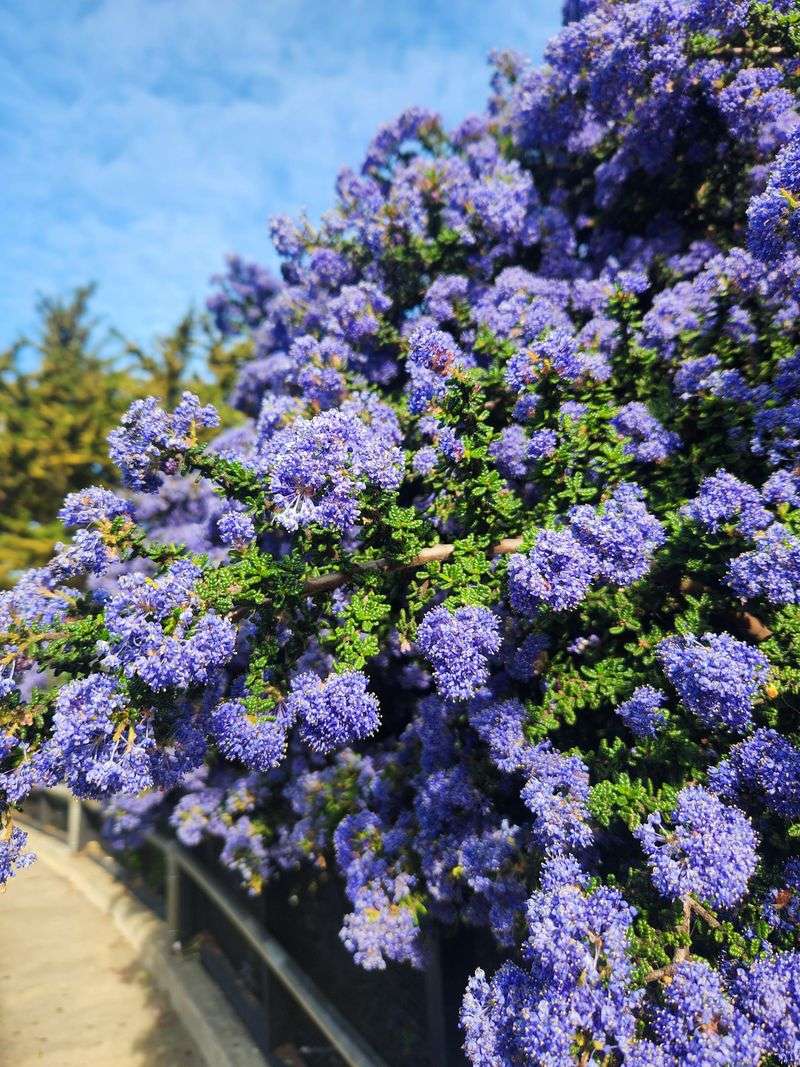
Ceanothus, often called California lilac, is another plant that does not fit the “feed it more” approach in July.
Many ceanothus species and cultivars are adapted to lean soils and dry summers, and established plants can be sensitive to extra water, extra nutrients, and heavy summer fussing.
Fertilizing during hot weather may encourage growth that the plant has to support during a stressful season. That can work against the relaxed rhythm these plants often prefer after spring bloom.
If a ceanothus looks tired in July, fertilizer is rarely the first thing to consider. Look at sun exposure, drainage, watering frequency, and whether the plant was placed where it has enough room to grow without constant pruning.
California gardeners sometimes see a ceanothus slow down after its showy spring display and assume it needs a boost, but that pause can be normal. A light hand is usually better.
Keep the soil from staying wet, avoid rich amendments around established plants, and focus on planting ceanothus where it naturally fits. July care should support stability rather than force new growth.
This is also a good time to avoid quick fixes that change several things at once. When ceanothus is unhappy, simple observation can tell you more than a sudden dose of fertilizer.
4. Native Sages Need Caution
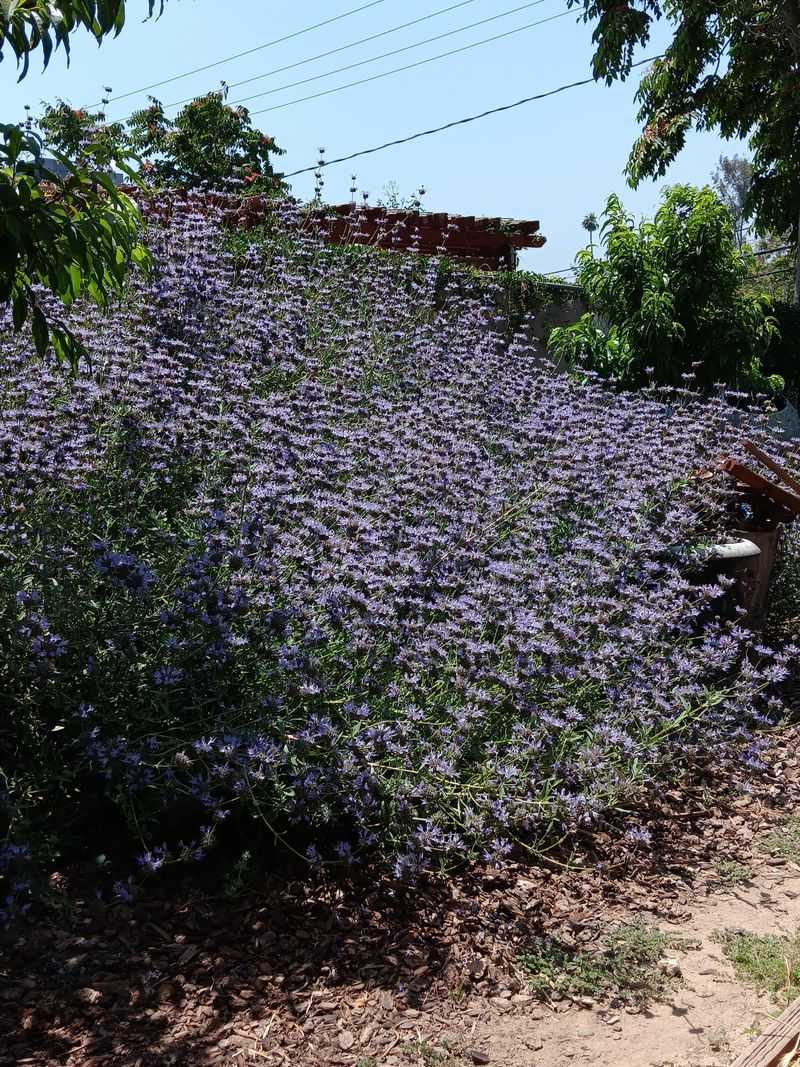
Native sages can look rugged, fragrant, and easygoing, but they still deserve careful handling during July heat.
Plants such as Cleveland sage, black sage, white sage, and other California salvia species are often adapted to sunny, dry, low-nutrient conditions once established.
Fertilizer in midsummer can encourage leafy growth that may not match the plant’s natural dry-season pattern.
It can also distract gardeners from more useful July care, such as checking irrigation timing, improving air movement, and removing spent flower stalks only when appropriate for the plant and the garden style.
Native sages are not heavy feeders in the way many annual flowers or vegetables can be. If they are planted in decent soil with good drainage, they often prefer modest care.
In hot California locations, extra fertilizer is not the answer to every pale leaf or tired-looking branch.
First, ask whether the plant is established, whether it is getting too much summer water, or whether heat reflection from walls or pavement is adding stress.
With native sages, July care is mostly about restraint, observation, and avoiding sudden pushes. Their summer appearance may be looser and less lush than spring growth, and that can be completely normal for the season.
A little cleanup and careful watering usually make more sense than feeding during a hot spell.
5. California Buckwheat Handles Lean Soil
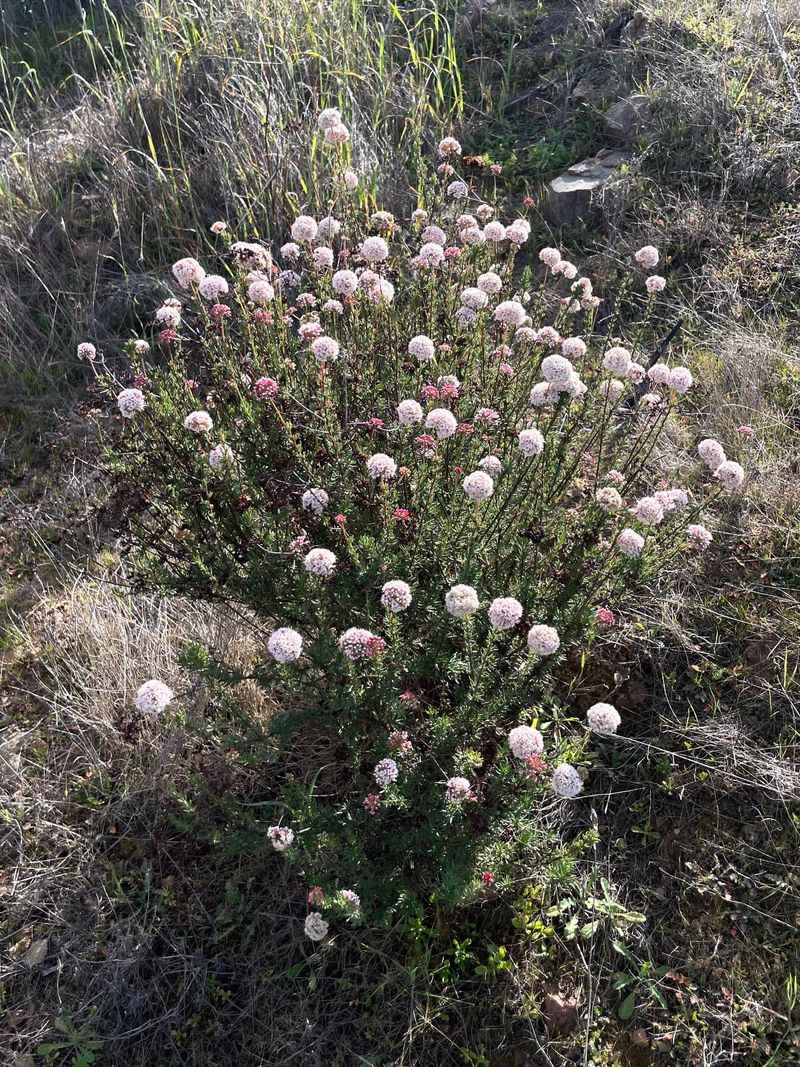
California buckwheat is one of those plants that reminds gardeners how useful lean-soil plants can be. It often grows well in dry, sunny sites where richer garden plants might demand more attention.
In July, buckwheat may be flowering, feeding pollinators, or holding its shape through heat with very little help. Fertilizer is usually not the missing piece.
In fact, pushing extra growth during hot weather can make care more complicated than it needs to be. California buckwheat is valued partly because it can handle low-water, low-input conditions once established.
If it looks sparse, check whether it has enough sun, whether the soil drains well, and whether nearby irrigation is keeping the root zone too wet. This plant is not meant to be lush in the same way as a thirsty border plant.
Its beauty is more natural, open, and wildlife-friendly. In many California gardens, the best July support is simply to avoid overdoing it.
Give it room, keep weeds from crowding young plants, and let the flowers and seed heads carry the summer show without fertilizer. Those seed heads can also add texture and habitat value long after the freshest bloom color fades.
If you want a fuller planting, adding compatible low-water companions in the right season is often better than feeding one plant in July.
6. Native Wildflowers Need Little Fertilizer
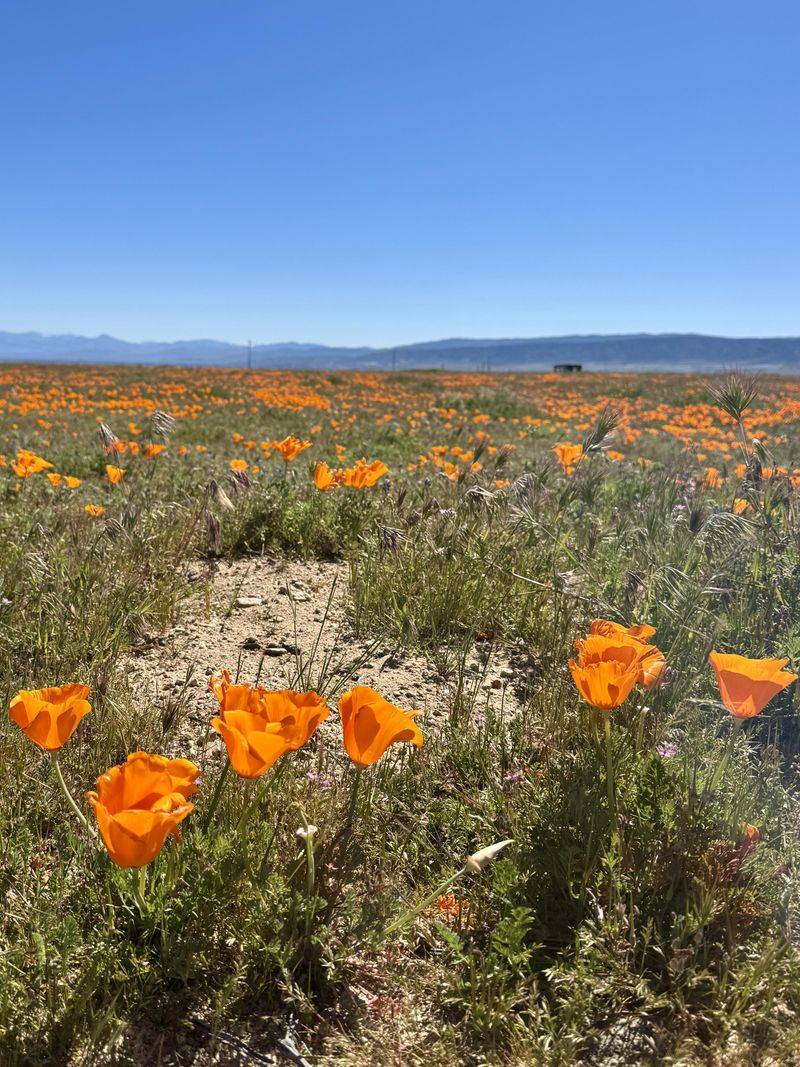
Native wildflowers are easy to overthink, especially when gardeners want a thick, colorful display. Many California annual wildflowers are better matched to seasonal rainfall and lean soil than to rich fertilizer in July.
By summer, plenty of spring wildflowers have already bloomed and set seed, so feeding them at that stage does not fit their natural cycle.
For many of these plants, the important work happens earlier, when seeds are sown in fall, winter, or very early spring so seasonal moisture can help them germinate and grow.
July is usually not the time to push them with fertilizer. If a wildflower patch looks finished or sparse, that may reflect timing, seed choice, rainfall, irrigation, or competition from weeds rather than a simple nutrient shortage.
A better approach is to plan ahead for the next cool season, reduce weed pressure, and leave space for seedlings to establish when conditions are right. In California gardens, native wildflowers often reward patience more than feeding.
Treat them like seasonal plants with their own rhythm, not like summer annuals that need constant encouragement. Fertilizer can also favor fast-growing weeds or leafy growth instead of the simple wildflower display you hoped for.
For a better show, focus on seed timing, soil contact, and choosing species suited to your region.
7. Summer-Dormant Bulbs Need Rest
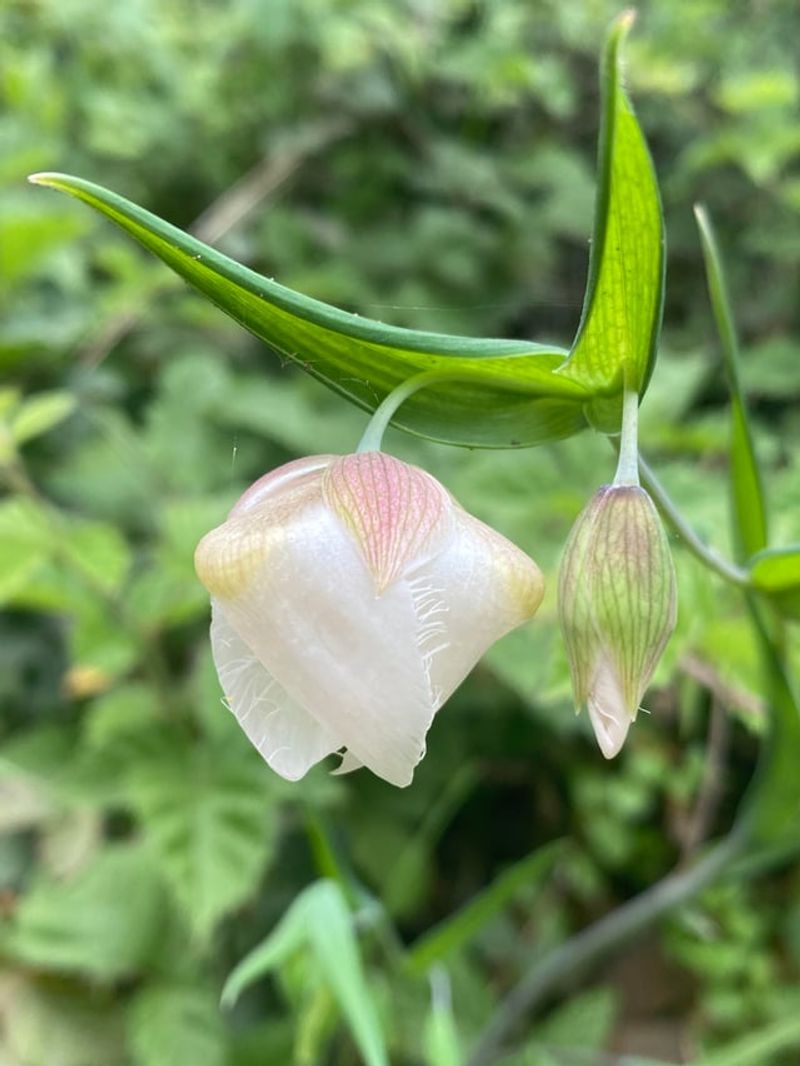
Summer-dormant native bulbs are easy to misunderstand because they may seem inactive just when the rest of the garden is begging for attention.
Many California bulbs grow with cool-season moisture, bloom in spring, and then retreat into a resting phase as summer heat arrives.
July fertilizer does not match that pattern. These bulbs store energy in underground structures, and during their rest period they generally need dry, undisturbed conditions rather than feeding and extra irrigation.
Adding fertilizer in July can tempt gardeners to water more, and that combination may be risky for bulbs adapted to a dry summer pause.
A better strategy is to mark where the bulbs are planted, keep regular irrigation away from that area, and avoid digging into the bed while the bulbs are resting.
If the area looks bare, use careful companion planting with species that share similar summer-dry needs. In California gardens, summer dormancy is not a failure.
It is part of the plant’s survival plan. Letting native bulbs rest through July can be one of the most helpful things you do.
A simple plant marker can save you from accidentally disturbing the spot later in the season. If you want the bed to look fuller in summer, choose nearby plants that do not require constant water over the bulbs.
8. Container Natives Need Recovery First
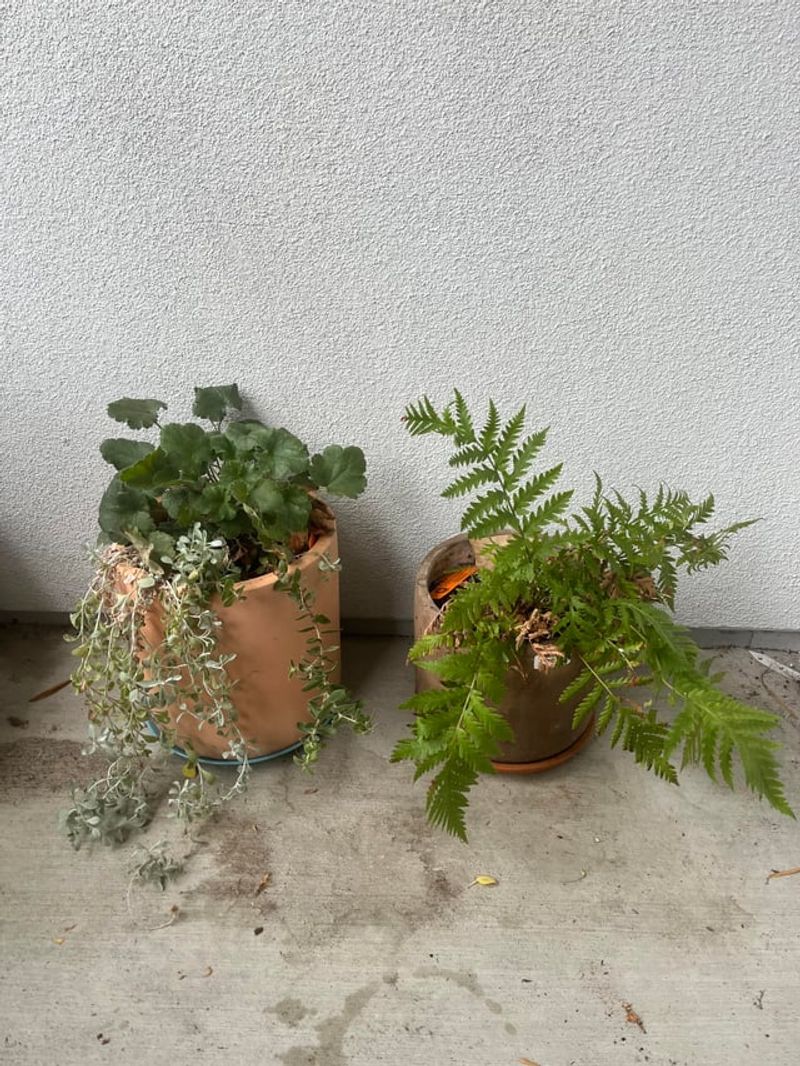
Container-grown California natives need a little more judgment than in-ground natives because pots behave differently from garden soil. Nutrients can wash out of containers, so some potted natives may need light feeding at the right time.
July heat, though, is not the moment to feed a plant that is already stressed, wilted, sun-scorched, or struggling with dry potting mix. In hot California weather, container roots can heat quickly, and dry mix can become hard to rewet.
If a potted native looks rough, start with recovery care before fertilizer. Move the pot to gentler light if needed, check drainage, water thoroughly so the whole root ball is moistened, and make sure water is not simply running down the sides of the container.
After the plant steadies, you can think about whether a mild fertilizer is truly needed later. The key is not to confuse stress with hunger.
A heat-stressed container native is often asking for better moisture management, cooler root conditions, or less direct afternoon sun – not a quick midsummer feeding.
Smaller pots may need even closer attention because the root zone heats and dries much faster than soil in the ground.
Once the plant looks steady again, any feeding decision should be gentle, seasonal, and matched to that plant’s actual needs.
9. Stressed Succulents Need Gentle Care
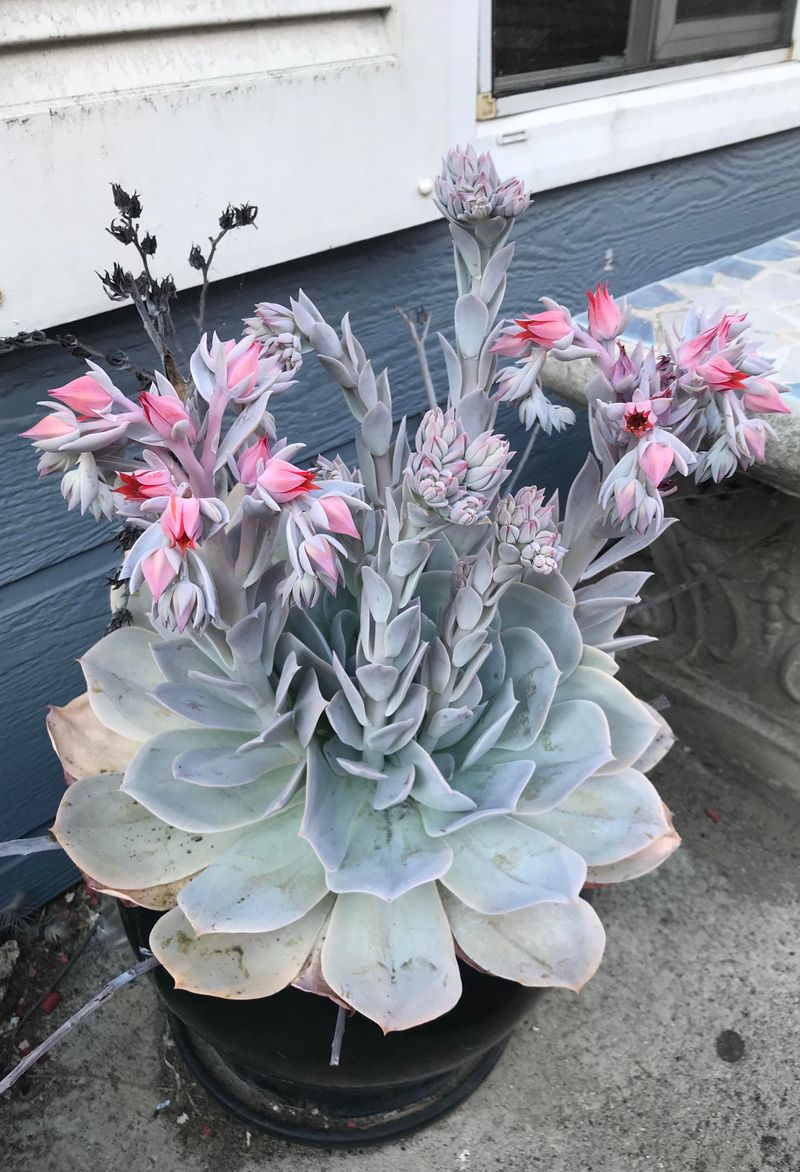
Succulents and cacti are often described as tough, but July heat can still push them hard, especially in containers, reflected sun, or very hot inland California gardens.
Some may accept light fertilizer during active growth, depending on the plant, but a stressed succulent is not a good candidate for a feeding push.
If leaves look scorched, wrinkled, pale, or stretched, the first step is to check growing conditions, not add nutrients. Too much fertilizer can encourage soft growth that does not help the plant handle heat.
Many succulents have modest nutrient needs, and cacti are often fed only lightly when they are actively growing. In July, pay attention to sun exposure, drainage, watering depth, and pot temperature.
A black nursery pot on a hot patio can create a very different root environment than the same plant in morning sun with afternoon protection. For stressed plants, gentle care is more useful than fertilizer.
Adjust light if needed, water according to the plant’s needs and soil dryness, and let recovery come before any feeding plan.
This is especially important for newly purchased succulents that were grown under nursery conditions and then moved into harsher sun.
A slower transition into summer exposure can do more good than fertilizer during a hot stretch.