The Pest Migration Alabama Homeowners Keep Missing Until Too Late
Cold air sends a quiet signal you almost always miss. Insects feel the temperature drop long before you notice frost. Alabama offers pests everything your home provides: warmth, food, quiet corners.
Cracks around your home’s foundation become tiny doorways overnight. Gaps beneath your doors and windows widen their welcome. Nobody checks your entry points until real problems already exist.
Pests rarely announce themselves before settling into your home. Weeks can pass while activity quietly stays hidden inside your walls. Signs start small around you, then multiply very fast.
Fall weather across Alabama times this shift around you. Experts watch these seasonal patterns because your timing matters. Your home sits directly along their busy seasonal path.
Small signs left unchecked can grow into much bigger problems. Waiting means missing your best chance to act early. Understanding this pattern early gives you a real advantage. You deserve to know what comes next.
A Seasonal Shift Alabama Homeowners Overlook
Leaves turn, nights cool off, and bugs start moving. The pest migration Alabama homeowners experience each fall is one of the most overlooked seasonal events around.
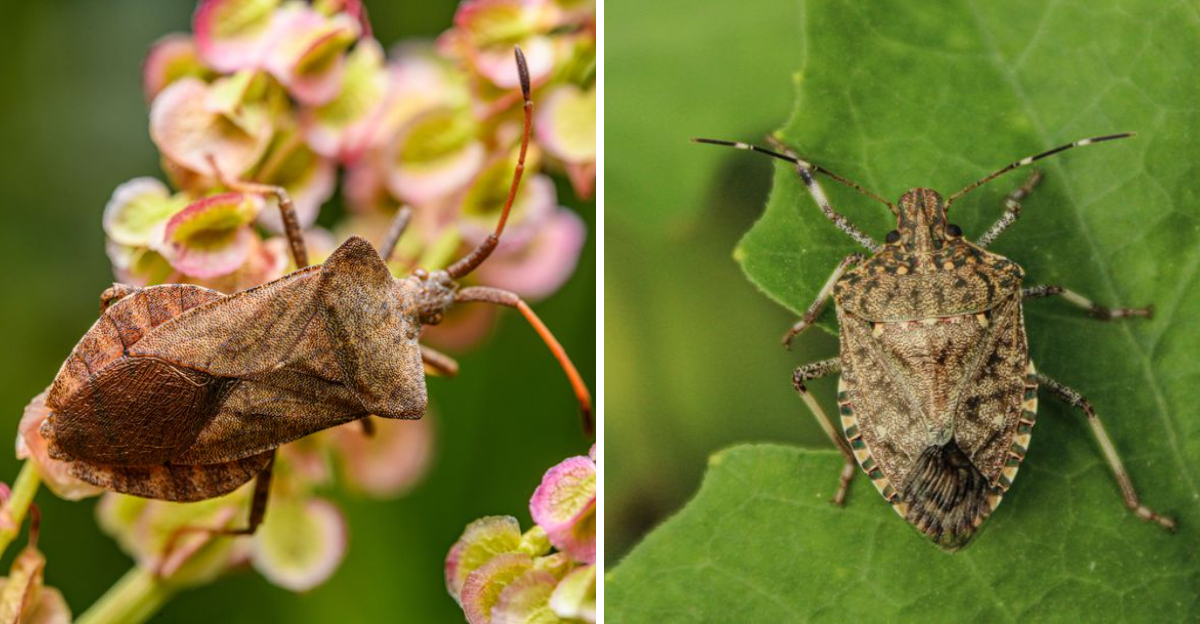
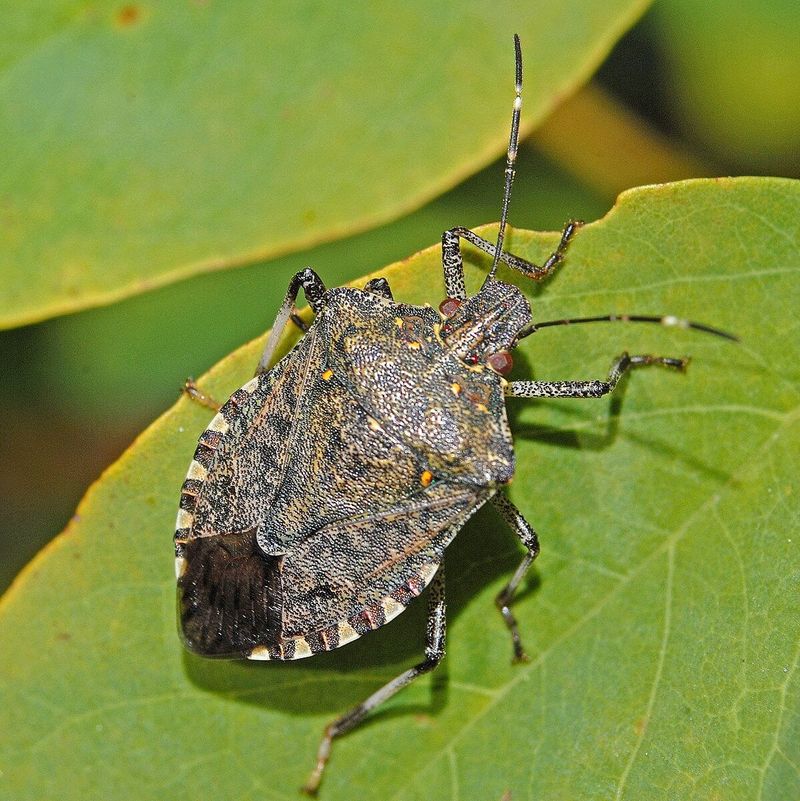
Stink bugs, kudzu bugs, and boxelder bugs all follow a similar pattern. When outdoor temps drop into the 50s and 60s, their survival instincts begin to shift.
They stop feeding and start searching for shelter. Your warm walls and sunny siding become an easy target for shelter-seeking bugs.
Most people assume bugs simply go away when the weather changes. The truth is, they go inside, not away.
Pest pressure actually peaks during the transition from warm to cool weather. September and October are prime months in the South.
A single sunny afternoon can draw large numbers of bugs toward your home. They cluster on south- and west-facing walls where heat lingers longest.
Spotting a few bugs on your siding might seem harmless. But those few are often a sign of a larger population nearby.
Seasonal awareness is your first line of defense. Knowing when migration happens lets you act before bugs settle in for the long haul.
Understanding the shift gives you a serious advantage. Homeowners who recognize the timing stop the problem before it starts.
Why Stink Bugs Move Indoors This Time Of Year
Picture this: you walk into your living room and catch a sharp, musty smell with no obvious source. That odor is a warning sign worth taking seriously.
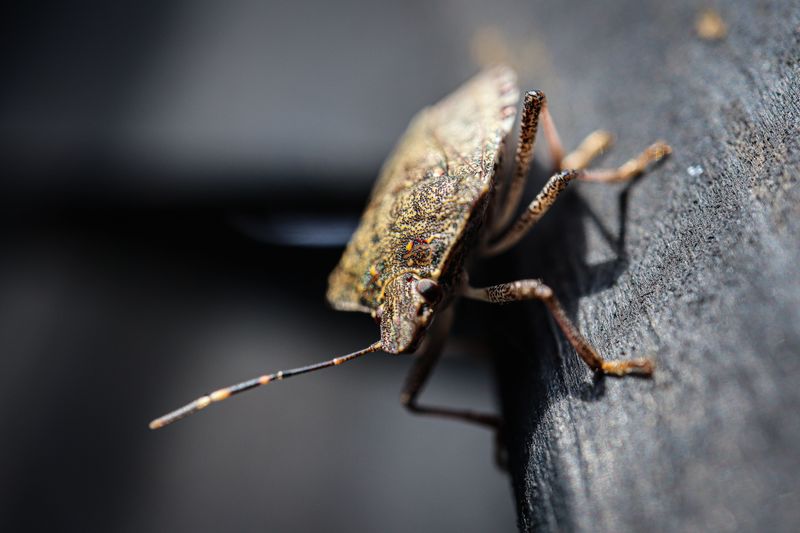
Stink bugs are skilled at finding small, overlooked openings. They slip through gaps so small you would never think twice about them.
Brown marmorated stink bugs first arrived in the U.S. in the late 1990s. They have been spreading south ever since, and Alabama now falls within their established range.
These insects do not bite or sting. But they gather in enormous numbers, and disturbing them releases that signature foul smell.
When outdoor food sources dry up in fall, stink bugs shift their focus entirely. Warmth becomes the only thing on their agenda.
They seek out diapause, a kind of insect hibernation. Your attic, wall voids, and crawl spaces offer exactly the conditions they need.
Your Alabama Garden Changes Every Week. Your Plan Should Too.
Gardening in Alabama changes quickly throughout the season. Every Friday you’ll receive a simple weekly plan showing exactly what to plant, prune, fertilize, harvest, and protect so you never miss the right timing.
A single overwintering site can hold thousands of bugs packed together. One warm spell in January can wake them all up at once.
Lights left on at night attract them fast. South-facing windows and doors are their favorite entry points when the sun heats your walls.
The pest migration Alabama residents face with stink bugs is real and growing. Catching them early means dealing with dozens instead of thousands.
Early Signs That Often Go Unnoticed
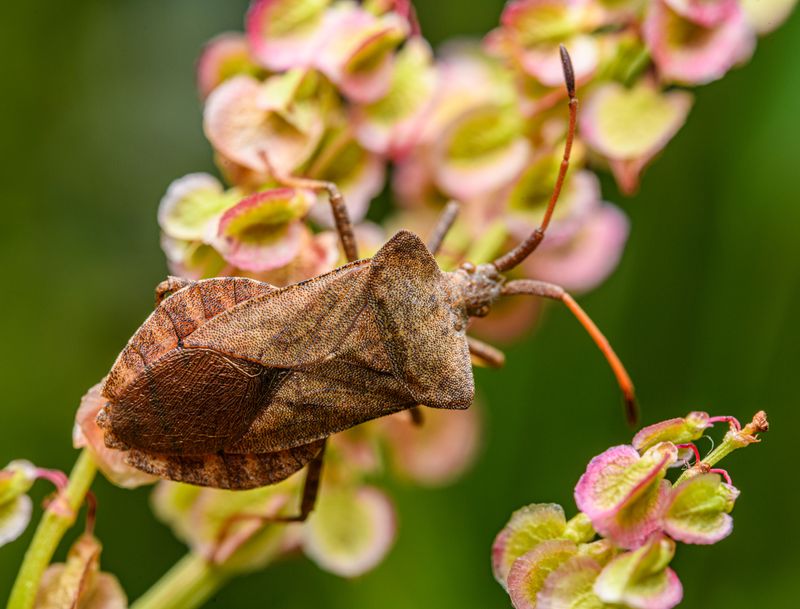
A single bug on your curtain seems easy to dismiss. Most people flick it away and forget about it within seconds.
That one bug is rarely alone. Where there is one, there are usually dozens more hiding nearby in walls, attics, and window frames.
One early sign is a faint musty or herbal smell near your windows. Stink bugs release pheromones that attract others, so the scent builds over time.
Check your light fixtures in the evening. Bugs drawn to warmth and light often collect near ceiling fans and lamp shades first.
Another clue is finding shed exoskeletons along baseboards. Insects molt as they grow, and those tiny shells signal an active population nearby.
Look at the corners of your window screens. Small clusters of bugs resting in the mesh are easy to miss during a quick glance.
Smear marks on walls near entry points can also tip you off. Bugs squeeze through gaps and leave faint oily streaks as they pass.
Pets sometimes notice bugs before people do. If your cat or dog keeps staring at a wall, take that behavior as a hint.
Early detection changes everything about how hard you have to work later. Catching two bugs today beats dealing with two hundred next month.
Common Entry Points Around Your Home
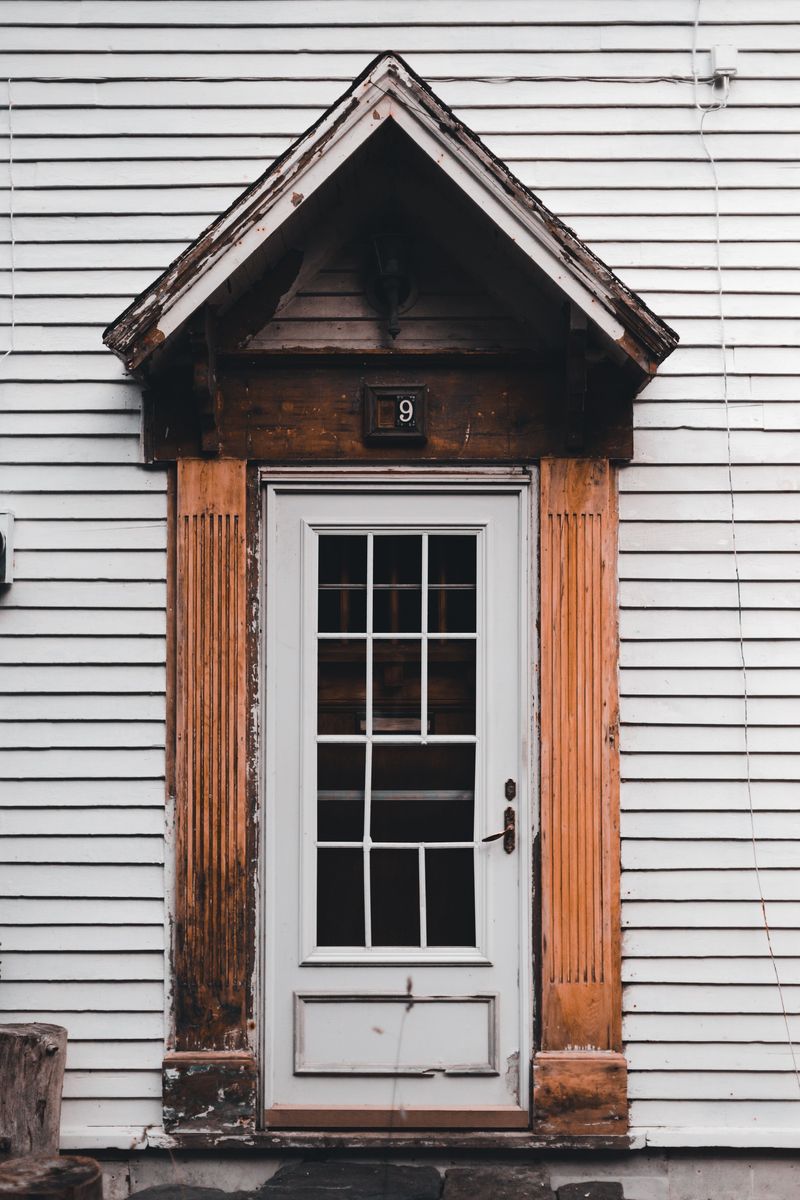
Your home has more openings than you probably realize. Bugs do not need a wide gap to squeeze through, just a small one will do.
Window screens with tiny tears are among the most common entry points. A small gap is more than enough for most insects to squeeze through.
Door sweeps that no longer sit flush with the floor leave a gap bugs exploit easily. Check yours by sliding a piece of paper underneath the door.
Utility penetrations are another major weak spot. Pipes, cables, and wires that pass through exterior walls often leave small openings that go unsealed for years.
Roof soffits and fascia boards can develop cracks over time. Bugs traveling along rooflines find these spots and use them as direct access to your attic.
Chimney caps that are damaged or missing invite insects and other wildlife straight into your home. A quick visual inspection from the ground can reveal problems fast.
Garage doors rarely seal perfectly along the sides and top. That gap is wide enough for dozens of bugs to slip through on a warm afternoon.
Foundation cracks, even hairline ones, create pathways from soil level straight into your basement or crawl space. Bugs follow temperature gradients right through them.
Sealing these spots is one of the highest-impact moves a homeowner can make. The pest migration Alabama homes face starts and ends at these overlooked openings.
Simple Steps To Block Them Before They Settle
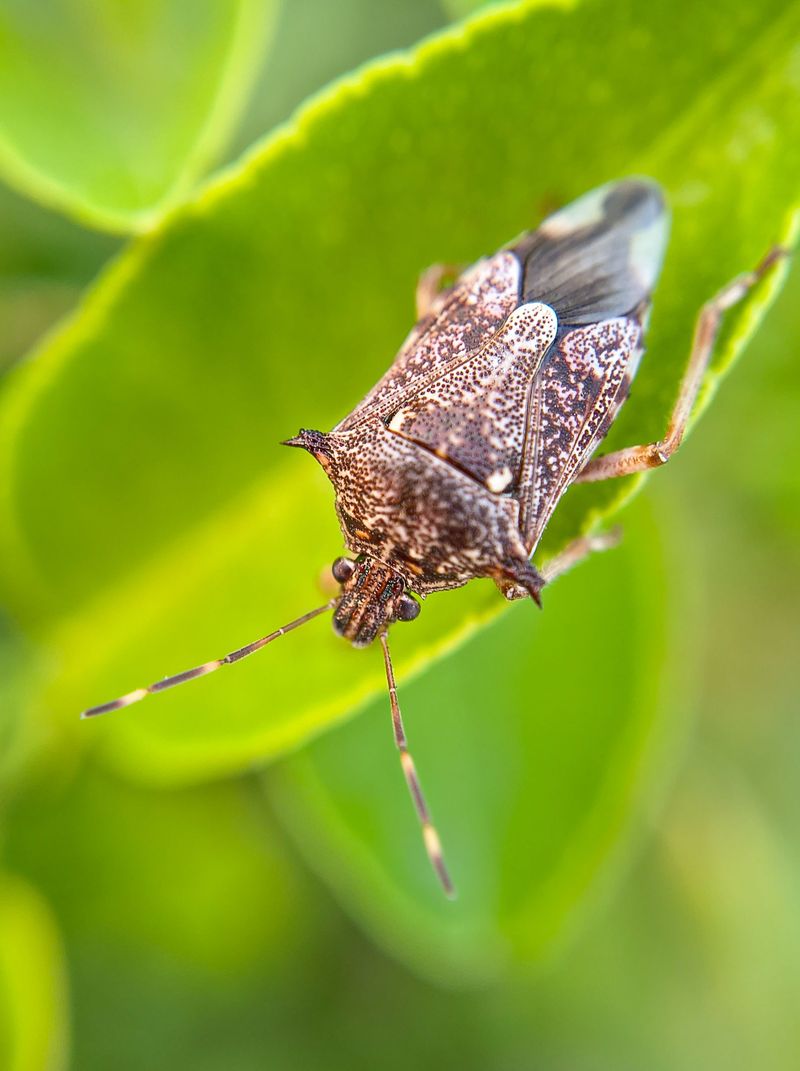
Blocking bugs before they enter is far easier than removing them after they settle in. A Saturday afternoon of prep work can spare you months of frustration.
Start with a tube of silicone caulk and walk your home’s exterior. Seal every crack, gap, and opening you find around windows, doors, and utility lines.
Replace worn weatherstripping on all exterior doors. New strips cost just a few dollars and create a tight seal bugs cannot push through.
Install or repair door sweeps on every exterior door. A solid sweep blocks the gap at the bottom that most homeowners forget to check.
Fix torn window screens right away. Patch kits from any hardware store take about ten minutes to apply and close off a key entry point.
Consider adding fine mesh covers to soffit vents and chimney caps. These small upgrades stop bugs from reaching areas deep inside your home’s structure.
Outdoor lighting plays a role too. Switching to yellow or sodium vapor bulbs reduces the attraction that draws insects toward your doors and windows at night.
Vacuum up any bugs you find inside rather than squishing them. Crushing releases odor that signals others to gather in the same spot.
Consistent action during September and October makes the biggest difference. Stopping the pest migration Alabama homes face starts with simple, steady effort before temperatures fully drop.
What Happens If The Problem Goes Ignored
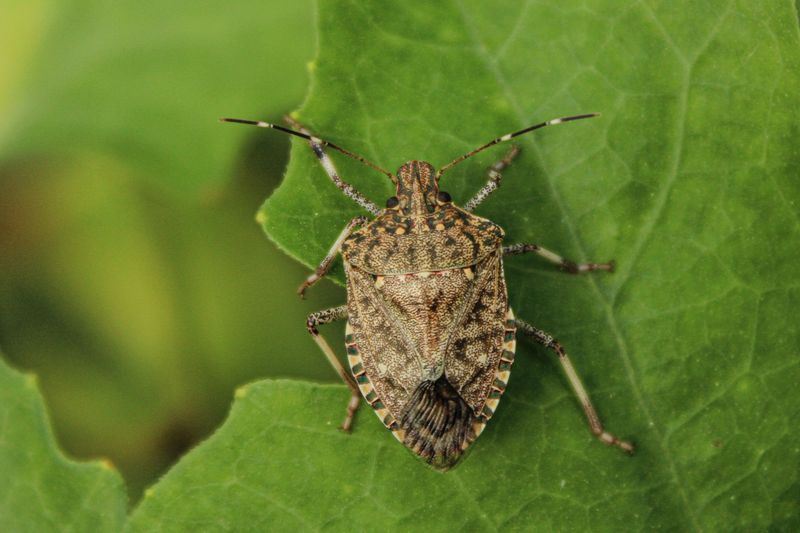
Ignoring a few bugs in October feels harmless in the moment. By January, that choice can turn into a larger infestation inside your walls.
Overwintering pests do not just sit quietly. Their waste, shed skins, and sheer numbers can damage insulation and create unpleasant odors throughout your home.
When spring arrives and temperatures climb, those dormant bugs wake up all at once. Large numbers can emerge from walls and ceilings over a short period.
Some secondary pests are drawn to large bug populations. Spiders and centipedes follow their food source right into your living space without hesitation.
The smell from a large stink bug colony is difficult to remove. It soaks into drywall and insulation and lingers long after the bugs themselves are gone.
Professional extermination for a heavy infestation typically costs more than a season of prevention. In severe cases, contaminated attic insulation may need partial replacement, adding to overall repair costs.
Beyond cost, the stress of a serious infestation affects daily life. Finding bugs in your kitchen, bathroom, and bedroom every morning can be frustrating for any household.
The pest migration Alabama homeowners keep missing is preventable with the right knowledge and timing. Waiting too long can turn a small issue into a larger one.