Who Pays When Tree Roots Cross Property Lines And Cause Damage In Virginia
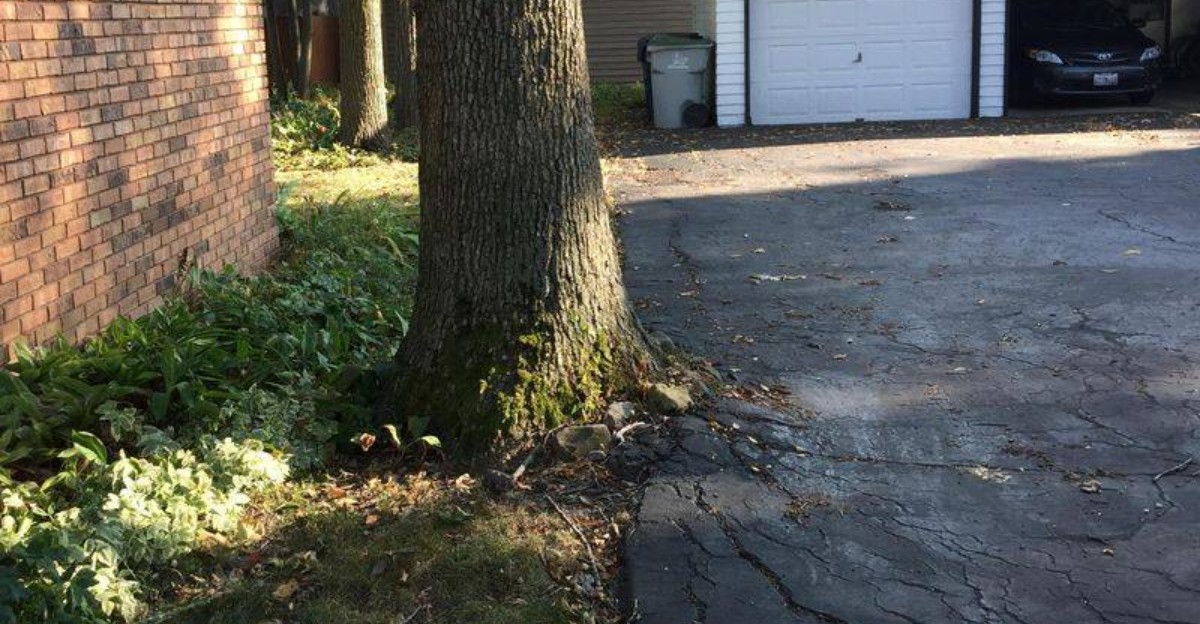
Your driveway has a new bump, and your sewer line gurgles like a grumpy frog. Somewhere under the grass, your neighbor’s big oak is stretching its toes onto your land.
Roots work in the dark, so most people only notice them after the cracks show up. By then, the bigger question is who pays to fix the mess.
In Virginia, the answer comes down to a state Supreme Court case, a few long-standing legal rules, and plenty of neighborly common sense. If you assumed the tree owner pays every time, the reality might surprise you.
You may have more rights than you expected, along with a few limits worth respecting. Knowing both can save you money, stress, and maybe a friendship over the fence.
A 2007 Virginia Supreme Court Case Covers Roots Too
Picture a single sweet gum tree causing enough trouble to change state law. In 2007, the Virginia Supreme Court heard a case called Fancher v.
Fagella.
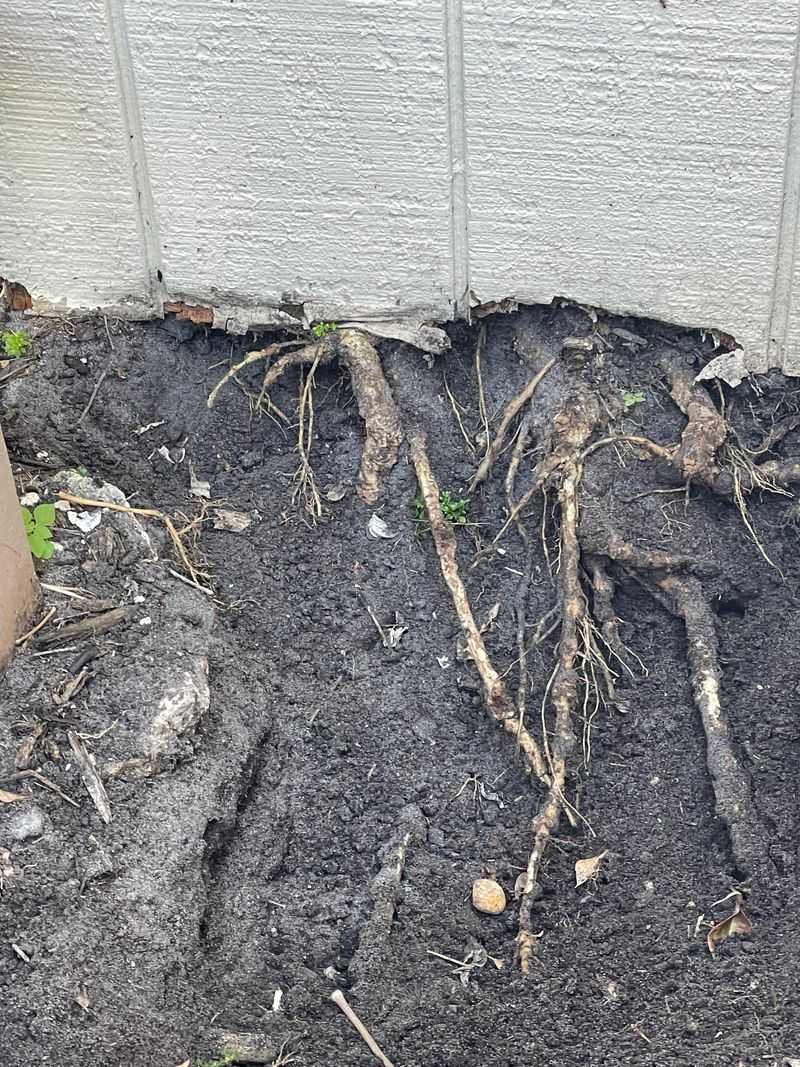
Mr. Fagella said his neighbor’s sweet gum was wrecking his property. Its roots and branches allegedly harmed his retaining wall, patio, foundation, and pipes.
Before then, Virginia mostly told neighbors to handle problems on their own. You could trim what crossed over, but suing the tree owner was hard.
Fancher changed the picture in a big way. The court said a tree owner may be responsible when roots cause real harm next door.
Roots got equal treatment with branches in the ruling. Many people think tree law only covers overhanging limbs, but underground growth counts as well.
Here is the fun part for history buffs. Sweet gums are famous for spiky seed balls, yet their roots stole the spotlight in this case.
For homeowners, the ruling opened a door. You might be able to ask a court for money or an order to fix the problem.
Courts still look closely at the facts, of course. Judges weigh the harm, the evidence, and whether the trouble is serious rather than minor.
A smart first step is reading a plain summary of the case. Many law firm websites explain it in friendly, simple terms.
Knowing the case name also helps in neighbor talks. Mentioning Fancher calmly can show you understand the rules without sounding like a threat.
You Can Cut Roots Back To The Property Line
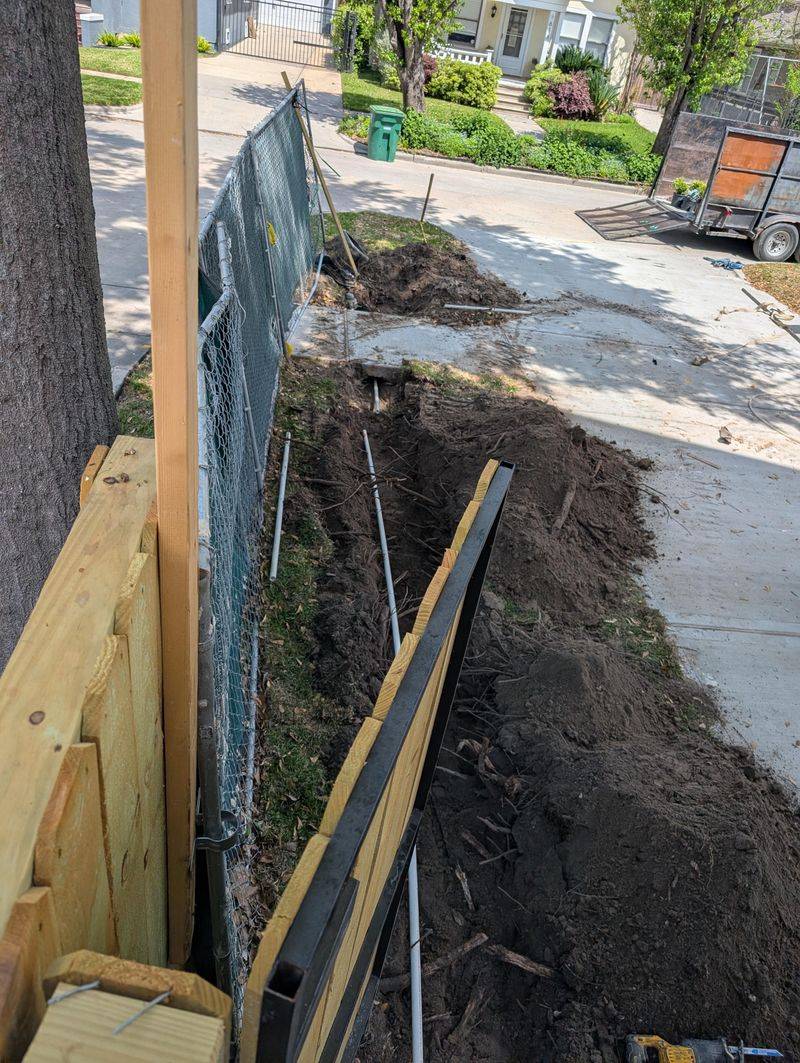
Good news first, because everyone likes a little power in a dispute. Virginia lets you trim roots and branches that cross onto your land.
Lawyers call it self-help, which sounds like a bookstore section. In tree law, it simply means you can fix encroachment yourself.
You do not need your neighbor’s permission to cut what sits on your side. However, the cost of the work usually lands on you.
Stopping at the line matters a lot. Stepping into the neighbor’s yard to dig or saw can turn you into the person in trouble.
Before grabbing a shovel, find out exactly where the line sits. A recent survey or plat map from your county office can help.
Your Virginia Garden Changes Every Week. Your Plan Should Too.
Gardening in Virginia changes quickly throughout the season. Every Friday you’ll receive a simple weekly plan showing exactly what to plant, prune, fertilize, harvest, and protect so you never miss the right timing.
Calling 811 is another smart move before any digging. Virginia’s utility marking service is free and helps you avoid gas or cable lines.
Some folks install root barriers after trimming. Those plastic or metal panels sit underground and steer future roots downward or sideways.
Hiring a tree pro for root cutting is often worth the money. Proper tools make clean cuts that heal better than ragged shovel chops.
A friendly heads-up to your neighbor helps too. Nobody enjoys hearing a saw near their favorite maple without any warning.
Keep photos of the roots before and after cutting. Pictures can protect you if a question about the work comes up later.
The Tree Owner May Be Liable For Actual Damage
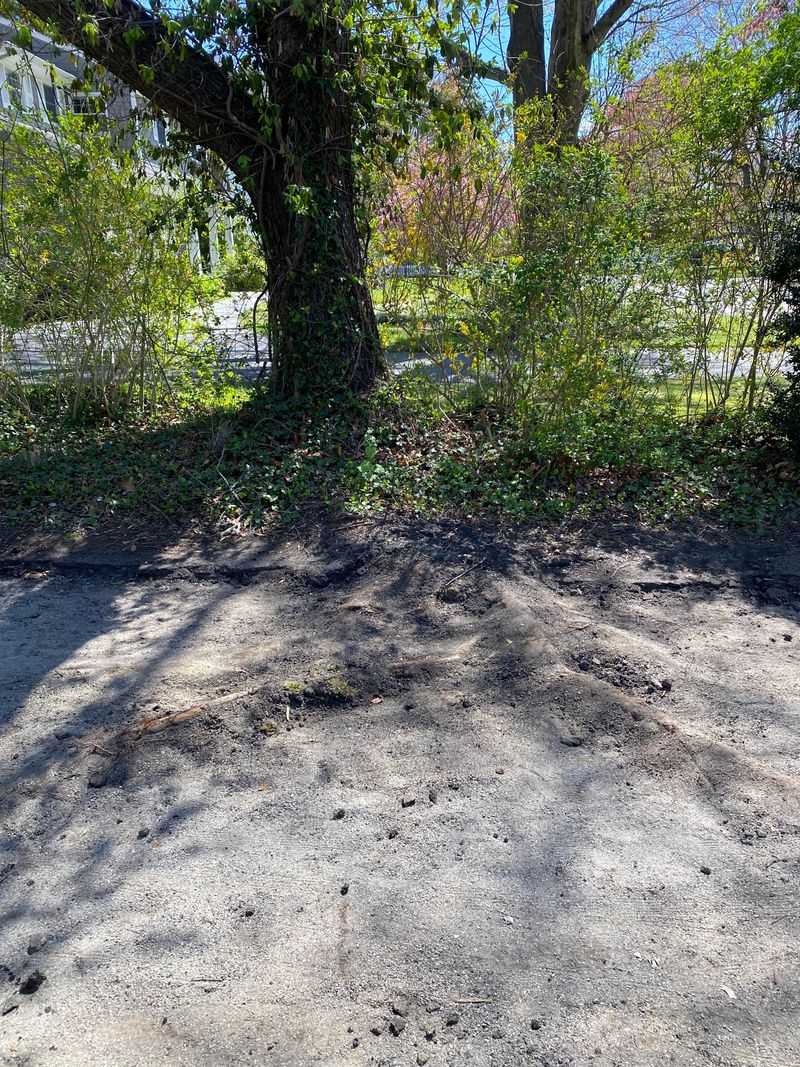
Legal nerds love naming rules after places. Virginia once had its own rule limiting lawsuits to noxious plants, then switched to something called the Hawaii Rule.
Under the older approach, your main option was trimming. The tree owner rarely had to pay, even when roots caused a real mess.
Fancher brought the state closer to the Hawaii Rule. A tree owner can now be held responsible for actual harm their roots cause.
Serious damage is the key phrase here. Courts care about broken walls, crushed pipes, and cracked foundations, not small annoyances.
Falling leaves do not usually qualify. Dropped acorns, sticky sap, and too much shade also tend to fall into the nuisance pile.
Think of it like a sliding scale. A few lifted pavers might be minor, while a sewer collapse could be a strong claim.
Payment can include repair costs for the harmed property. A court may also order the owner to remove or fix the tree.
Talking first often works better than suing first. Many neighbors pay willingly once they see the damage and understand the law.
Get repair estimates from licensed contractors before that chat. Written numbers make the conversation feel fair and grounded in facts.
A short, polite letter can follow a friendly talk. Putting things in writing creates a record if the matter heads to court later.
Imminent Danger Can Also Justify Legal Action
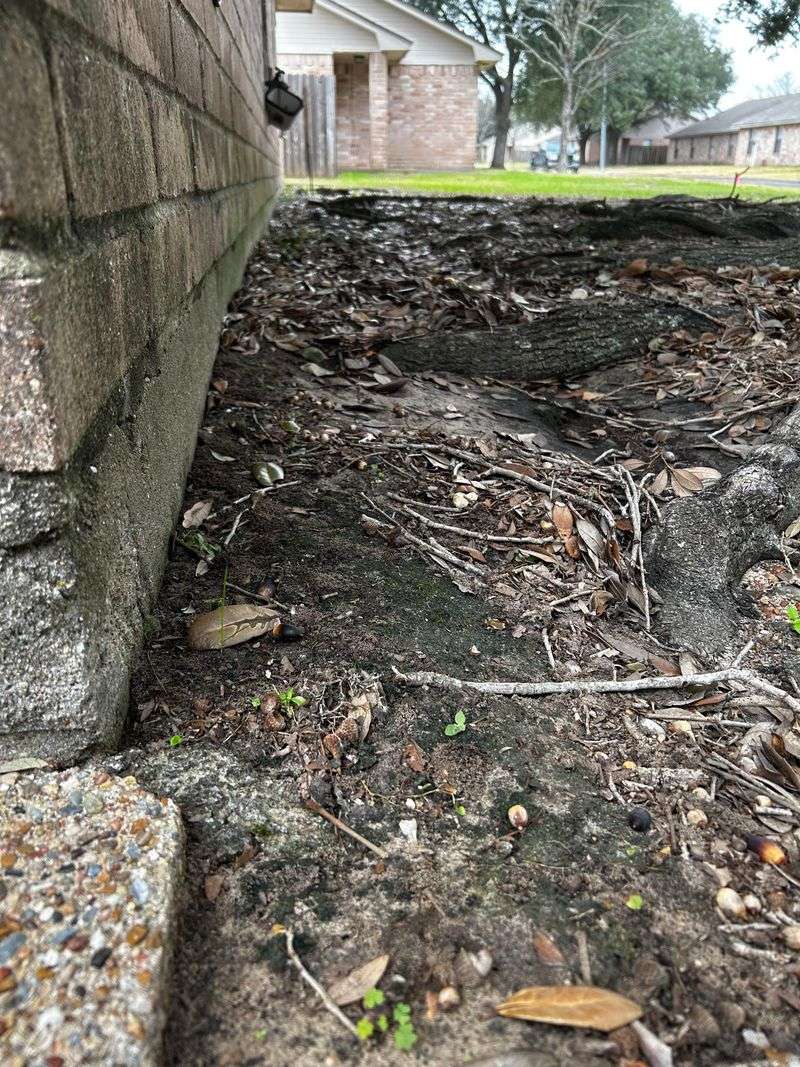
Sometimes the scariest damage is the damage that has not happened yet. Law recognizes that kind of worry, too.
Fancher said legal action may be possible when roots pose imminent danger. The threat must be real and close, not just a vague concern.
Imagine roots heaving soil right beside your foundation. A leaning tree with lifting roots could also look like trouble waiting to happen.
In these cases, a court might issue an injunction. An injunction is an order telling the tree owner to fix the risk.
Landowners in Virginia owe a duty of reasonable care. Basically, people should take sensible steps to keep their property from harming others.
Documentation becomes your best friend here. Date-stamped photos, measurements of cracks, and notes from experts all build a clearer picture.
Save every message you send your neighbor about the problem. Courts like seeing that you tried a friendly fix before filing anything.
A simple log works nicely. Write down dates, what you noticed, and any conversations you had about the tree.
Patience pays off in these situations too. Rushing to court over a hunch can backfire if the danger looks weak on paper.
Asking an arborist to rate the tree’s risk adds real weight. Their trained eye can tell a scary tree from one that just looks scary.
Cutting Roots Can’t Destabilize Or Harm The Tree
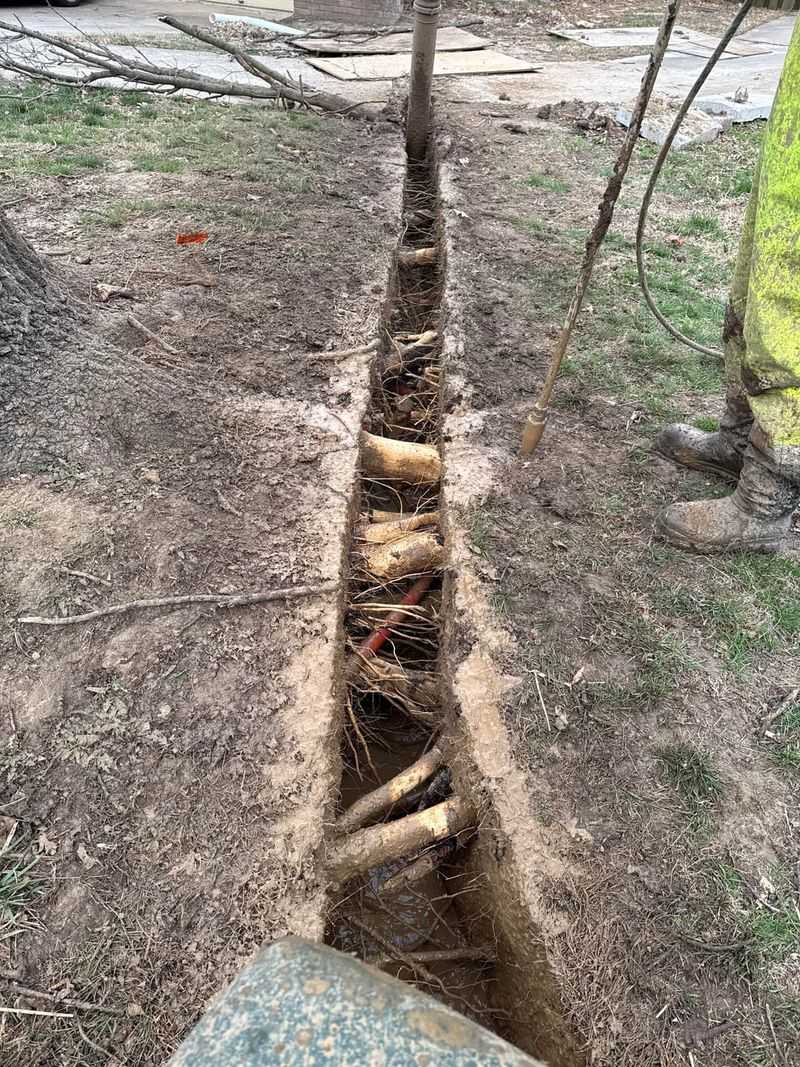
Here comes the catch, and it is a big one. Your right to trim has limits that protect your neighbor’s tree.
Cutting too close to the trunk can weaken a tree badly. Big roots act like anchors, and losing them may cause it to tip.
If your work ruins a healthy tree, you could owe its value. Mature shade trees can be worth thousands of dollars.
Virginia also has a timber statute with serious teeth. Cutting trees on someone else’s land without permission can bring triple damages plus other costs.
Those extra costs may include replanting expenses and legal fees. Suddenly, a weekend saw project could become a very pricey mistake.
Arborists often follow a handy guideline. Many avoid cutting within a distance of several times the trunk’s width from the base.
Removing a large share of the root zone can also starve a tree. Roots gather water and food, so heavy cuts stress the whole plant.
Ask a pro to plan the cuts before you start. Paying for advice costs far less than paying for a neighbor’s lost tree.
Timing matters too. Many arborists prefer root work during cooler months, when trees handle stress more easily.
A quick note to your neighbor about the plan builds trust. Sharing the arborist’s advice shows you care about protecting their tree.
Cracked Foundations And Pipes Need Proof
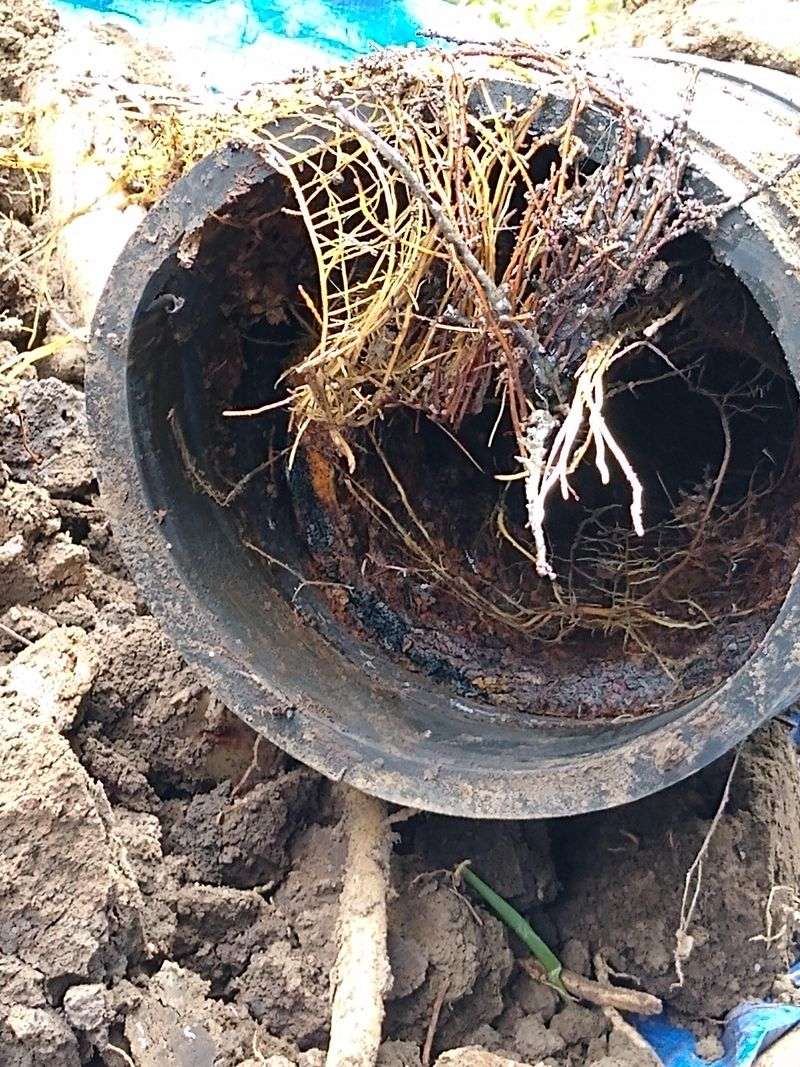
Ever wonder why roots love sewer lines so much? Pipes carry water and nutrients, which feels like a buffet to a thirsty tree.
Roots sneak into tiny cracks and loose joints. Once inside, they grow bigger and can clog or break the pipe.
Foundations can suffer too, though the story is often more complex. Roots may dry out clay soil, causing it to shrink and shift.
Virginia courts look for clear proof of serious harm. Crushed pipes, clogged sewers, and cracked foundations are common examples.
Here is where evidence really counts. You need to show the neighbor’s tree, not old age or bad soil, caused the trouble.
A plumber’s camera inspection is a great tool. The video can show roots inside your pipes and point toward where they enter.
Root samples can help as well. Experts can sometimes match roots to the tree species growing next door.
Foundation cracks call for a structural engineer. Their report can explain whether roots, settling, or drainage caused the damage.
Keep repair receipts in one folder. Bills, invoices, and estimates show the real cost of the harm you suffered.
Older homes with clay pipes face higher risk. Upgrading to modern PVC lines can reduce future root invasions significantly.
Homeowners Insurance May Or May Not Cover It
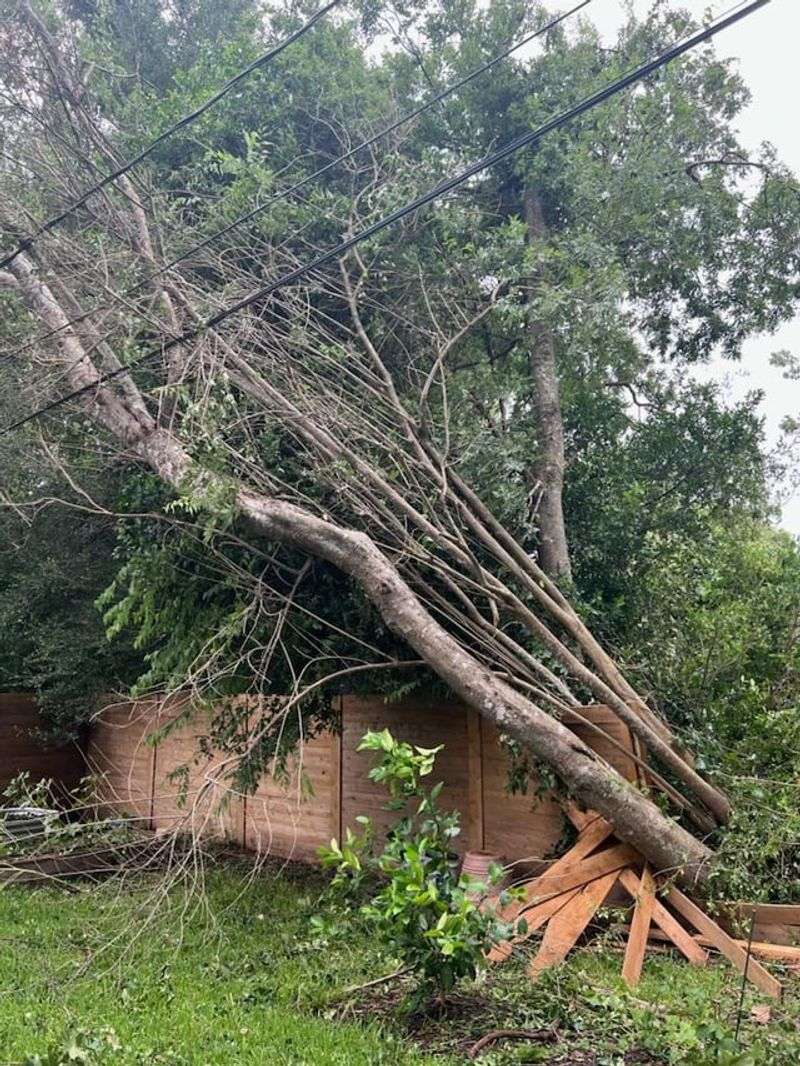
Insurance can feel like a puzzle missing half its pieces. When roots are involved, the answer depends heavily on your policy.
Many standard policies exclude slow, gradual damage. Roots creeping into pipes over years often fit into that excluded group.
Sudden events usually get better treatment. If a healthy tree falls in storm, your own policy typically handles it.
Your neighbor generally is not blamed for a storm-tossed healthy tree. Negligence changes things, such as ignoring a tree that looked clearly unhealthy.
Tree removal coverage often has a cap. Some policies pay only a modest amount per tree, so read those limits closely.
If a tree falls but hits nothing, removal is usually your expense. Insurers tend to pay mainly when a structure gets damaged.
Some companies sell sewer line or service line add-ons. These riders may help with root-clogged pipes that basic coverage skips.
Calling your agent before trouble starts is wise. Ask plainly whether root intrusion and foundation damage are covered.
Write down the agent’s answers and the date. Notes help if a claim later gets denied or questioned.
Filing a claim may also let your insurer chase the neighbor. That process, called subrogation, can spare you an awkward conversation.
Boundary Trees Belong To Both Neighbors
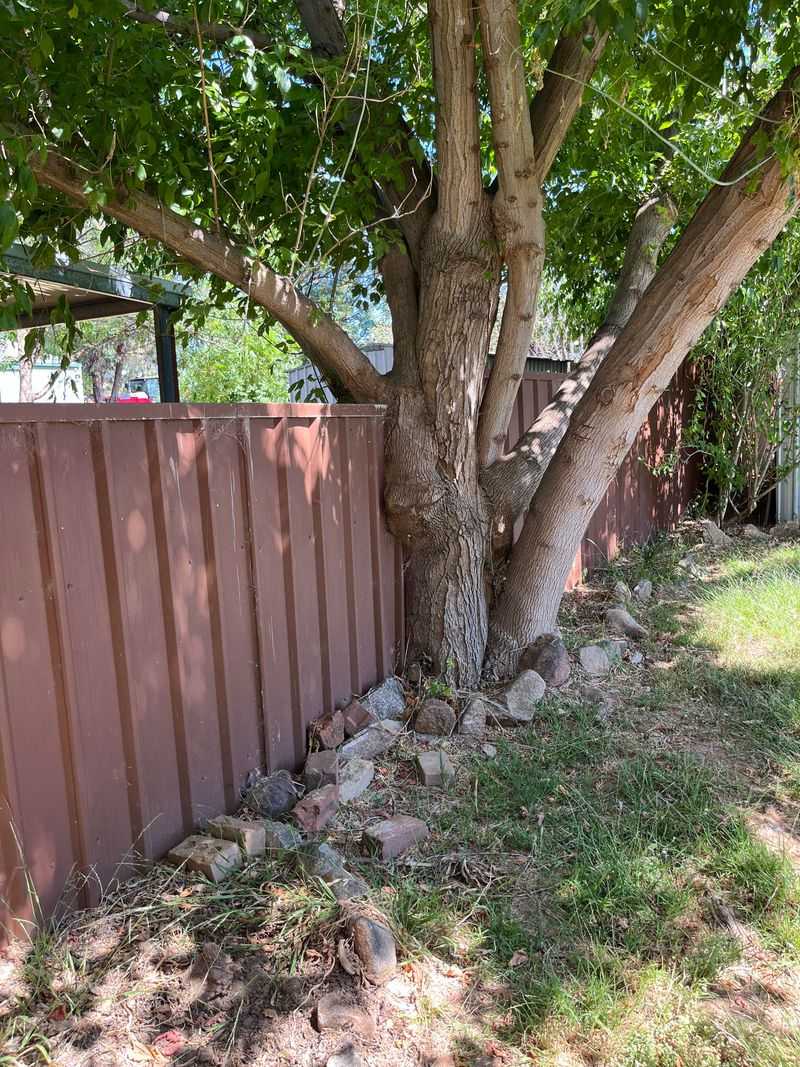
Some trees refuse to pick a side. When a trunk grows right on the property line, it becomes a boundary tree.
Virginia treats these trees as jointly owned. Both neighbors share the tree, kind of like co-parents of a leafy giant.
Neither owner can remove a healthy boundary tree alone. Big changes need clear agreement from both people.
Shared ownership usually means shared care. Pruning, inspections, and removal costs often get split between neighbors.
Root damage gets tricky with these trees. Since both people own it, deciding who pays for repairs can require careful talks.
Getting any deal in writing is a smart habit. A simple signed note can prevent hurt feelings and fuzzy memories later.
A survey helps confirm whether a tree truly sits on the line. Sometimes a trunk that looks shared actually belongs to one yard.
Fences often curve around these trees in funny ways. Old fence lines can hint at how past owners viewed the tree.
Healthy communication goes a long way with shared trees. A backyard chat over coffee may solve what lawyers would charge plenty to settle.
Planning together can also prevent future headaches. Neighbors might agree on root barriers or yearly checkups from an arborist.
Local Ordinances And HOAs Can Add Rules
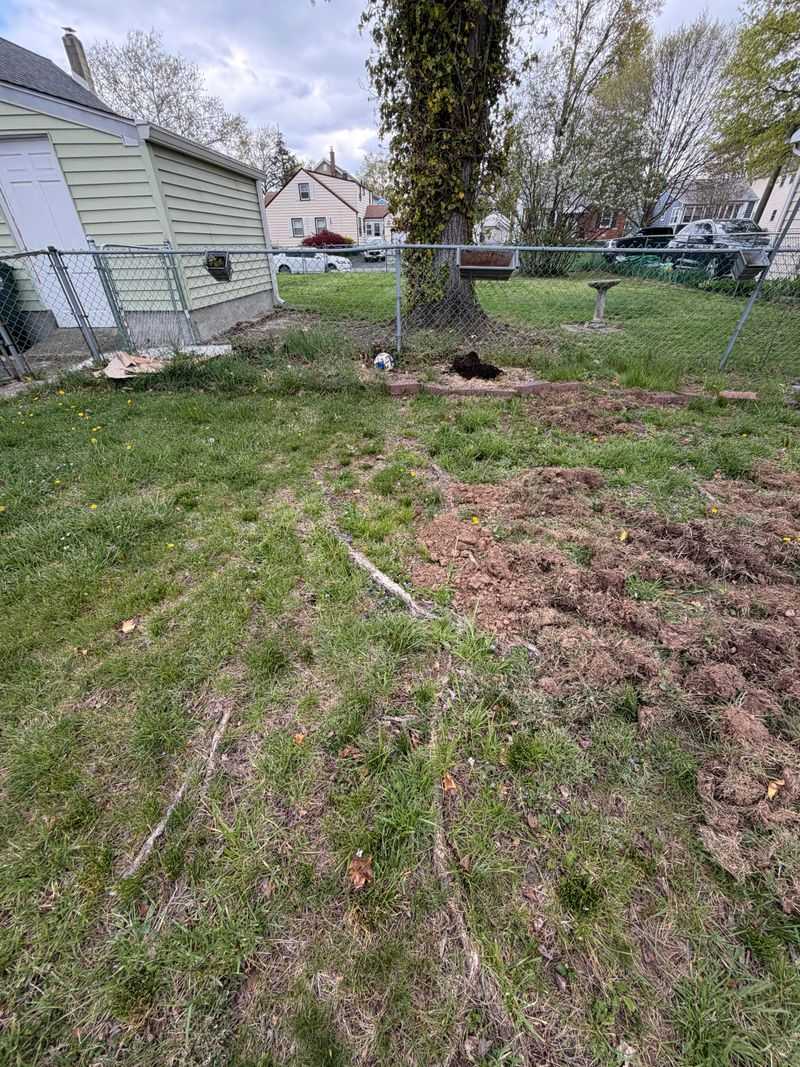
State law is only one layer of the cake. Cities, counties, and HOAs can stack extra rules right on top.
Many state localities regulate tree planting and removal. Some protect certain large or historic trees from being cut without approval.
Places like Fairfax County have tree preservation goals. Rules can differ a lot from one town to the next.
HOAs often have their own tree guidelines too. Governing documents may require approval before removing or trimming trees.
Breaking HOA rules can be costly. Fines, forced replanting, or even legal fights may follow a careless cut.
Some associations handle trees in common areas themselves. If roots come from HOA land, the association might be the responsible party.
Start by calling your local planning or forestry office. Staff can explain permits, protected trees, and setback rules.
Next, dig out your HOA covenants and architectural guidelines. Look for sections on landscaping, trees, and maintenance duties.
Asking for written approval protects you later. An email from the HOA board is far better than a casual hallway yes.
Neighbors in older communities sometimes know helpful history. They may remember past tree disputes and how the HOA handled them.
An Arborist Report Strengthens Your Case
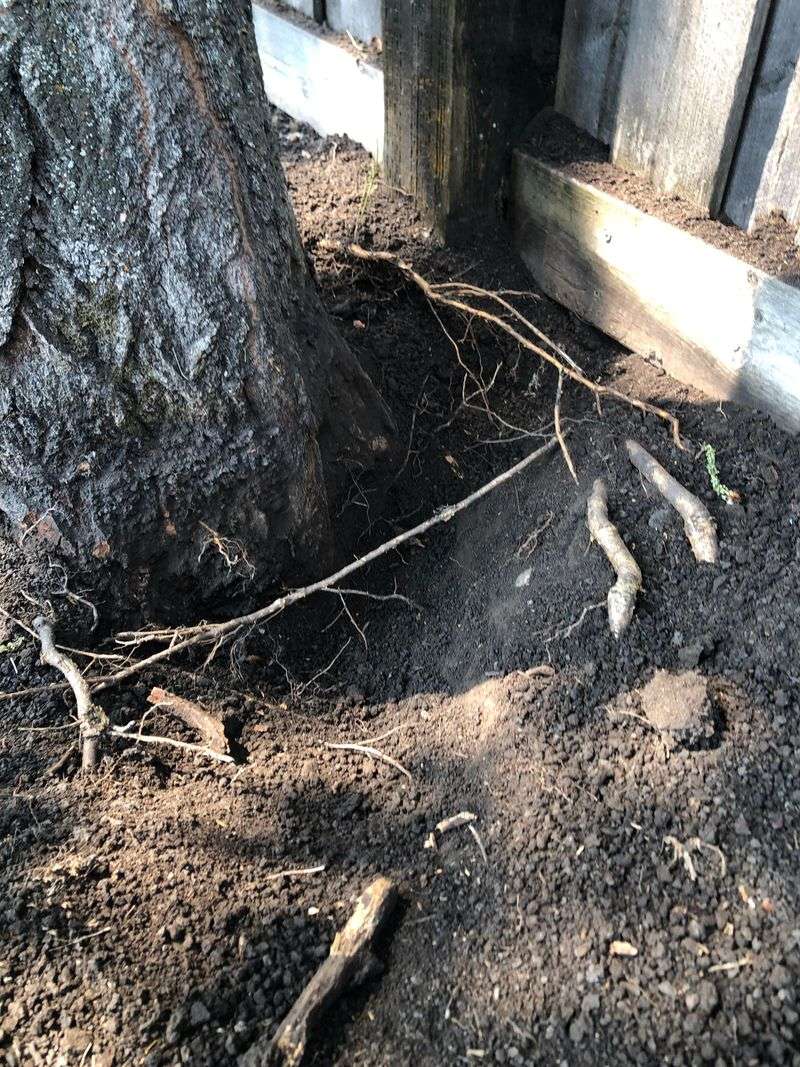
Think of an arborist as a tree detective with muddy boots. Their trained eyes spot clues most homeowners would miss.
A professional report can identify the tree and judge its health. It can also explain how roots likely caused the damage.
Fancher shows how powerful this help can be. Arborist testimony played a key role in linking that sweet gum to the harm.
Look for an ISA Certified Arborist when hiring. The International Society of Arboriculture tests members on tree science and safety.
Some arborists offer formal risk assessments. These reports rate how likely a tree is to fail and what it might hit.
Costs vary based on detail and location. A basic visit may be affordable, while court-ready reports usually cost more.
Ask questions before booking the visit. Find out whether they have testified before and what the report will include.
Neighbors often respond better to expert facts than to complaints. A calm, written report can turn an argument into a problem-solving chat.
Reports can also suggest fixes beyond removal. Root barriers, careful pruning, or better watering might save both the tree and your patio.
Tree disputes tend to end better with good evidence. A solid arborist report gives you the clearest path toward a fair answer.