Want Strong Holiday Cactus Blooms In Virginia? Do These 8 Things In October
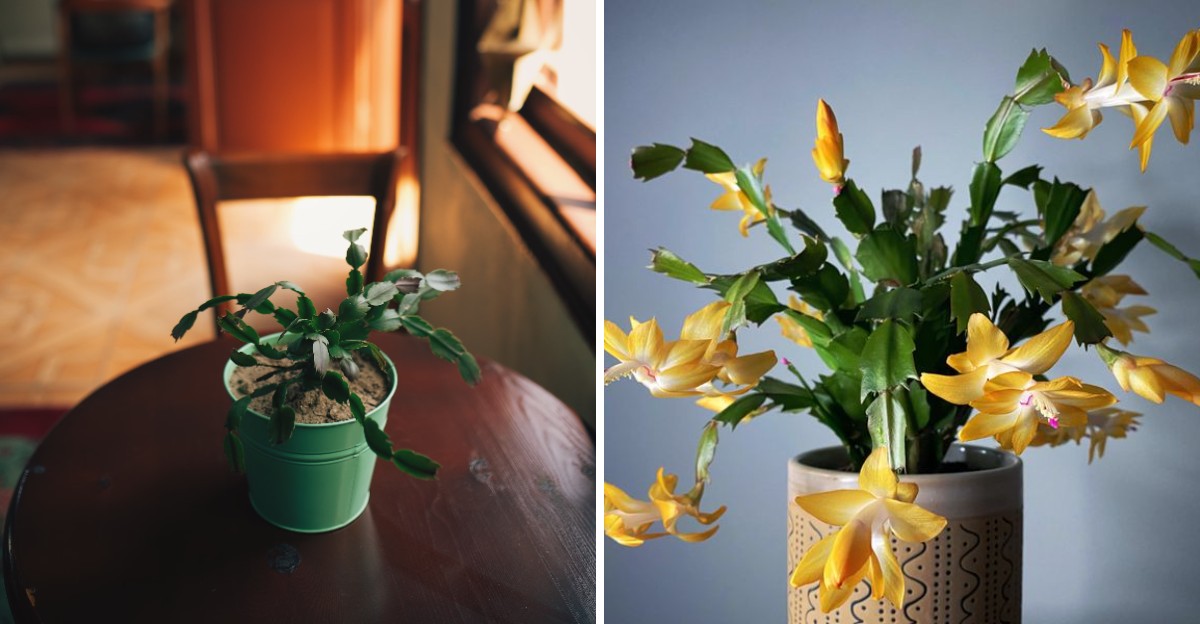
You water it faithfully, yet your Christmas cactus stays stubbornly flowerless. Credit the calendar, because this plant responds to the length of the night.
Virginia autumns hand it the signals it needs: shorter days, cooler nights. Overlook those cues, and you collect glossy leaf segments with no buds.
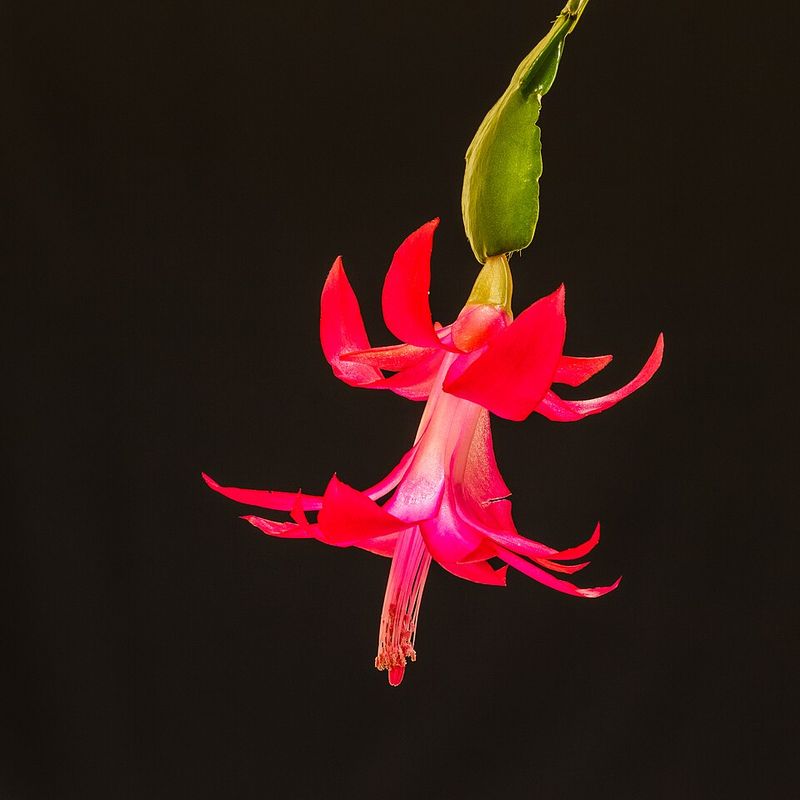
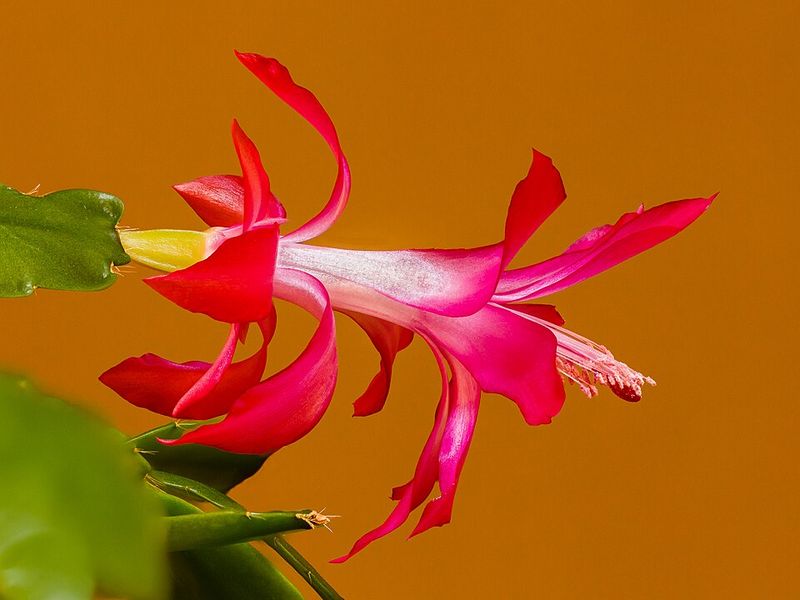
Give it long, unbroken darkness in a cool room. Buds form within weeks, then color arrives in hot pink, coral, or white.
Chilly drafts, however, can shake buds loose overnight, so placement matters. Many Virginia growers start the dark routine far too late in October.
Bright light helps, but darkness does the real work. Even a lamp glowing at midnight can reset the clock.
Temperature matters just as much, and cool nights speed up budding. Water habits shift as buds appear, and overwatering dims blooms. Pair tonight’s closet with your sunniest window.
1. Give It About Fourteen Hours Of Darkness Each Night
Your plant is a short-day plant, so it needs about 14 hours of total darkness each night to set buds.
In Virginia, October days are already getting shorter, which helps a lot. Still, lamps, porch lights, and glowing TVs can interfere with the effect inside your home.
Repeated bright light at night can confuse the plant. It may think summer is hanging around and skip making buds.
Streetlights shining through a window count as light, too. Curtains or blinds help block that stray glow from outside.
An easy fix is moving the pot into a spare bedroom or quiet closet at sunset. Bring it back to a bright window around eight the next morning.
Some gardeners slip a cardboard box over the plant each evening instead. Make sure the box is large enough that the stems are not squished.
A dark closet works best if nobody flips the light on to grab a coat. Tape a small note on the door so family members remember.
Keep this routine going for about six weeks, ideally starting in early October. Starting in late October means blooms closer to December. Set a phone reminder so you do not forget on busy school or work nights.
You will know it is working when tiny pink bumps appear at the stem tips. Those little nubs are the beginnings of your holiday flowers.
Once buds show up, you can relax the dark schedule and leave the plant in its final spot. Think of it as letting your plant stay up a little later as a reward.
2. Keep It In A Cool Room, Around 50 To 60 Degrees At Night
Think of a crisp Virginia morning when you can almost see your breath. That chilly feeling is what your plant responds to this month.
Cool nights between 50 and 60 degrees push the plant to form buds. Warm rooms above 70 degrees can slow or stop that process.
Luckily, October in Virginia often hands you these temperatures for free. Many early-October nights in Richmond, Roanoke, and Fairfax dip into the 50s.
Your Virginia Garden Changes Every Week. Your Plan Should Too.
Gardening in Virginia changes quickly throughout the season. Every Friday you’ll receive a simple weekly plan showing exactly what to plant, prune, fertilize, harvest, and protect so you never miss the right timing.
A screened porch, sunroom, or unheated spare room can be a great spot. Just keep an eye on the forecast so things do not get too cold.
Once your heater starts running, indoor air can turn dry and warm fast. Keep the plant away from heating vents, radiators, and the top of the fridge.
A cheap indoor thermometer is a smart tool for this job. Place it near the plant and check it each morning with your cereal.
Daytime temperatures can be a bit warmer, around 65 to 70 degrees. The real magic happens at night when the air cools down.
Cold and darkness work together like a team, so try to pair them. A cool, dark room at night encourages bud formation.
Warm rooms can slow budding, though long nights can still help the plant bloom. Cooler air makes the process faster and more reliable.
Your plant may look like it is doing nothing for a few weeks. Behind the scenes, it is quietly planning a colorful holiday show.
3. Bring It Indoors Before Nights Drop Near 45 Degrees
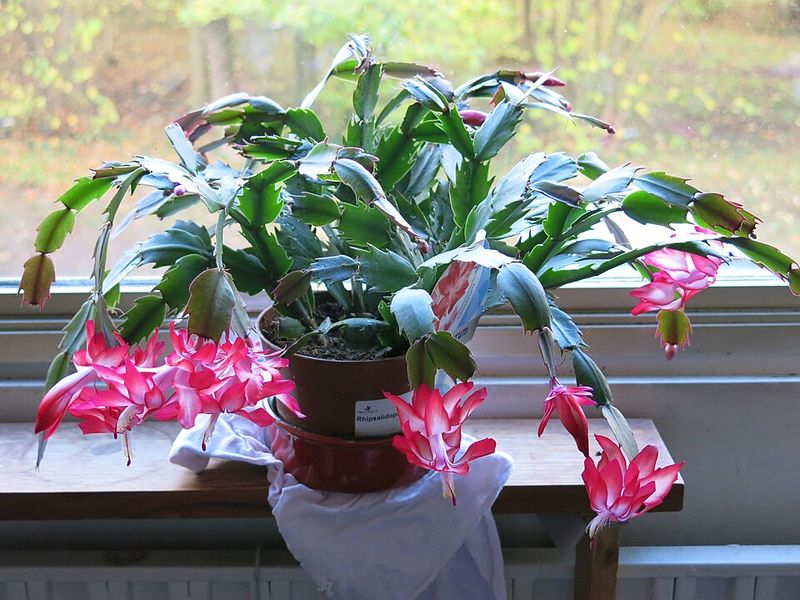
Many Virginia growers wait until late October, then meet delayed December blooms. October is when that vacation needs to wrap up safely.
These plants come from the mountain forests of Brazil, not snowy places. Temperatures below 45 degrees can damage the leaves and buds.
In western Virginia, the first frost can arrive by mid-October. Coastal areas like Norfolk and Virginia Beach usually stay mild a few weeks longer.
Check your local forecast every few days as the month moves along. When nights drop near 45 degrees, it is time to move indoors.
Before bringing the pot inside, give it a quick bug inspection. Look under leaves and around the soil for mealybugs, aphids, or spider mites.
A gentle spray of water from the hose can knock off many hitchhikers. Let the pot drain and dry a little before carrying it in.
Some people move their plants in slowly over a few days. They start with a covered porch, then a cool garage, then a bright room.
A gradual move helps the plant adjust to lower indoor light. Sudden changes can stress it and cause buds to drop later.
Think of it like a kid staying out to play until the streetlights flicker. Just make sure your green kid comes home before the frost.
Wipe the bottom of the pot before setting it on furniture indoors. Dirt and water rings on a wooden table are no one’s idea of decor.
4. Cut Back On Water Once October Arrives
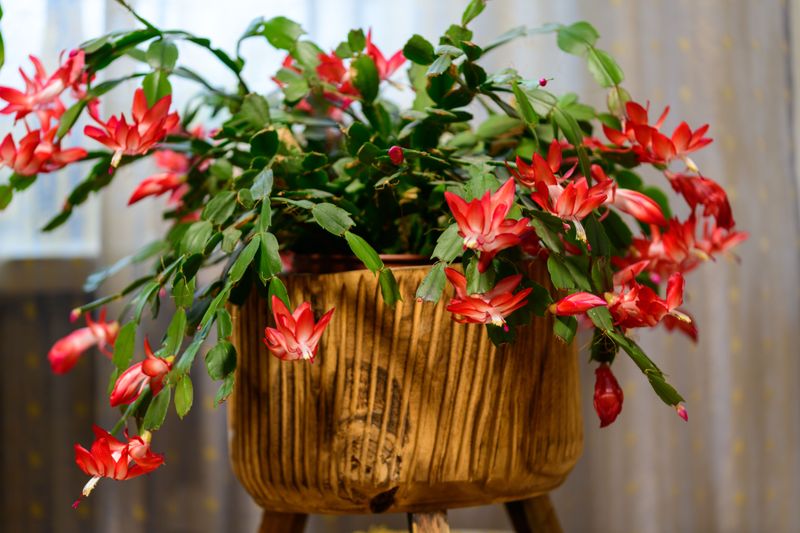
Plant lovers who water every day may need to hold back right now. Slightly drier soil in October helps encourage flower buds to form.
During summer, your plant enjoyed regular drinks while it grew new stems. Now it is shifting from growing leaves to making blooms.
Let the top inch of soil dry out before you water again. Poke your finger into the dirt to check, like testing a brownie for doneness.
If the soil feels damp, wait a few more days. If it feels dry and dusty, give the plant a good drink.
When you do water, soak the soil until water drains from the bottom. Dump any extra water sitting in the saucer after about ten minutes.
Soggy roots are the most common cause of trouble for this plant. Too much water can cause root rot, which turns roots mushy and brown.
Do not let the soil stay dry for weeks, either. Wrinkled leaves can signal thirst or root problems, so check the soil first.
Once tiny buds appear, slowly go back to more regular watering. Developing flowers need steady moisture so they do not fall off early.
Tap water usually works fine in most Virginia homes. Let it sit out overnight if your water smells strongly of chlorine. This does not remove chloramine, so check with your local water utility.
Room temperature water is kinder than ice-cold water from the fridge. Nobody likes a freezing surprise, and your plant feels the same way.
A simple calendar note can help you track watering days. Over time, you will learn your plant’s rhythm without much thinking.
5. Stop Fertilizing Before Buds Form
Imagine eating a giant meal right before a big race. Your plant feels similar when it gets fertilizer during bud season.
Fertilizer pushes the plant to grow more leaves and stems. In October, you want it focusing on flowers instead.
Many growers suggest stopping plant food by late September or early October. If you forgot, simply stop now, and your plant should be fine.
Feeding during spring and summer is great for healthy, strong growth. A balanced houseplant fertilizer every few weeks works well in those months. The cool, dark period is when your plant shifts from growing leaves to forming buds.
Extra fertilizer can also build up salts in the soil over time. You might notice a crusty white layer on top of the dirt or pot rim.
If you see that crust, water the plant slowly and let it drain well. Doing so flushes out some of the extra salt from the soil.
Once flowering ends after the holidays, let the plant rest for a few weeks. Then you can start feeding again when new growth appears in spring.
Some gardeners use a bloom-boosting fertilizer in late summer before stopping. Look for one with a higher middle number, though its benefit for this plant is debated.
For now, put the fertilizer bottle on a high shelf and walk away. Your plant already has everything it needs to start its colorful show.
6. Find A Spot With Bright But Indirect Light
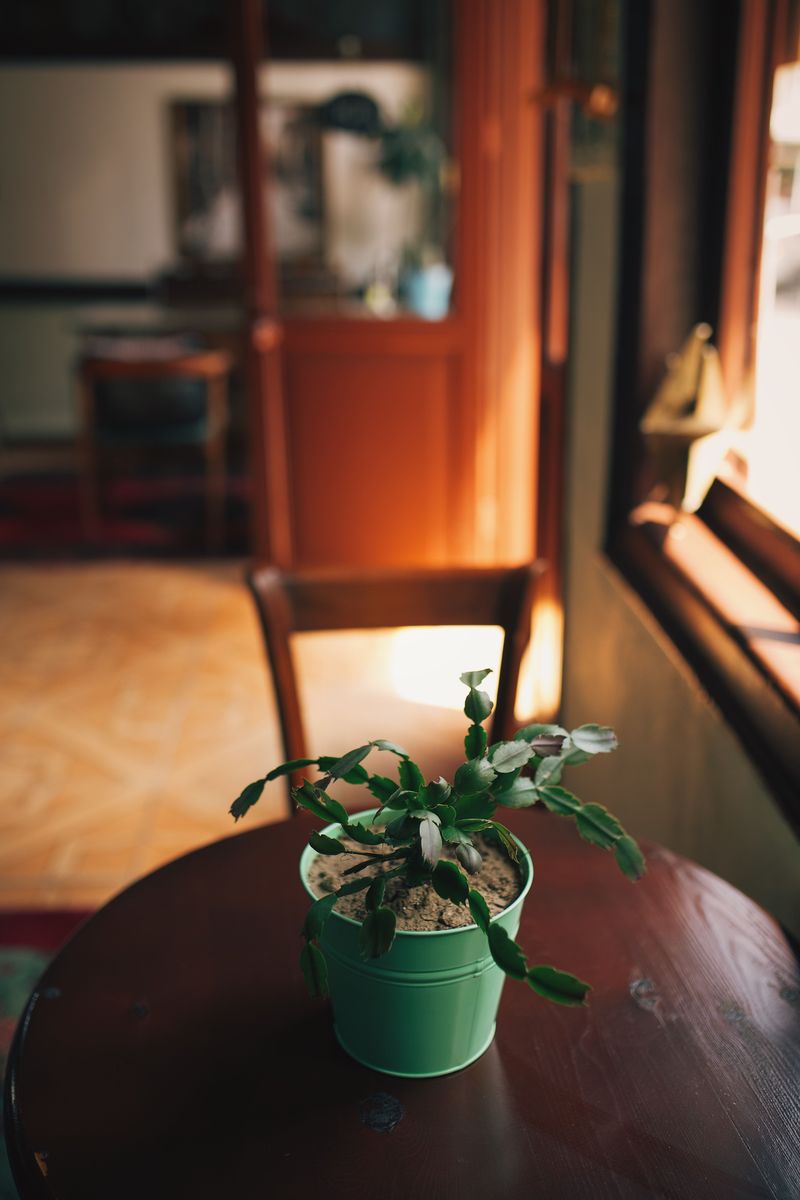
Light is a tricky balancing act for these plants in the fall. They want plenty of daytime brightness, but not harsh, direct sun.
In the wild, they grow on tree branches under a leafy forest canopy. That means they are used to dappled, filtered sunlight.
An east-facing window is often the sweet spot in Virginia homes. Gentle morning sun warms the plant without overheating its flat stems.
A south or west window can work if you hang a sheer curtain. The fabric softens the strong afternoon rays like a pair of sunglasses.
Too much direct sun can turn the stems reddish or yellow. Sometimes a little red tint is fine, but bleached spots mean too much light.
On the flip side, a very dim corner leads to weak, floppy growth. Buds may also be fewer and smaller without enough daytime light.
October sunlight in Virginia is softer than summer sun, which helps. Still, check how the light moves across your room during the day.
Daytime brightness and nighttime darkness go hand in hand this month. The plant needs good light to make energy for its future flowers.
Rotate the pot a quarter turn every week or so. Regular turning keeps the plant growing evenly instead of leaning toward the glass.
Stop rotating once buds appear, though, since big moves can upset them. Mark the pot with tape so you remember which side faces the window.
Clean windows let in more light, too. A quick wipe with a cloth can make a bigger difference than you might think.
7. Raise The Humidity Around Your Plant
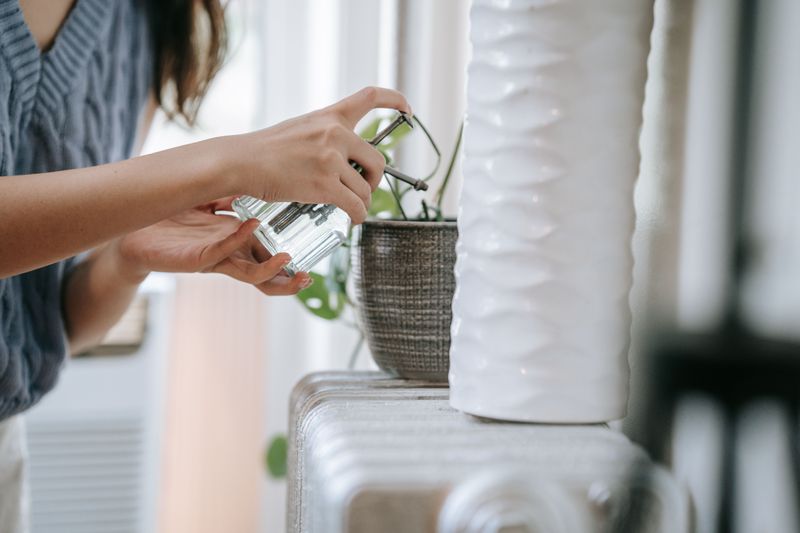
Virginia summers are famously sticky, and your plant loved every humid minute. Once furnaces kick on in October, indoor air can turn very dry.
These plants come from misty mountain forests where the air stays moist. Dry indoor air can cause buds to shrivel or drop before opening.
A pebble tray is one of the easiest ways to add moisture. Fill a shallow dish with pebbles and water, then set the pot on top.
Make sure the bottom of the pot sits above the water line. You want the water evaporating around the plant, not soaking its roots.
Grouping houseplants together also creates a tiny humid neighborhood. Plants release moisture through their leaves, and they share it with friends nearby.
A small room humidifier helps noticeably if your home feels very dry. Aim for about 50 to 60 percent humidity near the plant.
Some people like to mist the leaves with a spray bottle. Misting helps a little, but the effect fades quickly.
Kitchens and bathrooms with windows are often naturally more humid. Just make sure the spot still gets cool nights and plenty of darkness.
Watch for crispy leaf edges, which can be a sign of dry air. Healthy stems should look plump, shiny, and firm to the touch.
Consider grabbing a cheap humidity gauge, called a hygrometer. It costs around ten dollars and takes the guesswork out of things.
8. Leave The Plant In Place Once Buds Appear
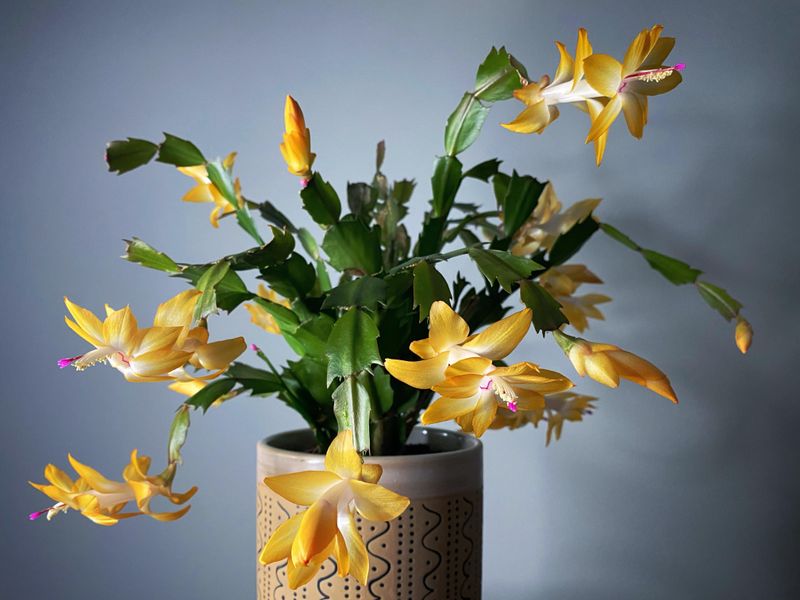
A flower bud dropping to the floor is frustrating. Moving your plant at the wrong time is a common cause.
Once buds form, these plants become pretty fussy about change. Sudden shifts in light, temperature, or location can make them drop buds overnight.
Pick a good spot before the buds appear, ideally in early October. That way, the plant can settle in and stay put until blooming ends.
Avoid placing the pot near doors that open to chilly Virginia air. Cold drafts can stress the buds just as much as a hot vent.
Resist the urge to show off your plant by carrying it from room to room. Guests can admire it just fine on its favorite windowsill.
Some bud drop is normal, so do not panic over one or two. Losing many buds at once usually means something changed too quickly.
Check your recent habits if buds start falling. Did you move the pot, skip watering, or crank up the heat?
If you plan to give the plant as a gift, move it before buds swell. A sturdy box and a warm car ride help protect it during the trip.
By late November or December, your patience should pay off with dangling, colorful flowers. Each bloom lasts about a week, and new ones keep opening for weeks.
Snap a photo when it peaks so you can remember the show. Next October, you will know exactly what to do all over again.