Why More Michigan Gardeners Are Moving Plants Away From Windows To Keep Stink Bugs Out
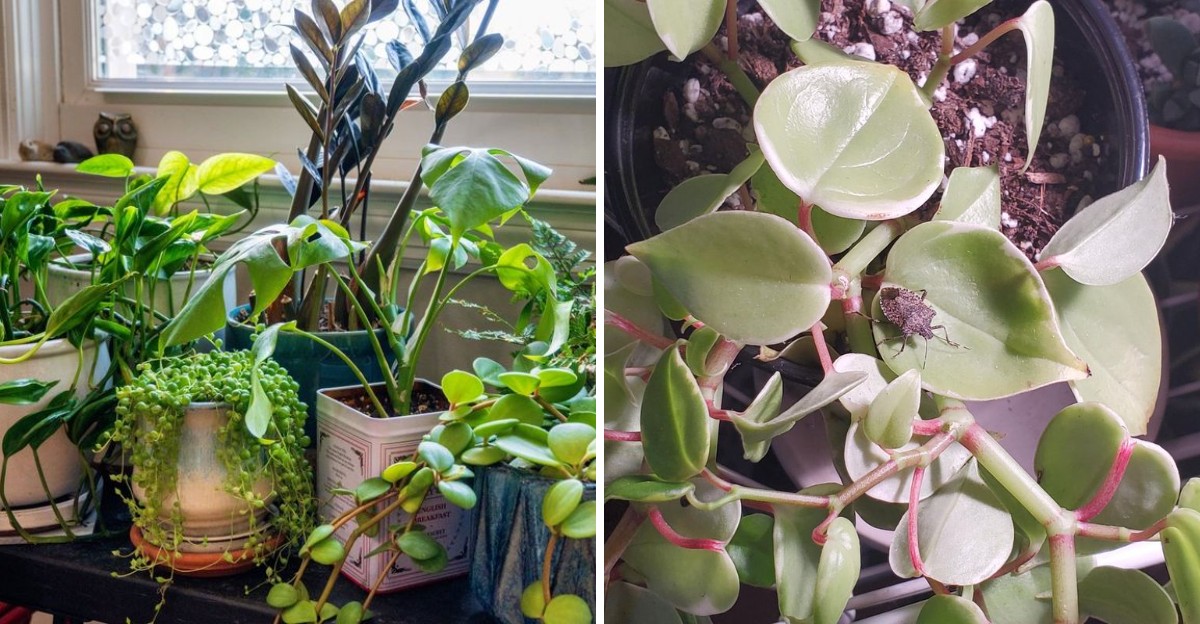
Houseplants placed near windows often become an unexpected resting spot for stink bugs that have already slipped inside looking for warmth as Michigan temperatures drop.
These insects are drawn to the heat and light coming through windows, and a nearby plant gives them an easy spot to land and hide once they’ve made it inside.
Moving plants even a short distance away from window frames and gaps can reduce how often stink bugs end up resting on leaves or tucked into soil.
This adjustment pairs well with sealing up cracks around windows, since the two approaches address the problem from different angles.
For Michigan gardeners tired of finding stink bugs on their houseplants, leaving a little space between plants and the glass makes the bugs easier to spot and remove, while sealing gaps is what actually keeps them out.
1. Moving Plants Won’t Keep Stink Bugs Out Of The House
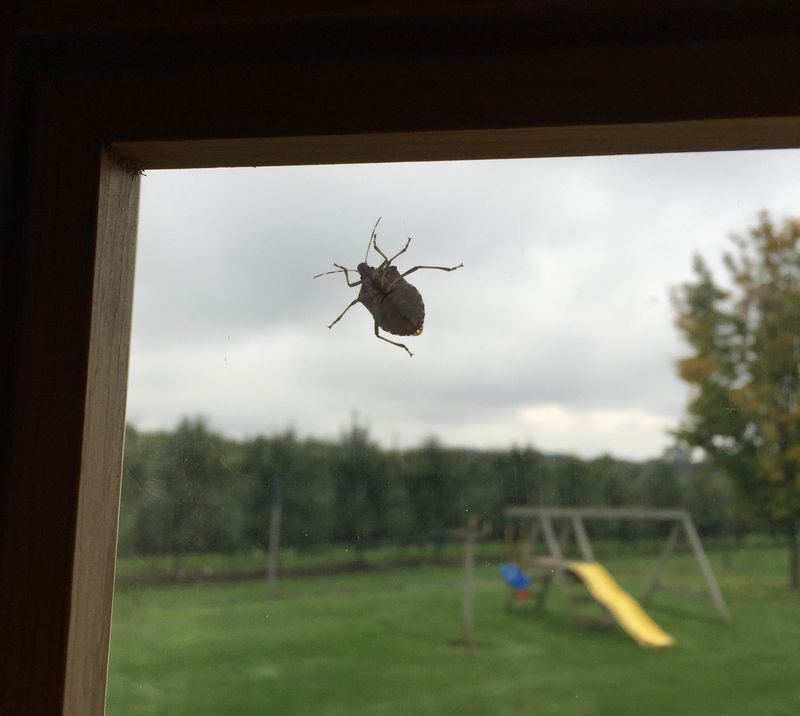
A popular tip has been spreading through Michigan garden groups lately. The idea is simple: move your houseplants away from windows, and stink bugs will stay outside. It sounds smart, but it does not match how these bugs actually behave.
Brown marmorated stink bugs are not coming inside for your pothos or your peace lily. They arrive in fall because they want a safe, warm place to spend the winter.
Cooler nights and shorter days send them searching for shelter, and your house looks like a perfect hotel. To get in, they squeeze through tiny cracks and gaps.
Spaces around window frames, doors, siding, attic vents, and the spots where cables or pipes enter the walls all work as open doors. Where your plants sit has nothing to do with whether bugs find those openings.
So what really helps? Start by sealing as many entry points as you can before the fall rush. Next, remove any bugs you see inside so they do not wander around your home.
Finally, keep your plants wherever they grow best, which for most of them means a bright spot near a window. Michigan gets a big wave of stink bugs every September and October.
They show up whether you grow one fern or fifty, so shuffling pots around only stresses your plants without solving anything. Put your energy into your home’s outer shell instead, and your leafy friends can stay happily in the sunshine.
2. Stink Bugs Gather At Windows On Warm Days
February in Michigan can play tricks on everyone. One day the yard is buried in snow, and the next the sun pours through the glass like it is April. That sudden warmth wakes up more than just your mood.
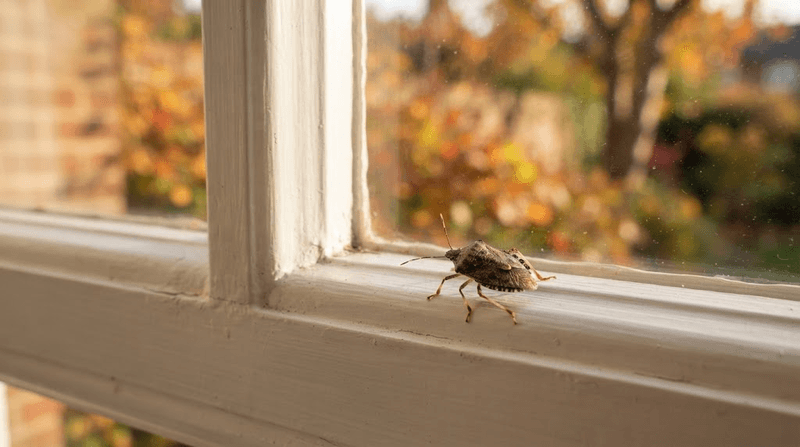
Stink bugs that slipped inside last fall usually hide in walls, attics, and other quiet corners. They stay sluggish while it is cold. When a warm, sunny day heats up the house, though, they start moving and head toward light and heat.
Windows are the brightest and warmest spots in most homes, so that is where the bugs end up. You might find them crawling along sills, climbing curtains, or resting on a plant that happens to sit in a sunny window.
Your Michigan Garden Changes Every Week. Your Plan Should Too.
Gardening in Michigan changes quickly throughout the season. Every Friday you’ll receive a simple weekly plan showing exactly what to plant, prune, fertilize, harvest, and protect so you never miss the right timing.
It can look like they are after your plants, but they are really trying to get outside or soak up warmth.
Knowing this can calm a lot of worry. A bug on your aloe vera is most likely just passing through on its way to the glass. It is not settling in for a meal.
Late winter warm spells are famous in Michigan for bringing hidden stink bugs out all at once. Many homeowners see a dozen bugs appear in a single afternoon and panic.
Keep a jar of soapy water or a handheld vacuum nearby on sunny days, and you can scoop them up quickly as they show themselves at the windows.
3. They Rarely Harm Houseplants Indoors
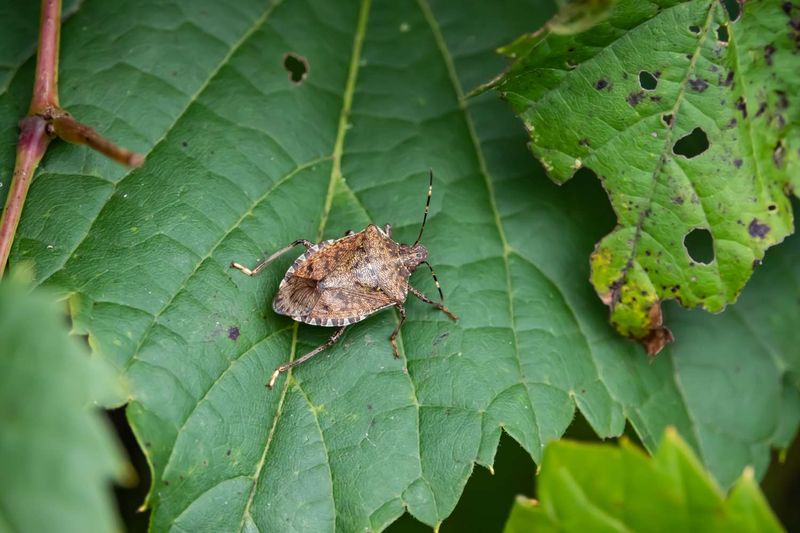
Here is some good news that might surprise you. The stink bugs hanging around your home in winter are not munching on your houseplants. Most of them are barely doing anything at all.
Stink bugs that overwinter indoors enter a resting state, a bit like a long nap. During this time, they generally do not feed or breed inside homes.
Outdoors in summer, they can damage fruits, vegetables, and crops, but your indoor plants usually escape harm.
So when you spot one sitting on a leaf, try not to worry. It is most likely resting or wandering in search of warmth. Your plant is just a handy place to pause.
If your houseplants do show damage, look for other culprits. Spider mites leave tiny speckles and fine webbing under leaves. Mealybugs look like small cotton fluffs tucked into stems, scale shows up as little brown bumps, and fungus gnats buzz around damp soil.
Checking for the real troublemakers helps you treat the right problem. A magnifying glass and a few minutes of close inspection can tell you a lot. Wipe leaves with a damp cloth now and then, too, since clean foliage makes pests easier to spot.
For Michigan gardeners, this knowledge saves a lot of effort. Without it, you might move plants to darker rooms or spray treatments they do not need. Let your plants stay where they thrive, and save your attention for the pests that actually cause trouble.
4. Clear Window Space Makes Removal Easier
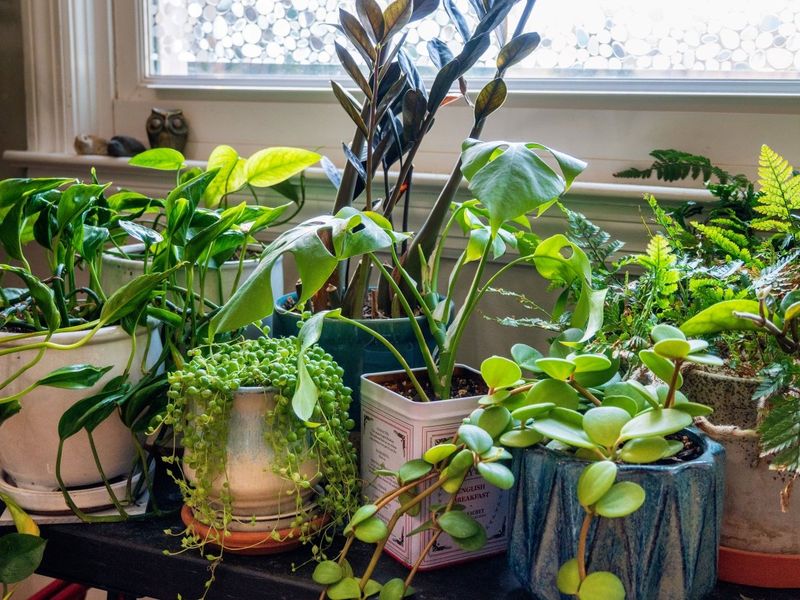
Some gardeners do pull their plants back from the glass a little, and they have a good reason. It is not about keeping bugs out. It is about making them easier to catch.
An open window sill works like a stage. When a stink bug crawls into view, you can see it right away and remove it in seconds. Dense foliage, on the other hand, gives bugs lots of hiding spots between leaves.
Hidden bugs can lead to an unpleasant surprise. If you water or move a plant and accidentally squish one, it releases that famous strong odor. Trust us, nobody wants that smell lingering in the kitchen.
A few simple habits make a big difference. Leave a few inches between your plants and the window glass. Before watering, give the leaves a gentle look, lifting them softly to check underneath.
Light still matters most, though. Keep your plants in bright spots, even if they sit just slightly back from the window. A small step back is fine, but a move to a dim hallway is not.
Michigan winters bring short days and lots of gray skies. Houseplants rely heavily on window light during these months to stay green and strong. Moving them somewhere too dark can cause yellow leaves, leggy stems, and slow growth.
With a little space and a quick leaf check, you can keep both your plants and your nose happy all season long.
5. Check Plants Coming In From Outdoors

Your porch ferns had a wonderful summer, soaking up fresh air and sunshine. Now the nights are getting chilly, and it is time to bring them inside. Before you do, take a closer look, because they might be carrying passengers.
In fall, stink bugs crowd onto porches, railings, siding, and outdoor containers. They are hunting for shelter, and a leafy potted plant looks like a great hiding spot. Bugs can tuck themselves deep in foliage or squeeze under the rim of a pot.
A careful check takes only a few minutes per plant. Look over the leaves, both tops and undersides, and follow the stems down to the soil. Then tip the pot and peek at the bottom and drainage holes.
Next, give the plant a good shake outdoors, or rinse the foliage with a gentle spray from the hose. Let it drip dry before carrying it in. If you find any stink bugs, drop them into a bucket of soapy water, where the soap keeps them from climbing out.
Timing matters a lot here in Michigan. Most gardeners bring plants inside in September and October, which is exactly when stink bugs are most active and looking for a way in.
A quick inspection now can stop you from carrying a handful of bugs straight into your living room. Your plants get a cozy winter home, and the bugs stay outside where they belong.
6. Sealing Windows Is What Actually Works
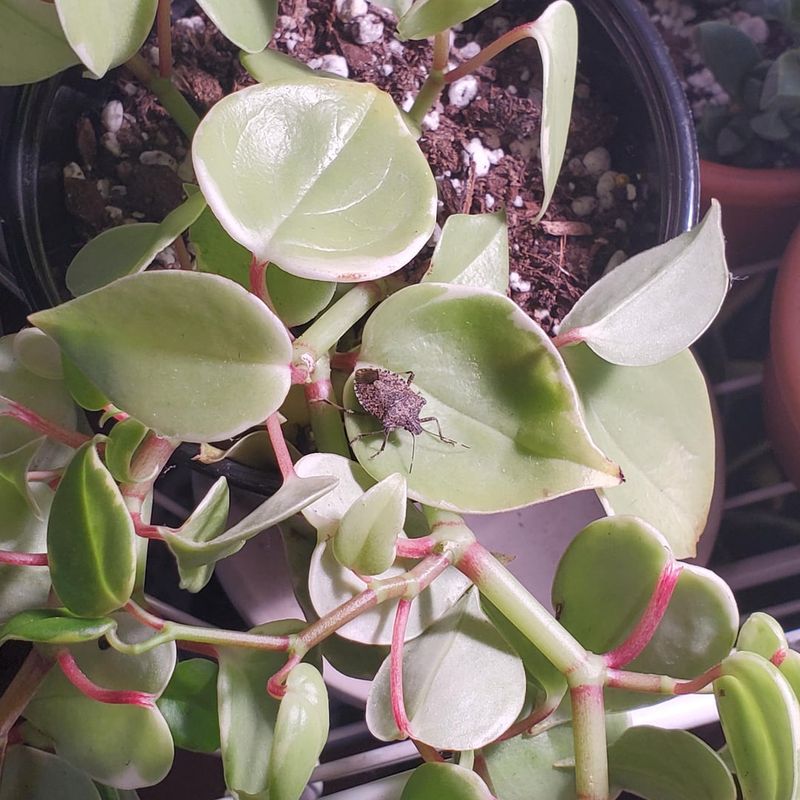
Ask any pest expert how to stop stink bugs, and you will hear the same answer. Seal up your house. It is not flashy, but it beats every other trick by a mile.
Blocking openings stops bugs before they ever reach your walls, attic, or living space. Once they settle into hidden spots, they can pop out for months. Keeping them out in the first place saves you a long season of bug hunting.
Start with your windows. Run a bead of caulk around frames where you see cracks or gaps. Check screens for tears and patch or replace any damaged ones.
Window air conditioners deserve special attention, since the gaps around them are easy for bugs to use. Foam strips or weatherstripping can close those spaces. Add door sweeps to exterior doors and fresh weatherstripping where old seals have worn thin.
Don’t forget other openings, either. Gaps around vents, pipes, and utility lines can also let bugs inside. A tube of caulk and a free afternoon can cover a lot of ground.
Timing is the secret ingredient. Plan this work for late summer, before stink bugs begin gathering on sunny walls in September. Once they arrive in big numbers, sealing becomes harder.
Many Michigan homes are older, with settled frames and small gaps around windows. Those tiny spaces let stink bugs in year after year. A weekend of sealing now can mean a much calmer, cleaner fall and winter indoors.
7. Avoid Spraying Insecticides Near Indoor Plants
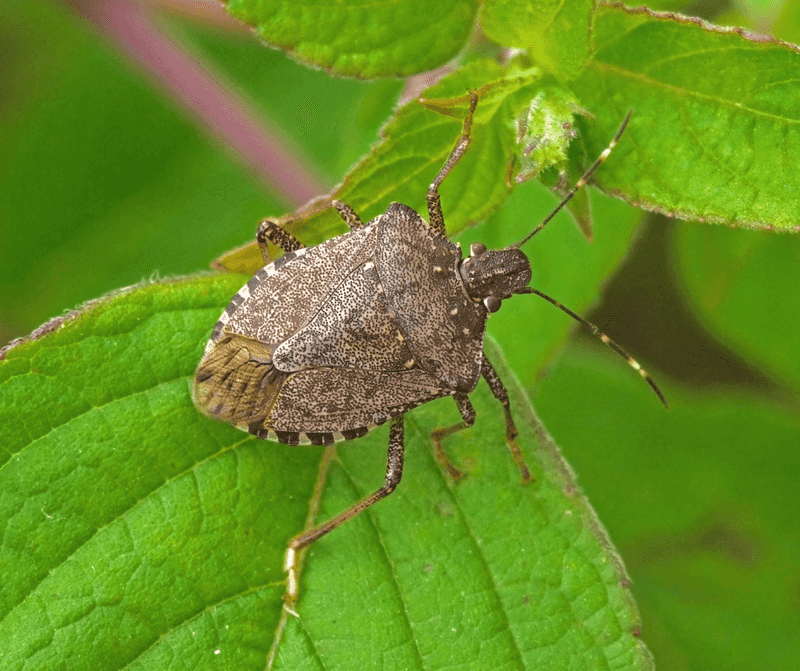
Grabbing a can of bug spray can feel like the fastest fix. Unfortunately, it is one of the worst choices for stink bugs indoors. Your plants, pets, and family deserve a better plan.
Indoor sprays do a poor job of controlling stink bugs. Many bugs hide in walls where sprays cannot reach. Meanwhile, the chemicals can burn delicate leaves and expose people and pets to fumes and residue.
There is another hidden problem. When bugs perish inside wall spaces, their remains can attract carpet beetles and other pests. You could end up trading one bug problem for a new one.
A vacuum is a much smarter tool. Suck up stink bugs as you see them, then empty the bag or canister outside right away so the smell does not linger. Some people keep an old vacuum just for this job, since the odor can stick around.
Soapy water works well, too. Hold a cup or jar of water with a few drops of dish soap under the bug and gently knock it in. It is quick, cheap, and safe.
Save plant treatments like insecticidal soap or neem oil for true houseplant pests such as mealybugs or spider mites. Use them only when you have spotted those pests.
Michigan gardeners often fill their homes with plants during the long winter months. Keeping harsh sprays away protects that indoor jungle and keeps your home air cleaner.
8. A Simple Light Trap Can Help Away From Plants
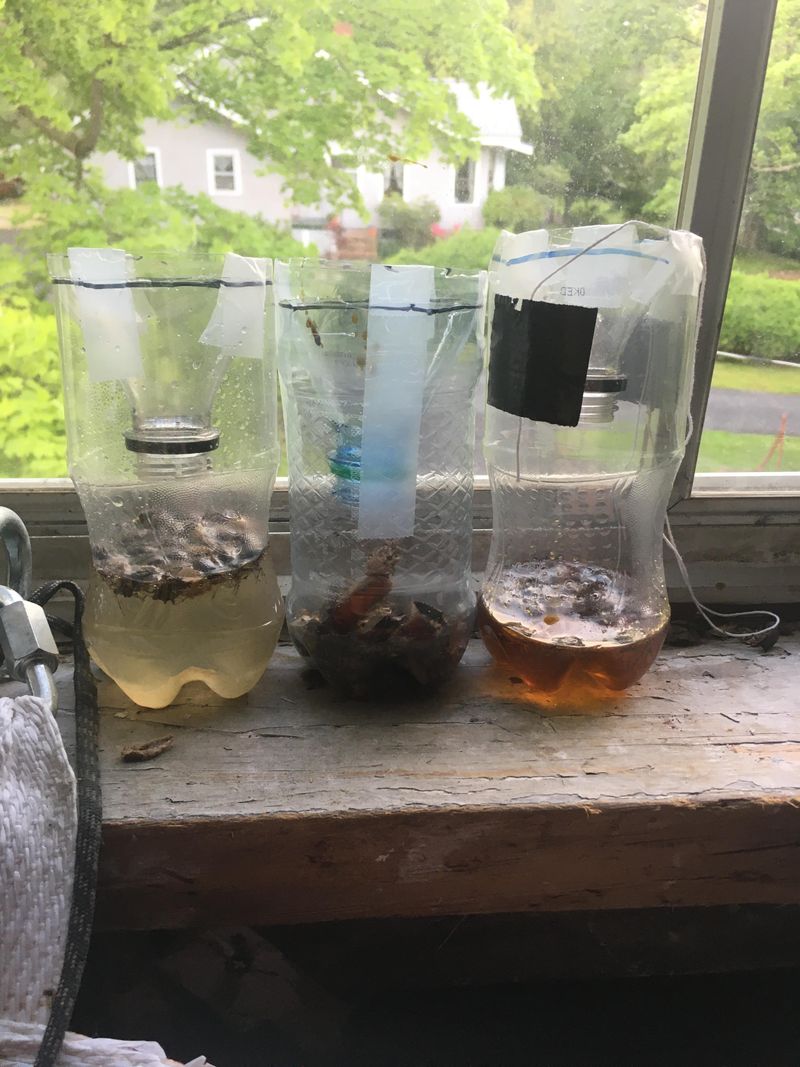
Sometimes the cleverest solutions come straight from the kitchen drawer. A desk lamp and a shallow pan can turn into a handy stink bug catcher. It costs almost nothing and takes just minutes to set up.
The trick works because stink bugs are drawn to light. At night, a glowing lamp attracts bugs that are active in your home. When they fly or crawl toward it, some fall into the soapy water below and cannot climb back out.
Setting it up is easy. Fill a shallow pan, like a baking dish or foil tray, with water and add a few drops of dish soap. Place a desk lamp so the bulb shines right over the water, then turn off the other lights in the room.
Choose your spot wisely. Keep the trap away from houseplants so bugs are not pulled toward your foliage. Place it somewhere pets and children cannot reach, like a high counter or a closed spare room.
Each morning, empty the pan outside and refill it before the next night. You may catch a few bugs or a whole bunch, depending on how many are hiding in your walls. The trap will not catch every bug, but it helps.
Stink bugs often keep showing up in Michigan homes from fall all the way into spring. Pairing a light trap with sealing and vacuuming gives you a steady, simple routine. Your plants can stay in their sunny spots while the trap quietly handles the night shift.