The Easiest Fall Crops California Gardeners Can Still Start In Mid-August
Mid-August may feel late for starting anything new, but California’s long growing season still leaves room for another round of planting. The key is choosing crops that can handle warm soil now and settle into cooler weather as the season changes.
Some vegetables actually prefer that transition, especially once intense summer heat begins to ease.
Starting at the right moment can give young plants enough time to establish before shorter days slow growth.
It also gives gardeners a chance to replace tired summer crops instead of leaving beds empty until spring.
The easiest choices are the ones that germinate reliably and mature without demanding months of perfect weather.
If your garden still has open space, there is more time left than the calendar might suggest.
1. Radishes Racing From Seed To Harvest Fast
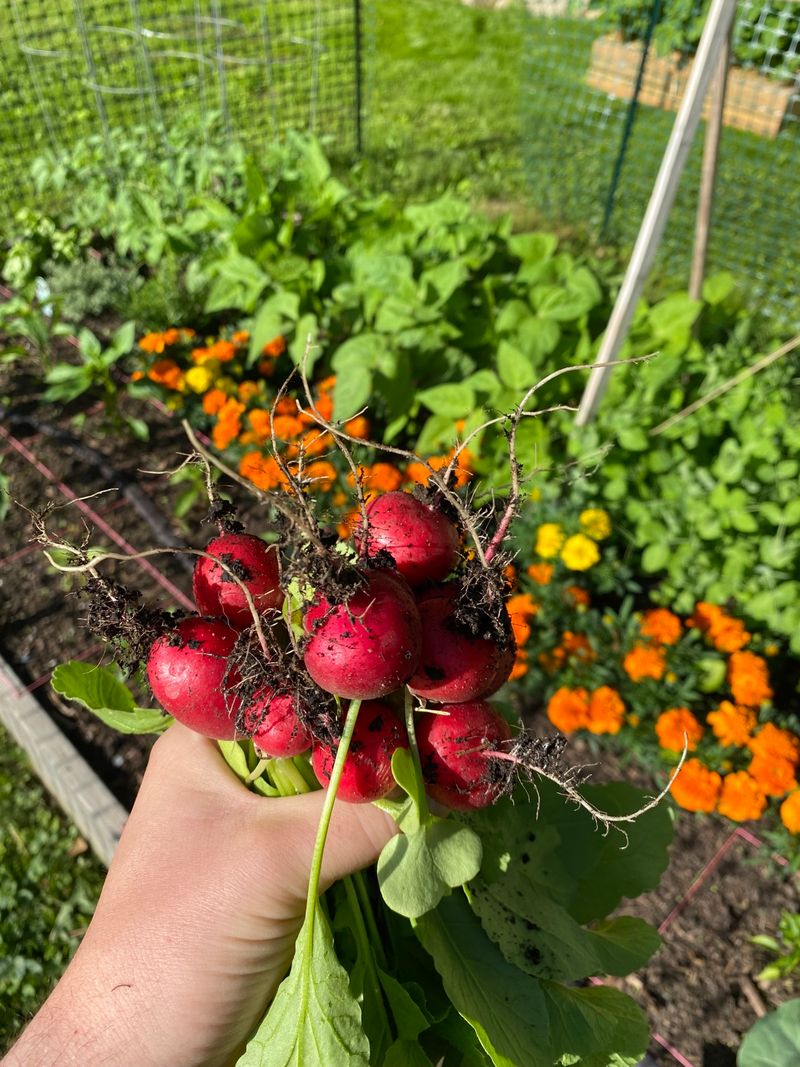
Few vegetables move as fast as radishes. From the moment you drop a seed in the ground, you can be pulling up crisp, colorful roots in as little as 22 to 30 days.
That kind of speed makes them one of the most satisfying crops any gardener can grow.
Planting radishes in mid-August in California works really well because the soil is warm enough to push germination along quickly. As the weeks pass and temperatures cool, the roots develop a milder, crunchier flavor.
Hot weather can make radishes taste sharp and pithy, so fall timing actually improves the quality of your harvest.
Sow seeds about half an inch deep and one inch apart in rows. Water consistently and thin seedlings to about two inches apart once they sprout.
Radishes do not need fertilizer if your soil is decent. They grow well in containers, raised beds, or directly in the ground.
Try varieties like Cherry Belle, French Breakfast, or Easter Egg for a colorful mix. You can also stagger your planting every two weeks for a continuous supply.
Radishes are great eaten raw, sliced into salads, or pickled for a tangy snack. They are low-maintenance, beginner-friendly, and practically impossible to mess up.
If you have never grown your own food before, radishes are the perfect place to start your fall garden journey.
2. Arugula Loving The Shift Toward Cooler Weather
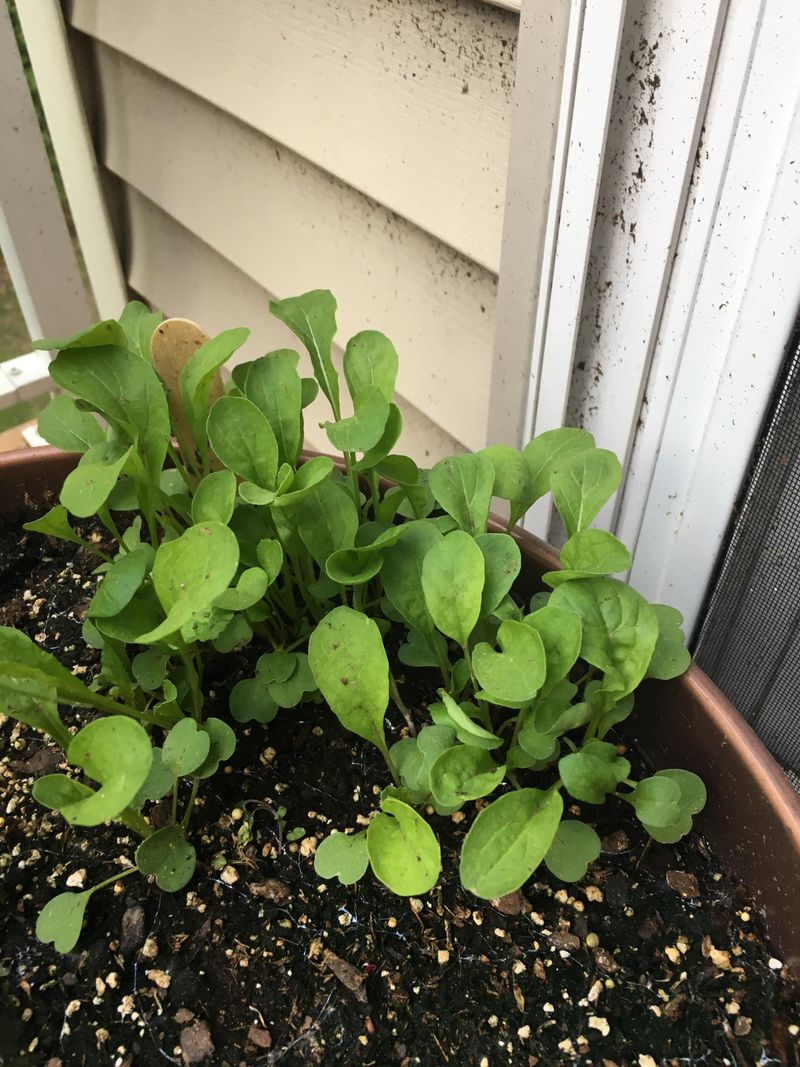
Arugula has a bold, peppery flavor that makes even simple salads feel exciting. It is one of those greens that actually gets better as the weather cools down.
Warm temperatures make arugula bolt quickly and taste bitter, so mid-August planting sets you up perfectly for a tastier harvest.
Scatter seeds directly on prepared soil and rake them in lightly. Arugula does not need to be buried deep since the seeds are tiny and germinate best near the surface.
You will see sprouts within five to seven days, and baby leaves are ready to pick in about 30 to 40 days. Mature leaves take a little longer but are just as rewarding.
One of arugula’s best qualities is how it keeps producing after you cut it. Harvest outer leaves first and let the center keep growing.
This cut-and-come-again method means one small patch can feed you for weeks without replanting. It works great in containers on a patio or balcony too.
Your California Garden Changes Every Week. Your Plan Should Too.
Gardening in California changes quickly throughout the season. Every Friday you’ll receive a simple weekly plan showing exactly what to plant, prune, fertilize, harvest, and protect so you never miss the right timing.
Arugula pairs well with lemon, olive oil, shaved parmesan, and roasted vegetables. It also wilts beautifully into pasta or pizza when added at the last minute.
Water regularly and give plants partial shade if temperatures are still climbing above 85 degrees. With very little effort, arugula delivers a steady supply of fresh, flavorful greens well into the fall season.
3. Leaf Lettuce Giving Quick Wins In Small Beds
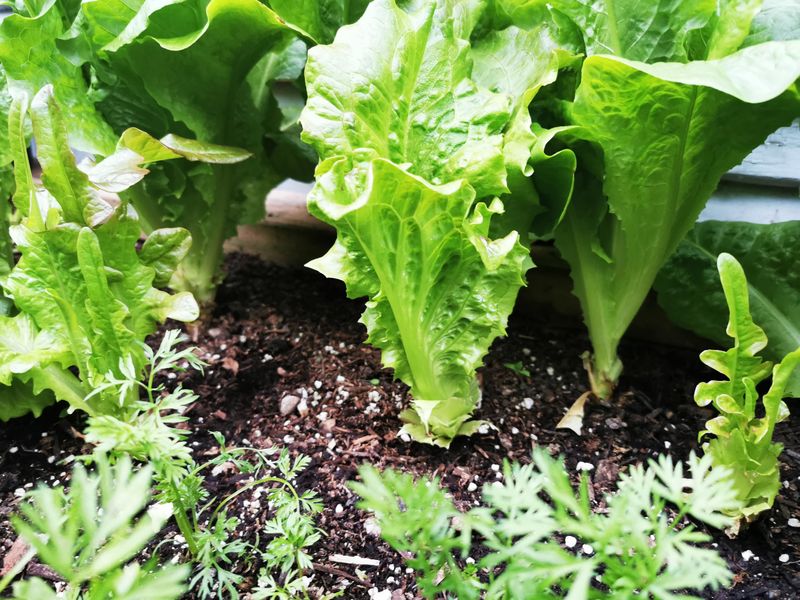
There is something deeply satisfying about walking outside and snipping fresh lettuce for dinner. Leaf lettuce is one of the fastest and most rewarding crops for small spaces.
Unlike head lettuce, it does not need to form a tight ball, which means you can start harvesting much sooner.
Mid-August is a smart time to plant because leaf lettuce struggles in summer heat. As temperatures ease into the low 80s and eventually the 70s, lettuce thrives.
Seeds germinate in just a few days when soil moisture is consistent. Thin plants to about six inches apart to give each one enough room to spread out.
Varieties like Black Seeded Simpson, Red Sails, and Oakleaf are reliable performers for fall gardens. A mix of colors and textures makes your harvest look as good as it tastes.
Mesclun seed blends are another easy option that gives you a variety of greens from one packet.
Keep the soil evenly moist but not waterlogged. Lettuce roots are shallow, so dry soil can stress plants quickly.
A thin layer of mulch helps hold moisture and keeps the soil from overheating on warm afternoons. Feed lightly with a balanced fertilizer every few weeks if your soil is sandy or low in nutrients.
Leaf lettuce is genuinely one of the easiest crops to grow in California, and even tiny garden beds can produce more than enough for a family.
4. Spinach Getting A Head Start Before Fall
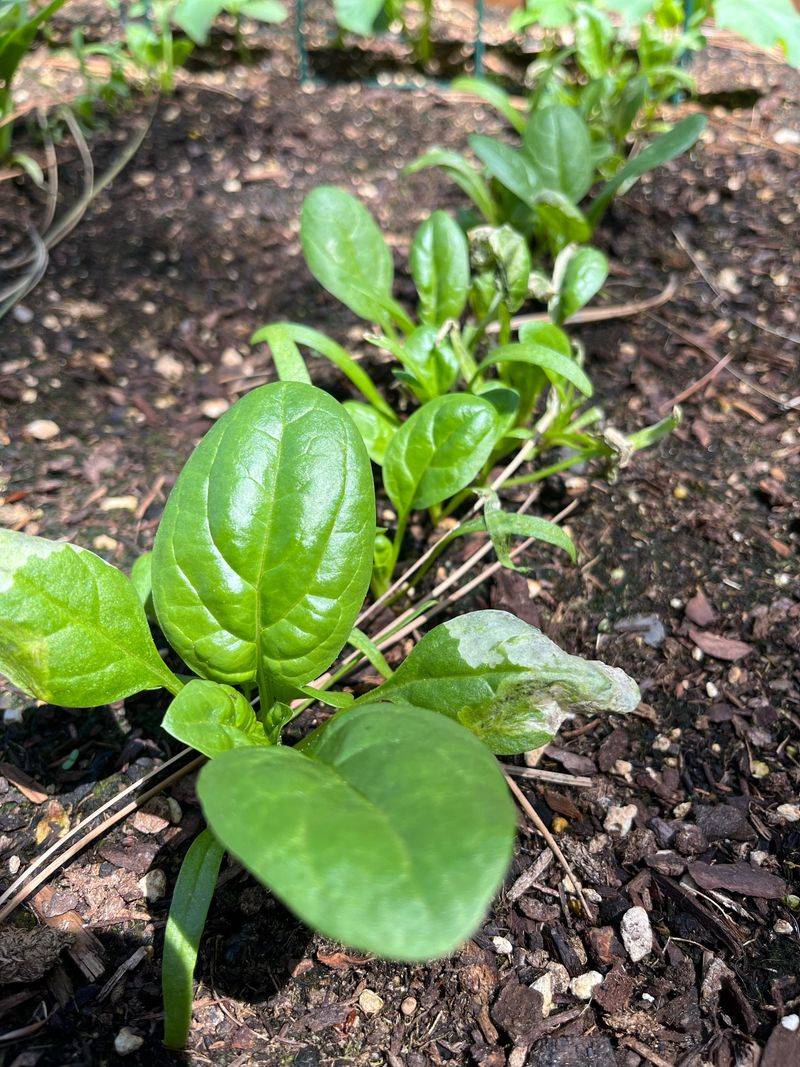
It loves cool weather and can even handle a light frost, making it an excellent choice for fall gardens. Planting in mid-August gives it time to establish before temperatures drop, setting you up for harvests well into late fall.
Sow seeds about half an inch deep and two inches apart. Spinach can be slow to germinate in warm soil, so soaking seeds in water for a few hours before planting can help speed things up.
Once nighttime temps dip below 75 degrees, germination improves noticeably. Keep the soil moist and look for sprouts within seven to fourteen days.
Good varieties for fall planting include Bloomsdale Long Standing, Tyee, and Space. These hold up well through temperature swings and produce dark, crinkled leaves packed with nutrients.
Baby spinach leaves can be harvested in about 25 days, while full-sized leaves take closer to 45 days.
Spinach grows well in containers and raised beds, which makes it easy to manage. It does not need much space, and a single row can produce a surprising amount of food.
Use it in smoothies, salads, omelets, pasta, or sauteed with garlic and olive oil. Few vegetables are as versatile or as easy to cook with.
Getting spinach in the ground now means you will be eating well by early fall without much effort at all.
5. Kale Growing Stronger As Nights Cool Down
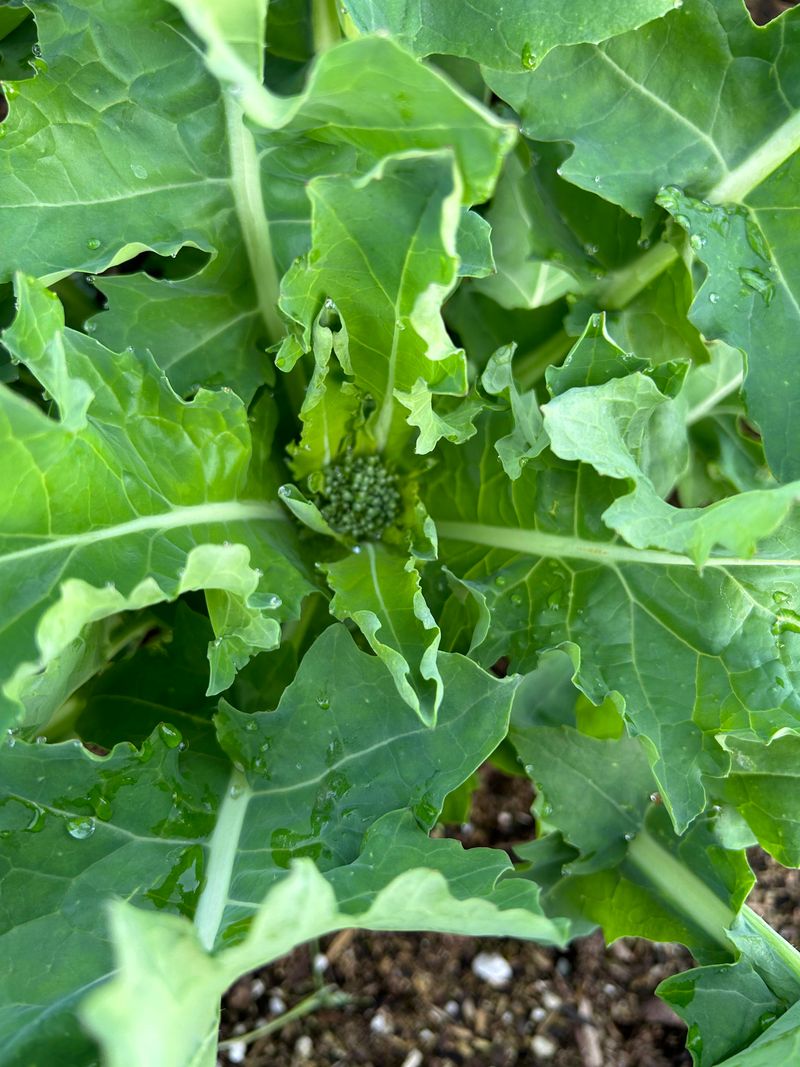
Kale has earned its reputation as one of the toughest vegetables you can grow. Cold weather does not slow it down.
In fact, a light frost actually triggers the plant to convert some of its starches into sugars, which makes the leaves sweeter and more tender. Planting in mid-August gives kale time to mature before those first chilly nights arrive.
Direct sow seeds about a quarter inch deep, or start transplants indoors two to three weeks early and move them out when they are a few inches tall. Space plants about 12 to 18 inches apart to give each one room to grow into a full, leafy plant.
Kale is not picky about soil, but it does appreciate a little compost worked in at planting time.
Popular varieties include Lacinato, also called Dinosaur Kale, Red Russian, and Winterbor. Each has a slightly different texture and flavor, so trying more than one is a fun way to find your favorite.
Harvest outer leaves regularly to keep the plant producing new growth from the center.
Kale works in salads, soups, stir-fries, and even baked into crispy chips. It is loaded with vitamins and minerals, making it one of the most nutritious crops in any fall garden.
It grows well in containers too, which is great news for gardeners with limited outdoor space. Kale is reliable, productive, and genuinely hard to go wrong with.
6. Swiss Chard Keeping Harvests Going For Months
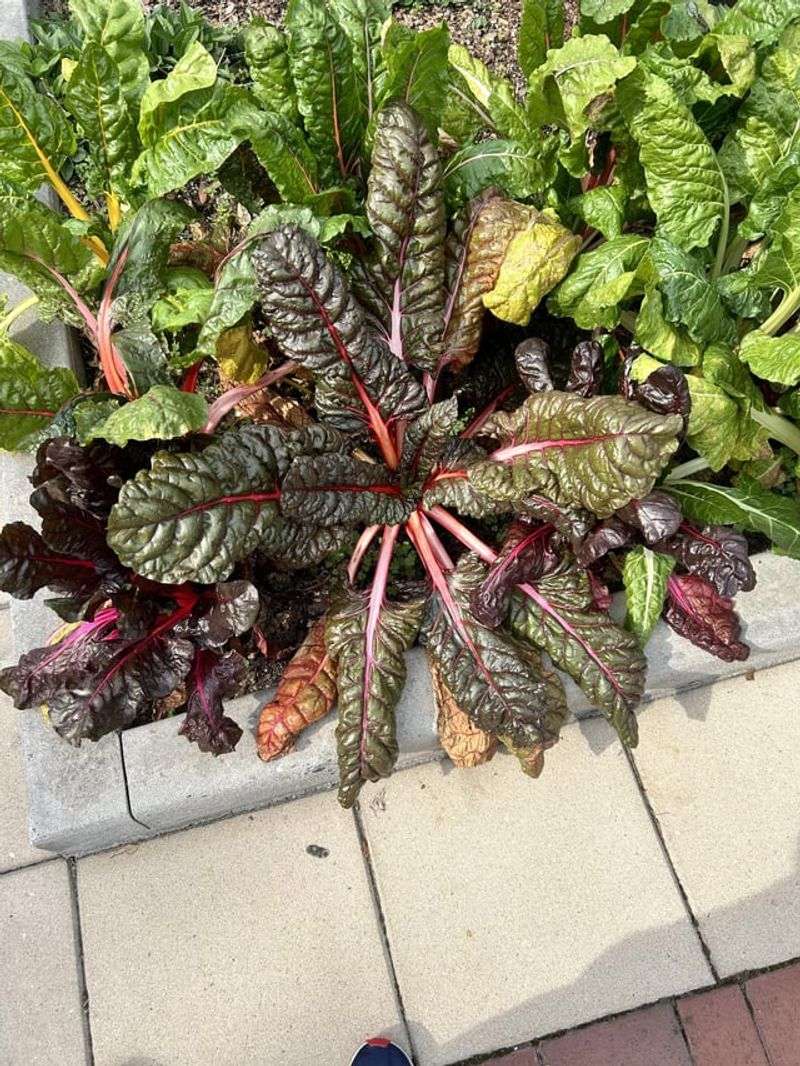
It handles heat, tolerates light frost, and keeps producing leaves for months without needing to be replanted. That kind of staying power is hard to beat, especially when you want a steady supply of fresh greens with minimal effort.
Plant seeds about half an inch deep and space them six inches apart. Each seed is actually a cluster of seeds, so you will need to thin seedlings once they sprout.
Thinning might feel wasteful, but it gives each plant the space it needs to grow big and healthy. The thinnings are edible and taste great in salads.
Bright Lights is a popular variety that produces stems in red, yellow, orange, pink, and white. Fordhook Giant is another solid choice with thick, dark green leaves.
Both are easy to grow and produce abundantly through fall and even into early winter in mild climates.
Harvest outer leaves when they reach six to eight inches long. The more you pick, the more the plant produces.
Swiss chard is incredibly versatile in the kitchen. Use it like spinach in cooked dishes, or enjoy young leaves raw in salads.
The colorful stems can be sauteed separately and taste a bit like celery. For gardeners in California’s mild coastal or valley regions, Swiss chard can keep producing almost year-round with very little attention needed.
7. Green Onions Fitting Into Almost Any Open Spot
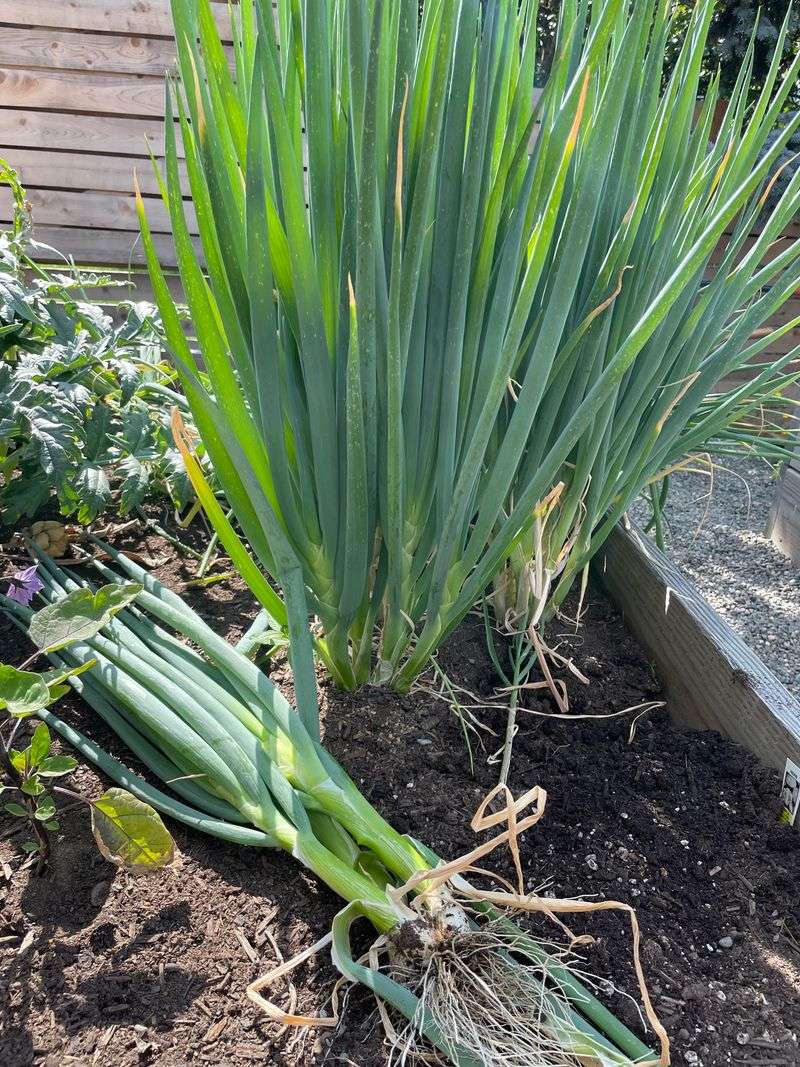
Scallions are one of the most space-efficient vegetables you can grow. They fit into narrow rows, containers, window boxes, and any small patch of open soil you have available.
Their slim profile means you can tuck them alongside other crops without crowding anything out.
Sow seeds about a quarter inch deep and one inch apart. You can also plant sets, which are small bulbs that establish even faster than seeds.
Green onions grow steadily through fall and do not mind cooler temperatures at all. In fact, they tend to be more flavorful when grown in mild conditions rather than intense summer heat.
Harvest begins in about 60 to 70 days from seed, or sooner if you planted sets. Pull them when the green tops are about six to eight inches tall.
You can also snip just the green tops and let the roots keep growing for a second or even third harvest from the same plant.
Evergreen Hardy White and Parade are two reliable varieties that hold up well through fall weather. Green onions add fresh flavor to eggs, soups, stir-fries, tacos, and grain bowls.
They are also a natural companion plant that can help deter certain pests from nearby vegetables.
For anyone who cooks regularly, having a constant supply of fresh scallions just steps from the kitchen is one of the small joys of home gardening.
8. Turnips Giving You Greens And Roots In One Crop
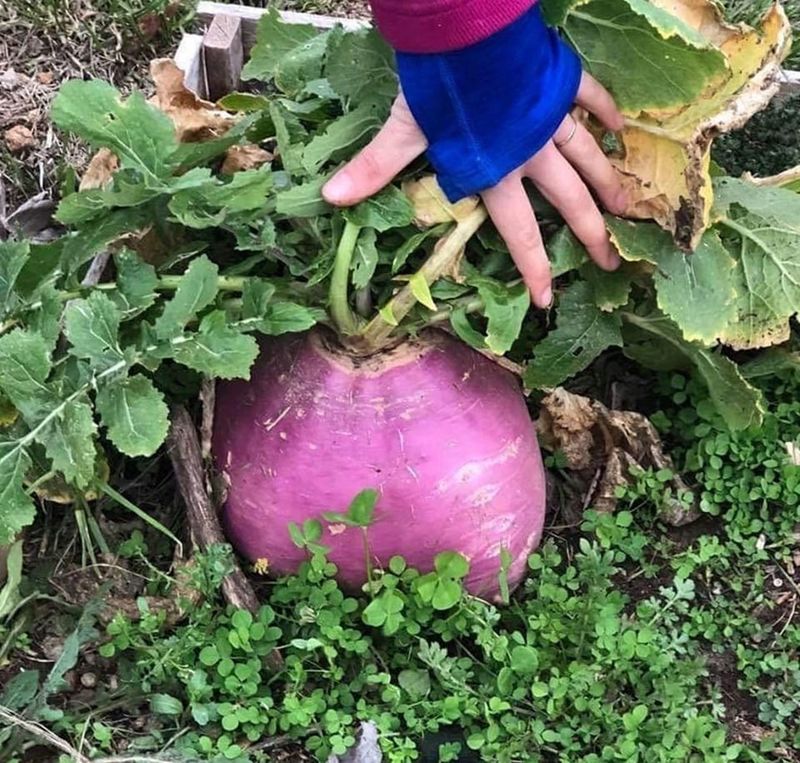
These plants offer something most vegetables cannot: two harvests from one plant. The roots are hearty and filling, while the leafy tops are tender, nutritious, and cook up much like mustard greens.
Planting turnips in mid-August means both parts will be ready to enjoy right when fall flavors are most welcome.
Sow seeds directly in the garden about half an inch deep and two inches apart. Thin seedlings to four to six inches apart once they sprout.
Turnips grow fast and are usually ready to harvest in 35 to 60 days depending on the variety. Smaller roots tend to be sweeter and more tender than large ones, so do not wait too long to pull them.
Purple Top White Globe is the classic variety most gardeners recognize. Hakurei is a Japanese variety with smooth, mild, almost sweet roots that can be eaten raw.
Tokyo Cross is another fast-maturing option that works well for fall planting in warmer regions.
Turnip greens can be harvested as soon as the leaves are a few inches tall. They are great sauteed with garlic, added to bean soups, or mixed into braised dishes.
The roots can be roasted, mashed, or added to stews. Turnips are also cold-hardy and can stay in the ground after light frosts, which actually improves their sweetness.
They are budget-friendly, easy to grow, and much more versatile in the kitchen than most people expect.
9. Beets Handling Late-Summer Planting Like A Champ
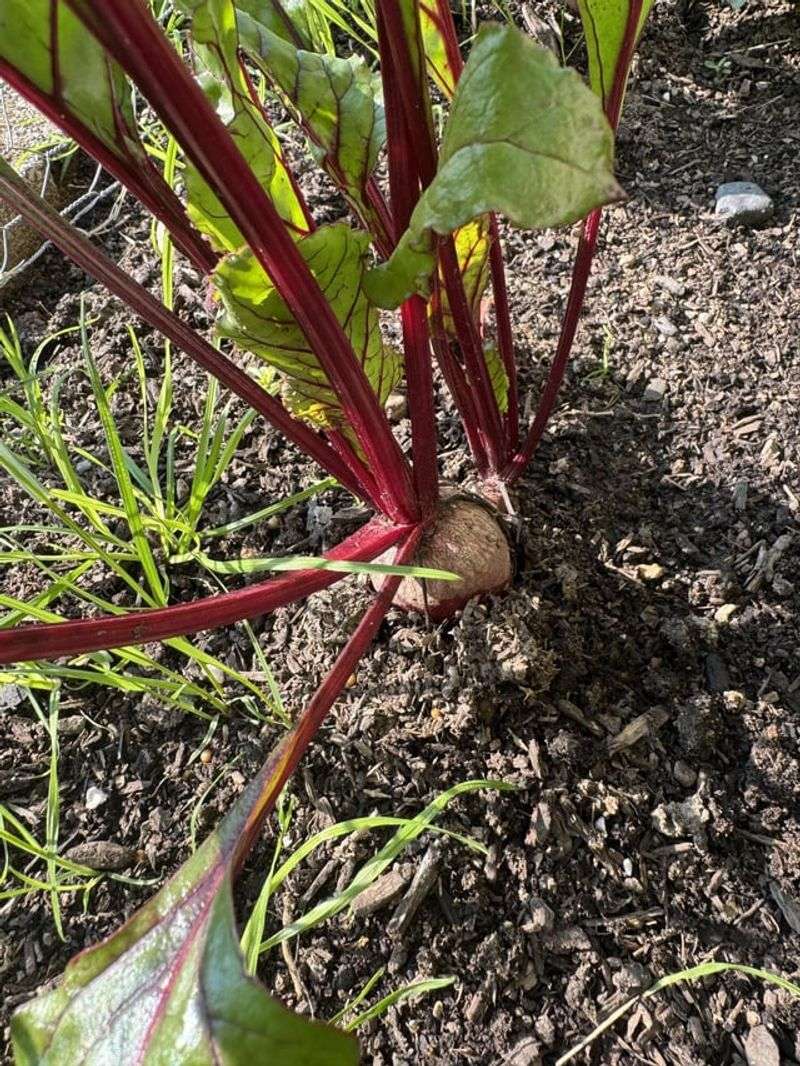
Beets are tougher than they look. They handle late-summer planting better than almost any other root vegetable, and they keep improving as the weather cools.
Sweet, earthy, and deeply nutritious, beets are one of those crops that make a fall garden feel truly complete.
Each beet seed is actually a cluster of seeds inside a corky coating. Soaking them in warm water for a few hours before planting helps soften that coating and speeds up germination.
Sow them about half an inch deep and two inches apart. Once seedlings are an inch or two tall, thin them to four inches apart so roots have room to swell.
Detroit Dark Red is a classic that almost never disappoints. Chioggia beets have a beautiful candy-cane pattern inside and a milder flavor.
Golden beets are sweet and less earthy than red varieties, which makes them popular with people who are new to beets. All three do well in fall gardens.
Beet greens are edible too, making this another double-harvest crop. Young leaves taste great in salads, and older leaves cook up like Swiss chard.
Roots are ready to harvest in about 55 to 70 days. Roasting brings out their natural sweetness beautifully.
You can also pickle them, add them to grain bowls, or blend them into soups. In California’s mild fall climate, beets thrive with minimal fuss and deliver one of the most rewarding harvests of the season.