Why Daffodils Are A Safer Fall Bulb Choice For Oregon Gardens With Deer
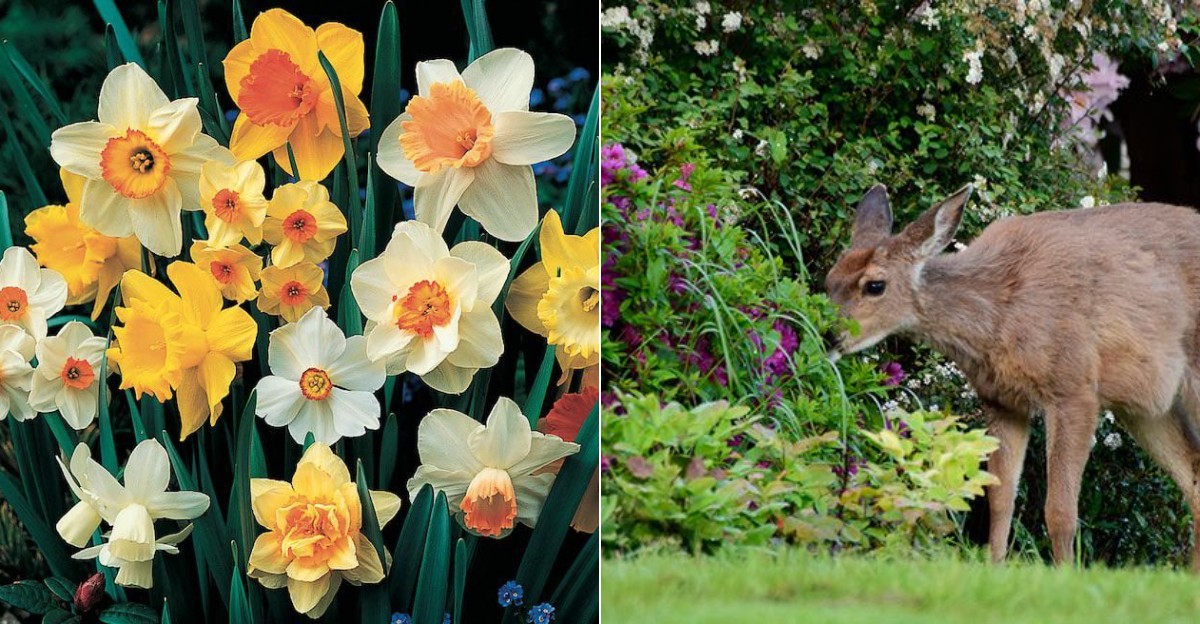
Deer can turn a carefully planned Oregon garden into a buffet, especially when fresh bulbs start going into the ground in fall.
If you have watched other plants disappear overnight, choosing the right spring-flowering bulbs can make a big difference in how much you enjoy your garden later.
Daffodils are a popular choice for gardeners who want bright spring color without making it easy for deer to snack on new plantings.
Their natural characteristics make them less appealing to many browsing animals, while their cheerful blooms bring early-season interest to beds, borders, and containers.
Planting them in fall gives the bulbs time to settle before winter, setting the stage for a stronger spring display.
With the right bulb choices, you can create a colorful Oregon landscape that is easier to protect from hungry visitors.
1. Deer Usually Avoid Daffodil Bulbs
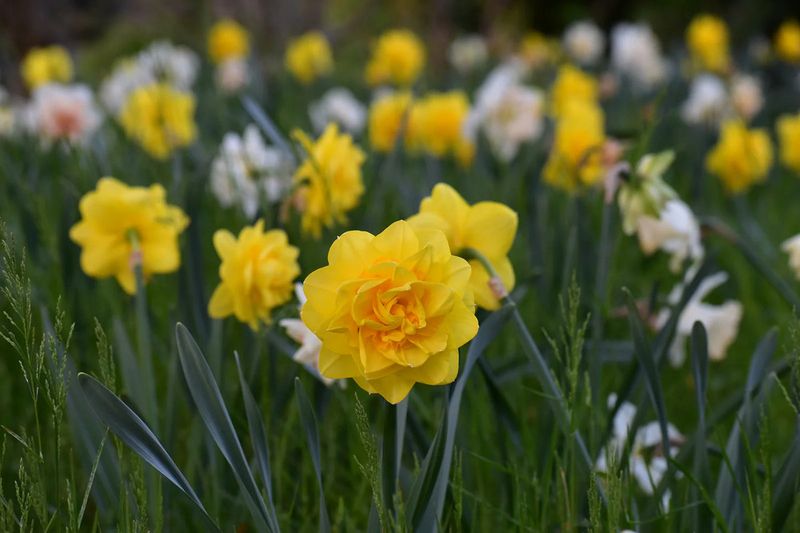
Ever notice how deer seem to eat everything except a few lucky plants? Daffodils land firmly on their skip list.These flowers give off a taste and smell that deer find unpleasant.So they wander past and look for easier meals elsewhere.
Most gardeners in Oregon deal with deer that treat tulips and crocuses like candy.Daffodils flip that story around.The bulbs, leaves, and blooms all send a clear message that says stay away.That protection covers the whole plant, not just one part.
You will find this useful if deer roam near your yard often.Planting daffodils around the edges of your garden can even help shield other plants.The deer approach, catch a whiff, and turn back before reaching your prized flowers.
Keep in mind that no plant is fully deer-proof in every case.When food gets very scarce, hungry deer might test almost anything.Still, daffodils rank among the safest bets you can plant.
Fun fact worth sharing: many wildlife experts list daffodils as one of the top deer-resistant flowers around.That reputation has held up for a very long time.So if you want blooms that stay put through spring, these bulbs deliver peace of mind and cheerful color at the same time.
2. Their Natural Compounds Make Them Less Appealing
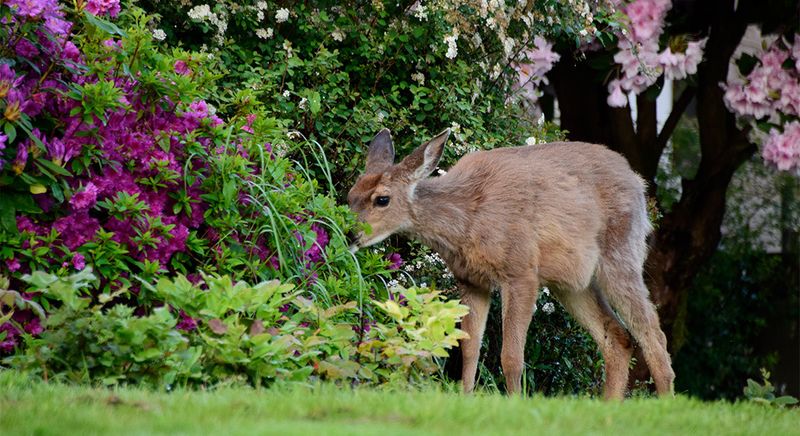
Here is the science behind why deer pass on daffodils.The bulbs contain natural chemicals called alkaloids, and one key one is lycorine.These compounds taste bitter and can upset an animal’s stomach.
Deer learn fast when a plant makes them feel unwell.After one bad experience, they remember to leave those flowers alone.That built-in defense works around the clock without any effort from you.
What makes this handy is that the compounds sit inside every part of the plant.The bulb, stem, and petals all carry the same warning signals.So a curious deer gets the message no matter which piece it nibbles.
You should also know these same compounds mean daffodils are not safe for pets or people to eat.Keep the bulbs away from dogs and small children who like to dig.A quick reminder to family members helps avoid trouble.
Your Oregon Garden Changes Every Week. Your Plan Should Too.
Gardening in Oregon changes quickly throughout the season. Every Friday you’ll receive a simple weekly plan showing exactly what to plant, prune, fertilize, harvest, and protect so you never miss the right timing.
The bright side is that these natural defenses ask nothing extra of you.There are no sprays to reapply and no fences to build.The plant handles its own protection through simple chemistry.
Gardeners have relied on this trait for generations.It explains why daffodils show up in yards where nearly everything else gets eaten.When you plant them, you tap into a defense that nature already perfected long ago.
3. They Return Every Spring Without Replanting
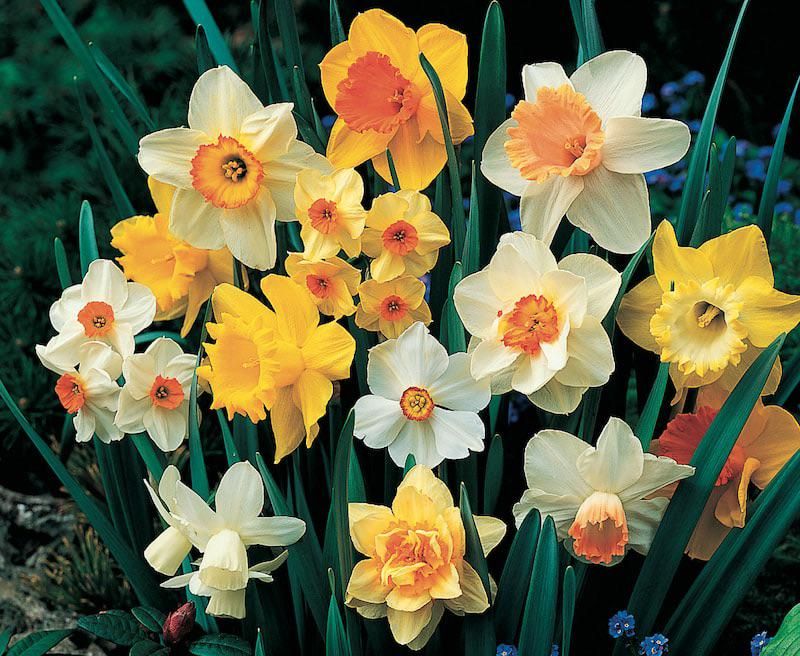
Who doesn’t love a plant that does the work for you? Daffodils are perennials, which means they come back on their own each spring.Plant them once, and they reward you for many years.
After the flowers fade, the bulbs rest underground through summer.When the next cold season passes, they wake up and bloom again.You get a fresh show without lifting a shovel a second time.
Over time, daffodils even multiply.The bulbs form little offshoots that grow into new plants.So a small patch can slowly turn into a big, golden display.
This saves you money and effort compared to annuals.You skip the yearly trip to the garden store for replacements.The bulbs simply keep giving season after season.
To help them thrive, let the leaves stay green after blooming ends.Those leaves gather energy that feeds next year’s flowers.Once they turn yellow and flop over, you can trim them back.
Oregon’s climate suits this cycle nicely.The cool, wet winters give bulbs the chill they need to rebloom well.That natural rhythm keeps your daffodils healthy for a long time.
Think of it as planting once and enjoying for years.Few flowers offer that kind of return with so little fuss.For busy gardeners, that reliability is hard to beat.
4. Fall Is The Time To Get Them Established
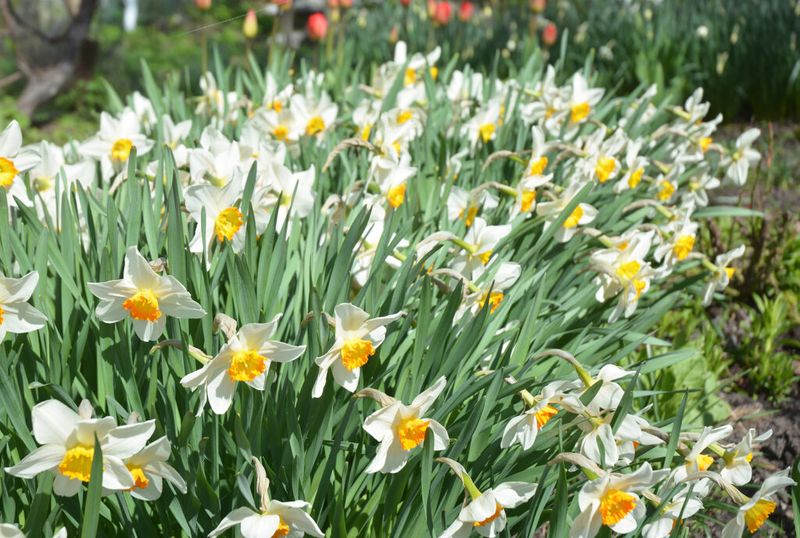
Timing matters more than you might guess with bulbs.Fall is the sweet spot for planting daffodils in Oregon.The cool soil helps roots grow strong before winter arrives.
Aim to plant from September through November in most parts of the state.You want the bulbs in the ground before it freezes hard.That gives them weeks to settle in and get comfortable.
Roots that form in autumn set the stage for spring blooms.Without that head start, flowers can come out weak or late.So this window really shapes how well your daffodils perform.
The weather in fall makes the job pleasant too.Cooler days and steady rain mean less watering for you.The soil stays soft and easy to dig.
Pick a spot with good drainage and some sun.Daffodils dislike sitting in soggy, standing water.A gently sloped bed or raised area works great in rainy regions.
If you live in a colder mountain zone, lean toward earlier planting.Warmer valley gardeners have a bit more wiggle room.Either way, sooner beats waiting until the ground turns cold.
Mark your calendar when the leaves start to drop.That natural cue tells you the season is right.A little planning now leads to a bright, cheerful reward when spring finally rolls around your yard.
5. Planting Depth Helps Protect New Bulbs
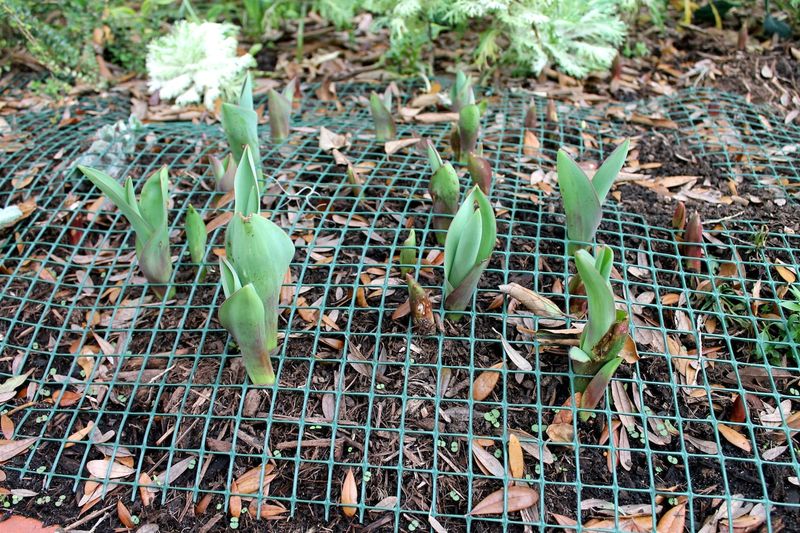
Getting the depth right can make or break your bulbs.A good rule is to plant daffodils about three times as deep as the bulb is tall.For most, that means six to eight inches down.
Deeper planting keeps bulbs safe from digging critters like squirrels.It also shields them from harsh cold and heavy rain.So a little extra depth pays off in real protection.
Place each bulb with the pointed end facing up.The roots grow from the flatter bottom.Getting this direction right helps the shoot find its way to the surface.
Space your bulbs a few inches apart so they have room to grow.Crowding them can lead to smaller flowers over time.A relaxed layout gives each plant space to spread.
After you set the bulbs, cover them with loose soil and pat it down gently.A light layer of mulch on top locks in moisture.It also helps steady the soil temperature through winter swings.
Water the area once after planting to settle everything in place.Oregon’s rains usually take care of the rest.You rarely need to water again until spring growth begins.
These simple steps give your daffodils a strong, protected start.The reward is sturdy plants that stand up to wind, weather, and wandering wildlife when the blooming season finally arrives in force.
6. They Handle Oregon Winters Well
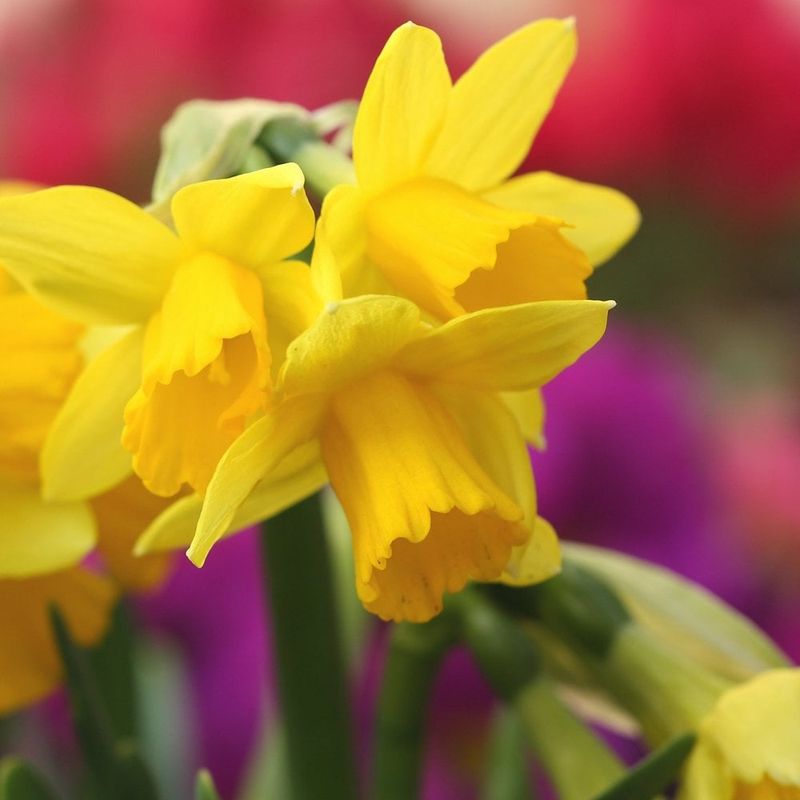
Oregon winters can be cold, gray, and very wet.Daffodils take all of that in stride.These tough bulbs are built to handle chilly, damp conditions.
In fact, they need a cold spell to bloom their best.The winter chill acts like a trigger for spring flowers.So the state’s climate actually works in their favor.
From the rainy coast to the snowy mountains, daffodils adapt well.They tolerate a wide range of temperatures found across the region.That flexibility makes them a solid pick almost anywhere here.
Good drainage is the main thing to watch.Bulbs sitting in constant puddles can rot over time.Planting them in a spot where water drains keeps them healthy.
Raised beds or slopes help in the wettest areas.You can also mix in compost to loosen heavy clay soil.These small fixes go a long way in soggy Oregon yards.
Once winter passes, the green shoots push up fast.They often appear while the weather still feels cold.That early arrival brings hope after months of rain.
You will spot daffodils blooming when few other plants dare to.Their toughness gives you color during the last stretch of winter.For gardeners tired of gray skies, that cheerful burst feels like a small celebration each and every year.
7. Daffodils Work Better Than Many Deer-Favorite Bulbs
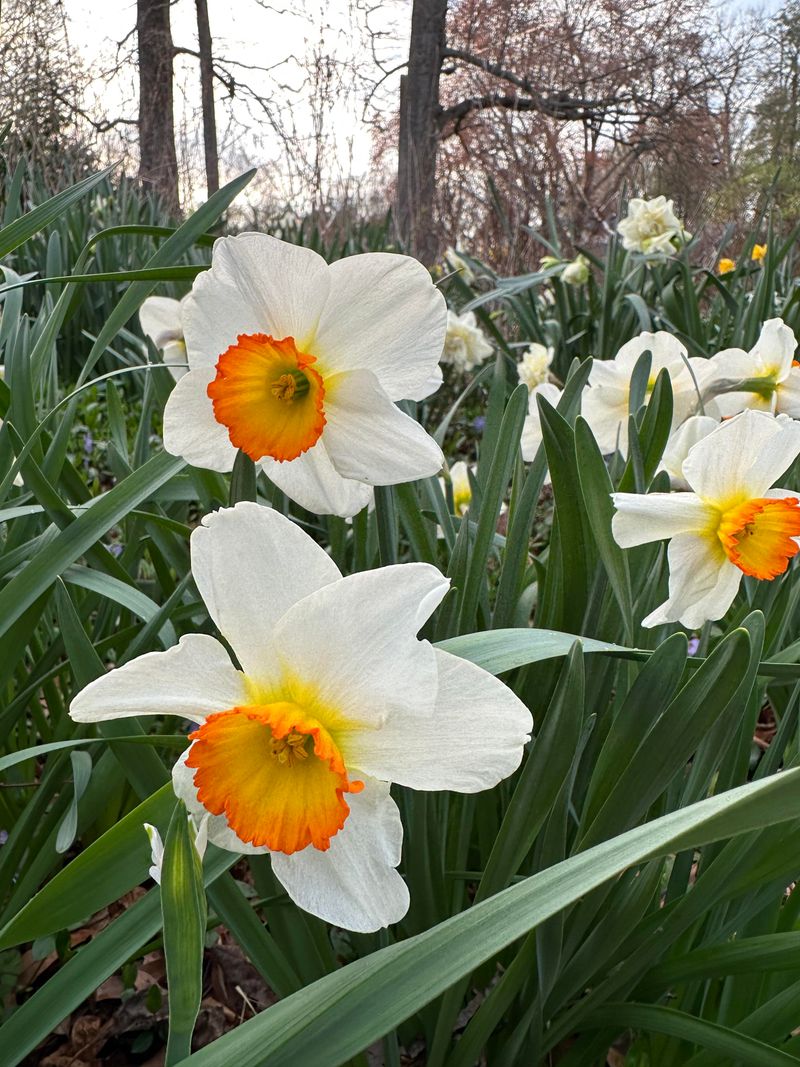
Let’s be honest about tulips for a moment.They look stunning, but deer treat them like a buffet.Crocuses and lilies often meet the same sad fate.
Daffodils stand out as the smarter choice in deer country.While other bulbs vanish overnight, daffodils stay untouched.That difference alone can save your whole spring display.
Many gardeners waste money replanting bulbs deer love.You buy them, plant them, and watch them disappear before they bloom.It’s a frustrating cycle that daffodils help you break.
A clever trick is to plant daffodils around your other bulbs.Their scent forms a kind of natural barrier.Deer may skip the whole bed rather than push through the daffodil ring.
You get more reliable results with far less heartache.No fencing, no netting, and no daily worry about hungry visitors.The daffodils simply do their job season after season.
Compared to spraying repellents on tulips every few days, daffodils feel like a vacation.You plant them and move on with your life.The flowers show up right on schedule.
For anyone tired of feeding the local deer, the switch is easy.Trade a few high-risk bulbs for these dependable bloomers.Your garden stays bright, your wallet stays happy, and the deer go find their snacks somewhere far away.
8. They Add Color Without Constant Replacements
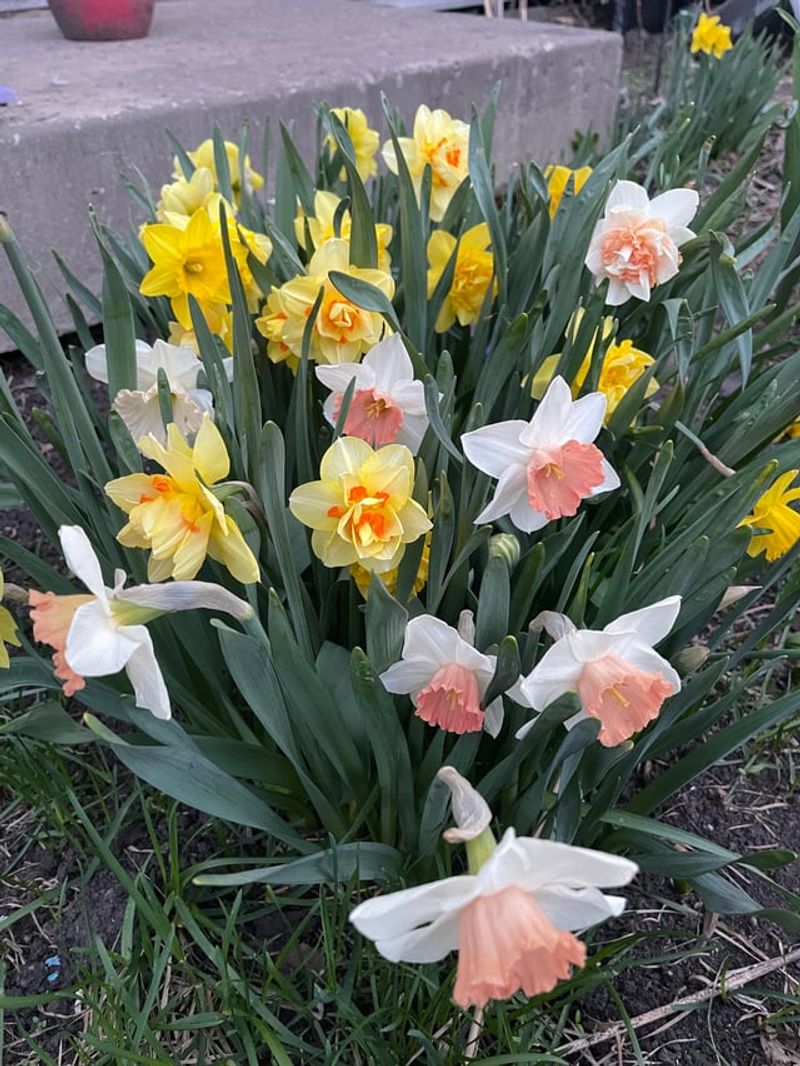
Nothing beats a splash of gold after a long, dull winter.Daffodils deliver that pop of color right when you crave it most.And they do it without asking you to replant every year.
These flowers come in more than just plain yellow.You can find white, orange, and even soft pink varieties.Mixing types gives your garden a fun, layered look.
Because they return on their own, your color show grows over time.Each year, more blooms appear as the bulbs multiply.So your investment pays off bigger with every passing season.
You can plant them in borders, along paths, or under trees.They also look great in clusters scattered across a lawn.That flexibility lets you design the yard however you like.
Cut a few stems and bring them indoors too.A small vase of daffodils brightens any kitchen table.Just keep them in their own vase, since their sap can harm other cut flowers.
The low upkeep is the real gift here.No yearly shopping trips and no digging up old beds.You simply enjoy the flowers and let them do their thing.
For a garden that stays cheerful and deer-safe, daffodils check every box.They bring lasting beauty with almost no effort on your end.Plant them this fall, and next spring your yard will thank you loudly.