Why Sourwood Deserves A Spot In More Georgia Yards This Fall
Some trees earn their place in a yard by offering something interesting in more than one season. Sourwood is one native choice that deserves another look this fall.
Its appeal becomes especially clear when the growing season begins shifting toward cooler weather.
Rather than fading quietly into the background, sourwood can bring rich autumn color to the landscape. Georgia gardeners also get a tree that feels at home in the region.
That combination makes it worth considering before you settle on another familiar landscape tree.
Look beyond fall color, though, because the best planting choice still depends on your site. Sourwood has preferences that can determine whether it truly thrives there.
Learn what this native tree needs first, and you may find the perfect place for one this season.
1. Fall Is When This Native Tree Really Gets Noticed
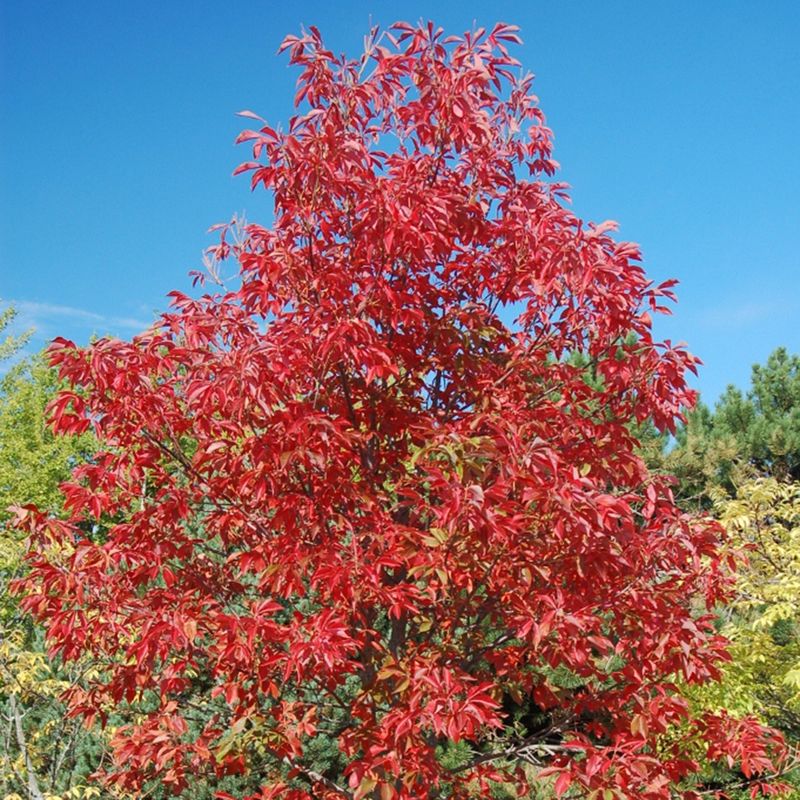
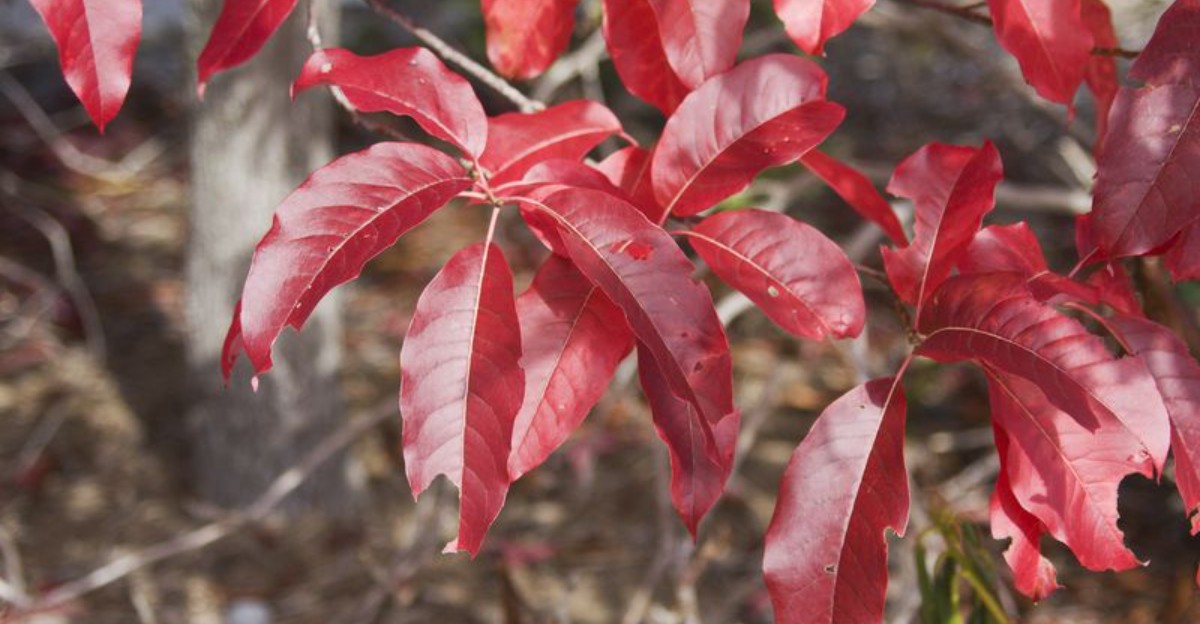
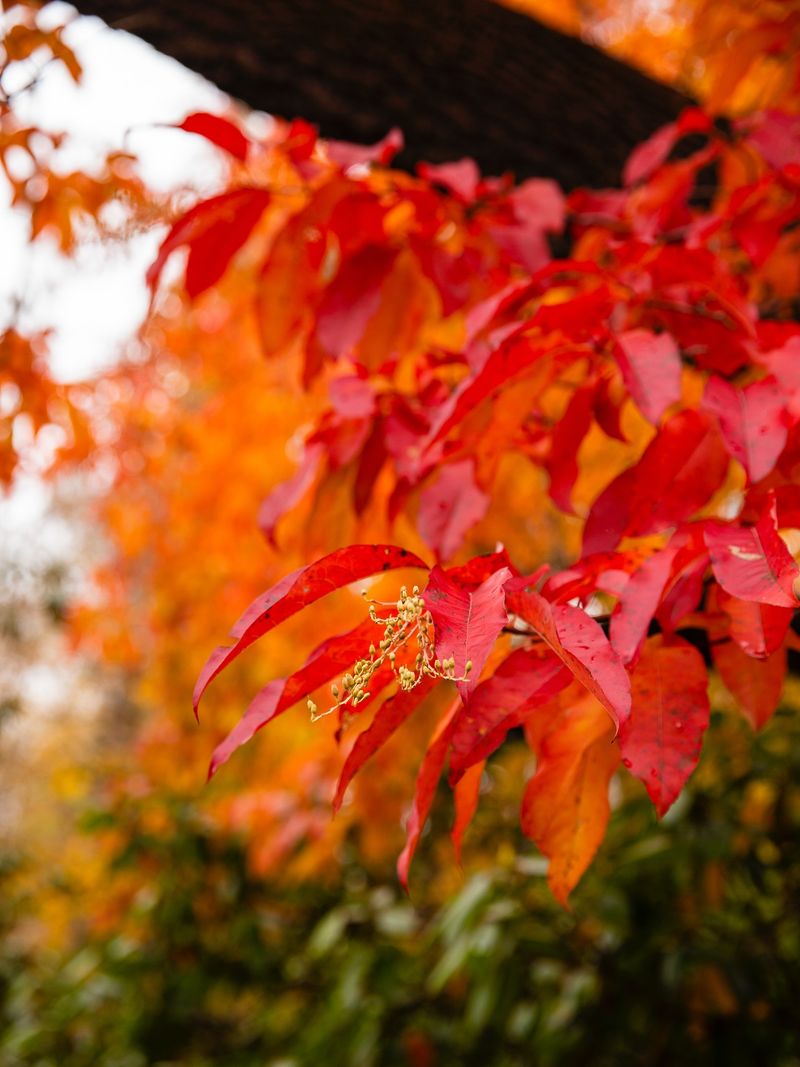
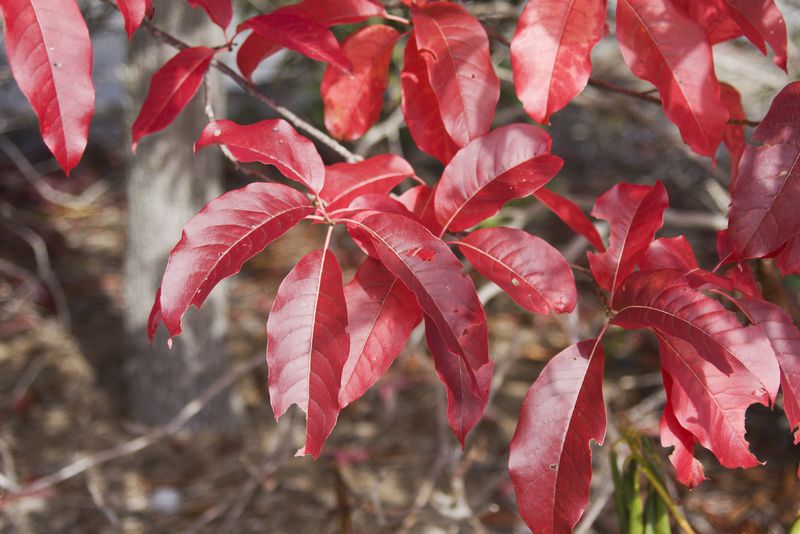
Nobody plants a tree because of what it looks like in July. Sourwood earns attention in October, when its leaves turn a red so deep it almost reads as burgundy from a distance.
Drive the back roads through the Blue Ridge foothills in Georgia and you will spot them without trying. Sourwood often colors up earlier than the oaks and hickories around it, which makes it stand out against a mostly green backdrop.
Timing varies year to year, since drought and temperature swings both affect how leaves turn.
Still, sourwood is fairly dependable compared to some ornamentals. Even young trees put on decent color, so you are not waiting a decade for the payoff.
What surprises people is how long the show lasts. Leaves tend to hold for a couple of weeks before dropping, depending on wind and rain.
The seed capsules add another layer. After the flowers finish, small tan pods hang from the branch tips and stay through fall, giving the tree a lacy look against red foliage.
Photographers love that combination.
If you have ever admired a red tree along a mountain highway and had no idea what it was, there is a good chance you were looking at sourwood. Planting one brings that same roadside moment into your own yard.
2. Sourwood Brings Brilliant Color Before Winter
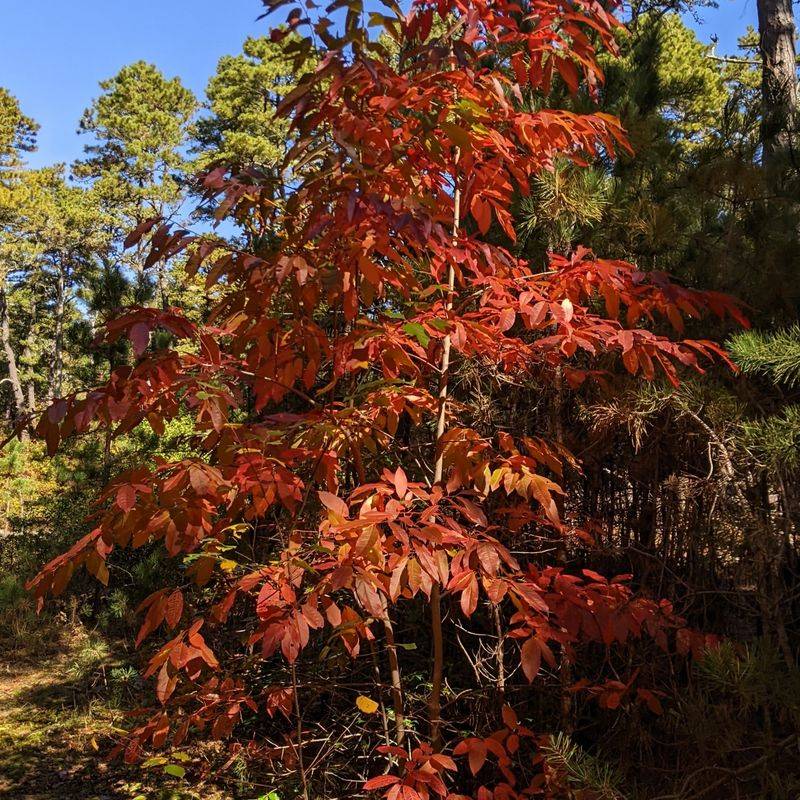
Red, orange, purple, sometimes all three on the same branch. Sourwood does not settle on one shade, and that mix is a big part of its appeal in a home landscape.
Leaf color depends on more than genetics. Cool nights, sunny days, and steady moisture through late summer all push the color toward its best range.
Trees planted in full sun usually color more strongly than those tucked under heavy shade.
Shade-grown sourwoods still turn, but the tones often lean softer and less saturated. Placement matters if color is your main reason for planting.
Drought stress can cut the season short. During dry Septembers, leaves may brown at the edges and drop before they finish coloring, something gardeners across Georgia saw during recent dry spells.
A deep soak in early fall helps when rainfall runs behind.
Fall color also pairs well with what else is going on in the yard. Sourwood next to evergreens like hollies or a dark fence line looks especially sharp, since the red has something to push against.
Your Georgia Garden Changes Every Week. Your Plan Should Too.
Gardening in Georgia changes quickly throughout the season. Every Friday you’ll receive a simple weekly plan showing exactly what to plant, prune, fertilize, harvest, and protect so you never miss the right timing.
Avoid crowding it between other fall-color trees, where the effect gets muddled.
Give it room, give it light, and the tree handles the rest on its own schedule.
3. Summer Flowers Add Interest Earlier In The Year
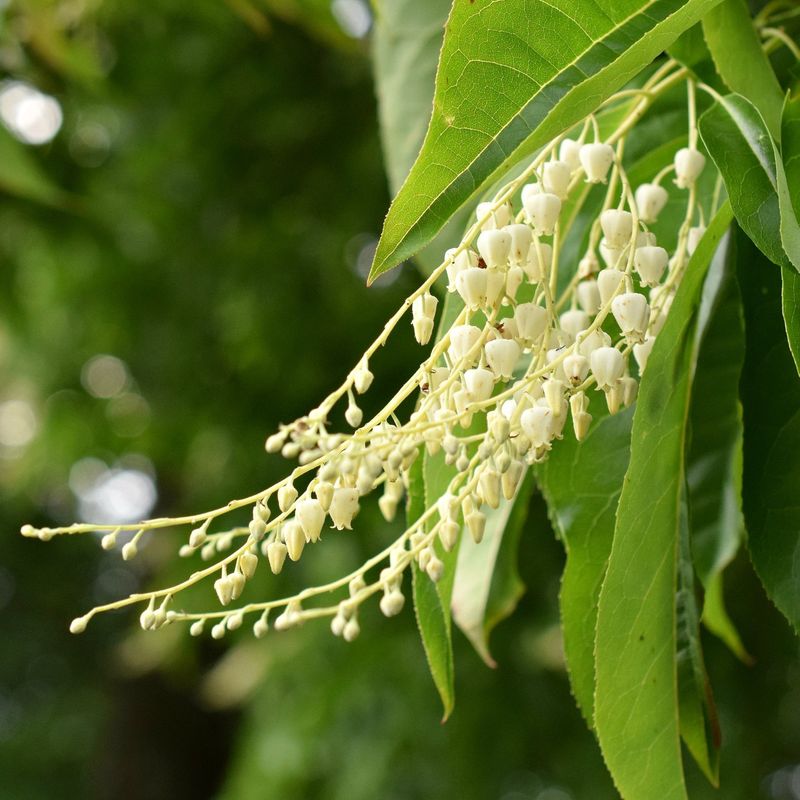
Long before the leaves turn, sourwood puts on a completely different show. Around June and into July, sprays of tiny white flowers hang from the branch tips like strings of little bells.
Gardeners sometimes call them lily-of-the-valley flowers, and the resemblance is close enough that the nickname stuck.
Bloom time shifts with elevation and weather. Trees in the north Georgia mountains often flower a week or two behind those closer to the Piedmont.
What makes the flowers useful is when they arrive. Most spring bloomers are finished by then, so sourwood fills a gap in the yard when little else is flowering.
The blooms have a light, honey-like scent up close.
You will not smell it from across the lawn, but standing under the tree on a warm afternoon, it comes through. Bees buzzing overhead add to the effect.
After petals drop, the flower clusters turn into upright seed capsules that persist into winter. Some people find them attractive, others prune them off, though pruning is not necessary.
Young trees may flower lightly at first and increase over several years.
Patience pays here, since a mature sourwood in full bloom is a genuinely uncommon sight in a residential yard.
4. Pollinators Make Good Use Of Those Hanging Blooms
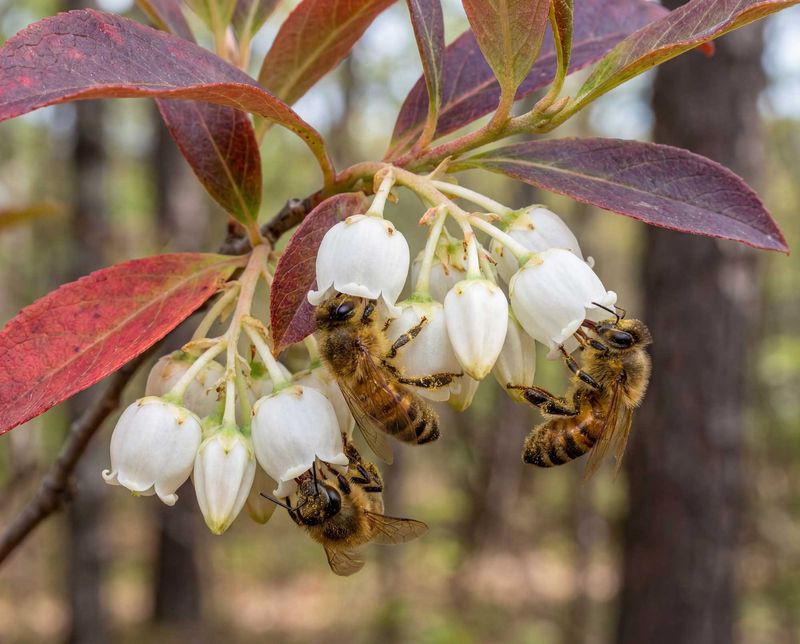
Beekeepers in the southern Appalachians plan their year around this tree. Sourwood honey is one of the most prized varieties in the region, and it comes from exactly the flowers hanging in your yard.
Honeybees work sourwood heavily during its bloom window. Native bees and other insects visit too, though honeybees get most of the credit because of the honey connection.
Nectar flow varies with rainfall and heat, so some summers produce far more than others.
That variability is why real sourwood honey can be hard to find and costs more than most. A single dry season can shrink a harvest considerably.
Planting one tree will not fill a hive, but it does add forage during a stretch when many yards have little in bloom.
Summer nectar gaps are a real problem for pollinators across Georgia, especially in neighborhoods planted mostly with spring shrubs.
Skip insecticide sprays on or near the tree while it is flowering. Bees are on those blooms all day, and drift from nearby treatments can reach them.
Pairing sourwood with other summer bloomers helps even more.
Bee balm, mountain mint, or buttonbush nearby stretch the food supply and keep pollinators moving through the yard longer.
5. Its Smaller Size Works Well In Many Home Landscapes
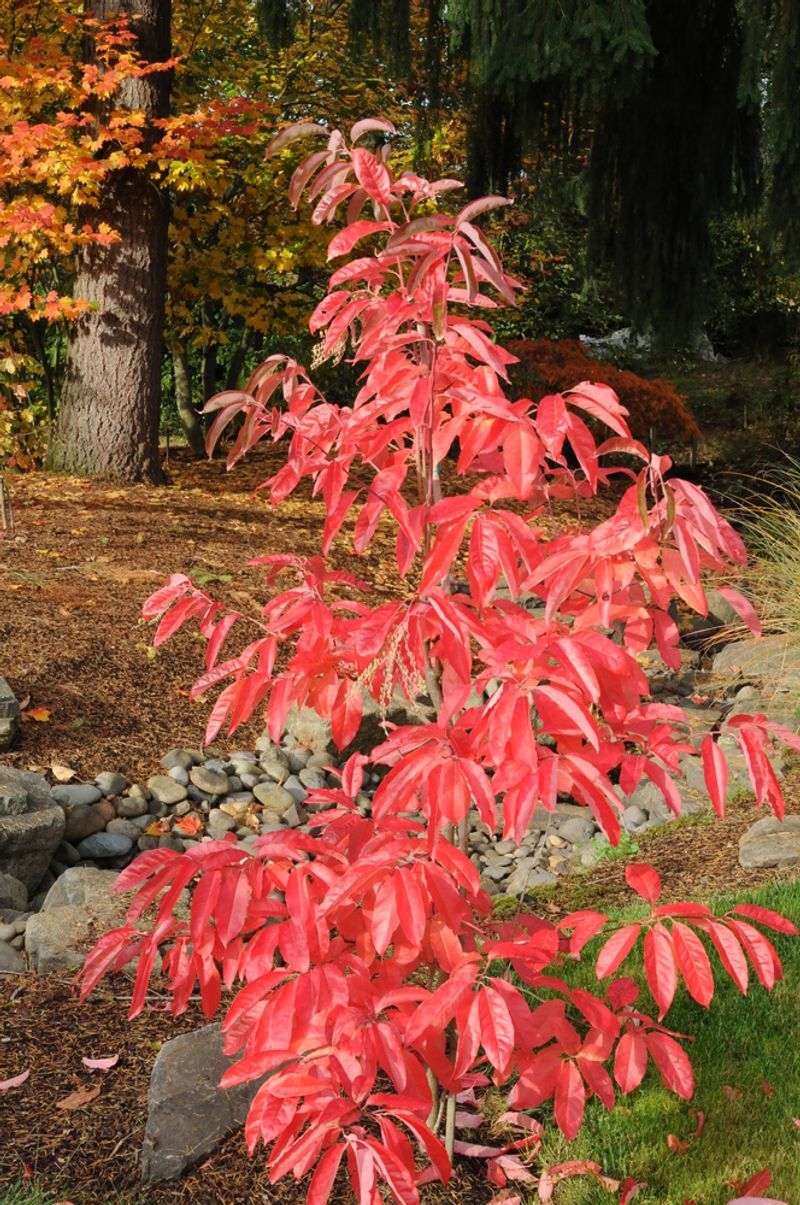
Oaks outgrow small yards fast. Sourwood does not, which is one reason it deserves more attention from homeowners working with limited space.
Most landscape sourwoods settle somewhere around 25 to 30 feet tall with a fairly narrow crown. Wild trees in good forest conditions can go taller, but that is uncommon in an open lawn.
Growth is slow, so you are not fighting it back every few years.
Slow growth cuts both ways. Expect a modest tree for the first several seasons rather than instant shade.
The narrow shape opens up planting spots that a bigger tree would overwhelm. Corners of a front yard, spaces near a driveway, or beds along a fence all work reasonably well.
Keep it well away from power lines anyway, since crown shape varies.
Trunks often lean or curve slightly instead of growing perfectly straight. Some people consider that a flaw, though it gives older trees a sculptural look worth having.
Root systems stay relatively modest compared to maples, which matters near patios and walkways in Georgia neighborhoods where space is tight.
Plan for a tree that reads as an accent rather than a shade canopy.
Used that way, sourwood earns its spot without taking over the whole yard.
6. Acidic Soil Gives The Roots The Conditions They Prefer
Here is where a lot of sourwood plantings go sideways. The tree wants acidic, well-drained soil, and it does not adapt well to heavy, compacted, or alkaline ground.
Much of the Piedmont and mountain soil in Georgia already runs acidic, which works in your favor. A cheap soil test through your county extension office confirms it before you dig.
Target range sits roughly between pH 4.5 and 6.0.
Soil near a foundation or old concrete work can be more alkaline than the rest of the yard. Test that spot separately if you are planting close to the house.
Drainage matters as much as pH. Sourwood struggles in spots that stay soggy after storms, so avoid low areas where water collects.
Heavy red clay can be workable if it drains, though loosening a wide planting area helps roots spread.
Skip lime anywhere near the tree. Lawn treatments that raise pH can slowly work against it, especially if the tree sits in the middle of turf.
Pine straw or shredded bark mulch suits it well, kept a few inches off the trunk.
Sourwood also dislikes root disturbance and pollution, so a quiet corner away from constant foot traffic tends to produce a healthier tree.
7. Cooler Weather Makes Fall A Useful Planting Window
Fall planting gives roots a head start. Air temperatures drop, soil stays warm for weeks, and a young tree can settle in without fighting summer heat at the same time.
October through early December generally works across most of Georgia, as long as the ground is not frozen.
Container-grown stock handles fall planting well. Balled-and-burlapped sourwood can be trickier, since the species resents root disturbance more than many trees.
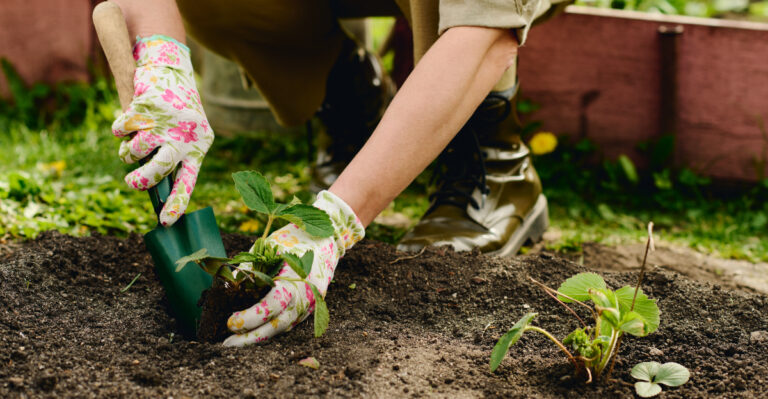
Dig the hole wide and no deeper than the root ball. Planting too deep is one of the most common mistakes people make with young trees.
Water thoroughly at planting, then keep checking through the fall.
Dry autumn stretches are common here, and new trees still need water even after leaves drop. A slow soak every week or two during dry spells is usually enough.
Mulch a wide ring, but leave the trunk clear.
Hold off on fertilizer the first season. Roots need to establish before you push top growth, and an acid-forming fertilizer can wait until spring if a soil test suggests it.
Staking is rarely needed unless the site is windy.
Give it a couple of years of steady attention, and sourwood mostly takes care of itself after that.