Why Pennsylvania Gardeners Plant This Native Perennial Instead Of Mums
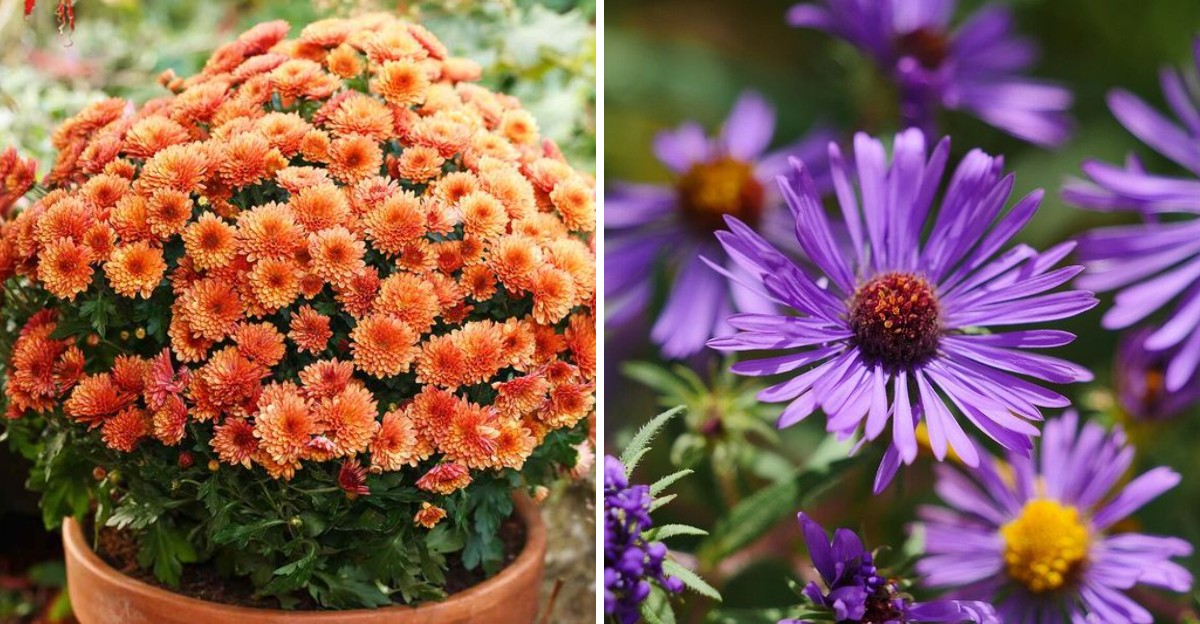
Mums are practically synonymous with Pennsylvania fall gardens. They show up at garden centers in September, they deliver reliable color, and they’re so consistently available that most homeowners reach for them without considering whether something better might exist.
For a lot of Pennsylvania gardeners, mums are fall color by default rather than by genuine preference. But a growing number of Pennsylvania gardeners have made a different choice.
There’s a native perennial that delivers fall color with just as much impact as a well grown mum.
It comes back reliably every year without being replaced, supports native bees and pollinators generously at a time when other food sources are disappearing, and fits into the Pennsylvania ecosystem in a way that any imported annual simply cannot.
It doesn’t come in the plastic sleeves outside the garden center. But the gardeners who have discovered it tend to plant it everywhere mums used to go and never look back.
Here’s the native Pennsylvania perennial that’s quietly replacing mums in gardens across the state and exactly why it earns the comparison.
1. It Comes Back Year After Year
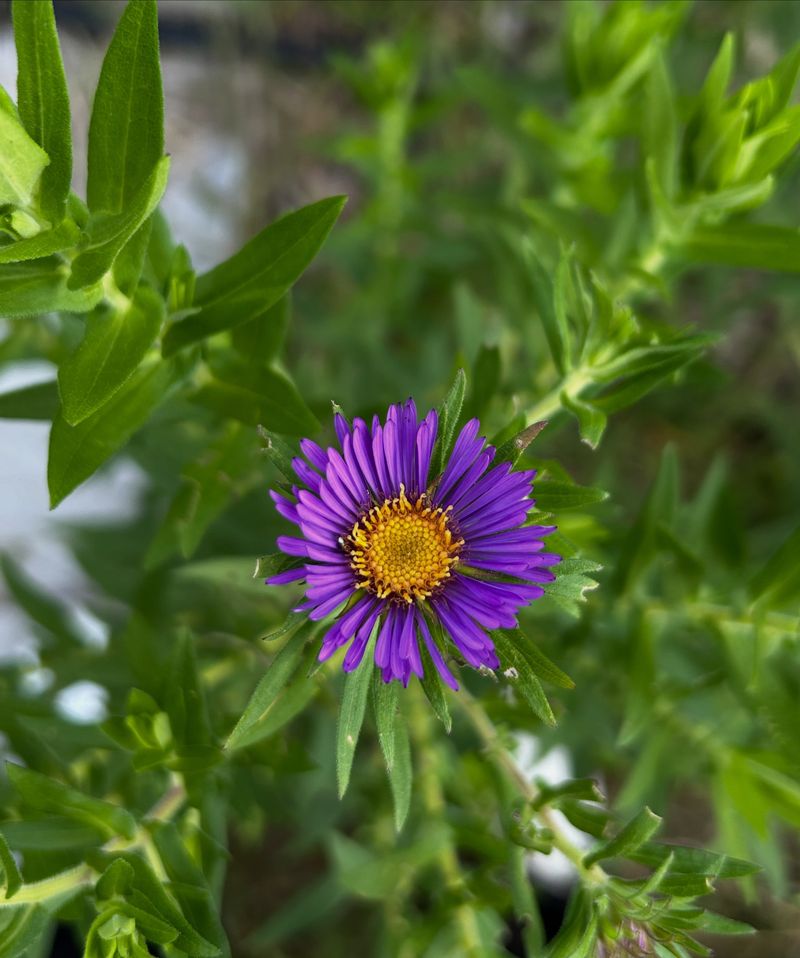
One of the biggest wins for busy gardeners is that the New England aster is a perennial. That means it returns on its own every single year without you buying new plants.
Most mums sold in Pennsylvania are treated like one-season decorations. They look great in September, but by the next spring they often fail to bounce back after cold winters.
You end up shopping for fresh ones each fall.
With an aster, you plant it once and enjoy it for many seasons. The roots settle in, grow stronger, and reward you with bigger blooms as time passes.
Some plants keep going for a decade or longer.
Because it is native to the Northeast, this flower handles Pennsylvania winters with ease. Frost, snow, and chilly nights do not bother it.
It simply rests underground and wakes up when warm weather returns.
Gardeners love watching a small plant slowly turn into a wide, bushy clump. After a few years, you can even split it into pieces and share with neighbors or fill other spots in your yard for free.
Think about how much easier fall becomes when you skip the yearly shopping trip. Your garden already has color waiting to burst open when the season changes.
To keep it strong, give it a sunny spot and water it during its first summer. Once the roots take hold, it becomes very independent and asks for little help.
For anyone who wants a dependable plant that keeps giving, the returning nature of this aster makes it a clear favorite over short-lived mums.
2. Bees And Butterflies Absolutely Love It
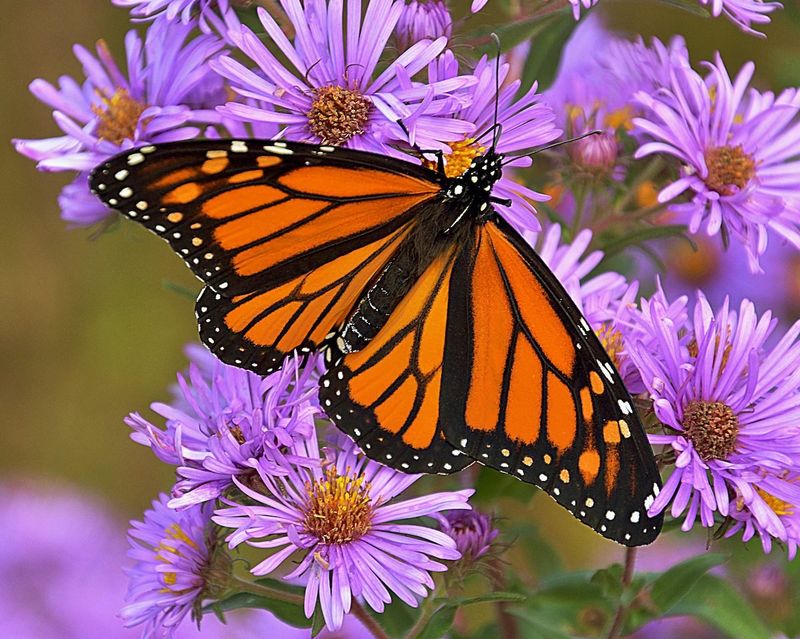
Picture a warm October afternoon with butterflies floating around your yard. That scene becomes real when you grow New England aster.
These flowers bloom late in the year, right when many other plants have stopped. That timing matters a lot for pollinators getting ready for winter or long migrations.
Your Pennsylvania Garden Changes Every Week. Your Plan Should Too.
Gardening in Pennsylvania changes quickly throughout the season. Every Friday you’ll receive a simple weekly plan showing exactly what to plant, prune, fertilize, harvest, and protect so you never miss the right timing.
Monarch butterflies traveling south through Pennsylvania stop to sip nectar from asters. The plant gives them the fuel they need for their amazing journey to warmer lands.
Bees also crowd around the purple petals, collecting the last big meal of the season. Bumblebees, honeybees, and small native bees all show up for the feast.
Most garden mums offer very little for these insects. Many are bred for looks, and their tightly packed petals make it hard for bees to reach any nectar.
Some even have almost none to share.
By choosing asters, you turn your garden into a helpful pit stop for wildlife. You get to enjoy the show while doing something good for nature.
Pollinators are having a tough time in many places, so every friendly flower counts. A single aster plant can feed dozens of visitors each day during peak bloom.
Kids especially love watching the busy activity up close. It becomes a fun and safe way to learn about insects right in your own backyard.
If you want a garden that buzzes with life instead of just sitting pretty, this native flower delivers. The steady stream of winged visitors is a joy that plain mums simply cannot match.
3. A True Pennsylvania Native Plant
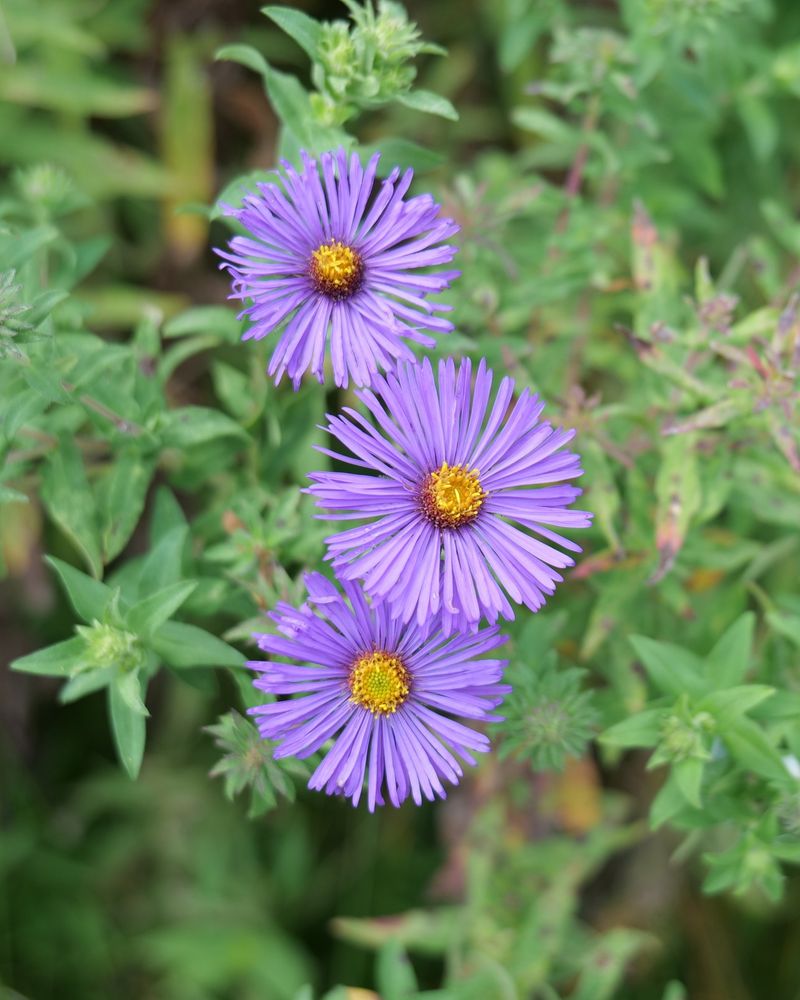
Long before garden centers existed, the New England aster grew wild across Pennsylvania fields and roadsides. It belongs here in a way that mums never will.
Because it evolved in this region, the plant already knows how to handle local soil, weather, and pests. It fits right into the natural web of life around it.
Native plants support local birds, insects, and other creatures that depend on familiar species. Growing one is like inviting an old neighbor back home.
Mums, on the other hand, originally came from Asia. They are pretty, but they do not connect with the local ecosystem the same way a native flower does.
When you plant native, you help keep Pennsylvania’s natural heritage alive. Your yard becomes part of a bigger picture that stretches across meadows and forests statewide.
These asters also grow well without special chemicals or heavy fussing. Since they belong to the area, they usually shrug off common problems that trouble imported plants.
Many local conservation groups encourage folks to add native species to their gardens. Doing so builds little bridges of habitat between larger wild spaces.
You can feel proud knowing your flowers reflect the true character of your home state. There is something special about growing what naturally belongs in your corner of the world.
Whether you live near Pittsburgh, Philadelphia, or a small country town, this plant thrives. Its deep roots in local soil make it a meaningful and beautiful choice for any Pennsylvania gardener seeking a genuine connection to the land.
4. Tough Enough To Handle Tricky Weather
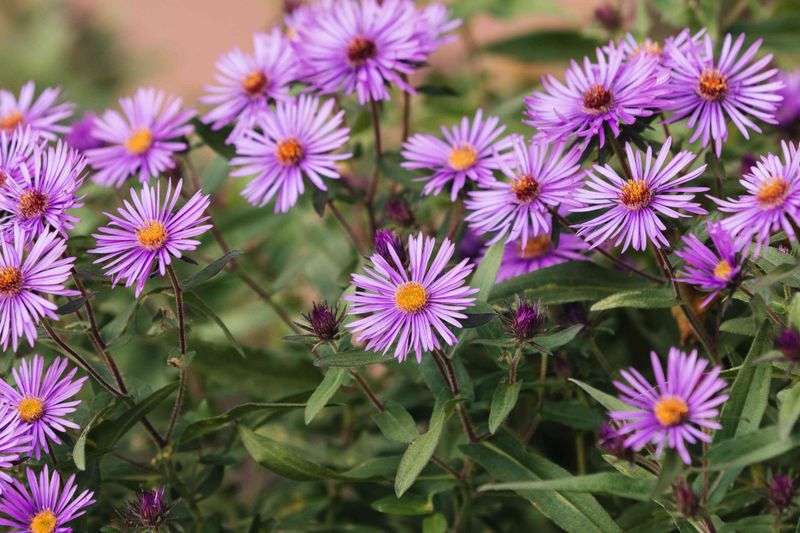
Pennsylvania weather can be a real rollercoaster. One week feels warm and sunny, and the next brings frost, wind, or heavy rain.
The New England aster takes all of that in stride. It stands tall through cold snaps and shrugs off the surprises that autumn loves to throw at gardeners.
Mums often struggle when the weather turns rough. A sudden freeze can end their blooms early, leaving you with a sad, brown pot on the porch.
Asters are built for endurance. Their sturdy stems and hardy roots let them keep going even when conditions get messy.
Dry spells do not scare them much either. Once the plant is settled, it handles short droughts far better than thirsty mums that wilt fast without water.
Heavy autumn rains that flatten weaker flowers usually leave asters standing proud. That toughness means less worry and cleanup for you.
This flower also grows across many parts of the state, from cool mountain towns to milder valleys. It adjusts to different spots without much complaint.
You do not need a green thumb to keep it happy. A little sunshine and average soil are enough for a strong, healthy plant.
For gardeners tired of babysitting delicate flowers, this reliability feels like a breath of fresh air. You can plant it and trust it to handle whatever fall brings.
When the first cold winds arrive, you will be glad you chose something so dependable. The aster keeps your garden looking lively while fussier plants give up the show.
5. Big Bright Blooms That Last For Weeks
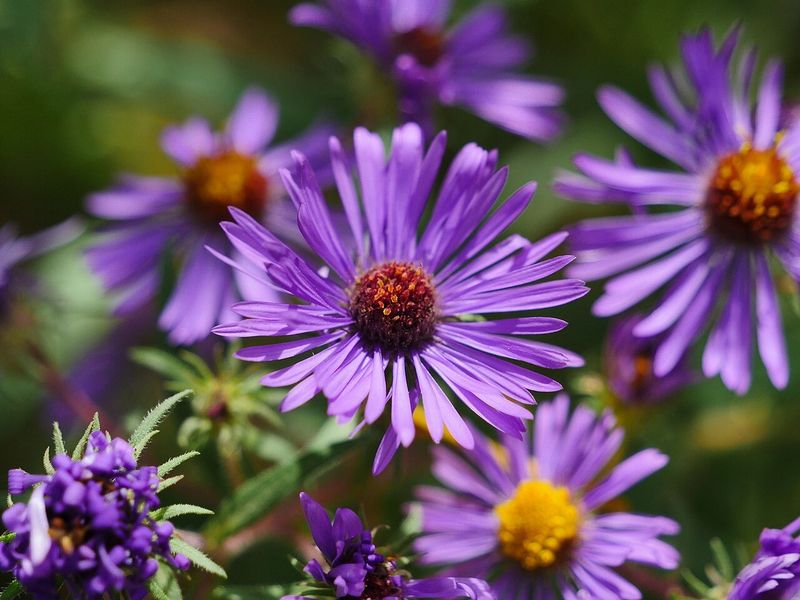
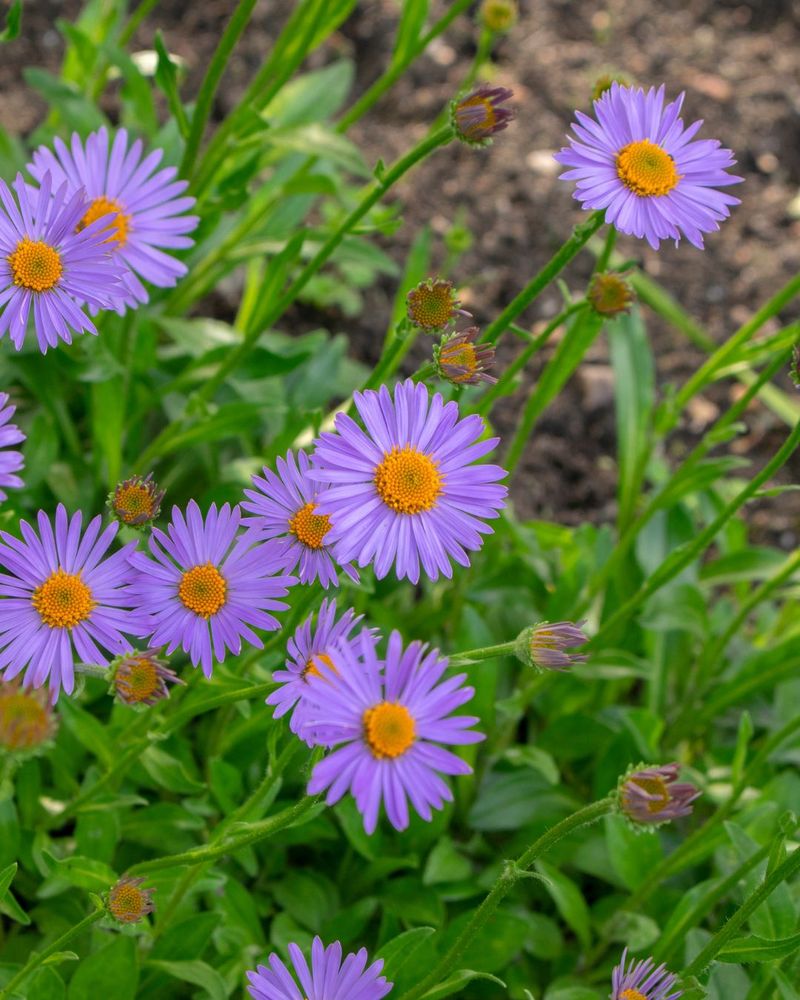
When these flowers open, they put on quite a display. A single plant can be covered with hundreds of tiny purple blossoms, each with a sunny yellow center.
The color is rich and eye-catching. Deep violet, lavender, and rosy pink shades brighten up any garden just as summer flowers start to fade.
Blooms hang around for weeks, giving you a long stretch of beauty. From late summer into the middle of fall, the color keeps rolling.
Mums bloom nicely too, but their flowers often fade faster once cold weather sets in. Asters tend to keep their show going longer.
The blossoms also mix wonderfully with other fall favorites. Pair them with golden goldenrod or orange pumpkins for a stunning seasonal scene.
Cut a few stems and bring them indoors for a cheerful bouquet. They last well in a vase and add a fresh touch to your kitchen table.
Because the plant grows bushy and full, it fills empty spaces beautifully. One aster can make a whole corner of the garden feel alive.
Bright blooms also draw the eye of anyone passing by. Your yard becomes a little burst of color that neighbors will admire.
To get the fullest show, pinch back the stems in early summer. That simple trick encourages more branches and even more flowers later on.
For pure visual punch during the fall season, few plants compete. The aster’s generous, long-lasting blooms give you plenty of reasons to smile every time you step outside.
6. Easy On Your Wallet Over Time
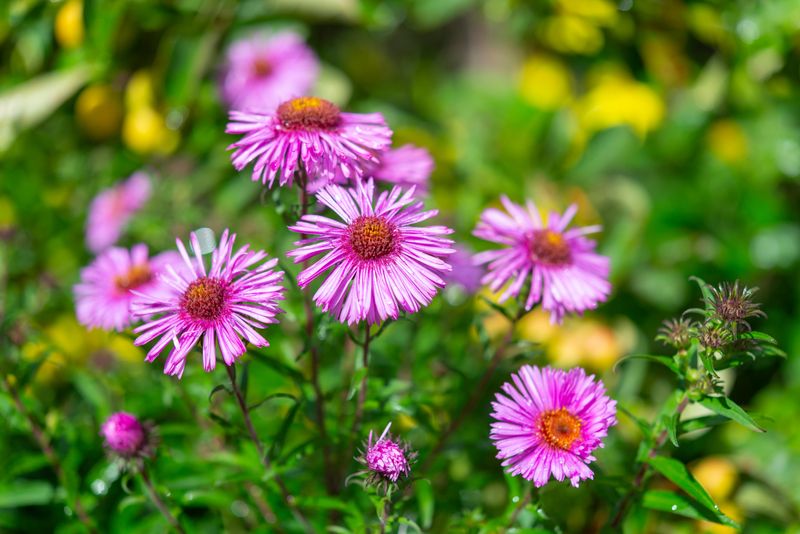
Money matters, and gardening costs can add up quickly. Buying new mums every autumn puts a steady dent in your budget.
The New England aster flips that math in your favor. You pay once and enjoy the plant for many years without buying replacements.
Think about it this way. A single aster spreads out and grows bigger as seasons pass, giving you more flowers for the same first cost.
After a couple of years, you can dig up the plant and split it into several pieces. Each new section grows into a full plant of its own.
That means free flowers for other parts of your yard. You can also hand extras to friends, family, or fellow gardeners.
Compare that to mums, which usually need to be repurchased season after season. Those small pots add up to real money over time.
Asters also skip many extra costs. They rarely need special sprays or fancy fertilizers to stay healthy and full.
Water bills stay lower too, since established plants handle dry spells well. Less watering means more savings for you.
Starting a garden on a budget feels much easier when your main flower keeps multiplying for free. It is like planting a gift that keeps giving back.
Over five or ten years, the savings really stack up. What begins as one modest plant turns into a thriving patch worth far more than you paid.
For thrifty Pennsylvania gardeners, the long-term value of this aster is simply hard to beat. Smart spending and a beautiful yard can go hand in hand.
7. Low Maintenance For Busy Gardeners
Not everyone has hours to spend fussing over flowers. Good news, because the New England aster asks for very little of your time.
Once it settles into a sunny spot, the plant mostly takes care of itself. You can relax and simply enjoy the view.
Watering needs stay light after the first season. Natural rainfall usually covers most of what the plant requires.
Pests tend to leave it alone, so you rarely reach for sprays. Its natural toughness keeps common bugs and problems at bay.
Mums often need more attention to look their best. They dry out fast in pots and demand frequent watering to avoid drooping.
With an aster, a little pinching in early summer is about the only chore. That quick step makes the plant grow fuller and bloom more.
At the end of the season, you can trim the old stems or leave them for winter birds. Either choice works just fine.
This flower forgives beginners who are still learning the ropes. Even if you forget it for a while, it usually keeps growing strong.
For families juggling work, school, and weekend plans, that easygoing habit is a real gift. Your garden stays lovely without eating up your free time.
Planting one is a smart move if you want beauty without a long to-do list. The aster proves that a stunning fall garden does not have to mean constant labor.
Sit back, sip your coffee, and watch the purple blooms sway. Sometimes the best plants are the ones that let you simply enjoy them.