Why American Goldfinches Are More Active In Georgia Yards This August
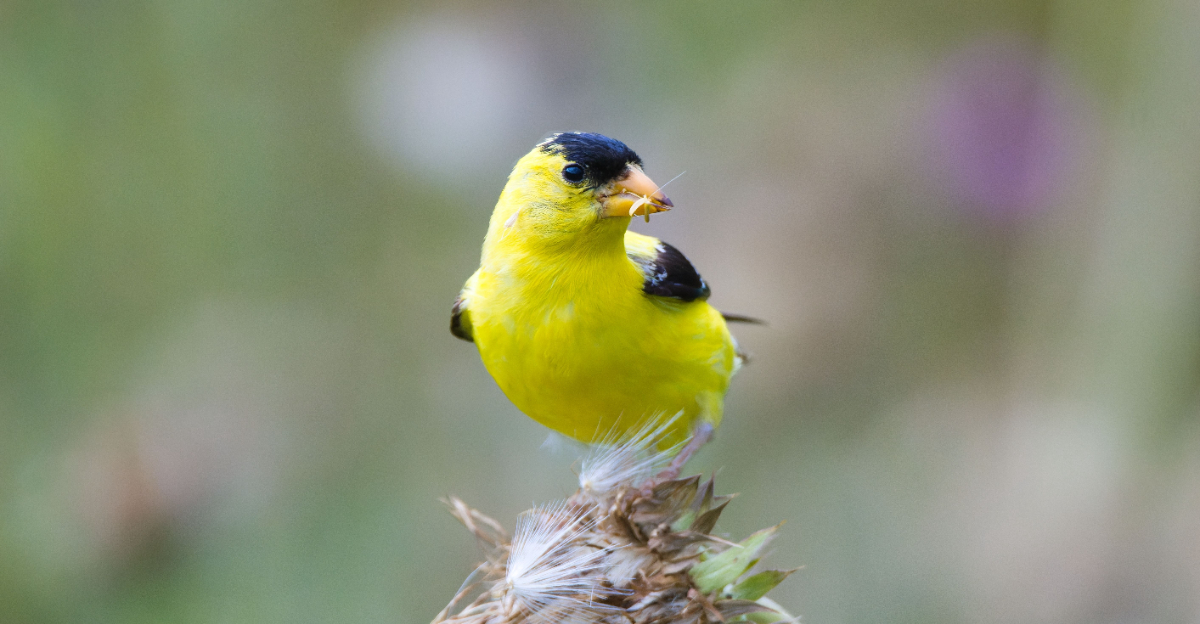
Bright yellow birds seem to appear everywhere once August arrives. One day your yard feels quiet, and the next it is full of quick flashes of color.
Many people think more goldfinches suddenly move into the area. Their behavior simply becomes much easier to notice this time of year.
They follow a seasonal rhythm that surprises plenty of backyard bird lovers. Their busiest weeks do not always match the patterns of other familiar birds.
In Georgia, August brings changes that naturally draw them into more yards. Feeders and late-season plants suddenly become much harder for them to ignore.
Keep your eyes open during your next walk outside. You may notice activity that never caught your attention before.
There is a simple reason these colorful visitors become much easier to spot now.
Once you know what is happening, those daily visits make a lot more sense.
1. Ripening Seedheads Bring Them Back More Often
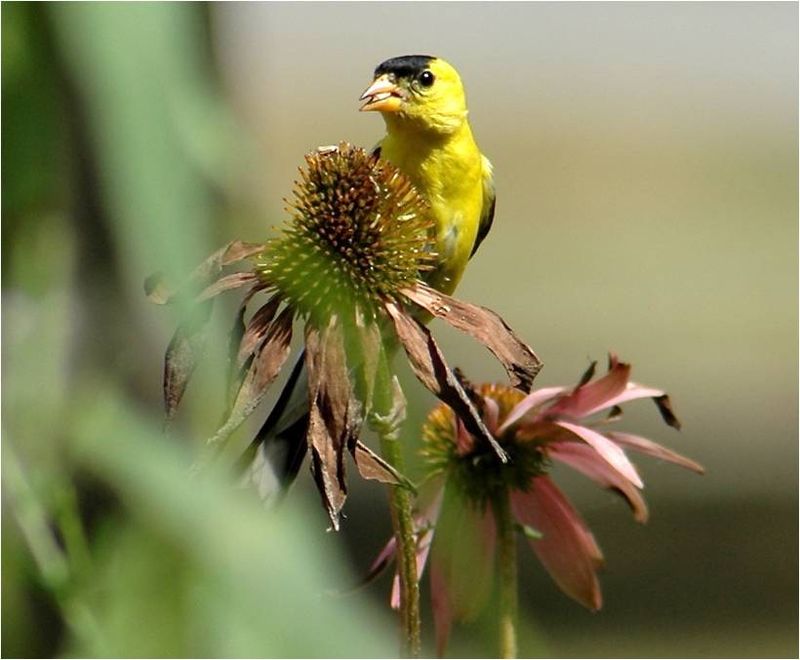
Seedheads are basically a goldfinch buffet, and August is peak season for them. Plants like coneflowers, black-eyed Susans, and sunflowers finish blooming and shift their energy into producing seeds.
Goldfinches notice this fast.
Unlike many birds that eat insects or berries, goldfinches are strict seed eaters. Ripening seedheads in late summer give them exactly what their bodies need.
A yard full of native flowering plants becomes a reliable food source almost overnight.
Leaving spent flower stalks standing instead of cutting them down makes a real difference. Goldfinches will land directly on the seedheads and pick them clean.
It takes almost no effort on your part, but the payoff in bird activity is noticeable.
Zinnias, cosmos, and thistles are also strong attractors once they go to seed. Planting a mix of these in a sunny patch can keep goldfinches returning throughout August and into September.
A diverse garden beats a single plant type every time.
Timing matters too. Goldfinches tend to feed on seedheads in the morning and late afternoon when temperatures cool slightly.
Watching from a window during those hours gives you the best chance of spotting them working through your garden beds.
2. Young Birds Are Joining Adult Flocks
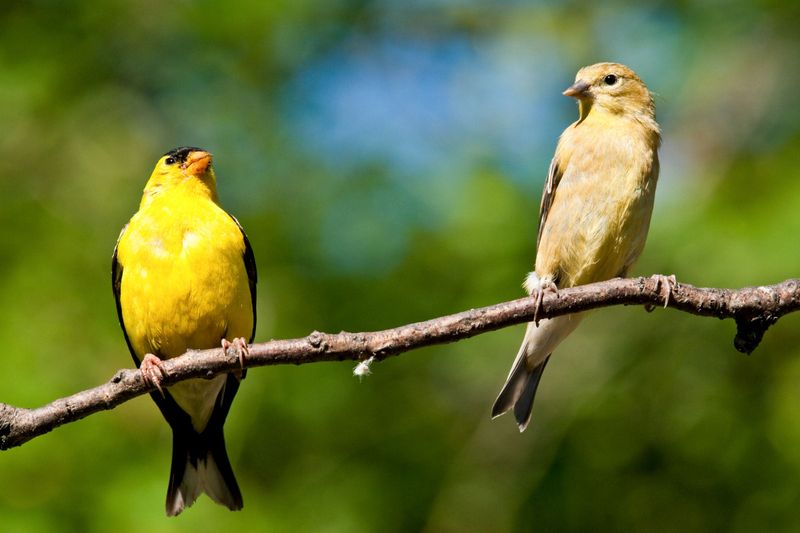
Goldfinch families grow fast in summer. By August, young birds hatched earlier in the season are fully feathered and flying with adult groups.
That means more birds showing up at once.
Juvenile goldfinches look slightly different from adults. Their yellow is softer, leaning toward olive-green, and their wing markings are not as crisp.
Once you know what to look for, spotting them in a mixed flock becomes easy and satisfying.
Adult goldfinches breed later than most backyard birds. They often wait until mid-summer when thistle and other native plants produce enough seed to feed their young.
August is when those fledglings start exploring beyond the nest area.
Young birds are bold and curious. They follow experienced adults to food sources, which is why a feeder that attracted a few goldfinches in July might suddenly see double the visits in August.
The fledglings are learning the neighborhood.
Your Georgia Garden Changes Every Week. Your Plan Should Too.
Gardening in Georgia changes quickly throughout the season. Every Friday you’ll receive a simple weekly plan showing exactly what to plant, prune, fertilize, harvest, and protect so you never miss the right timing.
Keeping feeders clean and stocked during this period helps establish your yard as a dependable stop. Fresh nyjer seed in a tube feeder draws both adults and juveniles reliably.
Once the young birds learn your yard, they tend to return on their own in future seasons.
3. Feeders Filled With Sunflower Seeds Get More Visits
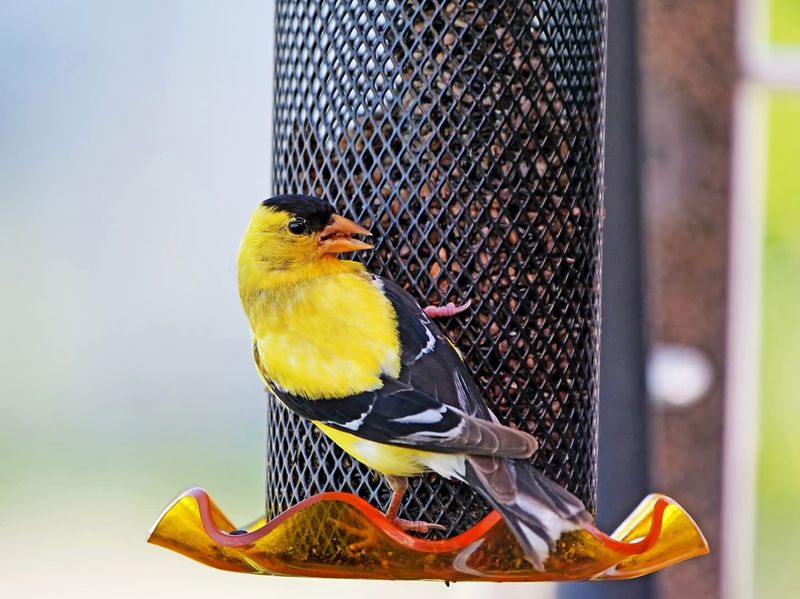
Black oil sunflower seeds are one of the most effective ways to bring goldfinches in close. The thin shells are easy for their small beaks to crack, and the seeds are packed with fat and protein that birds need heading into fall.
Nyjer seed gets most of the attention for goldfinches, but sunflower seeds pull strong numbers too. Tube feeders with small perches work best since they favor smaller birds and make it harder for larger species to dominate the feeder.
Feeder placement matters more than most people realize. Hanging a feeder near shrubs or small trees gives goldfinches a quick escape route if they feel threatened.
Birds are more comfortable feeding when cover is nearby.
Cleanliness is not optional. Wet or moldy seed can make birds sick, so checking feeders after rain and replacing damp seed quickly is worth the effort.
A clean feeder also signals to passing birds that the food is fresh and worth stopping for.
August heat in the South can speed up seed spoilage. Filling feeders with smaller amounts more frequently keeps seed fresh.
A shaded feeder location also helps slow down that process during the hottest parts of the day.
4. Birdbaths Become Busier During Hot Weather
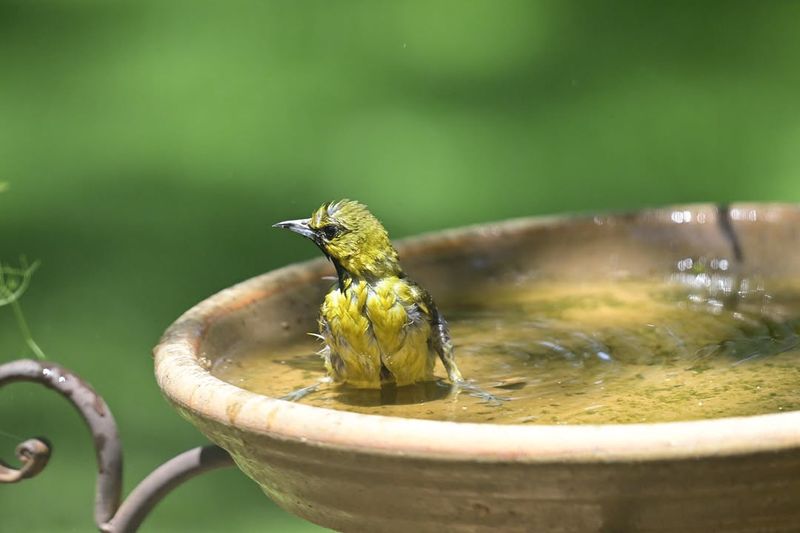
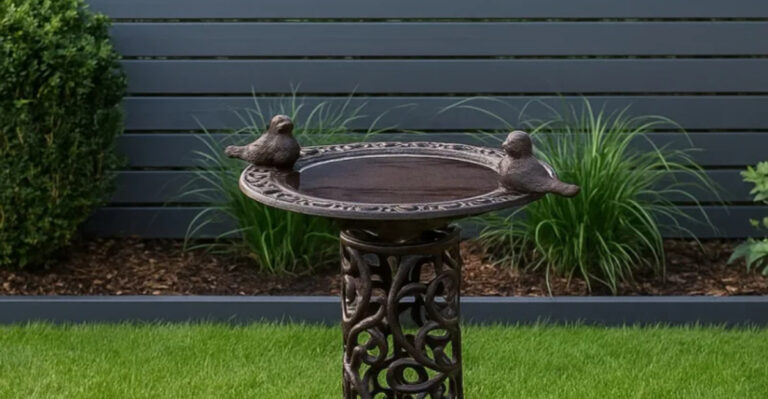
Water draws birds in ways that food alone cannot match. During August heat, goldfinches need to drink and bathe regularly to stay cool and maintain their feathers.
A well-placed birdbath can bring more action to a yard than almost any feeder.
Shallow water works best for goldfinches. They prefer depths of about one to two inches, which lets them wade in and splash without any risk of going under.
A deeper bath with a rock or two added works fine as well.
Moving water is even better. A small solar-powered dripper or wiggler attachment creates ripples and sound that attract birds from a distance.
Goldfinches seem particularly drawn to the sound of dripping water on warm afternoons.
Changing the water every day or two prevents mosquito breeding and keeps the bath clean. Algae builds up quickly in warm weather, so a light scrub with a brush every few days keeps conditions fresh.
Birds notice the difference between clean and stagnant water quickly.
Positioning the birdbath in a partially shaded spot helps keep the water cooler and reduces evaporation. Placing it within sight of a window gives you a great view without disturbing the birds.
August is genuinely one of the best months to watch goldfinch bathing behavior up close.
5. Safe Shrubs Give Them A Place To Rest
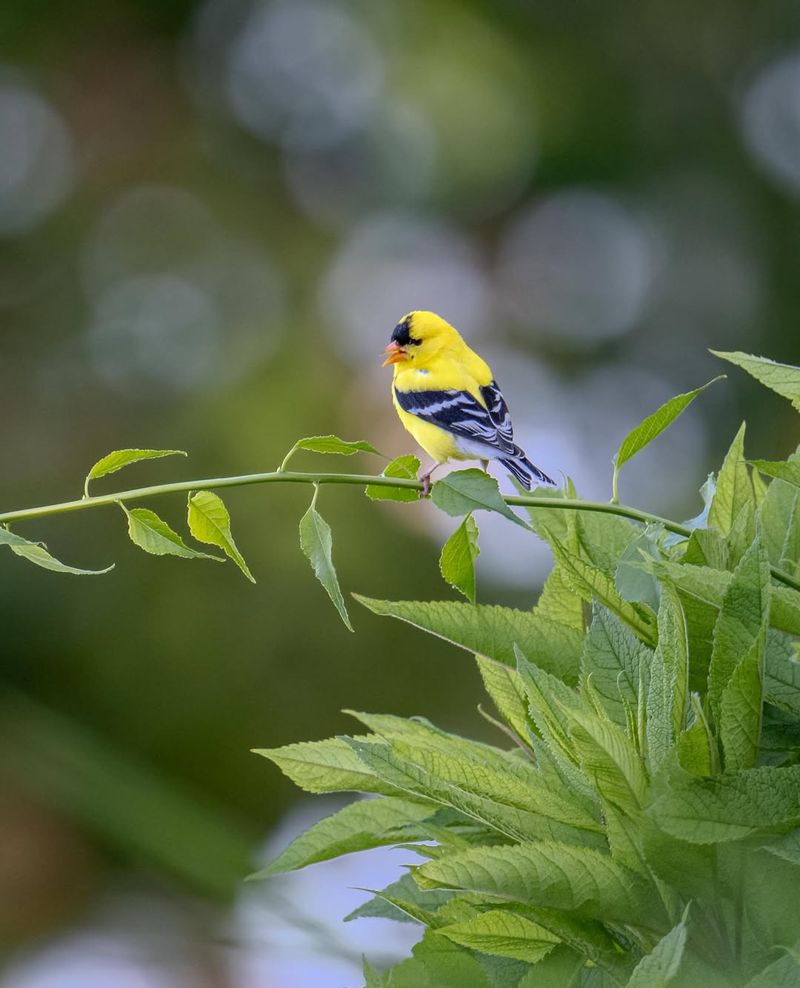
Goldfinches do not spend all their time at feeders. Between feeding visits, they need spots to perch, preen, and watch for predators.
Dense shrubs offer exactly that kind of cover, and yards with good shrub structure tend to hold birds longer.
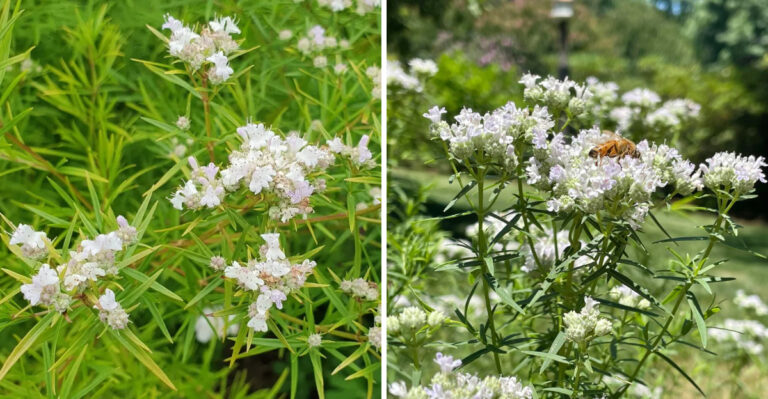
Native shrubs work especially well. Plants like beautyberry, buttonbush, and native viburnums offer both shelter and occasional food sources.
Goldfinches are not heavy berry eaters, but they use these plants for perching and resting throughout the day.
Shrubs near a feeder or birdbath act as staging areas. Birds land in the shrub first, check the surroundings, and then move to the food or water source.
Removing all shrubs from a yard can actually reduce feeder visits because birds feel exposed.
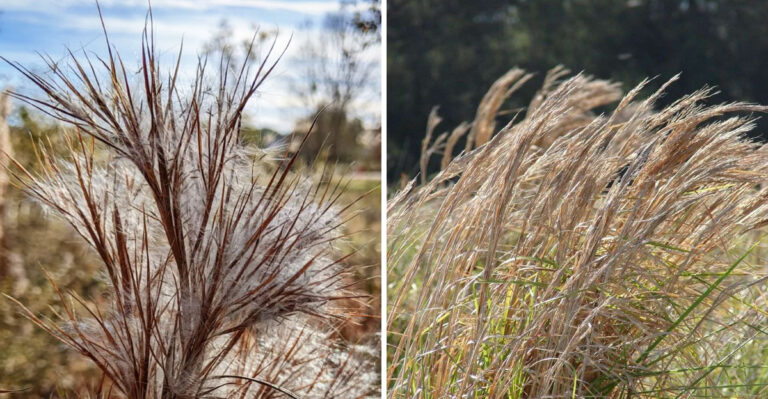
Taller ornamental grasses also serve a similar purpose. Goldfinches will perch on grass seed stalks and use thick grass clumps for brief shelter between feeding bouts.
Mixing shrubs with grasses creates a layered habitat that supports more bird activity overall.
Keeping at least one or two dense shrubs within about ten feet of your main feeder setup is a practical move. You do not need a large garden to make this work.
Even a single well-placed shrub can increase the time goldfinches spend in your yard noticeably.
6. Open Areas Make Feeding Easier
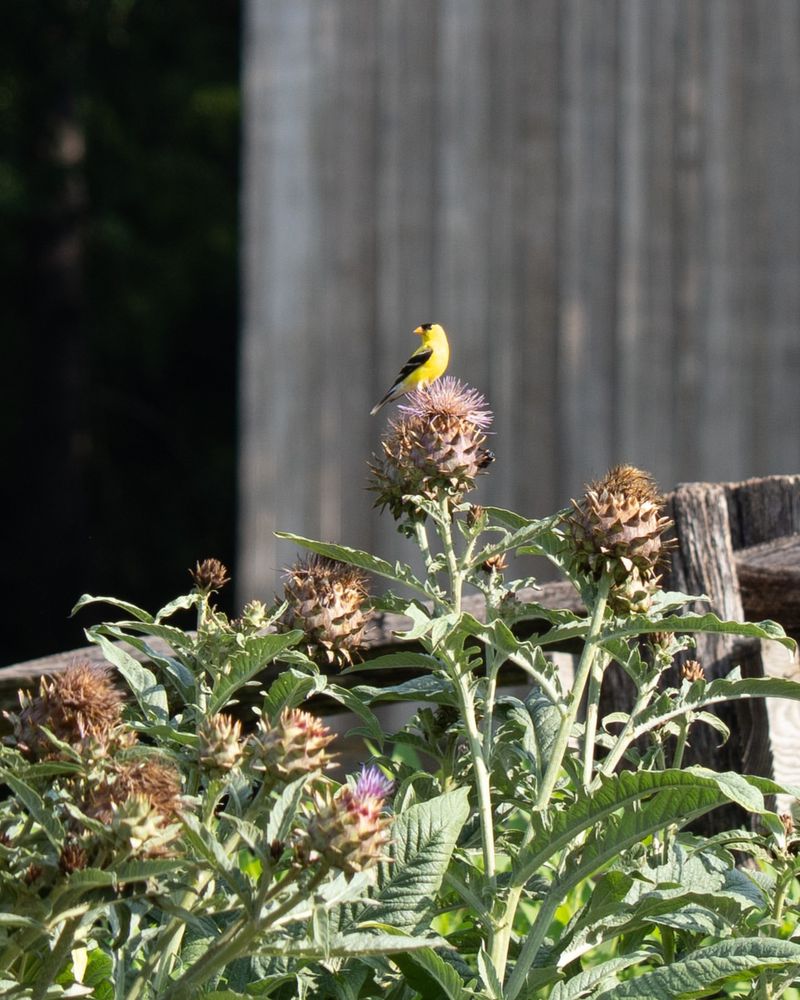
Goldfinches prefer feeding in open spaces where they can spot threats easily. A yard with some open lawn or a clear patch near a garden bed gives them the visibility they need to feel safe while foraging.
Overgrown yards with dense ground cover can actually discourage goldfinches from landing. They like to see what is around them.
A mix of open ground and nearby perching spots is the sweet spot for attracting these birds consistently.
Letting a small section of lawn grow slightly longer or planting low wildflowers in an open patch creates natural foraging habitat. Goldfinches will pick seeds directly from the ground or from low-growing plants when conditions suit them.
Avoid placing feeders in spots that are heavily shaded or surrounded by tall vegetation on all sides. A feeder in a semi-open location with clear sightlines gets more visits than one tucked into a corner.
Goldfinches are cautious birds by nature.
Yards in Georgia that back up to open fields or meadow edges often see higher goldfinch activity in August. The birds move between natural foraging areas and residential yards fluidly.
7. Small Flocks Gather Before Fall Migration
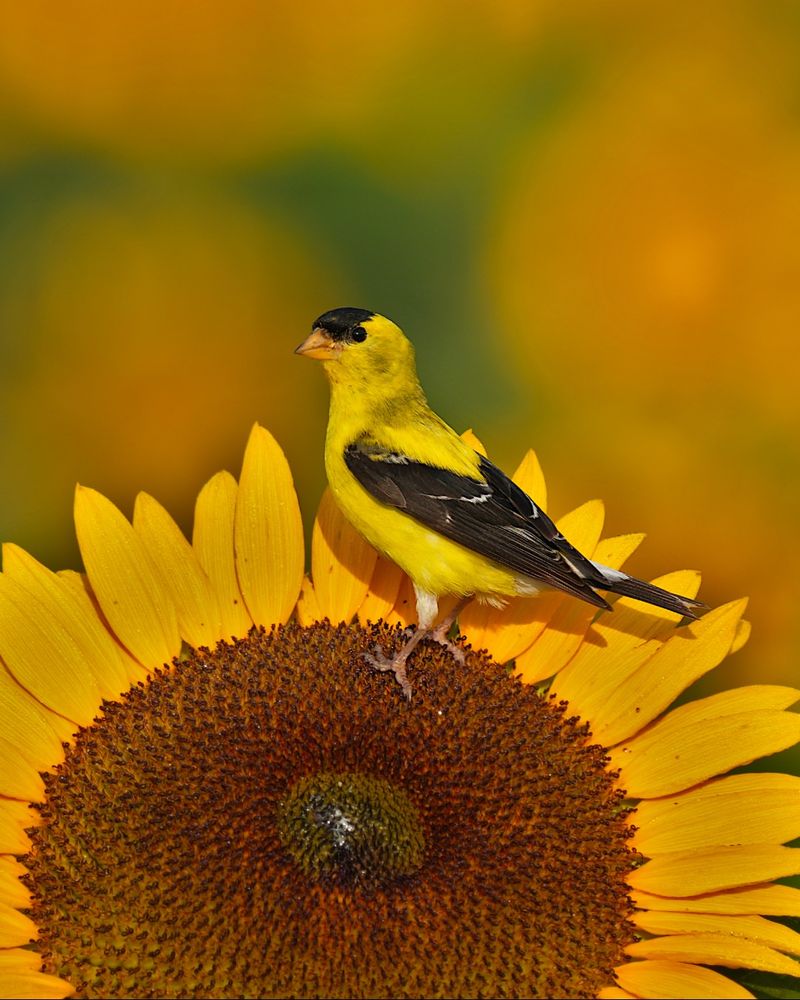
August marks the beginning of a social shift for goldfinches. Breeding season winds down, and birds start gathering in loose flocks.
You might spot groups of five to fifteen birds moving through yards together rather than the solo or paired visits common in early summer.
Flocking behavior is a natural response to the coming season. Birds that travel together have better odds of finding food and spotting predators.
Joining a flock also helps younger birds learn migration routes and reliable food locations from more experienced adults.
Not all goldfinches in Georgia head far south for winter. Some stay in the region year-round, while others push further down.
August flocking is the early stage of that sorting process, and it creates noticeable spikes in backyard bird activity.
Watching flock behavior closely reveals a clear social order. Dominant birds take the best feeder perches, while younger or lower-ranked birds wait or feed at secondary spots.
Offering multiple feeders spread a few feet apart reduces competition and keeps more birds feeding at once.
Late August is a genuinely exciting time to watch goldfinches. Flock sizes shift from day to day as birds join or pass through.