Georgia Canna Lilies Hit By The First Frost May Not Be Lost After All
Frost can turn a beautiful stand of canna lilies into a patch of blackened, drooping leaves almost overnight, leaving gardeners wondering what survived.
The damage looks dramatic, but the foliage is not the whole plant. Cannas grow from underground rhizomes that may remain alive after the leaves freeze.
What happens below the soil matters more than how the stems look afterward.
Before digging everything up, consider how cold your winters get and whether the planting area drains well. Georgia’s milder regions offer different overwintering conditions than colder northern areas.
Leave the rhizomes undisturbed until you understand which winter protection your location requires.
Some established cannas can survive underground with suitable protection, while others may need lifting and storage. One frosty morning does not necessarily mean your plants are finished.
1. Blackened Leaves Do Not Always Mean The Rhizomes Are Lost
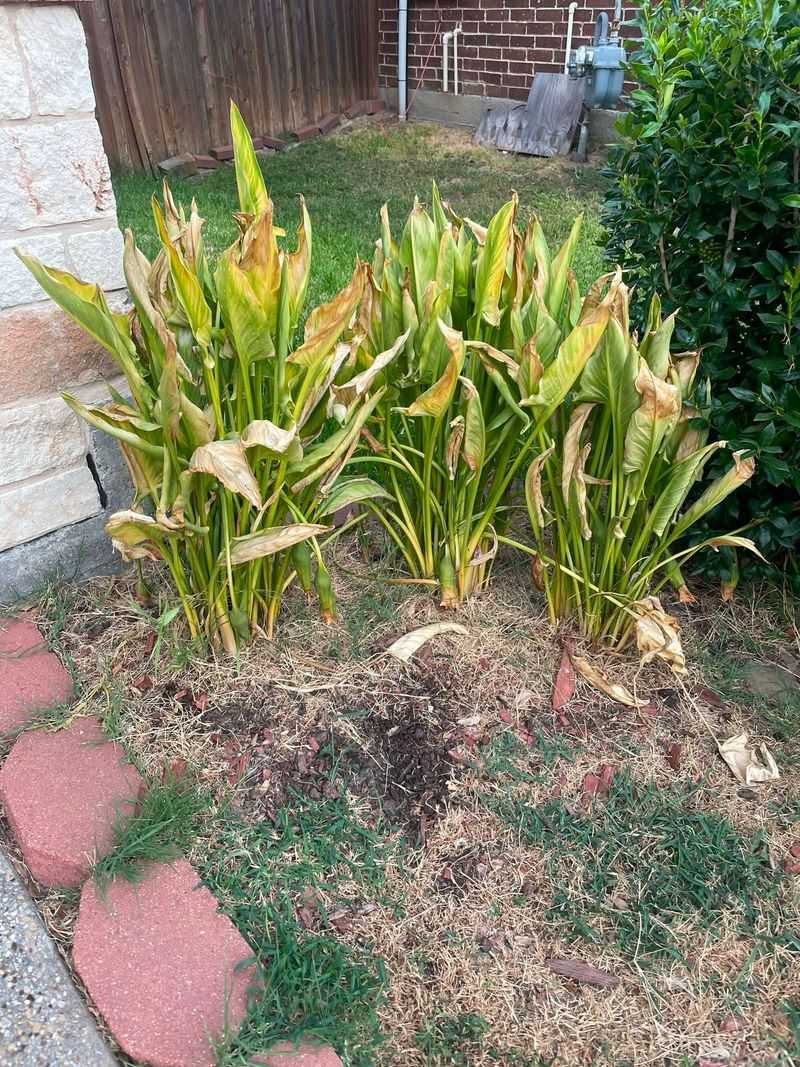
Ugly leaves can fool you. After a frosty night, canna foliage often turns black, mushy, and droopy in a way that looks pretty hopeless.
What you are seeing is mostly damage to soft leaf tissue, which is full of water and easily injured by freezing temperatures.
Below the soil line, things can be very different. Rhizomes sit insulated by the ground, and a light frost usually does not reach far enough down to harm them.
A quick check can ease your mind if you are worried.
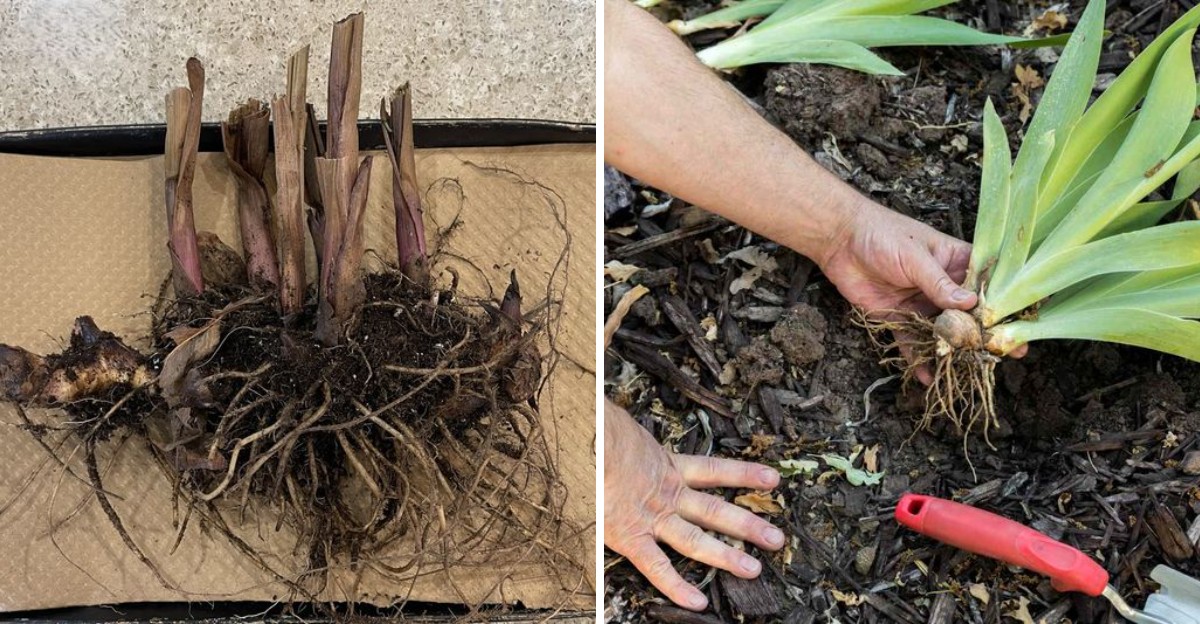
Gently brush away some soil near the base and look at a rhizome. A healthy one tends to feel firm and solid, much like a fresh piece of ginger root.
Soft, mushy, or foul-smelling sections are a different story, and those parts are likely rotting rather than resting.
Rot is more often tied to soggy soil than to frost alone. Heavy Georgia clay that stays wet through winter can cause more trouble than one cold night ever does.
So try not to judge the plant by its leaves alone.
Give the bed a closer look, think about how well it drains, and hold off on pulling anything up until you know what is really going on underground.
2. Cold Weather Causes Canna Foliage To Wither And Turn Brown
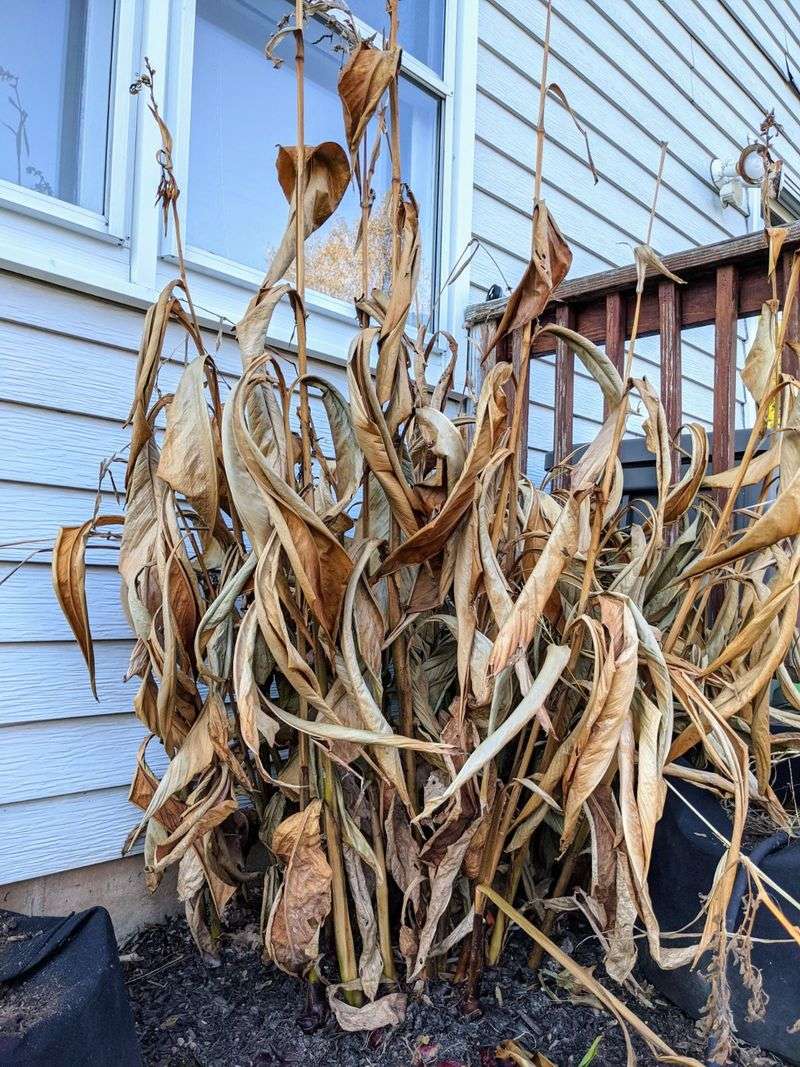
Cold weather tells cannas it is time to rest. Like many plants from warm regions, they slow down and let their tops fade once days shorten and temperatures drop.
Frost simply speeds up a process that was already on its way.
Even before that first cold snap, you may notice fewer blooms and slower growth in fall. That gradual shift is normal and does not point to a problem with your care.
Once the foliage collapses, most gardeners cut the stems down to a few inches above the soil.
Cleaning up the old leaves helps keep the bed tidy. It can also reduce spots where pests like canna leaf rollers might spend the winter, which is a common nuisance in Georgia gardens.
Timing the cleanup is fairly flexible.
Some people trim right after frost, while others wait a week or two until the stems are fully brown. Either approach generally works, so pick what fits your schedule.
Your Georgia Garden Changes Every Week. Your Plan Should Too.
Gardening in Georgia changes quickly throughout the season. Every Friday you’ll receive a simple weekly plan showing exactly what to plant, prune, fertilize, harvest, and protect so you never miss the right timing.
Toss the trimmings in the trash if you saw leaf roller damage or signs of disease during summer.
Healthy foliage can go into the compost pile without much worry, and it will break down over the winter months.
3. The Underground Rhizomes Can Survive After The Tops Are Damaged
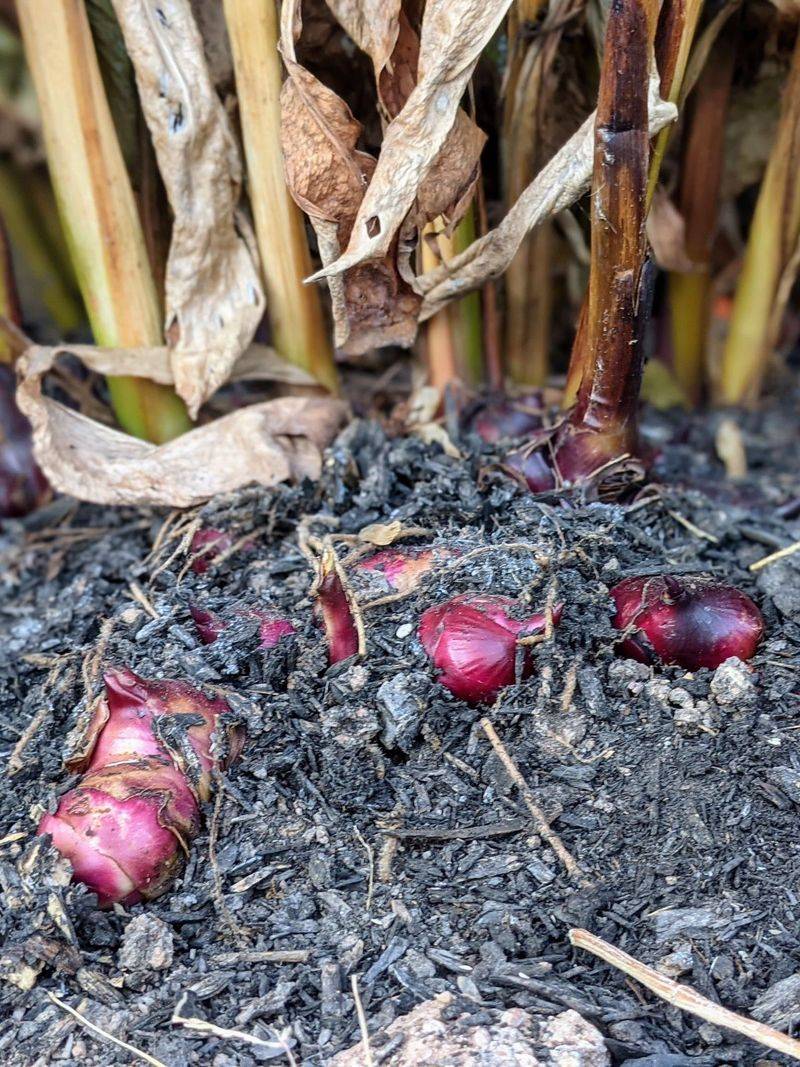
Think of the rhizome as the plant’s pantry. It stores energy built up during the growing season, and that stored food is what fuels next year’s leaves and flowers.
Because the rhizome lives underground, soil acts as a natural blanket against cold air.
Across much of the Southeast, cannas are considered hardy in roughly USDA zones 7 or 8 and warmer. Most of Georgia falls in zones 7 and 8, though cultivars and local winters vary.
Soil conditions matter just as much as temperature.
Rhizomes in well-drained soil tend to come through winter in better shape. In a spot where water pools after rain, cold and wetness together can lead to rot, even when the air never gets extremely cold.
Planting depth also plays a role, since rhizomes set only a few inches deep sit closer to freezing ground.
Older, well-established clumps often handle winter better than ones planted late in the season. Larger clumps simply have more stored energy and more rhizomes to spare if a few get damaged.
None of this promises a perfect return every year.
Still, a damaged top usually leaves the underground part with a fair chance, especially when drainage is good and the winter stays fairly mild.
4. A Thick Layer Of Mulch Helps Insulate Rhizomes From Winter Cold
Mulch works like a cozy quilt for your canna bed. Once the stems are trimmed, spreading a generous layer over the area helps soften sudden temperature swings in the soil.
Pine straw is a popular and easy choice for Georgia gardeners, and shredded leaves or pine bark work too.
Many growers suggest a layer several inches deep. Exact depth can vary based on how cold your area gets, so lean a little thicker if you live where winters run harsher.
Loose materials are better than heavy, matted ones.
Thick wet leaves can pack down and hold too much moisture against the soil. Chopping them first, or mixing them with pine straw, keeps air moving and helps reduce the risk of rot.
Spread mulch after the ground has cooled but before the deepest cold arrives.
Come spring, pull the mulch back gradually as the weather warms. Doing so lets sunlight reach the soil so it can heat up and wake the rhizomes.
Keep in mind that mulch only helps so much.
In poorly drained beds, it may not prevent winter losses, and during an unusually severe cold spell some rhizomes may still be harmed despite good coverage.
5. Cannas In Colder Parts Of Georgia May Need To Be Dug Up
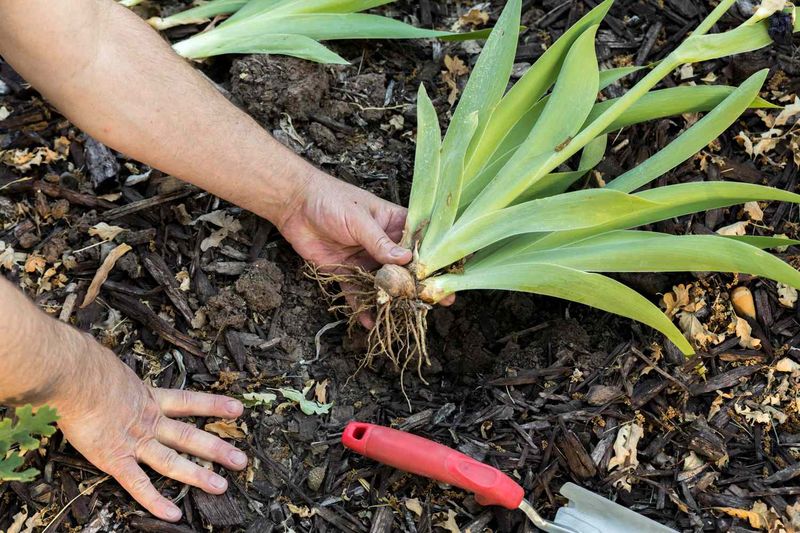
Mountain winters play by different rules. Up in the north Georgia mountains, cold nights come earlier and the ground can freeze deeper than it does in Macon or Savannah.
Gardeners in those higher areas often choose to lift their cannas rather than risk leaving them outside.
Digging is simple once the foliage has been blackened by frost. Use a garden fork rather than a shovel, since a fork is less likely to slice through the rhizomes.
Start several inches away from the clump and work your way in slowly.
Lift the whole mass and shake off loose soil. Let the rhizomes sit somewhere dry and protected for a few days so the surface can dry before storage.
Not every gardener in a cooler spot needs to dig.
Plants against a warm south-facing wall or in a sheltered, well-drained bed sometimes make it through. Your own experience from past winters is often the best guide here.
If you are unsure, try a split approach that hedges your bets.
Leave part of the clump in the ground under mulch and lift the rest, so you still have backup rhizomes if winter turns out rough.
6. Stored Rhizomes Need A Cool Frost Free Location
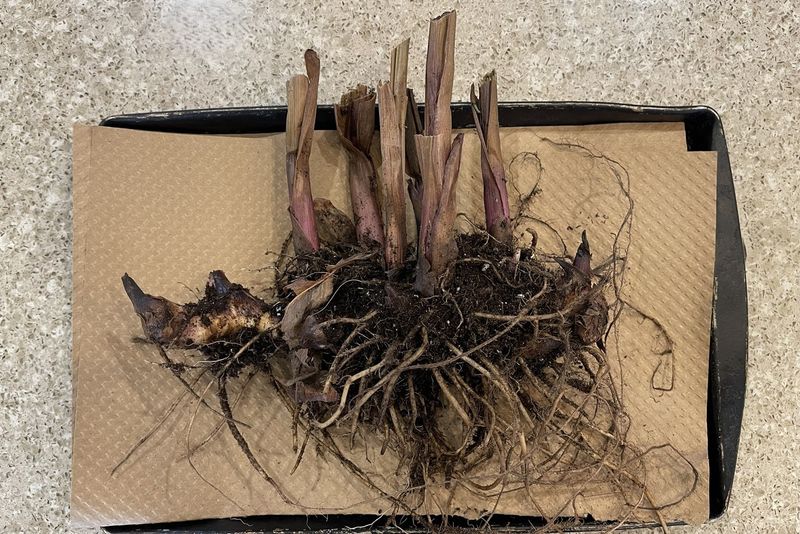
A forgotten box in the garage can turn into a spring surprise, good or bad. Where you store dug rhizomes makes a big difference in how they look come planting time.
Aim for a spot that stays cool but does not freeze, such as an unheated basement, crawl space, or insulated garage.
Warmth is a problem too. A spot that runs too warm can cause rhizomes to sprout early or shrivel as they lose moisture over the winter.
Packing material helps hold steady moisture.
Gardeners often use peat moss, vermiculite, dry sawdust, or slightly damp sand in a cardboard box or crate. Avoid sealed plastic bags, because trapped moisture can encourage mold and rot.
Check on your stash about once a month during the cold season.
Remove any piece that feels soft or smells bad so the problem does not spread. If rhizomes look wrinkled and dry, a light mist of water on the packing material can help.
Labeling boxes by color or variety saves guesswork later.
Plenty of Georgia gardeners grow several canna types, and a simple tag makes spring planting much easier to plan.
7. Healthy Rhizomes Can Send Up Fresh Growth Again In Spring
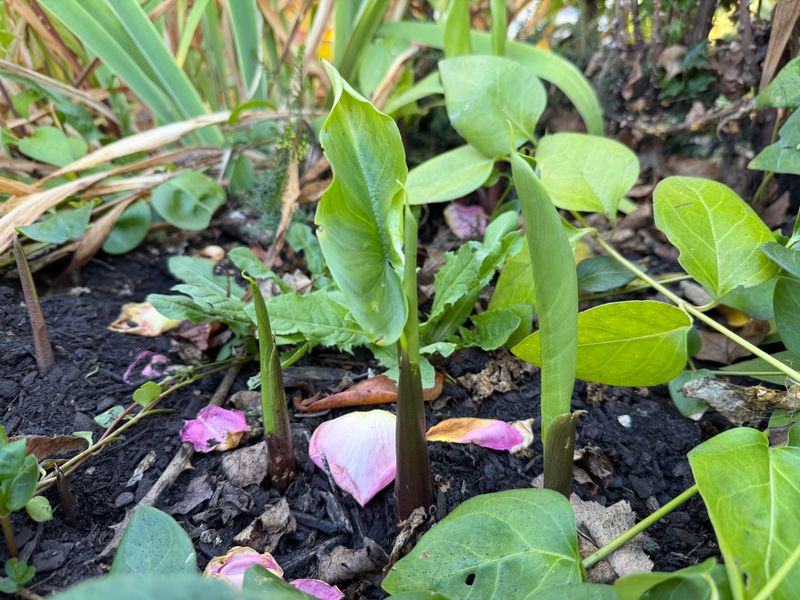
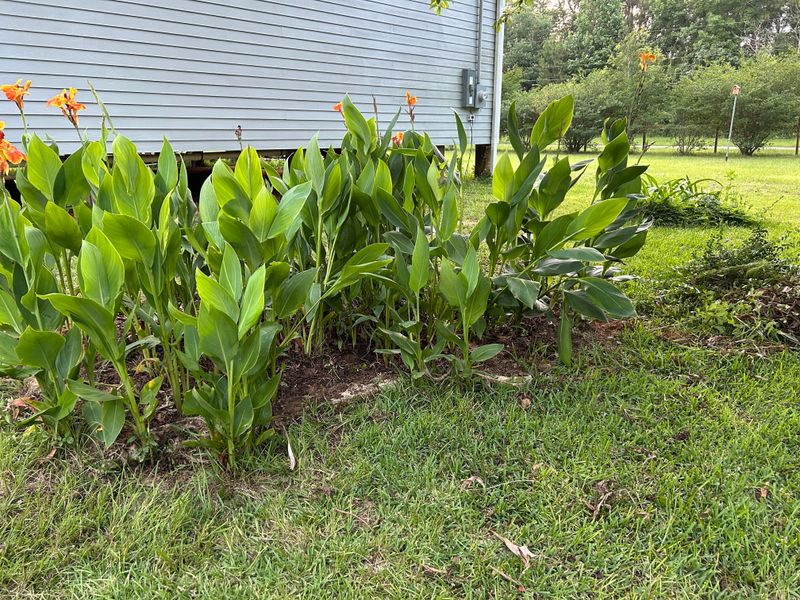
Patience pays off with cannas. After a long winter of bare soil, those first pointed green shoots poking through the mulch can feel like a small reward.
Sprouting often waits until the soil has truly warmed, so do not panic if neighbors’ plants show up first.
Across Georgia, emergence timing can vary by several weeks depending on location and how cold the season was. Southern counties typically see growth earlier than the mountains.
Stored rhizomes go back in the ground after your area’s last expected frost date.
Plant them a few inches deep in a sunny spot with decent drainage. Your local Extension office can share average frost dates for your county if you need a starting point.
Spring is also a great time to divide crowded clumps.
Cut rhizomes into sections that each have at least one healthy growing point, often called an eye. Each piece can become its own plant, which is a nice way to fill new beds.
Some clumps may come back thinner than before, and a few may not return at all.
Losses like that are normal, and the survivors usually fill in nicely as summer heat builds and growth speeds up.