The Illinois Rose Task That Ensures A Second Bloom Flush This Fall
Your rose bushes gave you a spectacular show all summer, and now they’re sitting there looking a little worn out. Don’t count them out yet, because Illinois gardens have time for one more encore before the cold moves in.
There’s a small window right now where your roses are ready to listen. Miss it, and you’re stuck admiring bare stems until next year.
One quick task in the garden this week can flip the switch on a fresh round of color. Grab your gloves and head outside, because this one small move pays off big. Your roses are closer to a second act than you think.
Removing Spent Blooms To Encourage Regrowth
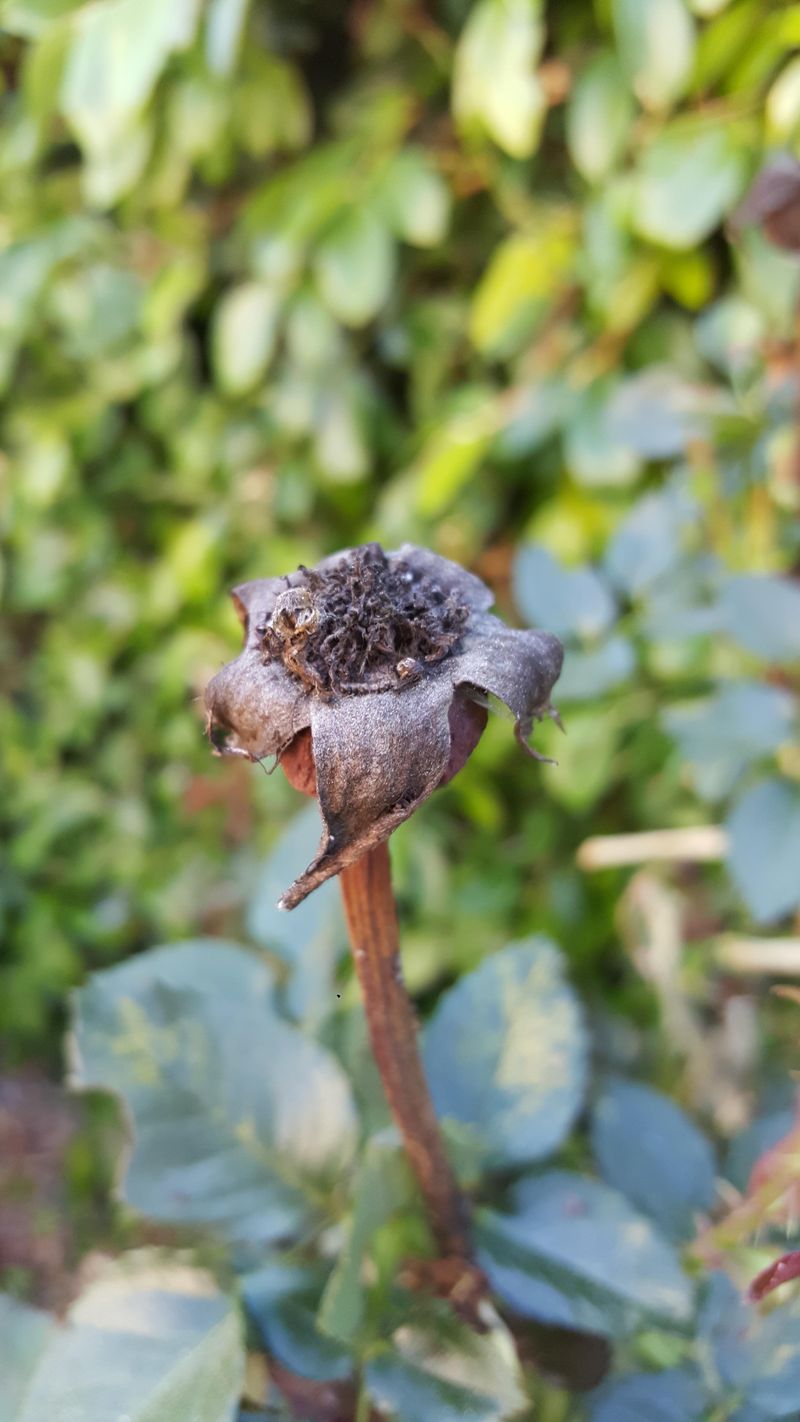
Spent blooms are basically stop signs for your rose bush. When a flower fades and stays on the plant, the rose thinks its job is done for the season.
Removing those spent flowers sends a clear signal to the plant. It says, grow more blooms, not seeds.
It’s a simple habit, but it works like a charm on repeat-blooming roses. Gardeners across Illinois swear by it every single summer.
The trick is cutting at the right spot on the stem. You want to snip just above a set of five leaflets, not just below the spent flower.
That five-leaflet junction is where new growth has the best chance of sprouting quickly. Cut too high and you slow the whole process down.
When you remove spent blooms consistently, the plant redirects its energy. Instead of forming rose hips, it pushes out fresh buds and new stems.
Think of it like clearing clutter off a desk so you can actually get work done. The rose focuses on flowering instead of seed production.
For Illinois gardeners, timing this task right before late summer is especially important. The second bloom flush this fall depends on acting before August slips away.
Even removing just a few faded flowers makes a noticeable difference within weeks. Your rose bush will reward the effort with a fresh burst of color.
This Simple Habit Boosts Fall Flowering

Roses are goal-oriented plants, believe it or not. Their whole biological mission is to produce seeds and pass along their genes.
When a bloom fades and forms a rose hip, the plant considers that goal complete. It stops pushing out new flowers and shifts focus to that seed pod.
Removing spent blooms interrupts that cycle in the best possible way. You remove the fading flower before the hip can form, and the rose starts over.
The plant responds by producing new lateral shoots along the stem. Those shoots carry the next round of buds that become your fall blooms.
In Illinois, summers are hot and humid, which can actually stress rose bushes. That stress sometimes slows flowering right when you want more color.
Removing spent blooms relieves some of that pressure by streamlining the plant’s energy use. Less energy goes to hips, more goes to fresh growth.
Research from university extension programs confirms that this practice increases bloom frequency. Roses that are trimmed regularly can produce up to three times more flowers.
Your Illinois Garden Changes Every Week. Your Plan Should Too.
Gardening in Illinois changes quickly throughout the season. Every Friday you’ll receive a simple weekly plan showing exactly what to plant, prune, fertilize, harvest, and protect so you never miss the right timing.
That is a big deal for anyone who wants a colorful yard well into October. Illinois falls can be gorgeous, and roses add serious drama to that season.
The second bloom flush this fall is not a lucky accident. It is the direct result of this one consistent, simple task done at the right time.
Best Timing For This Rose Task
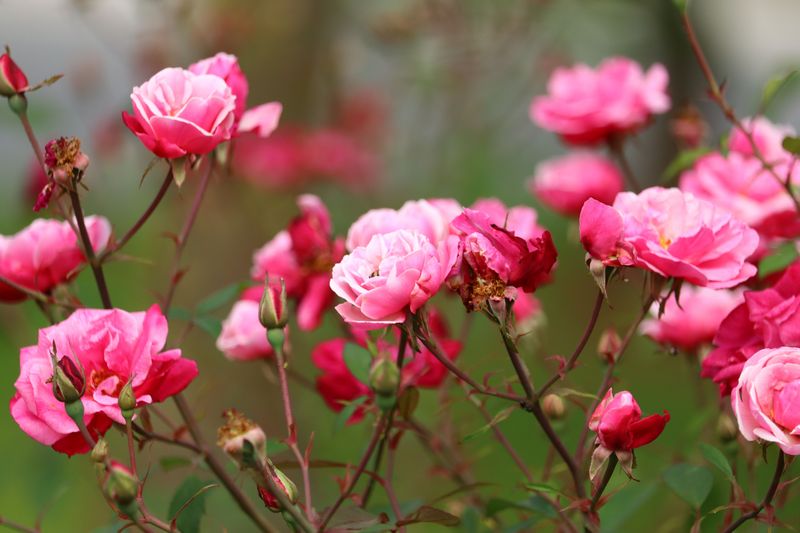
Timing is everything when it comes to getting a second bloom flush this fall from your roses. Do it too late and your roses will not have enough time to recover before frost.
In Illinois, the sweet spot for removing spent blooms is between mid-July and mid-August. That window gives the plant six to eight weeks to push out new growth.
Northern Illinois tends to see frost a bit earlier than southern parts of the state. Gardeners closer to Chicago should lean toward the earlier end of that window to stay safe.
You should also watch the weather forecast before you start. A heat wave right after trimming can slow new growth, so mild days are ideal.
Morning is the best time of day to do this task. The plant is hydrated, the sun is not blazing, and cuts heal more cleanly in cooler air.
Avoid trimming in the evening if you can help it. Wet cuts overnight can invite fungal issues, especially in Illinois’s humid summers.
If you missed the July window, do not panic. Removing spent blooms in early August still gives Illinois roses a fighting chance at fall color.
The key is acting before September arrives. Once temperatures start dropping consistently, new buds may not open before the first frost hits.
Tools Needed To Do It Right
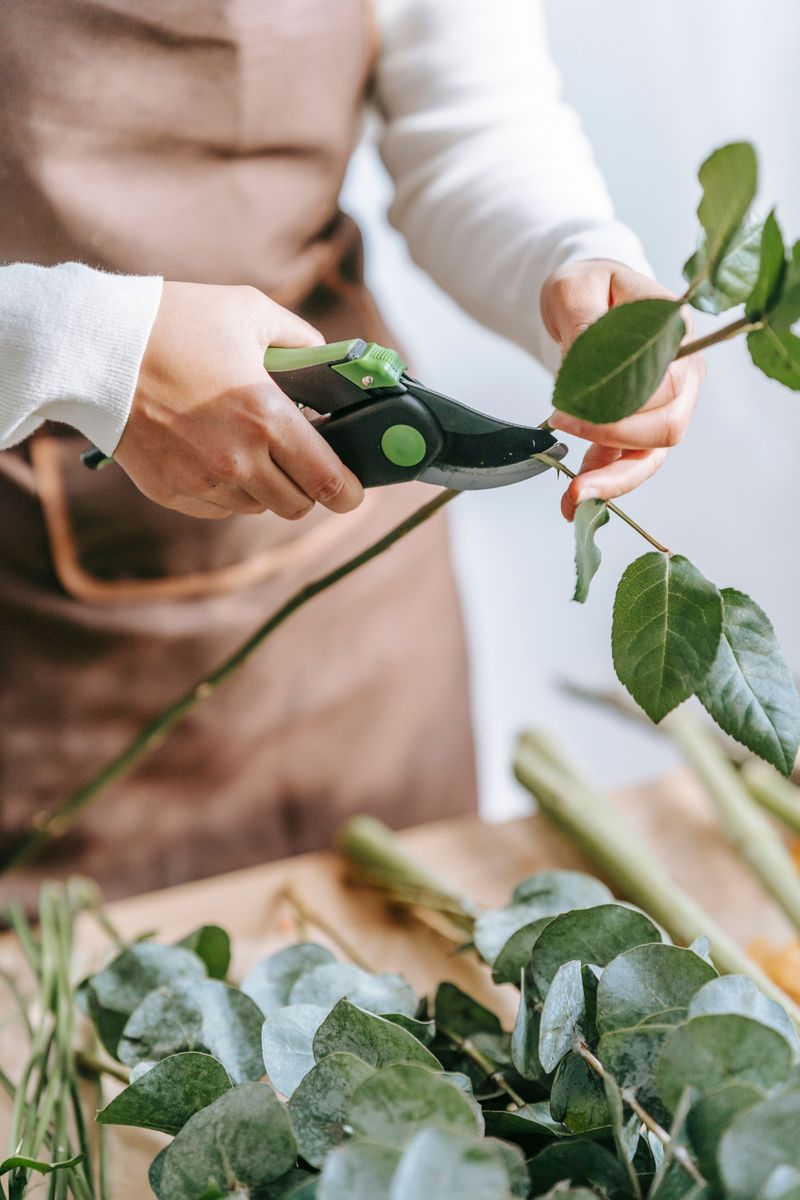
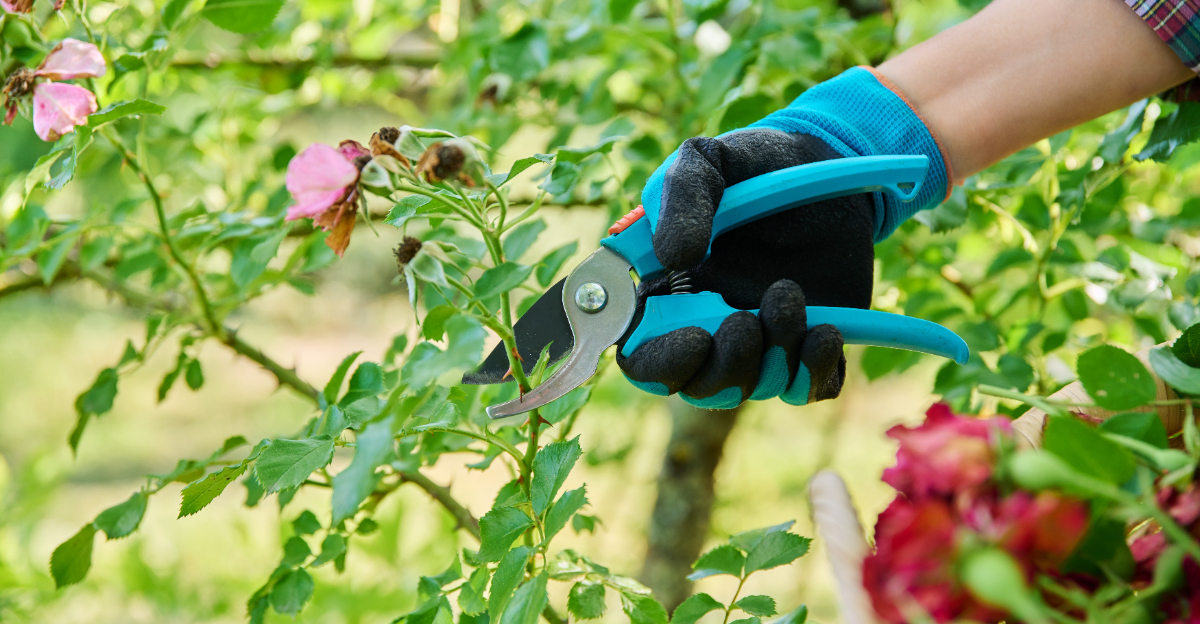
Sharp tools make all the difference when trimming roses. A dull blade crushes the stem instead of cutting it cleanly, which invites disease into the plant.
Before you start, wipe your blades with a disinfectant wipe or a diluted bleach solution. Skipping this step can spread fungal or bacterial problems from one plant to another.
Avoid anvil pruners if you can, since they press down on the stem and can cause bruising. Bruised stems are slower to heal and more vulnerable to pests.
A good pair of thick gardening gloves is non-negotiable when working with roses. Those thorns are sharp, and even a small puncture can get infected quickly.
Some gardeners also keep a small bucket or basket nearby for the clippings. Tossing spent blooms directly into the compost or trash keeps the garden tidy.
A long-handled pruner is helpful if your rose bushes are tall or sprawling. It saves your back and lets you reach awkward spots without straining.
Keep a sharpening stone in your garden kit and use it regularly. Sharp tools are safer, faster, and far kinder to your plants than worn-out blades.
Investing in quality tools pays off over many seasons. The right equipment makes the process feel effortless instead of frustrating.
Steps To Complete The Task Properly
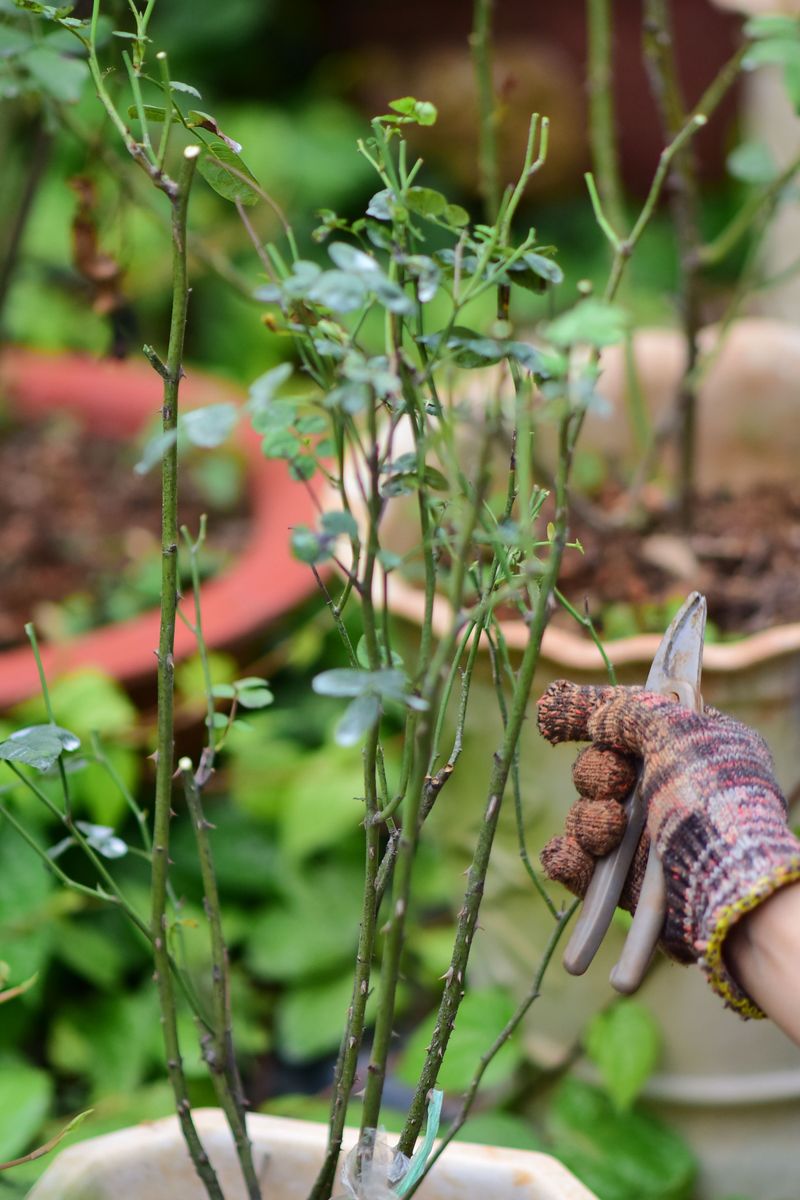
Start by scanning the entire rose bush before making a single cut. Look for blooms that are fully faded, browning at the edges, or dropping petals.
Once you spot a spent bloom, trace the stem downward until you find the first set of five leaflets. That junction is your target cutting point.
Hold the stem steady with one gloved hand and position your shears just above that leaflet cluster. Cut at a slight angle, about a quarter inch above the node.
The angled cut helps water run off the stem instead of pooling, which reduces rot risk. A clean angle cut also heals faster than a flat one.
Work your way around the entire bush, removing every faded or browning flower. Do not rush, because missing a few spent blooms can slow the regrowth process.
If you notice any stems that look weak, thin, or damaged, remove those too. Clearing out weak growth helps the plant focus its energy on strong new shoots.
After cutting, give the bush a gentle look-over for any signs of pests or disease. Catching problems early makes treatment much easier and more effective.
Collect all clippings and toss them away from the garden bed. Leaving spent flowers on the ground can attract pests and spread fungal spores.
Step back and admire the newly shaped bush when you finish. A well-groomed rose looks tidy, healthy, and ready to burst into a second bloom flush this fall.
Aftercare To Support New Blooms
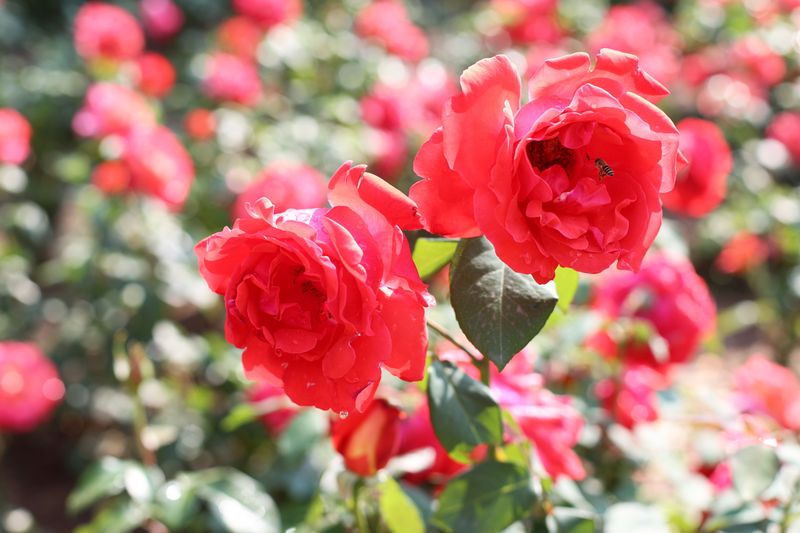
Cutting spent blooms is just the beginning of getting a strong second flush. What you do in the days right after this task matters just as much.
Water your rose bushes deeply right after the task. The plant is about to push out new growth, and it needs consistent moisture to do that well.
Aim for about one inch of water per week, either from rain or your hose. Deep watering encourages roots to grow down, which makes the whole plant more resilient.
Apply a balanced rose fertilizer within a day or two of removing spent blooms. A formula with equal parts nitrogen, phosphorus, and potassium gives the plant everything it needs for new buds.
Avoid high-nitrogen fertilizers at this stage, since too much nitrogen pushes leafy growth over flowers. You want blooms, not just a bushier plant.
Add a fresh layer of mulch around the base of the bush after fertilizing. Mulch holds moisture, regulates soil temperature, and suppresses weeds that compete for nutrients.
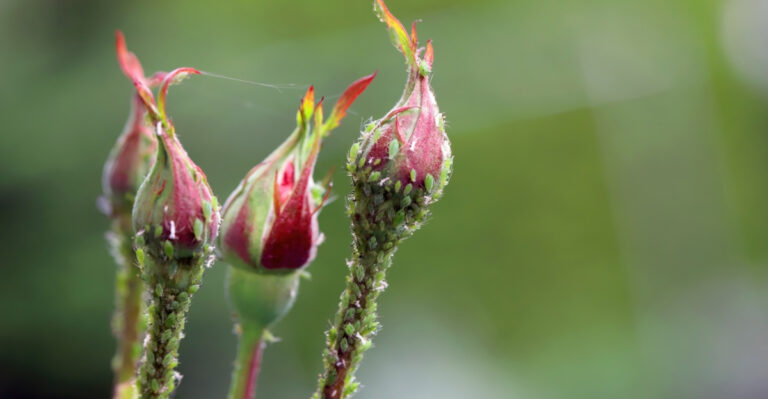
Keep an eye out for black spot, aphids, or powdery mildew in the weeks that follow. Stressed plants recovering from this task can sometimes be more vulnerable to these issues.
A light foliar spray with neem oil can help prevent common rose problems without harsh chemicals. Apply it in the evening to avoid leaf burn in direct sun.
Stay consistent with watering and feeding, and your second bloom flush this fall will be worth every bit of effort you put in.