Why Are So Many Florida Gardeners Counting Pollinators In Their Yards Right Now
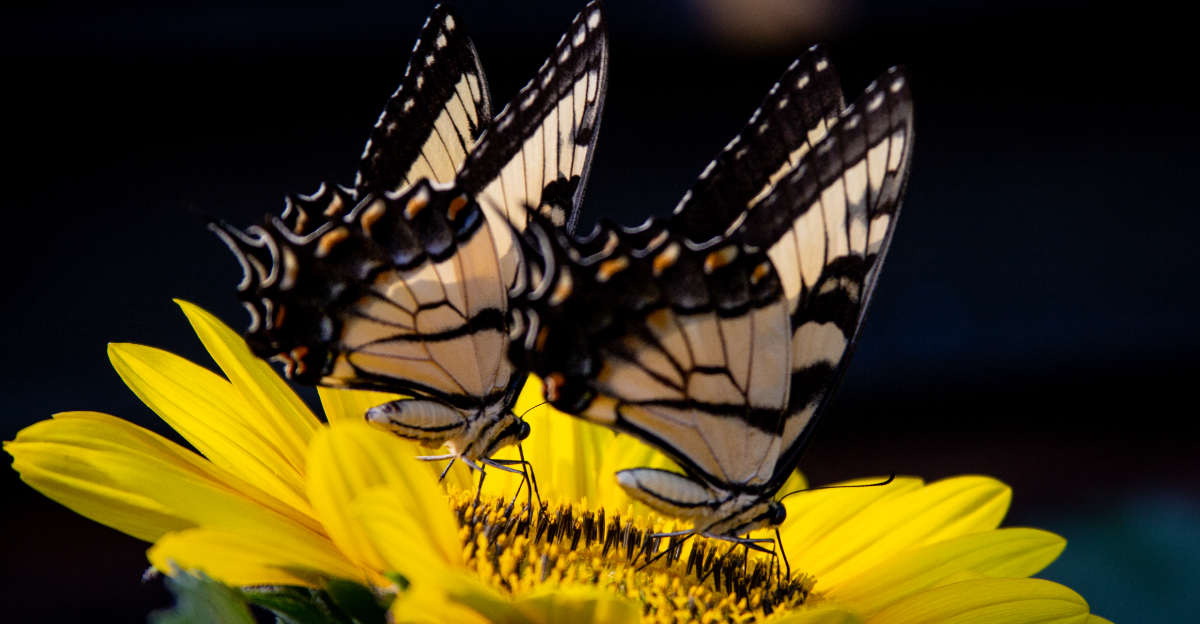
Something changed in Florida gardens this year, and gardeners are noticing it one insect at a time. Across the state, people are standing in their yards with notebooks, phone apps, and stopwatches, tallying every bee and butterfly that passes through.
This isn’t idle curiosity. A specific shift prompted the sudden interest, and it has backyard gardeners paying closer attention than they have in years.
The numbers coming back aren’t uniform either. Some yards report a surprising uptick.
Others confirm a decline gardeners suspected but never had data to prove. Your own yard might be part of a bigger picture you haven’t considered yet.
Grabbing a notebook and doing your own count could reveal exactly where you stand.
1. This August Count Is Bigger Than A Backyard Hobby
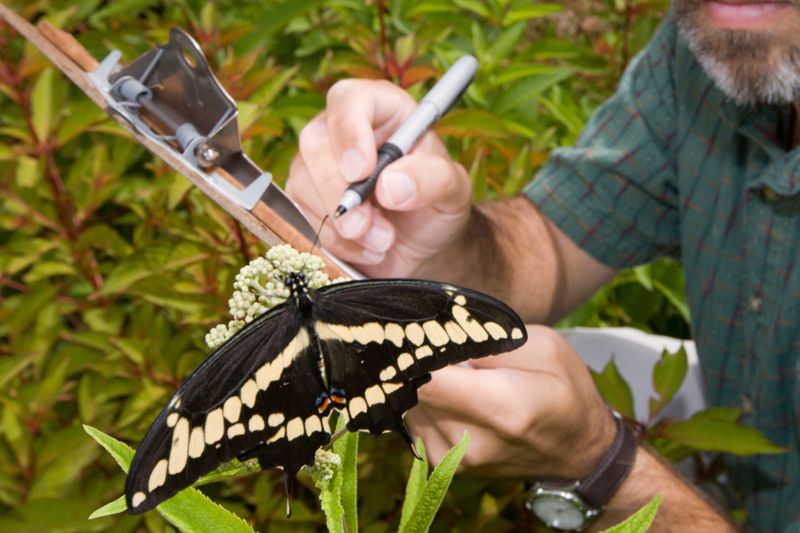
Watching a bee land on a zinnia might seem like a small, quiet moment. Behind that moment, though, is a coordinated citizen-science effort stretching across six Southeastern states.
The 2026 Great Southeast Pollinator Census was developed through University of Georgia Extension, with UF/IFAS promoting and coordinating participation across the state.
The census took place on August 21 and 22, 2026. Gardeners, families, students, schools, and curious residents were all invited to take part.
No professional training in entomology was required to contribute a valid observation.
What makes this project meaningful is the volume of simple, consistent observations collected from many different places at once. A single Florida backyard count carries limited weight on its own.
But thousands of counts submitted using the same method, from dozens of counties, can reveal patterns that researchers cannot easily gather any other way.
Citizen-science projects like this one allow researchers to collect data at a geographic scale that no small team could manage alone. Each observer becomes a tiny node in a much larger network.
The census does not claim to prove whether pollinator populations are rising or falling based on one season of data. Instead, it builds a growing record of insect activity across diverse habitats and communities, one counted flower at a time.
2. Fifteen Minutes At One Flowering Plant Is All It Takes
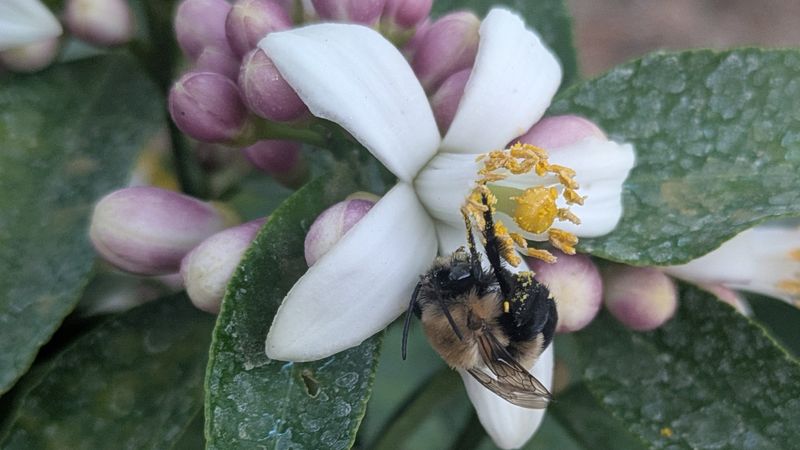
A stopwatch, one blooming plant, and fifteen minutes. That is the entire setup for a census count.
Participants choose one flowering plant that is actively blooming. They then watch it closely for exactly fifteen minutes without moving to other plants or scanning the whole yard.
Every insect that lands on the plant during that window gets recorded. After the observation period ends, participants submit their tallies through the official census system.
The method was designed to be repeatable and consistent so that counts from different places can be meaningfully compared.
Accessibility was built into the process from the start. A child in a schoolyard, a retiree on a patio, or a family in a community garden can all follow the same steps.
No special equipment is needed beyond a way to record numbers.
Choosing the right plant matters in a practical sense. A flower with open blooms and visible insect activity will produce a more useful observation than one that is past its peak.
Your Florida Garden Changes Every Week. Your Plan Should Too.
Gardening in Florida changes quickly throughout the season. Every Friday you’ll receive a simple weekly plan showing exactly what to plant, prune, fertilize, harvest, and protect so you never miss the right timing.
Participants are encouraged to pick a plant they can sit beside comfortably for the full fifteen minutes.
One observation does not represent every pollinator using a Florida property. The count captures only what visits one plant during one short window.
That limitation is part of why the census collects thousands of counts rather than relying on any single observation to draw conclusions.
3. You Do Not Need To Know Every Bee By Name
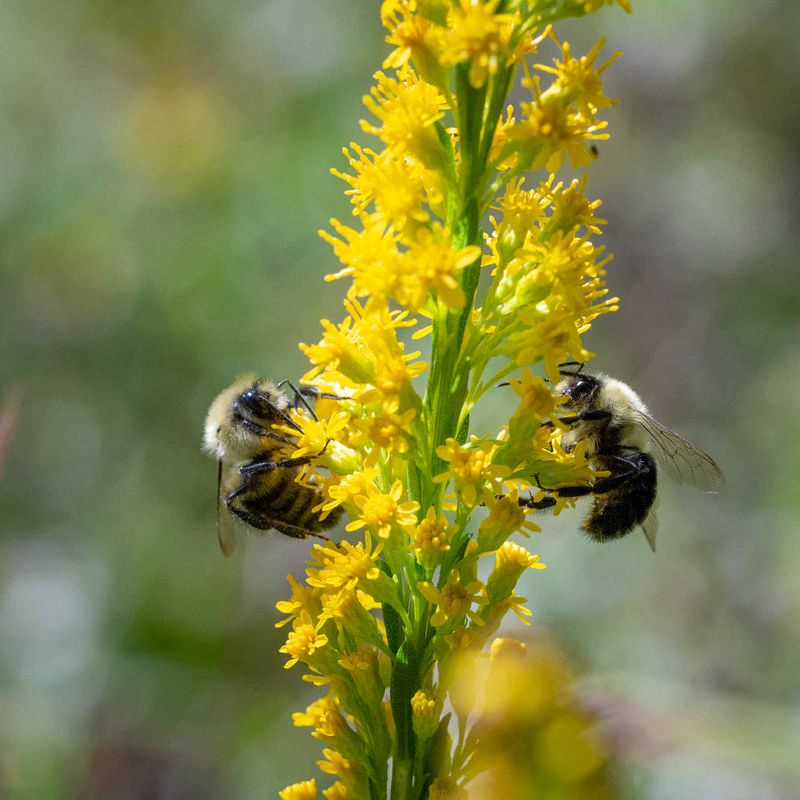
Bumble bee or carpenter bee? Hover fly or sweat bee?
For many backyard observers, insect identification feels like a barrier before it even begins. The census addresses this directly by using eight broad categories instead of asking participants to identify insects to species.
Those eight groups are bumble bees, carpenter bees, honey bees, small bees, wasps, flies, butterflies and moths, and other insects. A participant who can tell a butterfly from a wasp and a bumble bee from a fly has enough knowledge to submit a useful count.
Broad categories lower the entry point for beginners while still capturing meaningful information about which types of insects are visiting flowers. Researchers can track shifts in the proportion of different groups over time even without species-level data.
Not every insect that lands on a flower transfers pollen effectively. Some visitors consume nectar without contacting reproductive structures.
The census records insect presence and activity rather than measuring pollination success directly. That distinction keeps the data honest about what the observations actually show.
Identification guides and reference images are available through the census program to help participants feel more confident.
A few minutes spent reviewing the eight categories before sitting down to count can make the fifteen-minute observation feel much less intimidating.
Most people find the categories click quickly once they start watching a real flower.
4. Those Backyard Numbers Become Real Citizen Science
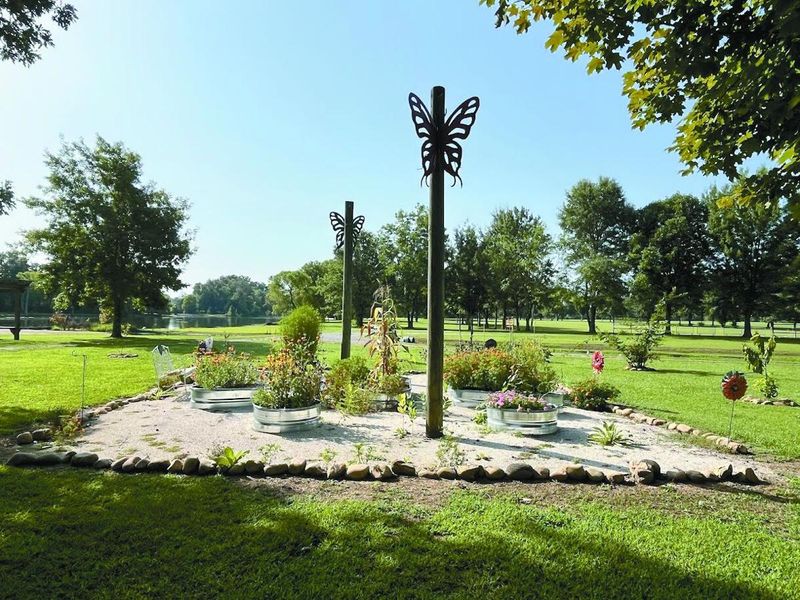
Every submitted tally sheet enters a shared dataset that grows with each new count. One person’s fifteen minutes beside a lantana bush joins counts from schoolyards, community gardens, suburban backyards, and rural properties across the region.
The dataset builds from the bottom up.
Researchers can examine patterns in insect activity across different plant types, land uses, and geographic areas. Repeated observations over multiple years at similar locations can reveal whether certain habitats consistently attract more activity than others.
That kind of pattern-level analysis is where individual counts gain their real value.
A single backyard observation does not establish whether pollinator populations are growing or shrinking. Population trends require long-term data collected under controlled conditions using rigorous methods.
The census produces observational data, not experimental proof, and the program is transparent about that distinction.
The dataset can highlight where insect activity appears concentrated and which flowers attract frequent visits. It can also show which communities are participating in habitat-supporting behaviors.
That information can guide extension outreach, inform local planting decisions, and direct future research toward areas worth studying more closely.
Submitted counts are not just stored and forgotten. University researchers and extension specialists use the data to understand how community gardens and home landscapes function as insect habitat.
Each count is a small data point, but a dataset built from thousands of consistent observations carries real scientific weight.
5. Florida Gardeners Already Counted More Than 100,000 Insects
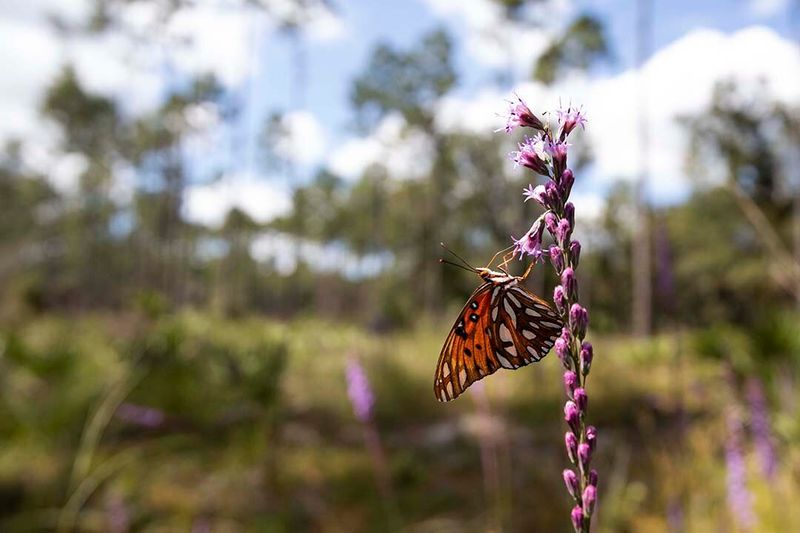
Scale tells a story that a single count cannot. In 2025, participants across the state submitted 5,122 counts, and observers in 59 of the state’s 67 counties took part.
That level of geographic spread means the dataset reflects a wide range of habitats and communities.
When thousands of fifteen-minute counts stack up, the total number of recorded insect visits becomes substantial. Statewide totals reflect only observations made within Florida.
They should not be combined with broader Southeast-wide figures when discussing participation or insect counts.
Those 2025 numbers set a baseline that gives the 2026 effort something to build on. Researchers can compare participation rates, county coverage, and observed insect activity between years.
Growing the dataset over multiple census cycles increases its usefulness for detecting patterns.
Communities that participated in multiple years provide especially valuable information. Consistent observations from the same locations let researchers compare activity over time.
Using the same method can reveal whether specific sites appear stable or are beginning to shift.
Encouraging more counties and more observers to participate each year is a stated goal of the program. Broader geographic coverage reduces the chance that the dataset reflects only the areas where the program is already well known.
Every new community that joins adds a data point from a place that was previously unrepresented in the regional picture.
6. Your Favorite Bloom Can Become A Tiny Research Station
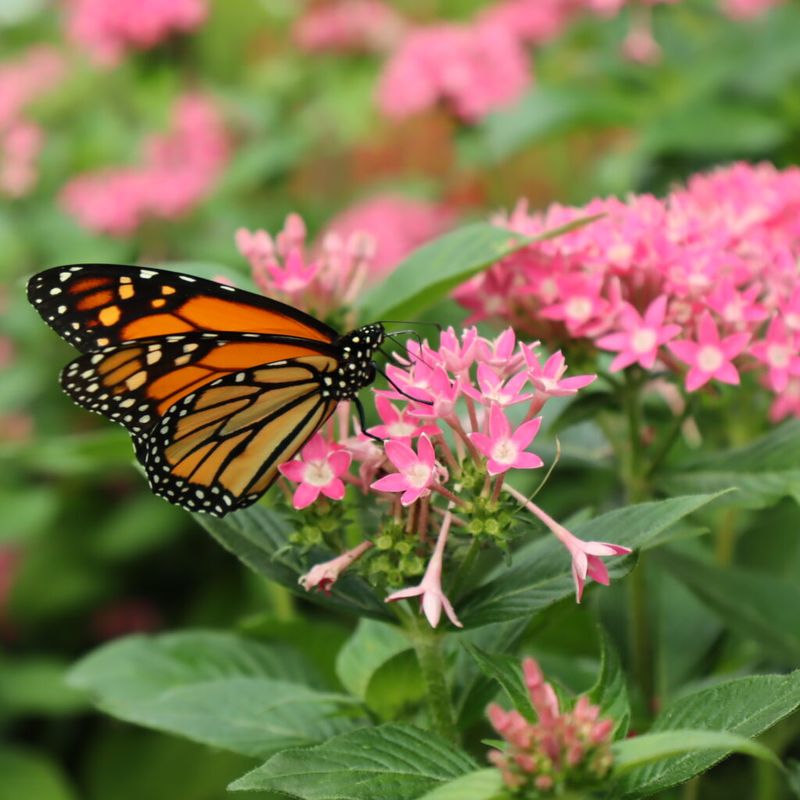
A single flowering plant can hold more activity than most people notice during a busy day in the yard. Sitting still beside one bloom for fifteen minutes often reveals insects that would otherwise pass unseen.
A small bee working the base of a petal, a fly hovering just above the center, a moth resting briefly between visits.
Any actively blooming plant can serve as the observation point for a count. The key is choosing a plant that is currently producing open flowers and showing signs of insect interest.
Plants that are just beginning to bloom or are past their peak may produce fewer visits during the observation window.
Watching one plant closely changes how a gardener sees the yard. Visitors that normally blur into background movement become distinct once attention narrows to a single location.
Observers often report noticing insect types they had never consciously identified before sitting down to count.
UF/IFAS has highlighted native flowering plants as valuable habitat resources. However, the census does not restrict which plant species participants may choose for their observation.
The method works with whatever is blooming in the yard at the time of the count.
A colorful flower does not automatically function as rich pollinator habitat. Bloom structure, nectar availability, and plant health all influence how attractive a plant is to visiting insects.
Observation reveals which plants in a specific yard are actually drawing activity.
7. What You Notice Can Change How You Garden
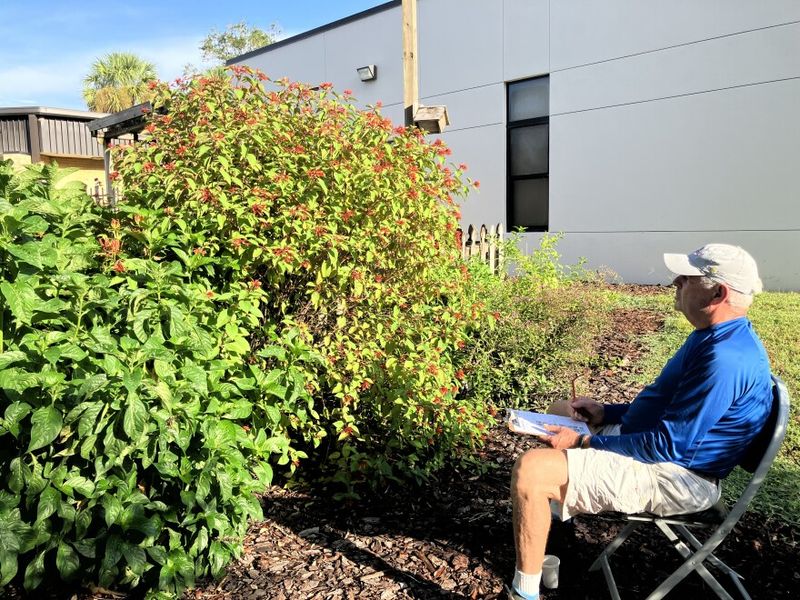
Fifteen minutes of focused watching can quietly shift how a gardener thinks about the whole yard. Noticing that one corner stays quiet while a single salvia draws constant insect traffic raises natural questions about what makes certain spots more active than others.
Observation can prompt gardeners to reconsider which plants they grow and when those plants bloom. It can also reveal how pesticide use might affect the insects they are watching.
UF/IFAS has described the census as a gateway into broader pollinator conservation habits rather than an end point in itself.
Seasonal gaps in blooming can become more visible after a count. A gardener who notices few visitors in August might look at whether any plants in the yard offer late-summer flowers.
That practical question can lead to planting decisions that extend the bloom season into months that were previously bare.
Native plants often come up in discussions about pollinator habitat. UF/IFAS Extension resources offer guidance on species suited to different regions of Florida.
The census does not prescribe a specific planting list, but observation can make those resources feel more personally relevant.
Pesticide timing and application method also come into sharper focus after watching insects work a flower up close. Pollinator-safe guidance becomes easier to apply when gardeners know which insects are actually present.
It also helps to understand when those insects tend to visit.