The Spring Watering Mistake That Weakens Florida Plants
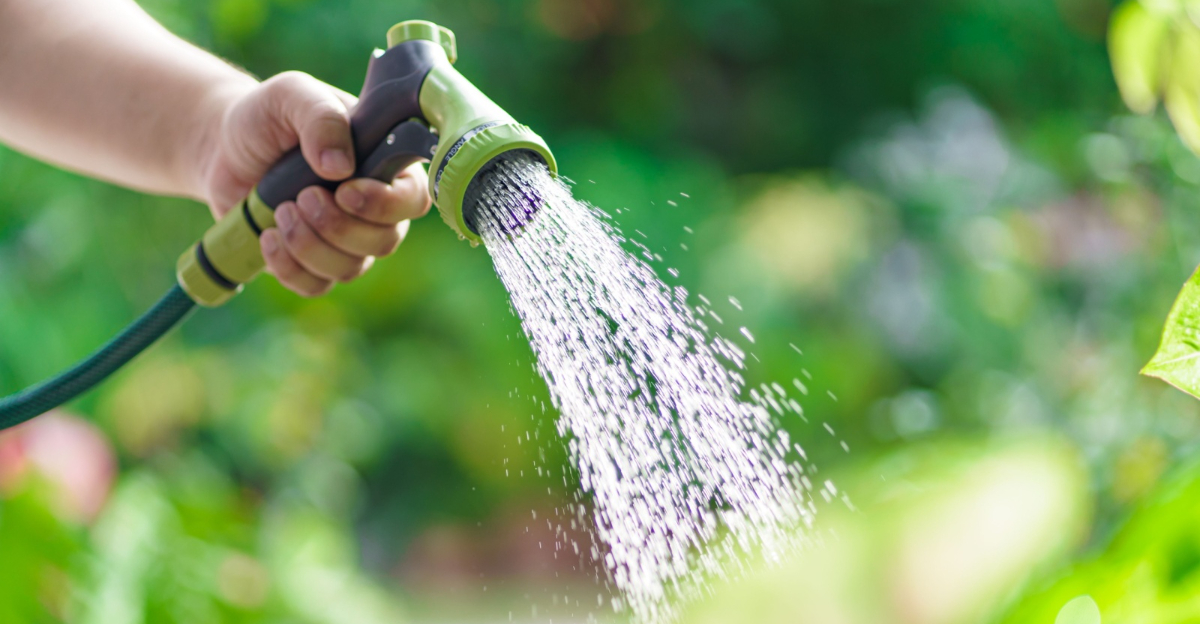
Does your Florida lawn actually need another drink, or are you just being a “helicopter” plant parent? As temperatures rise and the spring dry season kicks in, it is tempting to reach for the hose every time the sun comes out.
While you might think extra water shows love, frequent light sprinkles are actually one of the biggest mistakes a Florida gardener can make.
This common habit quietly weakens your landscape, as it prevents roots from diving deep into the soil.
If you want a resilient yard that can handle the summer heat, you must break the cycle of overwatering. A few simple adjustments to your routine will help your plants grow stronger and more vibrant all year long.
1. Why Light Daily Watering Causes Bigger Problems
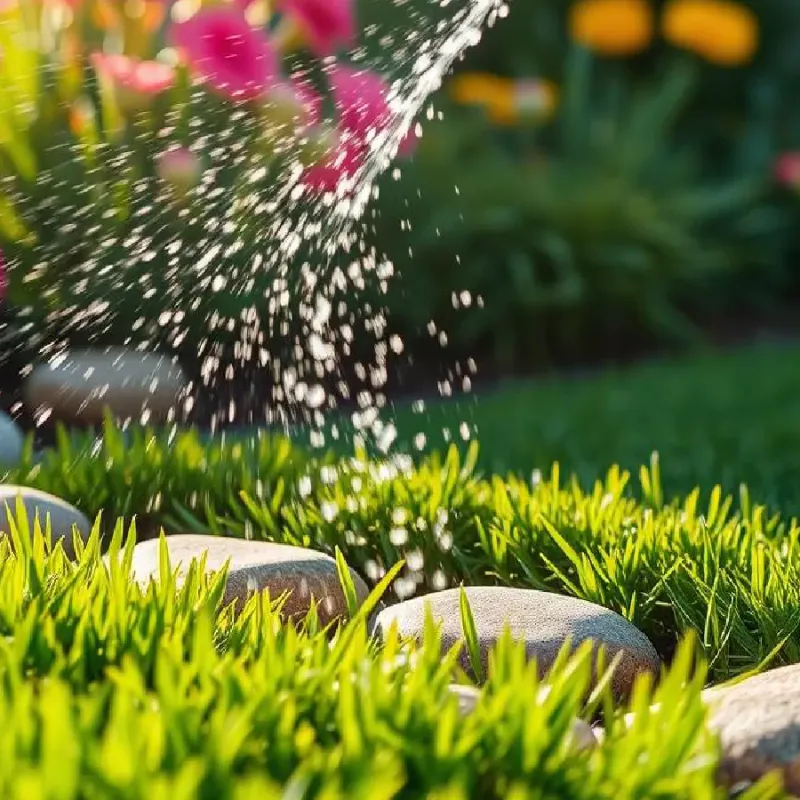
Watering a little bit every single day might feel like the responsible thing to do, especially when spring temperatures in Florida start climbing into the upper 80s. It seems logical that plants need water more often when the weather gets warmer.
But frequent light watering often does the opposite of what gardeners intend.
When water is applied in small amounts each day, it tends to wet only the top inch or two of soil. That moisture evaporates quickly in Florida’s spring heat, meaning plants get a brief drink but no lasting benefit.
Over time, this pattern trains roots to stay near the surface rather than pushing deeper into the soil where moisture is more stable.
Shallow roots make plants more dependent on the gardener and less capable of handling dry stretches on their own. A plant with deep roots can draw moisture from lower in the soil profile, giving it a buffer when rain does not arrive on schedule.
Light daily watering removes that buffer entirely. Adjusting to less frequent but more thorough watering sessions is one of the most impactful changes a Florida gardener can make in spring.
2. How Shallow Watering Leads To Shallow Roots
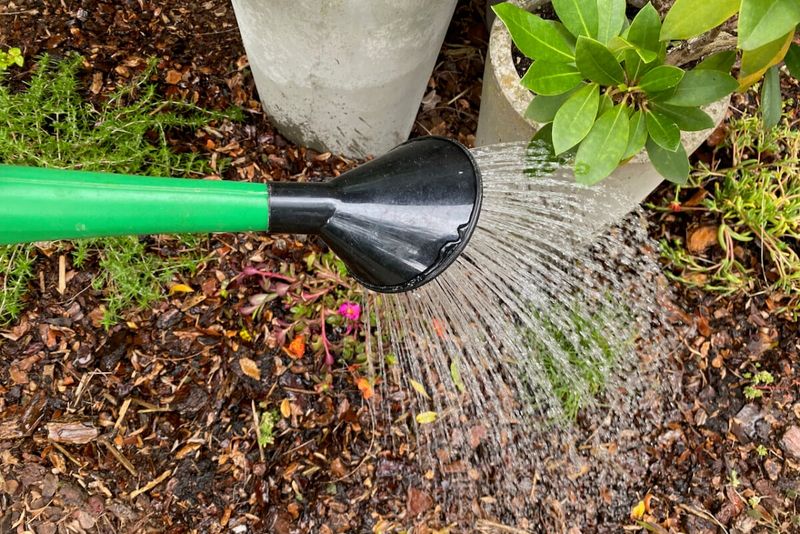
Root systems grow where the water is. That simple fact explains a lot about why watering habits have such a lasting effect on plant health in Florida landscapes.
When moisture consistently sits near the top of the soil, roots have little reason to reach deeper.
Over a full spring season of shallow watering, plants gradually develop a root system that hugs the upper few inches of soil. Those shallow roots are exposed to more temperature swings, dry out faster, and offer less structural support to the plant above ground.
Ornamental shrubs, perennials, and flowering plants all respond this way when irrigation stays too shallow for too long.
Deeper roots, by contrast, anchor plants more securely and give them access to soil moisture that is far less vulnerable to evaporation.
In Florida, where spring can bring stretches of dry weather between rain events, that deeper moisture access matters a great deal.
Getting water down into the root zone during each irrigation session encourages roots to follow it downward. Watering slowly enough for the soil to absorb moisture rather than letting it run off is a practical way to start pushing roots in the right direction.
Your Florida Garden Changes Every Week. Your Plan Should Too.
Gardening in Florida changes quickly throughout the season. Every Friday you’ll receive a simple weekly plan showing exactly what to plant, prune, fertilize, harvest, and protect so you never miss the right timing.
3. Why Florida Sandy Soil Makes This Mistake Worse
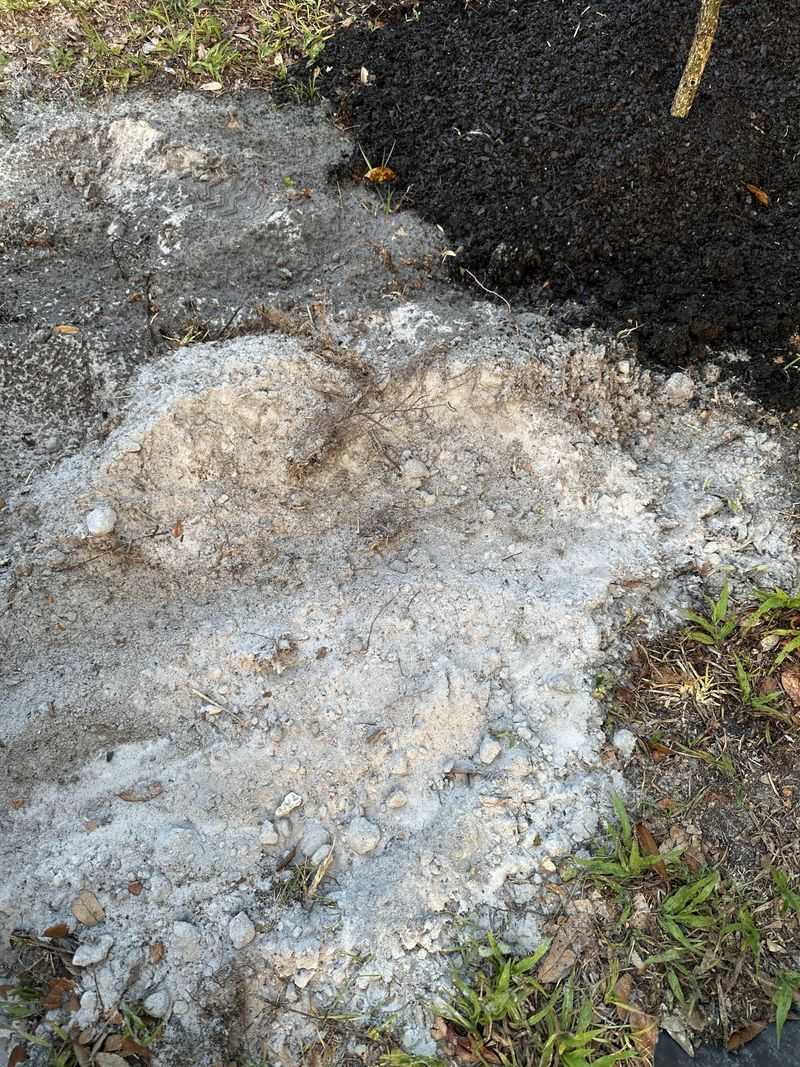
Sandy soil drains fast, and Florida has a lot of it. That drainage speed is one reason the state’s native plants evolved to handle dry conditions, but it also means that gardeners need to think carefully about how and when they water during spring.
When you apply a small amount of water to sandy Florida soil, it moves through the upper layer quickly and can evaporate before roots ever have a chance to use it.
The soil surface may look damp right after watering, but a few inches down it can be surprisingly dry within hours on a warm spring day.
Light frequent watering in this type of soil is especially ineffective because so little of the moisture actually stays where roots need it.
Watering more deeply and less often gives sandy soil the best chance to hold moisture at a useful depth. Applying water slowly enough for it to soak in rather than run off also helps.
Organic mulch added to garden beds can reduce evaporation from the soil surface, making each watering session more efficient.
In Florida’s sandy conditions, thoughtful watering is not just helpful, it is genuinely necessary for keeping landscape plants in good shape through the spring season.
4. The Reason Overwatered Roots Struggle In Spring
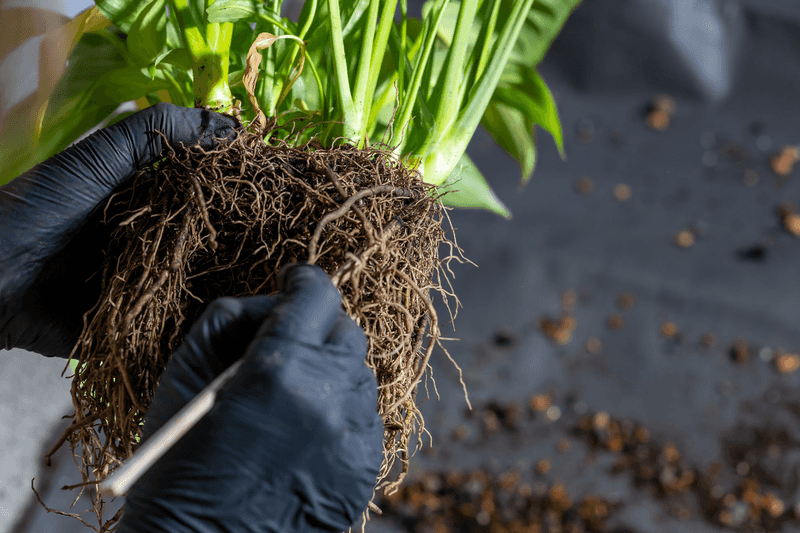
Roots need more than water to stay healthy. They also need oxygen, and soil that stays consistently wet does not leave much room for air.
When watering happens too often in spring, the soil never fully dries between sessions, and roots begin to suffer in ways that are not always easy to see right away.
In waterlogged conditions, roots can become damaged and lose their ability to absorb nutrients effectively. Plants may start to look stressed even though they are receiving plenty of water.
Yellowing leaves, soft stems, and a general lack of new growth are all signs that something is off below the surface. Ironically, these symptoms can look a lot like drought stress, which sometimes leads gardeners to water even more.
Spring in Florida brings warming soil temperatures that can encourage certain soil pathogens to become more active in consistently wet conditions. Roots that are already weakened by overwatering are less able to resist that kind of pressure.
Giving the soil time to partially dry between waterings allows roots to breathe and recover.
A simple finger test, pressing into the soil a few inches deep to check for moisture, can help gardeners decide whether watering is actually needed before turning on the irrigation.
5. Why Weak Roots Leave Plants Less Resilient
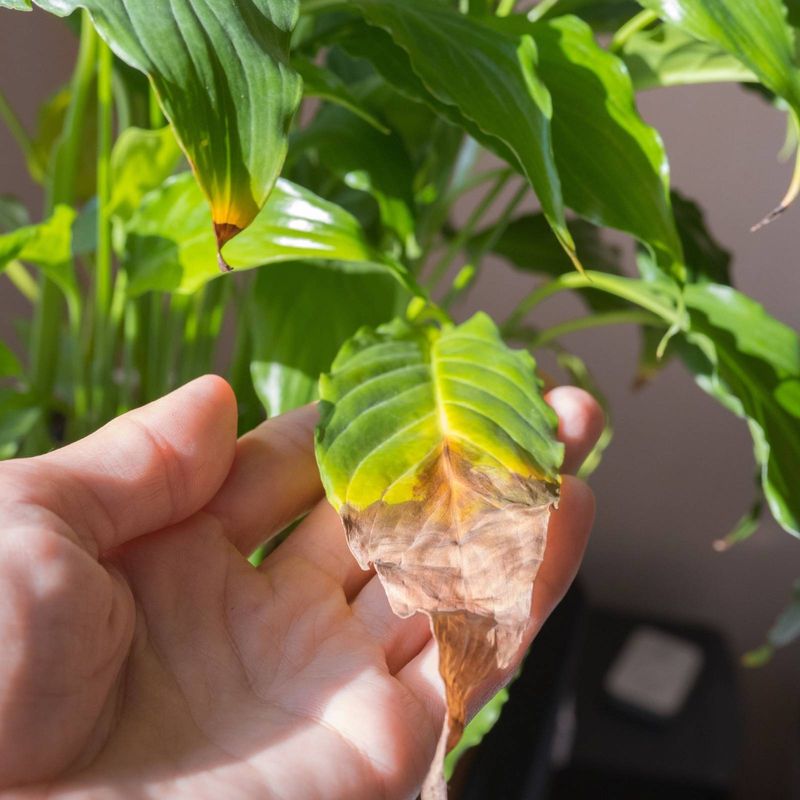
A plant’s root system is its foundation. Strong, well-developed roots allow plants to pull water and nutrients from a wider area of soil, support themselves during wind events, and recover more quickly from stress.
Roots that stay shallow and underdeveloped cannot do any of those things as effectively.
In Florida, spring can shift quickly from dry and warm to rainy and humid. Plants with weak root systems have a harder time adjusting to those changes.
During a dry spell, they run out of accessible moisture sooner than deeply rooted plants. During heavy spring rains, shallow-rooted plants can become destabilized or sit in pooled water longer than their root systems can tolerate.
The effects of poor root development often become more visible as the season progresses. A plant that looked fine in early spring may start showing signs of stress by late spring or early summer when Florida’s heat intensifies.
Building stronger roots through proper watering habits during spring gives plants a much better foundation for the rest of the year.
Consistent, deep watering spaced out over several days is one of the most effective ways to encourage the kind of root growth that supports long-term plant resilience in Florida landscapes.
6. The Signs Your Plants Are Getting Water Too Often
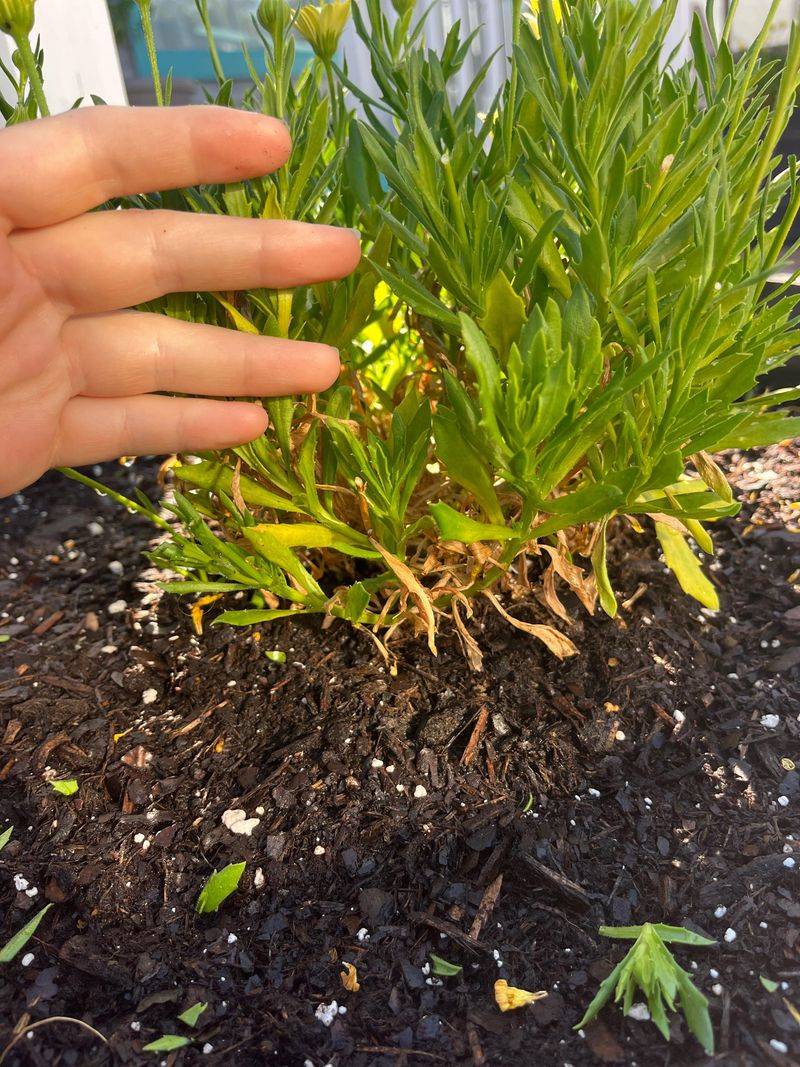
Spotting overwatering early can save a plant from months of unnecessary stress. The tricky part is that many of the signs of too much water look similar to the signs of not enough.
Knowing what to look for makes it easier to catch the problem before it gets worse.
Yellowing leaves are one of the most common signals. When overwatering is the cause, the yellowing often starts on older leaves lower on the plant and spreads upward.
Leaves may also feel soft or limp rather than crisp. New growth sometimes looks pale or stunted, and flowering plants may produce fewer blooms than expected for the time of year.
Checking the soil is one of the most reliable ways to confirm whether overwatering is happening.
If the soil feels wet or cool several inches below the surface even before the next scheduled watering, the irrigation schedule likely needs to be stretched out.
Mushrooms or moss appearing in garden beds can also be a sign of consistently moist conditions.
In Florida’s spring, when evaporation rates are rising and plants are actively growing, the soil should have a chance to partially dry between watering sessions rather than staying wet all the time.
7. Why Deep Watering Supports Stronger Root Growth
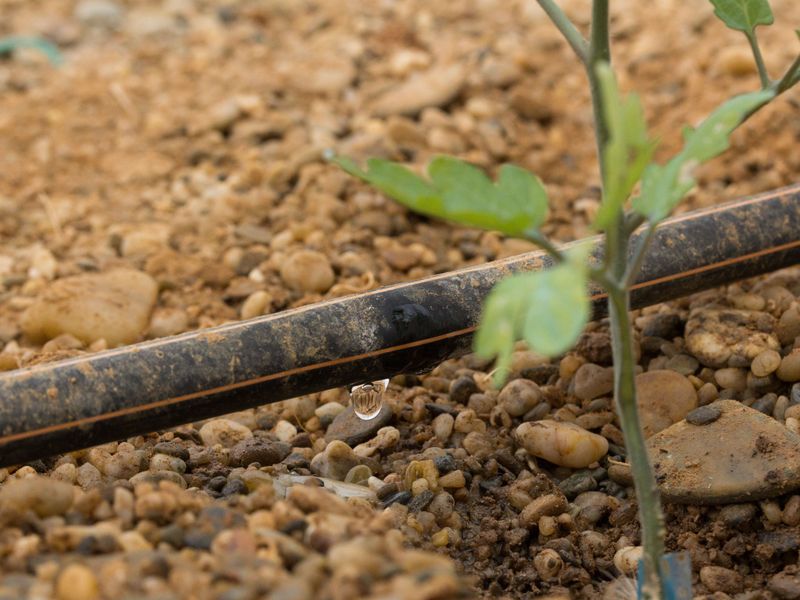
Watering deeply means applying enough water at one time for moisture to move well below the surface and reach a useful part of the root zone.
For most landscape beds in Florida, that means getting water down several inches into the soil rather than just wetting the top layer.
When roots sense that moisture is available deeper in the soil, they grow downward to reach it. That downward growth is exactly what makes plants more self-sufficient and better equipped to handle Florida’s unpredictable spring weather.
A root system that extends deeper into the soil can access water that evaporation cannot reach, giving the plant a natural reserve during dry stretches between rain events.
Deep watering does not mean flooding the soil. It means applying water slowly enough for the soil to absorb it rather than letting it run off the surface.
Soaker hoses and drip irrigation work well for this in Florida landscape beds because they deliver water at a pace the soil can take in gradually.
Watering in the early morning also helps by giving moisture time to soak in before midday heat increases evaporation.
Spacing out watering sessions by several days rather than watering daily is what allows roots to develop the depth they need.
8. When Spring Rain Should Change Your Watering Routine
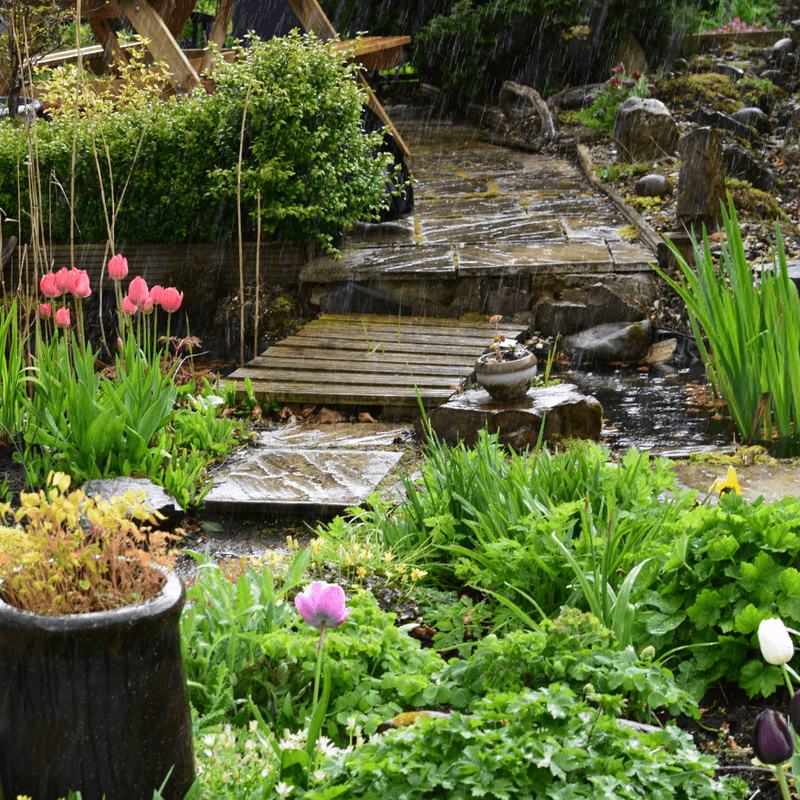
Florida’s spring weather can be unpredictable. Some weeks bring dry, breezy conditions that pull moisture out of the soil quickly, while others bring a series of afternoon showers that soak the ground thoroughly.
Adjusting your watering schedule to match what nature is already providing is one of the smartest habits a Florida gardener can develop.
Running irrigation right after a significant rain event adds unnecessary moisture to soil that is already wet. That extra water can push soil saturation past what roots can handle, creating the same waterlogged conditions that frequent shallow watering produces over time.
Checking a rain gauge or even just pressing a finger a few inches into the soil after rain can tell you quickly whether irrigation is needed at all.
Many Florida homeowners with automatic irrigation systems forget to pause or adjust their schedules when spring rain arrives.
Smart irrigation controllers with rain sensors can help by automatically skipping scheduled watering after rainfall, but a manual check works just as well.
Treating spring rain as part of your total water budget rather than something separate from your irrigation routine helps prevent overwatering.
Giving the soil a day or two to absorb rainfall before resuming irrigation keeps roots healthier and makes the most of water that Florida’s spring weather provides naturally.