Why Arizona Gardeners Are Mulching Citrus Trees Before August Heat
Many citrus trees look healthy right now, but that can change faster than you expect. More Arizona gardeners are spreading mulch before August arrives because waiting often makes summer care much harder.
It is one of those simple jobs that is easy to put off until later. Unfortunately, later is often when trees begin struggling the most.
Get ahead of the hottest part of the season instead of reacting after problems appear. A fresh layer of mulch helps create better growing conditions before extra stress builds around the roots.
That small effort takes very little time, but it can make a noticeable difference over the coming weeks.
Knowing why so many gardeners do it now may change the way you care for your citrus every summer.
1. Citrus Roots Stay Cooler Under A Mulch Layer
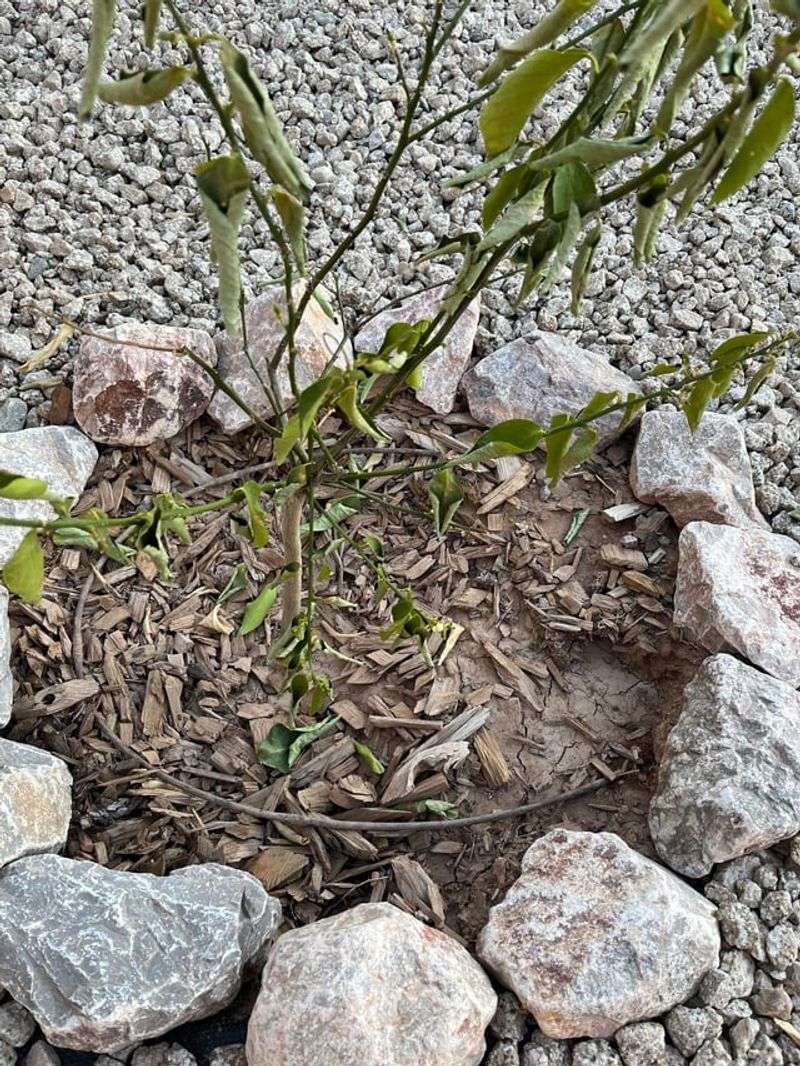
Bare soil in a desert summer can hit temperatures above 150 degrees Fahrenheit at the surface. That kind of heat stresses shallow feeder roots and slows nutrient absorption significantly.
Citrus roots sit close to the surface. A mulch layer acts like insulation, blocking radiant heat before it reaches the root zone.
Depending on the material and thickness, mulch can keep the soil noticeably cooler during extreme summer heat.
Cooler roots stay active longer. Active roots pull in water and nutrients more efficiently, which supports fruit development during the hottest months.
Wood chips, shredded bark, and straw all work reasonably well for this purpose. Coarser materials tend to allow better airflow while still blocking heat.
Fine materials can pack down and may need turning occasionally to stay effective.
Not every mulch performs the same way in every yard. Shade, wind, and irrigation habits all influence how much cooling benefit you actually get.
Still, the general principle holds up: covering bare soil reduces heat stress on roots.
Many gardeners notice fewer signs of heat stress, such as yellowing leaves or fruit drop, when bare soil is covered with mulch instead of left exposed.
2. Soil Holds Moisture Longer During August Heat
August irrigation bills in the desert can be shocking. Water evaporates fast when soil sits exposed under direct sun, and citrus trees need consistent moisture to set fruit properly.
Mulch slows evaporation by shielding the soil surface from direct sunlight and heat. As a result, the soil stays moist longer than bare ground, although the amount of moisture retained depends on the mulch material, its depth, and local conditions.
Consistent soil moisture matters more than most gardeners realize. Irregular watering cycles can trigger a condition called split fruit, where rapid moisture intake after drought stress causes rinds to crack.
Mulch helps buffer those swings.
Drip irrigation works best when paired with mulch. Water delivered slowly at the root zone stays in the soil longer instead of evaporating off the surface immediately after application.
Keeping moisture in the soil longer helps reduce how quickly the root zone dries between watering sessions. Even a small improvement in moisture retention can make a noticeable difference during extreme August heat.
Citrus trees stressed by uneven moisture tend to drop fruit prematurely.
Your Arizona Garden Changes Every Week. Your Plan Should Too.
Gardening in Arizona changes quickly throughout the season. Every Friday you’ll receive a simple weekly plan showing exactly what to plant, prune, fertilize, harvest, and protect so you never miss the right timing.
3. Organic Mulch Protects Better Than Decorative Rock
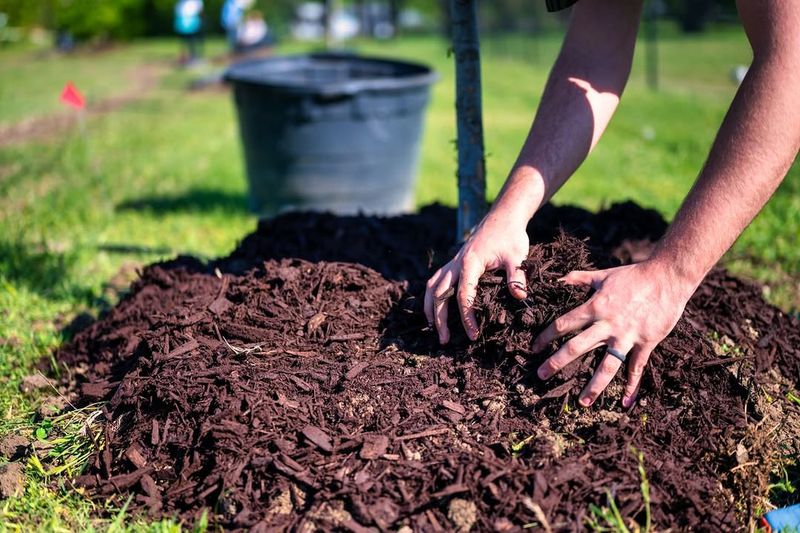
Decorative rock looks clean and low-maintenance, but it behaves very differently from organic mulch when temperatures climb.
Rock absorbs heat during the day and radiates it back into the soil at night, raising ground temperatures rather than lowering them.
Organic materials like wood chips, shredded bark, or straw break down slowly over time. As they decompose, they add organic matter to the soil, which improves structure and water-holding capacity gradually.
Rock does neither of those things. It stays inert, holds heat, and can actually make root zone temperatures worse in a desert summer.
Some gardeners use rock for pathways or decorative borders without issue, but placing it directly under fruit trees is a different situation.
Organic mulch generally supports healthier soil conditions than decorative rock in hot climates. The difference becomes especially noticeable during the hottest months of the year.
Switching from rock to wood chips under a citrus tree is not a complicated project. Rake back the rock, add a two-to-four-inch layer of organic mulch, and keep it away from the trunk.
Results typically show up within a season as soil health improves.
Organic mulch also supports beneficial soil microbes that help break down nutrients.
4. Keep Mulch Away From The Trunk
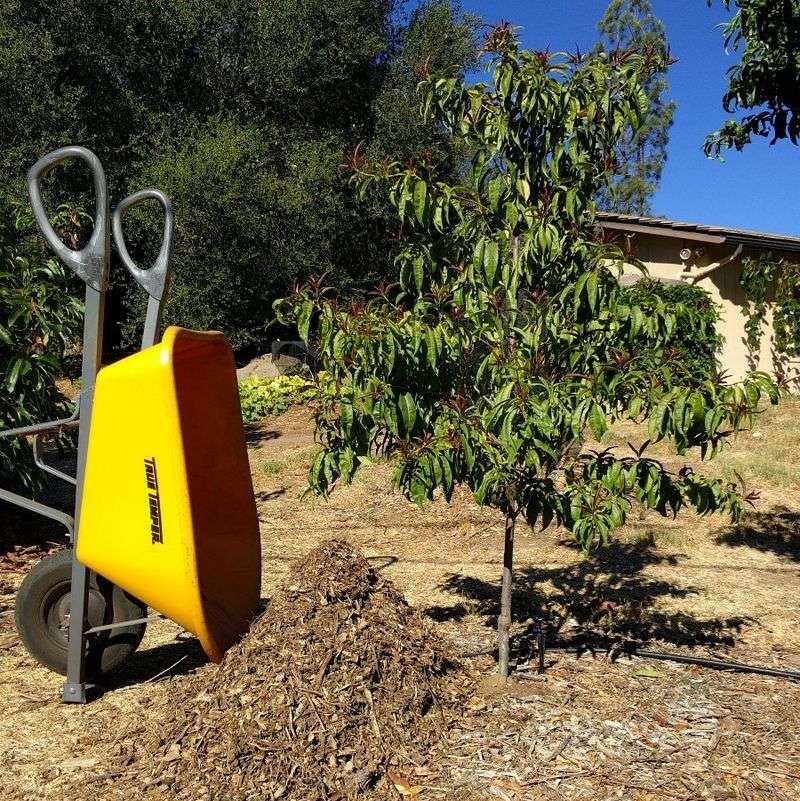
Piling mulch against a tree trunk is one of the most common mistakes backyard gardeners make. It looks tidy, but it creates real problems for the tree over time.
Bark needs to stay dry. When mulch sits pressed against the trunk, it traps moisture against the bark and creates conditions where fungal issues and rot can develop.
Citrus bark is not particularly thick, so it does not handle that kind of persistent moisture well.
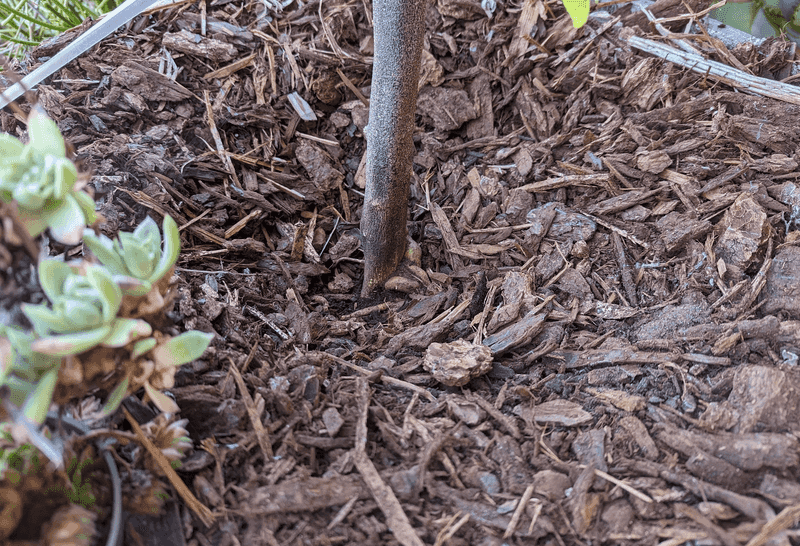
Keeping a gap of at least three to six inches between the mulch and the trunk solves this problem. Pull the mulch back into a ring shape rather than a mound.
Flat coverage across the root zone is more effective than a volcano-shaped pile anyway.
Insects and rodents also use mulch piled against trunks as cover. Keeping that gap reduces the chance of pests nesting directly against the bark where they can cause damage.
Some gardeners worry that pulling mulch away from the trunk means the tree loses protection. In reality, the root zone extends well beyond the trunk, often reaching out to the drip line or beyond.
Covering that wider area matters more than piling material at the base.
Correct mulch placement protects roots without creating new problems at the trunk.
5. Spread Mulch Across The Root Zone
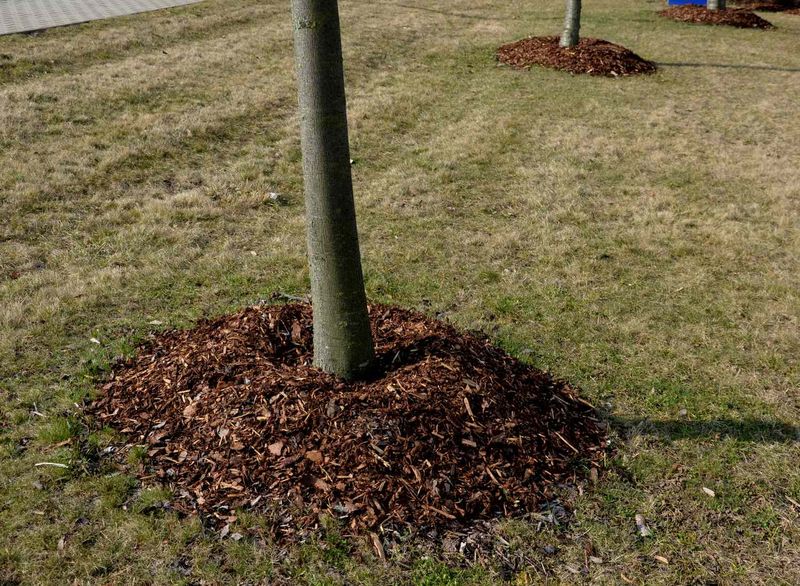
Most of a citrus tree’s feeder roots grow outward, not straight down. Shallow and wide, they can spread well past the outer edge of the canopy in search of water and nutrients.
Mulching only the area directly under the trunk misses most of those roots. Extending mulch coverage out to the drip line, or even a foot or two beyond, protects a much larger portion of the root system.
In Arizona, where summer soil temperatures can spike fast, covering the full root zone makes a noticeable difference.
More roots stay protected, more moisture gets retained, and the tree has a better buffer against heat stress during peak summer weeks.
A good rule of thumb is to spread mulch in a circle that matches the width of the tree’s canopy. Bigger trees need wider coverage.
Younger trees with smaller canopies still benefit from mulch spread at least three to four feet out from the trunk.
Uneven coverage is better than none at all, but even spreading gives the most consistent results. Patchy mulch leaves sections of root zone exposed to full sun and heat, reducing overall effectiveness.
Taking an extra few minutes to spread mulch evenly across the root zone pays off through the summer.
Roots that stay protected perform better, and trees under consistent care tend to produce more reliably than those left without ground cover during intense heat.
6. Build A Two To Four Inch Layer
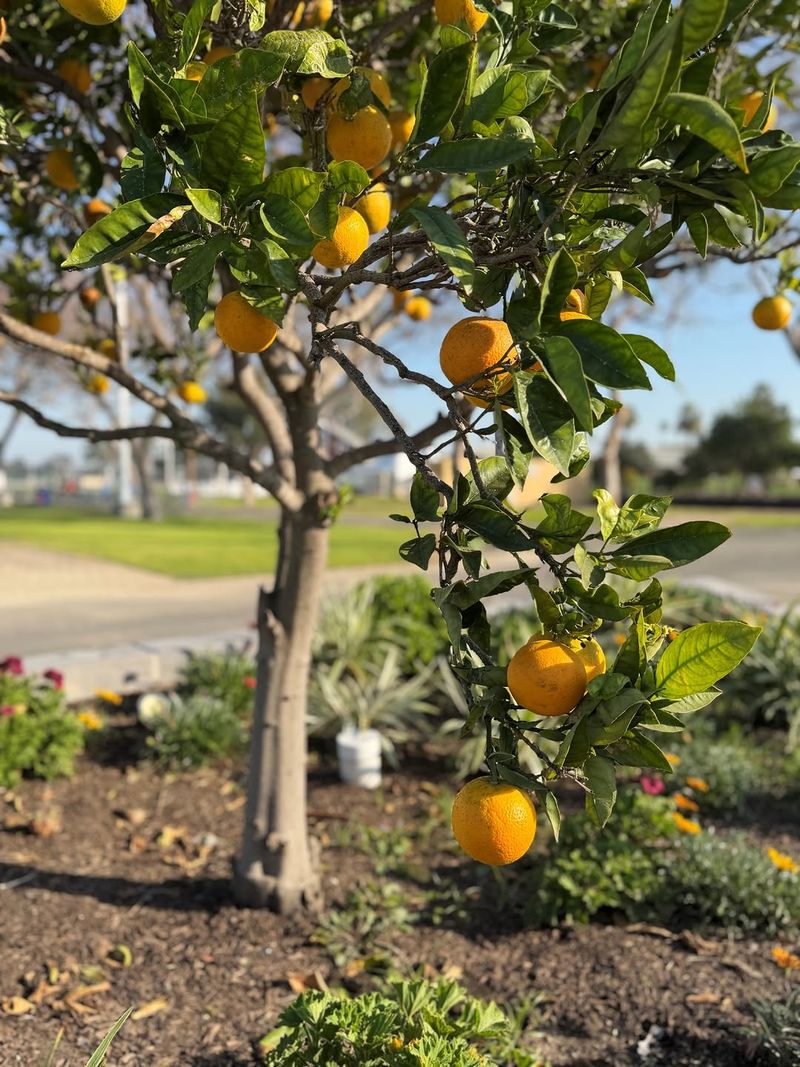
Thickness matters with mulch. Too thin and the layer dries out fast, offering little real protection.
Too thick and water may struggle to penetrate down to the roots, which creates its own set of problems.
Two to four inches is a practical target for most citrus trees in hot desert conditions. That range provides solid heat insulation and moisture retention without blocking water movement through the soil profile.
Piling on six or more inches might seem like more protection, but thick layers can compact over time and form a barrier that sheds water sideways instead of letting it soak in. Keeping depth within the recommended range avoids that issue.
Fresh wood chips or shredded bark tend to settle slightly as they break down. Starting at the higher end of the range, around three to four inches, accounts for that settling over a season.
Checking depth every few weeks through summer is a good habit.
Different mulch materials behave differently in terms of how fast they break down and how well they hold their depth. Coarser chips last longer than fine material.
Straw breaks down faster and may need replenishment more often in hot conditions.
Measuring depth is easy with a ruler or even a finger. Consistent depth across the root zone gives the most even protection.
7. Replace Broken Down Mulch Before August
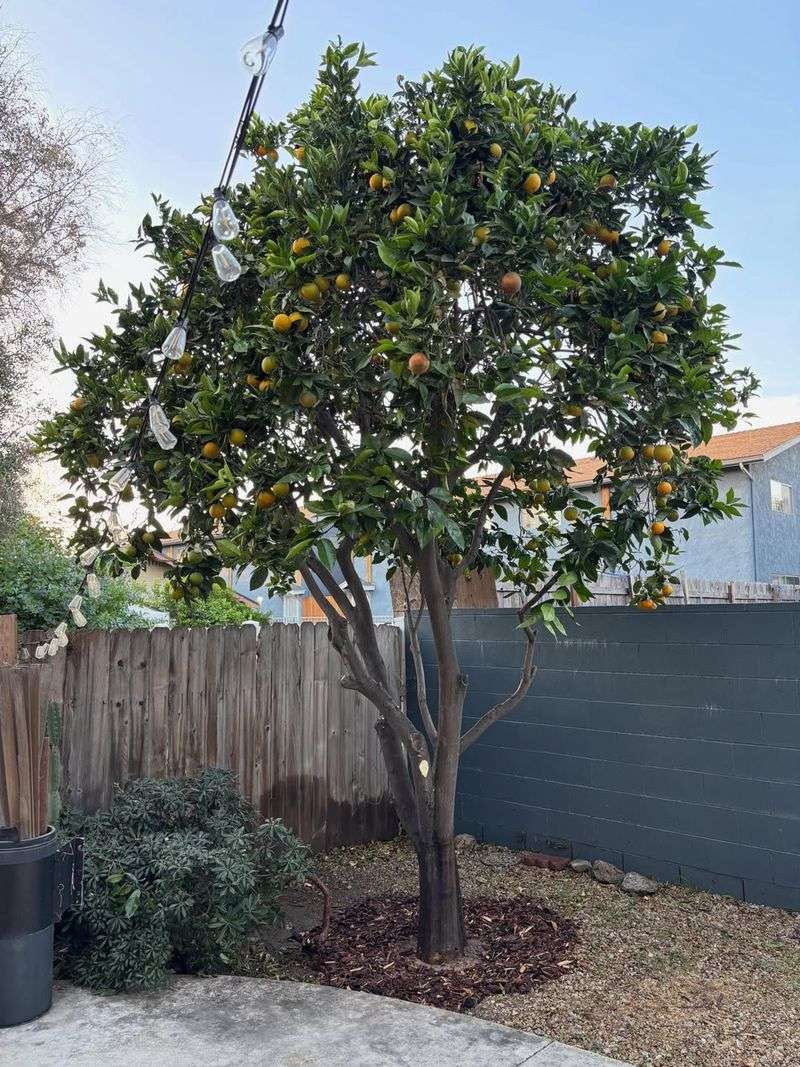
Mulch does not last forever. Organic material breaks down over time, and by midsummer, last year’s layer may be thin, compacted, or mostly decomposed.
Checking mulch depth before August arrives is a smart move.
Decomposed mulch still adds organic matter to the soil, which is genuinely useful. But once it breaks down past a certain point, it no longer provides much insulation or moisture retention.
Replacing it restores those protective benefits before peak heat hits.
Late June or early July is a good window for refreshing mulch in the desert Southwest. Waiting until August means the most intense heat is already underway.
Getting ahead of it gives trees a better buffer from the start of the hottest stretch.
When adding fresh mulch over old, there is no need to remove the decomposed layer. Rake it lightly to break up any crust, then add fresh material on top.
That keeps soil disturbance minimal and preserves beneficial organisms living in the existing layer.
Wood chip mulch from a local tree trimming service or municipal yard waste program is often available at low or no cost. Buying bagged mulch works too, though bulk material tends to be more economical for larger trees with wide root zones.