Identifying Leaf-Footed Bugs in Arizona and Protecting Fruit Crops When Damage Warrants Action
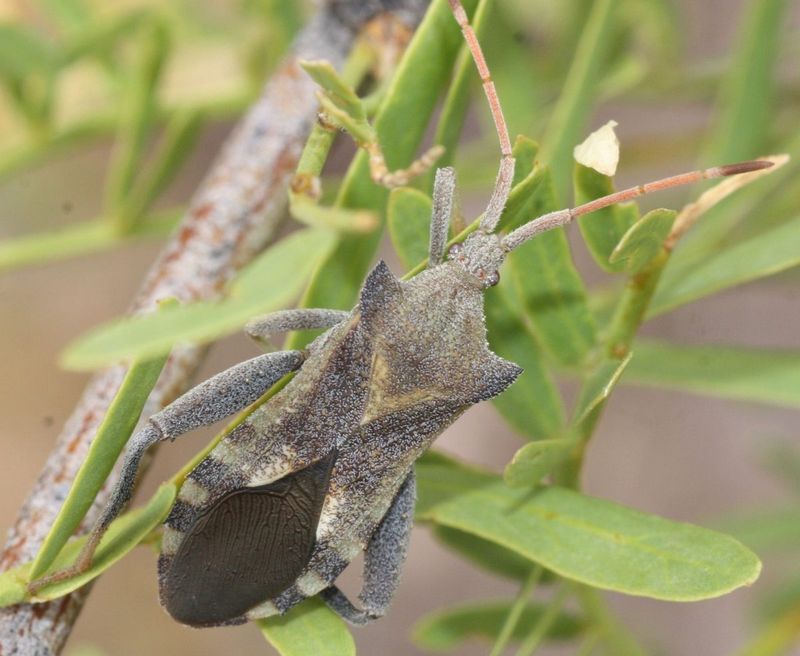
Spot a big, flat-backed bug on your tomato or pomegranate and it is easy to wonder if trouble has arrived. Arizona has several kinds of leaf-footed bugs, and they do not all act the same way.
Some barely bother a plant, while others can scar fruit you were hoping to eat. A little detective work will tell you when to act and when to simply let the bug be.
Leaf-footed bugs are relatives, not stink bugs
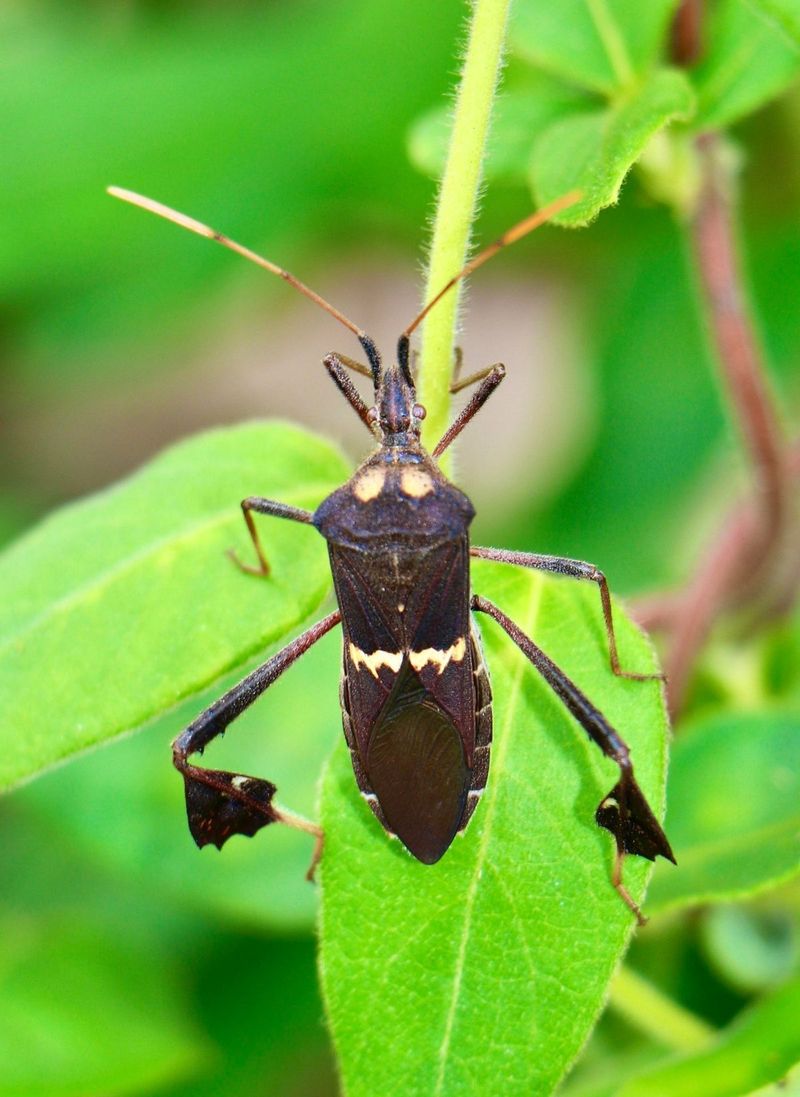
Gardeners often call these insects stink bug cousins, and that is a fair shortcut. Leaf-footed bugs belong to the family Coreidae, while stink bugs belong to Pentatomidae, so they are related but separate.
Leaf-footed bugs can also give off a noticeable defensive odor when handled, which may explain the comparison.
The flattened, leaf-like shape on the hind legs gives the group its name, but treat it as a clue only. Arizona Extension notes that some species and young nymphs show little or no leg flare.
Kissing bugs call for extra caution. They belong to a different family (Reduviidae) and feed on blood, while leaf-footed bugs feed on plants.
Telling them apart can take a close look at the mouthparts and body, so never handle an unidentified lookalike bare-handed. UC IPM guidance backs the habit of identifying first and deciding on control afterward.
Arizona has several species, and not all threaten crops
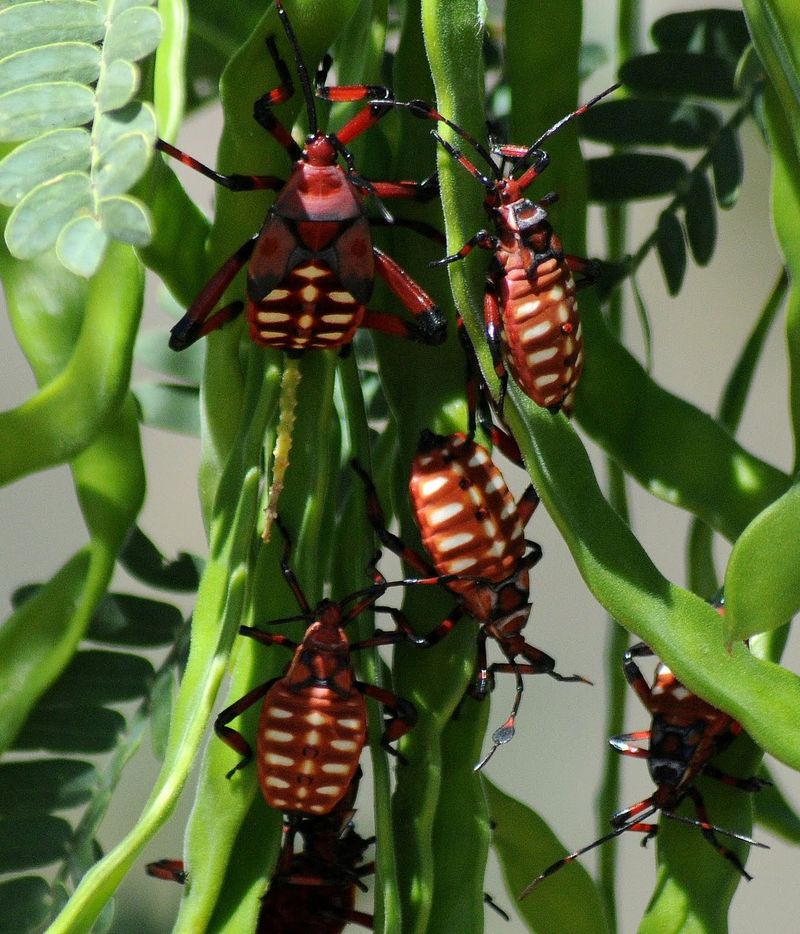
Arizona is home to a mix of leaf-footed bugs, including giant mesquite bugs, western leaf-footed bugs, western conifer seed bugs, and cactus coreids. Each one favors different plants, so the bug on your tree may have little in common with the bug on your squash.
Arizona Extension lists these local examples and shows how varied the group is.
The giant mesquite bug is a good lesson in restraint. Clusters of bright red-orange nymphs on a mesquite can look dramatic, yet Extension describes the damage to mesquites as minimal and recommends no control.
Before reaching for any tool, notice which plant the insect is sitting on. A bug on a native tree is a different situation from a bug sucking on a ripening pomegranate.
Watch for feeding damage on fruit
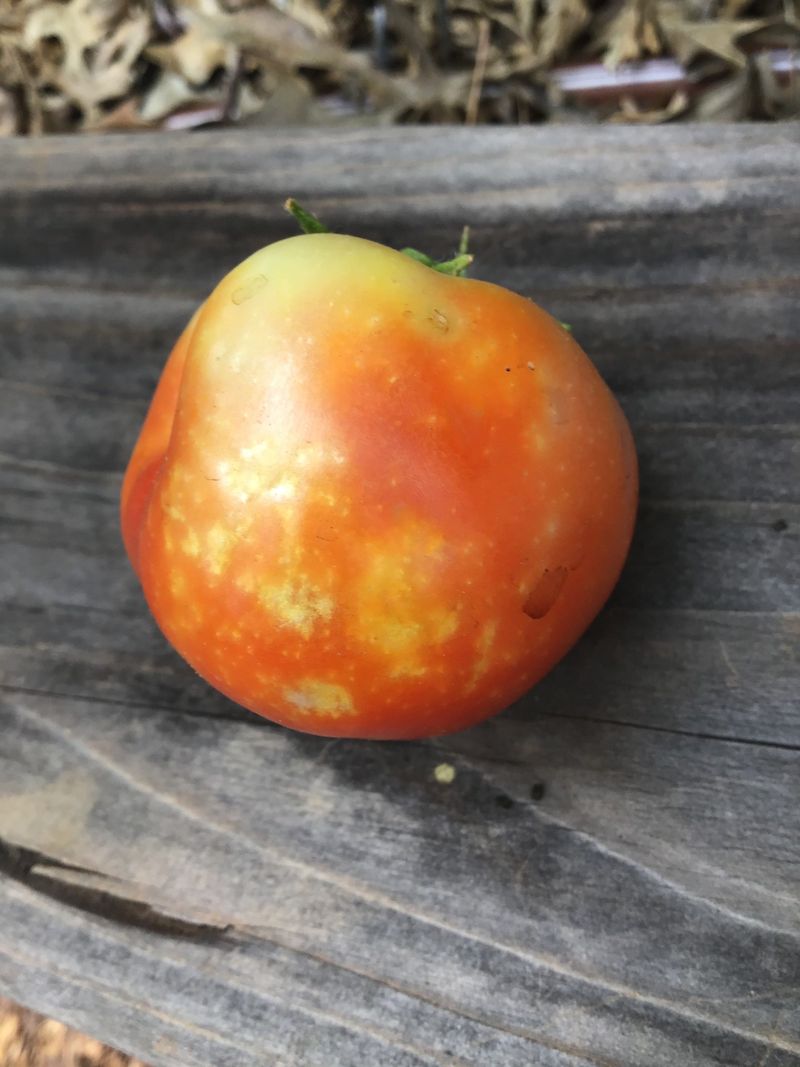
Leaf-footed bugs have piercing-sucking mouthparts, and they use them mostly on seeds and fruit. UC IPM explains that feeding can blemish or discolor fruit, and small fruit may drop off the plant.
Size and ripeness matter. Damage to mature tomatoes can be only skin deep, so a spotted tomato may still be perfectly good once you trim it.
Many ornamental plants show little or no visible harm from these insects. A few bugs on a flowering shrub rarely call for a response.
A handy test is to look at what is actually changing on your plants. Fruit that is dimpled, discolored, or falling early tells you more than a bug sighting alone does.
Scout fruiting plants as bugs become active
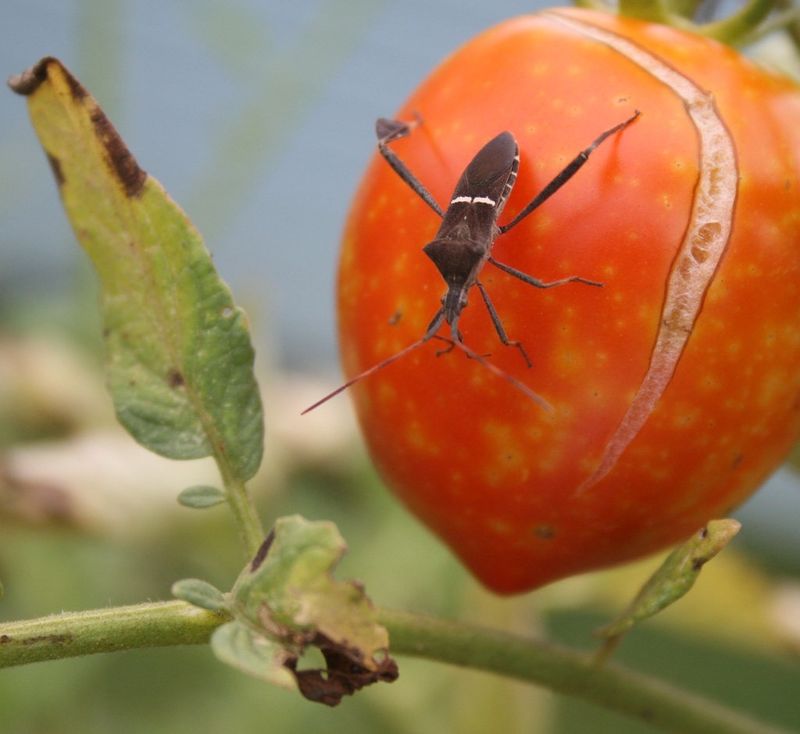
Many Arizona species spend winter as adults tucked into shelter. When warm weather returns in spring, they come out and begin laying eggs, and egg laying continues into summer.
Your Arizona Garden Changes Every Week. Your Plan Should Too.
Gardening in Arizona changes quickly throughout the season. Every Friday you’ll receive a simple weekly plan showing exactly what to plant, prune, fertilize, harvest, and protect so you never miss the right timing.
Arizona Extension observed every life stage on plants by late June in much of the state. That is a snapshot rather than a calendar, since species, weather, food supply, and your own neighborhood all shift the timing.
Plan on regular walks through the garden while fruit is developing or ripening. Look at stems, fruit, and the undersides of leaves for adults, clustered nymphs, and the thin, straight rows of eggs that look like tiny brown barrels.
UC IPM recommends frequent inspections, because catching a small group early gives you the most options.
Remove egg masses and clustered young bugs
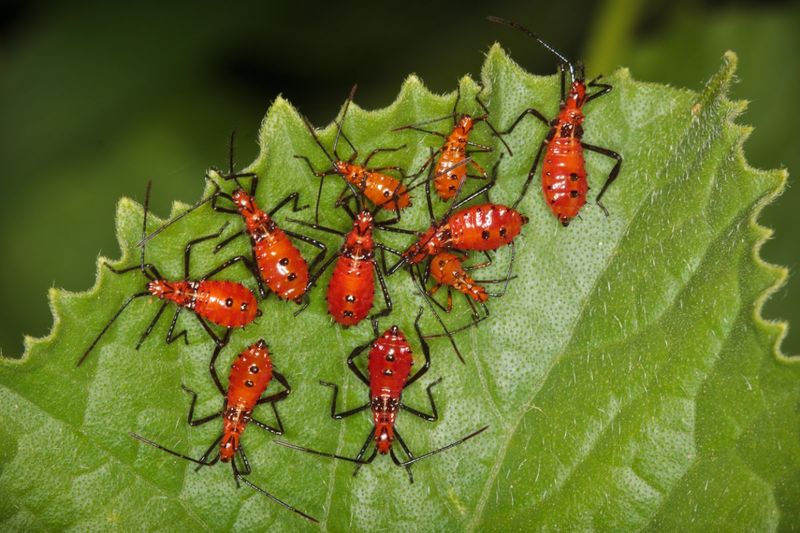
When scouting turns up bugs on a vulnerable crop, a few hands-on steps may be enough. Egg strands can be scraped or picked off the plant, and young nymphs are easiest to handle while they stay bunched together.
Hand-picking works, and so does brushing the bugs into a container of soapy water. UC IPM lists these removal options as useful early on.
Wear gloves, since the defensive secretions can smell strong and linger on skin.
These steps are choices, not chores. Skip them for bugs on plants that are not at risk, and keep them for times when fruit is on the line.
Results vary, because adults can fly in again from nearby plants.
Install row covers before bugs arrive
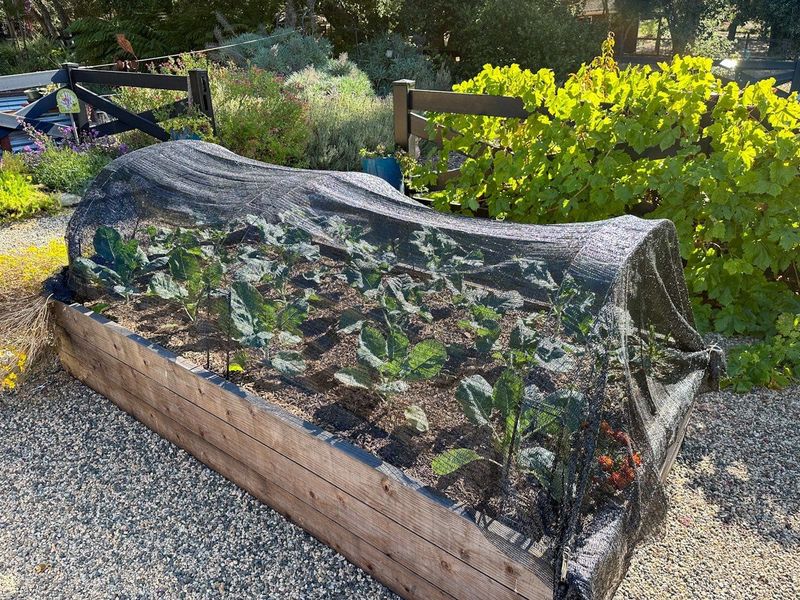
Row covers act as a physical barrier, and they can block feeding when they go on before leaf-footed bugs show up and lay eggs. UC IPM describes this timing as the key to making them work.
Put a cover over bugs that are already present and you may simply trap them with the crop. Covers are for prevention, not rescue.
There is a trade-off too. Covers can keep out pollinators and beneficial insects, which matters for plants that need bees to set fruit.
Weigh the choice against the crop and its growth stage. A cover might suit young plants that do not need pollination yet, while a flowering squash may be better left open and watched.
Protect natural enemies and reserve pesticides
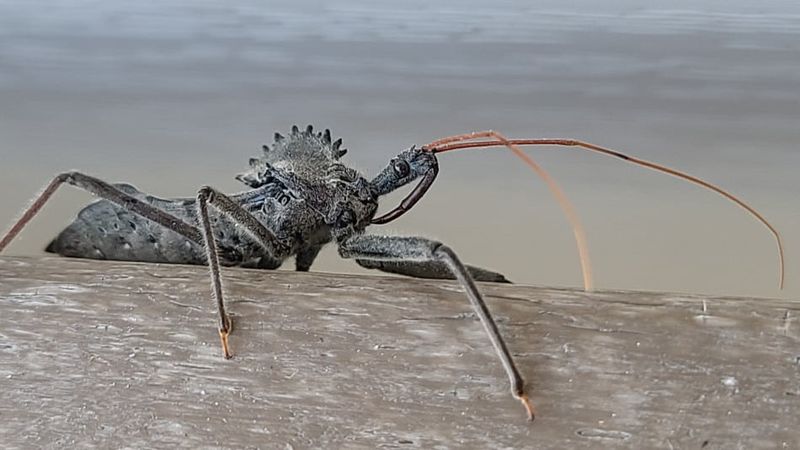
A yard that welcomes wildlife often keeps bug numbers in check on its own. Birds, spiders, assassin bugs, parasitic wasps, and flies are among the reported predators and parasites of leaf-footed bugs.
UC IPM says pesticides are rarely needed in home gardens, may work only briefly, and do best against small nymphs. Persistent broad-spectrum products can harm bees and other helpful insects.
If you still consider a product, confirm that its label covers your exact site and use. Follow the label directions and any preharvest interval before picking fruit.
Keep the decision rule simple: identify the insect, check its host plant, assess the damage, and act only as much as the situation calls for. The giant mesquite bug is the reminder that sometimes the right answer is nothing at all.
A calm look usually beats a fast spray.