Why Arizona Gardeners Start Preparing For Fall Tomatoes In August
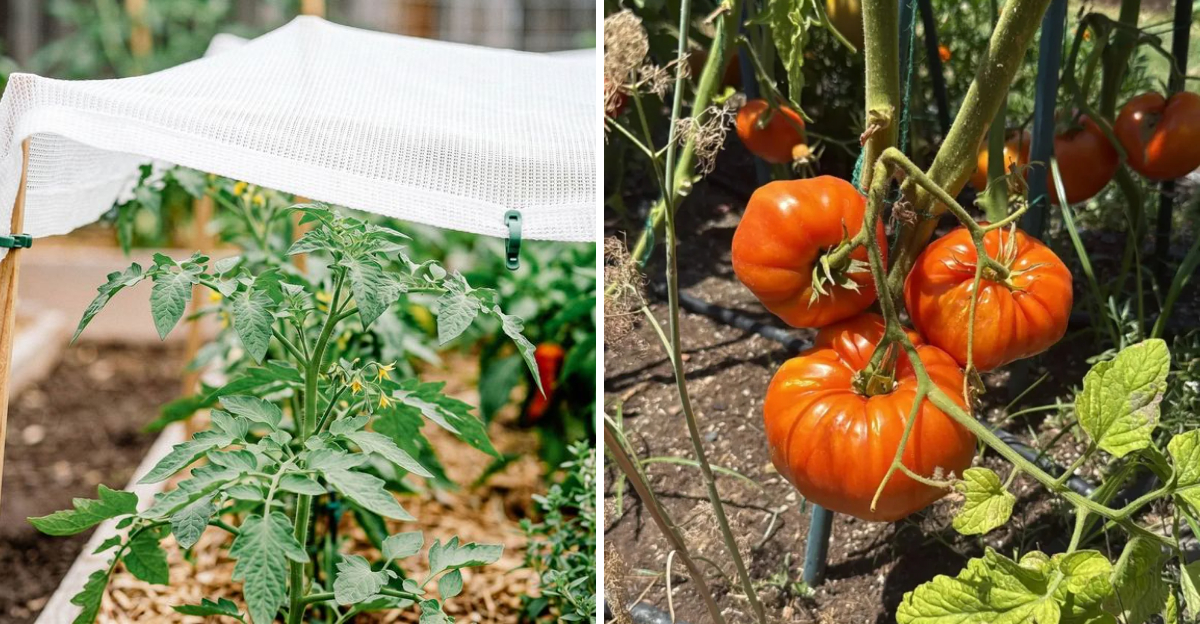
August feels far too hot to think about growing tomatoes again. Most gardeners put the idea aside without giving it another thought.
Experienced growers see this part of the season very differently. They know the biggest advantage comes long before cooler weather arrives.
Waiting for perfect planting conditions often sounds like the safe choice.
In Arizona, that approach can quietly shrink your fall harvest before it even begins.
Getting ahead of the season is not about working harder. It is about recognizing an opportunity that many people miss every year.
You have a better chance of success when you think a few weeks ahead. Good timing can matter more than most people ever expect.
Many first-time fall gardeners are surprised by how early everything begins. Once you understand the reason, the timing starts to make perfect sense.
1. August Gives New Plants Time To Establish
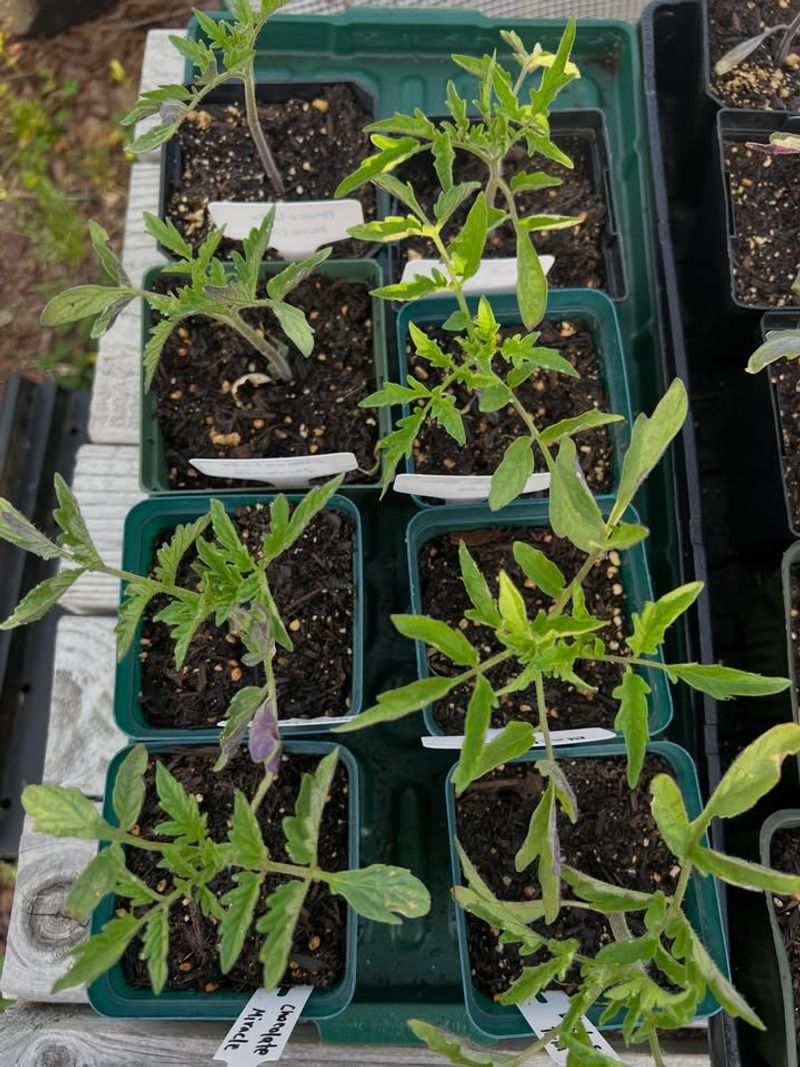
Planting in August sounds brutal, but the timing math actually works in your favor. Tomatoes need around 60 to 80 days to reach harvest, depending on the variety.
Counting backward from the ideal fall harvest window puts your planting date squarely in August.
New transplants need several weeks just to develop a solid root system. If you wait until September, roots are still getting established when cooler nights arrive.
Fruit set gets delayed, and you end up racing the first cold snap.
August planting gives roots a head start in warm soil. Warm soil encourages faster root expansion compared to cooler ground.
That early root development pays off once temperatures drop and the plant shifts energy toward flowering.
Experienced desert gardeners often say the fall crop can outperform spring if the timing is right. Getting transplants in during the first two weeks of August tends to produce stronger plants by mid-October.
Those plants flower more consistently and hold fruit better.
August prep is not about ignoring the heat. It is about working with the calendar rather than against it.
2. Heat-Tolerant Varieties Handle August Better
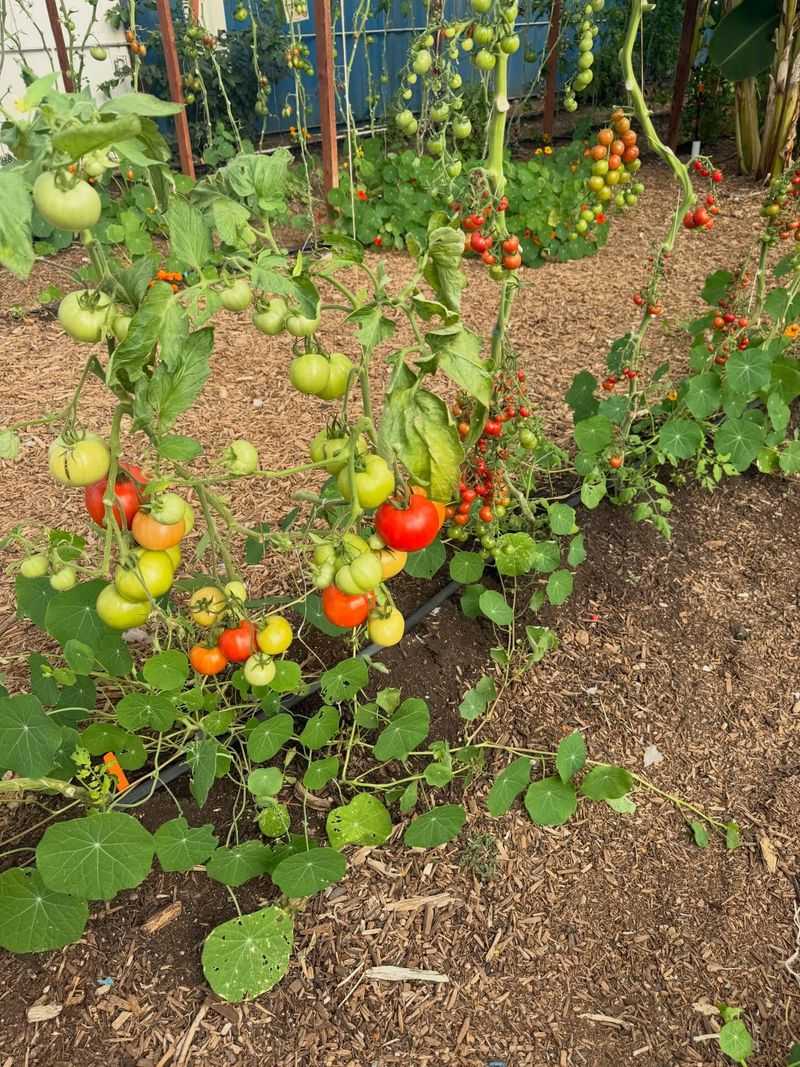
Not every tomato can survive an August planting in the desert Southwest. Variety selection makes a bigger difference here than almost anywhere else in the country.
Heat-tolerant varieties are bred to set fruit even when daytime temperatures push past 100 degrees. Standard varieties often drop their flowers during extreme heat, which means no fruit forms at all.
Choosing the wrong variety can result in a plant that looks healthy but never produces.
Varieties like Heatmaster, Solar Fire, and Sweet 100 cherry tomatoes have shown better performance in hot, arid conditions. They tend to keep flowering through heat spikes that would stop other types cold.
Local nurseries in the Phoenix and Tucson areas usually stock regionally appropriate options during summer.
Checking the days-to-maturity number on the seed packet or plant tag matters too. A variety that takes 85 days will struggle to finish before winter cold arrives if planted late.
Shorter-season, heat-tolerant types give you the best shot at a full harvest.
Seed swaps and local gardening groups are solid resources for variety recommendations.
Gardeners who have grown in your specific neighborhood often know which types perform best in local microclimates.
Your Arizona Garden Changes Every Week. Your Plan Should Too.
Gardening in Arizona changes quickly throughout the season. Every Friday you’ll receive a simple weekly plan showing exactly what to plant, prune, fertilize, harvest, and protect so you never miss the right timing.
3. Morning Sun Reduces Heat Stress On Seedlings
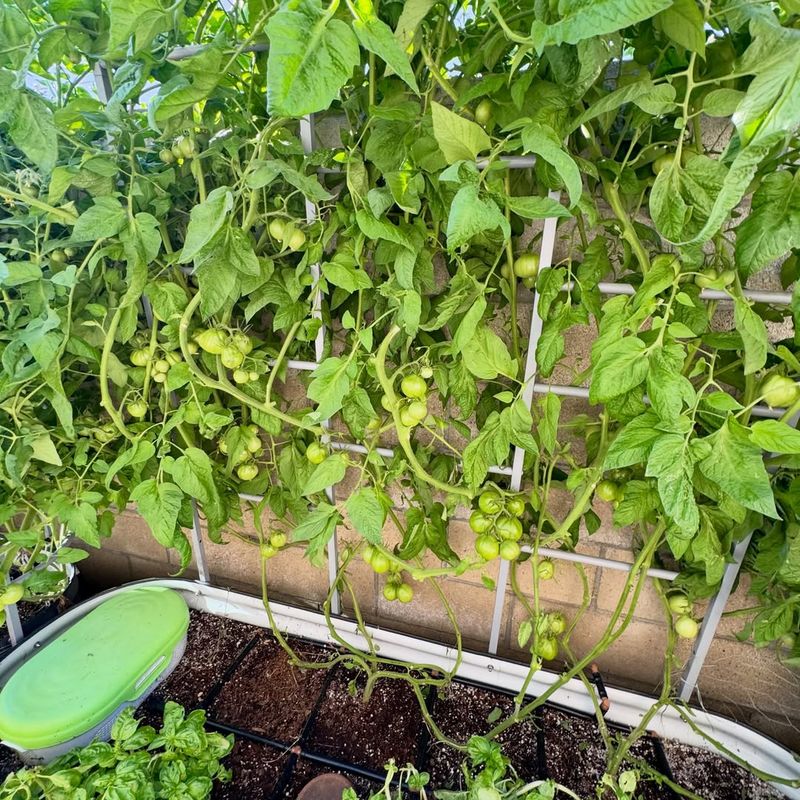
Sun direction matters more than most new desert gardeners expect. Planting where tomatoes catch morning light but get some afternoon shade can make a real difference in August.
Morning sun is gentler and gives plants the photosynthesis they need without the punishing intensity of late afternoon rays. Afternoon sun in August can push soil surface temperatures high enough to stress shallow roots.
Even established plants can show wilting by mid-afternoon under full western exposure.
Positioning your garden bed on the east side of a wall, fence, or structure is a practical solution. Plants get full light from sunrise through midday, then natural shade kicks in during the hottest hours.
That shade window gives foliage a chance to recover before evening.
Containers can be moved to take advantage of shade patterns as the season shifts. A pot on wheels gives you flexibility that an in-ground bed does not.
Some gardeners track sun patterns across their yard for a few days before deciding where to plant.
Leaf scorch on young transplants is a common sign of too much direct afternoon exposure. Leaves turn pale, curl at the edges, or develop dry patches.
4. Consistent Moisture Supports Strong Early Growth
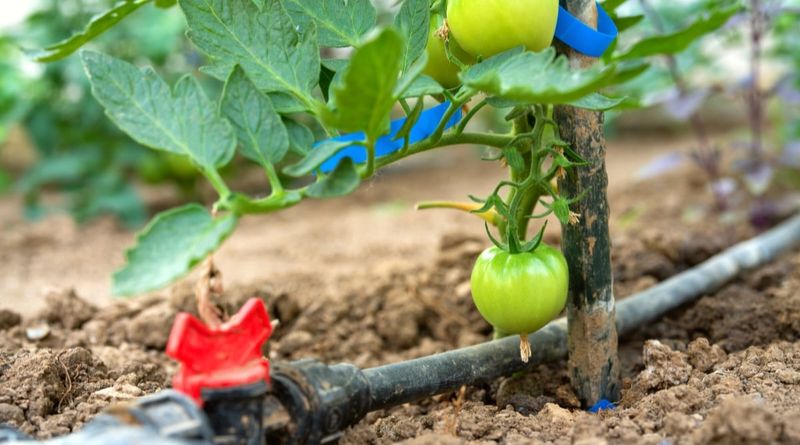
Water management in August is where a lot of desert gardeners lose plants they worked hard to establish. Heat pulls moisture out of soil fast, and young transplants have small root systems that cannot chase water deep into the ground yet.
Drip irrigation set to run daily or even twice daily during the first two weeks gives roots consistent access to moisture. Inconsistent watering leads to blossom end rot and cracked fruit later in the season.
Both problems trace back to uneven moisture during early growth stages.
Mulching around the base of each plant helps hold moisture in the soil between watering cycles. A layer of straw, wood chips, or shredded leaves two to three inches thick can noticeably reduce how quickly the soil surface dries out.
Keep mulch pulled slightly away from the main stem to prevent rot.
Checking soil moisture by hand is more reliable than sticking to a fixed schedule. Push a finger two inches into the soil near the root zone.
If it feels dry at that depth, water right away regardless of what the timer says.
Morning watering works better than evening in most cases. Wet foliage overnight can encourage fungal issues, especially as humidity creeps up in late summer.
5. Shade Cloth Protects Young Tomato Plants
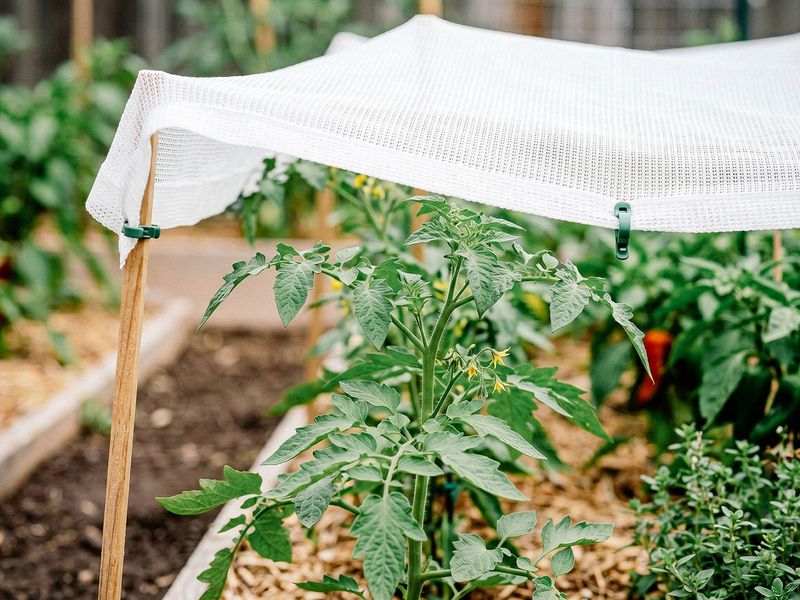
Shade cloth is one of the most practical tools a desert gardener can own. It does not replace sunlight; it filters it to a level young plants can actually use without getting overwhelmed.
A 30 to 40 percent shade cloth is a reasonable starting point for August tomato transplants. Higher percentages block too much light and slow growth.
Lower percentages may not provide enough relief during peak afternoon heat.
Setting up a simple frame with PVC pipe or metal conduit and draping shade cloth over it costs very little. The investment usually pays off in stronger, less-stressed plants that transition well into fall.
Plants grown under shade cloth in August often look noticeably healthier than those left fully exposed.
Shade cloth can be removed or rolled back once daytime highs drop into the low 90s, which typically happens in September or October depending on the year. At that point, plants benefit from more direct light to support fruit development.
Keeping it on too long can slow ripening.
Wind can be an issue with shade cloth setups. Secure the edges with clips, stakes, or bricks to keep it from shifting in afternoon gusts.
6. Rich Soil Supports Strong Root Growth
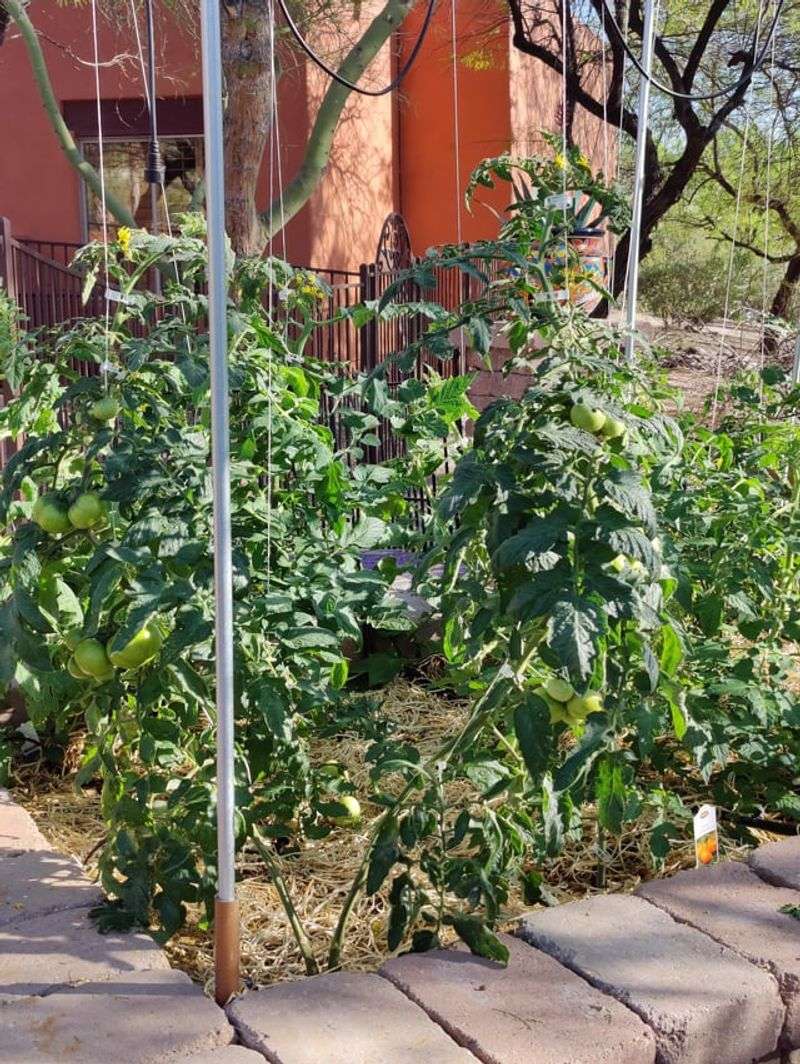
Desert soil straight from the ground is not ideal for tomatoes. Caliche layers, low organic matter, and poor drainage are common challenges across much of the Southwest.
Starting with amended soil gives transplants a much better foundation.
Compost is the most reliable amendment for improving desert soil. Mixing in two to four inches of finished compost before planting loosens compacted ground and adds nutrients that support early root growth.
Organic matter also helps soil retain moisture, which matters a lot in August heat.
Raised beds give you more control over soil quality from the start. Filling a raised bed with a blend of quality topsoil, compost, and a small amount of perlite for drainage creates a root-friendly environment that native ground rarely offers.
Roots spread more easily and reach water and nutrients more efficiently.
Fertilizing at planting time should be done carefully. Too much nitrogen early on pushes leafy growth at the expense of roots and flowers.
A balanced starter fertilizer or a light application of slow-release granules is usually enough to get plants going without overdoing it.
Soil temperature in Arizona in August runs warm, which is actually helpful for root development. Roots grow more actively in warm soil.
7. Cooler Nights Lead To Better Fruit Set
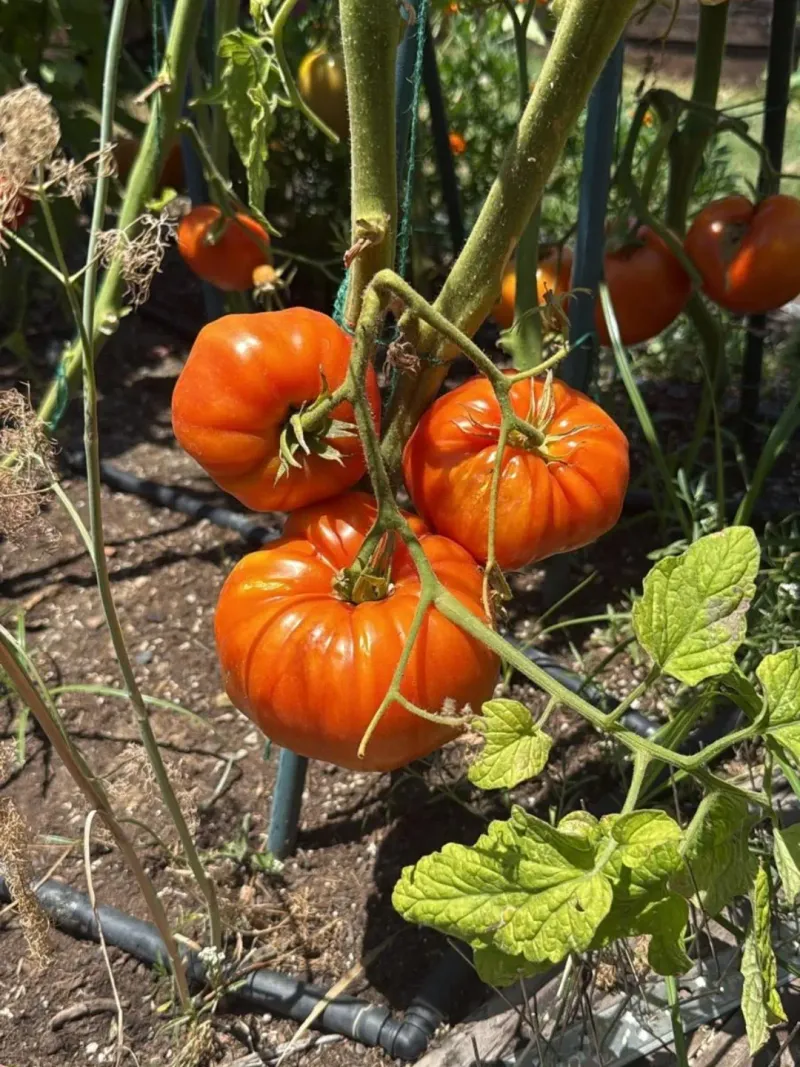
August planting is really about chasing October and November nights. That is when the magic happens for desert tomato growers.
Nighttime temperatures dropping into the 60s and low 70s create nearly perfect conditions for fruit set.
Tomatoes set fruit most reliably when nights stay between roughly 55 and 75 degrees Fahrenheit. Above that range, pollen becomes less viable and flowers drop without producing fruit.
Below it, the same problem can occur from the cold side.
Plants started in August reach full maturity just as those ideal night temperatures arrive. Flowering and fruit set happen in a window that would be missed entirely with a later start.
Timing the crop around that window is the whole point of August prep.
Gardeners in the Phoenix metro area often see their best tomato harvests in October and November. Fruit size, flavor, and quantity tend to improve significantly compared to the spring crop, which gets cut short by rising summer heat.
Fall tomatoes grown on a well-timed schedule can be surprisingly productive.
Keeping plants healthy through August makes the difference between a handful of tomatoes and a genuine harvest. Stress during establishment reduces flowering potential later on.