Arizona Gardeners Are Turning To These Low-Water Plants For Fall Landscaping
Your fall landscape does not need thirsty plants to look full and inviting. The right choices can bring color and texture without demanding constant watering.
September is a natural time to rethink spaces that struggled through summer. Instead of replacing them with the same choices, consider plants built for drier conditions.
Arizona gardeners have plenty of attractive options that fit naturally into water-wise landscapes. Some offer far more personality than their practical reputation might suggest.
Think beyond bare gravel when planning a yard that uses less water. Low-water landscaping can still feel lush, colorful, and carefully designed.
The biggest difference comes from matching each plant with the right location. Sun exposure and available space can shape how well it performs.
Discover which low-water plants can give your fall landscape a fresh start this season.
1. Chuparosa Thrives With Little Irrigation Once Its Roots Settle In
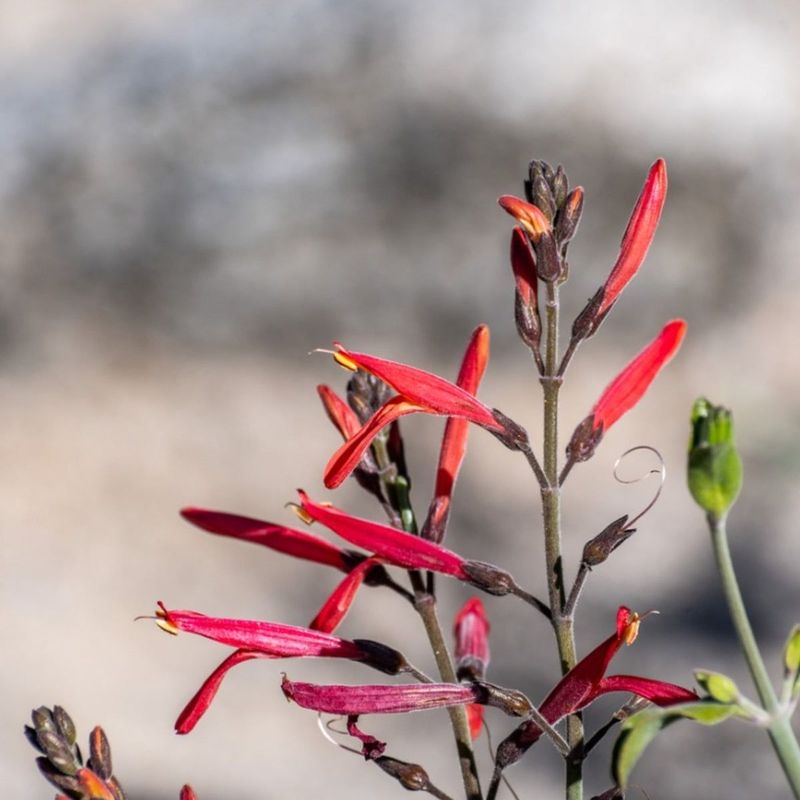
Bright red tubular flowers on a plant that barely asks for water? Chuparosa makes that possible.
Native to the Sonoran Desert, it produces vivid blooms that attract hummingbirds, often from late winter through spring and sometimes into fall after monsoon moisture.
Once established, chuparosa handles extended dry periods fairly well. Young plants benefit from occasional deep watering during the first season to help roots spread.
After that, supplemental irrigation can be reduced significantly, though plants in very sandy or rocky soil may still appreciate a drink during prolonged dry stretches.
Chuparosa tends to grow into a loose, open shrub reaching four to five feet tall and wide. It fits naturally along dry washes, rock gardens, or informal desert borders.
Pairing it with boulders or decomposed granite mulch helps retain soil moisture and keeps roots cooler during warm spells.
Pruning is rarely needed, but light shaping after bloom cycles keeps growth tidy. Avoid heavy pruning in fall since that can remove developing buds.
Planting in full sun gives the best flowering results. Partial shade is tolerated, but bloom production may drop noticeably in lower light conditions.
Chuparosa grows best in fast-draining soil and usually needs little fertilizer once established. Giving the shrub enough space allows its naturally open branches to develop without crowding nearby plants.
With minimal maintenance, it can provide dependable seasonal color while fitting easily into low-water desert landscapes.
2. Apache Plume Adds Soft White Flowers To Sunny Landscapes
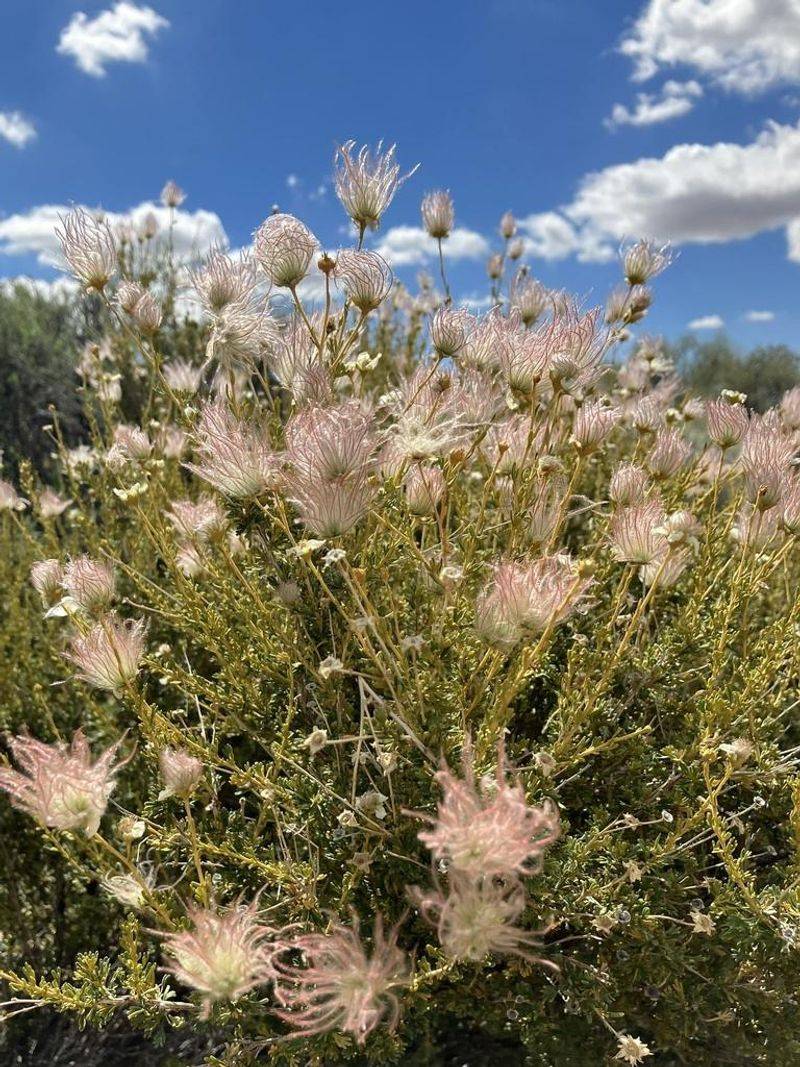
Few desert plants offer the same layered visual interest as Apache Plume. White rose-like flowers appear first, then fade into silky, pinkish-purple seed plumes that catch the breeze and glow in afternoon light.
Both stages are worth watching.
Apache Plume is native to the desert Southwest and adapts well to dry, well-drained soils. It handles full sun without much stress and can reach five to six feet tall when conditions suit it.
Plants growing in heavier clay soils may stay somewhat shorter and should be watched for drainage issues.
Fall planting works well because cooler temperatures reduce transplant stress. Water new plants regularly through the first few months, then cut back as roots spread.
Your Arizona Garden Changes Every Week. Your Plan Should Too.
Gardening in Arizona changes quickly throughout the season. Every Friday you’ll receive a simple weekly plan showing exactly what to plant, prune, fertilize, harvest, and protect so you never miss the right timing.
Established plants are fairly drought-tolerant but may benefit from occasional deep watering during extended dry periods in summer or fall.
One practical note: Apache Plume spreads by root suckers and can slowly expand beyond its original planting spot. Keeping an eye on new growth along the edges helps manage spread without much effort.
Cutting back older woody stems every few years encourages fresh growth and better flowering. Full sun is strongly preferred for the most abundant blooms and seed plumes.
Apache Plume needs little fertilizer, and overly rich soil can encourage excessive leafy growth at the expense of flowers.
Giving the shrub plenty of room also allows its branching form and distinctive seed plumes to stand out naturally.
3. Blackfoot Daisy Stays Compact Along Hot Garden Borders
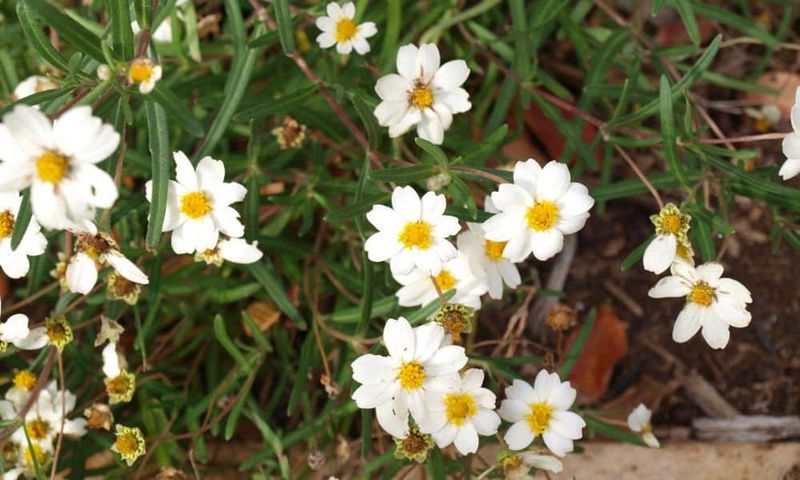
Compact, cheerful, and surprisingly tough, Blackfoot Daisy punches well above its size. White petals with bright yellow centers bloom on and off throughout the year, especially after rain or mild temperatures arrive.
Fall often brings a fresh flush of flowers as summer heat eases.
Blackfoot Daisy stays low, usually under a foot tall, which makes it ideal for border edges, rock gardens, or planting between flagstones. It handles reflected heat from walls and pavement better than many plants its size.
Good drainage is the most important factor for long-term success.
Heavy or poorly draining soil can cause root problems over time. Raised beds or slopes with gravelly soil tend to produce the healthiest plants.
Avoid overwatering, especially in fall and winter when the plant slows down. Letting the soil dry between waterings keeps it in better condition.
Deadheading spent flowers can encourage more blooms, though plants often self-clean reasonably well on their own. Light trimming after heavy bloom cycles refreshes the shape without removing too much healthy growth.
Blackfoot Daisy pairs nicely with low ornamental grasses or small succulents along sunny borders. Once established in the right spot, it needs very little attention to keep performing season after season.
Blackfoot Daisy generally does not need fertilizer when planted in suitable soil, making it an easy choice for low-maintenance landscapes.
Leaving enough space around each plant also helps preserve its naturally rounded form as it matures.
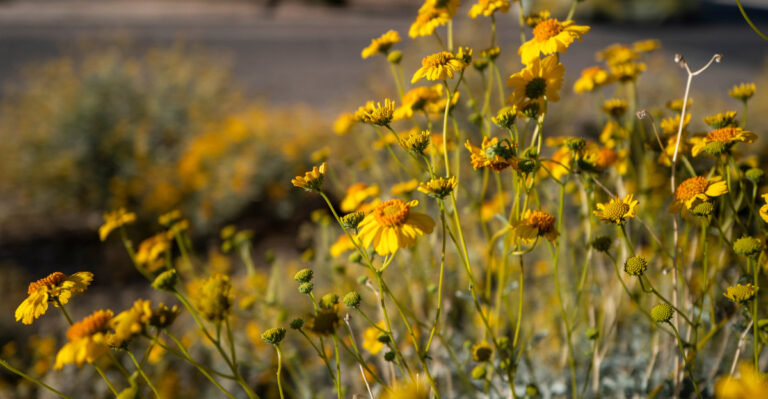
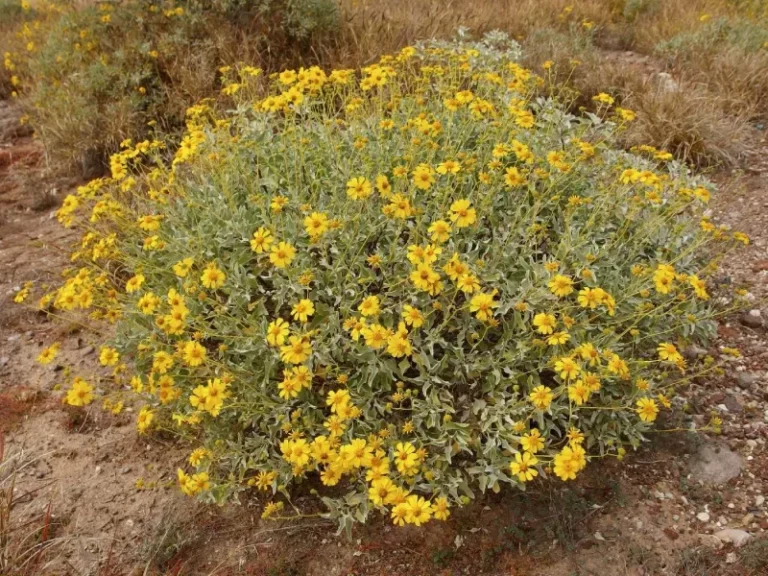
4. Desert Marigold Fills Open Spaces With Bright Yellow Blooms
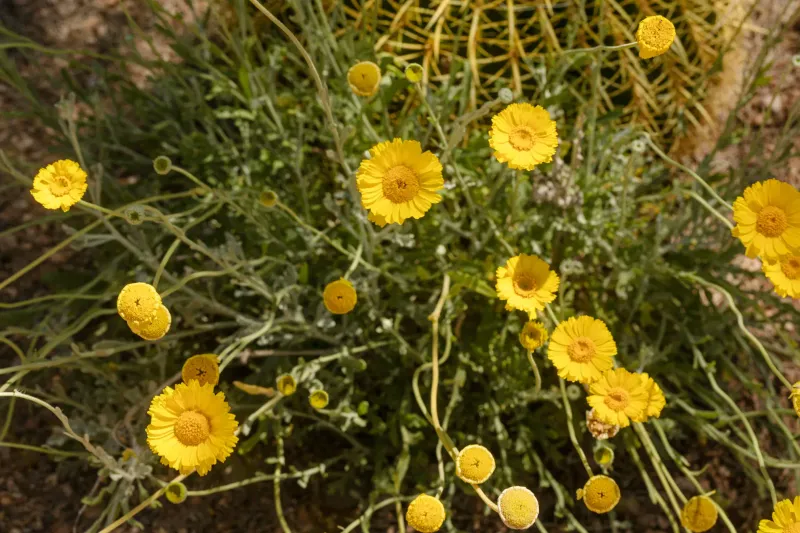
Yellow is hard to miss in a desert landscape, and Desert Marigold delivers it reliably. Bright golden flowers bloom on tall stems from spring through fall, often peaking just as other plants wind down for the season.
That extended bloom window makes it a dependable choice for adding color without extra effort.
Desert Marigold grows well in rocky, sandy, or gravelly soils with excellent drainage. Full sun is essential.
Plants in partial shade tend to get leggy and produce fewer flowers. Once established, they handle dry conditions reasonably well, though a deep watering every couple of weeks during hot, dry stretches can support better blooming.
Plants spread by seed fairly readily, so expect some self-sowing around the original planting area. Some gardeners appreciate the natural spread, while others prefer to deadhead spent flowers before seeds scatter.
Either approach works depending on the look you want.
A light trim after the main bloom cycle can encourage a second flush of flowers later in the season. Avoid cutting back too hard in fall since new growth may not harden off before cold arrives.
Desert Marigold pairs well with native grasses, agaves, and low-growing groundcovers. It brings structure and color to open areas that might otherwise look bare between larger shrubs.
Once established, its low maintenance needs make Desert Marigold especially practical for sunny, low-water areas of the landscape.
5. Fairy Duster Offers Feathery Flowers Without Demanding Much Care
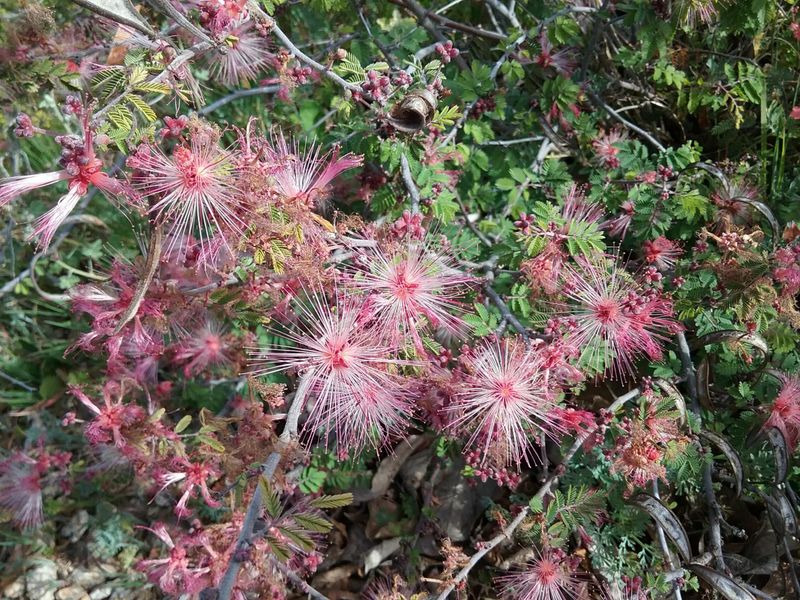
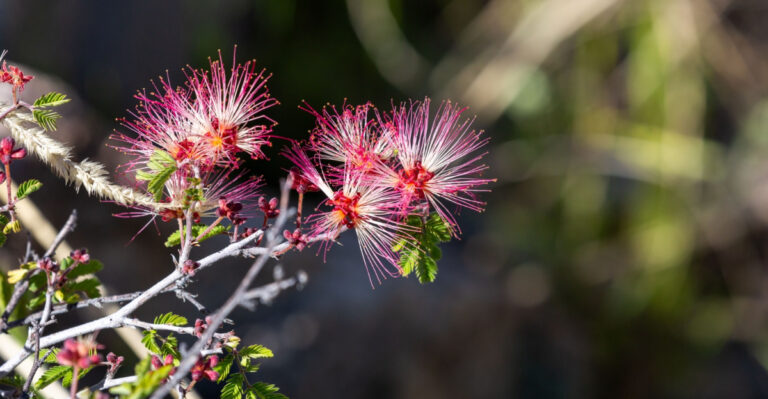
Soft pink flower clusters that look like tiny bottle brushes give Fairy Duster its name, and the blooms are genuinely eye-catching up close.
Plants flower primarily in late winter and spring but can rebloom after summer monsoon rains and into early fall under the right conditions.
Fairy Duster is native to the Sonoran Desert and grows naturally in rocky desert slopes and dry washes. It stays fairly low, usually two to four feet tall, with a spreading, open habit.
That low profile makes it useful for sloped areas, rock gardens, or as a low border along paths.
Full sun suits it best. Plants in shadier spots tend to grow looser and produce fewer flowers.
Soil drainage matters a lot with this plant. Avoid heavy clay or spots where water pools after rain.
Planting in decomposed granite or amended sandy soil gives roots the conditions they prefer.
Once roots are established, supplemental watering can be reduced considerably. During prolonged dry periods in fall or summer, an occasional deep watering supports healthier growth.
Avoid frequent shallow watering since that encourages weak surface roots rather than deeper, more drought-resilient ones. Light pruning after bloom cycles keeps the shape tidy.
Fairy Duster also attracts butterflies and hummingbirds, adding extra life to any garden space.
Its fine, feathery foliage adds soft texture to desert plantings even when the shrub is not in bloom.
6. Desert Globemallow Stands Up Well To Heat And Strong Sun
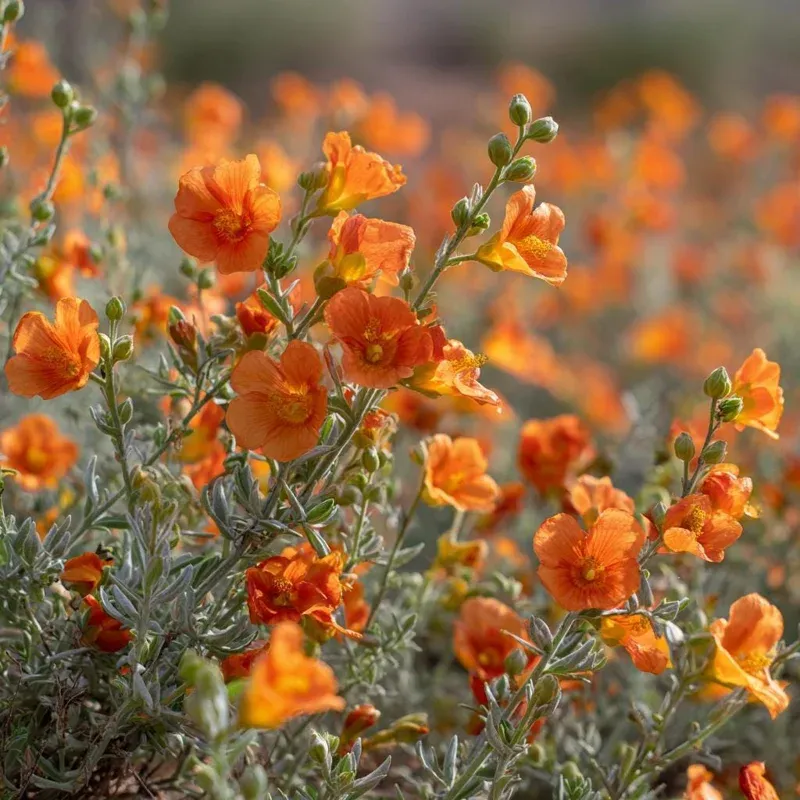
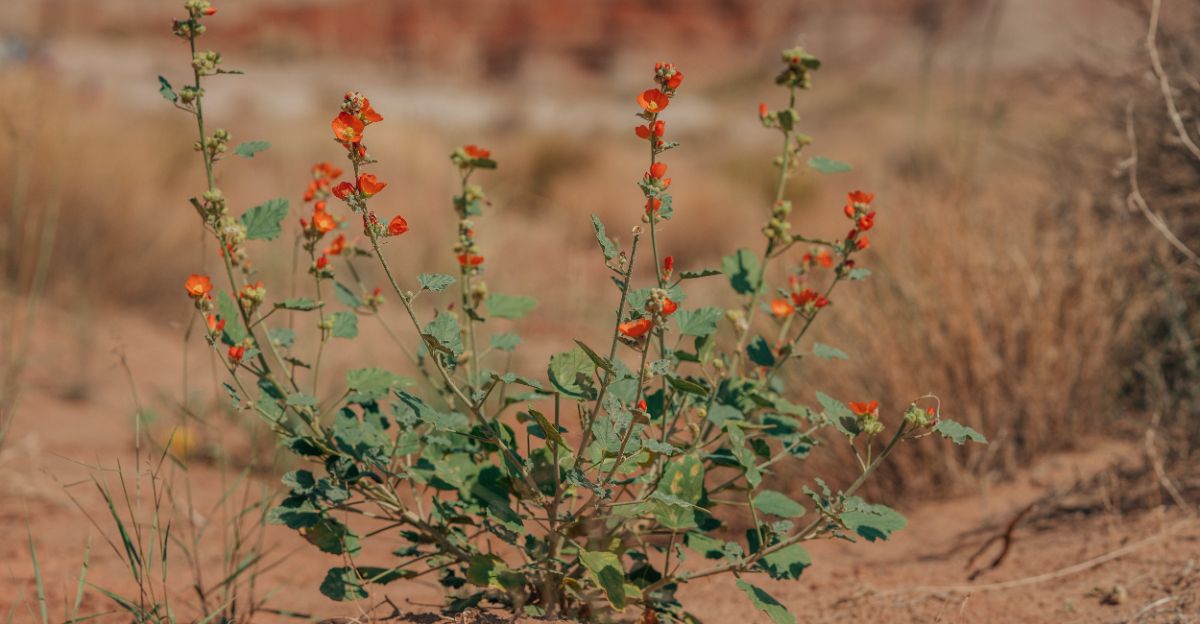
Orange cup-shaped flowers rising above silvery-gray foliage make Desert Globemallow one of the more striking low-water plants in the desert Southwest.
It blooms heavily in spring but can push out additional flowers in fall when temperatures cool and some moisture is present.
Globemallow handles intense heat and full sun without much visible stress. The silvery leaf texture is not just attractive.
It actually reflects sunlight and reduces moisture loss, which is part of how the plant manages in such dry conditions. Sandy or gravelly soils with good drainage suit it well.
New plants benefit from regular watering through the first growing season. After roots establish, irrigation needs drop significantly.
Overwatering is a more common problem than underwatering once plants are settled in. Soggy soil can cause root issues, particularly in heavier soils with poor drainage.
One thing worth knowing: Globemallow leaves have tiny hairs that can irritate sensitive skin. Wearing gloves when pruning or handling the plant is a sensible precaution.
Light trimming after bloom cycles encourages compact, bushy regrowth. Left unpruned, plants can get rangy over time.
Globemallow reseeds freely, so expect volunteers around the original plant. Removing unwanted seedlings early is easier than managing larger established plants later.
It pairs well with agaves, desert marigold, and ornamental grasses.
7. Burroweed Fits Naturally Into Dry Desert Landscapes
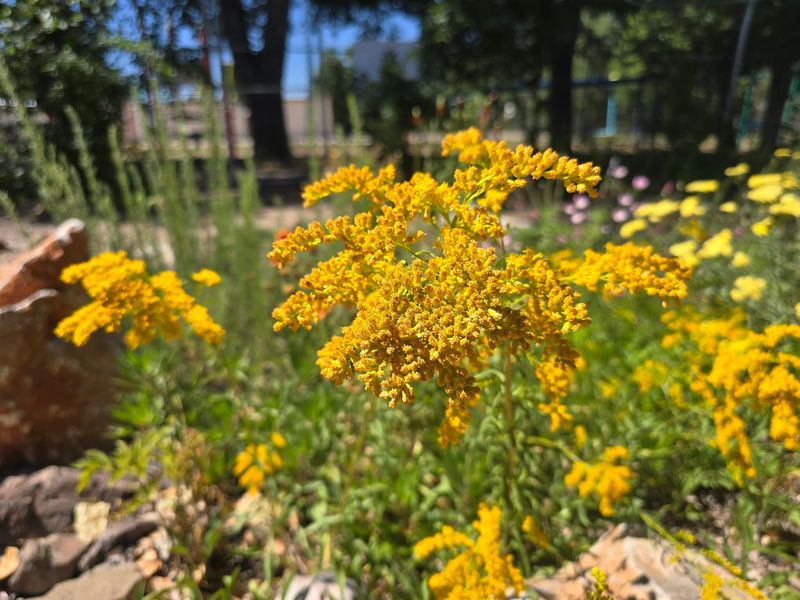
Not every plant earns attention through flashy blooms, and Burroweed is honest about that. Small yellow flowers appear in fall, making it one of the few native shrubs that blooms during that season rather than spring.
For gardeners wanting fall color with minimal effort, that timing is genuinely useful.
Burroweed is a low-growing native shrub that fits into dry, rocky desert soils without much fuss. It rarely grows taller than two feet, which suits it for filling in low spots or transitional areas between larger plants.
Full sun is preferred, and it handles reflected heat reasonably well.
Water needs are minimal once established. Plants growing in natural desert conditions receive no supplemental irrigation and perform fine.
In a garden setting, occasional deep watering during prolonged dry stretches can help, but frequent watering is not necessary and may actually cause more problems than it solves.
Burroweed is not a plant for formal or manicured gardens. It has a loose, natural appearance that works best in naturalistic or habitat-style landscapes.
Pairing it with other low native shrubs, ornamental grasses, or scattered rocks creates a cohesive desert feel. It also provides some habitat value for insects that visit the fall flowers.
Minimal pruning is needed, and plants generally maintain their shape without much intervention from season to season.
8. Alkali Goldenbush Adds Native Color To Desert Gardens
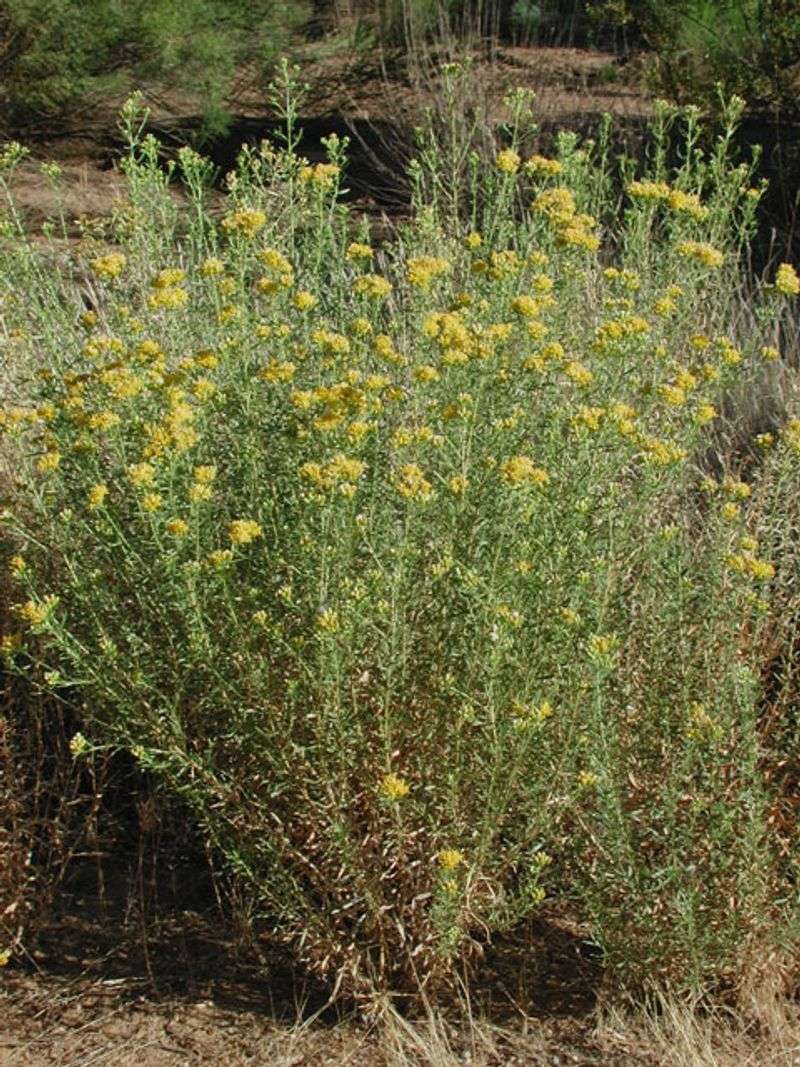
Yellow flowers in fall are not exactly common in desert gardens, which is exactly what makes Alkali Goldenbush worth noticing. Clusters of small golden blooms appear in late summer and fall, right when most other plants have finished for the season.
That late-season color fills a real gap in the garden calendar.
Alkali Goldenbush grows well in alkaline, sandy, or dry soils where other plants sometimes struggle. It tolerates the kind of tough soil conditions common across much of the desert Southwest, including compacted or low-nutrient ground.
Full sun is preferred for the strongest growth and best flowering.
Plants reach two to four feet tall depending on soil and moisture conditions. Growth tends to be upright and somewhat open, which keeps it from looking too dense or heavy in a landscape.
Spacing plants three to four feet apart gives each one room to develop naturally without crowding.
Water needs are low after the first season. Deep, infrequent watering during establishment helps roots spread into the surrounding soil.
Once settled, plants handle extended dry periods reasonably well. Light pruning after the bloom period keeps growth tidy and can encourage denser branching the following season.
Alkali Goldenbush attracts pollinators during fall bloom, adding movement and life to the garden at a time when activity often slows. It pairs well with desert marigold, burroweed, and native grasses.