The One Thing You Must Do To Crape Myrtles In Pennsylvania Before August Is Over
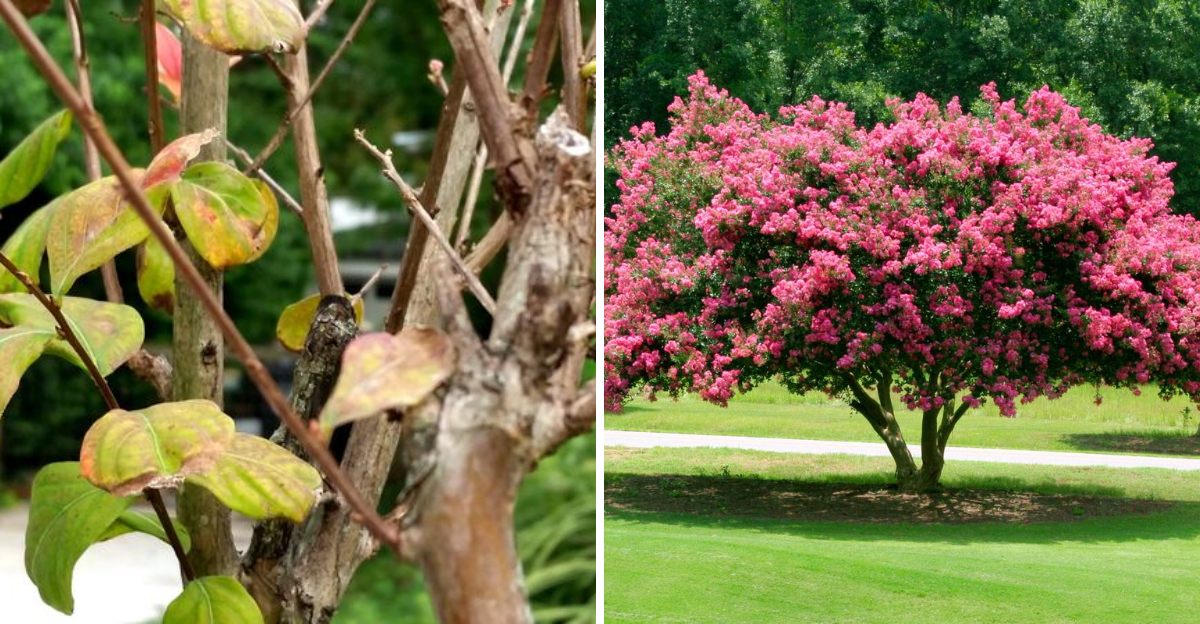
Crape myrtles in Pennsylvania occupy a beautiful but precarious position. They’re not native to this climate, they push their hardiness limits in many parts of the state, and the difference between a crape myrtle that thrives year after year and one that struggles through winter often comes down to decisions made in late summer rather than during the growing season itself.
And one of the most important decisions is knowing when to stop. Most Pennsylvania crape myrtle growers focus on what to do for their plants through the growing season. Far fewer think carefully about when to put the pruners down for good.
But pruning crape myrtles too late in summer triggers new growth that simply does not have enough time to harden off before cold weather arrives, leaving the plant genuinely vulnerable through the Pennsylvania winter.
By late August, that window needs to be closed. No more cuts. Here’s why stopping pruning before August ends is one of the most important things you can do for your Pennsylvania crape myrtles and what happens when you wait too long.
Stop Pruning Crape Myrtles By Late August
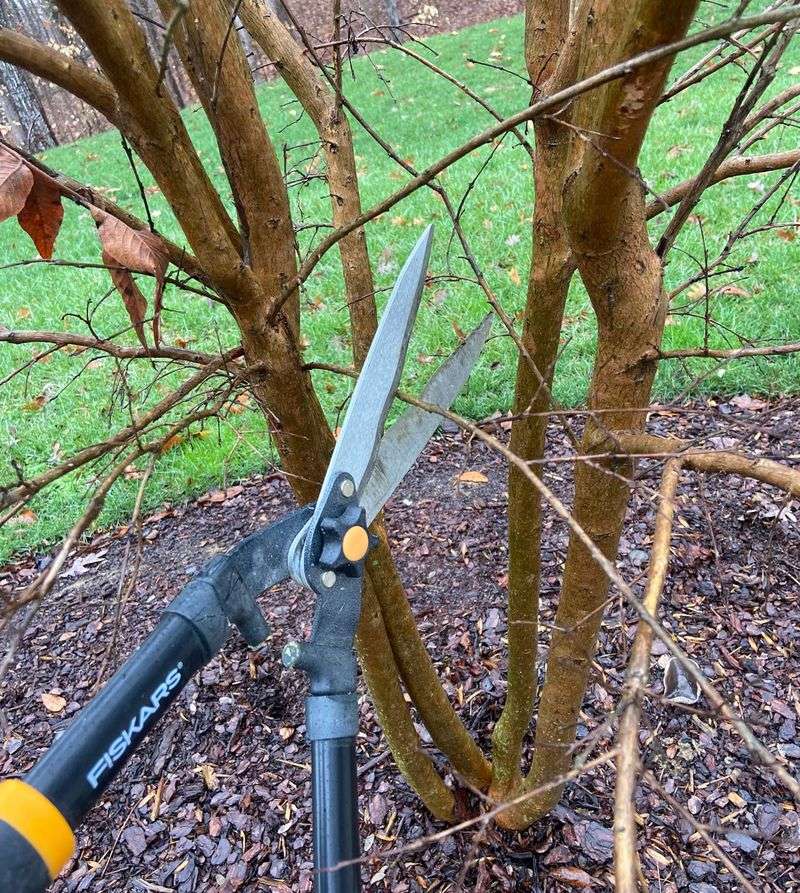
Most gardeners have good intentions when they reach for their pruning shears in late summer. The problem is that cutting back crape myrtles after mid-August in Pennsylvania can cause more harm than help.
Healthy branches and new growth need to stay right where they are at this point in the season.
When you prune a crape myrtle late in the year, you send the plant a signal to push out fresh new shoots. Those tender shoots look great at first, but they have almost no time to toughen up before cold temperatures arrive.
In Pennsylvania, that window between late August and first frost can be surprisingly short. Crape myrtles are actually pretty tough plants when you treat them right. They bloom on new wood each year, which means they will produce flowers next summer no matter what.
You do not need to cut them back now to encourage blooming later. Leaving the plant alone is genuinely the best move you can make right now.
Look at your crape myrtle and appreciate what it has already done this season. If the branches look healthy and the growth looks full, that is exactly what you want to see heading into fall.
Resist the urge to tidy things up with a late trim. The plant is not messy; it is simply preparing for the months ahead.
Skipping the late-summer pruning session is one of the simplest and most effective ways to protect your crape myrtle. Just step back, enjoy the blooms, and plan to address any shaping needs during the proper pruning window later in the year.
Save Major Pruning For Late Winter
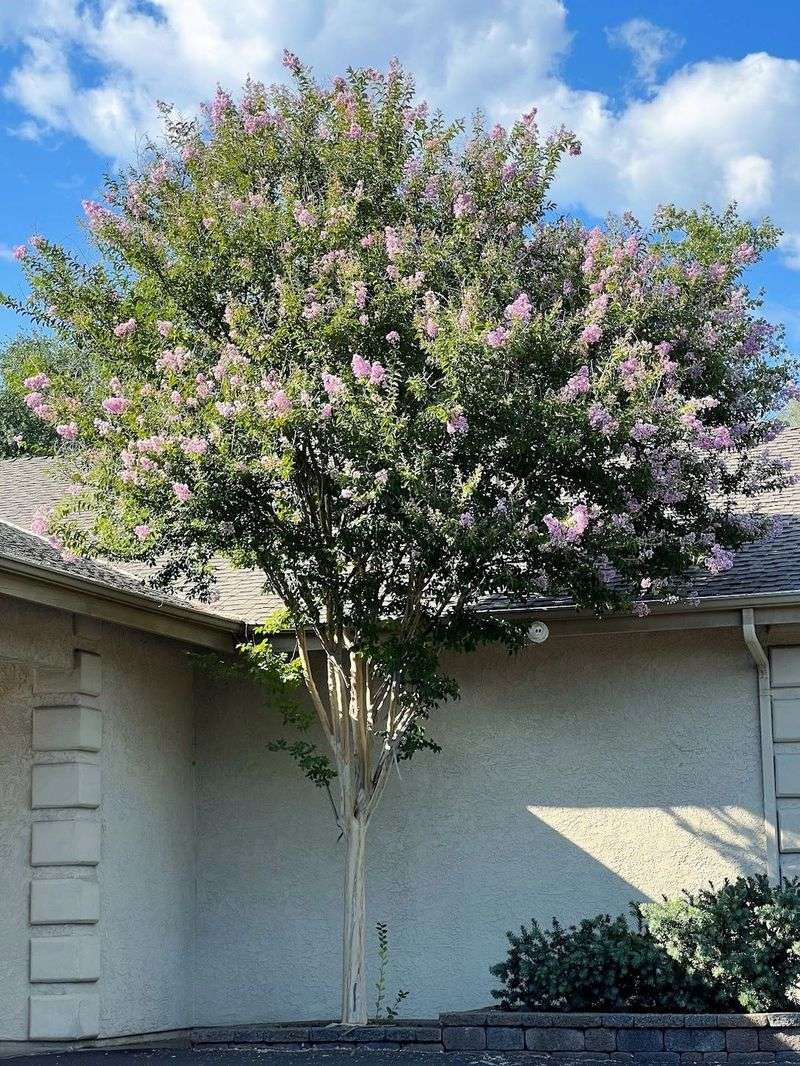
Crape myrtles have a natural rhythm, and working with that rhythm instead of against it makes everything easier. Major pruning belongs in late winter, right before new growth begins in spring.
That timing gives the plant the best chance to respond well and grow strong through the warmer months.
Your Pennsylvania Garden Changes Every Week. Your Plan Should Too.
Gardening in Pennsylvania changes quickly throughout the season. Every Friday you’ll receive a simple weekly plan showing exactly what to plant, prune, fertilize, harvest, and protect so you never miss the right timing.
Late winter pruning works so well because the plant is fully dormant at that point. There is no active growth to interrupt, no tender shoots to protect, and no risk of triggering new growth that could be damaged by cold snaps.
You can see the structure of the plant clearly without all the leaves in the way, which actually makes pruning easier and more accurate.
Some people worry that waiting until late winter means missing their chance to shape the plant. That is simply not true.
Crape myrtles are resilient and respond beautifully to dormant-season pruning. You will likely be amazed at how quickly they bounce back and fill in with healthy new growth once spring arrives.
A common mistake is thinking that crape myrtles need frequent shaping throughout the growing season. They really do not.
Once you establish a good structure through proper dormant pruning, the plant tends to maintain a nice form on its own. Late-summer shaping is rarely necessary and often counterproductive.
Mark your calendar now so you remember to schedule your pruning for late February or early March.
That small step of planning ahead can protect your crape myrtle from unnecessary stress and keep it looking its best year after year. Patience really does pay off with these plants.
Remove Only Damaged Or Diseased Wood
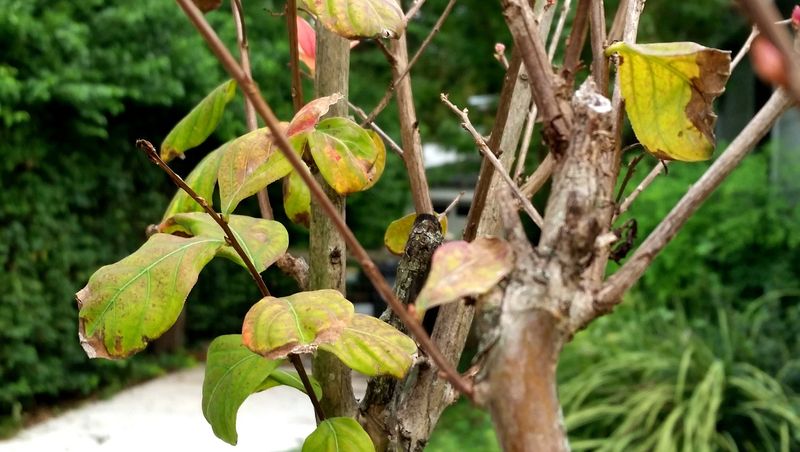
Not all pruning is created equal. There is a big difference between cutting healthy branches just to reduce size and removing wood that is actually broken, diseased, or clearly struggling.
Late summer is not the time for cosmetic pruning, but it is perfectly fine to remove wood that has a real problem.
If you spot a branch that snapped during a summer storm, go ahead and clean it up. Leaving broken wood on the plant can invite insects and disease into the wound site.
A clean cut on damaged wood is always better than letting a jagged break sit through the rest of the season and into fall.
Diseased wood is another exception worth knowing about. If you see signs of powdery mildew, canker, or unusual discoloration that looks like it is spreading, removing that wood promptly makes sense.
Just be sure to clean your pruning tools between cuts so you do not accidentally spread the problem to healthy parts of the plant.
The key rule to keep in mind is simple: only remove what actually needs to go. Avoid the temptation to cut healthy stems just because they look a little long or out of place.
That kind of unnecessary cutting is what gets crape myrtles into trouble heading into cooler weather in Pennsylvania.
When in doubt, leave it alone. A slightly imperfect shape going into fall is far better than a stressed plant pushing out vulnerable new growth at the wrong time of year.
Targeted, purposeful cuts on problem wood are always the right call over broad, routine trimming this late in the season.
Let This Year’s Growth Harden Before Cold Arrives

There is something satisfying about watching a crape myrtle push out new growth through the summer. All those fresh stems and leaves represent the plant’s hard work during the growing season.
By late August, that growth needs time to do something important: harden off before temperatures start to drop.
Hardening off is the process where plant tissues become tougher and more resistant to cold. Soft, young growth is very sensitive to frost.
When new shoots do not have enough time to mature before the first cold snap hits, they can suffer serious damage. In Pennsylvania, that first frost can arrive earlier than many people expect.
Pruning in late August interrupts this hardening process. When you cut back branches, the plant responds by sending energy into producing new soft growth.
That fresh growth is exactly what you do not want heading into fall. It is tender, it is vulnerable, and it simply cannot toughen up fast enough before winter weather moves in.
Think of it like this: the plant knows what it is doing. Crape myrtles are naturally programmed to slow down and prepare for dormancy as the days get shorter and cooler.
Your job is to support that process, not disrupt it. Letting the existing growth mature without interference is one of the kindest things you can do for the plant right now.
Pennsylvania gardeners especially need to keep this in mind. The state’s colder climate means the margin for error is smaller than in southern states where crape myrtles are more common.
Give your plant every possible advantage by keeping those pruning shears in the shed until late winter arrives.
Don’t Try To Force Another Burst Of Growth
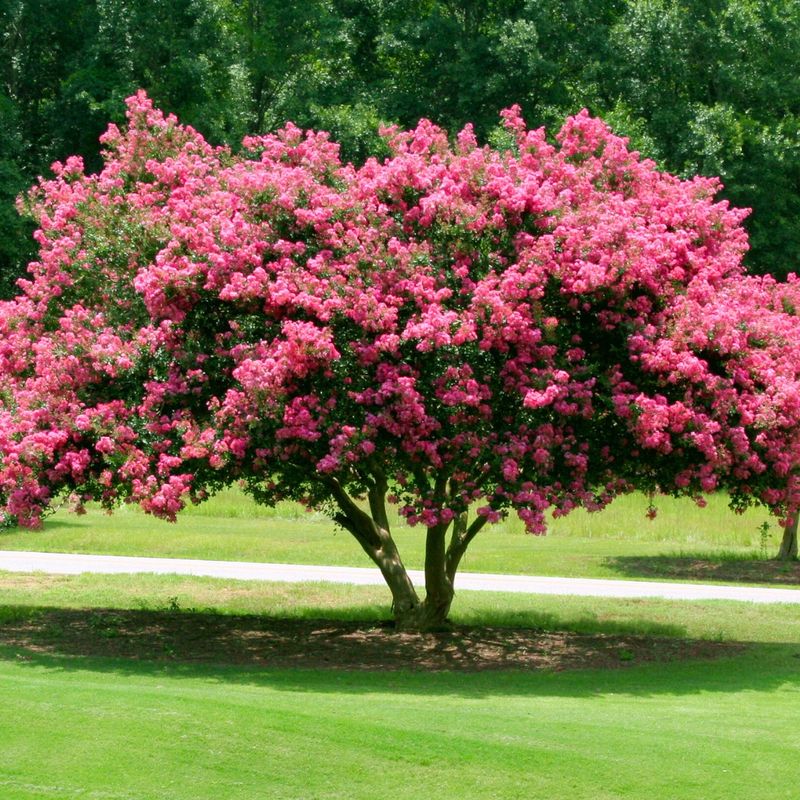
Late summer is not the time to push your crape myrtle into overdrive. Some gardeners prune in August hoping to trigger one more round of blooms before the season ends.
While the idea sounds appealing, it usually backfires and leaves the plant worse off heading into fall.
Crape myrtles bloom on new wood, and yes, cutting them back can sometimes prompt fresh shoots and even a few late flowers. But here is the catch: those new shoots are extremely soft and have almost no time to mature before Pennsylvania’s cooler nights begin.
You end up trading a healthy, well-prepared plant for a few extra blooms that come at a real cost.
Forcing late growth also drains energy reserves that the plant needs for winter. Crape myrtles store energy in their roots and woody stems to fuel their comeback in spring.
When you stimulate unnecessary growth in August, you are pulling from those reserves at exactly the wrong time. The plant goes into the cold season already running low.
Focus on keeping the existing plant healthy instead of chasing more blooms. Water consistently if rainfall has been low.
Add a layer of mulch around the base to help retain soil moisture and regulate temperature as nights get cooler. These simple steps do far more good than a late pruning session ever could.
Healthy crape myrtles that are allowed to wind down naturally tend to come back stronger and more vibrant the following spring.
Trust the process, skip the late-season pruning, and you will be rewarded with a plant that puts on a genuinely impressive show next summer without any extra pushing from you.
Protect The Plant Now For Better Growth Next Year

Everything you do for your crape myrtle right now is really an investment in next year. The decisions you make in late August directly affect how the plant emerges from winter and how well it performs through the following growing season.
Protecting it now pays off in a big way come spring. One of the best things you can do is apply a fresh layer of mulch around the base of the plant.
Two to three inches of mulch helps retain soil moisture, keeps roots cooler during late summer heat, and insulates them once temperatures start to drop.
Keep the mulch a few inches away from the trunk to prevent moisture buildup against the bark.
Watering is another key factor right now. If your area has been dry, give the crape myrtle a deep, slow watering once a week.
Deep watering encourages roots to grow down rather than staying near the surface, which makes the plant more stable and better equipped to handle winter conditions in Pennsylvania.
Avoid applying fertilizer at this stage. Late-season fertilizing, especially nitrogen-heavy products, pushes new leafy growth that is not what you want right now.
Save the feeding for early spring when the plant is waking up and ready to use those nutrients productively.
Allow the crape myrtle to transition naturally toward dormancy on its own schedule. As days shorten and temperatures cool, the plant will slow down, drop its leaves, and settle in for winter.
Resume any necessary shaping during the proper dormant pruning window in late winter. That simple, patient approach is all it takes to set your crape myrtle up for a fantastic year ahead.