Why Arizona Soil Turns Salty In August And How To Flush It Out
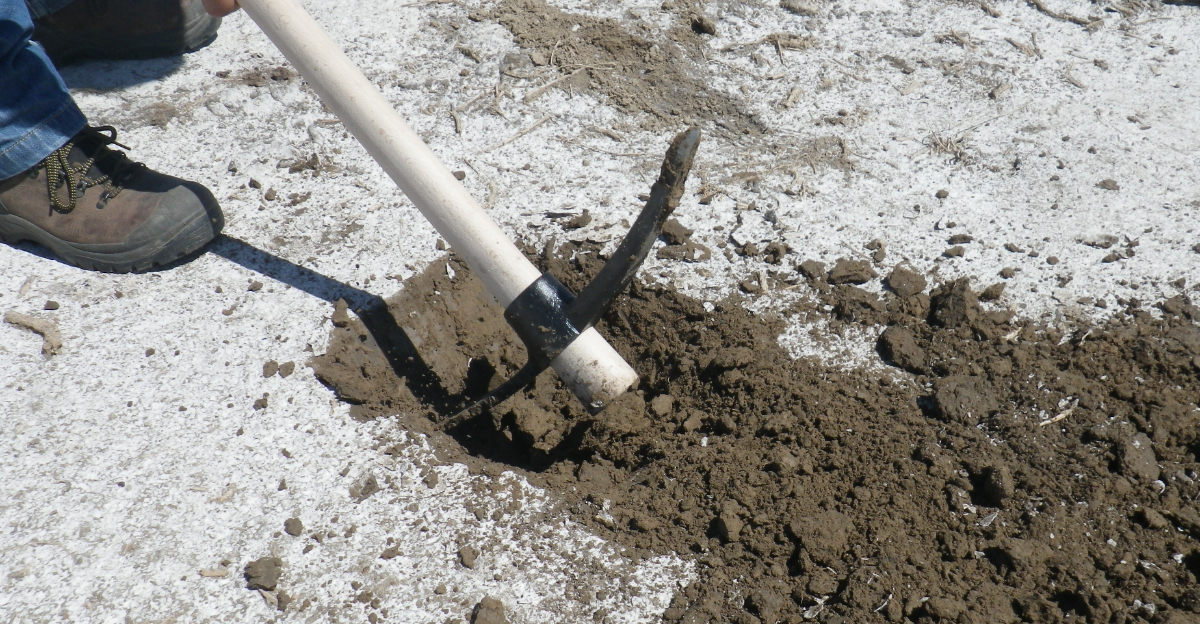
Your garden peaked in May and then just stopped trying. Now it’s August in Arizona, and something underground is turning against your plants.
Pale patches keep showing up overnight, dusting the dirt like frost that has no business existing in this heat. Your leaves are curling at the edges, almost flinching away from their own roots.
Here’s the part most gardeners miss: your watering schedule might be the exact thing feeding this problem. The hotter it gets, the faster this hidden buildup takes hold underground.
Once you see what’s actually happening beneath your plants, the fix is almost embarrassingly simple, and there’s still time to turn things around before September.
Evaporation And Irrigation Concentrate Salts In Summer
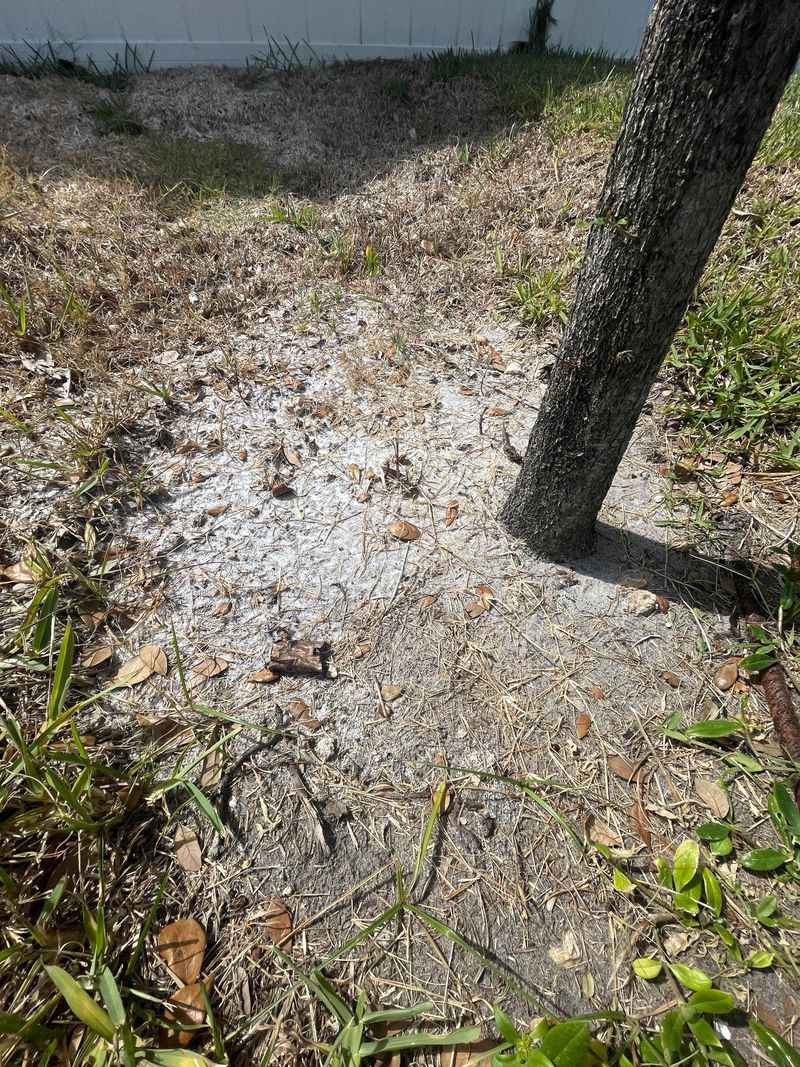
August in Arizona is basically a salt factory. The sun blazes, the air is bone dry, and your soil is working overtime just to stay alive.
Every time you water your garden, dissolved minerals come along for the ride. Those minerals do not evaporate when the water does, so they stay behind in the soil.
Irrigation water in most parts of the Southwest is already high in dissolved salts. Each watering session deposits a little more, and over weeks, it stacks up fast.
Summer heat speeds up evaporation dramatically, which means the water disappears quickly but the salt does not. Your soil ends up holding more salt than it would in cooler months.
Frequent shallow watering makes this worse because the water never moves deep enough to carry salts away. The minerals just keep cycling near the surface where roots live.
Drip systems are efficient, but they deliver water to one small zone repeatedly. That focused delivery can create pockets of high salt concentration right where roots need clean soil most.
The fix starts with understanding that this is a natural process, not a sign you failed. Salt accumulation is predictable, and that means it is also preventable with the right strategy.
Knowing the source of the problem puts you one step ahead of the damage. Your next watering session can either feed the problem or start solving it.
Deep Watering Flushes Salt Below The Root Zone
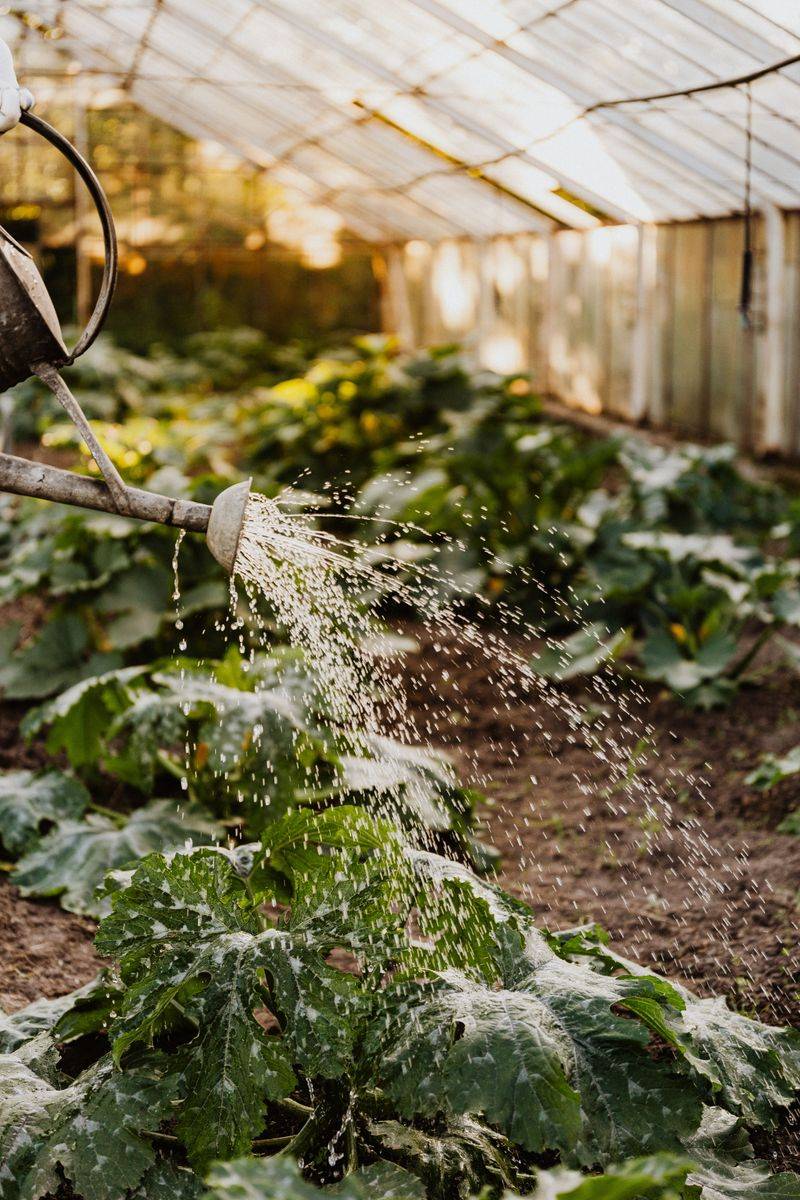
Salt does not vanish on its own, but water can move it. Deep watering pushes accumulated salt below the root zone where it stops hurting your plants.
The goal is to saturate the soil slowly and thoroughly so water carries dissolved minerals downward. A quick sprinkle does not get the job done.
A common recommendation is to apply two to three times the normal water volume during a flush session. That extra water creates enough downward movement to relocate salt away from roots.
Sandy soils flush more easily than clay soils because water moves through them faster. If your yard has heavy clay, flushing takes longer and needs more water to be effective.
Start by watering slowly for thirty to forty minutes, then pause and let the water soak in. Repeat this cycle two or three times to build deep penetration without runoff.
Your Arizona Garden Changes Every Week. Your Plan Should Too.
Gardening in Arizona changes quickly throughout the season. Every Friday you’ll receive a simple weekly plan showing exactly what to plant, prune, fertilize, harvest, and protect so you never miss the right timing.
Drip irrigation can flush salts if you run it long enough, but a slow trickle from a hose often works better for a thorough reset. Coverage matters as much as volume.
After flushing, wait a day or two before checking your soil. Digging down six to eight inches should reveal darker, moist soil, which means the water reached where it needed to go.
One deep flush session can make a noticeable difference in plant health within a week. Roots that were struggling in salty conditions often bounce back quickly once the pressure is relieved.
Signs Your Soil Has A Salt Buildup Problem
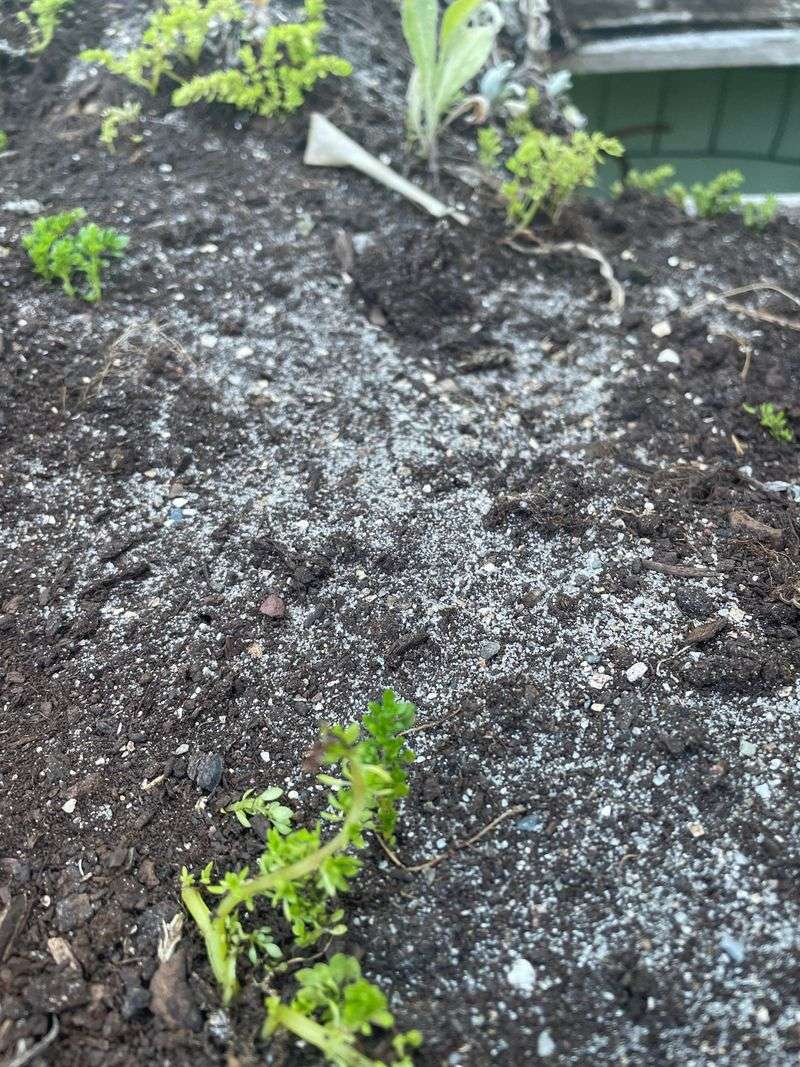
Your plants are sending you signals, and salty soil is one of the loudest problems they can show you. Learning to read those signals saves your garden before serious damage sets in.
White or gray crusty deposits on the soil surface are the most obvious clue. That crust is left-behind mineral residue from evaporated water, and it is a clear warning sign.
Leaf edges that turn brown and crispy, even when the plant is getting regular water, often point to salt stress. The salt pulls moisture away from roots, leaving leaves dehydrated from the inside out.
Plants may look wilted in the morning even after a good watering the night before. This happens because salty soil makes it harder for roots to absorb water, no matter how much is available.
Stunted growth during summer, especially in plants that thrived earlier in the season, is another red flag. Salt stress slows down nutrient uptake and overall plant function.
Yellowing leaves that do not respond to fertilizer can also be a symptom. When salt blocks nutrient absorption, adding more fertilizer just makes the problem worse by increasing salt levels further.
Check areas near drip emitters first since those spots receive concentrated water repeatedly. White rings or crusty circles around emitter sites are a strong indicator of localized salt buildup.
Catching these signs early gives you time to act before your plants suffer lasting damage. A simple soil test can confirm what your eyes are already telling you.
Evaporation’s Role In Concentrating Salts Near The Surface
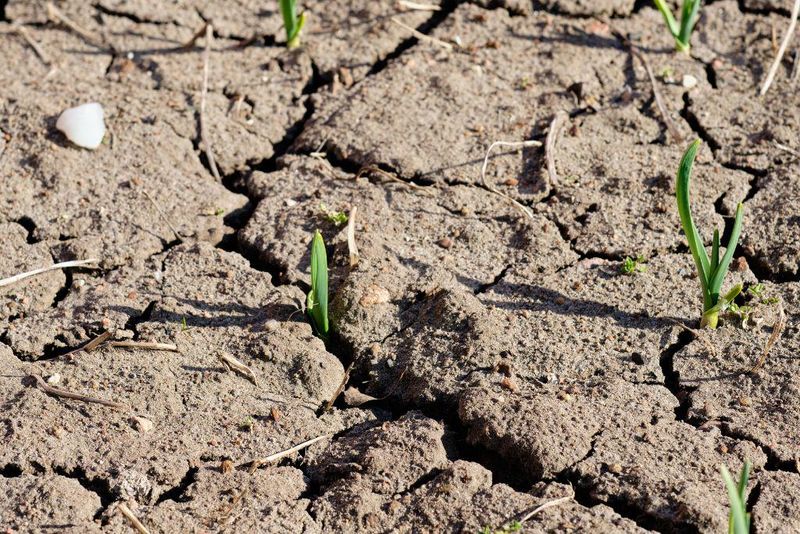
Picture a bowl of salty water sitting in the sun all day. By evening, the water is gone but the salt is still there, sitting at the bottom. Your soil works the same way.
When water evaporates from the soil surface, it pulls dissolved minerals upward through a process called capillary action. The minerals travel with the water toward the surface and get left behind when the water disappears.
This upward movement is especially strong in hot, dry climates where evaporation rates are extreme. August in the desert pushes this process into overdrive compared to almost anywhere else in the country.
Soils with fine particles, like clay or silt, have stronger capillary pull than coarse sandy soils. If your yard has a mix of textures, some areas will accumulate surface salt faster than others.
Mulch acts as a physical barrier that slows evaporation dramatically. A thick layer of wood chips or straw keeps moisture in the ground longer and reduces the upward salt migration.
Bare soil is the worst-case scenario because nothing interrupts the evaporation cycle. Covering your soil is one of the easiest and most effective ways to slow salt concentration near the surface.
Watering in the early morning gives water more time to move downward before the day’s heat drives evaporation into high gear. Timing your irrigation is a simple shift with a big impact.
Understanding this process helps you stop reacting to salt damage and start preventing it from forming in the first place.
Choosing Water And Timing For Effective Flushing
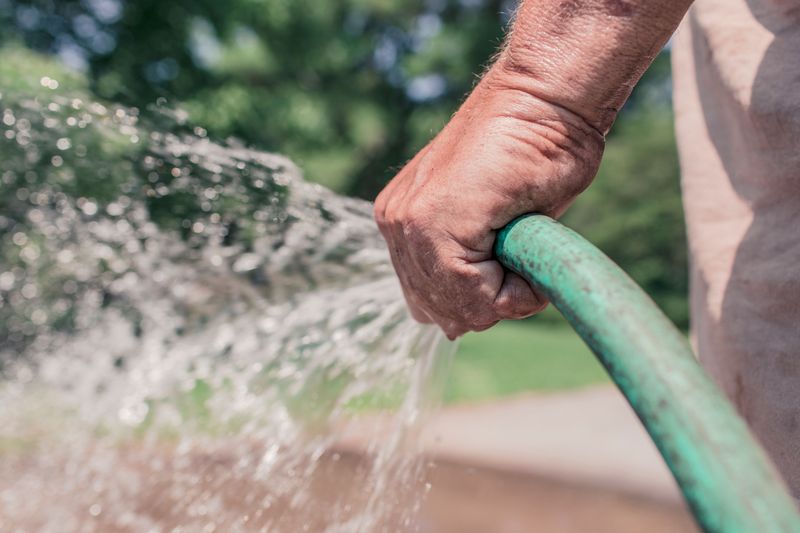
Not all water is equal when it comes to flushing salt from your soil. The quality and timing of your water choice can make flushing more or less effective.
Tap water in many Arizona cities already contains dissolved minerals, including calcium and magnesium. Using high-mineral tap water to flush salt can help dilute existing buildup, but it also adds a small amount back in.
Collected rainwater is the best option for flushing because it is naturally low in dissolved minerals. Monsoon season in late summer gives you a free supply of soft water that is ideal for resetting your soil.
If you have a water softener, avoid using softened water on your garden. Softeners swap calcium and magnesium for sodium, and sodium is especially harmful to soil structure and plant roots.
Timing your flush for early morning gives the water the best chance to move deep before evaporation kicks in. Afternoon watering loses a significant amount of moisture before it ever reaches the root zone.
Watering in the evening leaves less time for water to move deep before the next hot day speeds evaporation back up. Morning is the clear winner for flushing sessions.
Running your flush over two consecutive mornings instead of one long session allows the soil to settle and accept more water without creating runoff. Patience pays off when working with compacted desert soils.
Choosing the right water and the right hour turns a basic garden chore into a targeted solution that protects your plants all season long.
Preventing Future Salt Buildup In Arizona Gardens
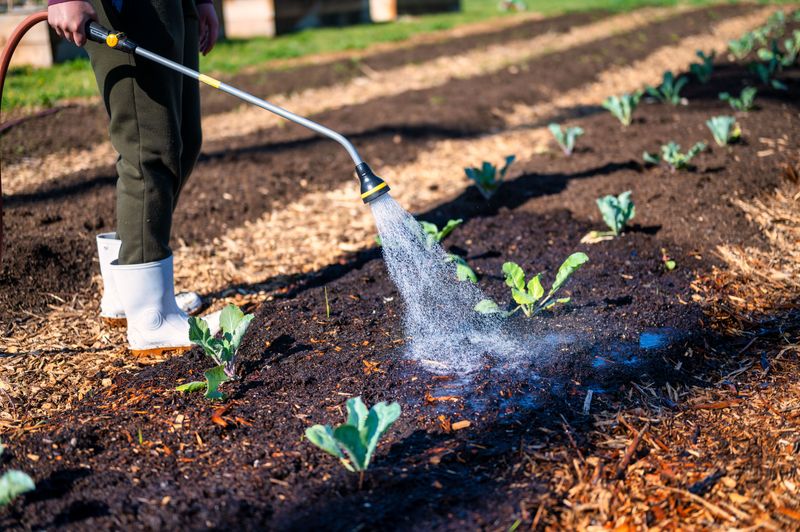
Prevention is almost always easier than cleanup. Once you understand how salt accumulates, keeping it from coming back is a straightforward process that fits into any garden routine.
Mulching is the single most powerful prevention tool available to desert gardeners. A three to four inch layer of organic material slows evaporation, cools the soil, and reduces the upward creep of dissolved minerals.
Organic mulches like wood chips and straw break down over time and actually improve soil structure. Better soil structure means better drainage, which helps excess salt move downward more easily during watering.
Choosing salt-tolerant plants for areas prone to buildup is a smart long-term strategy. Plants like desert willow, agave, and certain native grasses handle mineral-rich soil far better than most vegetables or tropical ornamentals.
Leaching your soil once a month during summer keeps mineral levels manageable before they reach damaging concentrations. A monthly deep watering session is much easier to manage than dealing with a serious salt buildup later.
Switching to drip irrigation with longer run times and less frequency encourages deeper water movement. Shallow, frequent watering is one of the biggest contributors to surface salt accumulation in Arizona gardens.
Getting a soil test in late spring gives you a baseline reading before summer heat arrives. Knowing your starting salt level helps you plan your flushing schedule with real data instead of guesswork.
Building these habits now means your garden stays healthier through every August, and the white crusty patches become a problem you used to have.