Why Are Your Oregon Trees Dropping Leaves In August’s Heat
Seeing leaves flutter down in August can make an Oregon yard feel like October arrived early.
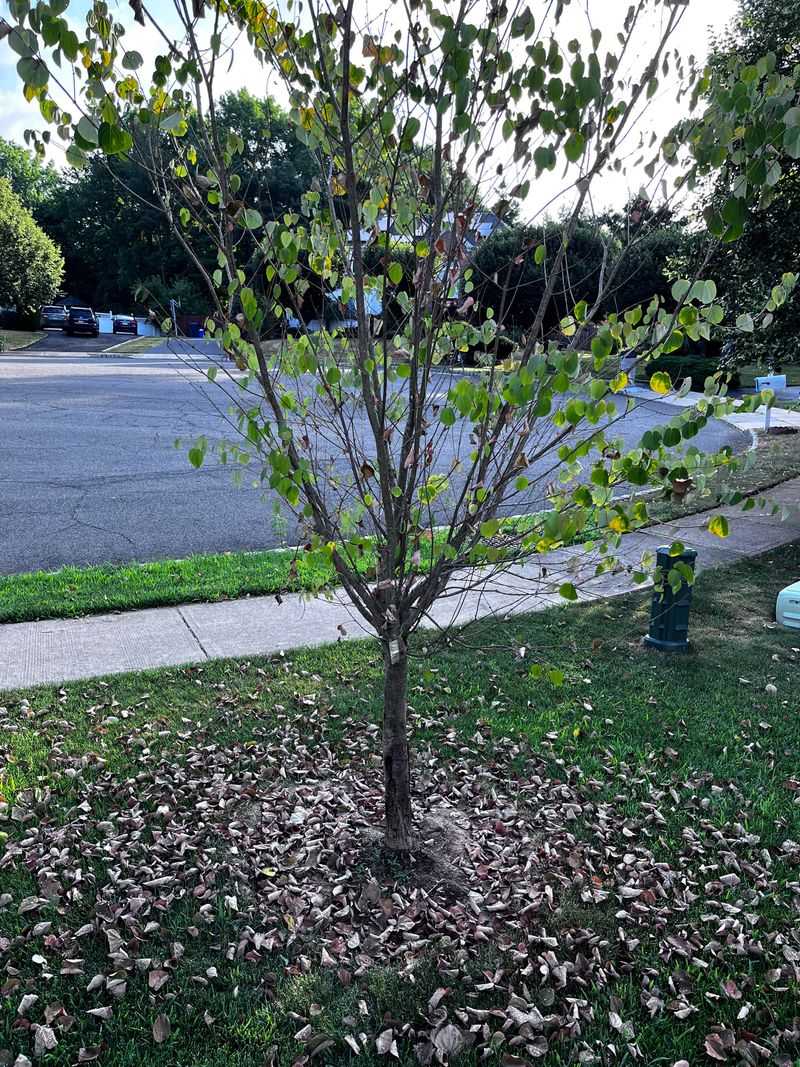
During a hot, dry stretch, trees often shed part of their canopy to conserve moisture and reduce stress.
It is a survival move, not always a sign that the tree is dying. Still, timing matters.
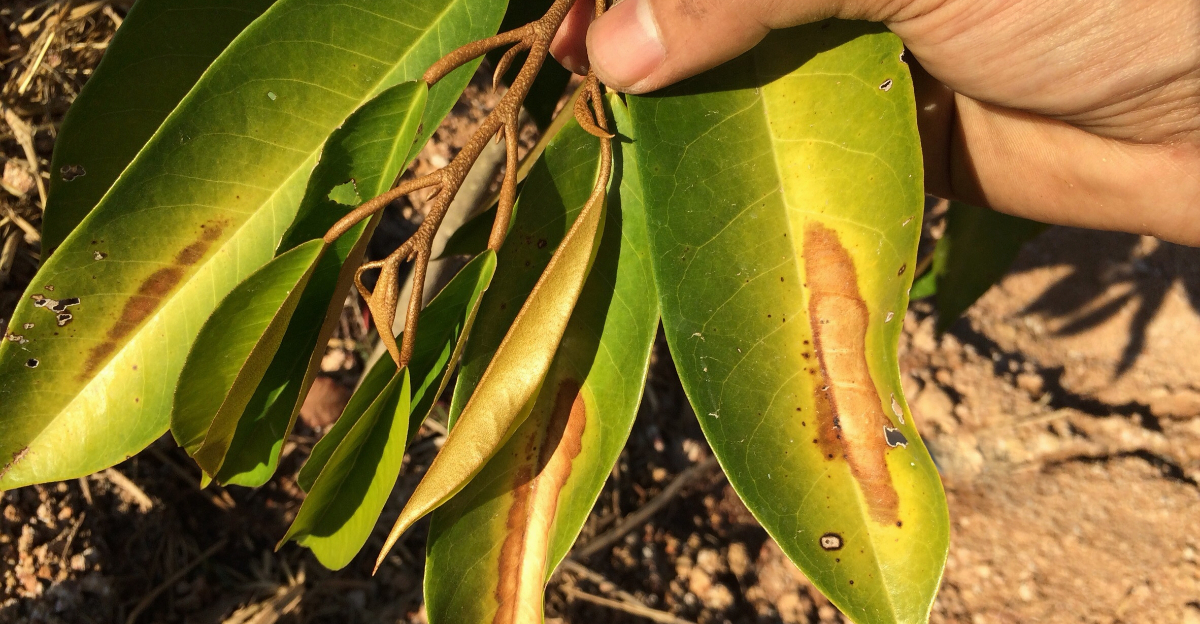
Scorched edges, curling leaves, patchy yellowing, and sudden leaf drop can point to heat stress, compacted soil, damaged roots, or watering problems.
Trees planted near pavement, driveways, or reflective walls may struggle even more because those surfaces hold and radiate heat.
A deep drink can help, but frequent shallow watering may leave roots close to the surface and more vulnerable. The trick is reading the clues before assuming the worst.
Some trees recover once temperatures ease, while others need better watering habits, mulch, or a closer inspection to rule out a larger problem through the rest of Oregon’s summer.
1. Heat Stress Pushing Leaves Off Early
When summer temperatures spike above 90 degrees for days at a time, trees across Oregon start to struggle in ways most people never expect. Leaf drop in August is one of the clearest signs that a tree is under serious heat stress.
It can feel alarming, but it is actually the tree protecting itself.
Trees lose water through their leaves constantly. On extremely hot days, that water loss speeds up fast.
When a tree cannot replace the water it is losing, it starts shedding leaves to reduce the demand. Fewer leaves mean less water lost through the surface.
It is a smart survival move built into the tree’s biology.
This process is called heat-induced early leaf drop, and it is more common than most people realize. Maples, oaks, and ornamental trees are especially prone to it.
You might notice leaves turning yellow, then brown, before falling off in clumps.
The best thing you can do during a heat wave is water your trees deeply and consistently. Do not wait for the leaves to fall before you act.
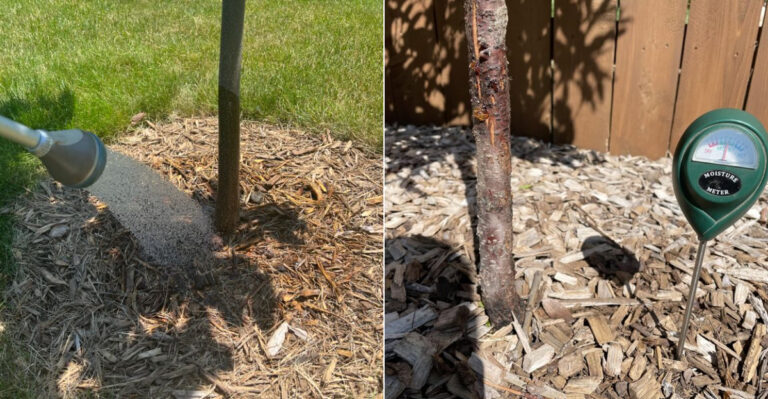
Check the soil around the base of the tree. If it feels dry more than two inches down, your tree is already thirsty.
Adding a thick layer of mulch around the base helps hold moisture in and keeps soil temperatures lower during those brutal August afternoons.
2. Dry Roots Begging For A Deeper Drink
Roots are the lifeline of every tree, but they are easy to forget because you cannot see them. When the soil dries out during August heat, roots lose access to the moisture they need to keep the whole tree alive.
Leaves start dropping because the tree simply cannot keep them hydrated.
Most people do not realize how deep healthy tree roots actually go. Large trees can have roots stretching several feet down into the soil.
Surface watering barely touches those deep roots. When only the top inch of soil gets wet, the tree keeps struggling even if you water every single day.
A good deep watering session once or twice a week is far more effective than light daily watering. Use a soaker hose or let a garden hose trickle slowly at the base of the tree for 30 to 45 minutes.
Your Oregon Garden Changes Every Week. Your Plan Should Too.
Gardening in Oregon changes quickly throughout the season. Every Friday you’ll receive a simple weekly plan showing exactly what to plant, prune, fertilize, harvest, and protect so you never miss the right timing.
This gives water time to soak down to where the roots actually live.
Young trees planted in the last two to three years are especially vulnerable during dry summers. Their root systems have not spread wide or deep enough yet to find water on their own.
They need extra help from you. Established trees can handle short dry spells better, but even they will drop leaves if August stretches into a long, rainless stretch.
Giving roots a deep drink now can stop more leaves from falling.
3. Shallow Watering Missing The Root Zone
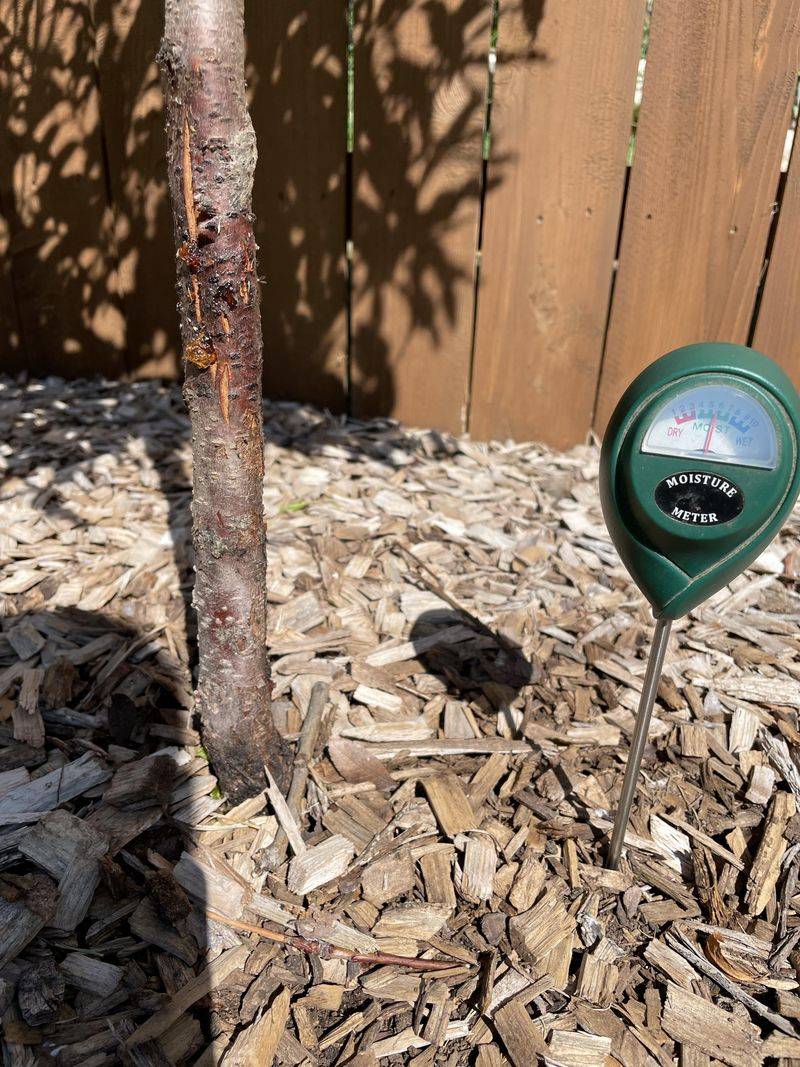
A lot of homeowners water their trees regularly and still end up with dropping leaves in August. The frustrating truth is that how you water matters just as much as how often you water.
Shallow watering is one of the most common mistakes people make without even knowing it.
When water only soaks the top inch or two of soil, it evaporates quickly in the heat. The roots sitting deeper in the ground never get a drop.
The tree keeps sending distress signals upward, and eventually those signals show up as falling leaves. You are watering, but the tree is still thirsty.
Shallow watering also encourages roots to grow upward toward the surface. That makes trees even more vulnerable during heat waves because surface soil dries out the fastest.
Over time, this creates a cycle that weakens the tree season after season.
Breaking this habit is not complicated. Slow and deep is the key.
Place a soaker hose in a wide circle around the tree, not right against the trunk. Let it run long enough for water to reach at least six to eight inches down.
You can check depth by pushing a wooden dowel or screwdriver into the soil after watering. If it slides in easily, the water got deep enough.
If it stops quickly, the soil is still too dry and the roots are still missing out on the moisture they need to keep leaves on the branches.
4. Hot Winds Drying Leaves Even Faster
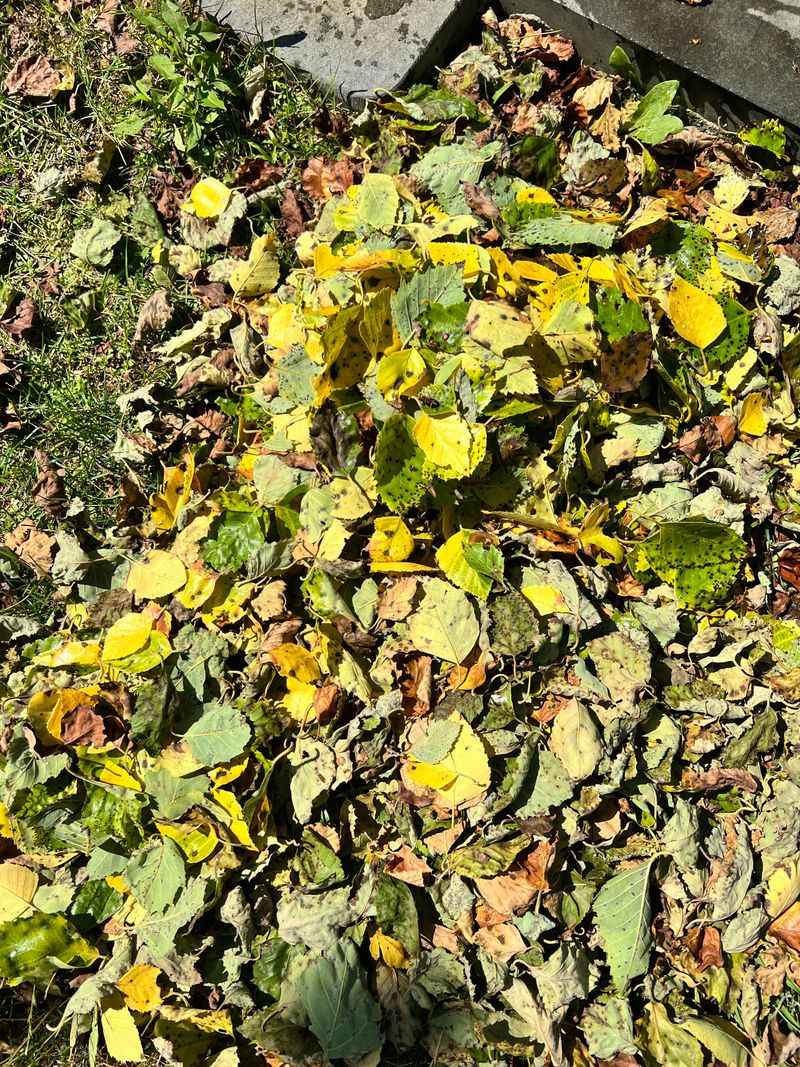
Most people blame high temperatures alone when their trees start dropping leaves in August. But hot winds play a huge role too, and they often go unnoticed.
Wind speeds up the rate at which leaves lose moisture, and on a hot August day, that combination can be brutal for trees.
Oregon experiences warm, dry east winds during summer, especially in the Willamette Valley and other inland areas. These winds pull moisture right out of leaves.
When a tree loses water faster than its roots can replace it, leaves dry up and fall. It can happen in just a few days during a strong wind event.
You might notice the leaves on the side of the tree facing the wind look worse than the other side. That is a classic sign of wind damage working together with heat stress.
Leaves curl, turn crispy at the edges, and eventually drop off entirely.
Windbreaks can help protect trees in exposed yards. A row of dense shrubs or a fence on the windward side reduces the force of hot winds reaching your trees.
For individual trees, deep watering before a predicted wind event gives them a full tank of moisture to draw from. Mulch is also a big help here.
A thick layer around the base slows down soil moisture loss even when wind is pulling hard at the leaves above. Small steps like these make a real difference during a tough August wind stretch.
5. Scorched Leaves Finally Calling It Quits
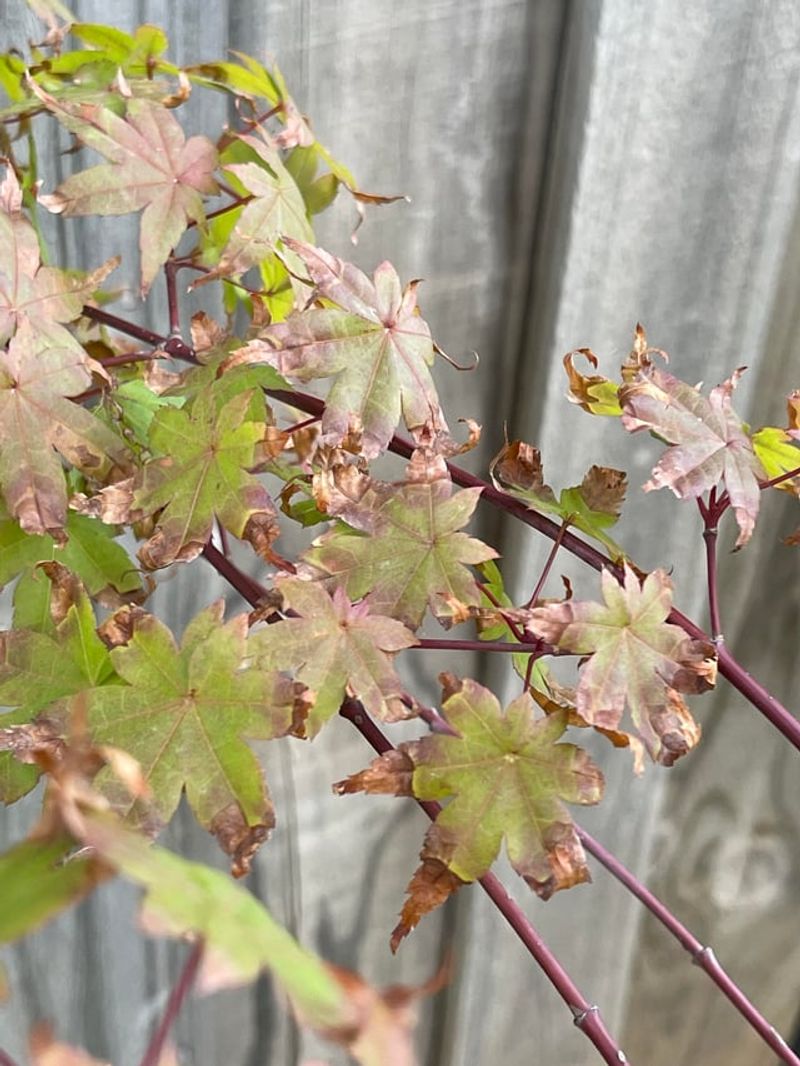
Leaf scorch is one of the most visible signs that August heat has pushed a tree past its comfort zone. Scorched leaves look brown and crispy around the edges, almost like they were held too close to a flame.
Once a leaf gets to that point, it is not coming back, and the tree will let it go.
Scorch happens when leaves lose water faster than the roots can send it up. The outer edges of leaves are the first to suffer because they are the farthest from the tree’s water supply.
You will often see the browning start at the tips and margins before spreading inward.
Oak trees, Japanese maples, and dogwoods are among the trees most commonly seen with scorched leaves in Oregon during summer heat waves. These species are beautiful but sensitive to extreme temperature swings.
A few consecutive days above 95 degrees can trigger visible scorch within a week.
Once leaves are scorched, removing them from the ground is a good idea. Fallen scorched leaves can harbor fungal spores that may cause problems later if left to sit in moist conditions.
The tree itself will usually grow new leaves the following spring as long as it survives the summer in decent health.
Keeping the soil moist and shading young or small trees with a shade cloth during the worst heat days gives them the best shot at bouncing back strong when cooler weather returns.
6. Trees Dropping Leaves To Save Water
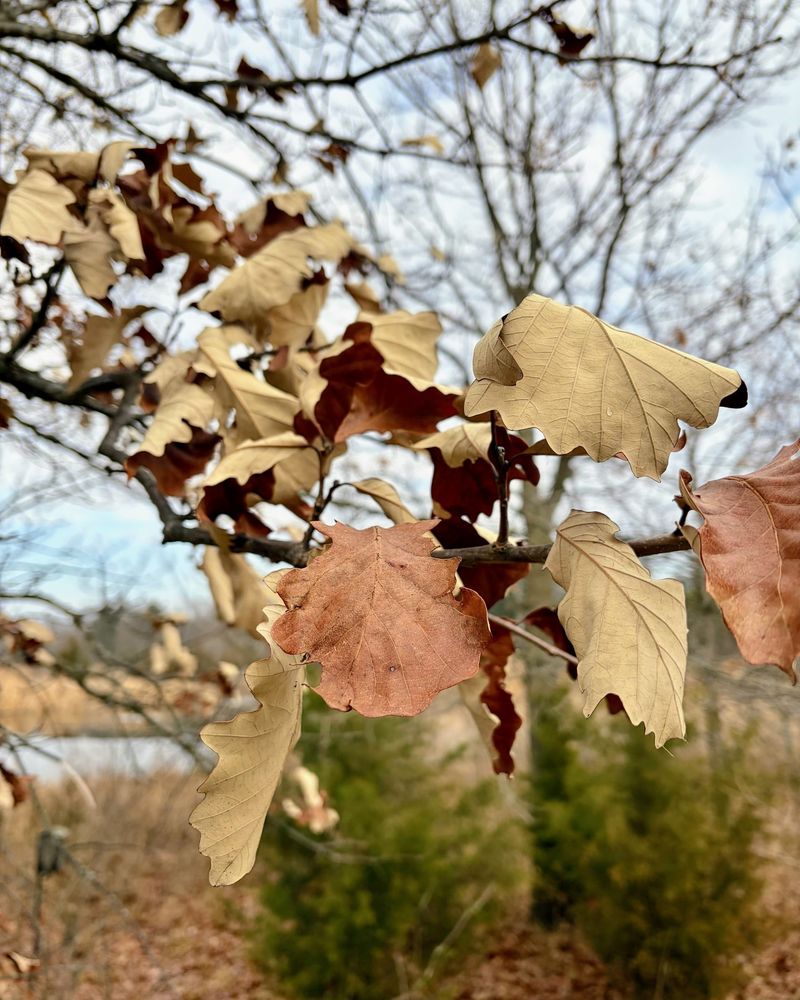
Here is something most people do not know: trees can actually choose to drop their leaves on purpose.
When water becomes scarce, a tree’s internal systems kick in and begin shutting down parts of the plant that use the most water. Leaves are at the top of that list.
Scientists call this process drought-induced leaf drop. The tree forms a special layer of cells at the base of each leaf stem.
When conditions get bad enough, that layer cuts off the connection between the leaf and the branch. The leaf falls, and the tree saves the water it would have used to keep that leaf alive.
It sounds drastic, but it is actually a sign that the tree is doing exactly what it is supposed to do. A tree that drops leaves to conserve water is a tree that is fighting to stay healthy.
The danger comes when people ignore the signal and do not step in to help with watering.
Trees that drop leaves in August and then get no extra water support may struggle to store enough energy for winter. That can lead to weak growth the following spring.
To help, start deep watering as soon as you notice leaves falling. Continue watering through September even as temperatures cool.
The tree is still working hard underground, building up reserves. Giving it consistent moisture now pays off with healthier, fuller growth when spring rolls back around next year.
7. Compacted Soil Blocking Precious Moisture
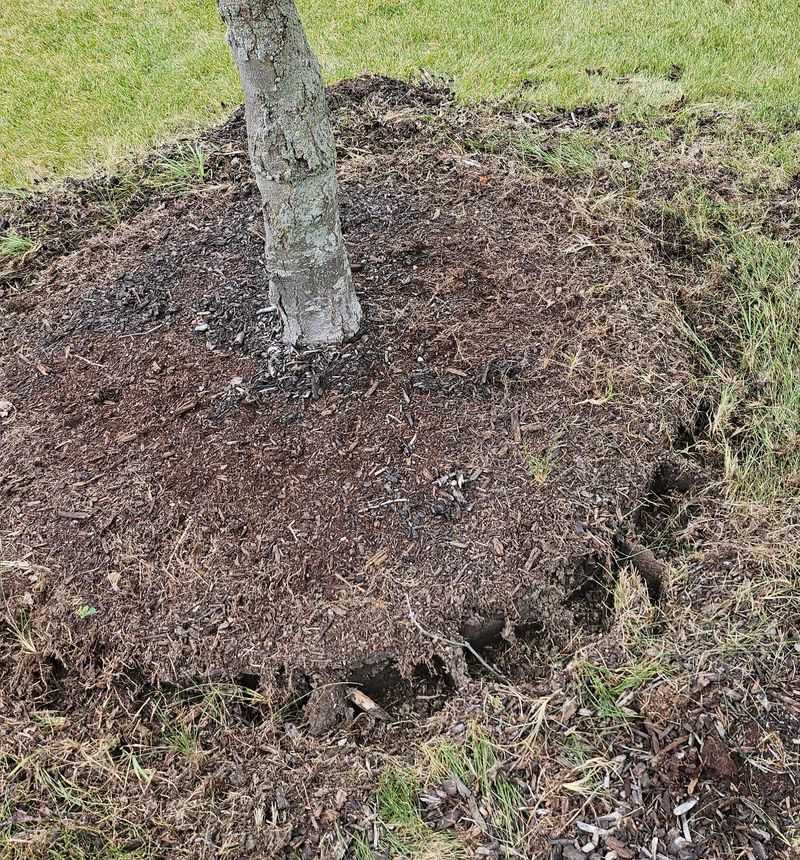
Soil might seem like a simple thing, but its condition has a massive effect on how well trees handle summer heat. Compacted soil is one of the sneaky reasons trees drop leaves in August, and it often gets overlooked completely.
When soil is packed too tight, water cannot move through it the way it should.
Compaction happens in yards for all kinds of reasons. Foot traffic, heavy lawn equipment, and even repeated shallow watering can press soil particles together over time.
Once the soil is compacted, rainwater and hose water run off the surface instead of soaking down to the roots. The tree sits above a layer of soil it cannot use, and the roots go dry.
You can test your soil with a simple screwdriver test. Push a standard screwdriver into the soil near the tree.
If it takes real effort to push it in six inches, your soil is likely compacted. Loose, healthy soil should allow the screwdriver to slide in with light pressure.
Fixing compacted soil takes a little work but is very doable. Aerating the soil around the tree with a garden fork or a rented core aerator opens up pathways for water and air.
After aerating, top the area with a layer of compost and then add mulch on top. This combination improves soil structure over time and gives roots the open, moist environment they need to stay healthy through even the hottest August weeks.
8. Lawn Sprinklers Barely Reaching Tree Roots
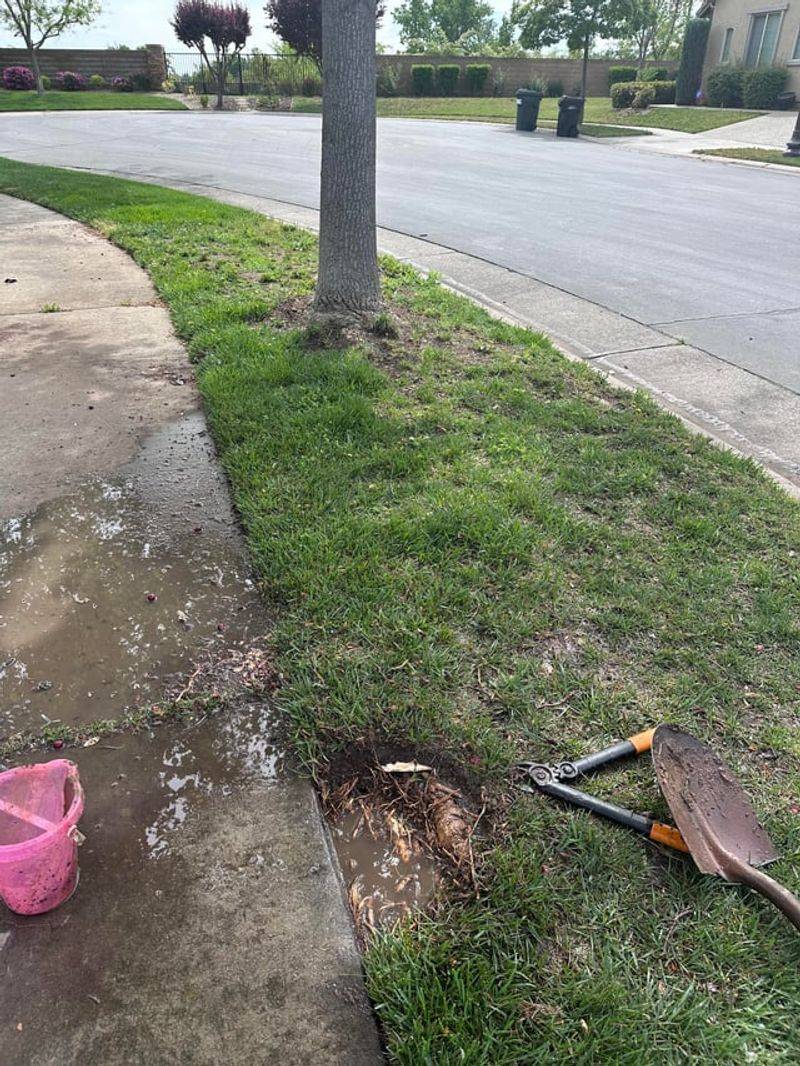
Many Oregon homeowners assume their trees are getting enough water because the lawn sprinklers run regularly. Unfortunately, sprinkler systems are designed for grass, not trees.
Grass roots live in the top few inches of soil. Tree roots go much deeper and spread much wider than any sprinkler pattern covers.
Sprinkler heads are usually set to water a specific zone for a short time. That works great for keeping a lawn green.
But trees need water delivered slowly over a longer period so it can soak down past the grass layer and reach the deeper root zone. Quick sprinkler cycles just wet the surface and evaporate fast.
Another issue is placement. Sprinklers are often positioned to cover the lawn, not the area under and around the tree canopy.
The most active root zone for a mature tree is often several feet out from the trunk, right at the edge of the canopy and beyond. Sprinklers rarely reach that zone at all.
Adding a soaker hose around the tree in addition to your regular sprinkler schedule makes a big difference.
Place it in a wide ring around the tree, at least as wide as the canopy spread. Run it for 30 to 45 minutes once or twice a week during August heat.
This simple addition fills in the gap that your lawn sprinkler system leaves behind, giving tree roots the deep, consistent moisture they need to hold on to their leaves through the hottest weeks of summer.